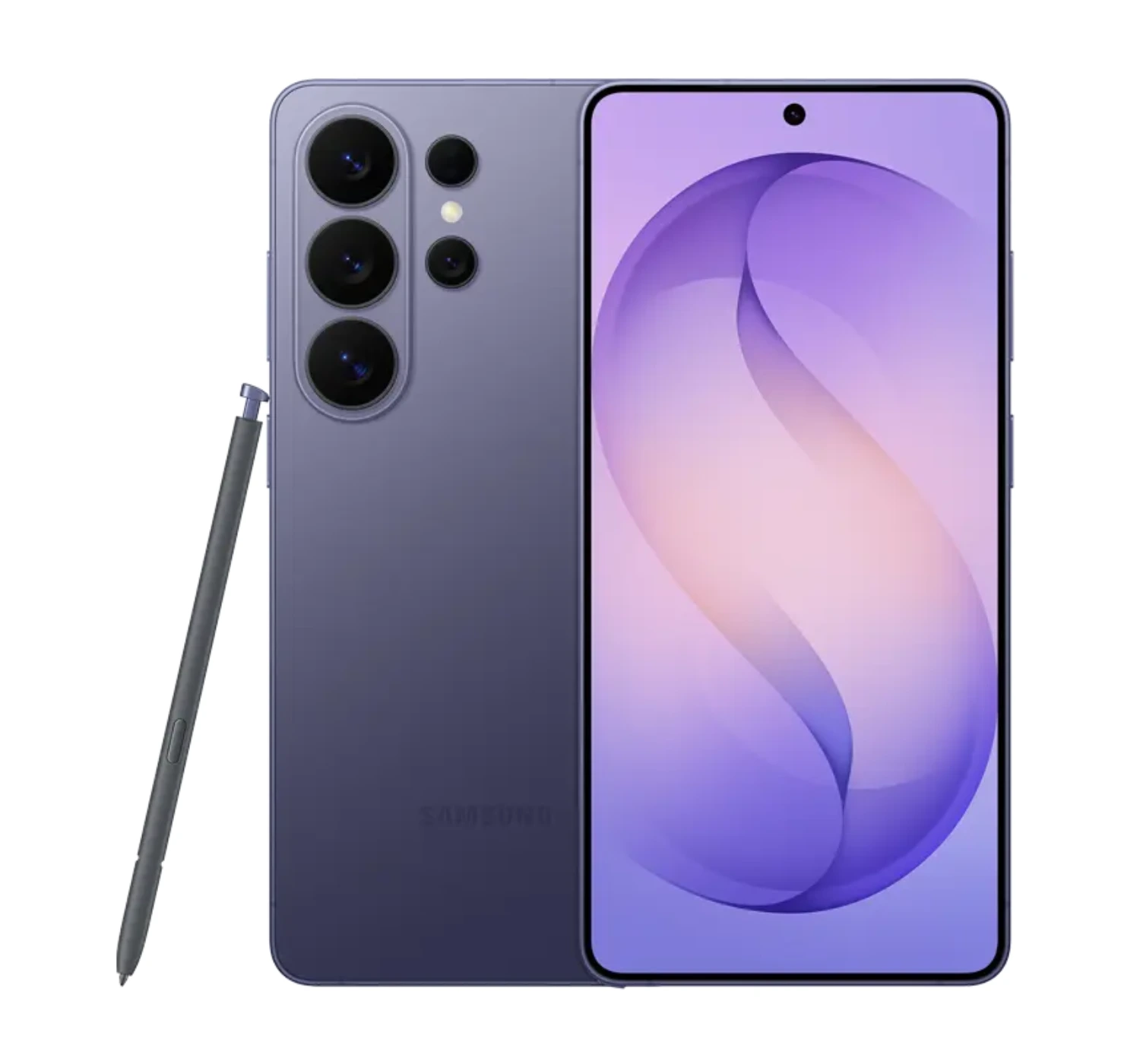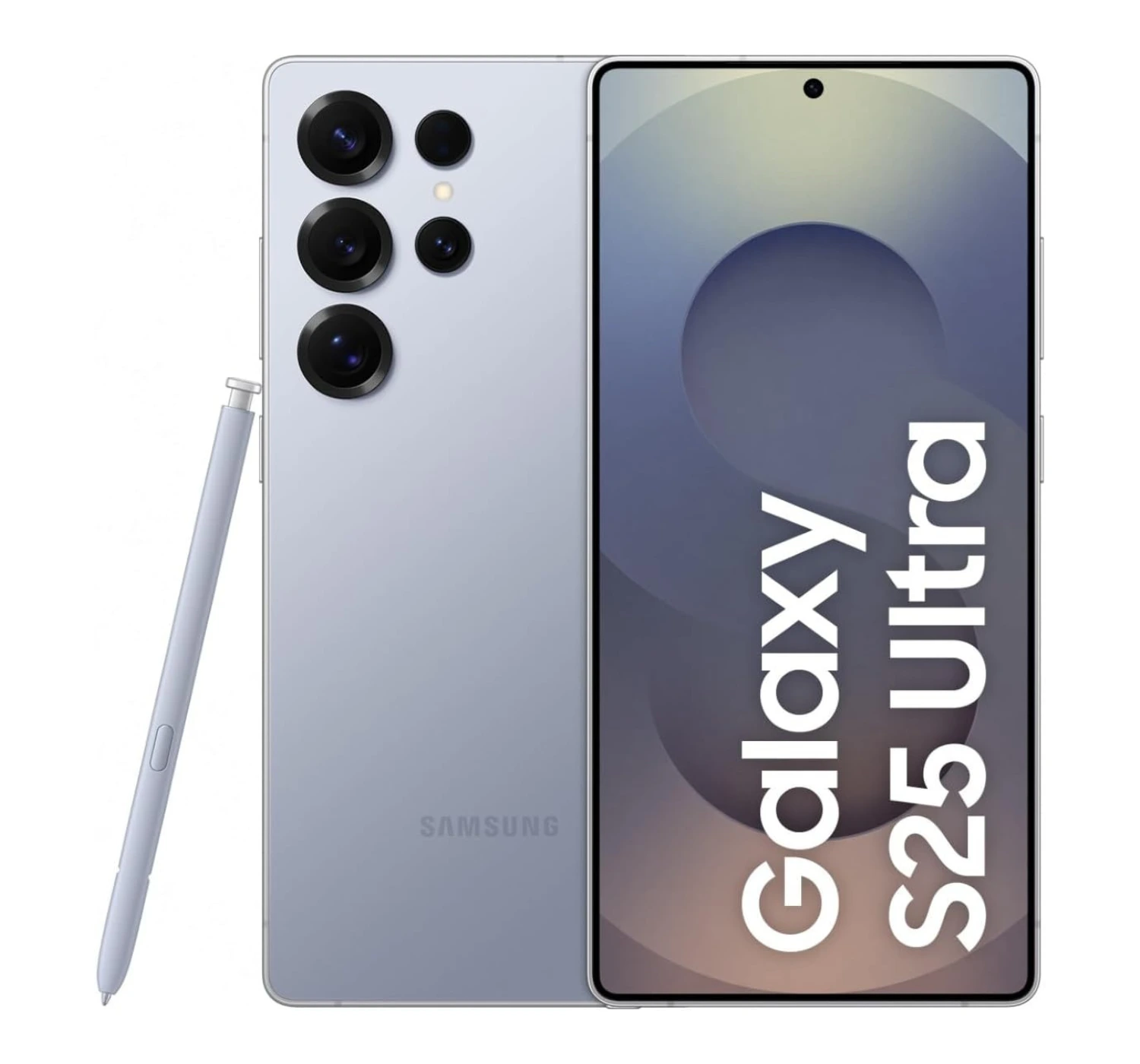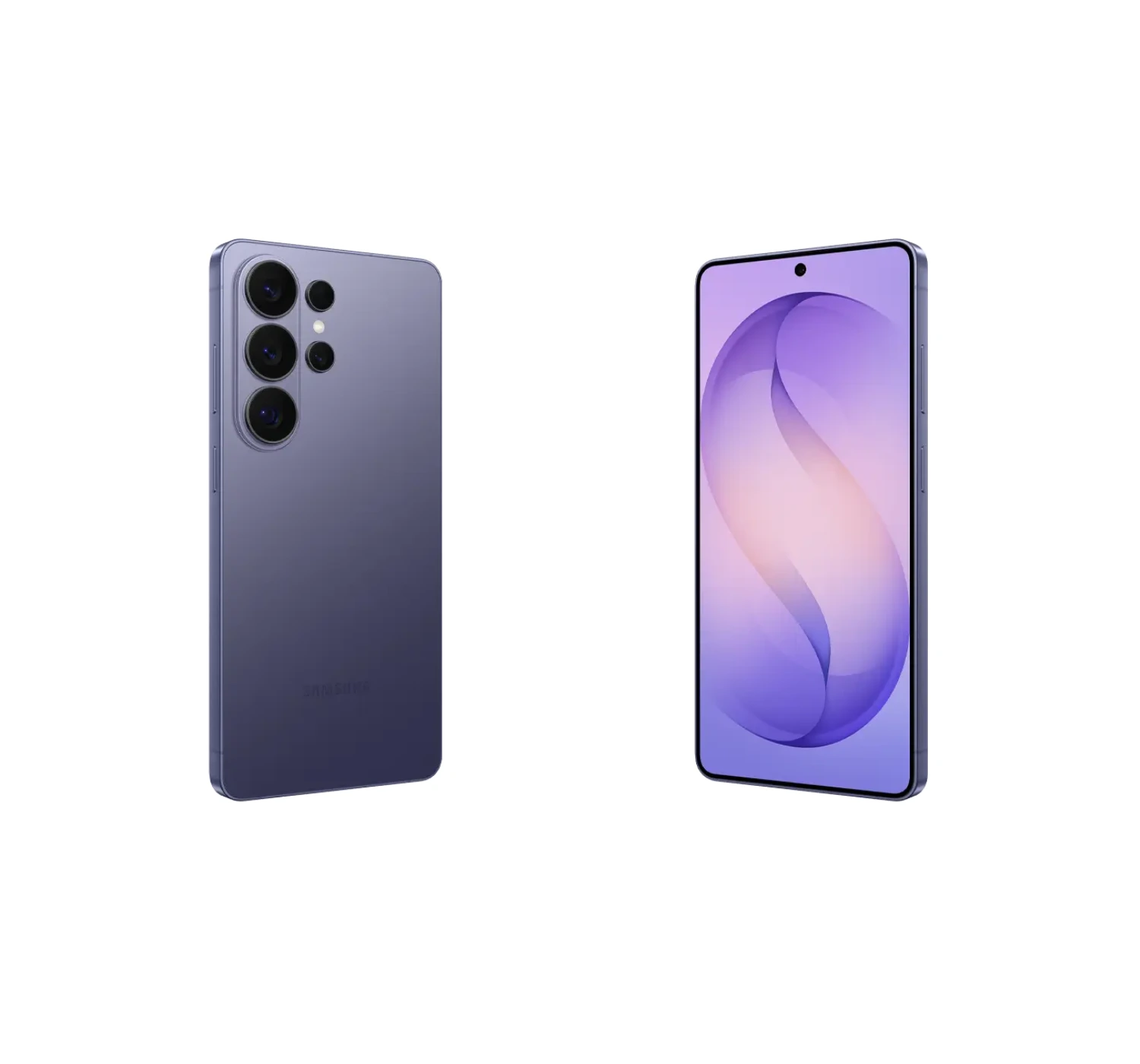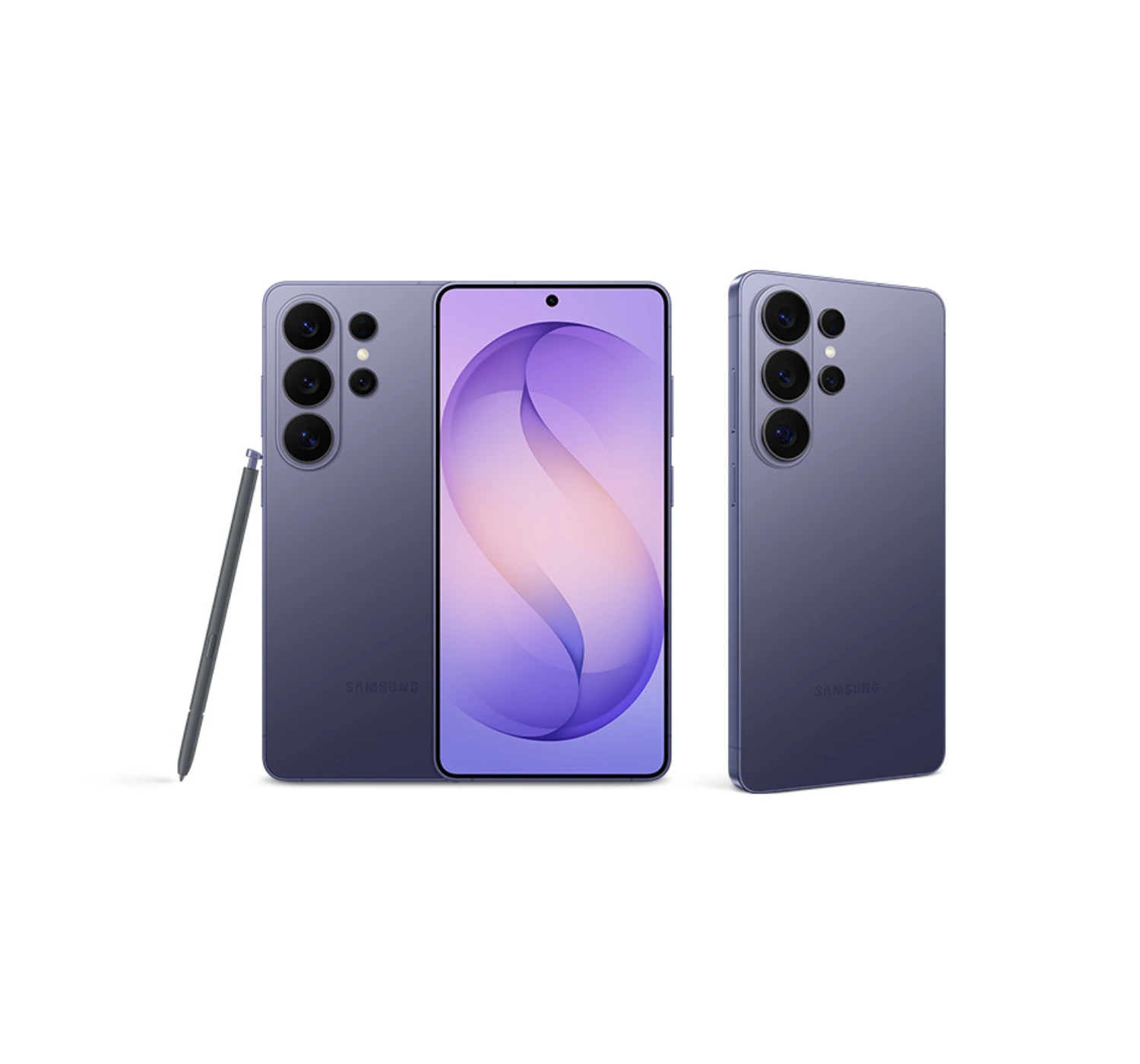
The S26 Ultra Versus S25 Ultra: Should You Upgrade?

Let’s be real. The moment a new Samsung Galaxy Ultra drops, we all feel that familiar pull. Our current phone suddenly starts looking a little duller, the lag seems more pronounced (even if it’s just in our heads), and the desire to hold the absolute new apex of mobile technology starts to tickle our brains. That’s exactly where we are right now with the arrival of the Samsung Galaxy S26 Ultra. But standing in its way is its predecessor, the magnificent Samsung Galaxy S25 Ultra—a phone that, quite honestly, didn’t leave a lot of room for improvement.

If you’re sitting there with an S25 Ultra in your palm, wondering if you need to make the leap, or if you’re coming from an older model trying to decide between the brand new beast, and the recently discounted champ, you’re in the right place. This isn’t just a dry spec-sheet comparison; this is a human look at what these phones are actually like to live with. So the question you should ask: Should you upgrade? Let’s dive deep to witness the ultimate battle: The Galaxy S26 Ultra versus S25 Ultra.


Overview


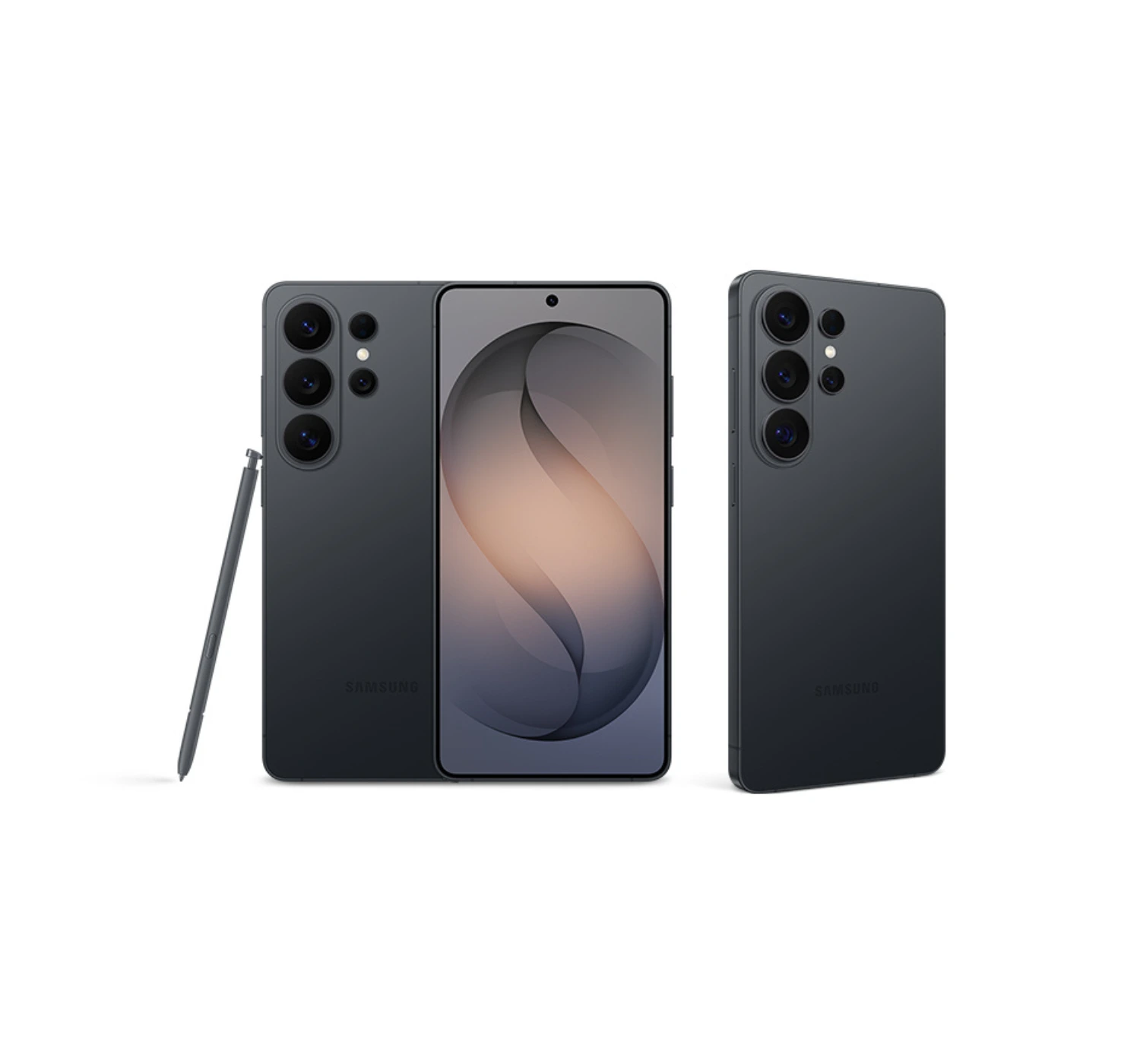
Before we get into the nitty-gritty, let’s look at the “soul” of these two devices. The Samsung Galaxy S25 Ultra was the phone that refined the “Ultra” identity. It introduced the Titanium frame, perfected the flat display, and brought us the first generation of truly integrated Galaxy AI. It remains a stunning piece of hardware that doesn’t feel a day old. The Samsung Galaxy S26 Ultra, on the other hand, is the pioneer of a new era. It’s slightly thinner, more rounded, and introduces hardware-level privacy features we’ve never seen in a mainstream flagship. It’s less of a “refresh” and more of a “re-imagining” of how we interact with our screens in public.


So, why even consider these two smartphones?


In a market saturated with “good” phones, these two stand alone for a few key reasons:

  • The S Pen Advantage: They are the only flagship phones with a built-in stylus, making them indispensable for creators, note-takers, and power users.
  • Longevity: Samsung’s promise of 7 years of OS and security updates means that even if you buy the S25 Ultra today, it will still be getting official software support in 2032.
  • Peak Specs: From the brightest anti-reflective screens to the most versatile camera systems on the planet, these phones represent the absolute ceiling of mobile technology.


Phone Specs


Samsung Galaxy S26 Ultra

  • DISPLAY: 6.9 inches, Dynamic LTPO AMOLED 2X, 120Hz, HDR10+, 1440 x 3120 pixels, 2600 nits, Privacy display
  • CPU: Snapdragon 8 Elite Gen 5 (3 nm) | Adreno 840 (1.3GHz) GPU
  • MEMORY: 12GB/16GB
  • STORAGE: 256GB/512GB/1TB
  • OS: Android 16, up to 7 major Android upgrades, One UI 8.5
  • PRIMARY CAMERA: 200 MP wide + 10 MP telephoto, 3x optical zoom + 50 MP periscope telephoto, 5x optical zoom + 50 MP ultrawide | Up to 8K video recordings at 30fps  
  • SELFIE CAMERA: 12 MP wide | Up to 4K video recoding at 60fps
  • BATTERY: 5000 mAh | supports 60W wired, 25W wireless, and 4.5 reverse wireless charging
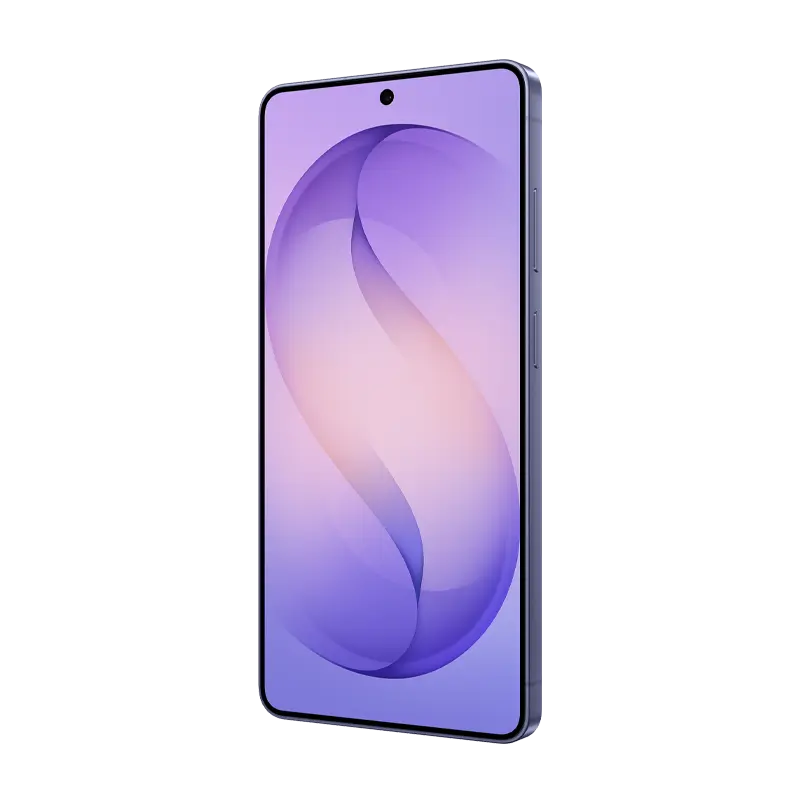
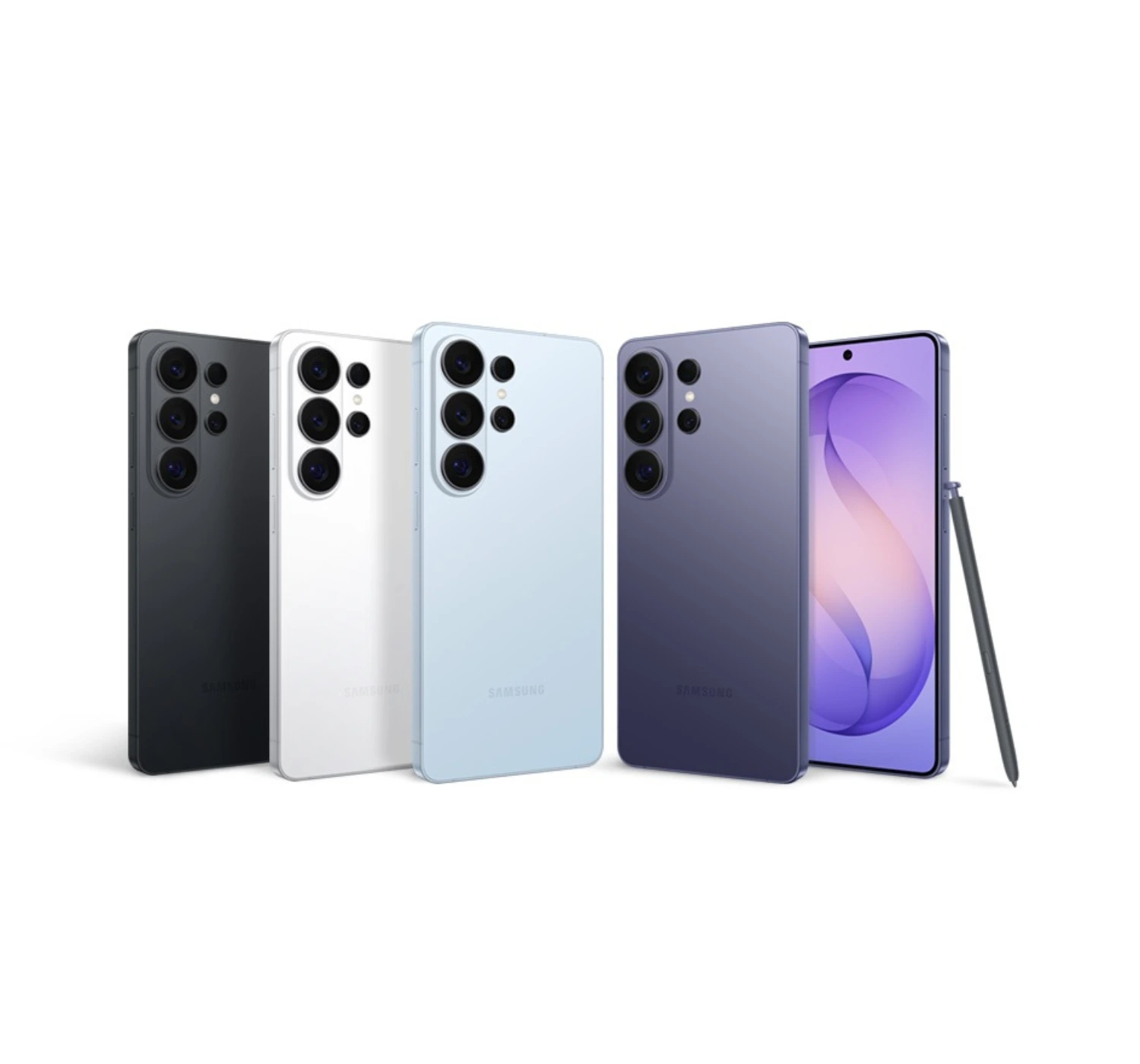
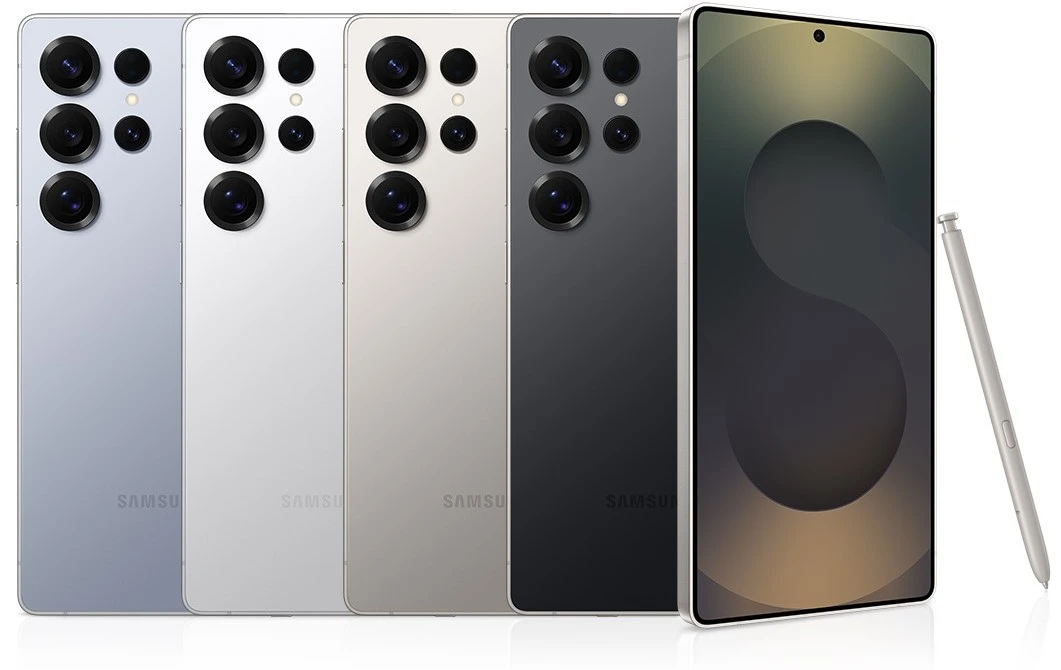
  • MISC: Colors include Cobalt Violet, Sky Blue, Black, White, Silver Shadow, Pink Gold | Wi-Fi 7, Bluetooth 6.0 | weighs 214 g (7.6 oz) | IP68 dust and water resistant | aluminum frame

Samsung Galaxy S25 Ultra

  • DISPLAY: 6.9 inches, Dynamic LTPO AMOLED 2X, 120Hz, HDR10+, 1440 x 3120 pixels, 2600 nits
  • CPU: Snapdragon 8 Elite | Adreno 830 (1200 MHz)
  • MEMORY: 12GB/16GB
  • STORAGE: 256GB/512GB/1TB
  • OS: Android 15, up to 7 major Android upgrades, One UI 8
  • PRIMARY CAMERA: 200 MP wide + 10 MP telephoto, 3x optical zoom + 50 MP periscope telephoto, 5x optical zoom + 50 MP ultrawide | Up to 8K video recordings at 30fps 
  • SELFIE CAMERA: 12 MP wide | Up to 4K video recoding at 60fps
  • BATTERY: 5000 mAh | supports 45W wired, 15W wireless, and 4.5 reverse wireless charging
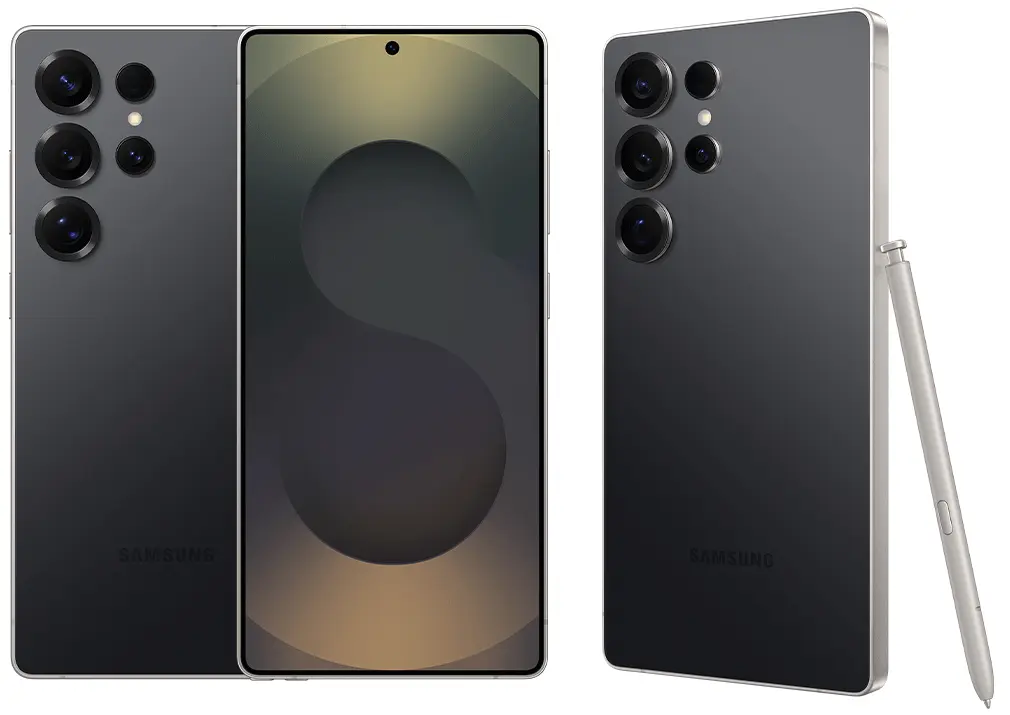
  • MISC: Colors include Titanium Silver Blue, Titanium Black, Titanium White Silver, Titanium Gray, Titanium Jade Green, Titanium Jet Black, Titanium Pink Gold | Wi-Fi 7, Bluetooth 5.4 | weighs 218 g (7.7 oz) | IP68 dust and water resistant | titanium frame


Subtle Nudges and One Huge Privacy Pivot


When you first lay eyes on the two phones side-by-side, your initial reaction might be, “Wait, are these the same phone?” Samsung has perfected the ‘Ultra’ aesthetic—that tall, commanding, squared-off boxy shape—and they aren’t about to abandon it. But if you look closer and, more importantly, hold them, the differences begin to emerge.


1. Design Evolution

The Galaxy S25 Ultra was a masterpiece of luxury, introducing a premium Titanium frame that felt incredibly tough and sleek. It also took a bold step by fully flattening the edges of the display, a move praised by many stylus users.

The S26 Ultra makes a curious shift. Rumors and early hands-on reports suggest Samsung has actually moved back to Armor Aluminum. While some might see this as a downgrade from Titanium, Samsung claims this new aluminum is tougher and lighter. And it’s true: the S26 Ultra is slightly thinner (7.9mm vs. 8.2mm) and lighter (214g vs. 218g) than its predecessor.

Furthermore, Samsung listened to those who found the S25 Ultra’s corners a little too sharp. The S26 Ultra’s corners have a marginally larger radius—meaning they are slightly more rounded. It doesn’t look like a completely different phone, but it feels significantly more comfortable digging into your palm after a long session of scrolling.


2. Display: The Game-Changer We Didn’t Know We Needed

On the surface, the displays are almost identical: both are massive 6.9-inch Dynamic AMOLED 2X panels with QHD+ resolution and a smooth-as-butter 120Hz LTPO refresh rate. They both feature the incredible anti-reflective coating that debuted on the S24 series, making them usable even under direct sun. But the S26 Ultra has a secret weapon built into its pixels that might just be the most practical feature Samsung has added in years: the Privacy Display.

Built directly into the panel level, this technology acts like a magical, built-in privacy screen protector. When activated, it restricts the viewing angles of the screen. Someone sitting right next to you on a bus, or standing over your shoulder, won’t be able to see your confidential emails, banking apps, or even your private photos—your screen will look dark or blurred to them. You can set it to activate only when you are entering PINs or passwords, or for specific sensitive apps. This feature alone is going to make the S26 Ultra incredibly enticing for business professionals and anyone concerned about digital wandering eyes.


Phone Performance


Let’s be honest: the Galaxy S25 Ultra, powered by the Snapdragon 8 Elite, is a beast. It’s faster than most people will ever need. You can multitask with 20 apps, edit 8K video, and play demanding games without it breaking a sweat. So, how do you improve on that?
1. Enter the Snapdragon 8 Elite Gen 5

The S26 Ultra takes the baton and runs with the new Snapdragon 8 Elite Gen 5 (for Galaxy). This isn’t just a minor iterative bump. This chip is built on TSMC’s bleeding-edge 3nm process, focused heavily on raw efficiency and, crucially, artificial intelligence.

When comparing the raw numbers, the S26 Ultra boasts:

  • A ~19% boost in CPU performance.
  • A ~24% boost in GPU performance (your gaming is about to get even better).
  • A staggering ~39% improvement in the Neural Processing Unit (NPU).

What does this mean in real life? While you won’t notice a difference scrolling through Instagram, you will notice it when you use Galaxy AI. Complex AI tasks that used to take a few seconds to process now happen almost instantly. Editing photos, translating live calls, or generating summaries of long articles is smoother and more instantaneous than ever. It also makes the phone future-proof against the increasingly demanding AI applications that are surely coming.

RAM remains solid at 12GB for most models, with a rumoured 16GB option for the monstrous 1TB variant—giving the S26 Ultra a slight edge in extreme multitasking.


Charging and Battery Life


Battery life on the Ultra series has generally been excellent. The massive 5,000mAh cell inside the S25 Ultra can comfortably last a full day of heavy use, thanks to the efficiency of the Snapdragon 8 Elite.

With the S26 Ultra, the battery capacity stays the same: 5,000mAh. There’s only so much physical space inside a phone, especially when you have to accommodate an S Pen stylus. However, the S26 Ultra is powered by an even more efficient 3nm chip, so you can expect battery life to be at least as good, if not marginally better, than the S25 Ultra.


1. Better Fast Charging

The headline news here is charging speed. For what feels like an eternity, Samsung stuck with 45W “Super Fast Charging 2.0.” While decent, it lagged behind competitors who were pushing 65W, 80W, or even 120W speeds. The S26 Ultra finally breaks the bottleneck, introducing Super Fast Charging 3.0 at 60W wired speed.

This is a very tangible, real-world upgrade. Samsung claims you can now reach a 75% charge in just 30 minutes. Those morning panics when you realize you forgot to charge your phone are about to be much less stressful. You can plug your S26 Ultra in while you shower and get dressed, and have more than enough power to last the day. The S26 Ultra also introduces Qi2 magnetic wireless charging, making magnetic accessories and chargers align perfectly every time.


Camera Features and Video


On paper, the camera setups look almost identical. It’s that familiar, powerful quad-camera island arrangement: a 200MP main sensor, a 50MP ultra-wide, a 10MP 3x optical telephoto, and a 50MP 5x optical periscope telephoto. Both phones deliver breathtaking images in good light. The S25 Ultra refined colours to be more natural and less oversaturated than previous Samsungs, and it maintained excellent detail when zooming from 1x to 100x Space Zoom.
 

The Aperture Advantage

However, the S26 Ultra makes subtle but vital hardware changes to two key lenses that fundamentally change low-light photography. It’s all about aperture.

  • 200MP Main Camera: The S26 Ultra upgrades the aperture to f/1.4 (down from f/1.7 on the S25 Ultra). This lower number means the lens is physically wider, allowing ~47% more light to hit the sensor.
  • 5x Periscope Telephoto: The S26 Ultra upgrades this to f/2.9 (down from f/3.4 on the S25 Ultra), allowing ~37% more light.

This is huge. By letting in significantly more light, the S26 Ultra drastically improves Nightography—your night shots will be brighter, cleaner, and have less noise without needing the AI to over-process them. Video recording at night also sees a major leap in clarity and brightness.

Furthermore, the brighter aperture on the 5x lens makes that zoom length actually usable indoors or at dusk, whereas the S25 Ultra would sometimes struggle or switch to the main camera and use digital crop. The result is sharper, cleaner portraits and telephoto shots in challenging lighting.


Other Amazing Features


Both phones are treasure troves of high-end features. You get IP68 water and dust resistance, the ultrasonic fingerprint sensor that is the best in the business, and, of course, the iconic S Pen. The S Pen itself remains unchanged, offering that buttery-smooth 2.8ms latency, though the S26 Ultra’s slightly more rounded corners make the phone a more comfortable digital notebook.

Both phones are also committed to Samsung’s impressive update promise: seven full years of Android OS updates and security patches. Buying either phone is a long-term investment.


1. Galaxy AI: Proactive vs. Agentic

This is where the software truly diverges. The S25 Ultra brought Google’s Gemini integration to the forefront, offering incredible features like Circle to Search and Live Translate. It’s smart, but it often requires you to tell it what to do.

The S26 Ultra introduces a new era of what Samsung calls “Agentic AI.” It doesn’t just assist; it acts proactively.

  • Now Nudge: Your S26 Ultra will suggest actions based on your context. If it sees you’ve just received an invite to a party, it might nudge you to add it to your calendar and suggest navigating there, without you asking.
  • Proactive Briefing: It will synthesize information you need throughout the day—notifying you of traffic for your usual commute before you even leave the house.
  • Editing Masterclass: The Photo Assist suite is even more powerful. You can describe an entire scene change (“Change this photo from day to night”) and the S26 Ultra will intelligently regenerate the background with correct lighting and shadows.

The NPU’s massive performance boost makes all these proactive tasks run seamlessly in the background.


Summary Comparison: S26 Ultra Versus S25 Ultra


Feature Samsung Galaxy S26 Ultra Samsung Galaxy S25 Ultra
Release Date March 11, 2026 22 January 2025
Processor Snapdragon 8 Elite Gen 5 Snapdragon 8 Elite
Main Camera 200MP (f/1.4 aperture) 200MP (f/1.7 aperture)
Display 6.9” Dynamic AMOLED 2X (Privacy Display) 6.9” Dynamic AMOLED 2X
Design Rounded edges (7.9mm thin) Sharp corners (8.2mm thin)
Frame Aluminum Titanium
Charging 60W Wired / 25W Wireless 45W Wired / 15W Wireless
AI Features Now Nudge, Proactive Agentic AI Galaxy AI, Photo Assist
Software One UI 8.5 (Android 16) One UI 7.0 (Android 15)


The Verdict


Comparing the S26 Ultra versus S25 Ultra isn’t as simple as one being “better” than the other. It’s a comparison between a perfected masterpiece and its futuristic, slightly refined successor.


You Should Buy the Samsung Galaxy S25 Ultra If:

  • You want the best value. The S25 Ultra is still an absolute powerhouse, and you can now find it at significantly discounted prices.
  • You are a Note purist. You love the Titanium frame and the strictly boxy aesthetic, and you don’t mind the sharper corners.
  • Your focus is standard photography. In daylight, you will struggle to tell the photos apart. It is still a top-tier camera.

You Should Buy the Samsung Galaxy S26 Ultra If:

  • You live on your phone in public. The Privacy Display is not a gimmick; it is a massive, practical asset for privacy that cannot be added later with an app or case.
  • You want faster charging. The jump to 60W is a game-changer for people with busy lifestyles.
  • You are a night-owl photographer. The brighter apertures on the main and 5x telephoto lenses are tangible hardware upgrades that deliver cleaner, brighter low-light images.
  • You are excited about the next stage of AI. The agentic AI features and the powerful NPU to run them offer a more futuristic, proactive smartphone experience.

Both of these phones represent the pinnacle of what a smartphone can be. There is no wrong choice here—only the choice that is right for you. So the final questions to ask yourself, are you ready to join the future of proactive AI and uncompromised privacy? The revolutionary Samsung Galaxy S26 Ultra is waiting for you 😀

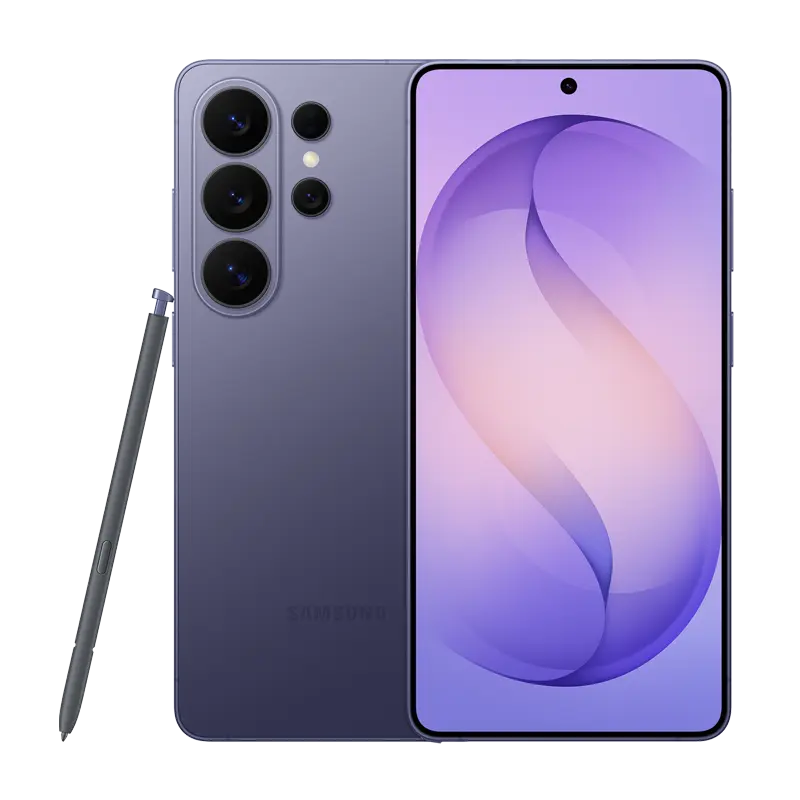
 

Galaxy S26 Ultra Review: Powerful with Subtle Refinements

Galaxy S26 Ultra

Samsung Galaxy S26 Ultra

“Samsung has delivered a really well-rounded phone that doesn’t have any glaring weaknesses. It’s a polished, reliable workhorse”


If you’re looking to start this year with one of the top-of-the-line Android smartphones, take the new Galaxy S26 Ultra from Samsung into consideration. From paper, it looks better than ever in terms of design features and the overall look-and-feel of the phone. It’s even promising new AI features and improvements over last year’s model such as more faster battery charge, and better performance overall. If that is the case, let’s take a look at the Samsung Galaxy S26 review and see if it really is worth the hype.     


Overview


The Galaxy S26 Ultra is officially here. It’s basically Samsung’s way of showing they can still set the bar for what a “do-it-all” phone looks like in 2026. It keeps that iconic, sharp-edged look but feels a lot more refined in the hand. It’s also slightly lighter and come with a thinner 7.9mm aluminum frame. The biggest feature to look out for this year has to be the world-first ‘Privacy’ display, which lets you hide your screen content from people sitting next to you with just a toggle—perfect for the morning commute.

Under the hood, it packs the new faster Snapdragon 8 Elite Gen 5 that keeps everything flying, and while the battery size stays at 5,000mAh, the jump to 60W fast charging is a massive win, which means shorter charging times. Throw in the smarter ‘Agentic AI’ that proactively helps you manage your day and a camera that pulls in nearly 50% more light than last year, and it feels like a genuinely thoughtful upgrade rather than just a spec bump.


Specs


  • DISPLAY: 6.9-inch QHD+ Dynamic AMOLED 2X, 1-120Hz (3120 x 1440 resolution)
  • CPU: Snapdragon® 8 Elite Gen 5 (3nm) | Adreno 840 GPU
  • MEMORY: 12 GB / 16 GB
  • STORAGE: 256 GB / 512 GB / 1 TB
  • OS: Android 16, One UI 8.5, Up to 7 major updates
  • BATTERY: 5000mAh, Supports up to 60W wired, 25W wireless, 4.5W reverse wireless charging
  • CAMERA: 200 MP wide + 50 MP ultrawide + 50 MP telephoto (5x optical zoom) + 10 MP telephoto (3x optical zoom) | Up to 8K video recording at 30fps | Front camera: 12 MP Wide | Up to 4K video recording at 60fps
  • OTHER: Weighs 214 g (7.55 oz) | IP68 Water & Dust Resistance | S Pen included | Armor Aluminum Frame | Wi-Fi 7 | Bluetooth 6.0 | USB Type-C 3.2


What’s To Like


1. Impressive Display With New ‘Privacy’ Feature

The Galaxy S26 Ultra’s 6.9-inch Dynamic AMOLED is easily the best screen Samsung has ever put on a phone, but the real showstopper is the new ‘Privacy’ display. It’s a hardware-level feature that essentially acts like a digital privacy screen; it dims the pixels at an angle so “shoulder surfers” can’t see what you’re doing. The best part? It’s completely customizable. You can set it to kick in only for specific apps like your banking or messaging apps, or have it hide your sensitive notifications while the rest of your screen stays bright and vibrant.


2. Better Battery Life With Faster Charging

Even though the S26 Ultra sticks with a 5,000mAh battery, it feels like it lasts significantly longer than its predecessor thanks to the efficiency of the Snapdragon 8 Elite Gen 5 chip. You’re looking at about 16 hours of battery life on moderate use on a single charge. When you do finally run low, Samsung has finally bumped the speeds up to 60W Super Fast Charging 3.0. From battery charging tests done, the S26 Ultra charges from 0 to 80% in just under 30 minutes, and from 0 to full charge takes only 45 minutes, which is a massive relief for anyone used to the slower speeds of older models. 


3. Improved Sound Speakers

Samsung has clearly put some work into the audio department this year. The S26 Ultra features a redesigned speaker system that provides much deeper bass and a wider soundstage than we’ve seen before. With support for 32-bit DAC and aptX-HD, the audio quality is crisp enough that you might actually enjoy watching a movie without reaching for your Galaxy Buds. Whether you’re gaming or just catching up on YouTube, the sound is rich, loud, and doesn’t distort even at max volume.


4. Includes S Pen

The fan-favorite S Pen is back and still tucked neatly into the bottom of the frame. This year, the design has been slightly refined with a more rounded end that feels a bit more ergonomic for long note-taking sessions or sketching. It remains the ultimate tool for productivity, allowing you to sign documents on the fly, trigger the camera shutter remotely, or navigate the UI with pinpoint precision that your thumb just can’t match.


5. New Features for Video Creators

For the content creators out there, the S26 Ultra is a massive upgrade. It’s the first Galaxy device to support the APV codec, a professional-grade format that gives you visually lossless video quality—perfect if you do a lot of heavy editing in post. There’s also a new 360-degree Horizontal Lock for the Super Steady mode. You can literally rotate the phone while recording and the footage stays perfectly level, making it feel like you’re using a dedicated gimbal.


6. Thinner & Lightweight Design

Despite having that massive screen, the S26 Ultra is surprisingly comfortable to hold. It’s the thinnest and lightest “Ultra” model Samsung has ever made, measuring just 7.9mm thick and weighing in at 214g. By switching to Armor Aluminum, they’ve managed to shave off some weight while actually improving how the phone handles heat. It feels much more premium and less “brick-like” in the pocket, which is a welcome change for a device this powerful.


7. Includes Impressive AI Features

Samsung is calling this the era of “Agentic AI,” and it’s actually quite useful. The S26 Ultra integrates Google Gemini, Bixby, and Perplexity (triggered by saying “Hey Plex”) to handle complex tasks in the background. My favorite feature is “Now Nudge,” which proactively suggests photos or info based on your conversations so you don’t have to go digging through your gallery. Plus, the new Photo Assist lets you change outfits in photos or restore missing parts of an image—like a cake with a missing slice—just by asking.


8. Improved Overall Performance

Just like last year, Samsung isn’t just using the standard “off-the-shelf” chip everyone else gets. The Galaxy S26 Ultra is rocking an exclusive, overclocked version of the Snapdragon 8 Elite Gen 5—affectionately dubbed the “for Galaxy” edition. For now, if you’re outside of China, this extra-powerful silicon is a Samsung exclusive.

If you’re into the nitty-gritty specs, the main cores are pushed to 4.74 GHz (up from the usual 4.6 GHz), and the graphics chip gets a nice little bump to 1300 MHz. In plain English? It absolutely crushes benchmarks right now. Whether it’s CPU or GPU tasks, it leaves the standard Snapdragon chips, the Dimensity 9500, and especially the Google Tensor G5 in the rearview mirror. Our test unit was the 256GB base model, which likely uses the lightning-fast UFS 4.2 storage, though honestly, at these speeds, the difference is mostly just academic.


The Deal Breakers


1. Basic Water Resistance

Samsung is sticking with the tried-and-true IP68 rating, which is fine for most people—it’ll survive a drop in the pool or a spilled drink. However, we’re starting to see competitors push into IP69 rating territory, which offers better protection against high-pressure, high-temperature water jets. Even the latest iPhones have improved their depth ratings, while the Ultra stays at the same 1.5-meter limit it’s had for years. It’s not a major dealbreaker, but for a “top-tier” flagship, you’d expect them to keep pushing the envelope here.


2. No Dolby Vision Support

Despite having one of the most vibrant and bright displays on the planet, there is still no Dolby Vision support. Samsung is still pushing its own HDR10+ standard instead. While HDR10+ is great, the reality is that a massive chunk of streaming content on Netflix and Disney+ is mastered in Dolby Vision. You’ll still get a great picture, but you aren’t seeing the absolute peak metadata-driven highlights that the creators intended.


3. Outdated Camera Hardware

On paper, that 200MP main sensor looks unbeatable, but if you look closer, the actual physical size of the sensors is starting to feel a bit small compared to the competition. Many rival Android flagships have moved to massive 1-inch type sensors, which naturally pull in more light and create a much creamier, more professional-looking background blur. Samsung is doing a lot of heavy lifting with AI and software processing to make up for the smaller glass, and while the results are sharp, they can sometimes feel a bit “digitally over-processed.”


4. CPU Slows Done Under Heavy & Prolong Use

The Snapdragon 8 Elite Gen 5 chip is an absolute monster for quick tasks, but it’s a thirsty chip that generates a lot of heat. Even with the upgraded vapor chamber, the S26 Ultra still tends to throttle—or slow down—during long gaming sessions or 8K video rendering. It’s a safety measure to keep the phone from getting too hot to hold, but it means you might see a dip in frame rates after about 20 minutes of intense play. It’s still faster than 99% of phones out there, but it can’t quite maintain that “peak” speed forever.


The Alternatives


1. Samsung Galaxy S25 Ultra

4.6 ★★★★⯪


See the Galaxy S25 Ultra Review

While the Galaxy S26 Ultra is a new release, the Galaxy S25 Ultra is arguably the smarter pick in 2026, especially if you value premium materials and display clarity. Firstly, one of the biggest surprises this year was Samsung’s move back to Armor Aluminum for the S26 Ultra to reduce the phone’s weight, leaving the S25 Ultra as the last model with the high-end, rugged Titanium frame.

Secondly, early tests reveal that the S25 Ultra’s screen actually handles reflections better. The S26’s new “Privacy Display” feature adds a slight pixel grain and lowers overall peak brightness compared to the crystal-clear panel on the S25.

Thirdly, when you factor in the massive price drops we’re seeing now, you’re getting about 95% of the performance and a more premium build that will cost a lot less, making the S25 Ultra the definitive value king for anyone who isn’t obsessed with having the latest AI features.


2. Apple iPhone 17 Pro Max

4.4 ★★★★⯪


See the iPhone 17 Pro Max Review

While both are absolute powerhouses in 2026, the iPhone 17 Pro Max edges ahead as the better alternative primarily because it offers a more cohesive “Pro” package at a lower price than the Galaxy S26 Ultra.

If you’re into content creation, Apple’s new 48MP triple-lens system and the addition of ‘ProRes’ RAW and ‘Genlock’ support make it a legitimate pocket cinema camera in a way the S26 Ultra’s iterative 200MP sensor doesn’t quite match.

Plus, it has officially claimed the “battery king” title this year—outlasting the competition in nearly every endurance test thanks to the efficiency of the A19 Pro chip and its new vapor chamber cooling. Toss in the seamless fluidity of iOS 26 and a build that feels incredibly premium, and you’re getting a more refined, reliable workhorse that simply gives you more bang for your buck.


3. Google Pixel 10 Pro XL

4.4 ★★★★⯪

While the Galaxy S26 Ultra is undeniably a spec-heavy powerhouse, the Google Pixel 10 Pro XL is the better choice for those who value a phone that feels “smart” rather than just fast. It outshines the competition—quite literally—with a staggering 3,300-nit peak brightness display that makes outdoor viewing effortless.

Beyond the screen, it introduces the PixelSnap magnetic system (Qi2), finally bringing the convenience of magnetic accessories to Android without a bulky third-party case. While Samsung focuses on raw megapixels, the Pixel’s Tensor G5 chip powers a more “forgiving” camera system, using computational magic like 100x Pro Res Zoom and industry-leading motion processing to ensure you actually nail the shot on the first try.

Top it off with the cleanest, most cohesive Android 16 experience and a significantly lower starting price, and you have a flagship that prioritizes real-world utility over benchmark scores.


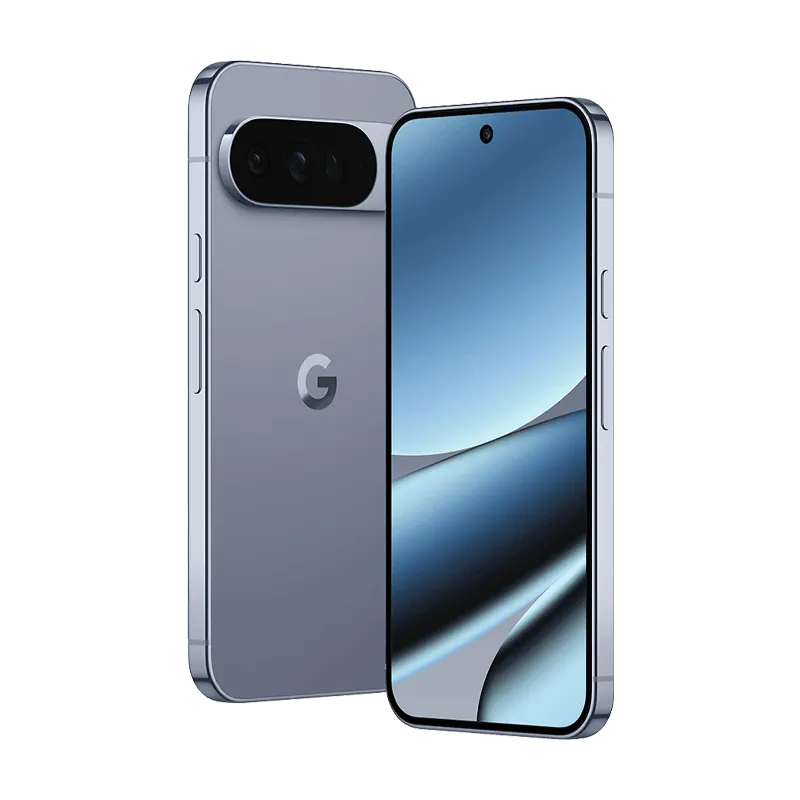
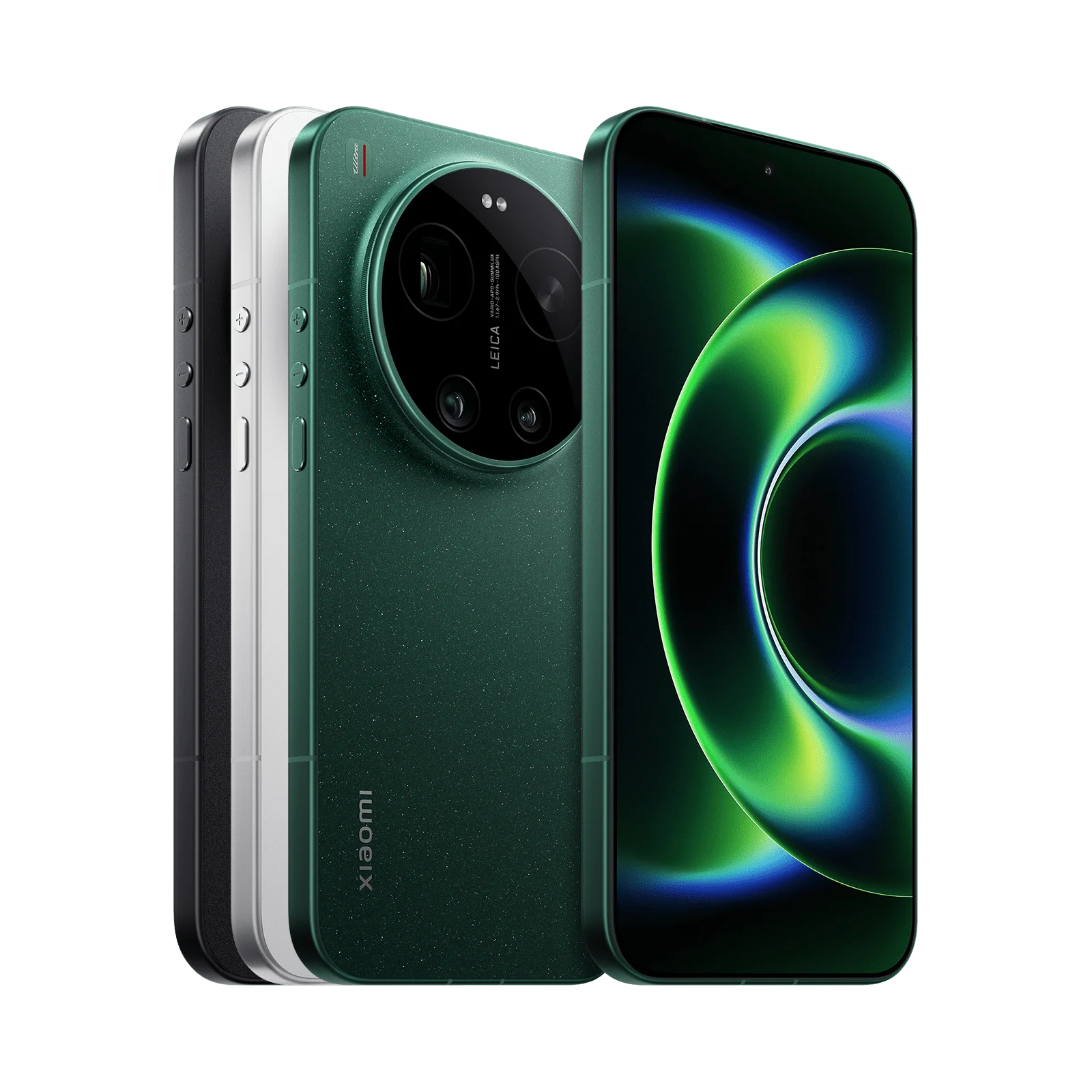
4. Xiaomi 17 Ultra

4.7 ★★★★⯪

The Xiaomi 17 Ultra is essentially a professional camera that just happens to make phone calls, easily outclassing the Galaxy S26 Ultra for anyone who values raw hardware power over software gimmicks.

While Samsung sticks with a smaller 200MP sensor, Xiaomi packs a massive 1-inch Leica main sensor and a world-first 200MP mechanical optical zoom that delivers natural bokeh and low-light detail that Samsung’s AI simply can’t replicate. Beyond the lens, it’s a total endurance beast. You’re looking at a 6,800mAh battery with 90W charging that makes the S26 Ultra’s 5,000mAh battery and 60W speeds look surprisingly dated.

When you factor in the 3,500-nit peak brightness and a significantly more competitive price tag, it’s clear that Xiaomi is providing the “Ultra” experience the S26 Ultra only promises on paper.


Verdict


The Galaxy S26 Ultra might not be a massive hardware leap over last year’s model, but it still brings some solid quality-of-life updates to the table. The ‘Privacy’ display is a clever addition yet the screen still looks great. The faster charging and the better battery life is a welcomed relief. The S Pen is still the “secret sauce” that keeps the Ultra lineup in a league of its own. Nothing else really feels like it. The AI features are getting more interesting, though it’s a bit of a bummer that it’s mostly tied to Samsung’s own apps and limited in the languages it speaks.

That said, you can tell Samsung is playing it safe this year. The camera setup feels like a head-scratcher. It’s a bit weird to see them dial things back when they were already fighting to keep up with the competition. While the battery is better, it’s still not quite the “endurance king” we’d love to see at this price point. The shift back to an aluminum frame feels like a bit of a “me too” move following the latest trends in the industry. Honestly, the strategy here feels pretty simple: avoid the expensive, risky hardware changes. Stick to the working formula. Lean hard into flashy features like ‘Horizon Lock’ and the ‘Privacy’ screen that looks amazing in commercials.

Is it a boring update? Maybe a little. But at the end of the day, Samsung has delivered a really well-rounded phone that doesn’t have any glaring weaknesses. It’s a polished, reliable workhorse. Whether that’s worth dropping over $1,000 is the real question, and I guess we’ll see if buyers agree.

So if you’re happy with this review of the Samsung Galaxy S26 Ultra, I would really appreciate it if you left a comment here below. Just a few words to say how you feel about the new smartphone, if you’re interested in purchasing it, and also highlight how you feel about the alternative smartphones in the review. And if you’re interested in the Galaxy S26 Ultra, click HERE to find out more and purchasing options. Oh, and if you wanna find out more about the smartphone alternatives then click on the red buttons 😀 

Resident Evil Requiem Review – A Fun, Horror, Survival Game


Resident Evil Requiem

It’s short, punchy, and doesn’t waste a single second of your time.


Check out the new Resident Evil Requiem trailer now!


If you’re anything like me, you’ve probably spent years vacillating between loving the slow-burn terror of the original Resident Evil games and the high-octane, roundhouse-kicking chaos of the later ones. Well, Capcom is finally trying to give us the best of both worlds. In this Resident Evil Requiem Review, we’re diving into why this latest entry might just be the “infectious mutation” the series needed.


Overview


Resident Evil Requiem (which is effectively RE9) is a single player action horror game set in many takes a fascinating approach to its storytelling by splitting the game between two very different protagonists. First, you have Grace Ashcroft, a new face in the Resident Evil series. She’s an FBI analyst who is definitely not a superhero. Her sections are pure, old-school survival horror—think limited ammo, a tiny inventory, and zombies that are actually terrifying characters rather than just cannon fodder.

Then, the game flips the script by bringing back everyone’s favorite hero,” Leon Kennedy. After Grace spends hours creeping through the shadows of the Rhodes Hill Chronic Care Center, Leon arrives to basically turn the place into a John Wick movie. With an array of firearms, and a trusty hatchet instead of a knife, Leon can fight using parries, melee weapons, even enemy weapons. It’s a dual-playthrough system that feels like a modern, polished version of the classic RE2 structure, taking us from the creepy hospital setting all the way back to where the nightmare began: Raccoon City.


Features


Resident Evil Requiem


Release date: 27th February 2026

Developer/Publisher: Capcom

Genres: Survival horror, Action-adventure

Platforms: PlayStation 5, Nintendo Switch 2, Xbox Series X/S, Microsoft Windows, GeForce Now


System Requirements (PC Gamers)


Minimum System Requirements

  • OS: Windows 11 (64-bit)
  • Processor: Intel Core i5-8500 / AMD Ryzen 5 3500
  • Memory: 16 GB RAM
  • Graphics: NVIDIA GeForce GTX 1660 6GB / AMD Radeon RX 5500 XT 8GB
  • DirectX: Version 12

Recommended System Requirements

  • OS: Windows 11 (64-bit)
  • Processor: Intel Core i7-8700 / AMD Ryzen 5 5500
  • Memory: 16 GB RAM
  • Graphics: NVIDIA GeForce RTX 2060 Super 8GB / AMD Radeon RX 6600 8GB
  • DirectX: Version 12


What’s So Good


If you’re looking for the best highlights, the game’s biggest win is definitely how it balances two totally different vibes without missing a beat.

The setting of the Rhodes Hill Chronic Care Center is an absolute masterpiece in level design—it’s creepy, expansive, and it honestly gives off major classic RPD vibes in the best way possible. I found myself so terrified especially when I end sneaking into a darker section of this place, then having to flee and hide when I spot a larger, more sinister monster. And yet gain satisfaction knowing that I ditched it, then focus on surviving the hordes of zombies.  


Another standout feature is the “dual-play style” approach. One minute you’re sneaking around as Grace for that pure, inventory-starved survival horror tension, the next minute you’re cutting loose with Leon’s action-heavy segments. It feels incredibly satisfying and keeps the pace of the game from dragging. Plus, the fact that you can swap between first-person and third-person views on the fly is a huge win for player choice. 

Throw in some of the most creative boss fights we’ve seen in years and zombies that actually feel like individuals with “echoes” of their past lives, and you’ve got an experience that feels both nostalgic and totally fresh. 


The Deal Breakers


No game is perfect. This review wouldn’t be complete without touching on the few things that didn’t quite land.

Firstly, the biggest letdown for many is definitely the missing Mercenaries mode; it’s a real bummer not to have that classic arcade-style action available right at launch, especially since the combat itself feels so good.

Second, some players have also pointed out that the game feels a bit “front-loaded” with its scares—Grace’s early chapters are terrifying, but once Leon takes over, the vibe shifts so heavily into action that the horror tension starts to evaporate.


Next, there’s also the issue of technical demands; if you’re playing on PC, be warned that those fancy new Path Tracing features will absolutely hammer your frame rate unless you’re running a top-tier rig.

And lastly, while the boss fights are visually stunning, they can occasionally feel a little systematic, often boiling down to the classic trope of just shooting the glowing weak point until the cutscene kicks in. 


Final Verdict


Overall, all I can say is that Resident Evil Requiem is an impressive title. It’s exactly what the doctor ordered. It also manages to fix the “identity crisis” the series has been having by simply embracing both sides of its DNA. It’s short, punchy, and doesn’t waste a single second of your time. I thoroughly enjoy is so far, with lots of scary moments, with the new game mechanics such as sharpening the hatchet and the new finishing moves Leon can do, as well as the overall game world design.   

Whether you’re here for the classic puzzles and “ink ribbon” style stress or you just want to see Leon shoot down a zombie, grab it from the back and execute his one-of-a-kind suplex into the afterlife. You’ll definitely have a blast. It’s a solid 9/10 and a must-play for anyone who calls themselves a fan of the franchise. Grab some green herbs and get ready—it’s a spooky one!

Now let’s hear from you. What’s your overall impression of the game? Does the dual protagonist playthrough work this time around? Have you played the game yet? Let’s talk all things Resident Evil by adding comments here below. And if you want to get this masterpiece than CLICK HERE or the red button above to find out your purchasing options 😀