

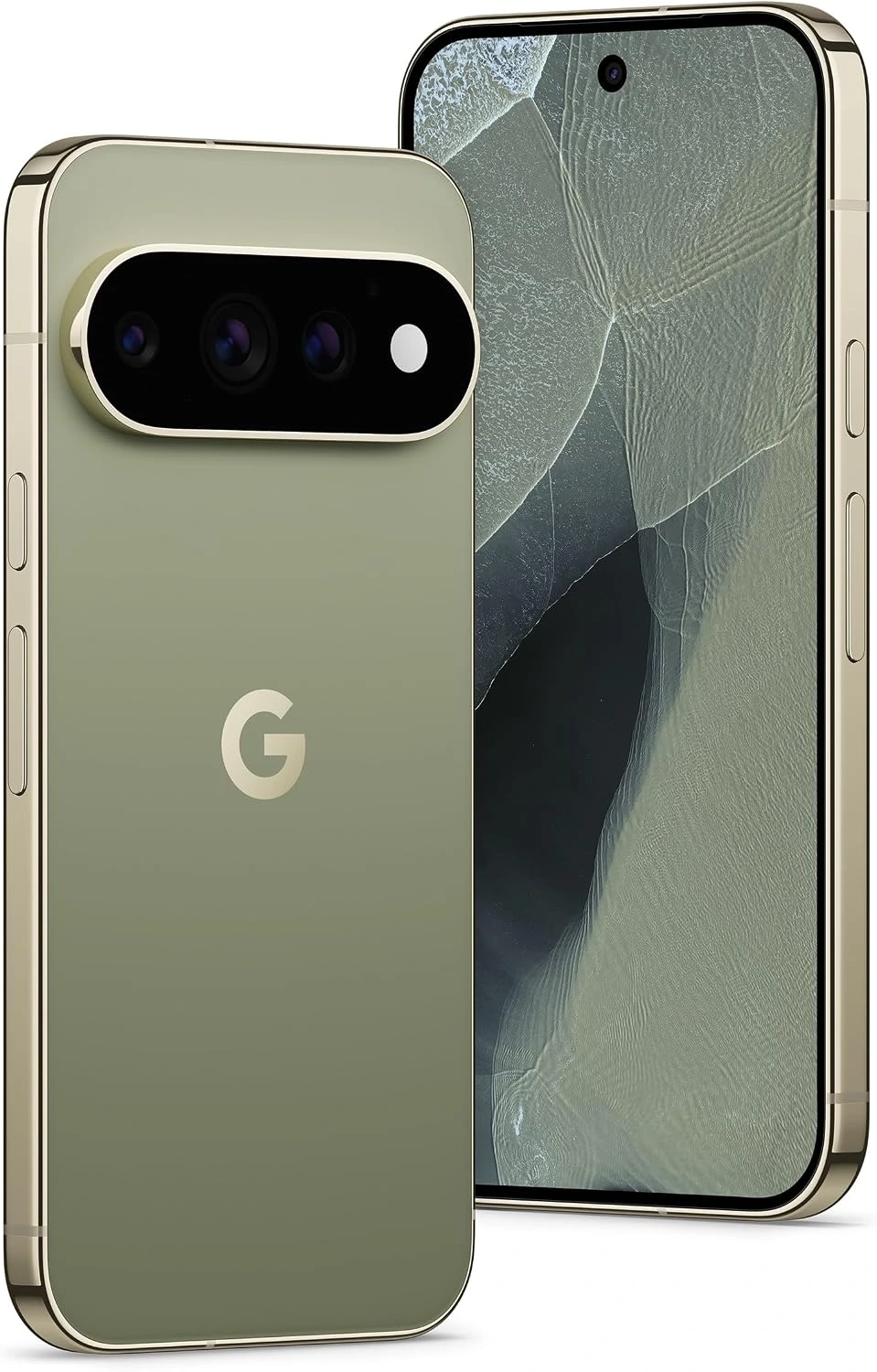
Google Pixel 11 Pro
Pros
- Up to 7 major patches & security updates
- Premium design, looks & feel
- Impressive camera performance
- Good performance
- Excellent battery life
- Fast magnetic wireless charging
- Impressive OLED display
Cons
- Heavy for its size
- Expensive
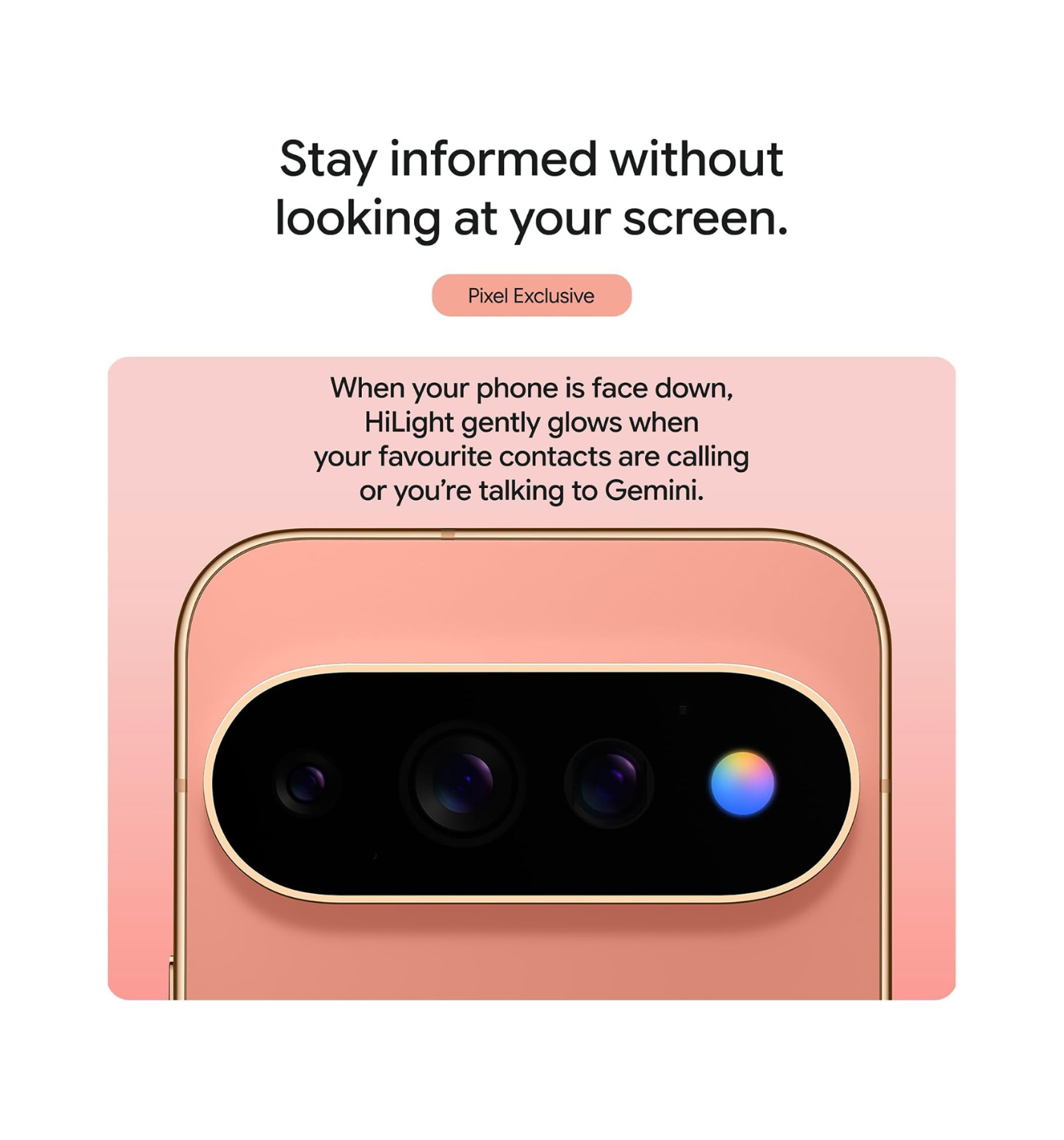
- "HiLight" feature not a ground breaker
- Slow wired charger
- Graphics performance feels outdated
pixel 11 pro review

Google Pixel 11 Pro



“Google has crafted a handset that feels less like a piece of cold hardware and more like a dependable companion.“
Wild Break Verdict
If you want a phone that feels like a personal assistant in your pocket, the Google Pixel 11 Pro is the best device you can buy today. You get incredible cameras that take stunning photos in any lighting condition, a bright display that is easy to read outside, and software features that genuinely save you time every single day.
The battery easily lasts a full day, and the sleek design feels premium in your hand. While hardcore mobile gamers might want a bit more raw graphics power, almost everyone else will find this to be the most refined and complete smartphone experience on the market.
Quick Summary: Google Pixel 11 Pro
Smartphone innovation has hit a plateau of incremental updates in recent years, but the Google Pixel 11 Pro breaks that mold by rethinking what a phone should actually do for you. Officially launched in late 2026 as Google’s marquee flagship, the Pixel 11 Pro takes the foundation of its predecessor and elevates it with meaningful, practical upgrades.
Compared to last year’s Pixel 10 Pro, this new generation introduces the next-generation Tensor G5 chip built on an improved manufacturing process, delivering better thermal management and smoother efficiency. You also get an upgraded display with higher peak brightness, faster charging speeds, and an upgraded camera setup featuring enhanced telephoto capabilities and faster image processing. Beyond hardware, the real leap lies in its deeper, on-device AI (Artificial Intelligence) that makes daily tasks faster and more natural.
Google designed the Pixel 11 Pro specifically for tech enthusiasts, mobile photography creators, and busy professionals who value a seamless software experience over raw synthetic benchmarks. If you want a phone that actively lightens your daily workload rather than just running apps, this device is tailored for you.
From the moment you hold the Pixel 11 Pro, it feels like a refined, high-end piece of technology. The matte finish feels silky in hand, the display is jaw-droppingly bright, and the signature camera bar gives it an unmistakable look that stands out in a sea of generic glass slabs. But does it hold up under real-world usage beyond the initial excitement? Keep reading below as we break down every aspect of the Google Pixel 11 Pro, from real-world battery stress tests and camera samples to performance breakdowns and buying advice.
Specs
- Released Date: 12 August 2026
- Display: 6.3-inches, LTPO OLED, 120Hz, HDR10+, 3600 nits, 1280 x 2856p resolution
- Chip (CPU): Google Tensor G6
- Memory: 12GB / 16GB RAM
- Storage: 256GB / 512GB / 1TB
- OS: Android 17
- Camera (Main): 50 MP wide + 48 MP periscope telephoto (5x optical zoom) + 48 MP ultrawide | Up to 8K videos at 30fps
- Camera (Selfie): 42 MP wide | Up to 4K videos at 60fps
- Battery: 4850 mAh, supports 30W wired, 25W wireless (magnetic, Qi2.2) and reverse wireless charging
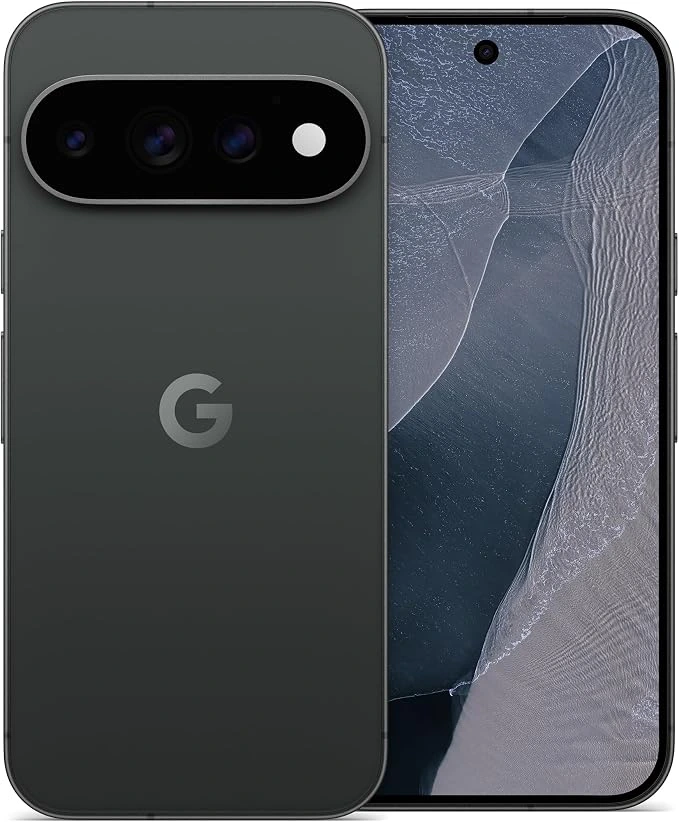
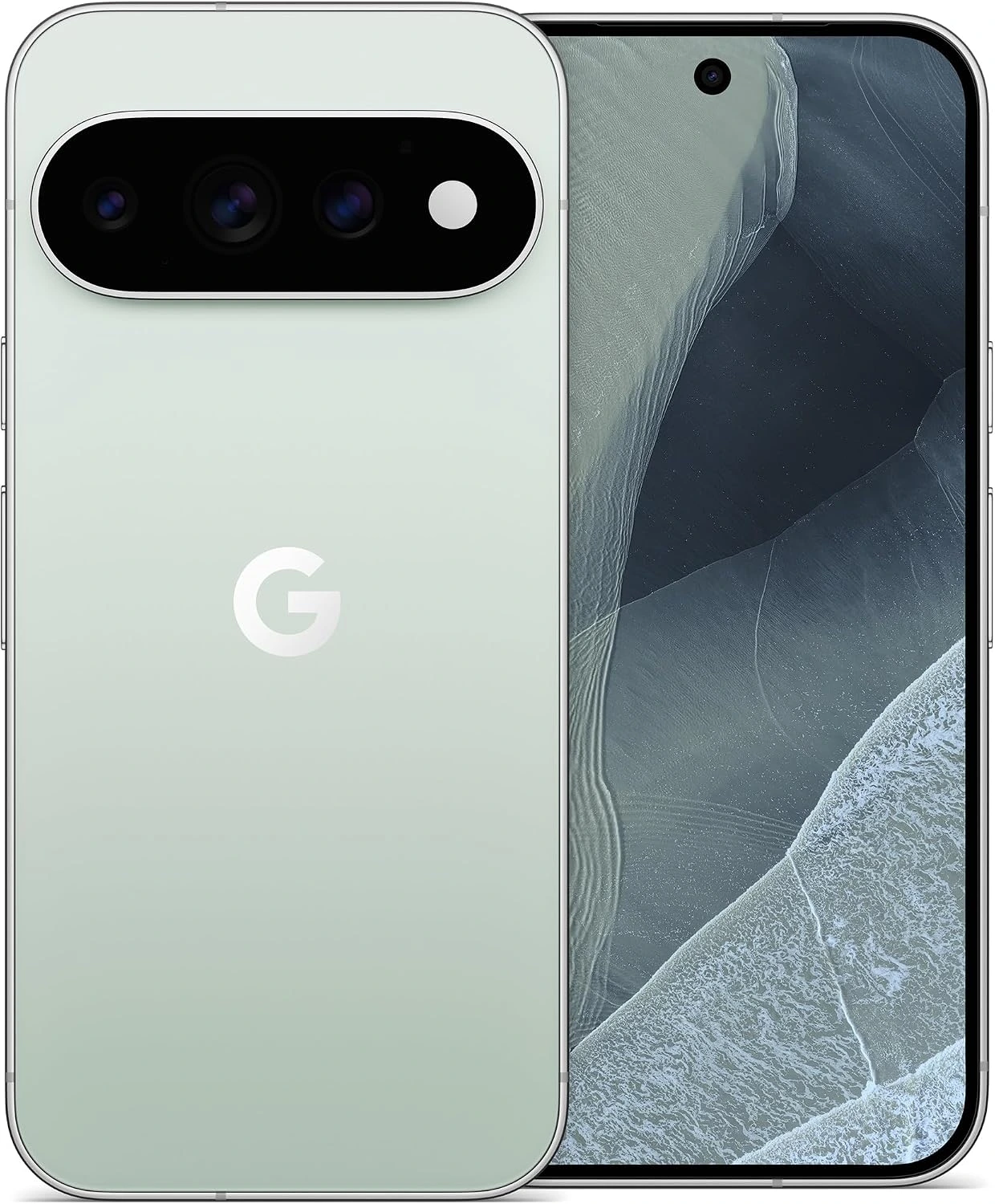
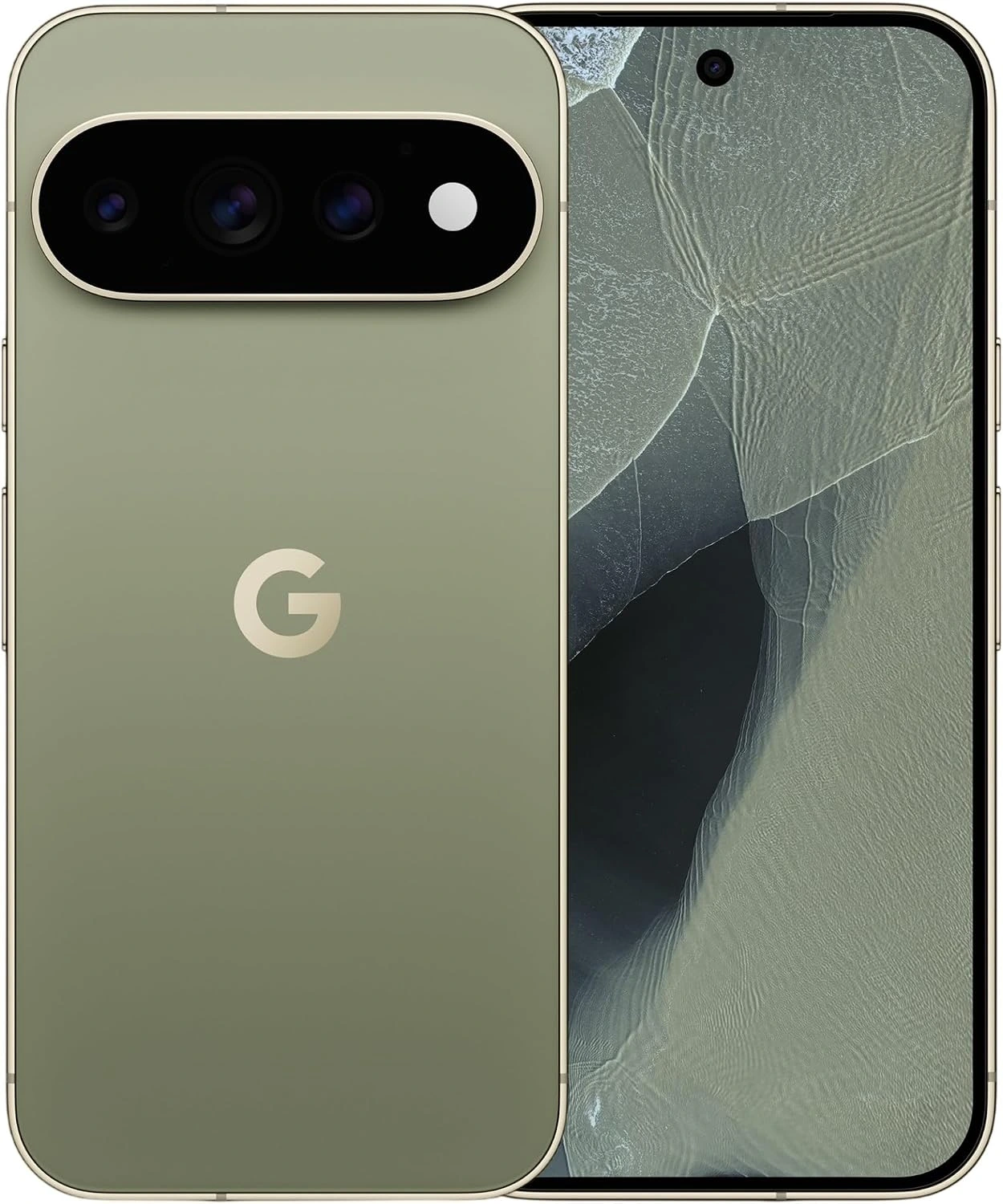
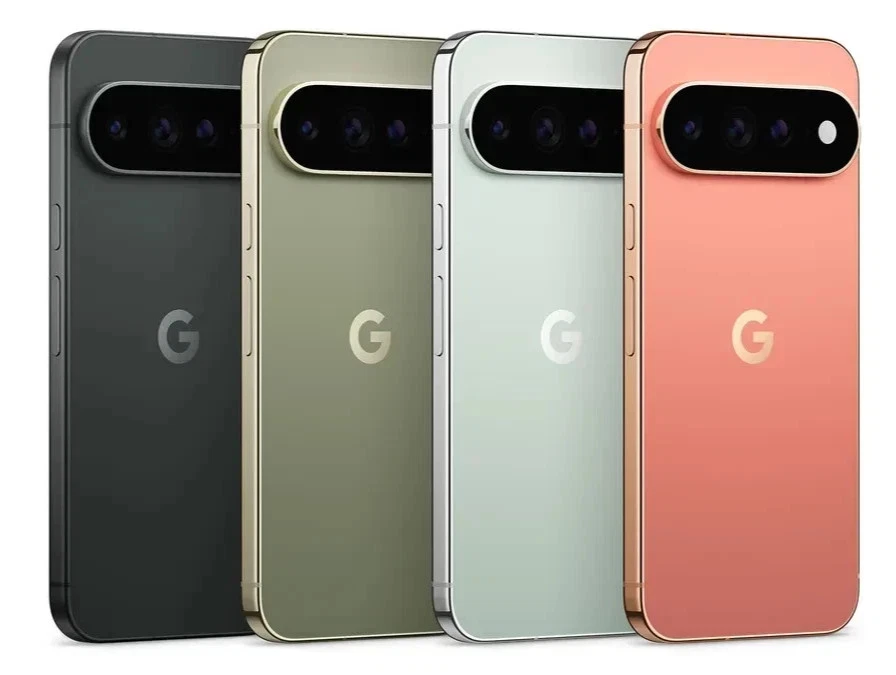
- Other: Ultra Wideband (UWB) support | Satellite SOS service | Colors include Canyon, Olive, Fog, Obsidian | weighs 204 g (7.20 oz) | 5G network, Nano-SIM + eSIM | IP68 dust and water resistant | Wi-Fi 7, Bluetooth 6.0 | USB Type-C charging port

The Best Features
Small Design Changes
From the moment you pick it up, the Google Pixel 11 Pro proves that functional hardware can still look like a piece of modern art. The initial phone design isn’t groundbreaking as it looks the same as the Pixel 10 Pro.
Google refined its iconic camera visor into a sleek, seamless housing that sits flush against the matte glass back, eliminating rocking when laid flat on a desk. The satin-finish aluminum frame curves gently into your palm, offering a secure grip that feels distinctly premium. You’ll love how effectively the textured rear glass resists fingerprint smudges throughout the day, keeping your device looking pristine without constantly needing a microfiber cloth.
Impressive OLED Display
Your eyes are in for an absolute treat every single time you illuminate the screen. The updated Super Actua LTPO OLED panel pushes peak brightness to incredible new heights, making HDR video content pop with incredible contrast and vibrancy.
Dynamic refresh rate scaling smoothly transitions from a silky 120Hz down to a power-saving 1Hz depending on what you’re doing. In the end, you’ll appreciate how effortless it is to read fine text or navigate maps outside under direct midday sunlight, with zero washed-out colors or harsh glare.
Software
Clean, intelligent software remains the beating heart of the Pixel experience, and it has never felt more dialed-in. Running native Android with Google’s tailored Pixel smarts, the interface strips away unnecessary bloatware in favor of intuitive, gesture-based fluid navigation. On-device intelligence works silently behind the scenes, offering real-time call screening, accurate voice transcription, and contextual summaries with remarkable speed.
Overall, you’ll thoroughly enjoy a software ecosystem that anticipates your daily habits and saves you genuine time rather than overwhelming you with endless menus.

Impressive Camera System
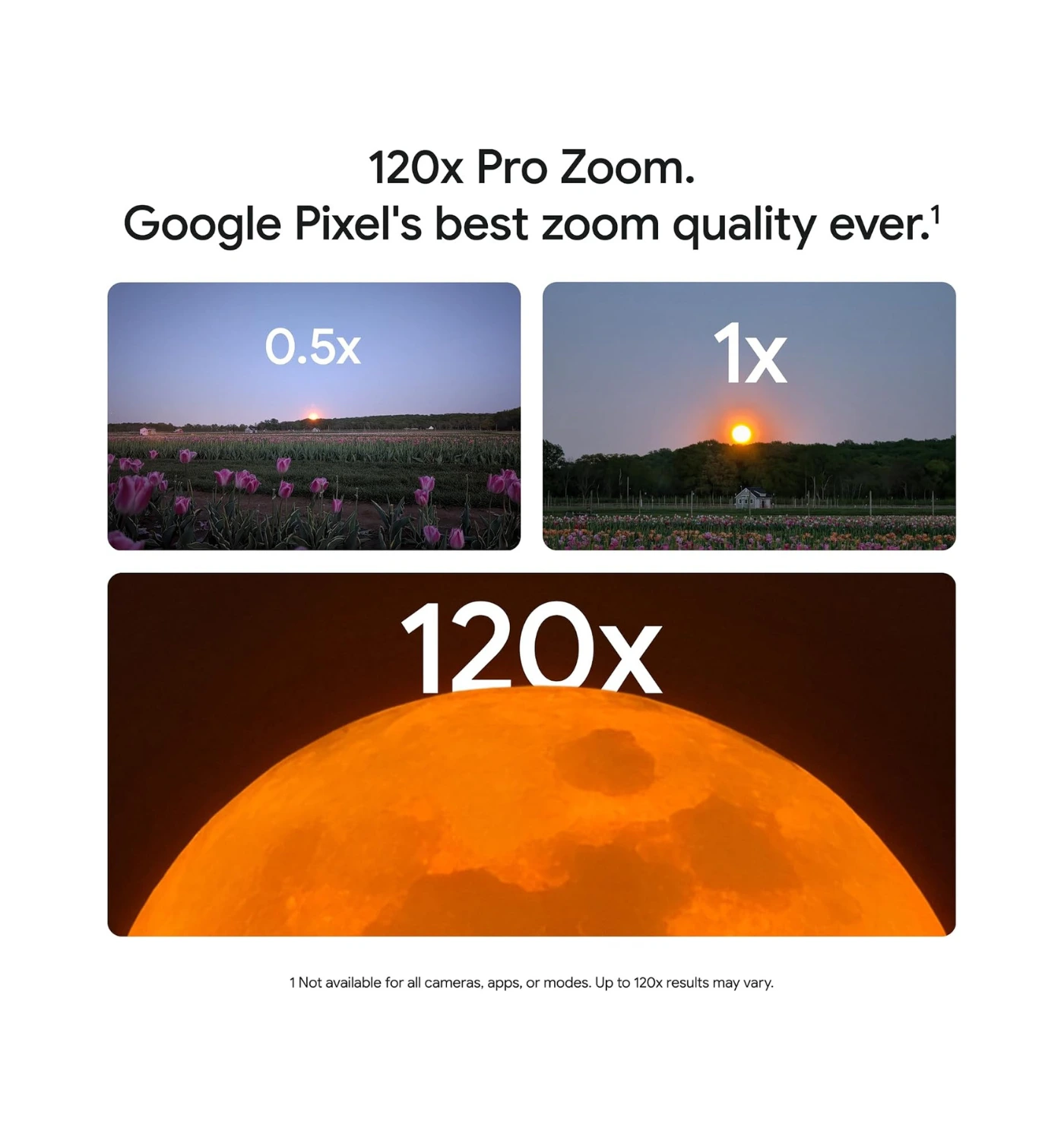
Point-and-shoot photography reaches a whole new tier of consistency with this upgraded triple-camera setup. The phone comes with: a 50 MP main camera; a 48 MP ultra-wide camera; and a 48 MP telephoto camera with 5x optical zoom. Then there’s the 42 MP wide for taking selfies. Thanks to an enlarged telephoto sensor and revised image processing algorithms, detail preservation across optical and digital zoom ranges remains razor-sharp.
Skin tones are rendered with unmatched natural fidelity, while low-light exposures retain shadow depth without over-sharpening. You’ll be constantly impressed by how effortless it is to capture crisp, candid shots of moving subjects without worrying about motion blur or missed moments.
Good Performance
Raw synthetic benchmarks do not tell the whole story; everyday fluid responsiveness is where this device truly shines. Powered by the custom-built Tensor chip, app launching is instantaneous, split-screen multitasking is seamless, and heavy background AI processing finishes in the blink of an eye.
Improved thermal efficiency ensures the chassis stays comfortably cool even during extended navigation or high-resolution video recording. You will come away thoroughly satisfied with how buttery-smooth the phone operates under demanding daily workflows.
Battery Life
Say goodbye to mid-day outlet anxiety once and for all. Thanks to aggressive hardware-level energy optimizations and a generous 4850mAh battery capacity, the phone easily clears a full day of heavy usage with energy to spare. And the 30 hour battery life is a welcome improvement from the previous model. When you do need a top-up, faster 30W wired and 25W wireless charging speeds get you back up to speed in short order.
Upon enabling the new ‘Extreme Charging’ mode, at 15 minutes the From 0 to 25% you’re looking at about 15 minutes, and full charge about 90 minutes. You will gain total peace of mind knowing your device can comfortably handle a full schedule of streaming, photos, and navigation without dropping into low-power mode before bedtime.
The Deal Breakers
Expensive
Even the most polished smartphone experience leaves a bitter taste when the price tag pushes past reasonable limits. Starting at a high (£1070 / US$1016) price than its predecessor, the Google Pixel 11 Pro firmly cements itself in ultra-premium flagship territory, making it a much tougher sell for budget-conscious buyers.
Upgrading internal components is always welcome, but the substantial cost increase puts heavy pressure on your wallet before you even factor in optional storage bumps or protection plans. You’ll likely come away frustrated that Google continues to push its flagship lineup further out of reach for everyday consumers who just want a dependable phone at a fair price.
The ‘HiLight’ Feature
What sounds like an innovative hardware perk on paper quickly turns into a gimmicky frustration in real-world use. Designed as a rear-facing LED light ring built around the camera module to give visual cues for favorite contacts and active Gemini responses, ‘HiLight’ relies on you constantly placing your phone screen-down on a desk.
Worse yet, the software limits its functionality strictly to call alerts and AI interactions, completely ignoring standard app notifications, text messages, or battery charging status. You will quickly feel disappointed by a headline feature that feels half-baked, niche, and far less useful than a simple traditional notification light or a fully functional ambient display.
Google Pixel 11 Pro VS The Alternatives
Apple iPhone 17 Pro
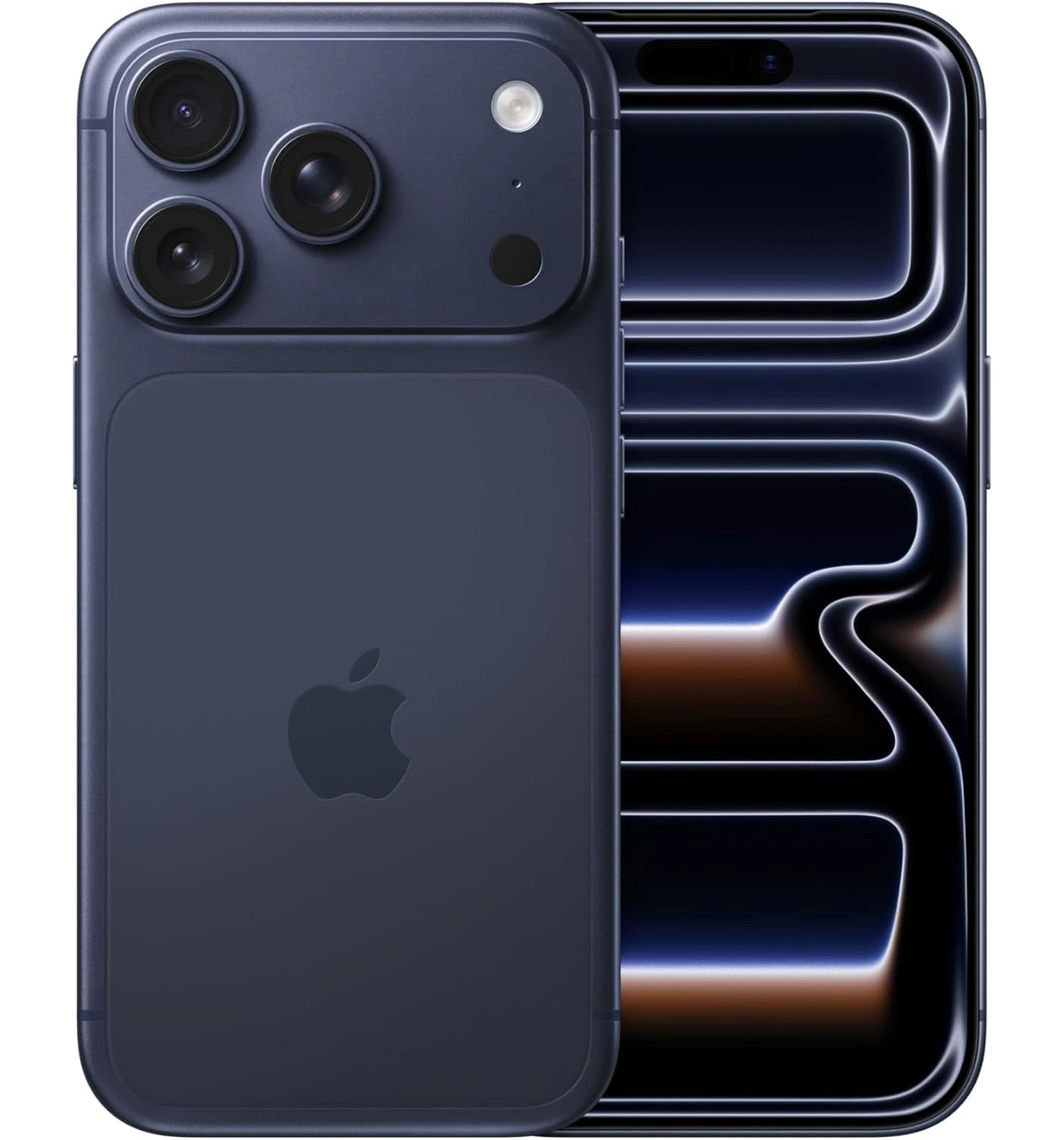

★★★★⯪ 4.4 Impressive
While the Google Pixel 11 Pro excels in smart AI features and clean software, the iPhone 17 Pro from Apple serves as an outstanding alternative for users who prioritize raw performance and ecosystem integration. Powered by Apple’s blazing-fast A19 Pro silicon, it effortlessly handles heavy workload tasks and demanding mobile games with unmatched thermal efficiency. You also get an exceptionally polished camera system with professional-grade 4K video recording, a stunning bright display, and the industry-leading long-term app optimization that iOS is famous for. If you’re already invested in Apple’s hardware ecosystem—or simply prefer peak graphics horsepower, rock-solid video capture, and maximum resale value over ambient AI tools—the iPhone 17 Pro is an incredibly compelling choice.
Samsung Galaxy S26+
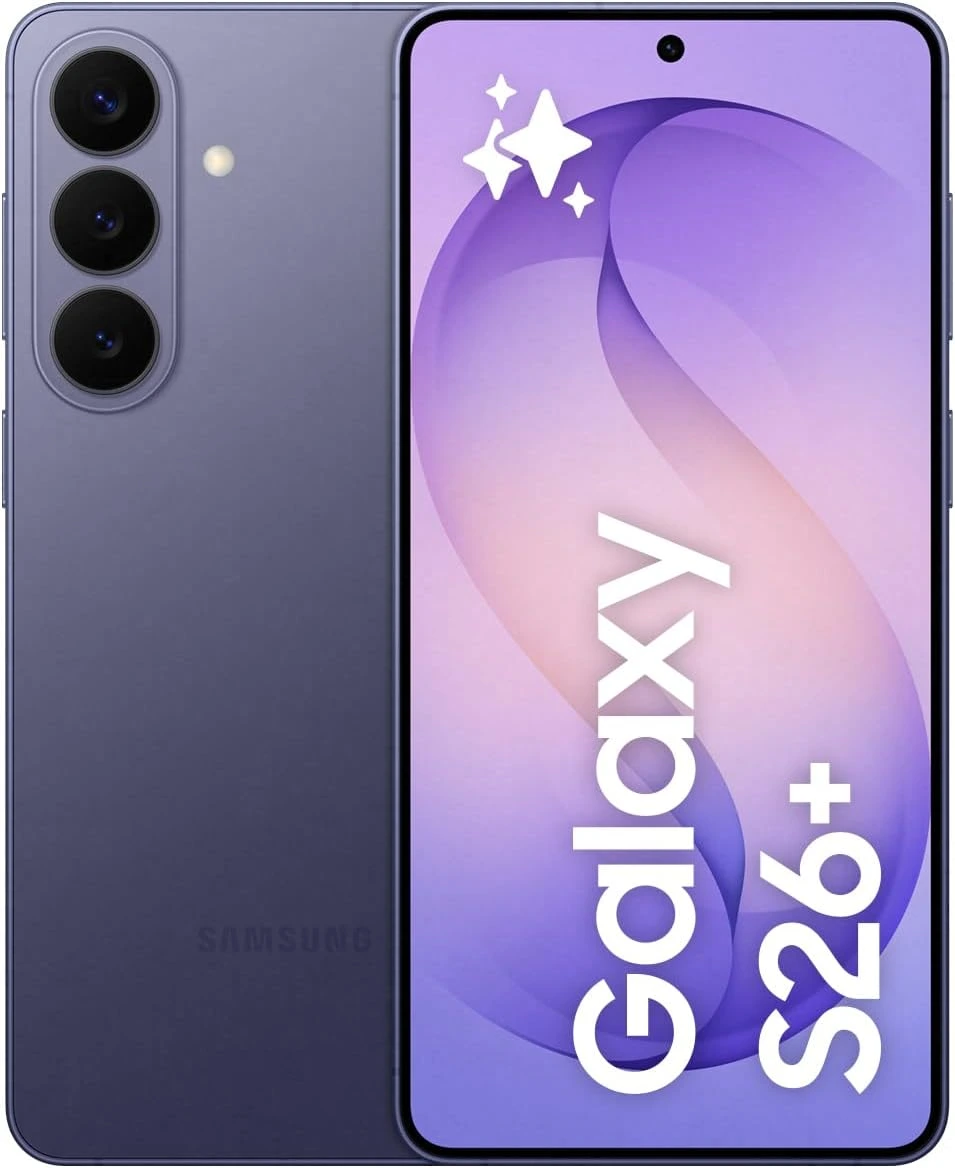

★★★★⯪ 4.3 Impressive
If you prefer a larger canvas and raw processing power over Google’s ambient AI focus, the Samsung Galaxy S26+ stands out as an exceptionally strong alternative. Its expansive 6.7-inch QHD+ Dynamic AMOLED display delivers vibrant colors, sharp clarity, and exceptional outdoor visibility. Powered by top-tier hardware, the S26+ comfortably handles intensive 3D gaming, heavy multitasking, and demanding workflows without breaking a sweat. Coupled with 45W fast charging capabilities, a robust 4,900 mAh battery, and Samsung’s feature-packed One UI software suite, it offers a highly versatile, power-user experience that caters to gamers, media consumers, and productivity enthusiasts alike.
Google Pixel 10 Pro
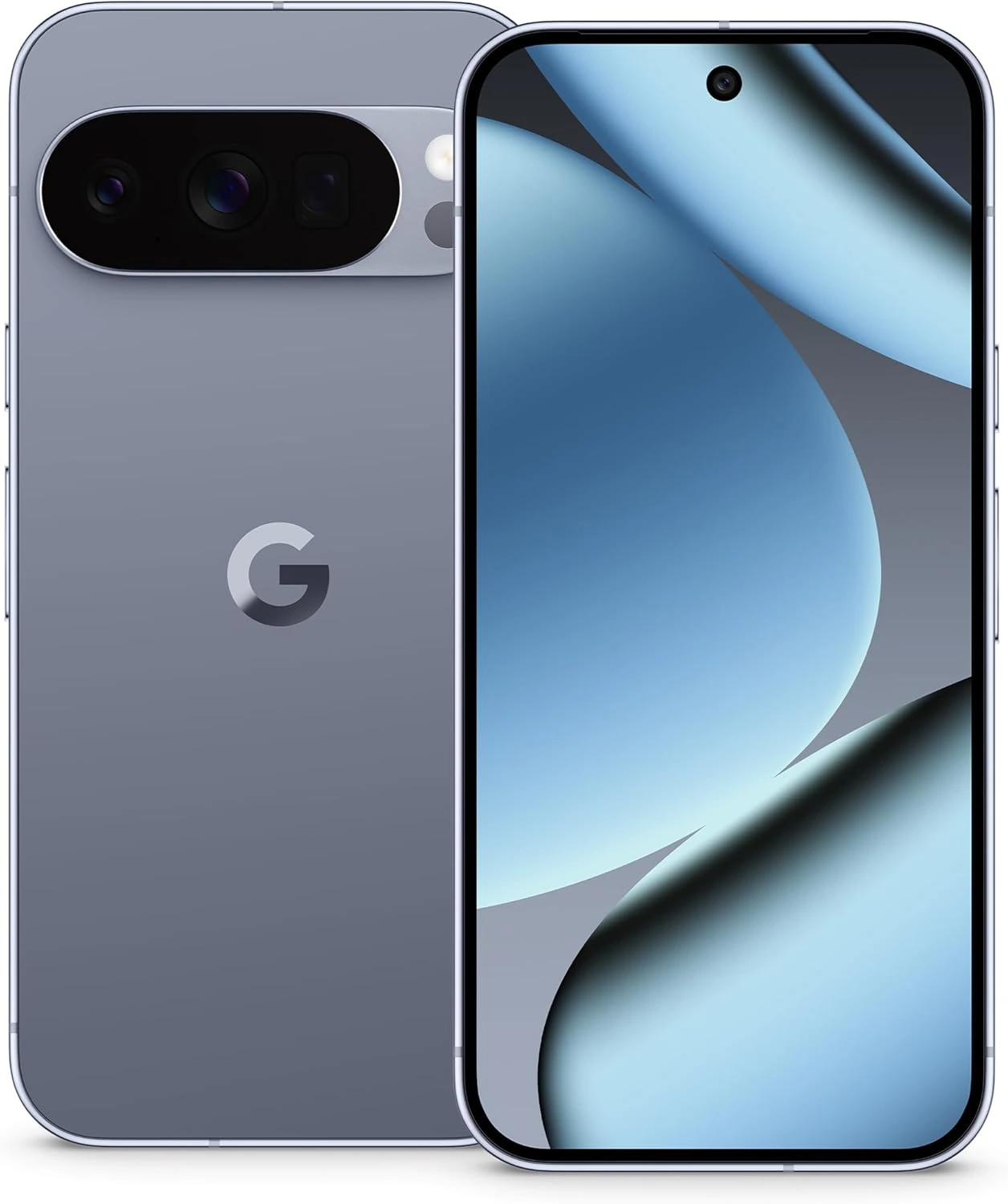

★★★★⯪ 4.4 Impressive
If you want near-flagship performance while keeping a significant chunk of money in your pocket, the Google Pixel 10 Pro remains a incredibly smart alternative. It shares the same sharp 6.3-inch 120Hz display, a practically identical camera setup for everyday shots, and a nearly identical all-day battery as its successor. Crucially, the Pixel 10 Pro actually comes with 16GB of RAM as standard across all storage tiers—giving it a slight edge over the base Pixel 11 Pro model—while still running the exact same feature-rich Android software and receiving Google’s generous multi-year support guarantee. Now heavily discounted, it offers about 90% of the Pixel 11 Pro experience at a fraction of the cost, making it the better overall value for practical buyers.
The Final Verdict
The Google Pixel 11 Pro proves that the best smartphone experience isn’t about chasing raw benchmark numbers—it’s about how effortlessly a device integrates into your daily routine. By pairing a noticeably brighter display and refined thermals with genuine, time-saving software features, Google has crafted a handset that feels less like a piece of cold hardware and more like a dependable companion.
Buy it if:
- You want a camera system that consistently delivers sharp, beautifully exposed photos with accurate skin tones, effortlessly handling tricky lighting and fast-moving subjects.
- You value time-saving AI tools—like instantaneous live voice translation, automated call screening, and fast voice transcription—that run smoothly directly on the device.
- You prefer a compact, premium build with a non-slip matte finish paired with a dependable battery that comfortably carries you through an entire day of heavy use.
- You want a clean Android ecosystem with a guaranteed seven-year window of major OS updates and security patches.
Don’t Buy It If:
- The increased starting retail price pushes this device into steep ultra-premium territory, making it a hard sell if you want maximum hardware per dollar.
- You demand absolute peak graphical horsepower and sustained frame rates for intensive 3D games, where competitors like Apple’s Pro lineup still hold the performance crown.
- Features like the rear ‘HiLight’ LED ring offer limited everyday utility, restricted to narrow alerts while ignoring standard notification integration.
- You can get roughly 90% of this phone’s core experience for significantly less money by opting for a discounted previous-gen flagship or a spec-heavy rival like the Samsung Galaxy S26 series.
Ultimately, the Google Pixel 11 Pro is an outstanding achievement in practical technology. While it comes with a steep price tag and a few non-essential hardware gimmicks, its day-to-day fluid responsiveness, elite camera performance, and intuitive software easily make it one of the most complete smartphones on the market. If you are looking for a phone that genuinely simplifies your digital life, this is a top-tier investment.
Are Google’s software upgrades and camera enhancements worth the premium price tag, or are you holding out for another device? Drop your thoughts, questions, and feedback in the comments section below—we’d love to hear your take 😎