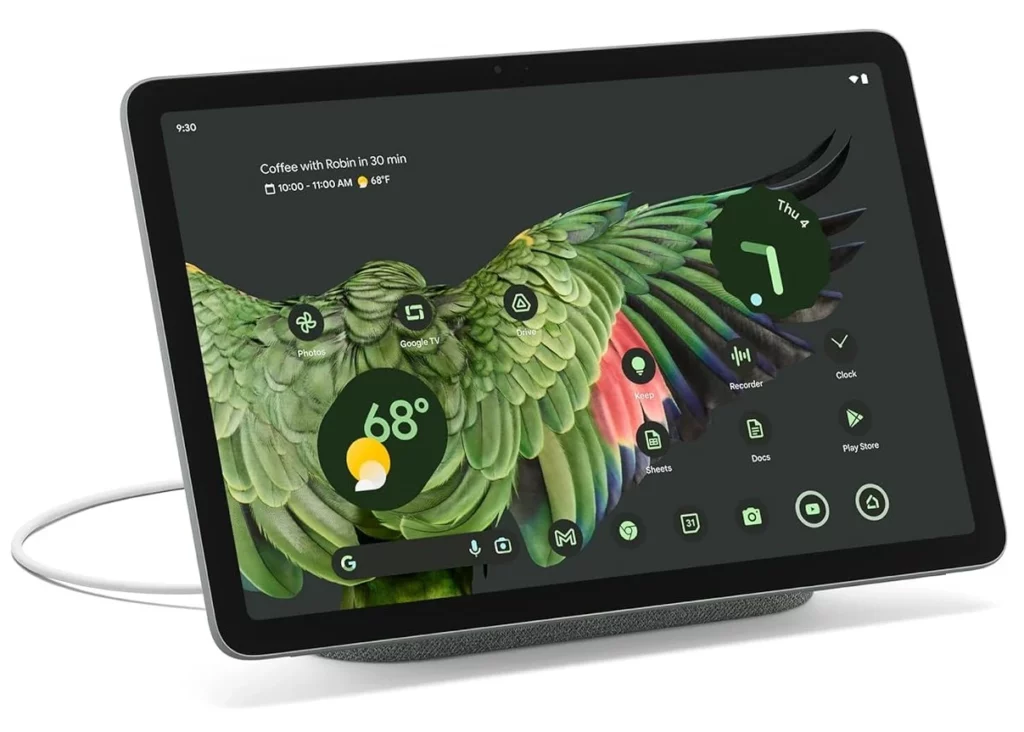
Have you ever wanted a high-tech tablet, only to look at the price tag and quickly change your mind? Tablets are amazing tools for working, streaming series or movies, reading, or just keeping the kids entertained. However, modern electronics are getting more and more expensive every year. When you search for deals online, you’ll likely run into the word ‘Refurbished’ and may ask yourself ‘What is that?’.
Unlike a standard “used” device sold by a random person, a refurbished tablet is usually a returned device that a professional company has cleaned, tested, repaired, and restored so it works like new. Buying a refurbished tablet is one of the smartest ways to get great technology while staying on a budget. So if you’re curious to find our more, let’s unpack and answer the question: Are refurbished tablets good and worth buying?
Why Refurbished Tablets
Imagine getting your hands on a premium tablet for half the cost of a brand-new one! The biggest reason to choose a refurbished tablet is the amount of money you’ll end up saving. That’s right! You can easily save anywhere from 15% to 50% off the original price.That means you can afford a faster, higher-quality model with a better screen instead of settling for a cheap, slow entry-level tablet.
Another major perk is tested quality and warranties. When you buy used from an individual, you take a huge risk. But reputable outlets or online vendors that sell refurbished electronics, put the tablet through strict multi-point checks, fix any bad parts, and reset the software.Most trusted stores even offer a 6 to 12-month warranty, so you’re protected if something breaks.
As a nice extra, choosing refurbished tablets helps to reduce electronic waste, making it a great choice and end up saving the environment. Overall, the perks speak for themselves: you get extra features, a safety-net warranty, and a lower price tag all at once.
What if your “new-to-you” tablet has a few hidden flaws? While refurbished devices are great value, they’re not always 100% perfect. First, you might notice minor visual wear.Depending on the condition grade you buy, the casing or back panel might have light scuffs or tiny scratches.
Second, the battery health might not be at 100%. Since the device was pre-owned, the battery might drain slightly faster than a factory-sealed unit. Finally, older refurbished models might reach the end of their software updates sooner.If you buy a model that came out several years ago, the manufacturer might stop updating its system in a year or two, which can prevent you from downloading the latest apps. In the end, these drawbacks can be minor, but knowing about cosmetic marks, battery wear, and older software prevents annoying surprises.
Ready to shop, but want to make sure you get a great deal without getting burned? Shopping for a refurbished tablet is simple if you follow a few basic rules:
Buy from certified refurbished dealers: Stick to trusted online vendors, official brand outlets (like Apple or Samsung), or well-known retailers. Avoid sellers who do not explain their testing process.
Enquire about the warranty: Never buy a refurbished tablet unless it comes with at least a 30-day return policy and a 6 to 12 month warranty.
Enquire about the battery health policy:Make sure the seller guarantees a minimum battery health level (usually 80% capacity or higher).
Choose grade A or grade B quality:“Grade A” means electronic devices that look close to nearly brand new, while “Grade B” models have light scuffs but offer the best balance of low price and good performance.
If you stick to trusted sellers and demand a good warranty, buying a refurbished tablet is a fantastic, safe way to upgrade your tech for less. That’s all from me. So what are your thoughts on refurbished tablets? Are refurbished tablets really worth buying? Leave your comments below 😎
“If you want cutting-edge AI features, incredible low-light cameras, and an ultra-bright display wrapped in a polished design, this flagship delivers a truly next-level user experience.“
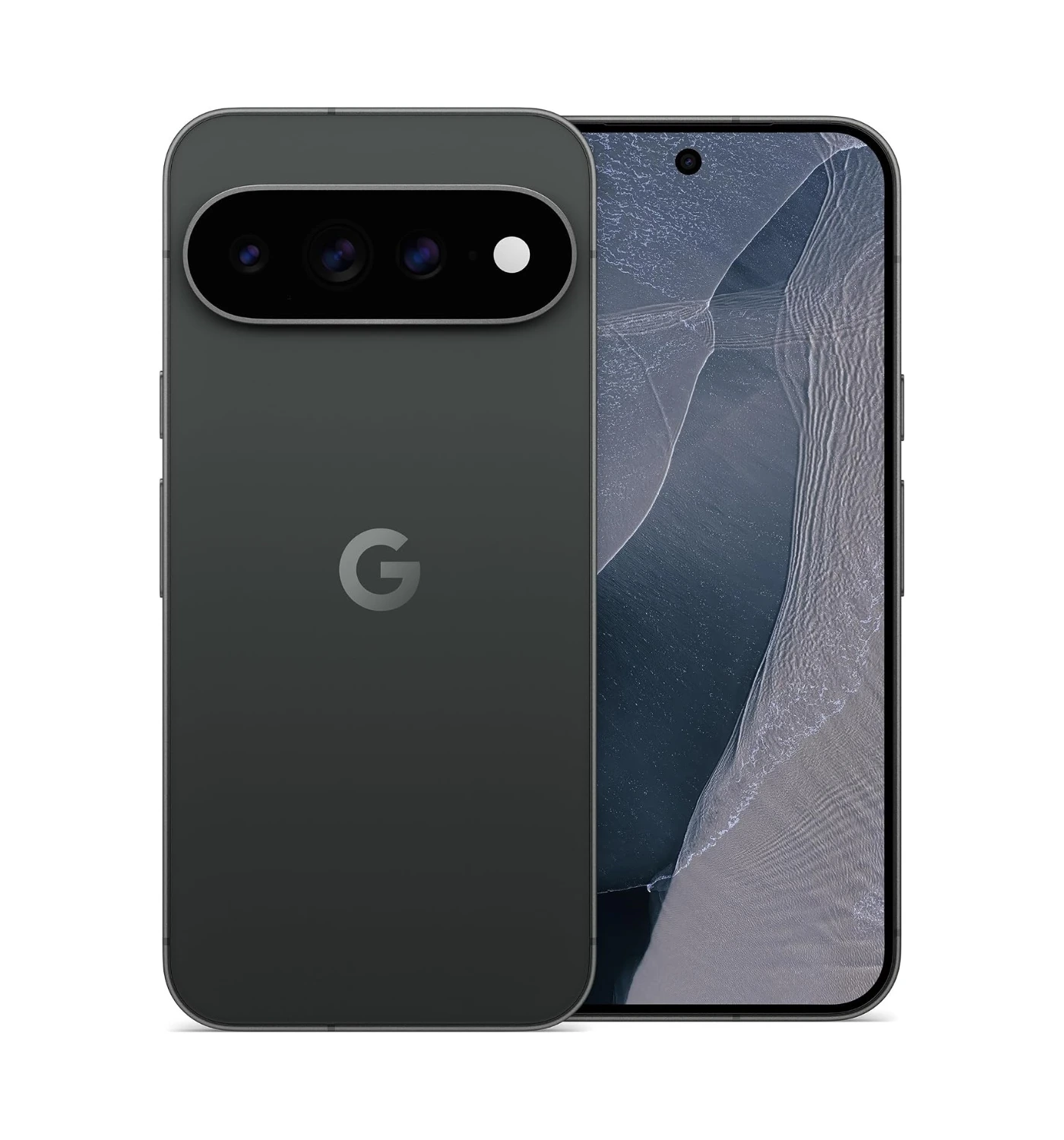
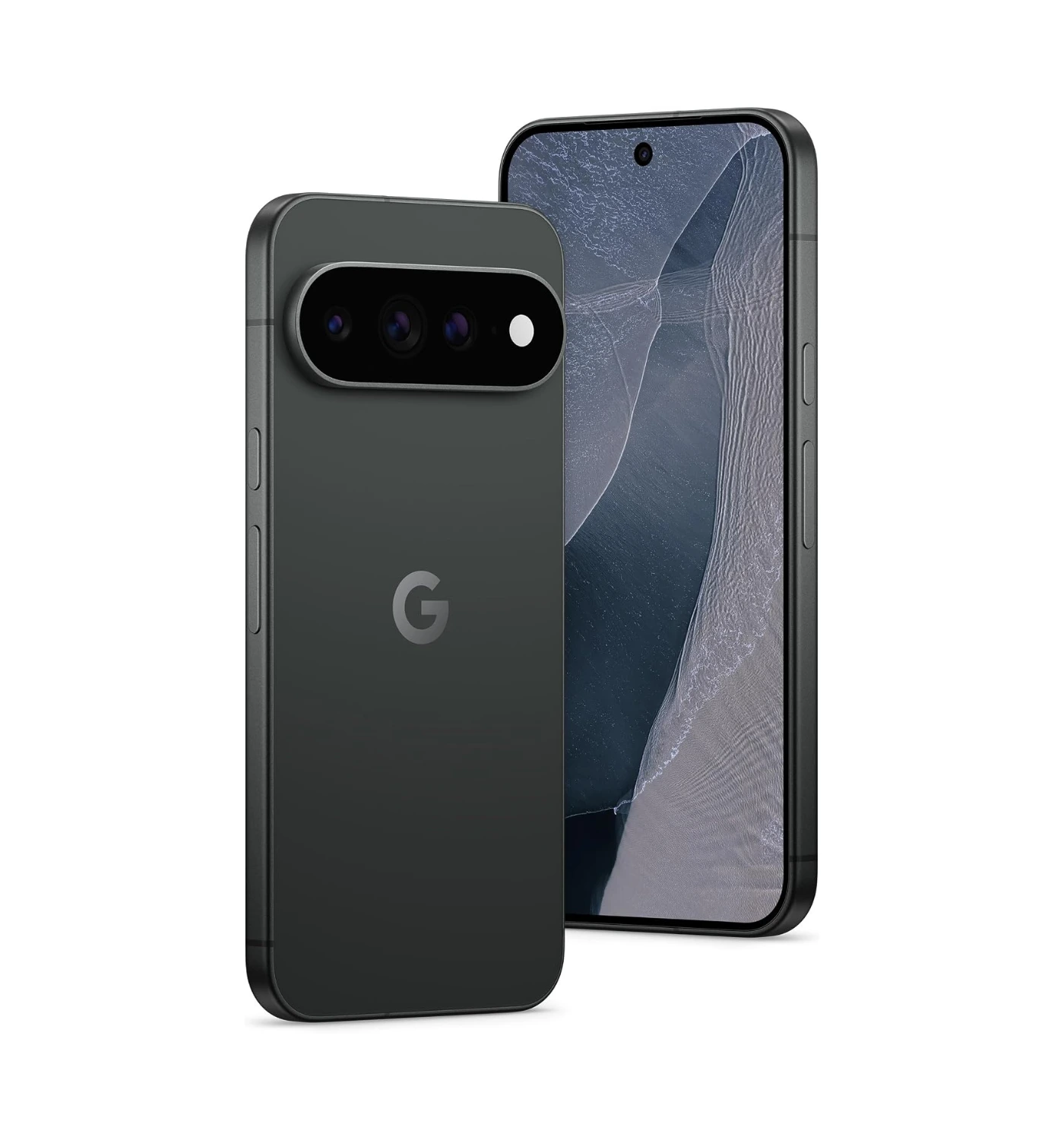
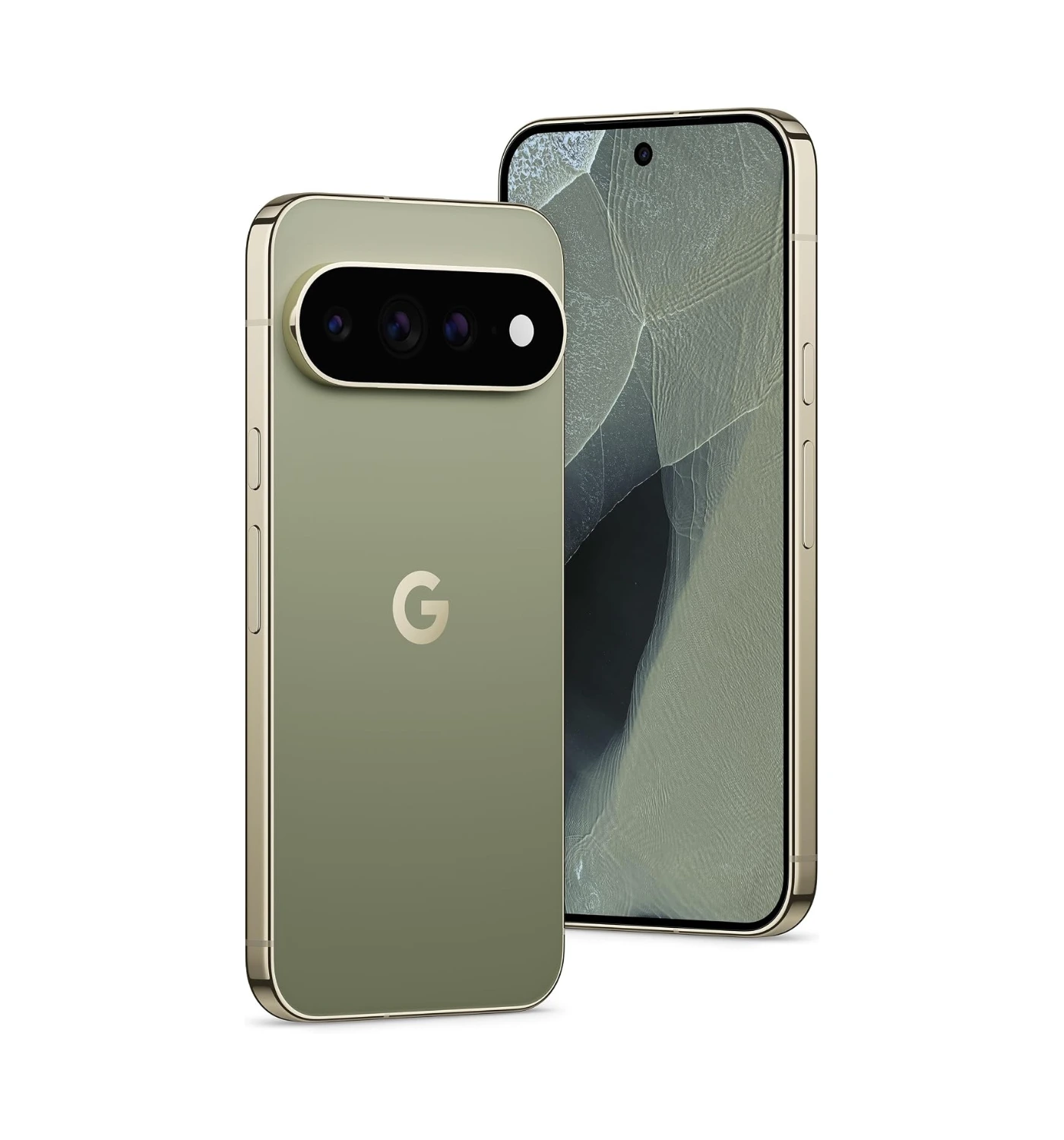
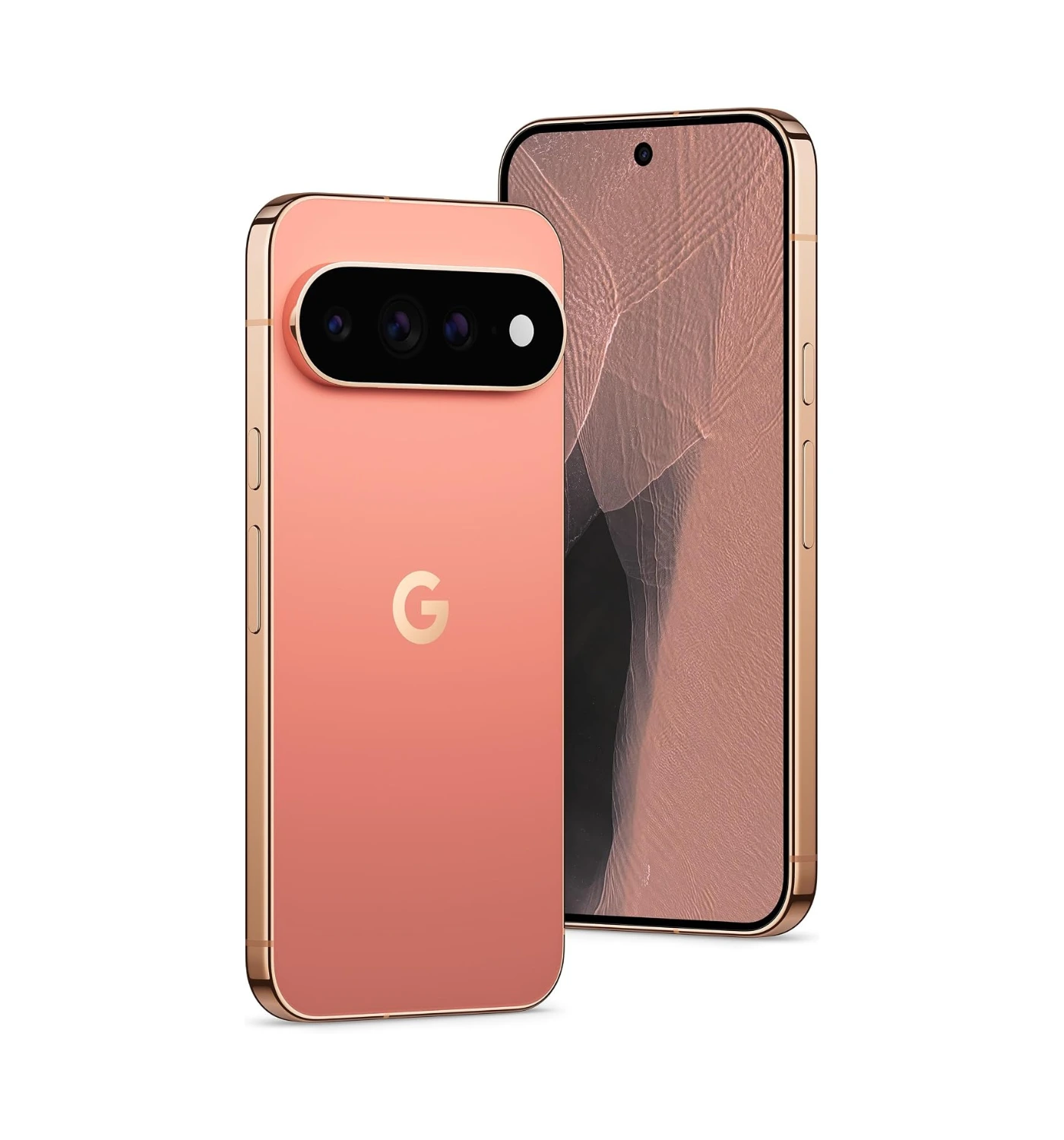
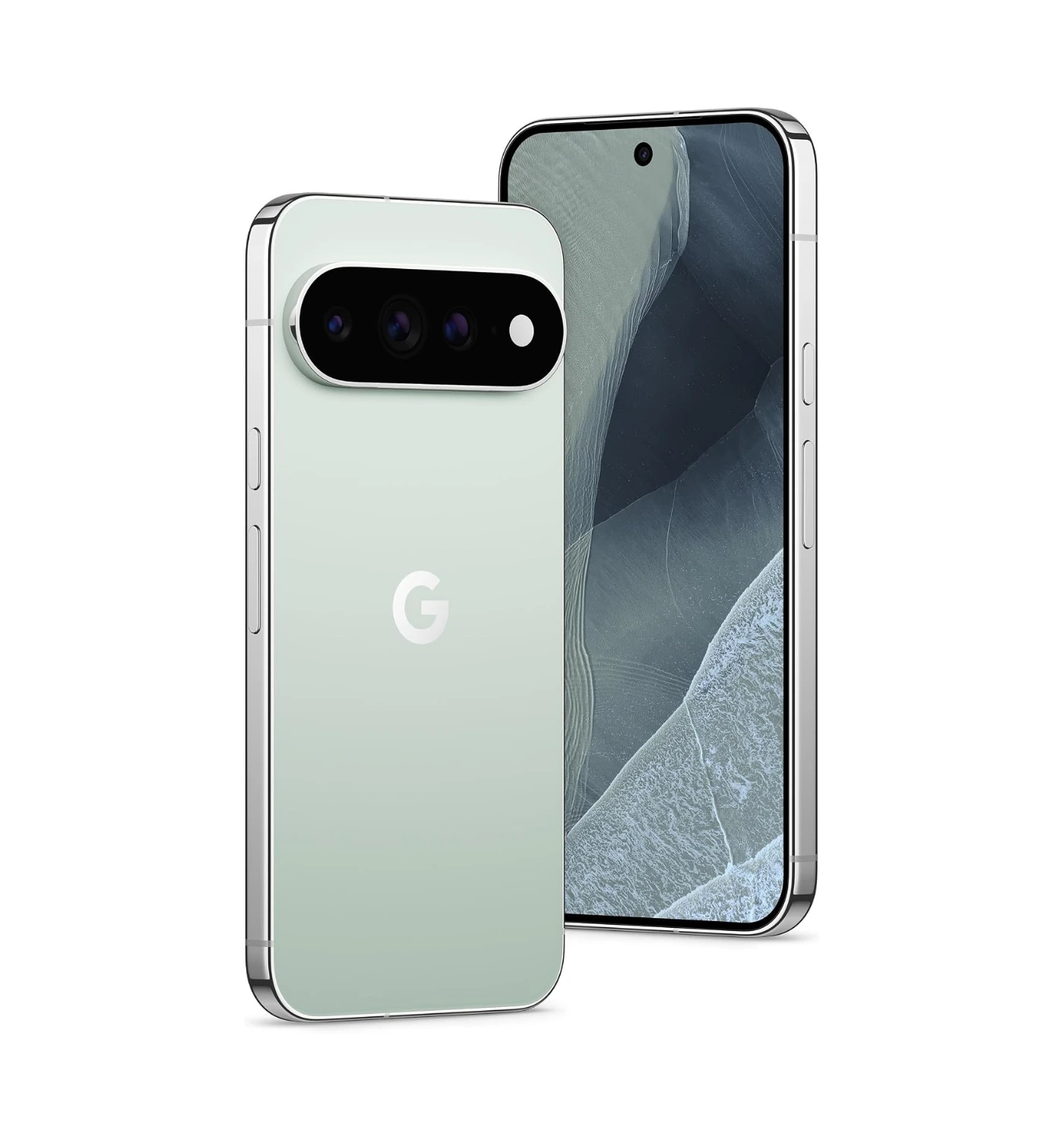
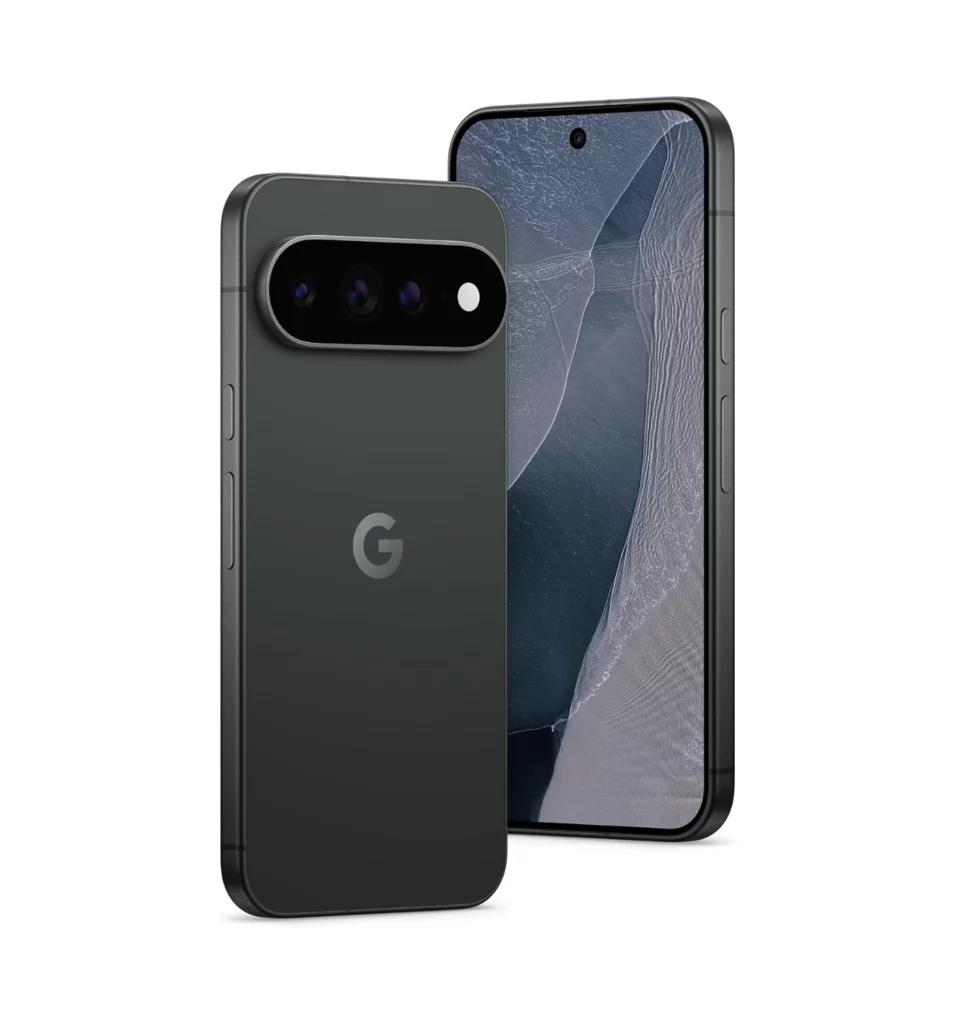
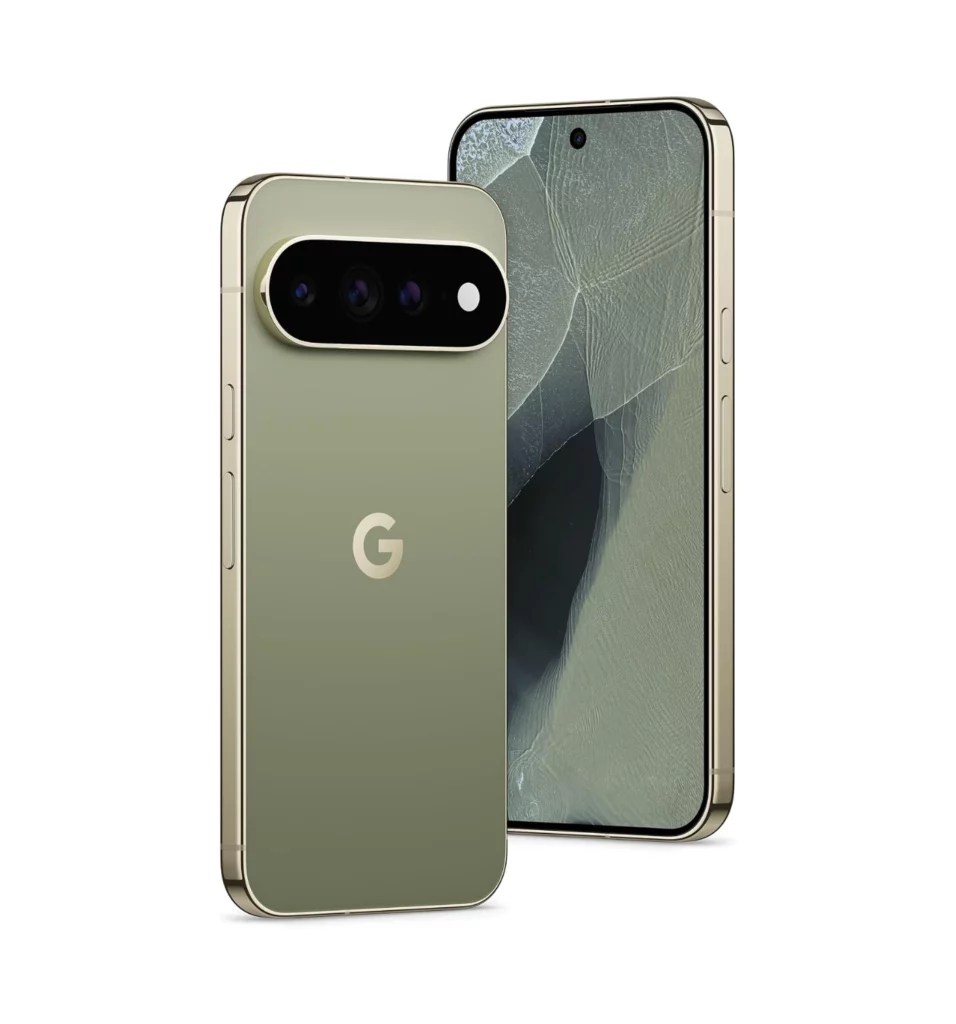
Can a phone actually get smarter without feeling more complicated? Google certainly thinks so, and they’re putting that promise to the test with their latest flagship, the Google Pixel 11 Pro XL. I’ve been testing this phone as my main device for the past week, and it quickly becomes clear that Google is no longer just trying to compete with Apple and Samsung—they want to redefine how we use our phones entirely. On the outside, you get a massive display, a sleeker body, and a fun new LED ring around the iconic camera bar.
On the inside, it packs the new Tensor chip, built specifically to power Google’s fastest, most helpful Gemini AI tools yet.Add in a refined camera system with new creative photography tools, and this giant phone makes a bold first impression. Is all this extra tech actually worth your hard-earned cash, or is it just a bunch of flashy software tricks? Grab a cup of coffee and stick around as I break down the cameras, battery, daily performance, and everything else you need to know in my full review below.
The Overview
If you thought last year’s Pixel hit the ceiling for what a smartphone could do, Google is back to prove there is still room to grow. The Pixel 11 Pro XL is Google’s top-of-the-line flagship phone, officially launching in August 2026. It takes everything people loved about the Pixel 10 Pro XL and gives it a serious tune-up.
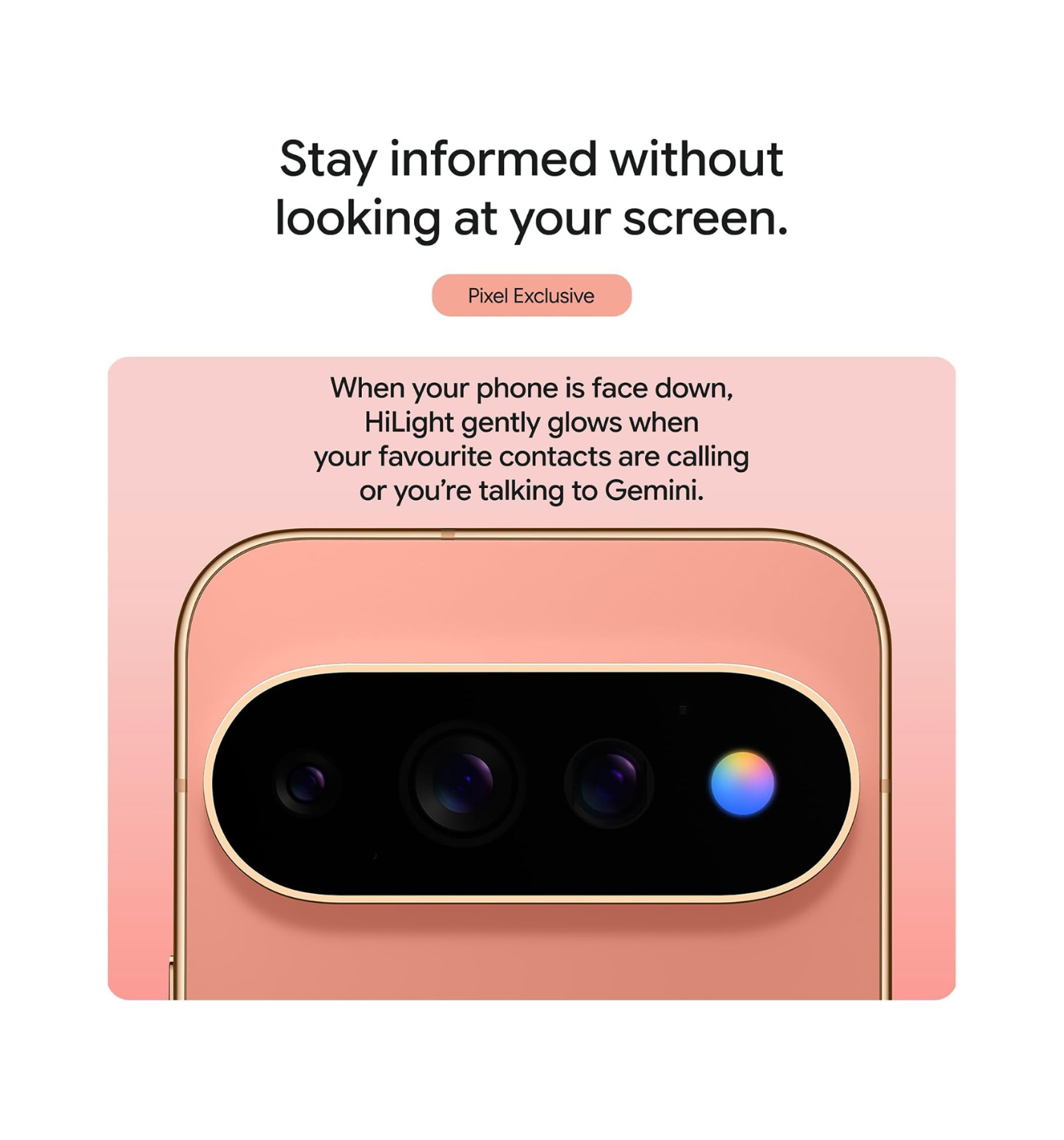
The heart of the new phone is the Tensor G6 chip, which makes on-device AI tasks much faster and helps your daily apps run smoother.The 6.8-inch display is now noticeably brighter, reaching up to 3,600 nits so you can easily view your screen under direct sunlight.Google also gave the screen glass double the scratch resistance of last year’s model, giving you extra peace of mind. Around the back, you will find an updated camera system featuring a larger 5x telephoto sensor for cleaner zoom shots, plus the brand-new “HiLight” ring—a neat circle of mini LED lights built right next to the camera bar that glows for notifications and AI prompts.
After testing it side-by-side with last year’s model, the Pixel 11 Pro XL feels like a refined, super-powered version of an already great phone. It keeps the comfortable design you expect, but adds just enough new power and clever tools to stand out. Keep reading the rest of the review to see how these new upgrades handle real-world use!
Artificial intelligence is no longer just a background feature on smartphones—it’s the main reason to buy a Pixel. On the Pixel 11 Pro XL, Gemini AI feels remarkably natural and deeply integrated into every part of the user experience. The phone now handles complex requests, like summarizing long voice notes or editing complex photos, almost instantly right on the device without sending your data to the cloud.
I especially love the live conversation features, which allow me to chat with my phone naturally to plan my daily schedules or brainstorm ideas. It’s easily the most intuitive AI experience I’ve ever tested on a handheld device, making daily tasks feel far less tedious.
Bright & Vibrant OLED Display
If you spend hours watching videos or scrolling through social feeds, a screen this good is an absolute treat. The large 6.8-inch Super Actua LTPO OLED panel on the Pixel 11 Pro XL reaches an incredible peak brightness of 3,600 nits, which makes outdoors viewing effortless even under direct midday sun.Color accuracy is stunning, and the dynamic refresh rate scales smoothly from 1Hz all the way up to 120Hz depending on what you are doing, saving battery during static reading while keeping animations buttery smooth.
Watching HDR movies on this display reveals deep, rich blacks and vibrant colors that pop right off the glass. I am genuinely impressed by how comfortable it is on the eyes, making it one of the absolute best media consumption screens on the market today.
Impressive Camera Performance
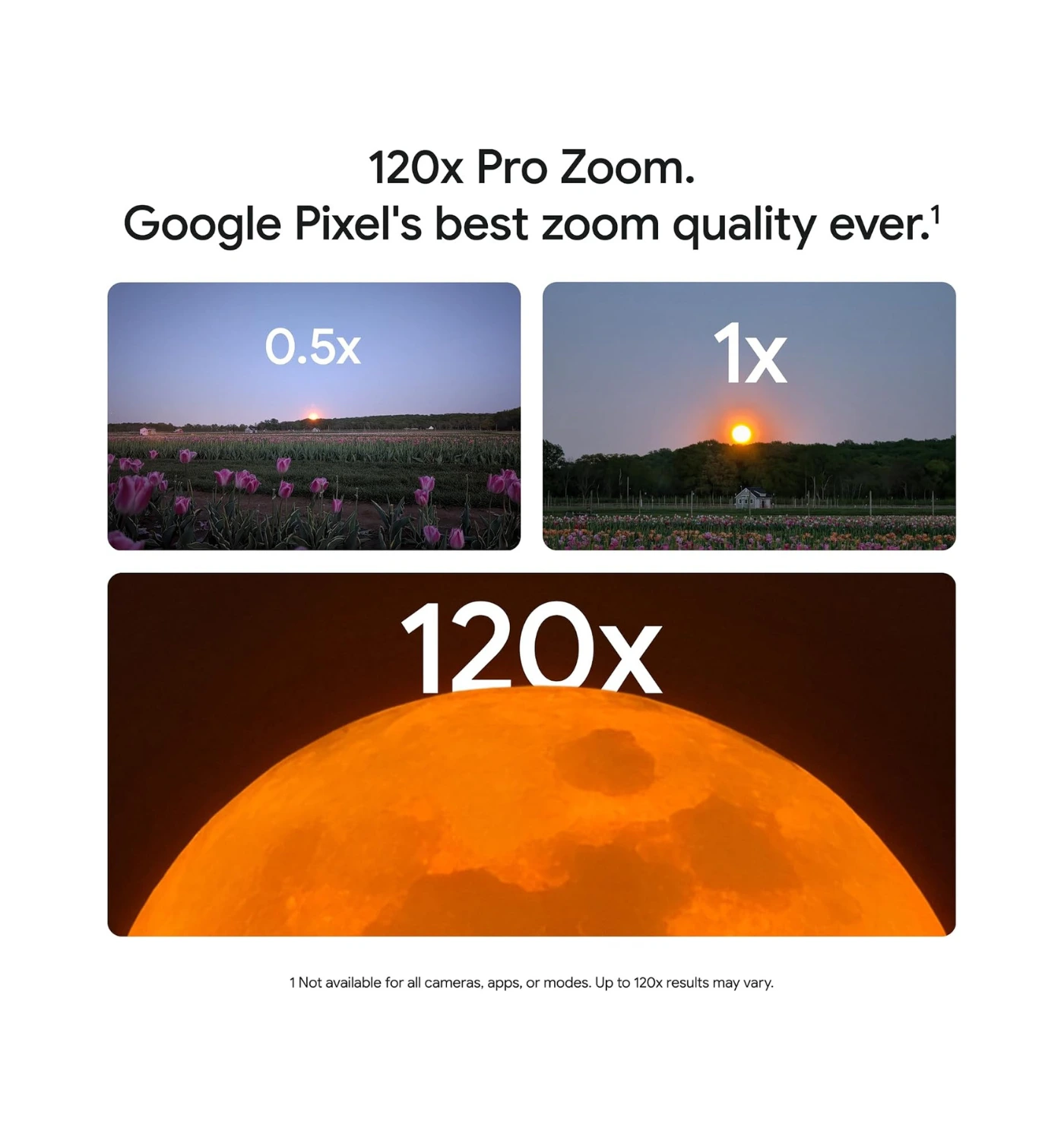
Google has built its reputation on mobile photography, and this latest setup raises the bar once again. The main 50MP sensor, paired with the upgraded 5x optical telephoto lens and an improved ultra-wide camera, delivers breathtaking color tone and detail in almost any lighting condition. Low-light photography is where this phone truly shines, capturing bright, clear night shots without blowing out highlights or adding artificial digital noise.
The new “HiLight” LED ring around the camera bar also doubles as a soft fill-light for close-up portraits, eliminating harsh flashes entirely. Taking photos with this device gives me total confidence that I will capture a print-worthy shot on the very first try.
Sleek Build & Design
A giant phone can often feel bulky, but Google managed to make this XL model feel balanced and luxurious. The Pixel 11 Pro XL features a refined aluminum frame with smooth, rounded corners, paired with a silky matte glass back that naturally resists fingerprint smudges. The signature camera bar has been polished down into a sleeker profile that sits flat on a table rather than rocking side-to-side.
Furthermore, the entire device feels remarkably sturdy in the hand while offering top-tier IP68 water and dust protection. I love how premium and comfortable it feels to hold, proving that large flagship phones do not have to feel awkward or slippery.
Good Phone Performance
Under the hood sits the brand-new Tensor G6 processor, and it provides a noticeable boost in overall responsiveness. Navigating through heavy multitasking workflows, jumping between intensive apps, and playing high-end games happens without a single hitch or unexpected slowdown. Thermal management is also significantly improved compared to older generations, meaning the phone stays remarkably cool during prolonged gaming sessions or 4K video recording.
Everything from opening the camera app instantly to processing background downloads feels tight and immediate. I am thoroughly impressed by how snappy and stable this phone stays, even when pushing it through demanding daily workloads.
Good Battery Life, with Fast Wireless Charging
A flagship phone is only as good as its endurance, and this device easily carries you through heavy workdays. The massive 5115 mAh battery comfortably provides up to 16 hours of battery life, which is quite good if you ask me. When it’s time to top up, the upgraded fast 45W wired charging gets you from flat to 75% in roughly 36 minutes.
Additionally, the built-in magnetic fast wireless charging snaps perfectly onto magnetic chargers and stands, making power top-ups clean and completely hassle-free. Not having to worry about battery anxiety during busy travel days makes this phone a true reliability champ.
Other Features
Beyond the core specs, it’s the small thoughtful extras that complete the entire package. Firstly, the ultrasonic under-display fingerprint scanner unlocks the phone instantly, even if your hands are slightly wet or cold. Second, the stereo speakers deliver rich, loud audio with surprising depth and punchy bass, making quick video clips sound great without headphones.
And lastly, Google promises 7 years of Android OS updates and security patches, ensuring this device stays secure and feature-packed well into the future. Overall, these polished extra touches show that Google paid attention to every detail, making the Pixel 11 Pro XL feel complete.
The Deal Breakers
Expensive
No matter how good a smartphone is, a steep price tag always leaves a sour taste in your mouth. Starting at a high $1,299, the Pixel 11 Pro XL pushes Google firmly into ultra-luxury territory and marks another price hike over last year’s model. When you spend this much money on a phone, you expect absolute perfection across every single feature without any compromises.
While you do get top-tier hardware and extended software support, asking buyers to part with this much cash makes it a really tough pill to swallow for the average user. I am genuinely disappointed by how high the barrier to entry has become, making this incredible tech feel out of reach for many loyal Pixel fans.
The HiLight Notification Indicator
Not every flashy new feature hits the mark, and this built-in light ring quickly loses its initial charm. Google hyped up the new “HiLight” LED ring around the camera bar as a revolutionary way to check notifications and AI status alerts while your phone rests face down. In practice, however, the lights are surprisingly bright in dark rooms and lack granular customization settings to tone them down.
Furthermore, keeping the ring constantly illuminated for subtle alerts drains battery unnecessarily throughout the day, forcing me to turn it off entirely after just a few days of testing. It ultimately feels like a gimmick that sounds great in promotional videos but adds very little real utility to my daily routine.
Other Notable Features
Even high-end devices have hidden daily annoyances that only show up after extended hands-on testing. Despite the improved processor, heavy gaming still triggers noticeable thermal throttling after thirty minutes, causing the frame rate to drop right when you need smooth performance. The phone remains undeniably heavy at over 220 grams, making one-handed use tiring during long reading sessions.
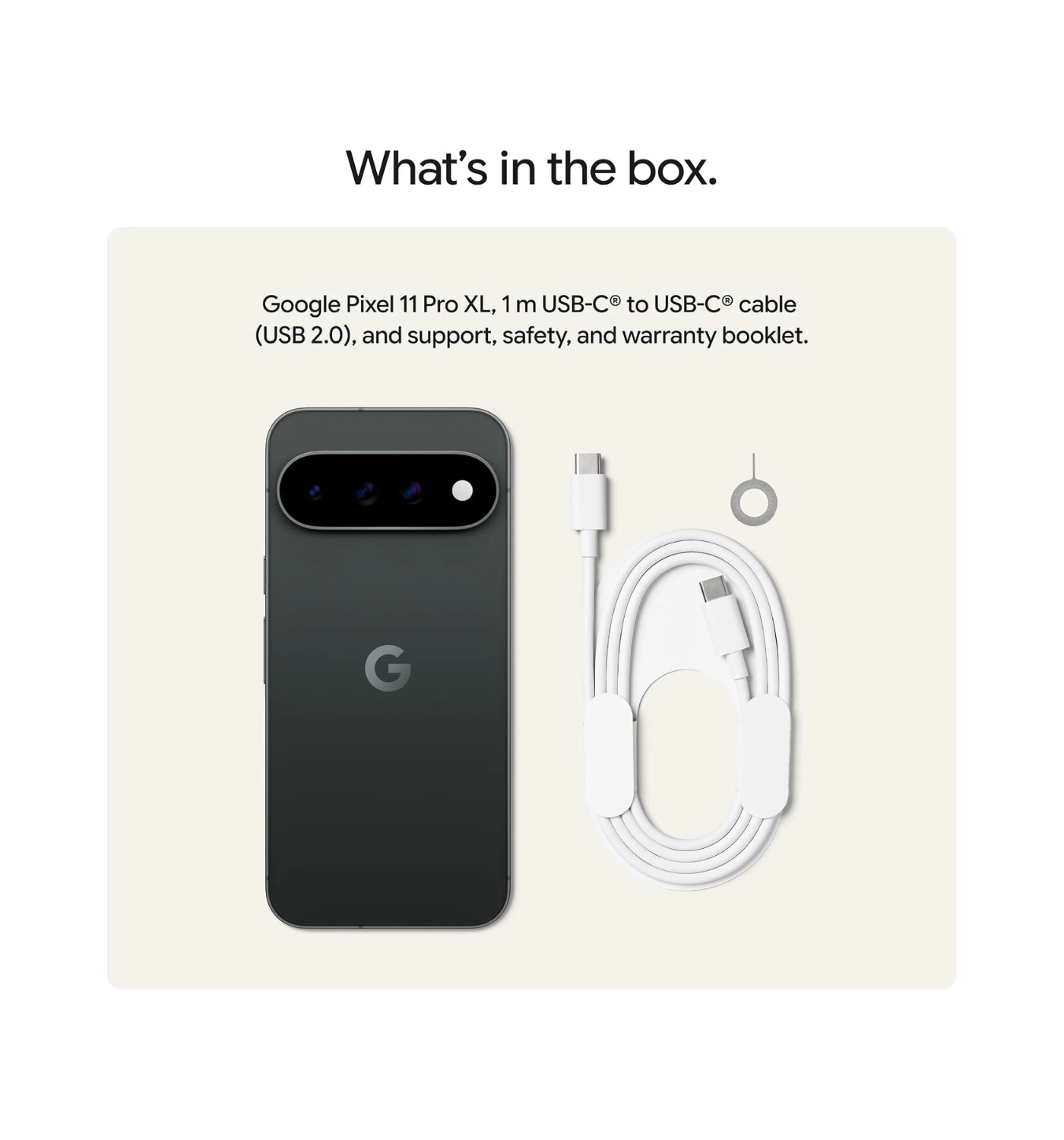
To make matters worse, Google still leaves a fast wall charger out of the box, meaning you have to spend extra money to get the fastest charging speeds promised on paper. These persistent minor flaws take away from what should otherwise feel like a seamless premium experience.
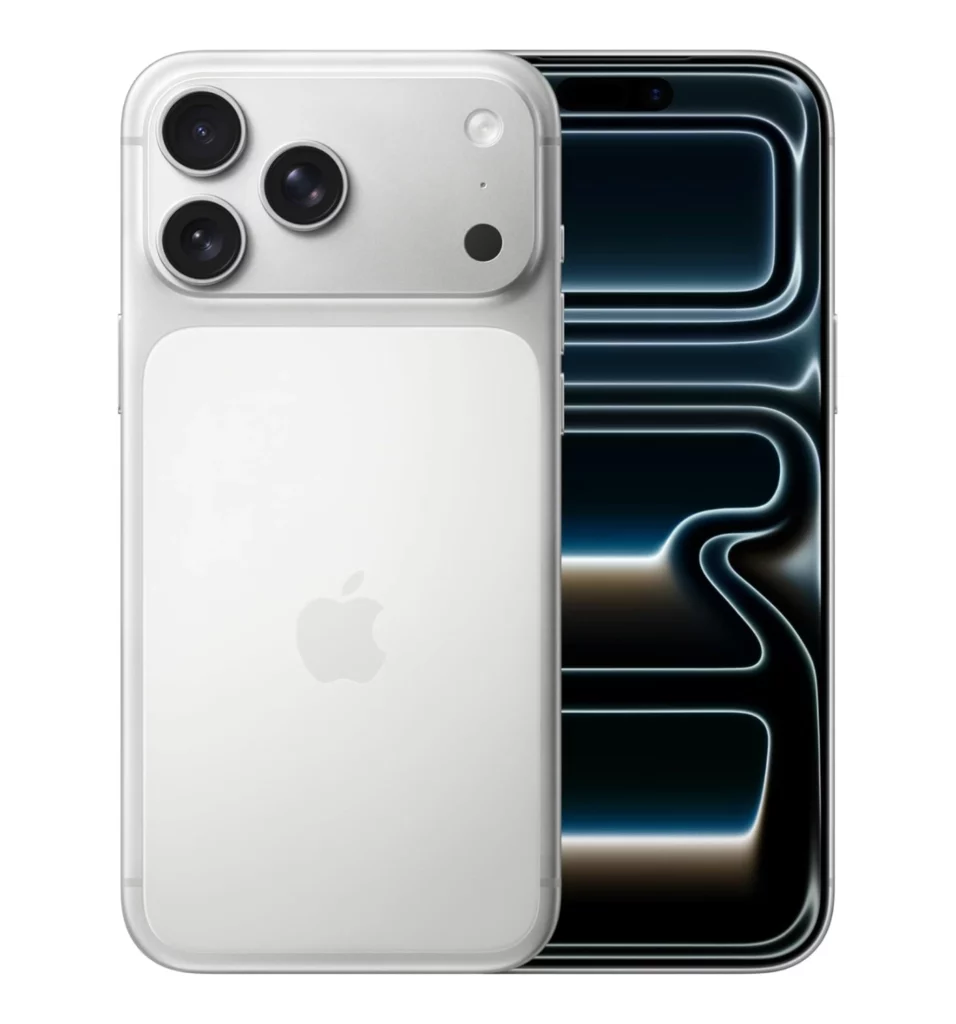
If you prefer raw computing power, unmatched video recording quality, and an ecosystem that just works, the Apple iPhone 17 Pro Max is the clear winner.Powered by the fast A19 Pro chip, it handles heavy 3D gaming and video editing with less heat and better energy efficiency. You also get superior 4K video capture with professional color controls, rock-solid resale value, and seamless integration with MacBooks, iPads, and Apple Watches. While the Pixel 11 Pro XL shines in smart AI tricks, Apple’s flagship gives you a smoother, more reliable performance powerhouse that will easily last you for years to come.
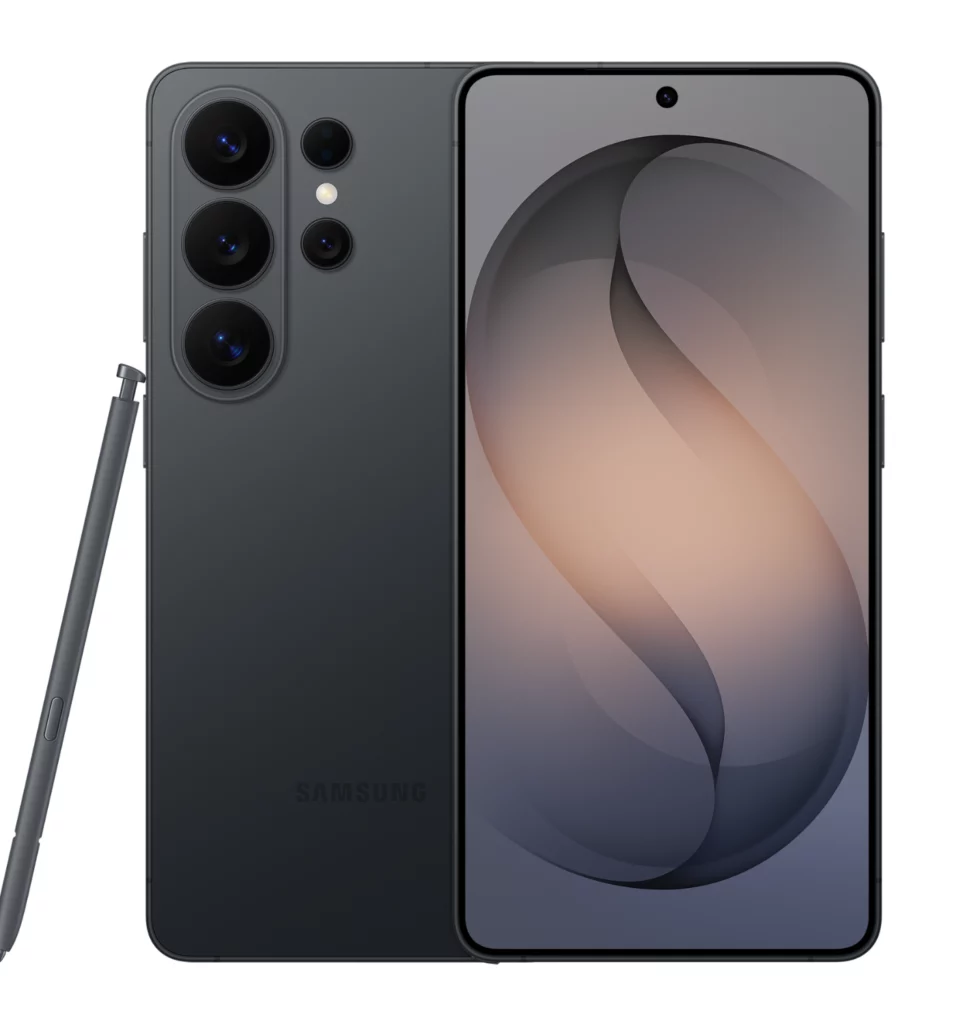
If you want the ultimate productivity power-house that dominates in raw hardware, the Samsung Galaxy S26 Ultra is the better alternative for you. Equipped with a custom Snapdragon 8 Elite Gen 5 processor, it easily outperforms the Pixel 11 Pro XL with gaming and 4K video editing without dropping frames.You also get a massive 200MP main camera with insane 100x digital zoom capabilities, a built-in S Pen stylus for precise note-taking, and a stunning 6.9-inch display featuring Samsung’s revolutionary built-in Privacy Display technology.While the Pixel focuses heavily on casual software tricks, the S26 Ultra delivers an unmatched power-user setup that gives you complete control over your smartphone experience.
If you want almost the exact same premium experience while saving a massive chunk of money, the Google Pixel 10 Pro XL is the smarter choice for you. It features the same stunning 6.8-inch display size, identical top-tier build quality, and a camera setup that still produces world-class photos that look nearly indistinguishable from its successor.You still get 16GB of base memory on the flagship tier, access to Google’s key Gemini AI features, and six more years of official software updates.Unless you absolutely need the slight performance bump of the Tensor G6 chip or the new HiLight LED ring, choosing last year’s flagship gives you incredible overall value without making any major real-world sacrifices.
If you’re a mobile photography enthusiast looking for absolute hardware dominance, the Oppo Find X9 Ultra is the ultimate alternative for you. Co-engineered with Hasselblad, it boasts a massive quad-camera setup featuring dual periscope telephoto lenses and a massive 200MP main sensor that captures far more natural detail and depth than the Pixel 11 Pro XL. Beyond its incredible camera system, you get blistering 100W wired and 50W wireless supercharging that completely embarrasses Google’s slower charging speeds, alongside Qualcomm’s top-tier Snapdragon processor for unmatched raw performance. While the Pixel relies heavily on smart computational software tricks, the Find X9 Ultra relies on unbeatable physical camera hardware and ultra-fast charging to give you the most uncompromising flagship experience on the market.
The Verdict
The Google Pixel 11 Pro XL proves that a smartphone can be remarkably intelligent without sacrificing everyday usability. If you want cutting-edge AI features, incredible low-light cameras, and an ultra-bright display wrapped in a polished design, this flagship delivers a truly next-level user experience. While the higher price tag and gimmicky notification ring might make you pause, the raw software magic, stunning display, and years of guaranteed updates make it an amazing daily companion. If you are ready to upgrade your mobile experience, click the link below to get your Google Pixel 11 Pro XL today! What do you think about Google’s latest flagship? Let me know your thoughts in the comments section below 😎
“Onimusha: Way of the Sword is a triumphant comeback that successfully brings a classic series into the modern era without losing its soul.“
Crossing blades with a demon and slicing through its guard with a single, perfectly timed strike is easily one of the most satisfying feelings I have ever had in an action game. I was thrilled to finally get my hands on Onimusha Way of the Sword, an action-adventure title from Capcom that revives a beloved classic series after two decades.
Set in a dark fantasy version of Kyoto during the early Edo period, the game puts you in the shoes of legendary samurai. Armed with a single katana, an Oni Gauntlet that absorbs demon souls, and a sharp sense of timing, you venture out to save a city overrun by dark monsters called Genma. The game focuses heavily on realistic sword clashes, parries, and cinematic executions that make every single duel feel grounded and lethal. This return to classic samurai action will immediately pull you in with its fluid combat and a dark fantasy world experience, so let us break down what makes this adventure worth your time.
Overview
If you’ve been waiting twenty long years for a true samurai classic to return, step back into the dark alleys of feudal Japan because this action adventure delivers everything you’ve been craving. Onimusha: Way of the Sword is a single-player action-adventure game. It was released on September 4, 2026. You step into the sandals of legendary swordsman Miyamoto Musashi as he navigates a dark, demon-infested version of Kyoto. After a humbling defeat, you’re revived as an Onimusha—a demon slayer equipped with an Oni Gauntlet—and forced into a fight to stop evil Genma monsters from tearing open the underworld.
Compared to the older titles from the early 2000s, this modern entry ditches fixed camera angles, clunky tank controls, and linear corridors. You get to explore a massive, seamless hub city filled with side quests, fluid third-person camera control, smooth parry mechanics, and stunning visuals powered by modern hardware. By upgrading the classic formula with a living world and responsive swordplay, the game sets a high bar that will make you want to dive deeper into every combat mechanic it has to offer.
Game Info
(Image credit: Capcom)
Onimusha: Way of the Sword
Release date: 3 September 2026
Platforms: PlayStation 5, Xbox Series X/S, GeForce Now, PC
You’ll instantly fall in love with Miyamoto Musashi, the lead character who brings endless charm, expressive personality, and a clever sense of humor to a dark fantasy world. Instead of giving you a stoic, brooding samurai, the game stars a delightfully expressive hero who balances fierce combat skills with genuine charisma. Modeled with the likeness of legendary actor Toshiro Mifune, Musashi comes to life with some of the best facial animations you’ll ever see in an action game.
The ever charismatic protagonist (Image credit: Capcom)
He’s a rogue warrior who is willing to bend the traditional rules of engagement to get an edge, yet he holds tight to an unshakable moral line that makes him deeply relatable. Watching him crack a sly grin during dialogue or display warm, human reactions during story beats makes surviving this demon nightmare a joyful ride. Overall, having such a charismatic lead keeps the journey grounded and engaging, giving you a hero you’ll gladly cheer for from start to finish.
Excellent Combat, Excellent Swordplay
Every swing of your blade carries heavy impact, making you feel like an absolute master of the katana in every encounter. The combat system hits a sweet spot by making every slash, dodge, and block feel heavy and deliberate without ever feeling sluggish. You don’t have to worry about memorizing overly complex stance trees or endless button combos to look cool. Instead, combat revolves around rhythm, timing, and stamina management.
Excellent combat gameplay (Image credit: Capcom)
You can unleash fast one-handed strikes, build up momentum for devastating two-handed power attacks, or perform crisp parries to break a demon’s guard. Once an enemy’s posture is broken, you trigger cinematic execution moves that slice through demon limbs, letting you collect their glowing souls to empower your gauntlet. In the end, this incredibly responsive swordplay rewards your skill and patience, turning every minor skirmish into a thrilling test of precision.
Epic Boss Fights
Prepare yourself for colossal showdowns against nightmarish demon lords that’ll push your reflexes and tactical thinking to their absolute limits. The boss encounters stand out as major highlights, pitting you against massive Genma generals and rival swordsmen in stunning arenas. These multi-phase battles force you to study unique attack patterns, master your dodge rolls, and time your soul-absorbing gauntlet powers perfectly.
Experience epic boss fights (Image credit: Capcom)
Rather than relying on unfair mechanics, each boss fight acts as a grand test of everything you’ve learned, blending high-stakes drama with cinematic camera angles. Defeating a screen-filling demon lord after a tense, close-quarters duel delivers an rush of genuine satisfaction that few modern action games can match. One can this, these memorable boss battles deliver unmatched spectacle and challenge, ensuring that your biggest victories feel earned and truly legendary.
The Deal Breakers
Dull Side Quests
When you step away from the adrenaline rush of main encounters, you’ll quickly find that the secondary content feels like a chore rather than an exciting adventure. While exploring the semi-open world on the streets of feudal Kyoto sounds enticing on paper, the side quests fail to capture the same magic as the core combat. You’ll frequently be sent on mundane fetch errands, forced to backtrack through lifeless districts, or asked to clear out repetitive waves of minor enemies for minor rewards.
Rather than offering rich environmental storytelling or unique mini-bosses, these side missions often feel like padding designed to stretch out runtime. Moving back and forth between generic non-player characters breaks up the thrill of being a legendary samurai, turning what should be a rich world into an uninspired checklist. These tedious secondary tasks pull you straight out of the dark fantasy experience, making large parts of the world feel surprisingly empty and dull.
Slow-Pacing Story Issues
Just when the narrative builds up a head of steam, the game constantly hits the brakes and derails its own momentum. The overarching plot follows a very predictable “stop the ancient forces of evil” narrative, but its biggest flaw lies in how the story is structured between major set pieces. Instead of driving you forward with urgent, high-stakes drama, the campaign regularly forces you to pause the action to complete mandatory setup tasks or trek across wide, sluggish zones.
The beautiful cut-scenes (Image credit: Capcom)
The narrative momentum stutters frequently as dramatic moments get bogged down by long walks, repetitive dialogue dumps, and excessive padding between major demon encounters. By making you wade through quiet lulls right before major confrontations, the game repeatedly undercuts its own dramatic tension. This clunky narrative pacing drains the urgency right out of Musashi’s quest, leaving you feeling frustrated whenever the game stalls your progress.
The Final Verdict
Despite a few narrative speedbumps and tedious side trips, this long-awaited return to classic samurai action delivers a razor-sharp blade where it counts most. Onimusha: Way of the Sword is a triumphant comeback that successfully brings a classic series into the modern era without losing its soul. By pairing the charismatic Miyamoto Musashi with deeply satisfying swordplay, weightful parry mechanics, and spectacular boss duels, Capcom has crafted an action game that feels both nostalgic and refreshingly new.
It may stumble occasionally with dry side quests and slow story pacing, but the sheer thrill of locking swords with demonic forces and absorbing their souls easily outweighs those minor flaws. If you’re craving a thrilling, visceral samurai adventure that rewards skill and timing, you should definitely pick up your copy HEREtoday and join the fight against the Genma. Have you had a chance to try the game yet, or are you planning to jump in soon? Drop your thoughts and questions in the comments section below 😎