

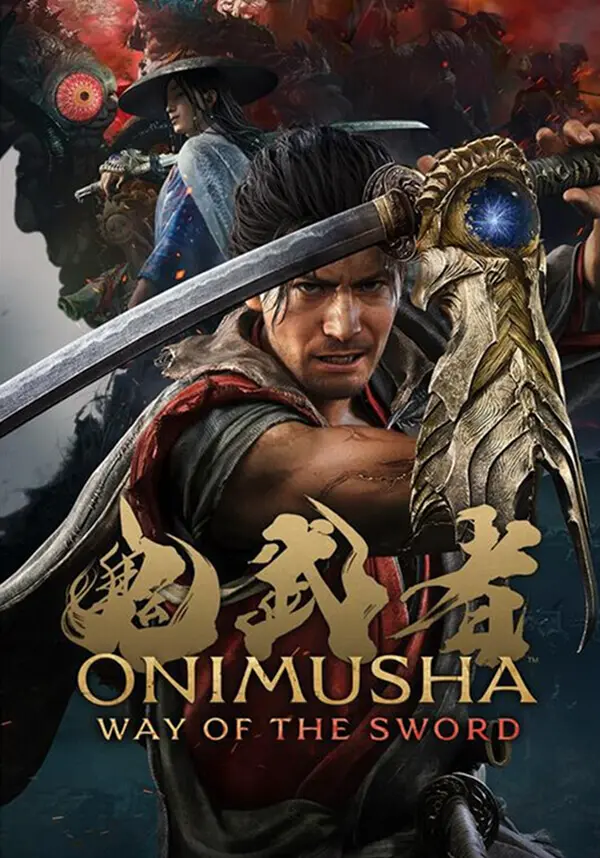
Onimusha: Way of the Sword
Pros
- Entertaining protagonist in various situations
- Excellent combat system & combat animations
- Epic boss fights
- Impressive sound design
- Strong story cut scenes
Cons
- Story suffers from pacing issues
- Dull side quests
- Only one primary weapon
- Too many repeatable enemies
Onimusha Way of the Sword
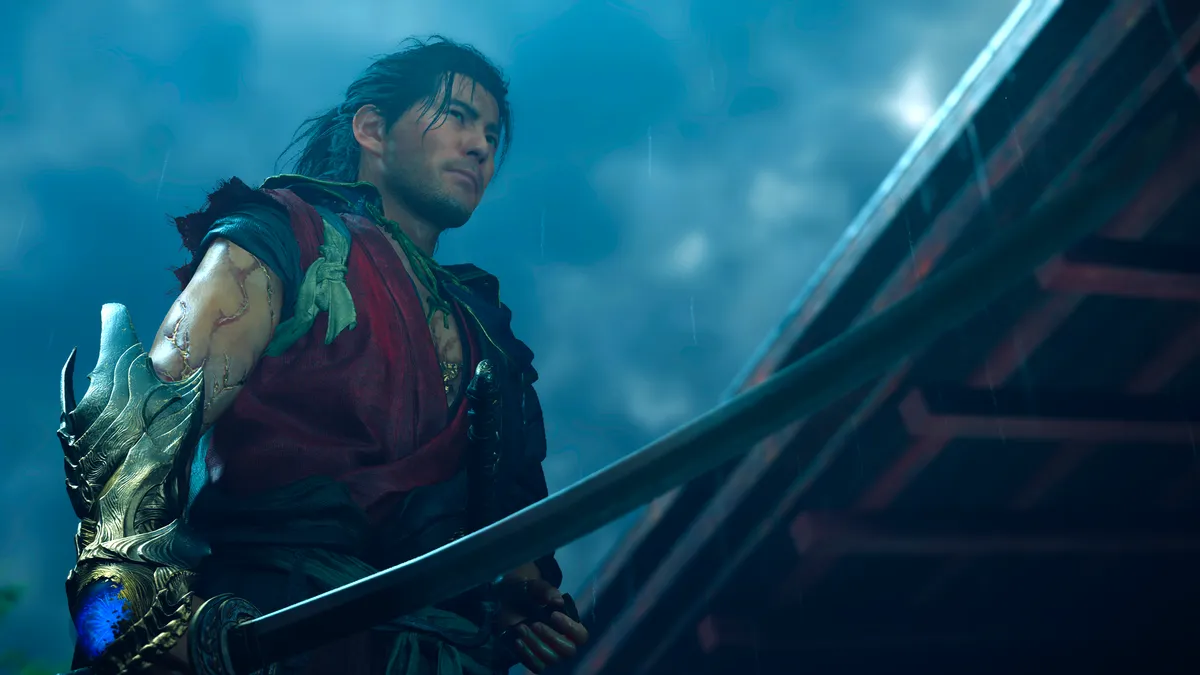
Onimusha Way of the Sword
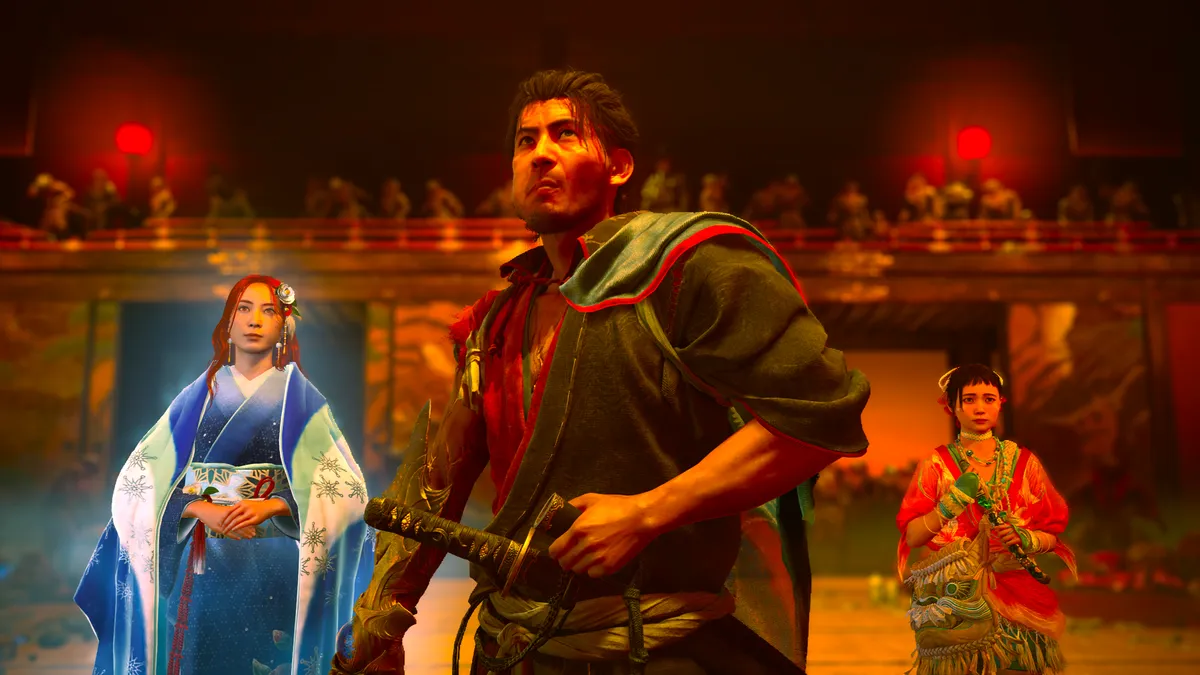
“Onimusha: Way of the Sword is a triumphant comeback that successfully brings a classic series into the modern era without losing its soul.“
Crossing blades with a demon and slicing through its guard with a single, perfectly timed strike is easily one of the most satisfying feelings I have ever had in an action game. I was thrilled to finally get my hands on Onimusha Way of the Sword, an action-adventure title from Capcom that revives a beloved classic series after two decades.
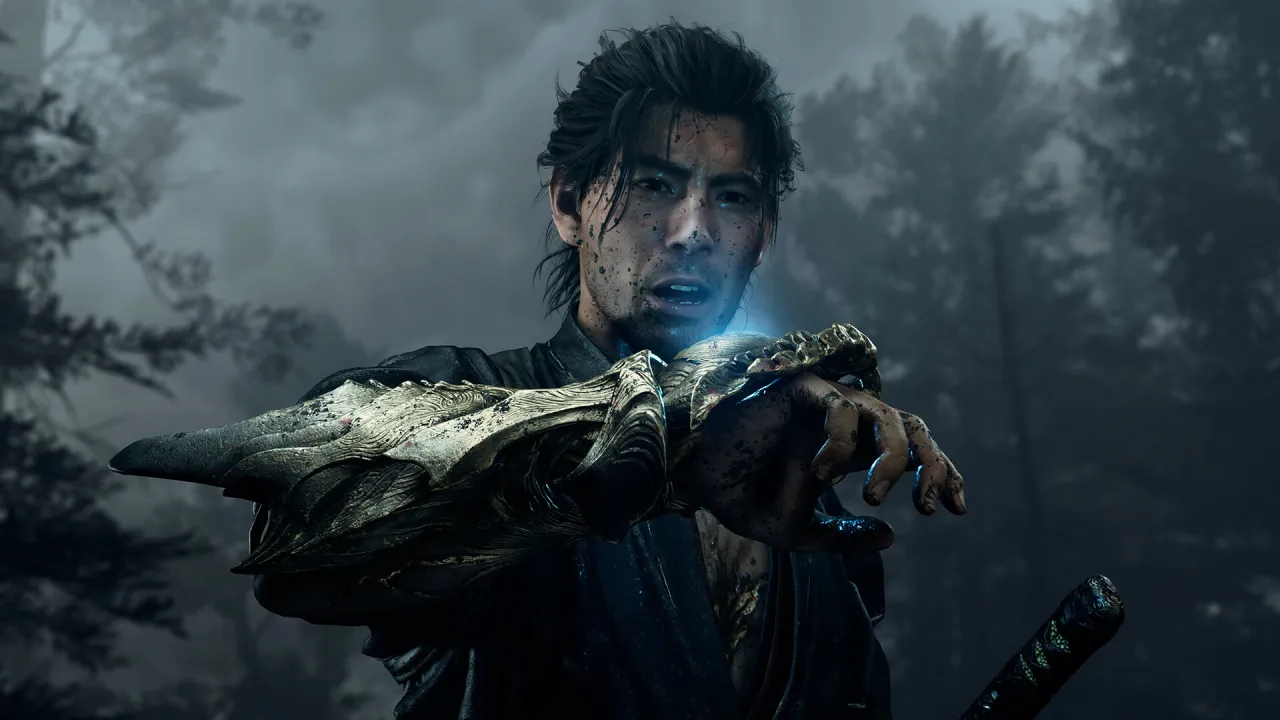
Set in a dark fantasy version of Kyoto during the early Edo period, the game puts you in the shoes of legendary samurai. Armed with a single katana, an Oni Gauntlet that absorbs demon souls, and a sharp sense of timing, you venture out to save a city overrun by dark monsters called Genma. The game focuses heavily on realistic sword clashes, parries, and cinematic executions that make every single duel feel grounded and lethal. This return to classic samurai action will immediately pull you in with its fluid combat and a dark fantasy world experience, so let us break down what makes this adventure worth your time.
Overview
If you’ve been waiting twenty long years for a true samurai classic to return, step back into the dark alleys of feudal Japan because this action adventure delivers everything you’ve been craving. Onimusha: Way of the Sword is a single-player action-adventure game. It was released on September 4, 2026. You step into the sandals of legendary swordsman Miyamoto Musashi as he navigates a dark, demon-infested version of Kyoto. After a humbling defeat, you’re revived as an Onimusha—a demon slayer equipped with an Oni Gauntlet—and forced into a fight to stop evil Genma monsters from tearing open the underworld.
Compared to the older titles from the early 2000s, this modern entry ditches fixed camera angles, clunky tank controls, and linear corridors. You get to explore a massive, seamless hub city filled with side quests, fluid third-person camera control, smooth parry mechanics, and stunning visuals powered by modern hardware. By upgrading the classic formula with a living world and responsive swordplay, the game sets a high bar that will make you want to dive deeper into every combat mechanic it has to offer.
Game Info
Onimusha: Way of the Sword
The Best Features
The Entertaining Protagonist
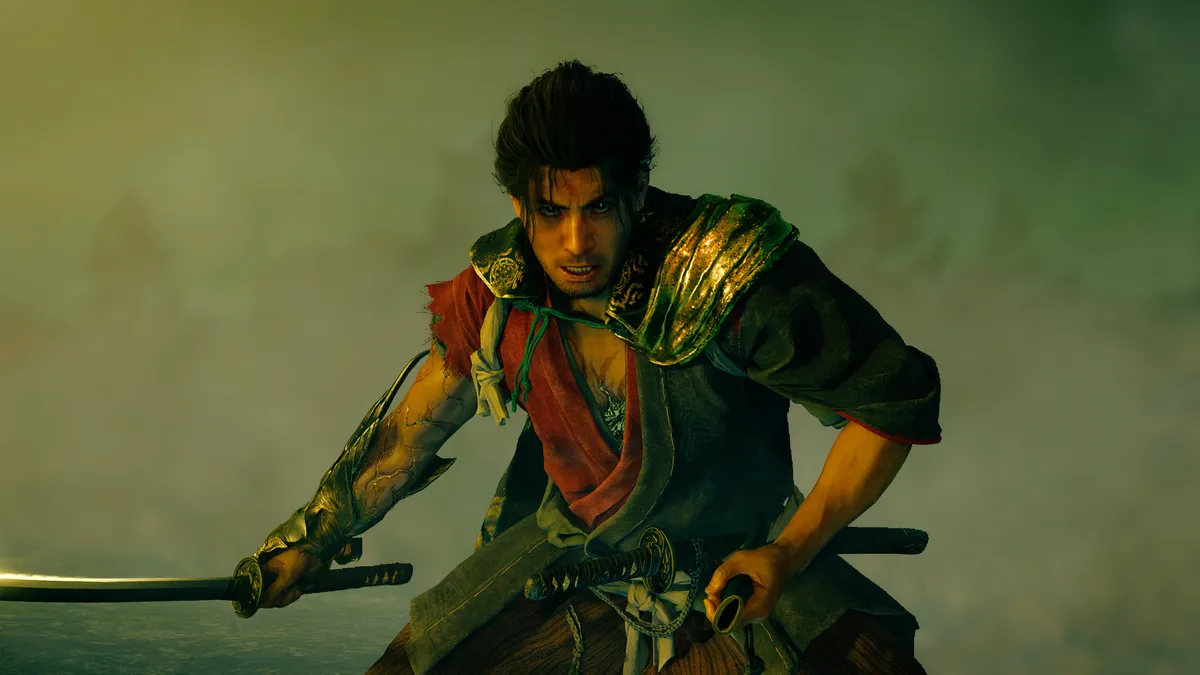
You’ll instantly fall in love with Miyamoto Musashi, the lead character who brings endless charm, expressive personality, and a clever sense of humor to a dark fantasy world. Instead of giving you a stoic, brooding samurai, the game stars a delightfully expressive hero who balances fierce combat skills with genuine charisma. Modeled with the likeness of legendary actor Toshiro Mifune, Musashi comes to life with some of the best facial animations you’ll ever see in an action game.
He’s a rogue warrior who is willing to bend the traditional rules of engagement to get an edge, yet he holds tight to an unshakable moral line that makes him deeply relatable. Watching him crack a sly grin during dialogue or display warm, human reactions during story beats makes surviving this demon nightmare a joyful ride. Overall, having such a charismatic lead keeps the journey grounded and engaging, giving you a hero you’ll gladly cheer for from start to finish.
Excellent Combat, Excellent Swordplay
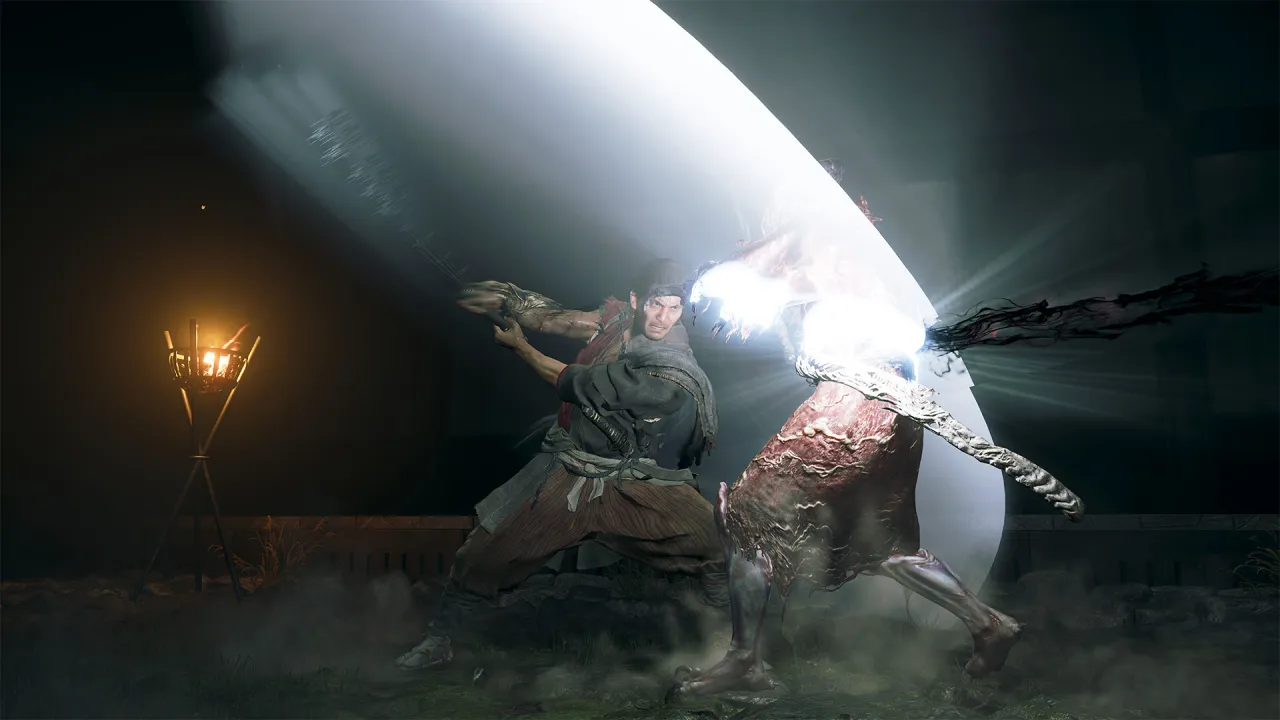
Every swing of your blade carries heavy impact, making you feel like an absolute master of the katana in every encounter. The combat system hits a sweet spot by making every slash, dodge, and block feel heavy and deliberate without ever feeling sluggish. You don’t have to worry about memorizing overly complex stance trees or endless button combos to look cool. Instead, combat revolves around rhythm, timing, and stamina management.
You can unleash fast one-handed strikes, build up momentum for devastating two-handed power attacks, or perform crisp parries to break a demon’s guard. Once an enemy’s posture is broken, you trigger cinematic execution moves that slice through demon limbs, letting you collect their glowing souls to empower your gauntlet. In the end, this incredibly responsive swordplay rewards your skill and patience, turning every minor skirmish into a thrilling test of precision.
Epic Boss Fights
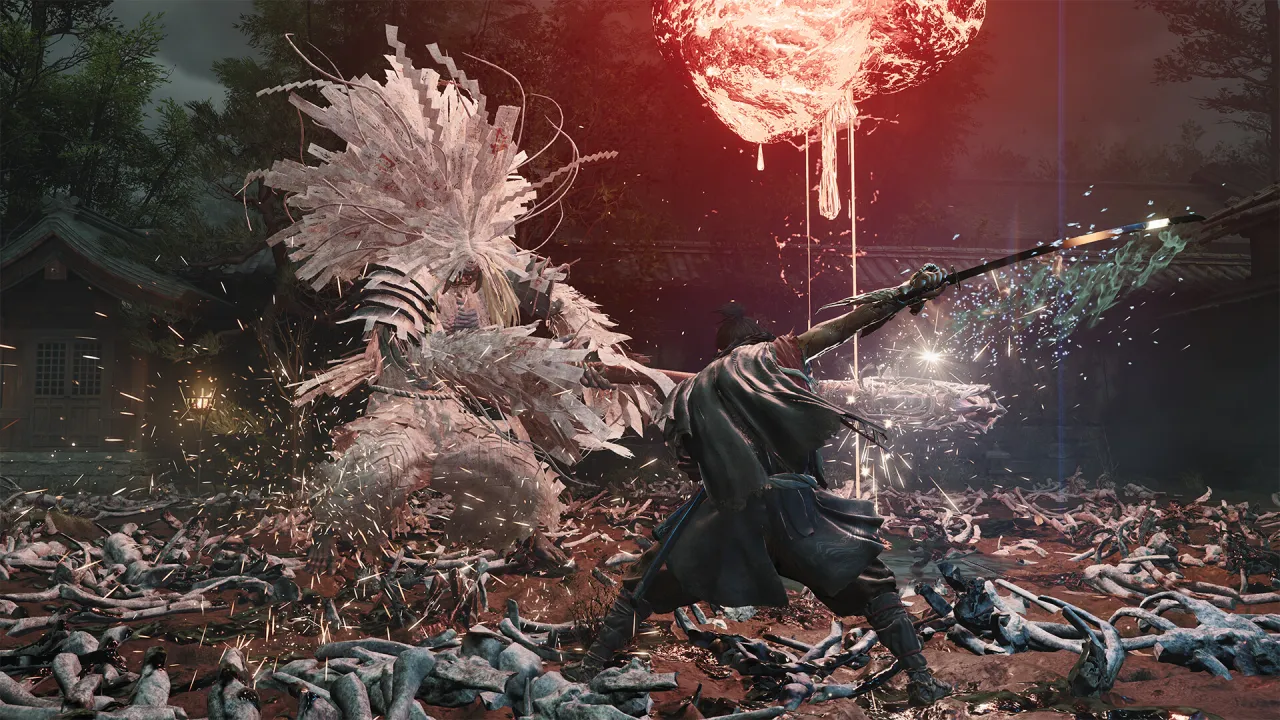
Prepare yourself for colossal showdowns against nightmarish demon lords that’ll push your reflexes and tactical thinking to their absolute limits. The boss encounters stand out as major highlights, pitting you against massive Genma generals and rival swordsmen in stunning arenas. These multi-phase battles force you to study unique attack patterns, master your dodge rolls, and time your soul-absorbing gauntlet powers perfectly.
Rather than relying on unfair mechanics, each boss fight acts as a grand test of everything you’ve learned, blending high-stakes drama with cinematic camera angles. Defeating a screen-filling demon lord after a tense, close-quarters duel delivers an rush of genuine satisfaction that few modern action games can match. One can this, these memorable boss battles deliver unmatched spectacle and challenge, ensuring that your biggest victories feel earned and truly legendary.
The Deal Breakers
Dull Side Quests
When you step away from the adrenaline rush of main encounters, you’ll quickly find that the secondary content feels like a chore rather than an exciting adventure. While exploring the semi-open world on the streets of feudal Kyoto sounds enticing on paper, the side quests fail to capture the same magic as the core combat. You’ll frequently be sent on mundane fetch errands, forced to backtrack through lifeless districts, or asked to clear out repetitive waves of minor enemies for minor rewards.
Rather than offering rich environmental storytelling or unique mini-bosses, these side missions often feel like padding designed to stretch out runtime. Moving back and forth between generic non-player characters breaks up the thrill of being a legendary samurai, turning what should be a rich world into an uninspired checklist. These tedious secondary tasks pull you straight out of the dark fantasy experience, making large parts of the world feel surprisingly empty and dull.
Slow-Pacing Story Issues
Just when the narrative builds up a head of steam, the game constantly hits the brakes and derails its own momentum. The overarching plot follows a very predictable “stop the ancient forces of evil” narrative, but its biggest flaw lies in how the story is structured between major set pieces. Instead of driving you forward with urgent, high-stakes drama, the campaign regularly forces you to pause the action to complete mandatory setup tasks or trek across wide, sluggish zones.
The narrative momentum stutters frequently as dramatic moments get bogged down by long walks, repetitive dialogue dumps, and excessive padding between major demon encounters. By making you wade through quiet lulls right before major confrontations, the game repeatedly undercuts its own dramatic tension. This clunky narrative pacing drains the urgency right out of Musashi’s quest, leaving you feeling frustrated whenever the game stalls your progress.
The Final Verdict
Despite a few narrative speedbumps and tedious side trips, this long-awaited return to classic samurai action delivers a razor-sharp blade where it counts most. Onimusha: Way of the Sword is a triumphant comeback that successfully brings a classic series into the modern era without losing its soul. By pairing the charismatic Miyamoto Musashi with deeply satisfying swordplay, weightful parry mechanics, and spectacular boss duels, Capcom has crafted an action game that feels both nostalgic and refreshingly new.
It may stumble occasionally with dry side quests and slow story pacing, but the sheer thrill of locking swords with demonic forces and absorbing their souls easily outweighs those minor flaws. If you’re craving a thrilling, visceral samurai adventure that rewards skill and timing, you should definitely pick up your copy HERE today and join the fight against the Genma. Have you had a chance to try the game yet, or are you planning to jump in soon? Drop your thoughts and questions in the comments section below 😎


 LGMadyibi





+ There are no comments
Add yours