Do me a favor. Drop everything you’re doing now, my fellow action RPG gamers, cause The Relic: First Guardian just dropped a brand-new trailer. And yes, it’s looking as brutal as ever (in the best way possible). With only a few weeks until launch, Project Cloud Games unveils its newest trailer based on the next upcoming action-packed, dark fantasy RPG title.
Focused on its dark fantasy environment and rich storytelling, feast your eyes on this 12 minute gameplay showcase, where a stunning world filled to the brim with untold stories awaits.
WATCH THE NEW TRAILER NOW!
Action, Adventure, RPG genre | Physical and Digital Release
After that epic gameplay trailer, here’s a few things for you to note in case you’ve missed them:
Set for launch globally on July 31st 2026 on PlayStation 5 and PC via Steam
Set for release later on this year on Xbox Series X/S and the Nintendo Switch 2
Available for pre-order now
Are you excited? I know I am. From what I’m looking at here, this game reminds me of other great souls-like games such as Elden Ring, and the action-packed fantasy, The Witcher. What do you think? Let me know your thoughts on the new gameplay trailer below on the comments section 😀
Hello there, my fellow gamer brothers and sisters. It’s time to get excited again… literally. Why? I thought you’d never ask. We finally have a release date to circle on our calendars, and note on our diaries, from Rockstar Games on the long-awaiting new action-packed game, Grand Theft Auto VI (GTAVI). So here it is. The official release date for GTA VI is…
November 19th, 2026!
So, it’s officially clear that GTA VI will launch on PlayStation 5 and Xbox Series X/S on the 19th of November 2026. Yeah, that’s quite a bit more wait… but at least we have a date. If you want to make sure you get your copy early, you’re just in luck. Pre-orders are officially open now to order your very own copy of GTA VI.
If you’re reading this, it’s obvious that you’re familiar with the next upcoming action-packed installment from Rockstar Games. If you’re not, then here’s a quick breakdown of the game.
It all takes place in the fictional state of Leonida (Rockstar’s hilarious parody of Florida).You’ll get to explore the neon-lit, sun-soaked streets of Vice City (a modern-day version of Miami), alongside surrounding areas like sunny beaches, deeply drenched swamps, and small towns.
The map is massive…. really massive, and heavily pokes fun at modern social media, influencer culture, and viral “Florida Man” internet memes.
Jason and Lucia, the two main protagonists (Image Credit: Rockstar Games)
For the first time ever, the story centers around a “Bonnie and Clyde” style romantic criminal couple. You can play as either Jason, the male protagonist that has a history of working with local drug smugglers and has military experience. Yeah, we get it. He can use a gun.
Then there’s the female protagonist, Lucia, who’s the series very first playable female lead.She is tough. She grew up in Liberty City, and starts the game fresh out of prison. So she has a criminal record, that’s original.
What I like about this so far is that you’re able to switch between both characters as they pull off robberies and get wrapped up in a massive criminal conspiracy across the state. Just like the masterpiece, and highly-rated GTA V.
The game promises to up-the-ante with realistic gaming graphics and details for this entry. I’m talking, firstly, next-gen graphics with incredible physics, smart AI, realistic hair/beard growth, and wildly detailed car interiors with working GPS screens.
Next is the groundedcombat. Instead of pulling a massive rocket launcher out of thin air, you will have more limited weapon slots. You can even use your car’s trunk to store extra gear and weapons. That’s pretty realistic.
And lastly, the various side activities you get to do. Alongside standard street racing and robberies, leaks and teasers point to everything from fishing and scuba diving to hitting up local nightclubs and mud-trucking clubs.
Overall, the new GTA VI game promises to be fun, with plenty of action-packed entertaining, impressive graphics and well-orchestrated gameplay. Not much is said about the story but all that’ll be said after release and reviews flood the internet once again.
The GTA VI Editions
Rockstar Games is keeping things simple with two main versions at launch:
Standard Edition: This will cost $80/£60/R1500
Ultimate Edition: This one is $100/£76/R1900 and comes with extra in-game goodies like cool cars, outfits, and weapons for the main characters, Jason and Lucia
There’s also a sweet bonus if you buy the game early. Anyone who pre-orders gets the “Vintage Vice City Pack,” which includes neon-themed items to give you those classic retro vibes. Not really much to say at this point. The prices may change in the future however at this point, at least we have an idea of how much we need to save up for to buy GTA VI, especially the Ultimate version.
If you still love buying physical copies, there’s a small twist this time. The physical game copies in stores will actually contain a set of game key codes to download GTA VI instead of a disc. But here’s the good news: once you pre-order GTA VI, you’ll get the game key codes earlier before everyone else on November 12th. That’s a full week before official game launch.
Sadly, if you’re a PC gamer, you’ll have to wait a bit longer to play. Rockstar Games has not yet confirmed a PC release date, as they’re focusing heavily on launching the game on the latest consoles first.
Buy hey, in the meantime if you need something to keep you busy while you wait, you can always play the older but one of the greatest Rockstar Game masterpieces today. So click HEREto get the PC version of the impressive, GTA V.
If there’s anything else you want to know that’s GTA VI, then click HEREto find out what’s in store for you.
So, all that’s left is to ask one thing: Are you ready for GTA VI? Let us know on the comments section below 😀
It’s time for the main event. This epic clash is here, and it’s happening now. Welcome to the laptop battle: the MacBook Neo vs Acer Swift Go 14. Which one will win? Who will take the championship belt? Which one is the better laptop of the two? Let’s dive in and find out more as we compare the best features (and the worst) between these two great laptops of 2026.
Overview
If you’re on the look-out for a good everyday laptop that will not cost you a fortune, you may have probably crossed paths with these two. I am comparing the MacBook Neo and the Acer Swift Go 14 because they are currently two of the most talked-about, most popular budget-friendly laptops on the market. They are priced very close to each other, but they use totally different ideas to win you over.
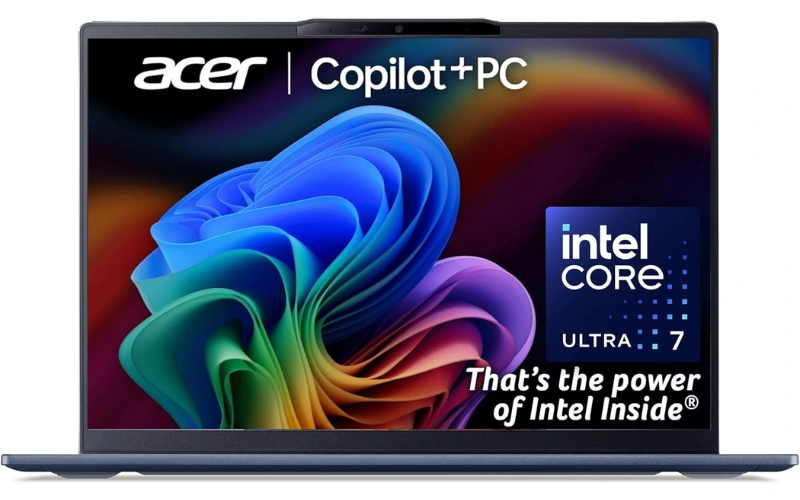
The MacBook Neo is Apple’s first super-affordable laptop, bringing that premium, completely silent, fan-less aluminum look and a battery that lasts all day long. On the flip side, the Acer Swift Go 14 is a Windows powerhouse known for its absolutely gorgeous OLED screen and lots of ports to plug in all your gear without needing extra adapters. We’re putting them side-by-side to see whether you should go with Apple’s simple, lightweight efficiency or Acer’s colorful screen and everyday flexibility.
Specs
MacBook Neo
DISPLAY: 13-inches, Liquid Retina LCD, 60Hz, 2408 x 1506 resolution
PROCESSOR: Apple A18 Pro (6-core)
GRAPHICS: Apple GPU (5-core)
MEMORY: 8GB RAM
STORAGE: 256GB / 512GB SSD
OS: macOS
PORTS: USB 3 Type-C, USB 2 Type-C, 3.5mm headphone jack
OTHER: 1080p ‘FaceTime’ HD, weighs 1.23 kg (2.7 lbs.), Wi-Fi 6E, Bluetooth 6
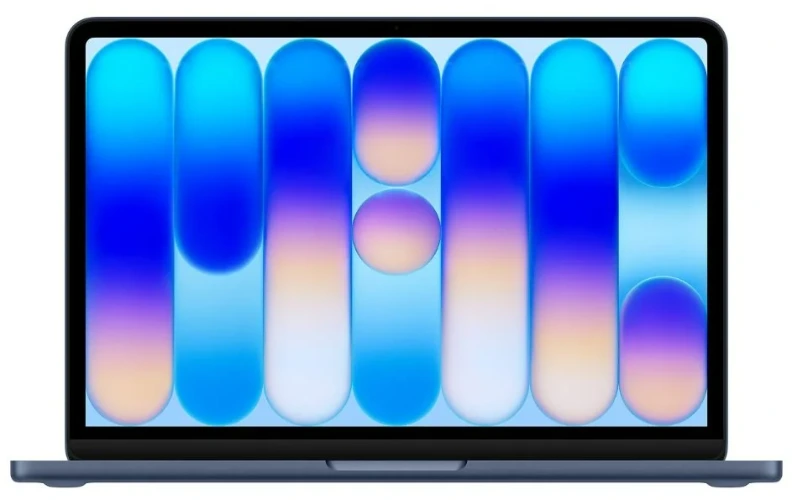
The battle here is between text-sharp optimization and raw media vibrancy. The MacBook Neo comes equipped with a 13-inch Liquid Retina display running at a crisp 2408 x 1506 native resolution.It hits an impressive 500 nits of brightness, meaning it handles harsh office lighting or outdoor text readability incredibly well.However, it is locked to a standard 60Hz refresh rate and covers the basic sRGB color space.
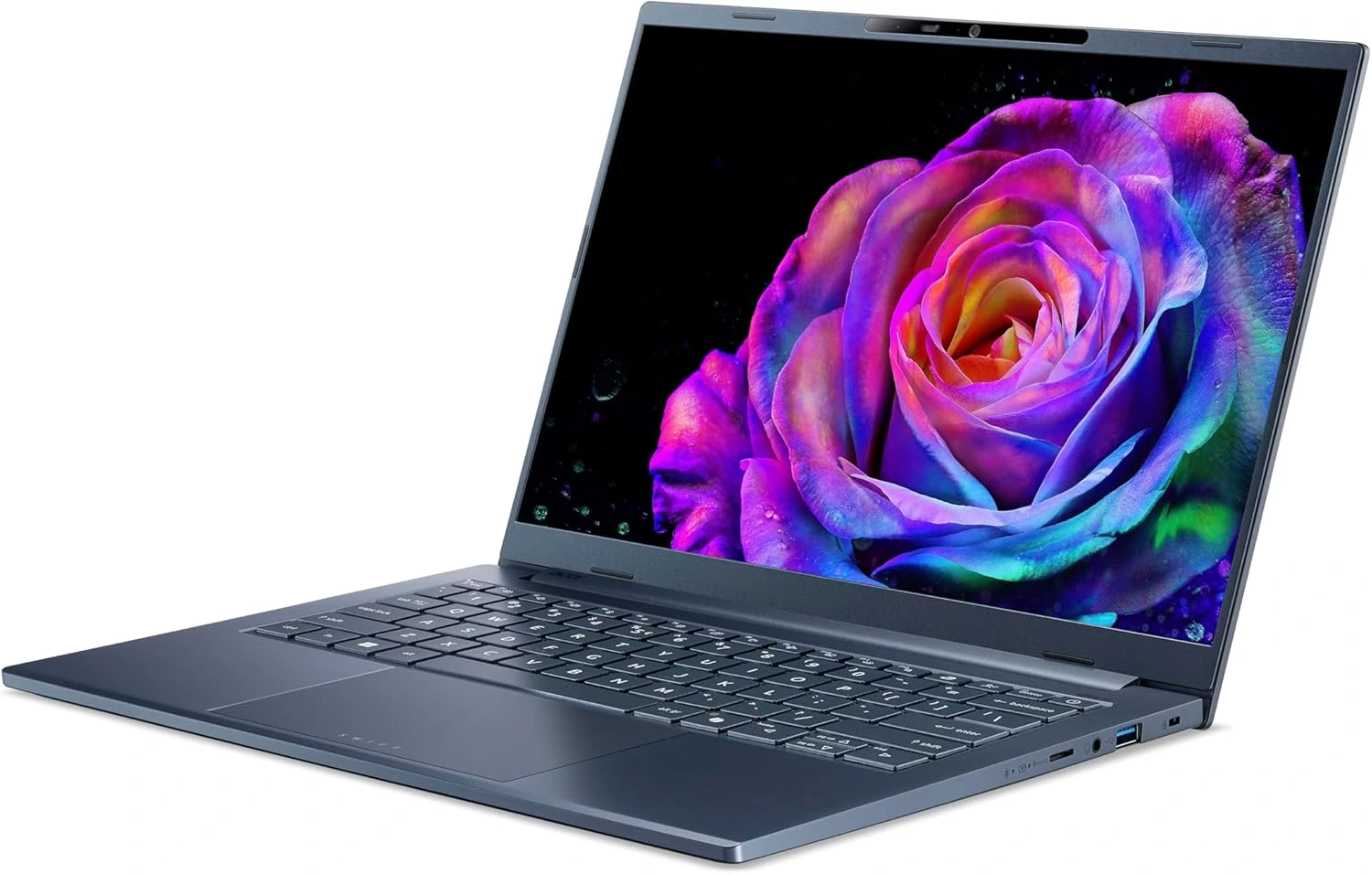
Stylish design of Acer Swift Go 14
The Acer Swift Go 14 steps up the immersion by offering a higher quality screen, most notably a gorgeous 14-inch OLED screen sporting 1920 x 1200 screen resolution.This OLED option delivers infinite contrast ratios, pitch blacks, and 100% DCI-P3 cinematic color coverage. Similarly, the screen is also locked at 60Hz refresh rate. If you’re watching movies, or work with editing photos or videos, the Swift Go’s display wins hands down, while the MacBook Neo focuses on solid, bright, everyday legibility.
WINNER: Acer Swift Go 14
Performance
Under the hood, these laptops use completely different philosophies. In a surprising twist, the MacBook Neo is powered by the Apple A18 Pro chip—the very same silicon chip found in premium iPhone 16 Pro and the Pro Max model smartphones.It handles regular computing tasks like web browsing, running productivity suites, and processing on-device Apple Intelligence prompts with remarkable snap and responsiveness.
Conversely, the Acer Swift Go 14 relies on heavy-duty desktop-class architecture, typically packing Intel Core Ultra 5/7 or AMD Ryzen 5/7 multi-core processors.When it comes to intense multitasking, heavy spreadsheet arithmetic, or casual gaming (leveraging built-in Intel Arc graphics), the Acer takes the lead. It also doubles the baseline RAM to 16GB compared to the MacBook Neo’s strict, non-upgradeable 8GB limit.
Apple keeps its legendary premium fit-and-finish alive even at its lowest price point. The MacBook Neo features a premium aluminum chassis that is completely fan-less. This means it remains completely silent regardless of how hard you push it. It also weighs a featherweight 2.7 lbs. (1.23 kg) and is just half an inch thick.
The Acer Swift Go 14 also comes with a lightweight aluminum build, but it’s slightly thicker to accommodate its standard internal components. Unlike the silent MacBook, the Acer utilizes an active dual-fan cooling system to push out heat under heavy application loads.
While the Acer is incredibly clean and functional, it lacks the absolute seamless cohesion of Apple’s iconic industrial design language.
WINNER: Apple MacBook Neo
Battery Life
Efficiency is where Apple’s mobile architecture shines. Because the MacBook Neo runs on a highly efficient mobile SoC (system-on-a-chip), its modest 36.5WHr battery manages between 11 hours to 16 hours of battery life. It will comfortably survive an entire workday or a long flight without making you hunt for a power outlet.
The Acer Swift Go 14 features a much larger battery 65WHr depending on the year’s sub-model), but it has to power a larger 14-inch chassis, active cooling fans, and a power-hungry high-refresh OLED panel. As a result, you can expect a respectable but lesser 8 to 12 hours battery life of real-world use. A major drawback for the Neo, however, is that it is limited to a slow 20W charging rate, whereas the Acer supports swift 65W or 100W fast charging via USB-C.
WINNER: Apple MacBook Neo
Other Features
The details and corners cut to hit lower price tags separate these machines the most. The biggest caveat with the MacBook Neo is that it doesn’t feature a backlit keyboard, which can make typing in pitch-dark bedrooms frustrating.It also limits connectivity to just two USB-C ports—and to save costs, Apple wired one of them to run at legacy, slow USB 2.0 speeds.Furthermore, Touch ID is omitted entirely on the entry-level 256GB storage layout.
The Acer Swift Go 14 makes absolutely zero compromises regarding utility. It includes a standard backlit keyboard, a highly flexible array of built-in legacy ports (including two Thunderbolt 4 slots, dual USB-A ports, a dedicated HDMI 2.1 display output, and a MicroSD card reader), a physical webcam privacy shutter, and immediate biometric authentication.
WINNER: Acer Swift Go 14
Summary
With all that information, let’s do a quick summary to compare both of these amazing laptops.
MacBook Neo
★★★★⯪4.5 Impressive
More affordable
Better battery life
Better for moderate use
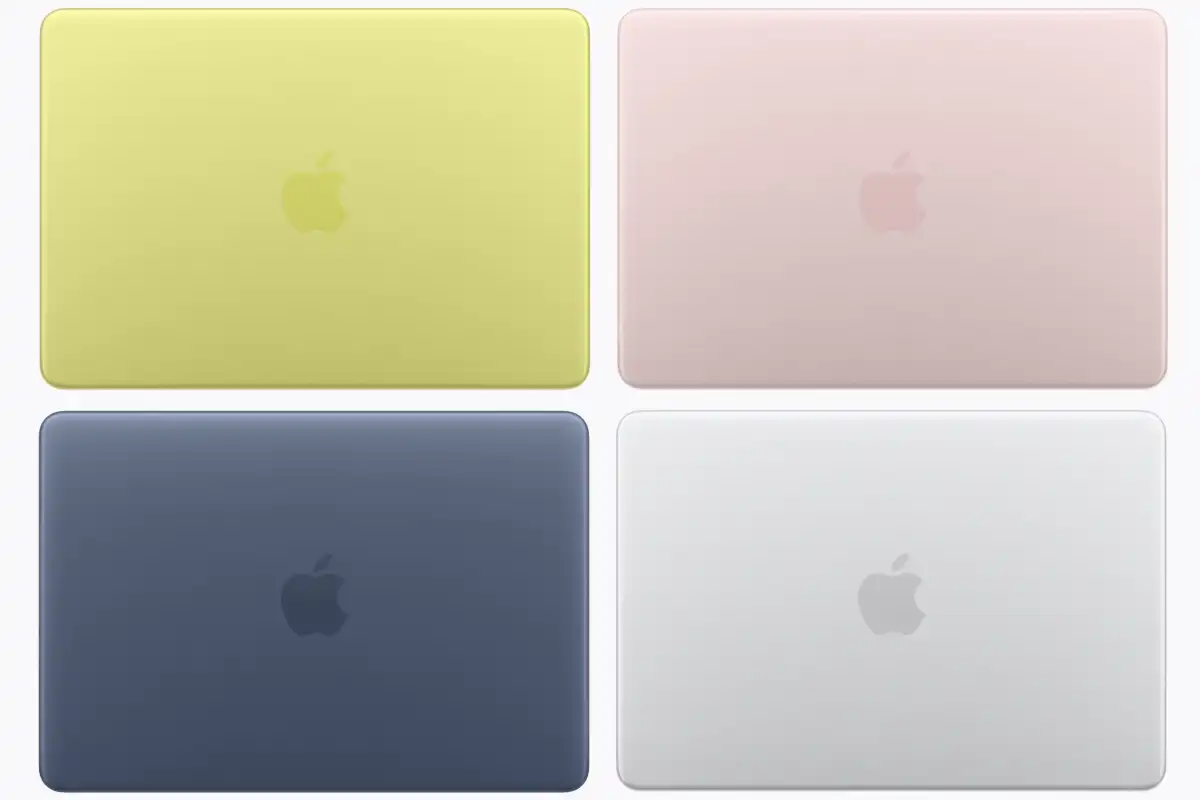
Comes in four color models
Slower battery charging speed
Slower USB 2.0 speeds
Smaller display
Acer Swift Go 14
★★★★☆4.0 Good
More expensive
Shorter battery life
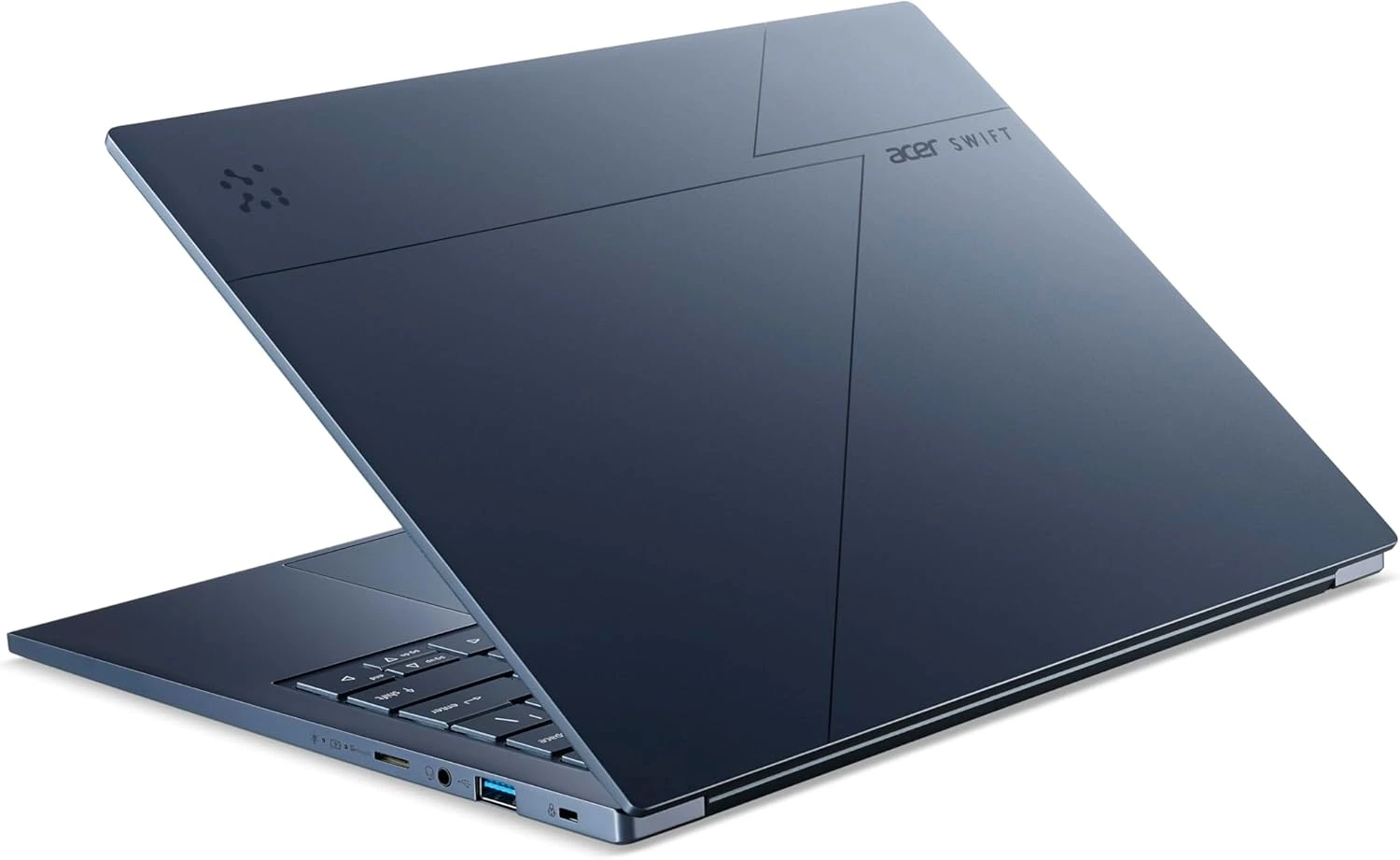
Only one model color
Better overall performance
Better & larger display
More input ports
Better for creative tasks
Final Choice
The MacBook Neo is the winner here cause it’s: more affordable; lighter in weight; comes with better battery life; and comes with a choice of amazing colors to match your personality. This is the better value laptop, perfect for students, entry level employees or freelancers. The Swift Go is has its faults, yet it excels in: better overall laptop performance; comes with better overall display features; and comes with more input ports than the Neo.
They’re both great laptops with their owns strengths and weaknesses, but it depends on what you’re looking for. If you can afford the Swift Go 14 from Acer, buy it as it’s the better laptop performer. But if you want an affordable MacBook from Apple, that can let you do simple tasks on battery, buy the MacBook Neo.
That’s it from my side with this MacBook Neo vs Acer Swift Go 14 comparison. So, which of these two laptops are you interested in? Is it the Neo or the Swift Go? Let me know down here below at the comments section. And if you want to find out more, click HERE for the Neo or click HERE for the Swift Go 14 😀
If you’re searching for the best budget Bluetooth speaker in 2026, the JBL Go 4 vs JBL Go 5 debate is probably one of the first comparisons you’ll come across — and for good reason. Both speakers come from JBL’s most popular ultra-portable lineup, both fit in the palm of your hand, and both deliver that signature JBL sound without costing a fortune.
But while they look nearly identical on the outside, the differences under the hood are worth knowing before you spend your money. In this article, we put the JBL Go 4 vs JBL Go 5 head-to-head across every category that matters — sound quality, battery life, durability, features, and value — so you can walk away knowing exactly which one is right for you.
Overview
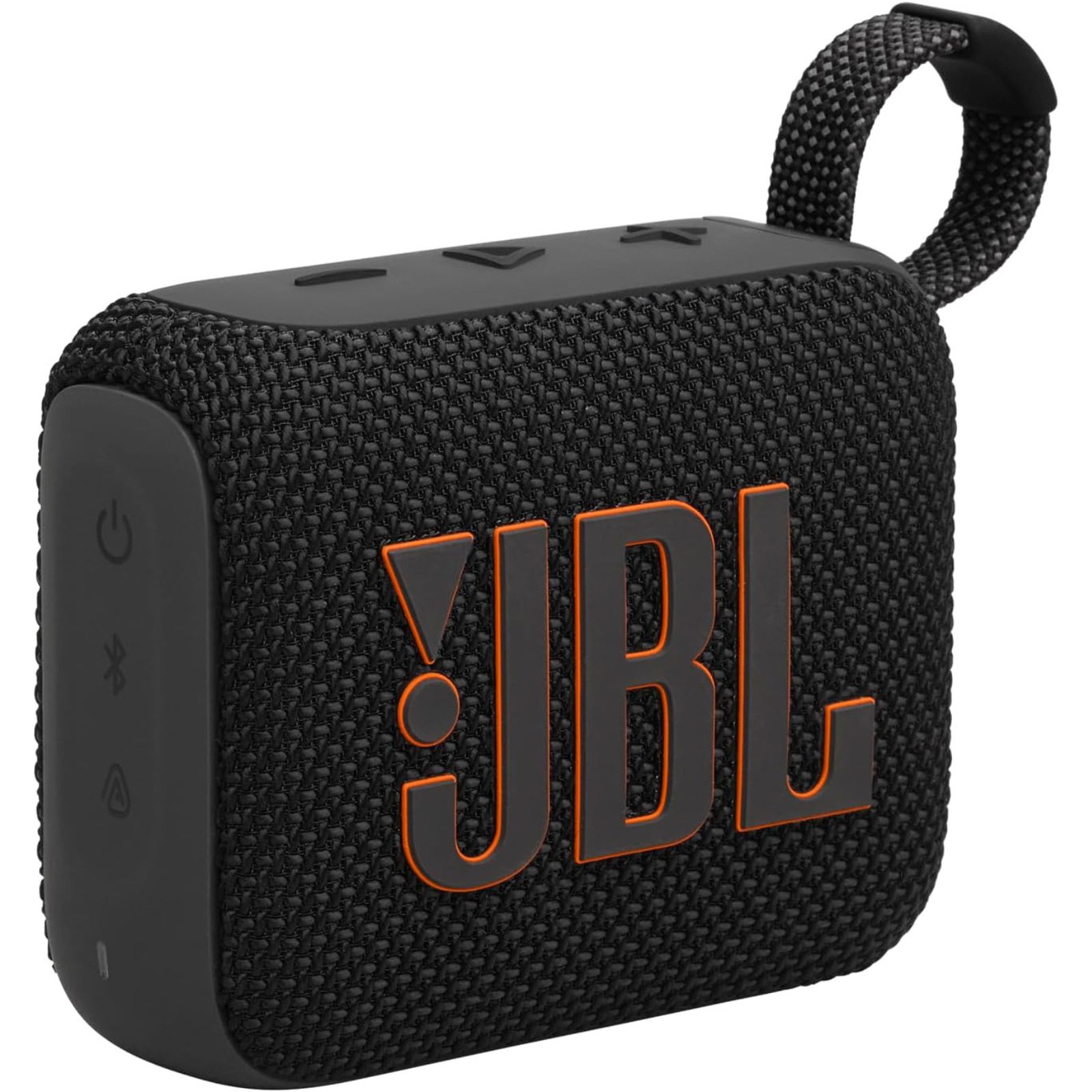
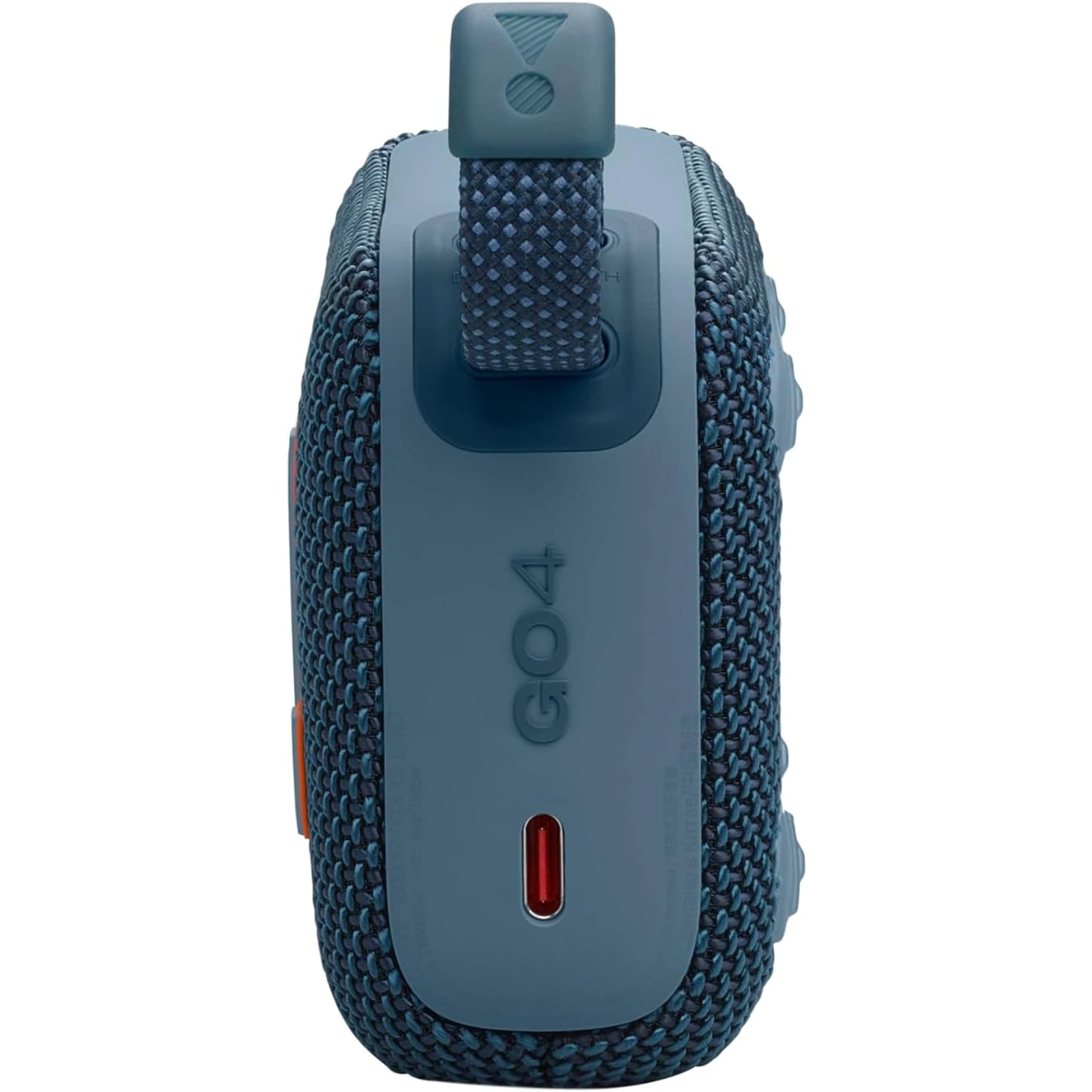
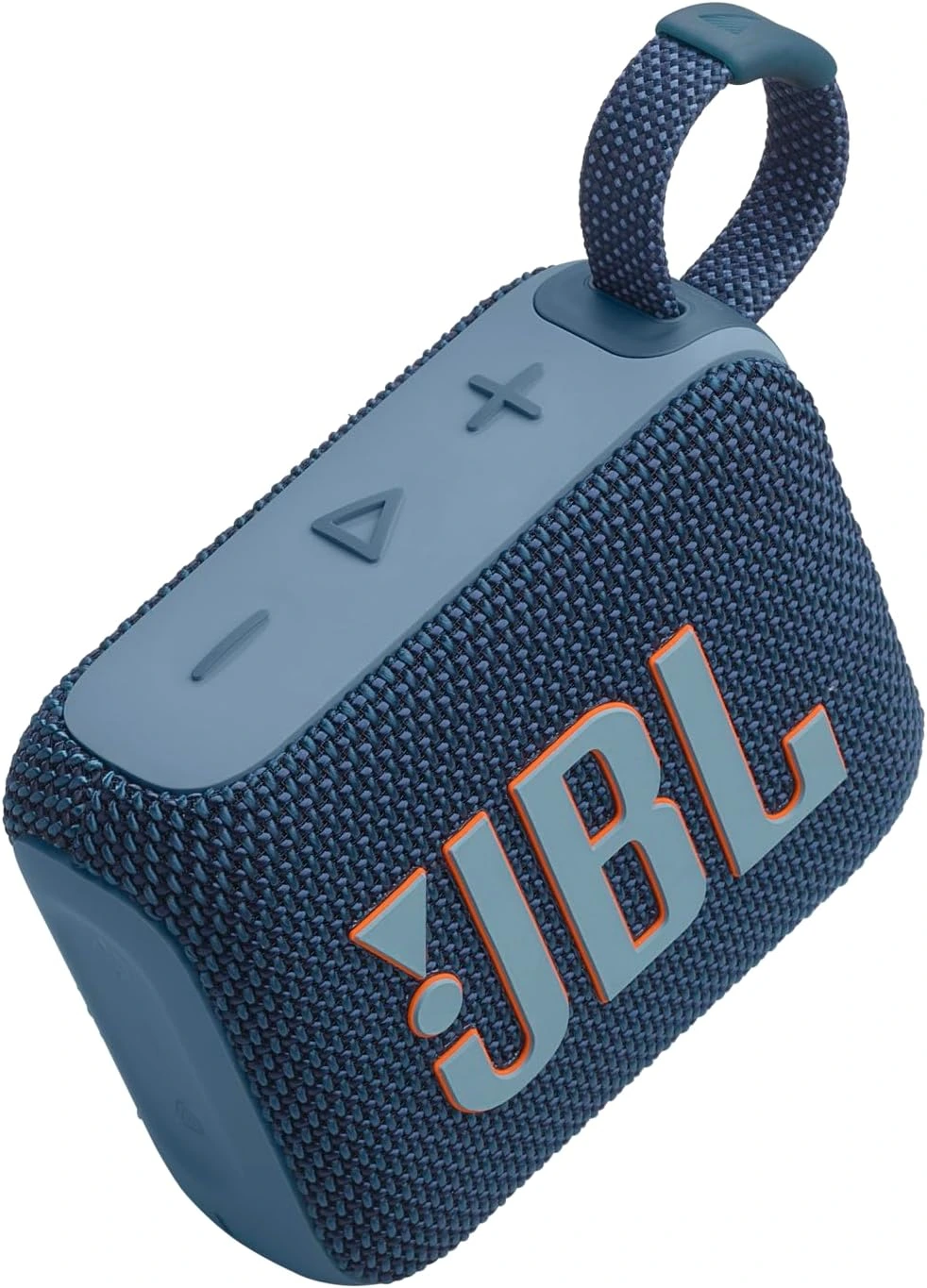
The JBL Go 4 and JBL Go 5 are two of the smallest, most affordable Bluetooth speakers JBL makes — and both punch well above their weight. The Go 4 is the lightest speaker in JBL’s lineup, weighing just 190g, and it’s built tough with an IP67 waterproof and dustproof rating that makes it a great travel companion for bike bags, rucksacks, and outdoor adventures. It delivers JBL Pro Sound with punchy bass, up to 7 hours of playtime, and support for Auracast multi-speaker pairing.
The Go 5, released in April 2026, takes everything people loved about the Go 4 and turns it up a notch. It brings USB-C audio connectivity, a new AirTouch function for instant stereo pairing, solid EQ options, and multi-point connectivity, wrapped in a more durable IP68-rated shell. It boasts a wide soundstage packed into a compact, pocketable body — it looks great, sounds even better, and can be customized via a user-friendly companion app. Whether you’re shopping on a budget or deciding whether to upgrade, this comparison walks you through everything you need to know.
Specs
JBL Go 5
The Better Compact Speaker
★★★★★ 5.0Extraordinary
FEATURES: IP68 dust/waterproof, Playtime Boost, Supports Auracast, Ambient LED lighting
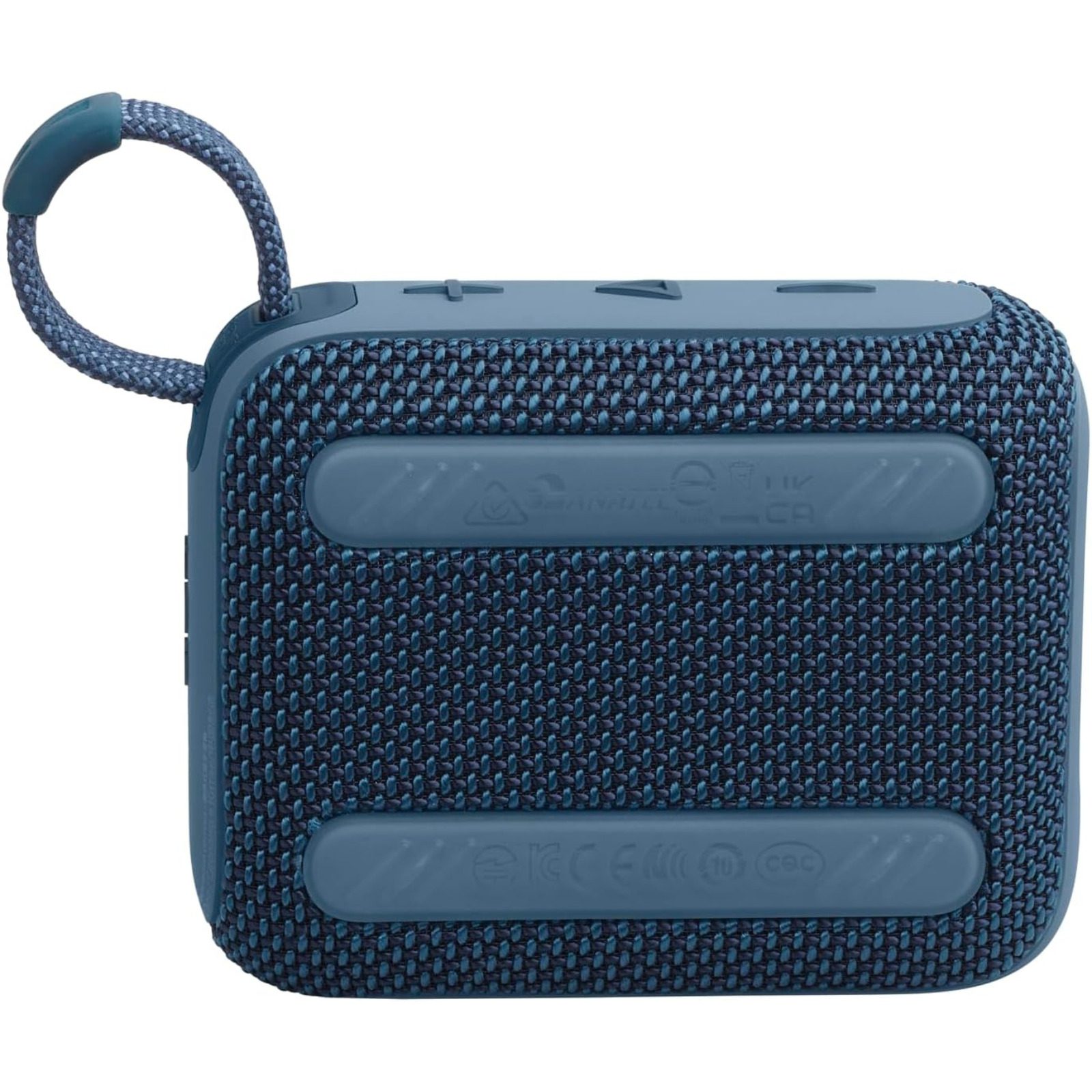
They look almost identical… with one big difference – Put the two speakers side by side and you’ll struggle to tell them apart at first glance. Both sport the same compact, boxy shape with a mesh fabric cover across the front and back. Both have a carry loop built in, making it easy to clip them to a bag or backpack. The button layout is nearly identical too, with playback controls on top and a side panel for power, Bluetooth, and Auracast.
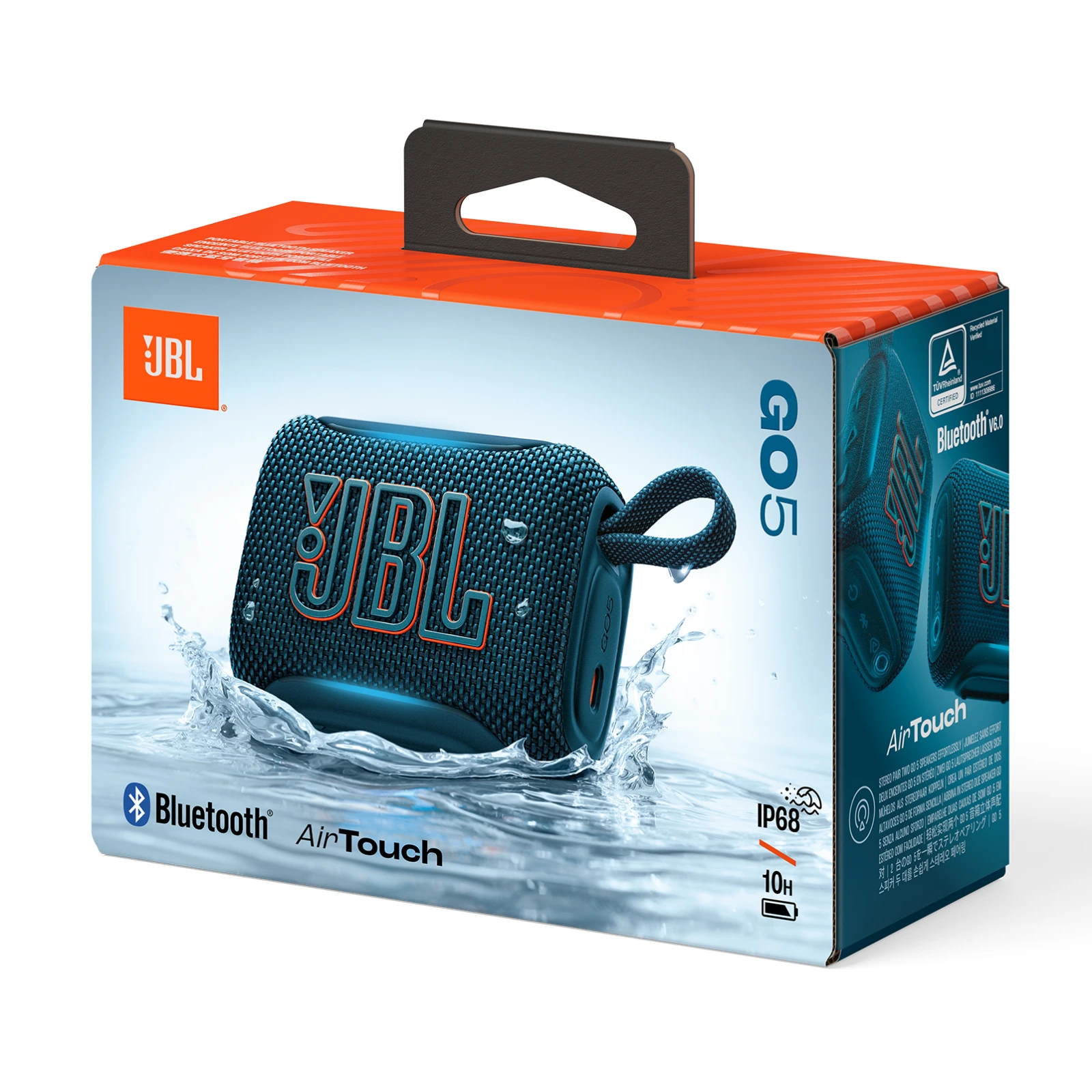
The one thing that makes the Go 5 stand out visually? LED lighting. Two strips of ambient light run along the base and the top plate, giving the Go 5 a subtle glow that the Go 4 simply doesn’t have. You can choose from four lighting themes — Bounce, Loop, Switch, and Freeze — through the JBL Portable app. The lights also act as status indicators, flashing when the battery is low, when you’re in pairing mode, or when Auracast is active. It sounds like a gimmick, but in practice it’s genuinely useful and looks great.
Weight and Portability – The Go 5 is slightly heavier at 8.16oz compared to the Go 4’s 6.7oz, but the difference is so small you’d barely notice it in your hand or bag. Both speakers remain pocketable and travel-friendly. If portability is your top priority, neither one will let you down.
Water and Dust Resistance – This is where the Go 5 pulls ahead in a meaningful way. The Go 4 carries an IP67 rating, which means it can handle full submersion in water up to one meter for 30 minutes. That’s solid protection for everyday use — rain, splashes, and poolside use are all fine.
The Go 5 steps it up to IP68, offering even stronger protection against water and dust. JBL has also added drop resistance to the Go 5’s spec sheet, making it more rugged overall. For outdoor adventurers, hikers, or anyone who tends to be a bit rough on their gear, the Go 5’s tougher build gives you extra peace of mind.
WINNER: JBL Go 5
Colors from the JBL Go 4
2. Sound Quality
The Go 5 sounds noticeably better – Both speakers carry the classic JBL sound — punchy, energetic, and enjoyable for casual listening. But when you put them side by side, the Go 5 takes a clear step forward.
Output power climbs from 4.2W on the Go 4 to 4.8W on the Go 5 — a 14% increase. The driver size stays the same at 45mm, but the Go 5 pushes more power through it. The result is a wider, more open soundstage with better detail and less compression at higher volumes. Reviewers who tested both speakers noted that the Go 4 sounded restricted in comparison, particularly at louder volumes where the Go 5 stays controlled and composed. At moderate listening levels, the difference is subtle. But crank both speakers up and the gap becomes obvious.
Bass Performance – The Go 5 also improves on the sub-bass, delivering a fuller and more refined low-end. The Go 4’s bass is punchy and fun, but it can feel a bit one-dimensional on bass-heavy tracks. The Go 5 handles bass with more nuance, making it a better choice if you listen to hip-hop, electronic, or anything with a strong low-end.
EQ Customization – Through the JBL Portable app, the Go 5 gives you a 7-band custom EQ — an upgrade over the Go 4’s 5-band EQ. More bands mean more control over how your music sounds. You can dial in a warmer, bassier sound or brighten things up for vocals and acoustic tracks. It’s worth experimenting with if you care about getting the most out of your speaker.
WINNER: JBL Go 5
3. Connectivity & Features
Bluetooth (5.3 vs 6.0) – The Go 4 uses Bluetooth 5.3, whereas the Go 5 upgrades to the newer Bluetooth 6.0. In real-world use, both speakers connect quickly and maintain a stable connection. The Go 5 also adds the LC3 codec alongside SBC and AAC, which promises more efficient audio transmission and better sound quality at lower bitrates — useful in congested wireless environments like busy offices or crowded spaces.
Auracast (Available on both) – Both speakers support ‘Auracast’, JBL’s multi-speaker broadcast technology that lets you link up multiple compatible speakers wirelessly. Whether you want to fill a bigger room or sync speakers across different spots in your home or garden, Auracast gives you that option on both models.
AirTouch Stereo Pairing (Go 5 Only) – The Go 5 adds a genuinely clever new feature called ‘AirTouch’. To pair two Go 5 speakers in true stereo, you simply tap them together end to end, wait for a chime, and they automatically lock into a stereo pair. No app, no fiddling with settings. It works fast and feels effortless.
The Go 4 does support stereo pairing too, but the process is more manual and less seamless. If you plan to run two speakers in stereo — at a party, in a kitchen, or outdoors — the Go 5’s AirTouch feature is a game-changer.
USB-C Audio (Go 5 Only)–Here’s one of the Go 5’s most unexpected upgrades: a built-in DAC (Digital-to-Analogue Converter). On the Go 4, the USB-C port is for charging only. On the Go 5, you can plug it directly into a laptop or phone via cable and play lossless audio without any wireless compression. For a speaker at this price point, that’s a genuinely impressive addition — especially for desk use or when you want a cleaner wired connection.
App Integration – Both speakers work with the JBL Portable app, which lets you manage EQ settings, enable Playtime Boost, handle Auracast connections, and update firmware. The app is clean and easy to use, and it’s worth downloading to get the most out of either speaker.
WINNER: JBL Go 5
Colors from the JBL Go 5
4. Battery Life
Go 5 Lasts a Little Longer – The Go 4 offers up to 7 hours of playback on a full charge. The Go 5, however, extends that to 8 hours, giving you an extra hour of music before you need to find a cable. With Playtime Boost mode enabled through the app — which dials back the bass to conserve energy — the Go 4 pushes up to 9 hours and the Go 5 reaches up to 10 hours.
Note that with the Go 5’s LED lighting switched on, battery life drops slightly from the 8-hour baseline.
In real-world testing at around 50% volume, the Go 5 lasted close to nine hours before triggering a low battery warning. That’s more than enough for a full day out, a beach trip, or a long barbecue session. Neither speaker will last all weekend, but both will comfortably see you through a day without needing a charge.
Both speakers charge via USB-C and take around 3 hours to reach full battery from empty.
WINNER: JBL Go 5
5. Ambient Lighting (Go 5 Exclusive)
Let’s be honest — when you first hear “LED lighting on a budget speaker,” it’s easy to roll your eyes. But the Go 5’s ambient lighting is one of those features that works better than expected.
The two white LED strips sit along the top and bottom edges of the speaker face. They’re subtle and tasteful — not the kind of garish RGB blinking you’d see on a cheap gadget. The four themes (Bounce, Loop, Switch, and Freeze) respond to the music in different ways, and you can customize them via the app.
The lights also double as practical visual cues for pairing mode, power status, and low battery alerts, so they earn their place beyond just looking good. If you use the Go 5 on a desk, at a party, or in a dim room, the lighting adds a nice ambient touch without draining the battery dramatically.
WINNER: JBL Go 5
6. Price & Value
Go 5 Worth the Extra Money – In the United States, the JBL Go 5 costs about $55 compared to JBL Go 4’s $50 — a small difference, really. In the United Kingdom, both portable Bluetooth speakers cost only £40 price tag, which makes the decision even easier in that market.
For that small price difference, the JBL Go 5 has the better value as it gives you: better sound quality; better durability; better Bluetooth connectivity; new LED lighting, and a longer battery life. That’s a lot more upgrades for a small price difference.
Whereas the JBL Go 4 remains a solid choice. It still sounds great. It’s cheaper. And it’s just a no-fuss portable Bluetooth speaker for casual use. However, near its original price, the JBL Go 5 offers significantly better value.
WINNER: JBL Go 5
7. Who Should Buy Which?
Buy the JBL Go 5 If…
You want the best sound quality in the Go lineup right now
You plan to pair two speakers for stereo sound (AirTouch makes this effortless)
You want IP68 durability for outdoor use
You’d like USB-C wired audio for desk or laptop use
You enjoy the ambient lighting and app-based EQ control
Buy the JBL Go 4 If…
You find it on sale for a significant lower price
You want something simple with no frills for casual everyday listening
You don’t need stereo pairing or USB-C audio
You want IP67 durability for outdoor use
Summary
JBL Go 5
JBL Go 4
RELEASE YEAR
2026
2024
PLAYBACK
Up to 8hrs ↑
Up to 7hrs
BLUETOOTH
6.0 ↑
5.3
OUTPUT POWER
48W ↑
42W
WATER RESISTANCE
IP68 ↑
IP67
WEIGHT
230g (8.2oz)
190g (6.7oz) ↑
Lastly
In the end, the JBL Go 5 is the better speaker because of its new upgrades, better improvements and better value. The JBL Go 4 isn’t a bad speaker. It still sounds good, it’s still compact and durable, and it still gets the job done for casual listening. If you spot it heavily discounted, it’s worth picking up. But if you’re buying new? Get the Go 5. It’s the best tiny speaker JBL has made, and one of the best budget Bluetooth speakers you can buy today.
So let’s hear from you. What do you think of these compact JBL speakers? Is it the type of Bluetooth speaker you’re looking for? If not, which brand of portable speaker do you prefer? Let’s hear what you think at the comments section here below. And if you curious to find out more, click on the red buttons to above to find out what more in store 😀
“…if you’re looking for a large gaming laptop with top-rated hardware, a bright vibrant display and comes with plenty of input ports, the Razer Blade 18 is definitely your pick.”
If you’re a pro gamer that likes using powerful gaming laptops, then let me introduce you to the new Razer Blade 18 gaming laptop. It’s one of the few gaming laptops released from Razer this year, and it’s packed with the best hardware and features ready to boost your productivity and of course gaming. As tough as the gaming market is for these gaming laptops, and other top-tier gaming devices, is it going to compete with the best of the best thus far? Let’s check out the Razer Blade 18 review and see if it really is worth the buy.
Overview
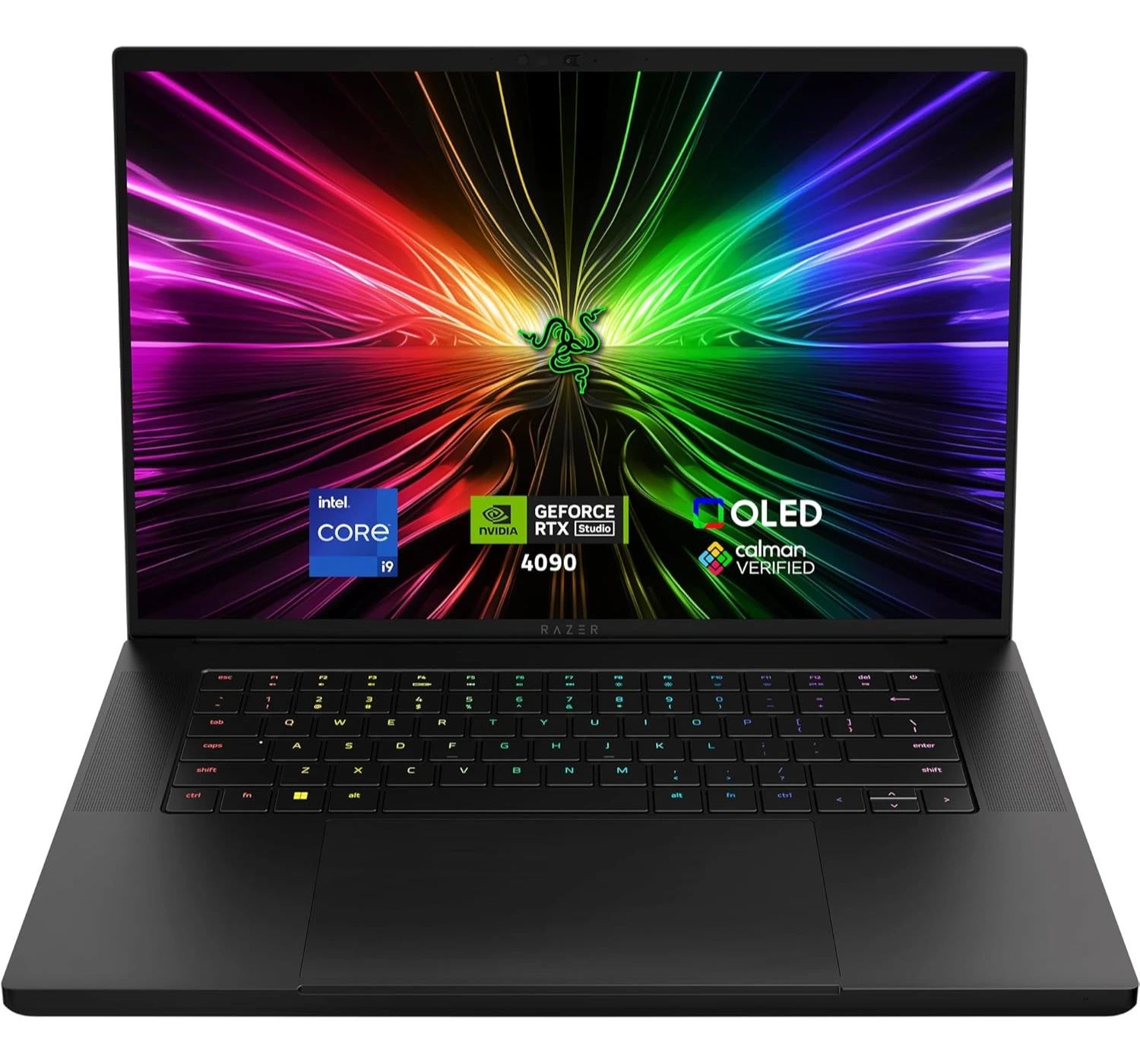
The Razer Blade 18 (2026) is an absolute monster of a laptop that brings desktop-grade power into a sleek, premium frame.It packs elite hardware, including the latest Intel Core Ultra 9 processor and NVIDIA’s fierce GeForce RTX 50-series graphics, making it easily handle the heaviest games and intensive AI tasks without breaking a sweat.
The standout feature is its massive, extra-bright 18-inch “dual-mode” screen, which lets you instantly switch between a super-sharp 4K mode for beautiful cinematic visuals and a blistering 440Hz mode for fast-paced competitive gaming.While it’s incredibly thin for a giant laptop, it’s still heavy to carry around, runs hot when pushed hard, and demands a massive price tag that sits well into the premium tier.It is a gorgeous, top-of-the-line gaming machine built for gamers who want the best of the best and have the cash to spend.
Specs
Display: 18-inch | Dual-mode | 3840 x 2400 resolution at 240Hz / 1920 x 1200 resolution at 440Hz | NVidia G-Sync
The Razer Blade 18 (2026) stands out as a true replacement for a desktop PC, packing some of the most impressive technology available into a single gaming machine.
1) Impressive Overall Performance
First the performance. The Razer Blade 18 gaming laptop is an absolute beast in both normal productivity use and in gaming. Compared to other top-tier gaming laptops, the Blade 18 manages to stay in par reaching similar single-core and multi-core benchmark scores.
This means that the Intel Core Ultra 9-series processor and NVIDIA’s flagship GeForce RTX 50-series graphics GPU included, are easily making the Blade 18 a strong competitor. It’s literally crushes demanding PC games, heavy 4K video editing, and complex AI tasks impressively without any slow down or lag.
2) Impressive Dual-Mode Display & Design
Next. The screen is a massive, bright 18-inch panel that features a special “dual-mode” technology.This allows you to switch between a razor-sharp 4K resolution at 240Hz for creative work and a lightning-fast Full HD mode at 440Hz for competitive gaming where every split second counts.
This is a great feature cause it lets switch between quality mode for those who dive into content creation or other creative work, or performance mode for gamers who appreciate fast-paced but smooth gaming. No OLED display for this one though, which the smaller newer Blade 16 (2026) has.
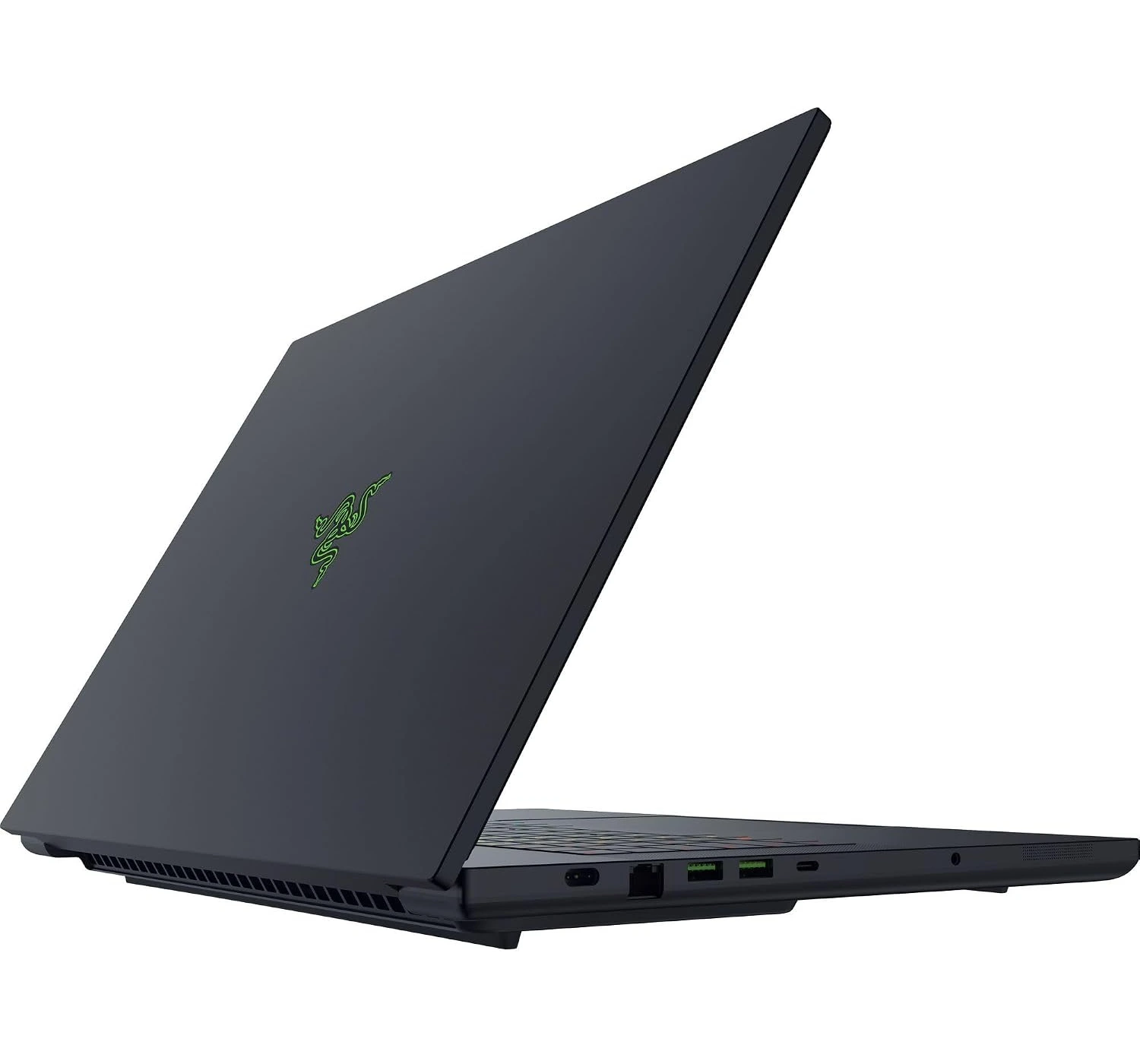
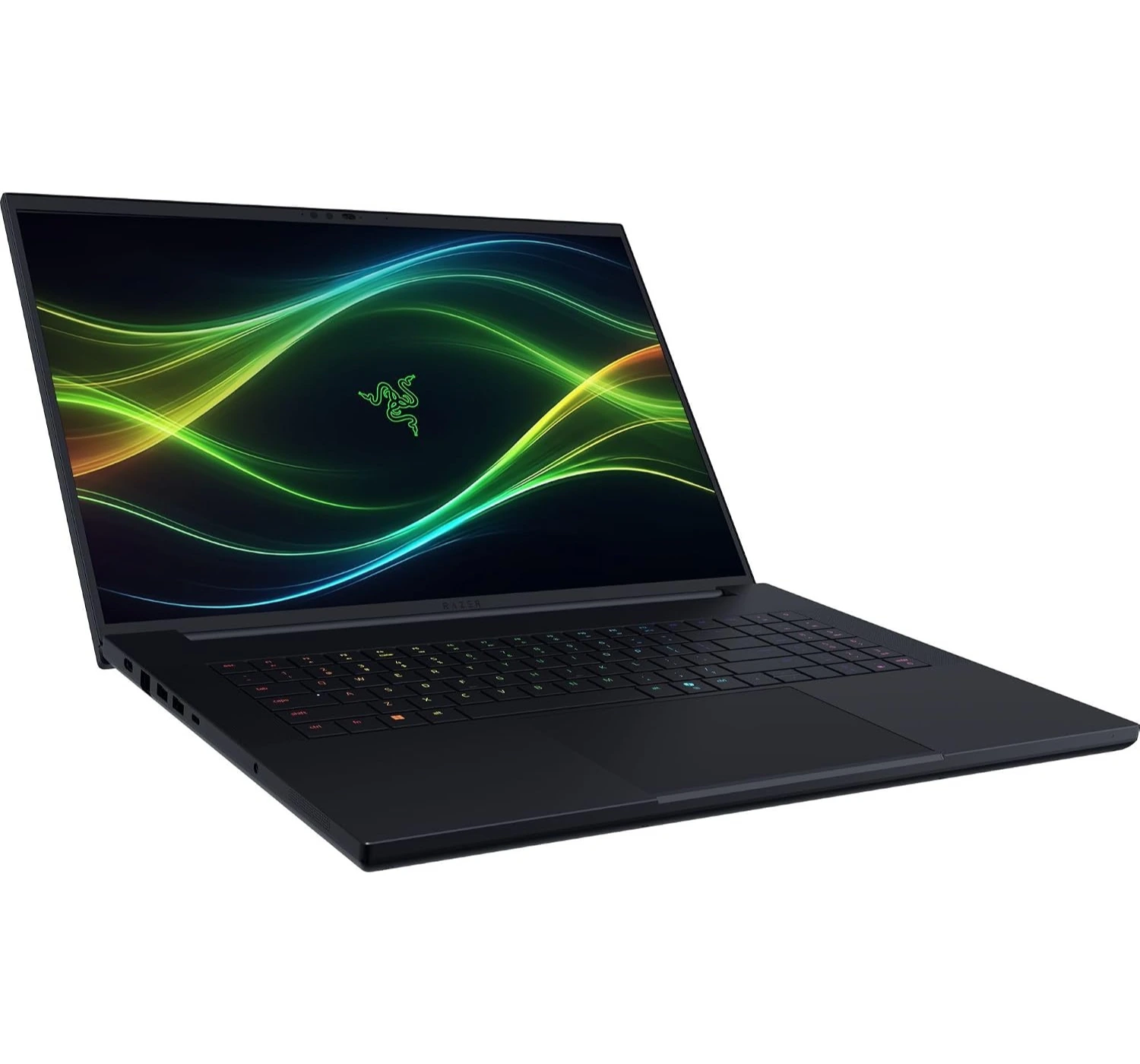
Thirdly, true to the brand’s style, this gaming laptop is built from a single block of high-grade aluminum, giving it a strong, sleek unibody chassis.Despite its giant size, it stays remarkably slim, making it look incredibly clean with a premium finish.
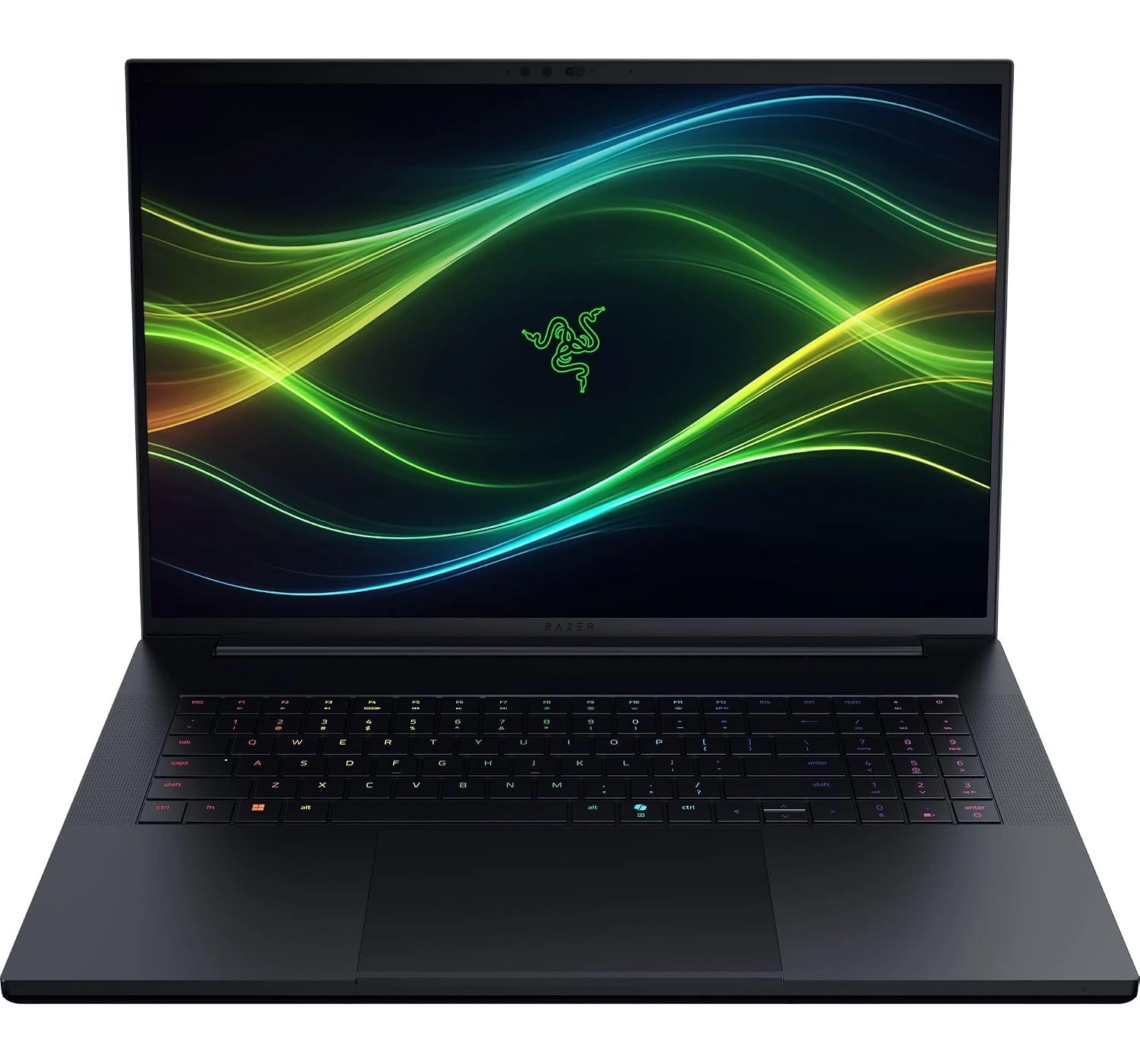
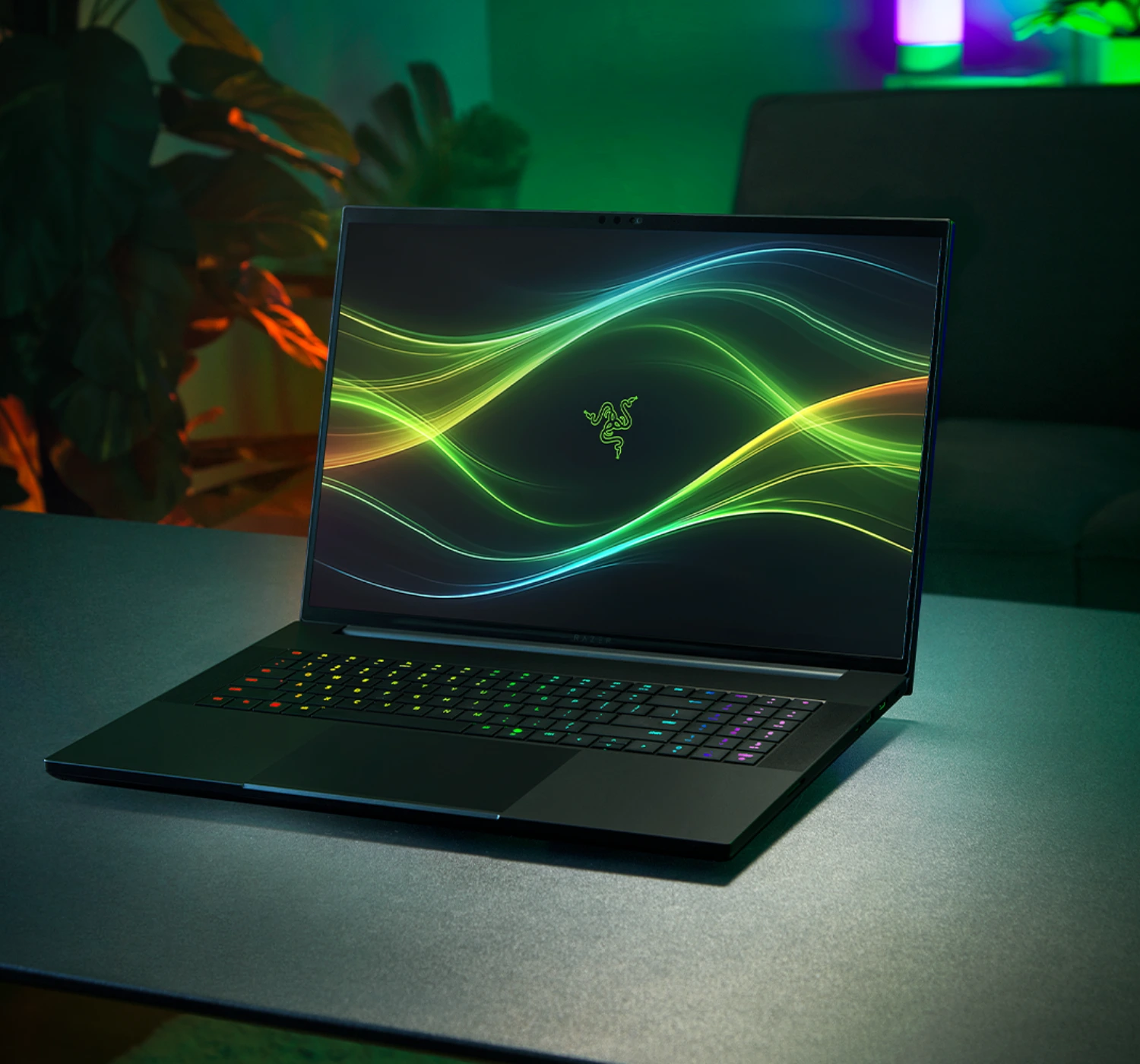
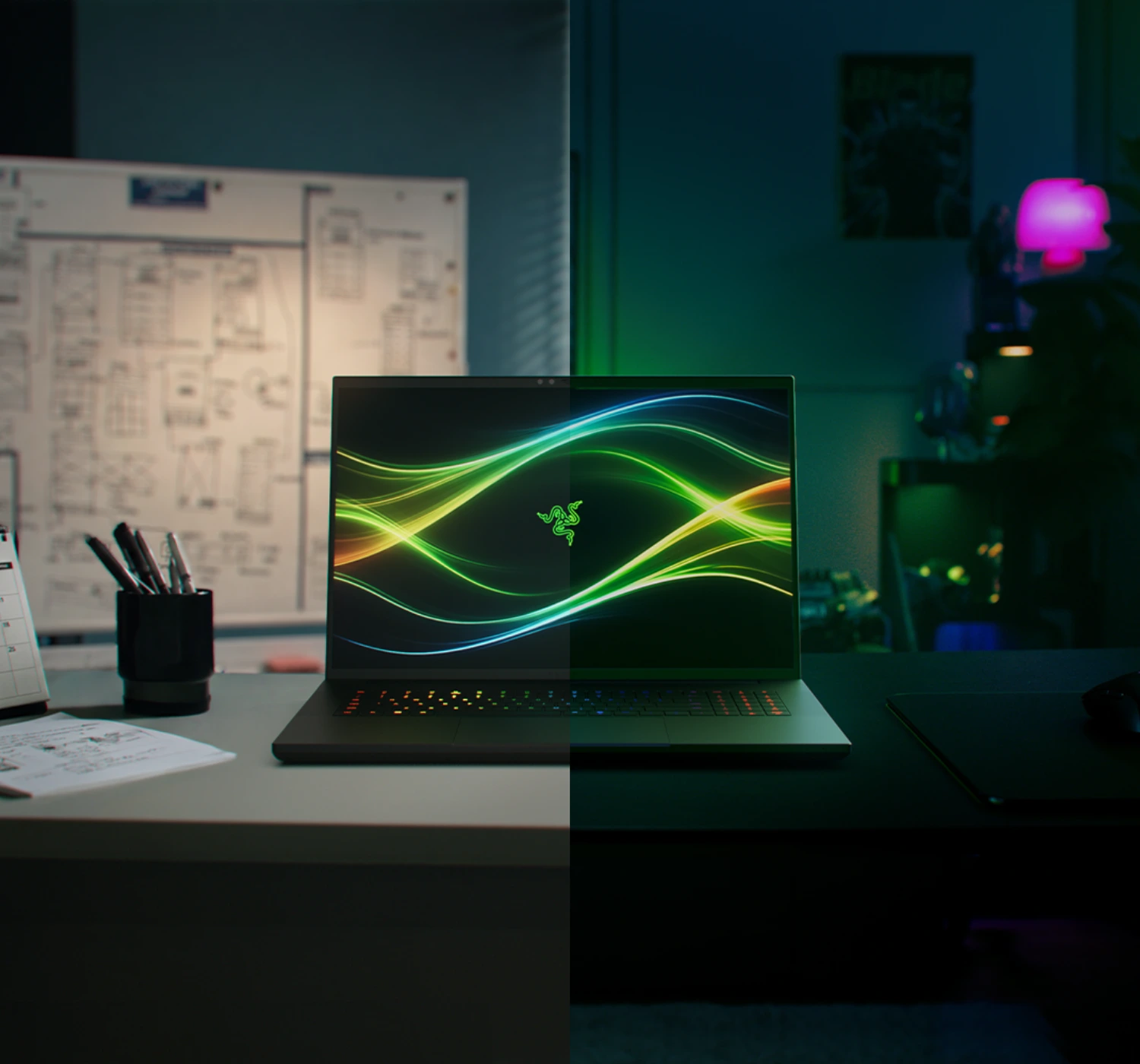
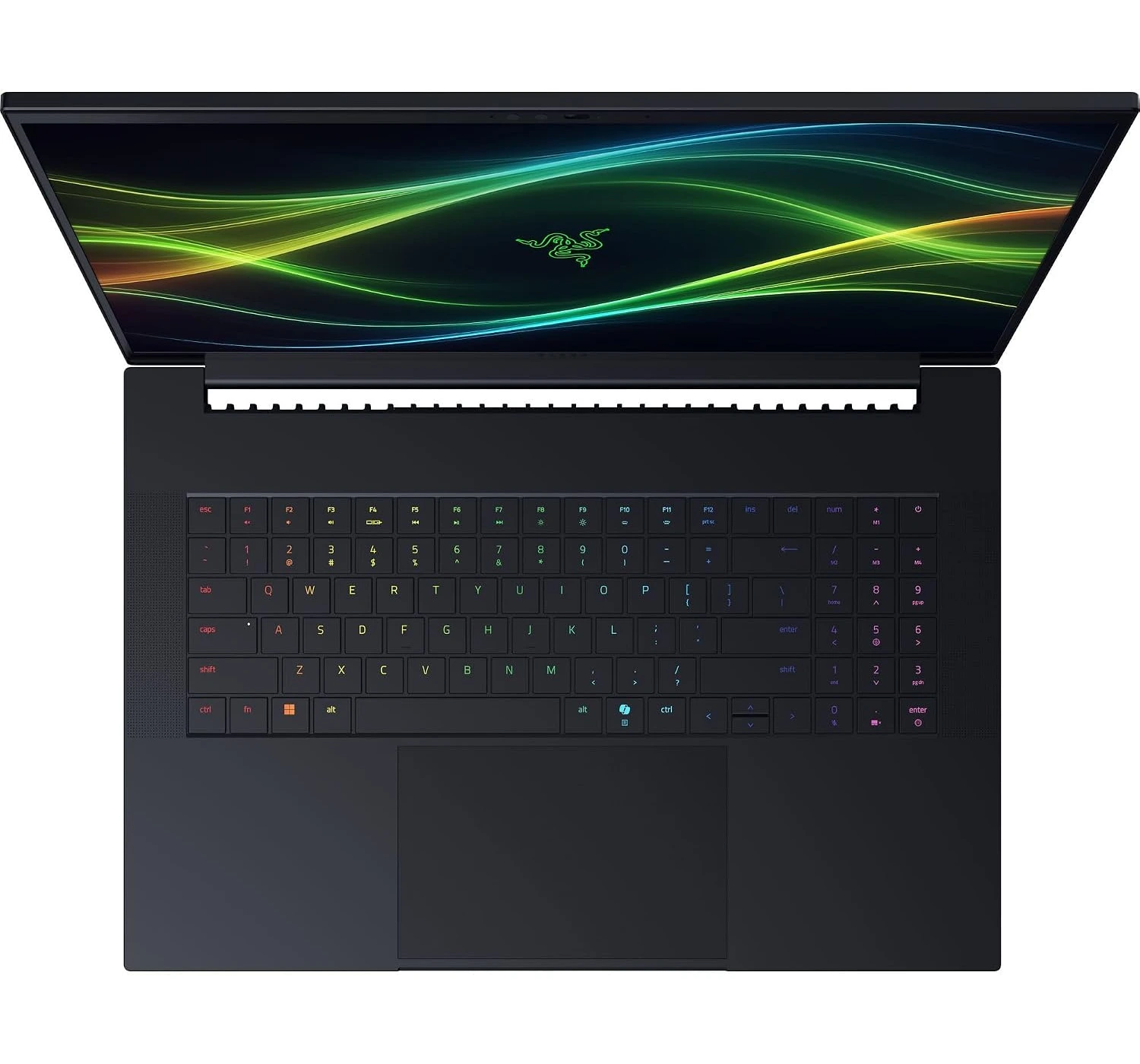
What I like about the design, even though it doesn’t really change from one model to the other, is that it still looks awesome. The black aluminum finish, the multi-colored RGB backlit keyboard, and the green ‘Razer’ logo on the screen cover, just completes the impressive design, which in some way never gets old.
3) Decent Battery Life
For an enormous gaming laptop with desktop parts, the battery life is surprisingly decent for basic daily tasks. On moderate use, you can get up to a good 6 hours of battery life, provided you’re not gaming.
However, when you start playing PC games that are hardware demanding on battery, the power drains pretty quickly, meaning you’ll want to keep it close or plug into a power outlet. What I appreciate here is that the battery life’s longer than the older Blade 18 of 2025, which lasts about 5 hours.
4) Ability to Upgrade
The new Blade 18 is very user-friendly if you want to add more storage space or increase memory at a later stage. It features two accessible internal SSD slots that let you expand your storage. You can also upgrade the RAM to improve performance, and also the battery which is more of a challenge. If you’ve got experience in upgrading hardware on laptops, then this put you on an advantage.
5) Other features
The Blade 18 has other good features you’ll appreciate. Firstly, the gaming laptop sounds fantastic thanks to a built-in six-speaker sound system that includes dedicated subwoofers for extra punch.Powered by THX Spatial Audio, it creates loud, clear, and immersive surround sound that makes games and movies feel alive.
Next is the 5-megapixel webcam that comes with a privacy shutter which works surprisingly well producing excellent color accuracy. However, it’s not the best as it does produce grainy videos and images. There’s also plenty of input ports, even an Ethernet slot and a microSD card slot. What more can you ask for, really.
The Deal Breakers
While the Blade 18 is incredibly powerful, it has a few notable downsides.
First and foremost (and this is the most obvious), is the jaw-dropping price tag. One thing gaming laptops are good at is the high price you need to pay, making it far too expensive for most normal gamers.
Because it hides so much heavy-duty desktop hardware inside a very slim frame, the Blade 18 gaming laptop runs quite hot under pressure and the internal cooling fans can get very loud.
Since this is an 18-incher (even though it’s technically portable), weighing over 7 pounds (3 kg) means it’s a massive, heavy chunk of metal to carry around in your backpack. Additionally, while its special dual-mode screen sounds cool, actually switching between the 4K and 440Hz settings requires a clunky software process and a full computer restart.
Finally, despite the extreme price, Razer curiously leaves out the fastest PCIe Gen 5 storage drives out of the box, and the battery drains very fast if you try to game without being plugged into a wall.
The Alternatives
If the Razer Blade 18 is not your ideal gaming laptop cause of the deal breakers, or your budget’s too low, then consider these alternative gaming laptops before you rule out the idea.
The Razer Blade 18 (2025) is the better alternative than the newer 2026 model primarily because it offers almost the exact same high-end premium features—like the aluminum build, a 5MP IR webcam, and spatial audio—but at a lower, reasonable price now that it’s a generation older.It also features the same top-tier NVIDIA GeForce RTX 50-series graphics, meaning your PC games will still run incredibly fast.
However, the 2025 model comes with compromises. The 2026 version includes a faster Intel Core Ultra 9 processor, which provides much better performance for advanced artificial intelligence (AI) tasks and data heavy workloads.Additionally, the 2026 model features an improved “dual-mode” display that gets up to 20% brighter than the 2025 screen, fixing one of the older version’s small weaknesses when playing games in brightly lit rooms.
The Razer Blade 16 (2026) is a better choice than its larger brother if your main priorities are portability, screen technology, and battery efficiency. At just 14.9 mm thin and under 5 pounds (2.3 kg), the Blade 16 is much lighter and easier to carry with a backpack than the massive Blade 18. It also features a gorgeous QHD+ OLED display that delivers incredibly vibrant colors and perfect contrast, which many gamers prefer over the standard IPS screen technology on the larger model.Furthermore, thanks to its specialized Intel Core Ultra 9 processor, the Blade 16 offers massive battery efficiency improvements, lasting up to 13 hours on a charge for basic daily tasks.
On the flip side, the Blade 16’s smaller frame cannot hold the more powerful Intel Core Ultra 9 processor found in the Blade 18, meaning it loses out on raw, desktop-level processing speeds and localized AI workloads.The Blade 16 also lacks the Blade 18’s unique dual-mode screen feature that lets you physically swap to a blazing-fast 440Hz gaming mode, features a lower-resolution 1080p webcam compared to the 18’s crisp 5MP camera, and misses out on a built-in Ethernet port for wired internet connections.
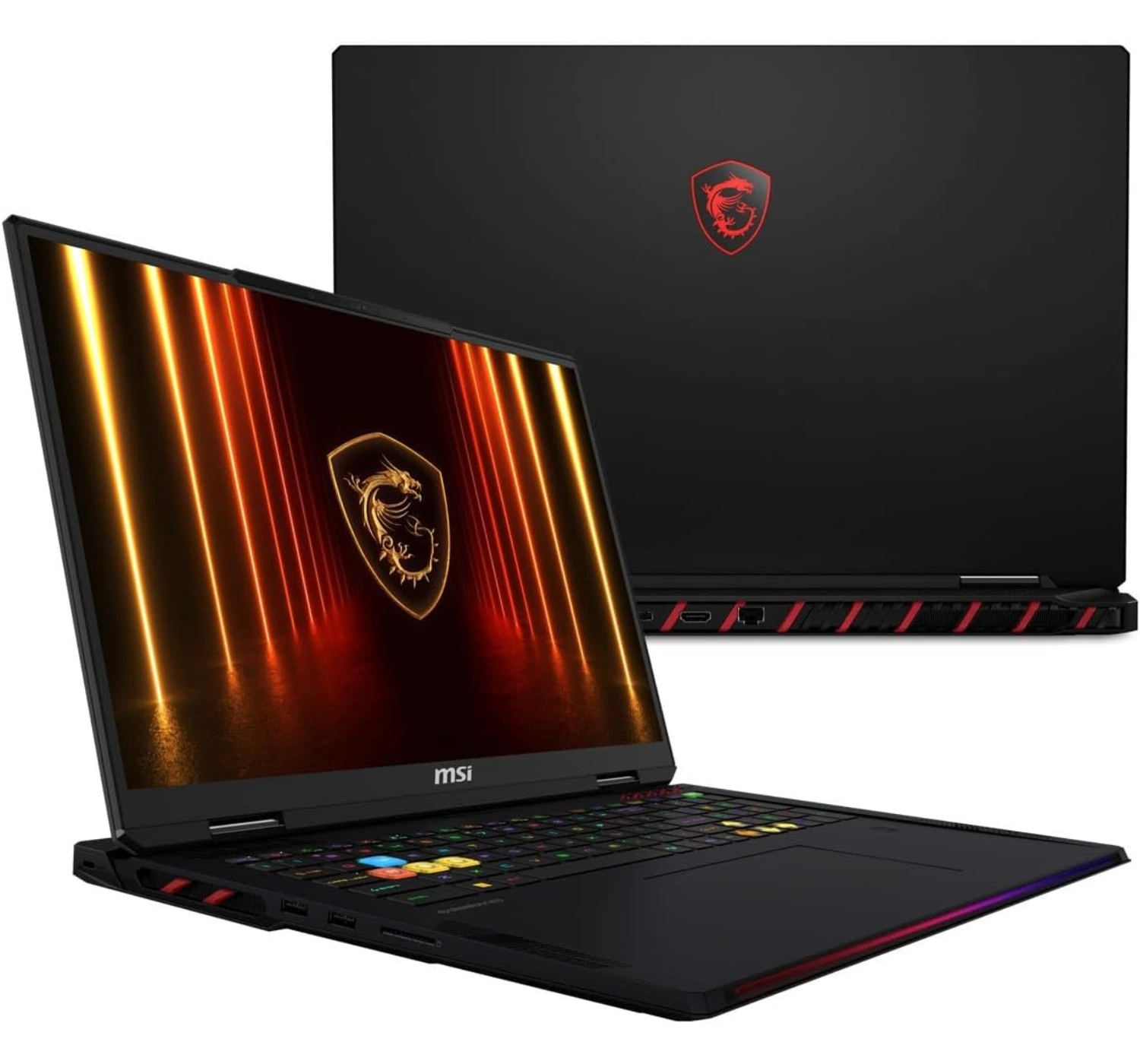
The MSI Raider 18 HX is a better choice than the Razer Blade 18 (2026) if you want bleeding-edge storage speeds, a highly comfortable keyboard, and an intensely bright display panel. The MSI takes the crown for data performance because its internal motherboard supports lightning-fast PCIe Gen 5 SSD speeds, letting you load huge game files and heavy software projects much faster than on the Razer.It also features a built-in full-sized keyboard with a dedicated number pad and bouncy, satisfying key travel that’s far more comfortable for long typing or gaming sessions.Furthermore, the MSI utilizes a stunning 18-inch 4K Mini-LED display panel that can pump out a blinding 1,000 nits of peak brightness, giving you eye-popping HDR visual quality that stands up even in rooms flooded with direct sunlight.
On the flip side, the MSI Raider looks and feels much less premium, is not as portable, and loses out on competitive screen speed. While the Razer is carved out of a single piece of sleek aluminum, the MSI’s lower body is built mostly out of plastic, which can feel surprisingly cheap for a laptop that costs thousands.It’s also a massive, thick behemoth that weighs nearly 8 pounds (3.6 kg), making it noticeably heavier and clumsier to pack into a bag than the razor-thin Blade 18. Finally, the MSI’s display is capped at a slower 120Hz refresh rate, meaning it completely lacks Razer’s unique dual-mode ability.
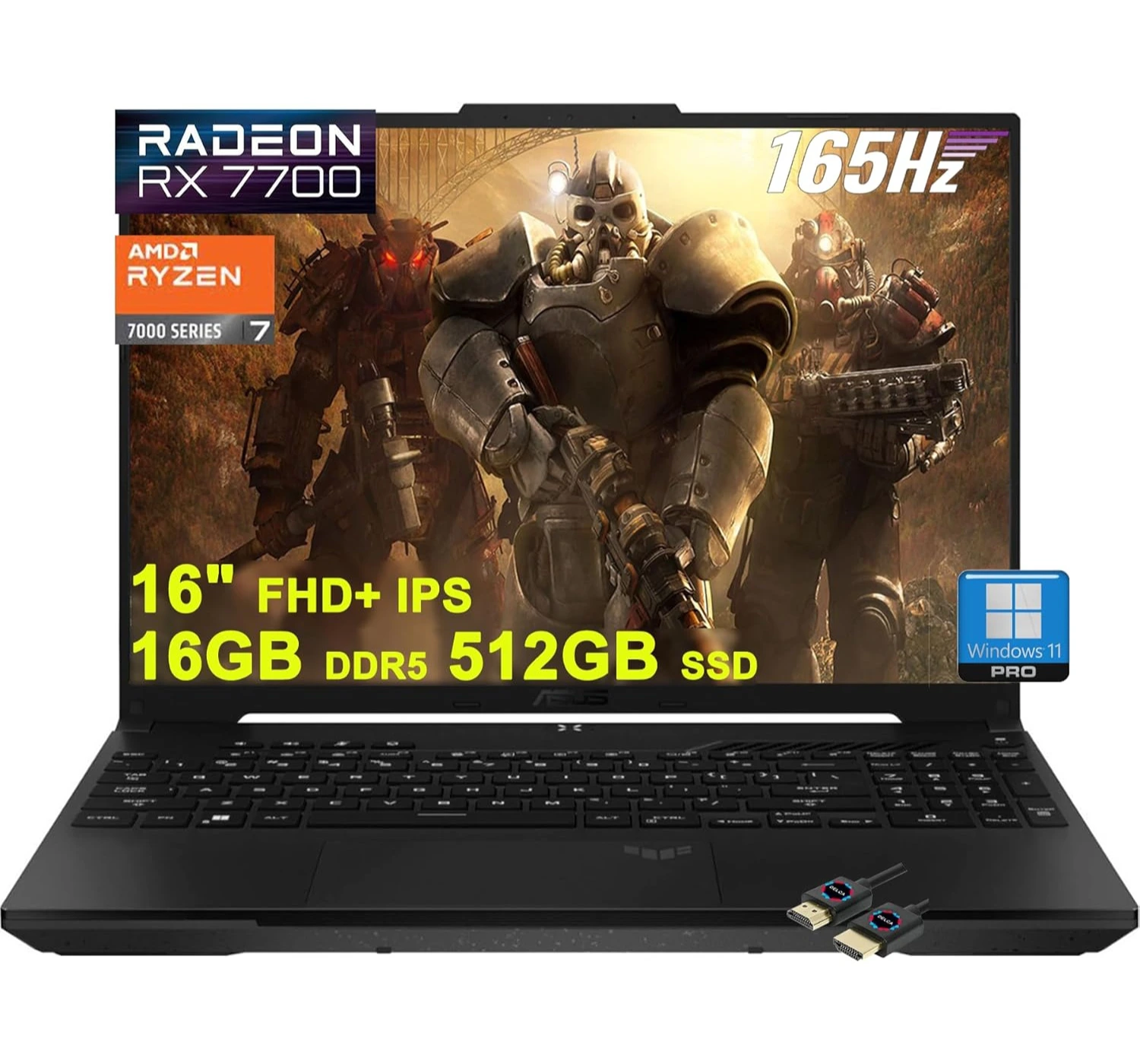
The ASUS TUF Gaming A16 is a much better choice than the Razer Blade 18 (2026) if you’re shopping on a realistic budget and want a machine that is easy to travel with. While the Razer costs a fortune, the TUF A16 gives you fantastic, mid-tier gaming hardware—like AMD Ryzen processors and NVIDIA RTX 50-series graphics—at a fraction of the price.It’s also much lighter and more compact to carry around, weighing just 4.9 pounds (2.2 kg) compared to Razer’s back-breaking 7-pound chassis.Best of all, because its parts don’t suck up massive amounts of electricity, the TUF A16 boasts incredible battery life that can last for over 14 hours of basic web browsing or video streaming, completely crushing the Razer’s short-lived battery.
On the flip side, the ASUS TUF A16 is built to be a budget-friendly gaming laptop, meaning it misses out on raw power and luxury features. Its mid-range graphics card simply cannot keep up with the Razer’s elite, desktop-tier RTX 5090, which leaves the TUF lagging far behind in high-end game performance and heavy AI workloads. Its 16-inch plastic and metal body feels much cheaper and less premium than Razer’s sleek, single-block aluminum design. Finally, the TUF’s standard 165Hz display looks a bit dim and lacks the Razer’s incredible dual-mode flexibility.
The Final Verdict
Overall, if you’re looking for a large gaming laptop with top-rated hardware, a bright vibrant display and comes with plenty of input ports, the Razer Blade 18 is definitely your pick. The performance is impressive. It’s quite simply to upgrade the hardware. What more can you ask for.
However, the price of this heavy bad boy is pretty high, with a low battery life, and no major changes to the laptop’s design from last year’s model. If you do want an impressive 18-inch gaming rig with a few manageable compromises, this is the one to get if you can afford it.
That’s it for your Razer Blade 18 review. Tell me what you think about this awesome gaming laptop in the comments section below. And if it’s not the one you’re looking for, let me know as well. However, if you want to find out more about this powerful 18-inch gaming monster, then click HERE to see what’s more in store for you 😀
Every single year, tech fans around the world get super excited to see what new mobile devices will hit the shelves. Today, I am breaking down the most popular Samsung Galaxy phones on the market to help you figure out exactly where to spend your hard-earned money. From cheap, budget-friendly choices with huge screens to high-end powerhouses packed with crazy new camera tricks, I am looking at all of them side-by-side. I tested their performance, screens quality, and battery life so you can easily pick the perfect match for your daily routine. Let’s dive right in and find your next upgrade!
The Quick List
Galaxy A17 5G
The Value & Battery King
★★⯪☆☆ 3.5 Okay
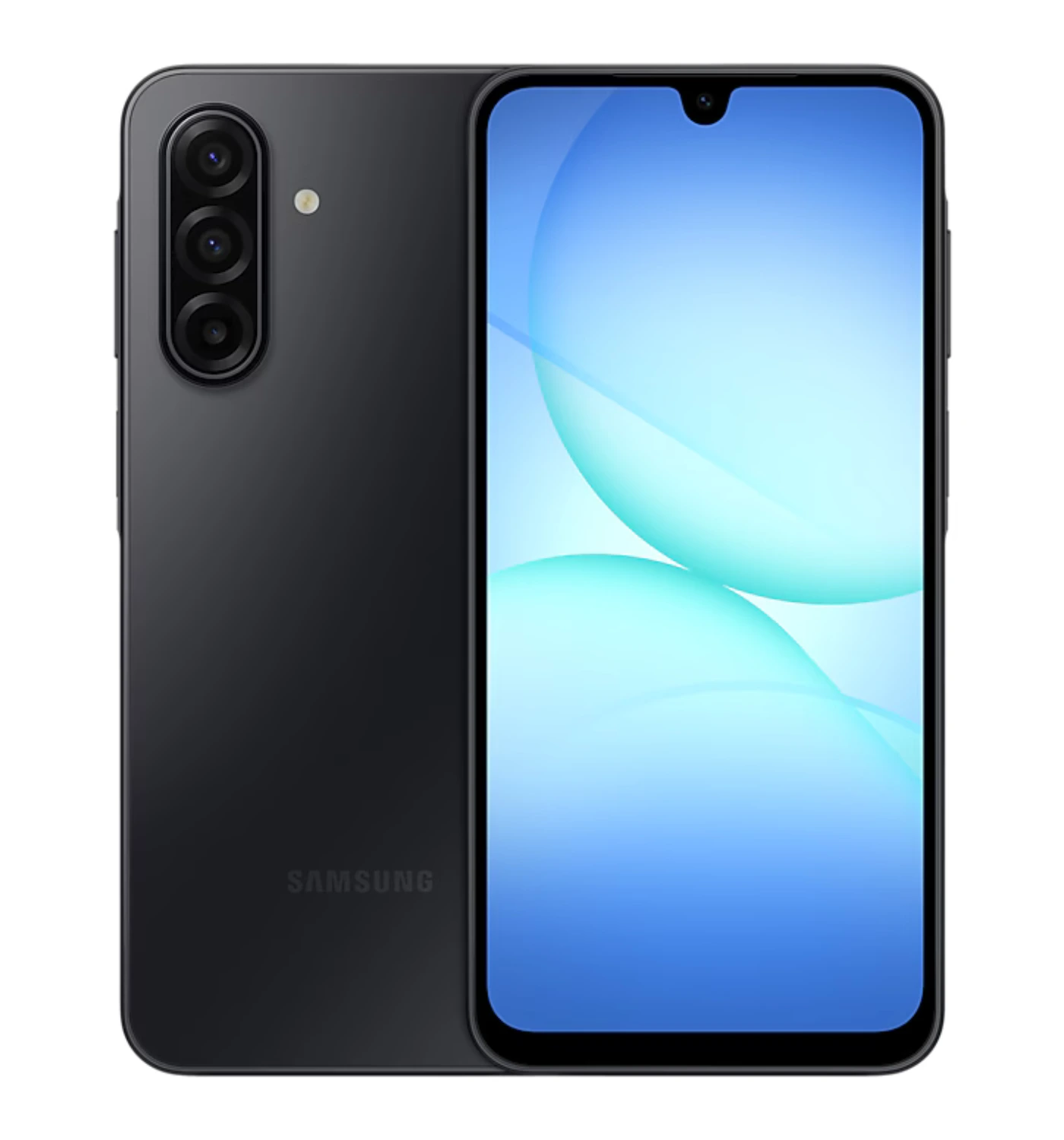
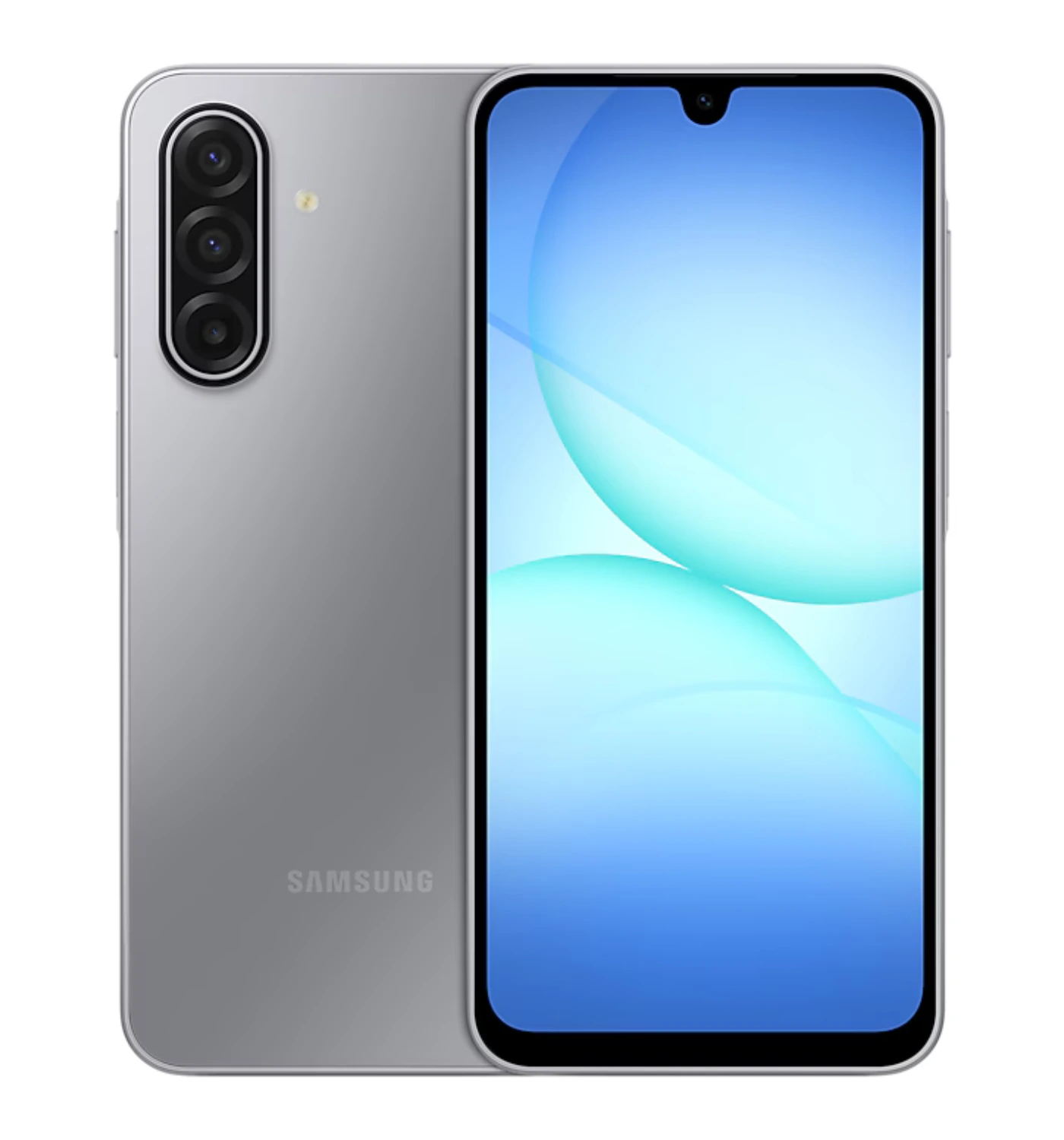
With a gorgeous screen and up to 6 years of software updates, the Samsung’s A17 5G smartphone is the perfect budget option to buy. With just a few setbacks, it’s highly reliable, and a well-designed smartphone.
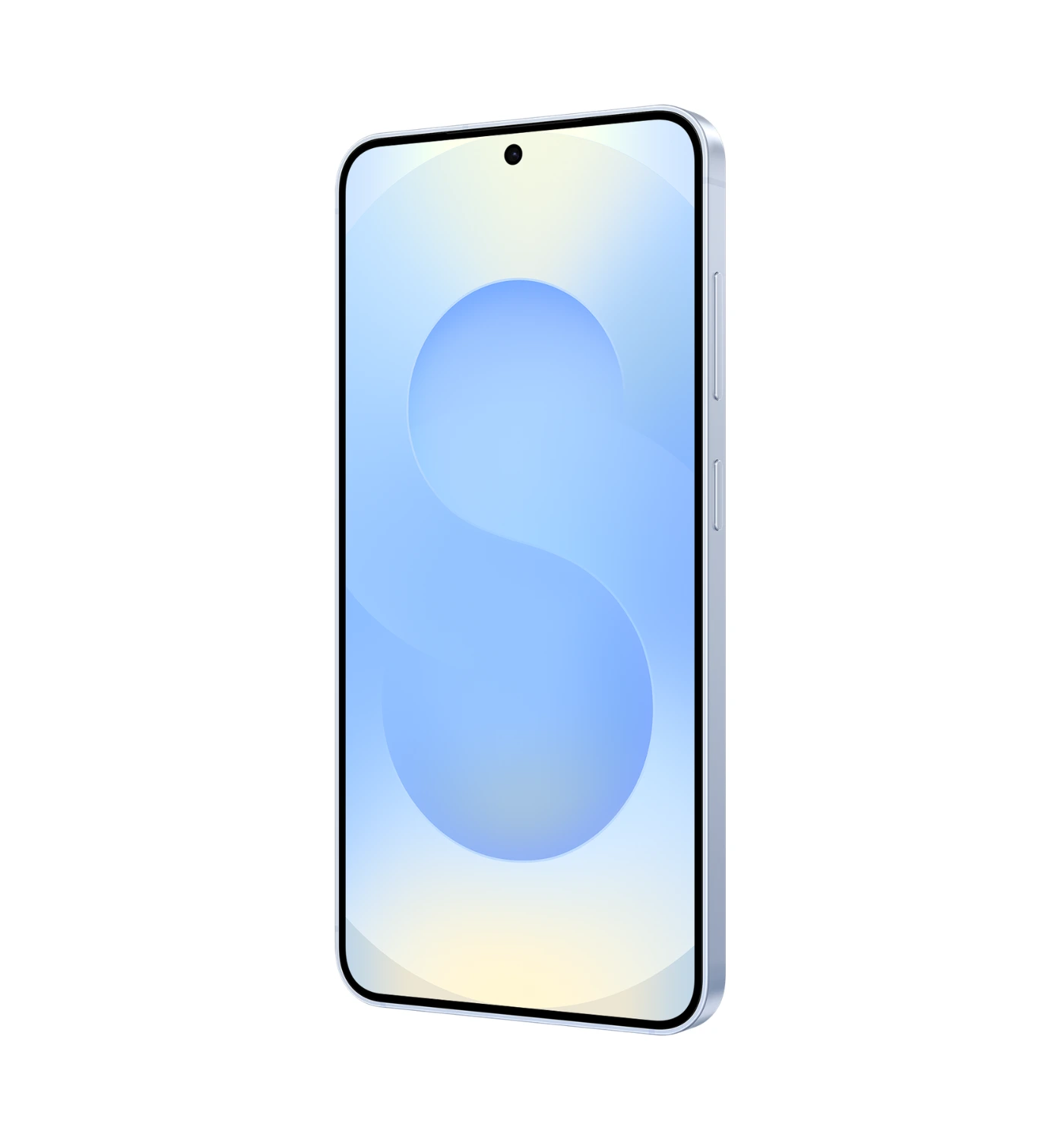
The Samsung Galaxy A57 smartphone is a highly polished, premium-designed mid-ranger that has set a new standard for durability, with its ultra-slim design and upgraded water resistance.
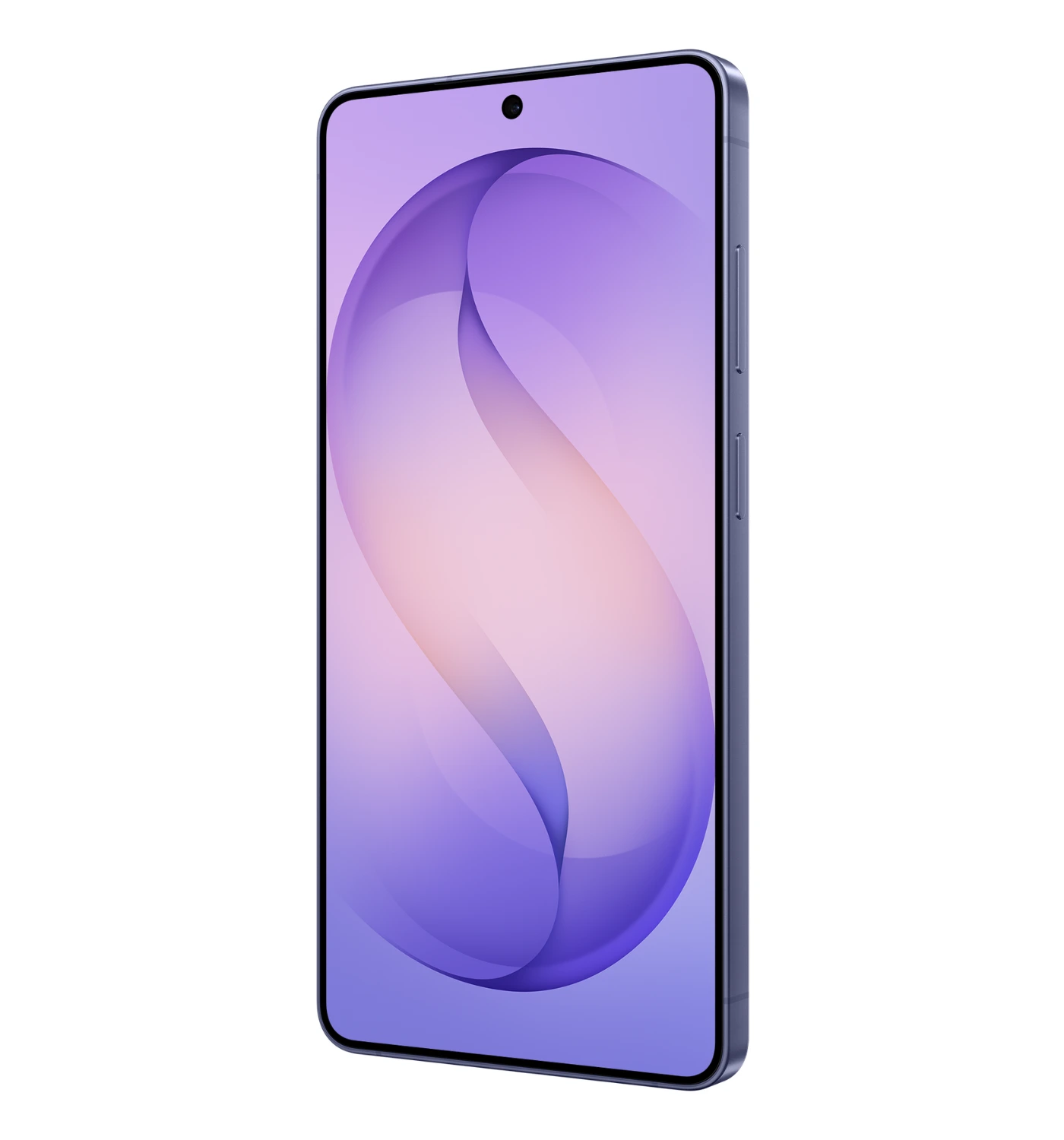
The Samsung Galaxy S25 remains the gold standard for compact Android flagships, blending a remarkably lightweight, pocket-friendly design with a gorgeous display and top-tier performance.
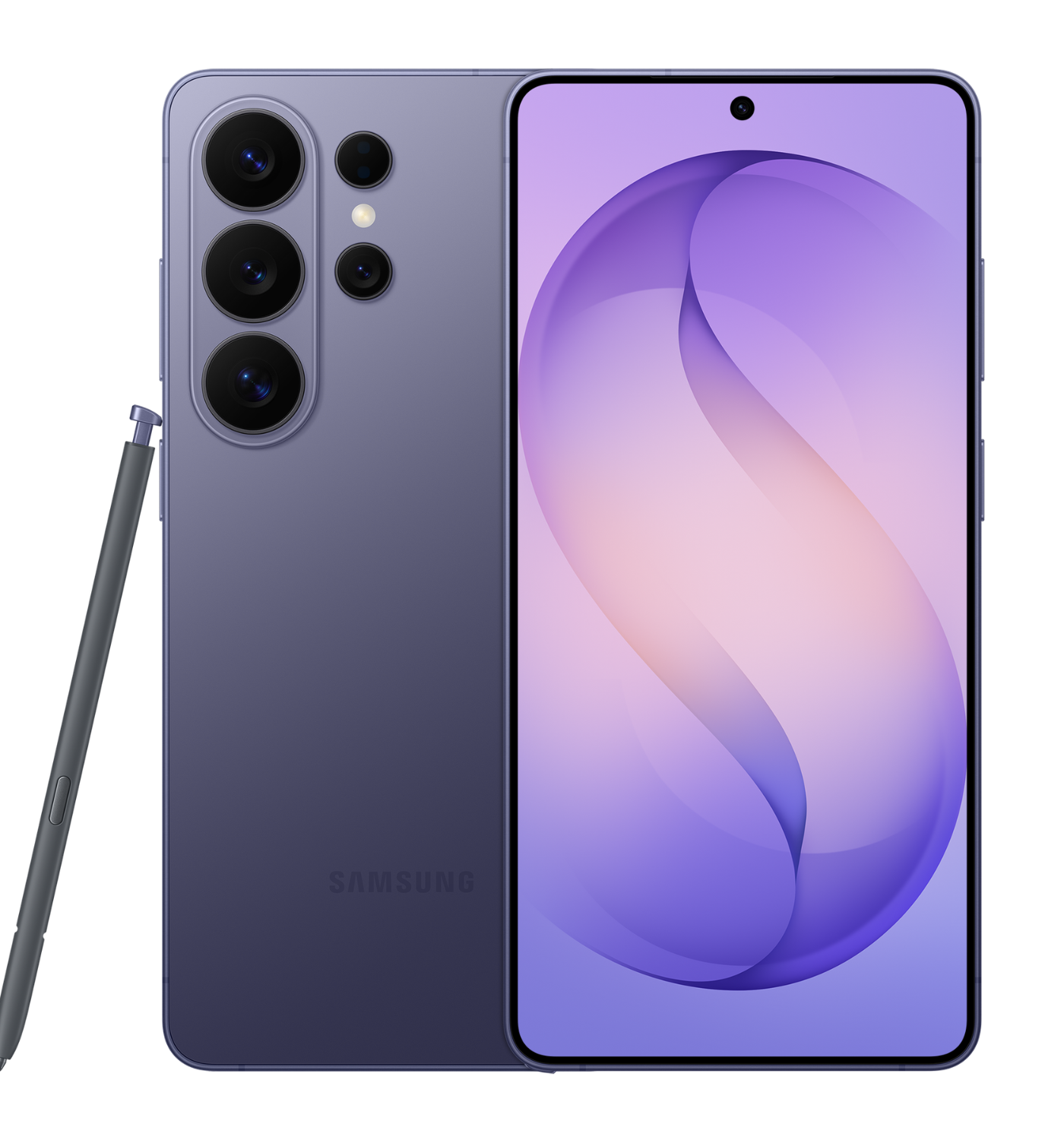
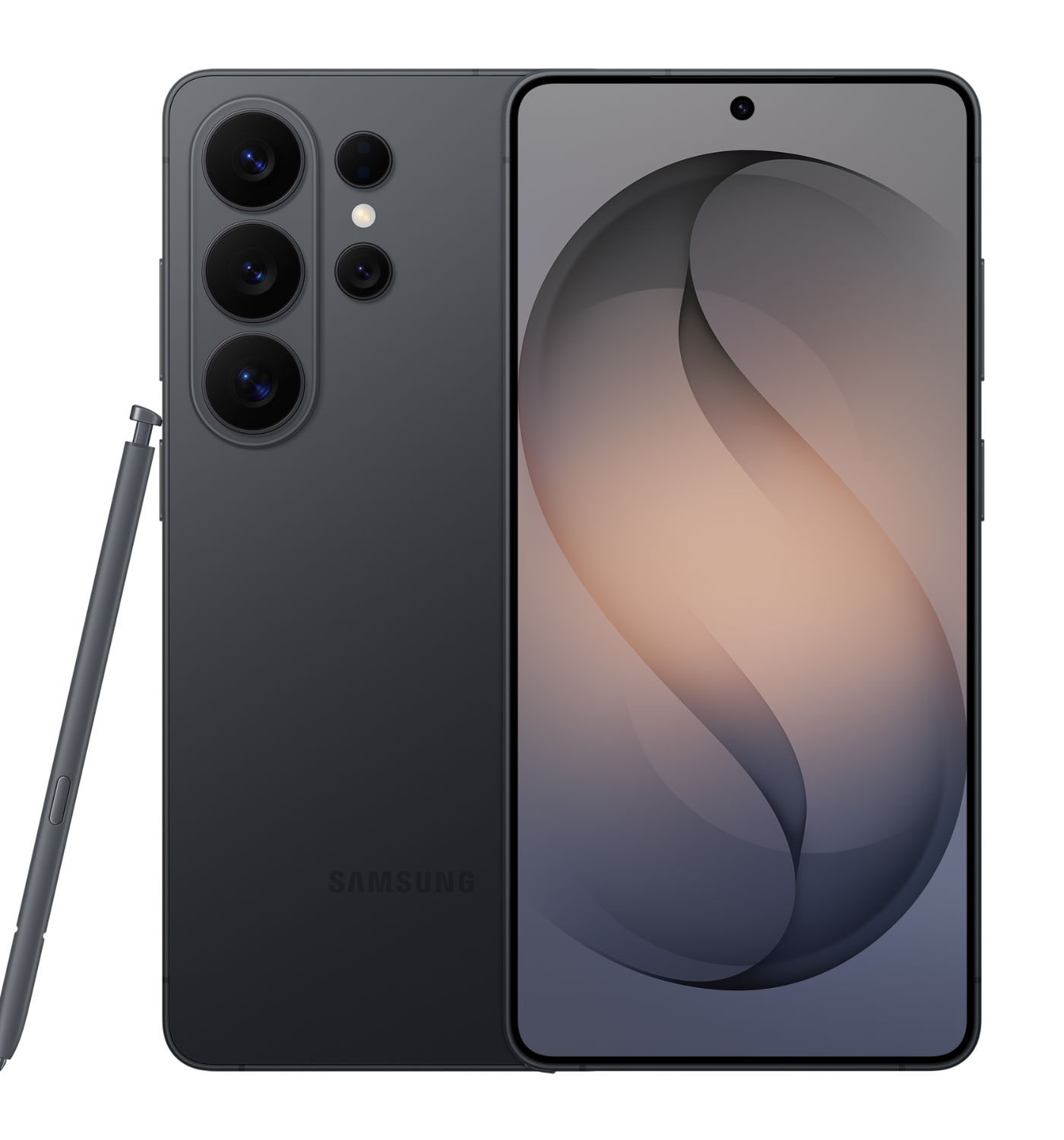
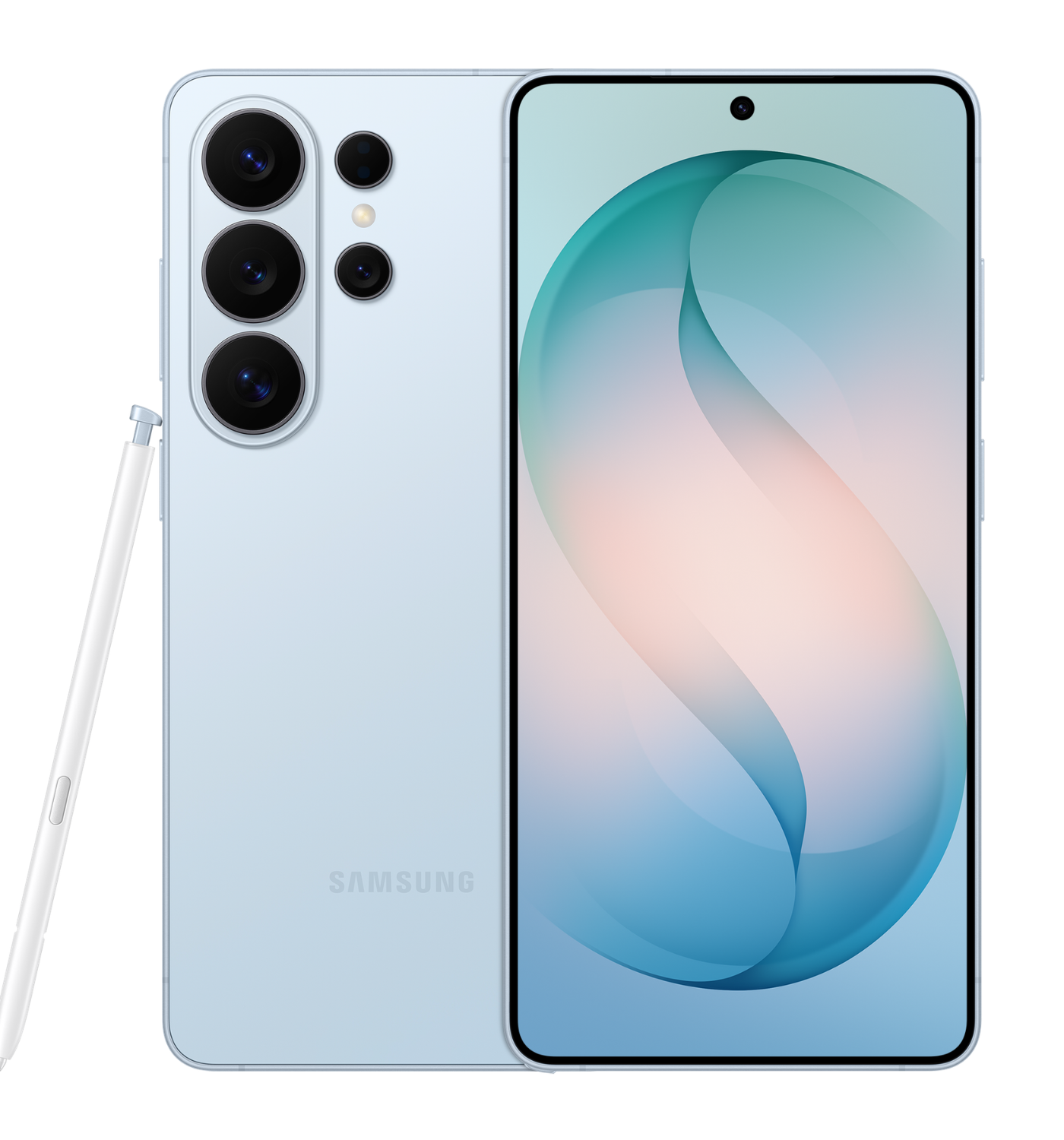
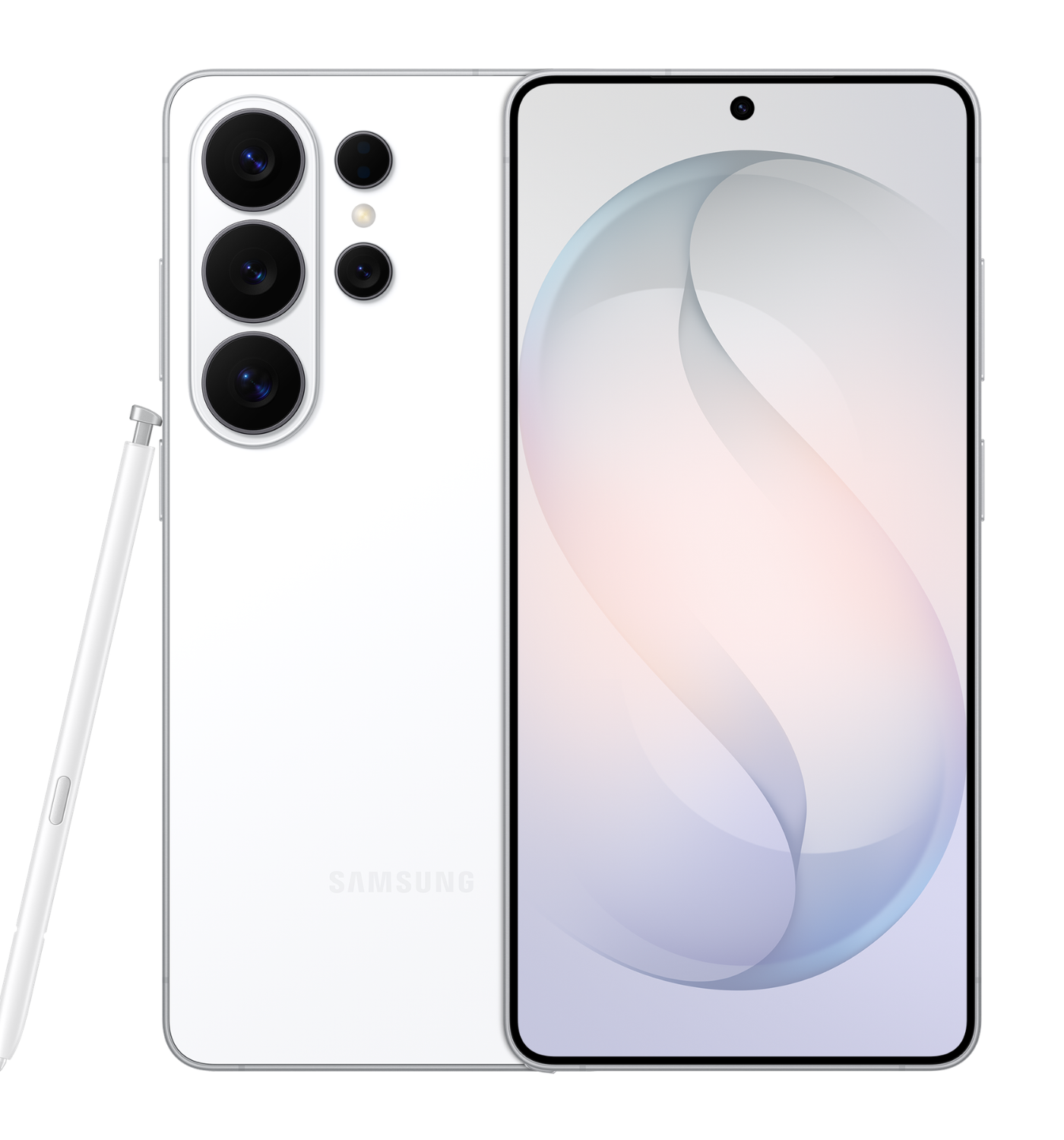
The Samsung Galaxy S26 Ultra cements its place as the ultimate powerhouse for power users, introducing the world’s first built-in ‘Privacy’ display alongside an incredibly fast performing processor.
The Samsung Galaxy A17 5G hits a home run if you love watching videos on a beautiful screen using an affordable budget mobile device. Samsung crams a massive, vibrant 6.7-inch Super AMOLED display into this budget phone, and they even promise a guaranteed six years of software updates so your phone stays fresh for ages. There’s even a microSD slot to increase internal storage. That means more music, more pictures and videos, more app storage.
However affordable this phone is, sadly, it’s not a smooth ride. The phone does feel pretty sluggish at times, especially using the base model that’s only 4GB of RAM and 128GB storage, which means apps will stutter if you open too many of them at once. And heavy gaming is definitely out of the picture with this one. Rather look at getting the 8GB model with 256GB of storage instead. The performance will be much better with better memory.
Overall, it’s a fantastic, reliable choice for scrolling and video streaming, but you’ll need some patience when things slow down.
2. Samsung Galaxy A57
★★★★☆ 4.0 Great
SPECS
DISPLAY: 6.7-inch Super AMOLED+ 120Hz, HDR10+ 1080 x 2340p screen resolution
CPU: Exynos 1680 (4 nm)
MEMORY: 8GB / 12GB
STORAGE: 128GB / 256GB / 512GB
OS: Android 16, One UI 8.5
BATTERY: 5000mAh, supports 45W charging
CAMERA: 50 MP wide + 12 MP ultra-wide + 5 MP macro, up to 4K videos at 30fps | 12 MP wide, up to 4K videos at 30fps
OTHER: Wi-Fi 6e, Bluetooth 6.0, USB-Type C | Colors include navy, gray, icy-blue, and lilac | Weighs 172 g (6.31 oz) | IP68 water and dust resistance
Takes great photos and videos from the main cameras
Impressive battery life
Comes with the latest OneUI 8.5, six major OS updates
CONS
Average charging speed
No wireless charging
Missing AI tools compared to S series
The Samsung Galaxy A57 5G looks and feels like a luxury phone, but costs than a top flagship. You’ll absolutely love the super slim design and the tough waterproof features that protects it from accidental drops in the pool. It also packs a gorgeous, buttery-smooth screen and six years of Android updates, meaning this phone will last you a very long time.
On the downside, Samsung didn’t really upgrade the performance of the phone, so it doesn’t feel any faster than last year’s model. The cameras also stay exactly the same, which makes the higher price tag a little tough to swallow when faster rivals are out there.
Overall, the Samsung Galaxy A57 smartphone looks good and feels like an S-series smartphone. The overall design makes it look premium, with a good camera, and an impressive battery life. It’s set a new standard for durability, with its ultra-slim design and upgraded water resistance. It’s an impressive phone for those looking for good features without having to dig deep into their pockets.
CAMERA: 50 MP wide + 10 MP telephoto with 3x optical zoom + 12 MP ultra-wide, up to 8K videos at 30fps | 12 MP wide, up to 4K videos at 60fps
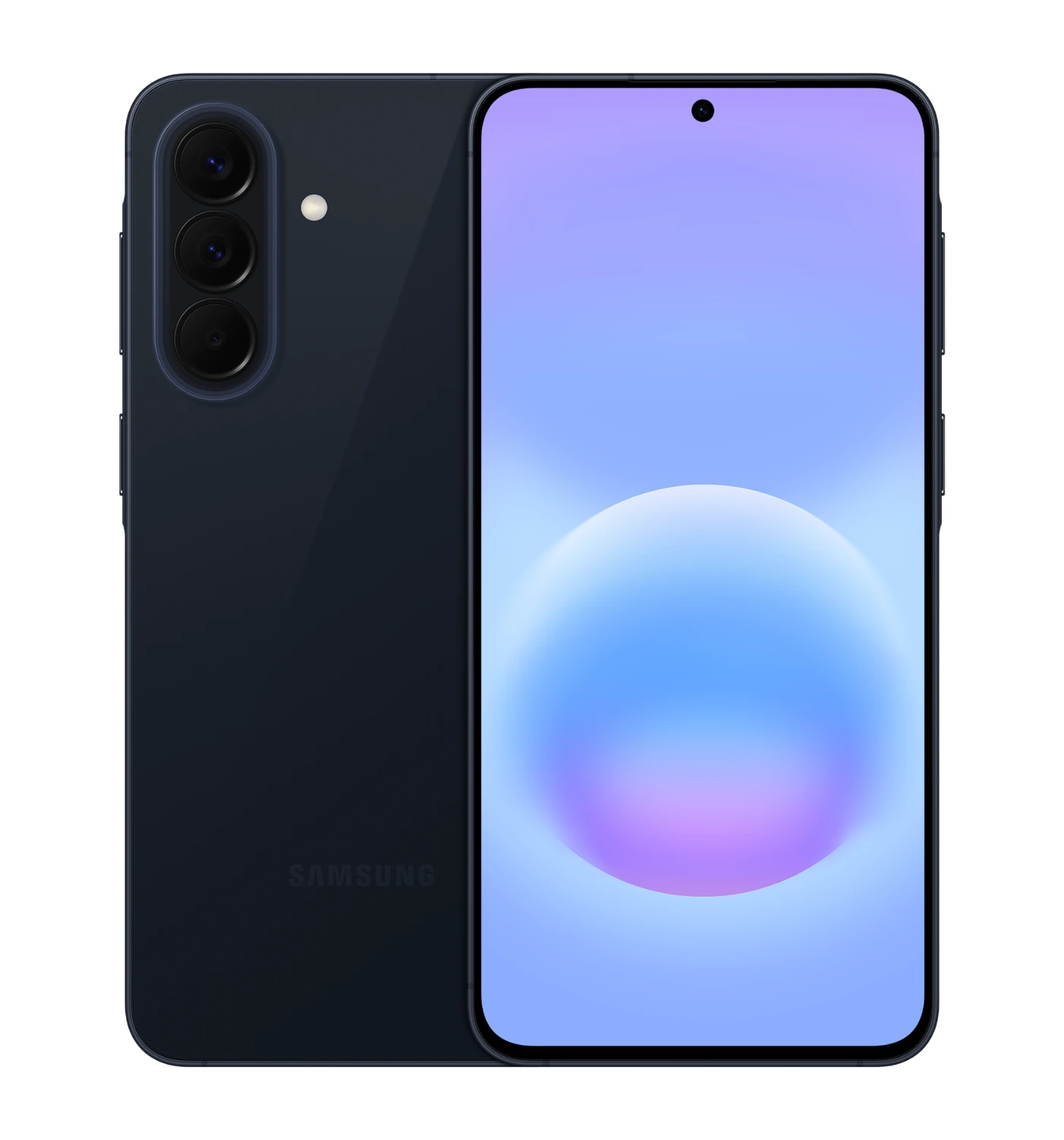
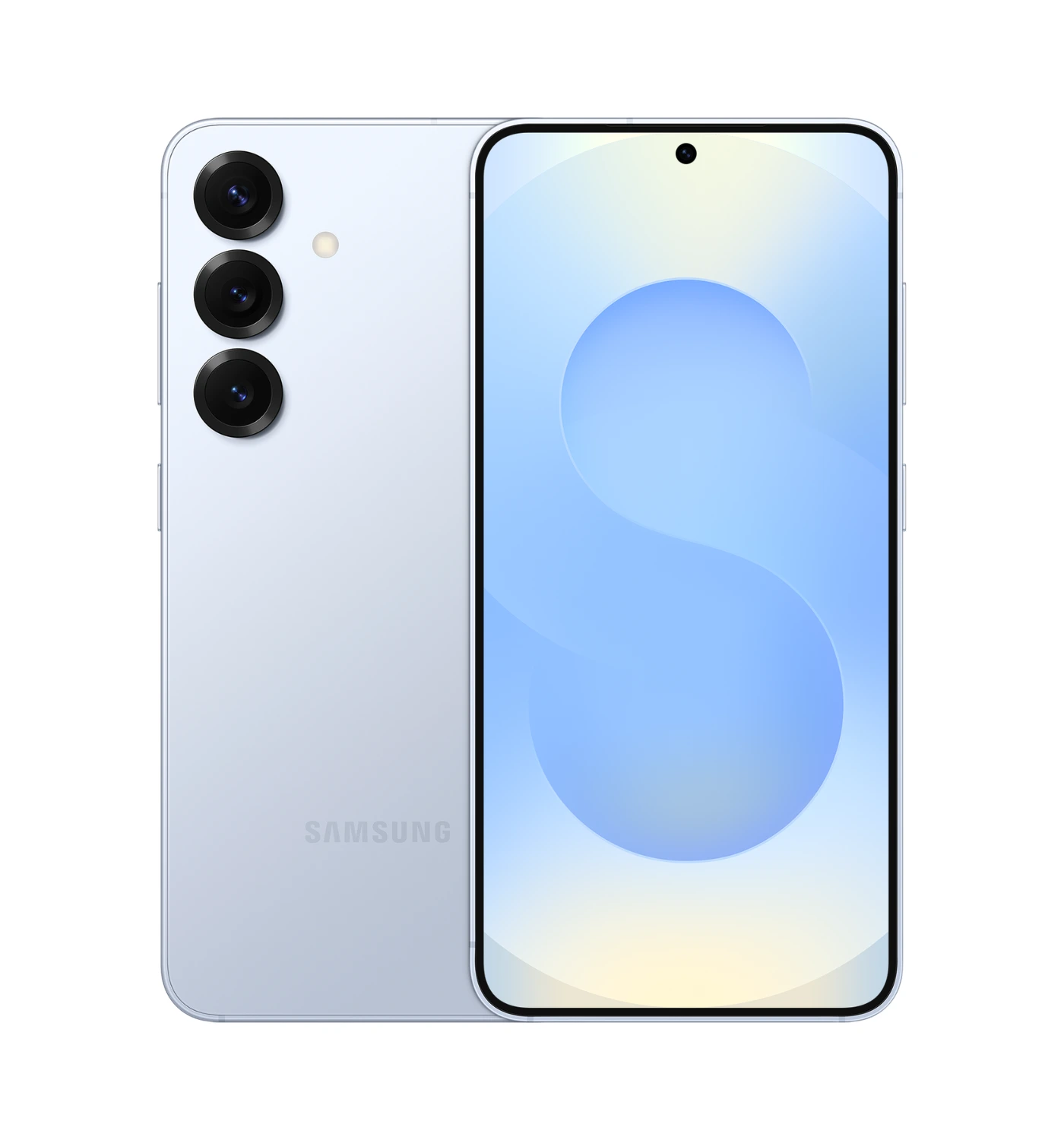
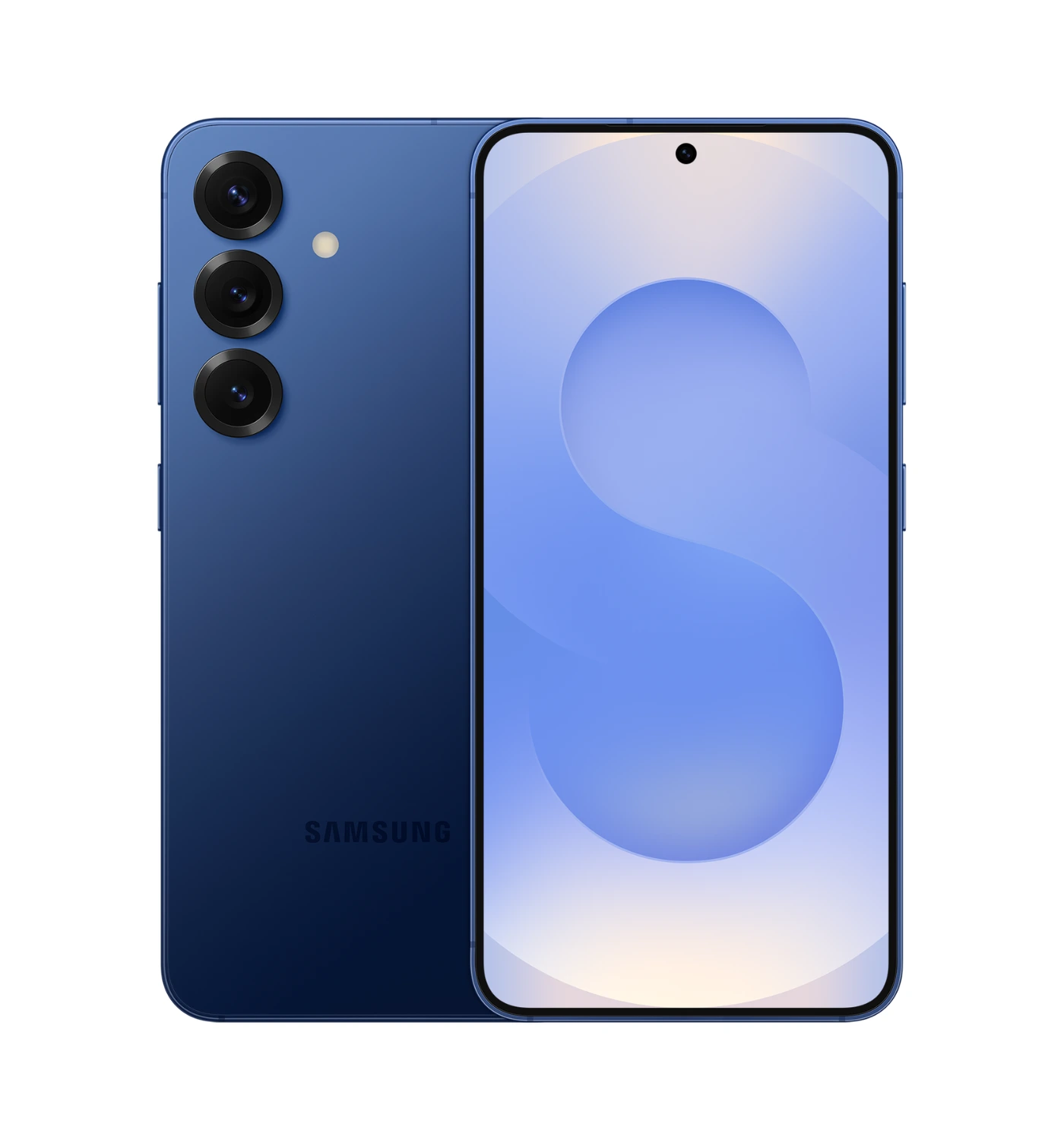
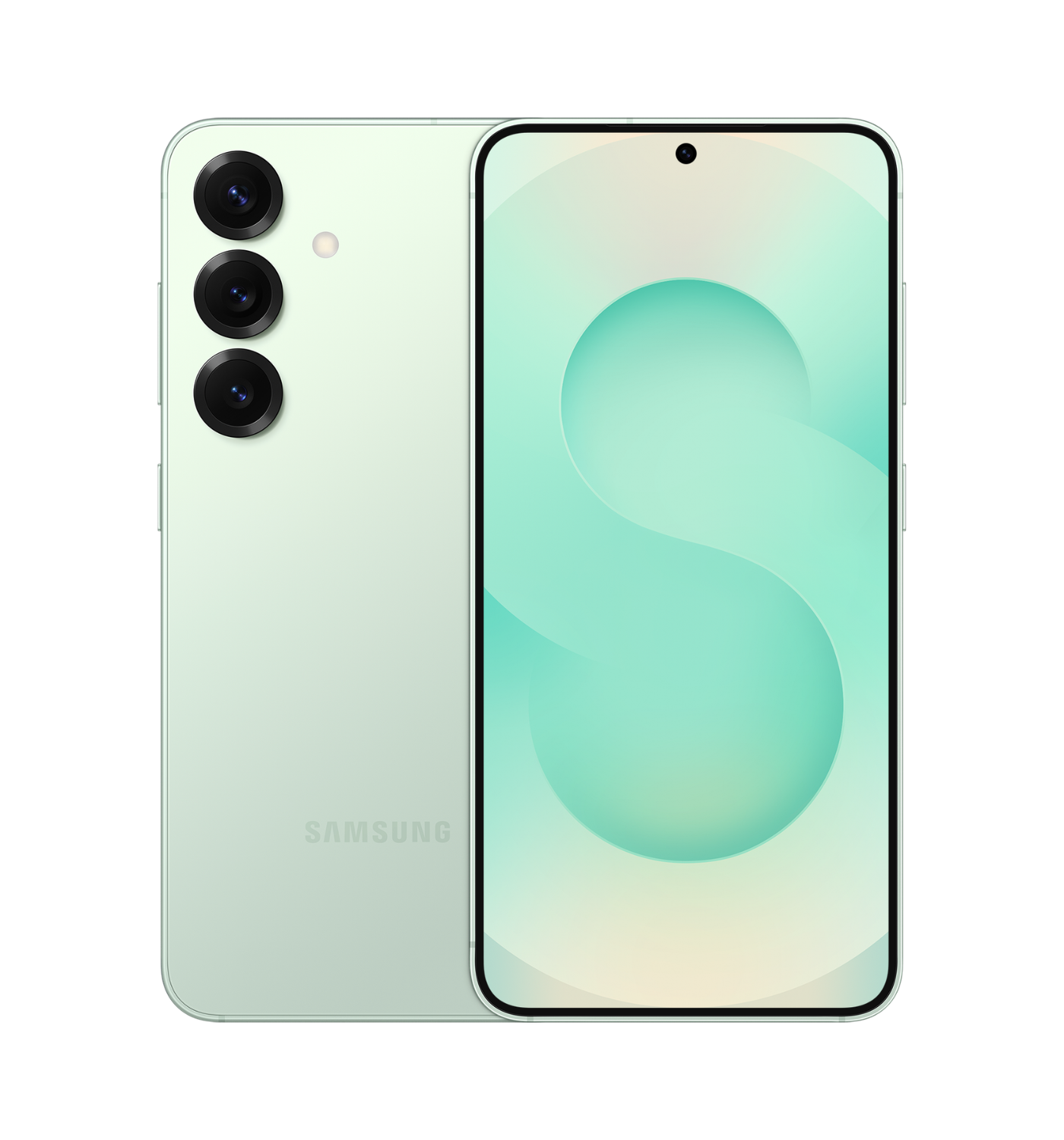
OTHER: Wi-Fi 7, Bluetooth 5.4, USB-Type C | Colors include Navy, Blue black, Icy blue, Silver shadow, Mint | Weighs 162 g (5.71 oz) | IP68 water and dust resistance
If you want a powerful phone that actually fits comfortably in your pocket, the Samsung Galaxy S25 is a total dream. It keeps things incredibly lightweight while giving you an impressively bright OLED display, lightning-fast phone performance and smooth scrolling speeds, and awesome camera system that takes perfect pictures every single time. Plus, Samsung gives you cool AI features and seven years of software updates, so this phone will stay relevant for a long time.
But it isn’t completely perfect. It looks and feels almost identical to last year’s model, so it doesn’t exactly feel brand new, and the slow charging speeds mean you will spend way too much time plugged into a wall.
In the end, the Samsung Galaxy S25 remains one of the most reliable, and powerful compact Android flagships to get, with a blend of a lightweight design, with good durability, a gorgeous display and top-tier performance. It’s an impressive compact package overall.
CAMERA: 200 MP wide + 10 MP telephoto with 3x optical zoom + 50 MP telephoto with 5x optical zoom + 50 MP ultra-wide, up to 8K videos at 30fps | 12 MP wide, up to 4K videos at 60fps
OTHER: Wi-Fi 7, Bluetooth 6.0, USB-Type C | Colors include Cobalt Violet, Sky Blue, Black, White | Weighs 214 g (7.55 oz) | IP68 water and dust resistance
The Samsung Galaxy S26 Ultra packs a serious punch and easily takes the crown as the ultimate tech smartphone. You will love the insane speed of its brand-new processor, and the upgraded main camera takes absolutely mind-blowing photos even when it’s pitch black outside. Samsung also added a super cool privacy screen that stops nosy neighbors from peeking at your phone, and it finally charges much faster than older models.
But sadly, it still has a couple of annoying quirks. Samsung switched the premium titanium frame back to regular aluminum this year, the battery doesn’t last any longer than before, and the incredibly high price tag will definitely make your wallet cry.
But if you can look past the minor quirks, the Samsung Galaxy S26 Ultra is one of the best smartphones to get right now. Thanks to the powerful features, it’s really made for those who want so much more than a powerful phone.
Here’s where each Samsung phone truly shines over the others in this lineup:
The Galaxy A17 5G beats the others on sheer economic value and battery endurance. It stretches your money the furthest while delivering a massive screen. Because its processor and screen use less power, its battery actually lasts longer than the more expensive Galaxy A57 5G and Galaxy S25, making it a champion for pure multi-day longevity on a budget.
The Galaxy A57 wins by offering premium physical durability without the flagship price tag. It gives you the same spacious 6.7-inch display size as the A17, but upgrades it with a buttery-smooth 120Hz refresh rate. Crucially, it beats the cheaper A17 with premium waterproof protection and a sleeker design, making it the most rugged and resilient option for everyday mishaps.
The Galaxy S25 wins the prize for premium portability. It’s the only device in the lineup designed specifically for one-handed comfort and small pockets, yet it refuses to compromise on performance. It completely outperforms both A-series phones with a blazing-fast flagship chip, advanced Galaxy AI tools, and a much sharper, pro-grade triple camera system.
The Galaxy S26 Ultra wins in almost every single performance category if budget isn’t a factor. It boasts the fastest chip, the most advanced 200MP camera for low-lit environments, and the fastest 60W charging speed. It also introduces an exclusive, high-tech ‘Privacy’ display that none of the other phones have, making it the ultimate tool for power users who want the absolute best tech available.
Lastly
So there you have: four of the most popular Samsung Galaxy phones of 2026 thus far. Choosing the right device can feel overwhelming, but you really can’t go wrong with any of these incredible great options. Do you want the elite performer, the mid-ranger or the budget model. The choice is really is yours.
Having done my part, now it’s your turn. If any one of these most popular Samsung Galaxy phones grab your attention, why not click on the red buttons to find out more about it, and to see which buying options are available for, before they sell out. Once that’s done, you can drop us a message down here below in the comments section to tell me which Samsung Galaxy phone you’re picking and why. I love reading your thoughts and will always reply to your comments or questions, so let us get the conversation started 😀
There was a time when buying a great smartphone meant choosing between an Apple logo or a Samsung crown — and handing over a king’s ransom for the privilege. That time is well and truly over. Xiaomi has spent the better part of a decade quietly, then not so quietly, dismantling that duo-poly one blockbuster handset at a time. In 2026, the Chinese tech giant isn’t just competing with the big names — in several key categories, it is flat-out beating them.
From the budget-defying, or photography-obsessed models, to near-flagship powerhouses, Xiaomi has assembled a great lineup that covers every type of buyer without compromise. Whether you’re a student stretching a tight budget, a content creator chasing the perfect shot, a mobile gamer hungry for raw power, or simply someone who refuses to settle for less — there’s a Xiaomi on this list with your name on it. This article takes a deep dive into four of the brand’s most popular Xiaomi phones right now, breaking down exactly what makes each one so compelling, and helping you figure out which deserves a place in your pocket.
The Quick List
Xiaomi 17T Pro
The All-rounder Near Flagship
★★★★⯪ 4.4Excellent
With more features such as wireless charging, together with powerful performance, a large battery, fast charging and impressive durability, the Xiaomi 17T Pro is the closer-to-flagship phone for who want a little more than standard.
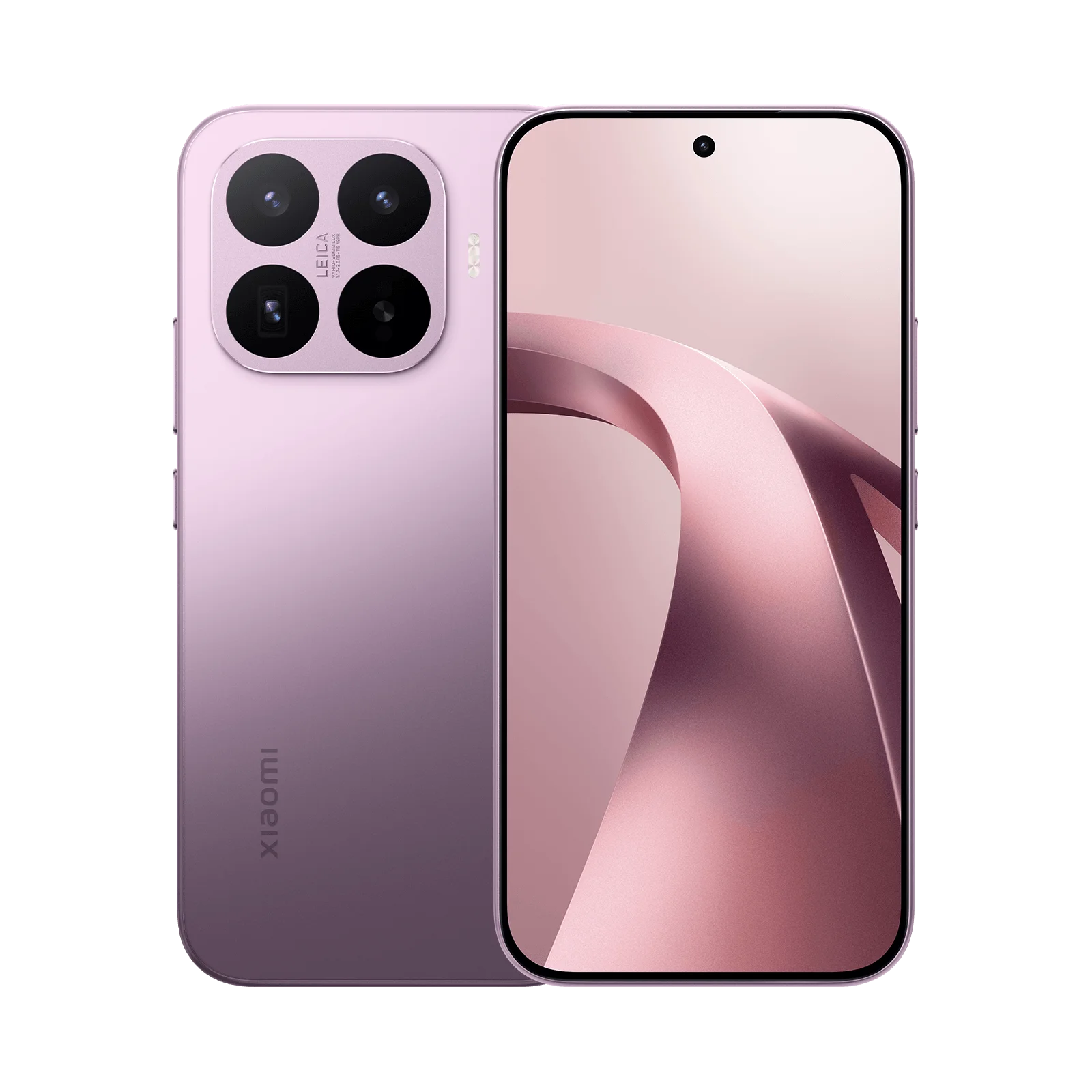
For those who love taking pictures and videos, the Xiaomi 17T has all the features you need, together with a large vivid display, snappy performance, and a long battery life. This is a must for standard photography enthusiasts.
With a solid performance, a vivid OLED screen, and an all-day battery life, this is a great value phone with good features available at a lower price. This entry-level Redmi Note 15 is best for those who appreciate the simple things a phone offers.
If gaming is more your thing, consider the Poco X8 Pro phone. It’s clear, vivid display, and stunning gaming performance makes this one a great pick for commuting gamers and power users.
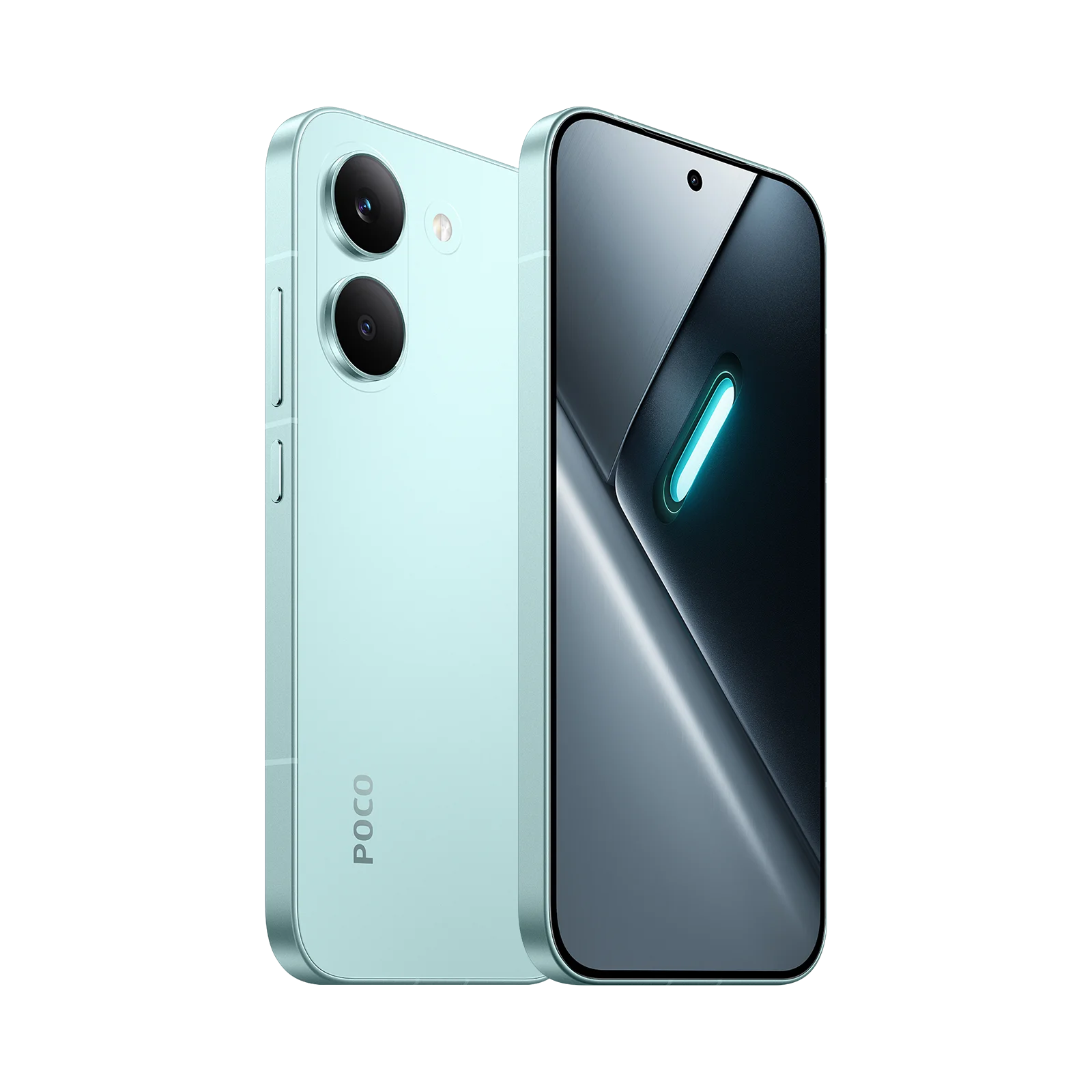
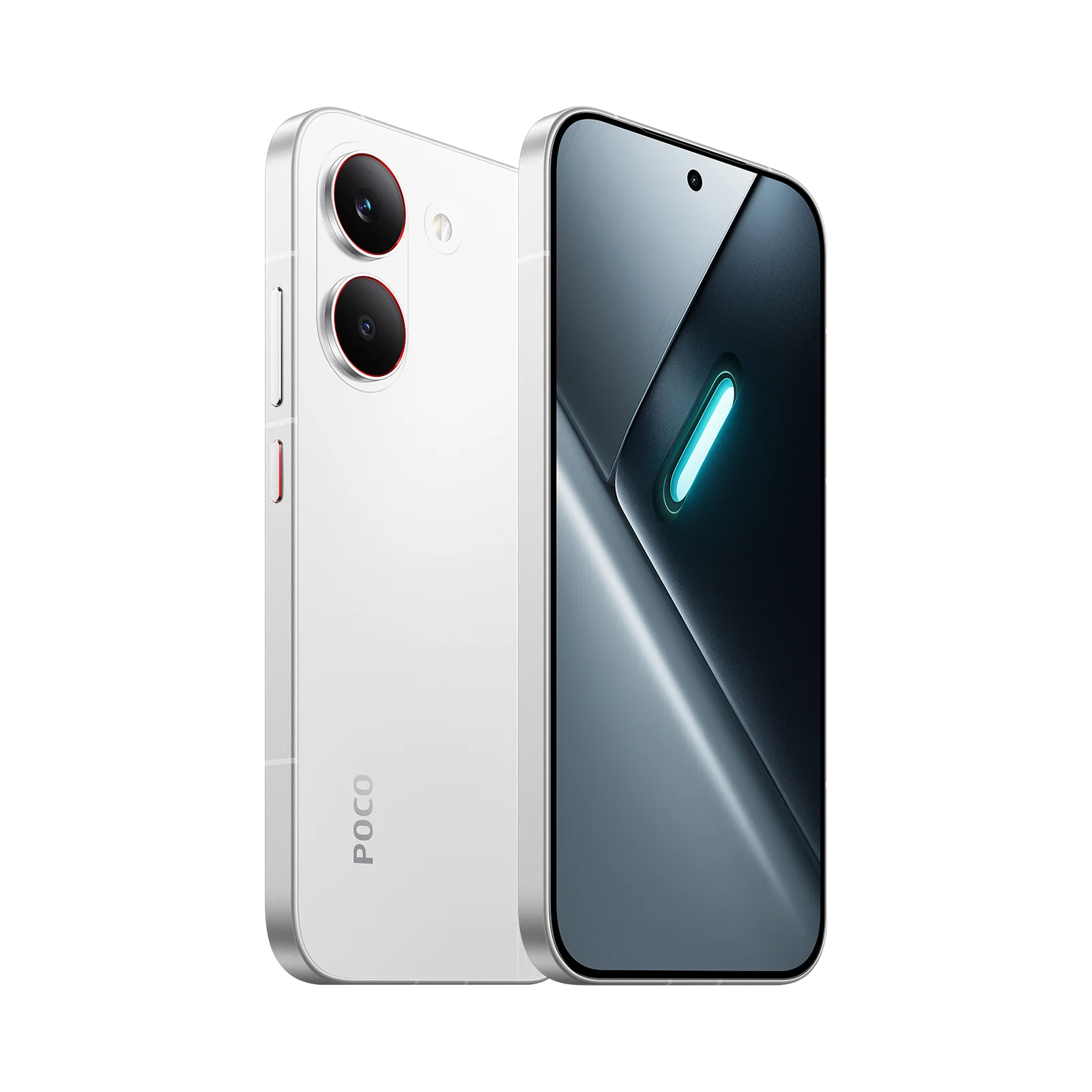
The Xiaomi Poco X8 Pro has firmly cemented itself as one of the most exciting smartphones of 2026, and it’s not hard to see why. The phone is the epitome of a flagship killer — delivering high-end specs at a bargain price, with a likable and durable body, an excellent OLED screen packed with perks and high brightness, capable cameras, amazing battery life, and impressive overall phone performance.
Under the hood, the X8 Pro is the first phone to feature the cutting-edge MediaTek Dimensity 8500 Ultra chip, boasting a more powerful processor and more graphics cores than its predecessor, making it an absolute powerhouse for everyday tasks and high frame-rate gaming alike. The display experience is equally compelling — the 120Hz AMOLED panel scores big points with its high peak brightness, and sharp resolution, making it hard to believe the price tag when you’re staring at it. Software-wise, the phone boots Android 16 with Xiaomi’s HyperOS 3, and Xiaomi is now promising longer software support with 5 major OS upgrades and 6 years of security patches — a serious value-add for longevity-conscious buyers.
“The phone is the epitome of a flagship killer”
It was really hard to find faults with anything about the Poco X8 Pro, and we say that it’s one of the easiest recommendations of 2026 so far — because there simply is no better phone at the same price. Whether you’re a gamer, a power user, or just someone who refuses to overpay for a premium experience, the Poco X8 Pro makes a devastatingly strong case for itself.
2. Redmi Note 15
★★★★☆ 3.9 Impressive
SPECS
DISPLAY: 6.77-inch AMOLED 120Hz 1080 x 2392p screen resolution
OTHER: IP66 dust tight and water resistant | Weighs 178 g (6.28 oz) | Wi-Fi 5, Bluetooth 5.3, USB Type-C | Black, Glacier Blue, and Mist Purple colors | Includes microSD slot
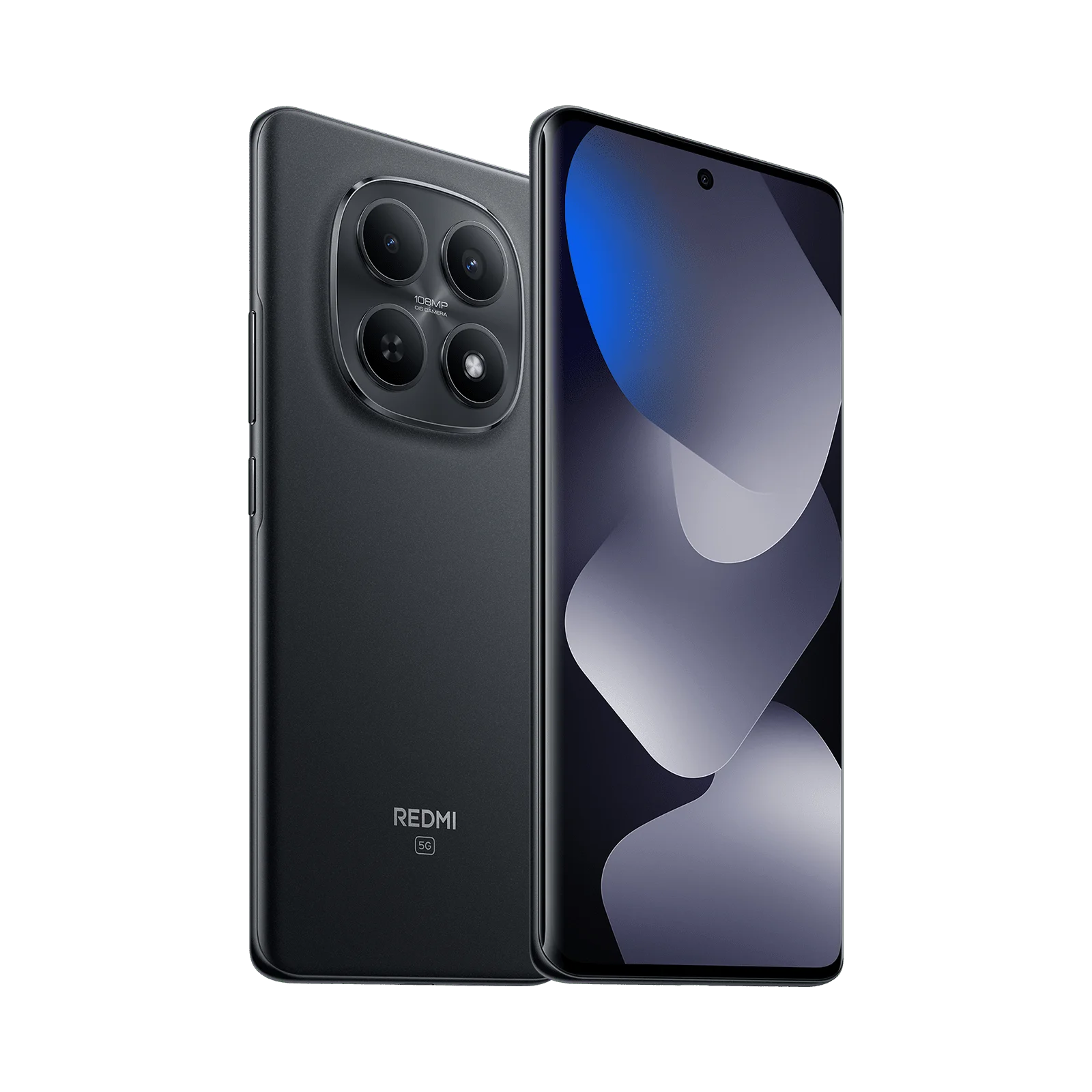
The Xiaomi Redmi Note 15 has swiftly become one of the most talked-about budget smartphones of 2026, and with good reason. The device steps boldly into the crowded budget smartphone arena, aiming to deliver a compelling balance of modern features, robust performance, and accessible pricing — boasting a large, vibrant display, an updated chipset for smooth operation, and a long-lasting battery, all while keeping 5G connectivity within reach of everyday consumers.
The design is a welcome refresh too — with its slim 7.35mm body and featherweight build, the phone sits so comfortably on the hand that you genuinely forget you’re holding it, making it a device you’ll naturally want to keep reaching for.
The display is a standout feature at this price point, with a bright and decently detailed OLED screen that is surprisingly sharp for the money, paired with a large 6.77-inch canvas that makes everything from streaming to scrolling a genuinely enjoyable experience.
“The Xiaomi Redmi Note 15 has swiftly become one of the most talked-about budget smartphones of 2026”
Battery life is another trump card — Xiaomi has leaned hard into durability and battery longevity with this series, still checking most of the boxes that define a modern premium mid-range phone while keeping the price firmly in budget territory.
The Redmi Note 15 is available in both 4G and 5G variants across global markets, offering storage options of 128GB and 256GB, making it a flexible choice for a wide range of buyers at different price points. While it may not be a performance powerhouse in the traditional sense, the Redmi Note 15 proves that you don’t need to spend a fortune to get a well-rounded, stylish, and capable daily driver in 2026.
3. Xiaomi 17T
★★★★☆ 4.2 Impressive
SPECS
DISPLAY: 6.59-inch AMOLED 120Hz 1268 x 2756p screen resolution
Solid build with great durability and solid glass protection
Good stereo speakers
CONS
Build material doesn’t feel premium
Average selfie camera
Expensive
The Xiaomi 17T has arrived as one of the most compelling near-flagship smartphones of 2026, turning heads for all the right reasons. The phone sports a mix of pleasant, polished, and brushed surfaces that give it an almost pearlescent quality when the rear catches the light — the kind of design language you’d usually associate with a premium timepiece rather than a mid-range handset.
But it’s the camera system that truly sets the 17T apart from the crowd. That 5x telephoto camera is doing a lot of heavy lifting, and it’s a genuinely unique feature that the chief players in this price range simply can’t match — making it the phone of choice for anyone who puts photography above all else. Leica-tuned optics and improved 5x telephoto zoom capabilities round out a versatile imaging suite that punches well above the 17T’s price bracket.
“The Xiaomi 17T has arrived as one of the most compelling near-flagship smartphones of 2026”
Under the hood, the 17T pairs a sharp 120Hz display and strong battery life with a competitive feature set, earning strong praise from reviewers who consider it a better value than the Pro version for keeping many of the same key features at a lower cost. On the software side, the phone runs Xiaomi’s HyperOS on top of Android, and the meaningful upgrade over its predecessor extends to improved camera hardware, stronger battery life, and more stylish colour choices — a well-rounded refresh that makes a persuasive case at its price point.
Whether you’re a photography enthusiast, a style-conscious buyer, or simply someone who wants near-flagship DNA without the flagship price tag, the Xiaomi 17T makes a confident and capable statement in 2026.
4. Xiaomi 17T Pro
★★★★⯪ 4.4 Excellent
SPECS
DISPLAY: 6.83-inch ultra-bright AMOLED 144Hz 1280 x 2772p screen resolution
CPU: Mediatek Dimensity 9500
MEMORY: 12GB RAM
STORAGE: 256GB / 512GB /1TB
OS: Android 16, HyperOS 3
BATTERY: 7000mAh | Supports 100W wired fast charging
CAMERA: 50 MP wide + 50 MP telephoto with 5x optical zoom + 13 MP ultrawide, creates 8K videos at 30fps | 32 MP wide selfie, creates 4K videos at 30fps | Features Leica lens
OTHER: IP68 dust tight and water resistant | Weighs 219 g (7.72 oz) | Wi-Fi 7, Bluetooth 6.0, USB Type-C | Black, Deep Blue, and Deep Violet colors
The Xiaomi 17T Pro has firmly planted itself among the most desirable smartphones of 2026, and it’s not hard to understand the buzz surrounding it. Xiaomi is calling the 17T series the “Telephoto Master,” and that branding absolutely makes sense — the Leica 5x telephoto lens is now a feature across all devices in the lineup rather than something reserved exclusively for the most expensive model, a shift that genuinely matters and signals how much this T series has evolved.
The hardware muscle backing it all up is equally formidable. Powered by the MediaTek Dimensity 9500 chipset built on a 3nm process, the 17T Pro delivers outstanding speed, flagship-level gaming, and efficient battery management, all wrapped in HyperOS 3 based on Android 16 for smoother animations, smarter AI features, and improved power optimization.
Then there’s the battery — an absolute showstopper. The 7,000mAh silicon-carbon unit supports 100W wired, 50W wireless, and 22.5W reverse wired charging, with Xiaomi quoting 1.88 days of heavy use — and that claim holds up in real-world testing.
“The Xiaomi 17T Pro has firmly planted itself among the most desirable smartphones of 2026”
The display experience is equally premium, with a stunning 6.83-inch AMOLED panel running at a silky 144Hz refresh rate with ultra-slim bezels, making everything from gaming to casual scrolling feel fluid and genuinely flagship-grade.
In the hand, the 17T Pro feels like a true flagship — high-strength aluminium frame, micro-curved edges, a refined brushed finish, and a lower-profile camera module that bucks the trend of outrageously chunky bumps, all available in Deep Blue and Deep Violet finishes with a properly premium metallic sheen. Simply put, the Xiaomi 15T Pro was already one of the best sub-flagship phones around, and the 17T Pro is even better — a polished, powerful, and photography-obsessed package that demands serious attention in 2026.
Summary
Features
Poco X8 Pro
Redmi Note 15
Xiaomi 17T
Xiaomi 17T Pro
Display
6.67″ AMOLED 120Hz
6.77″ AMOLED 120Hz
6.59″ AMOLED 120Hz
6.83″ AMOLED 144Hz
Battery
6500 mAh
5520 mAh
6500 mAh
7000 mAh
Battery Life
±17hrs
±14hrs
±17hrs
±21hrs
Best for
Gaming & power users on a budget
First-time buyers & moderate users
Photography enthusiasts
All-round near-flagship experience
Main Camera
Dual 50 MP
Dual 108 MP
Triple 50 MP Lieca lens
Triple 50 MP Lieca lens
CPU
MediaTek Dimensity 8500 Ultra (4nm)
Snapdragon 6 Gen 3 (4nm)
MediaTek Dimensity 8500 Ultra (4nm)
MediaTek Dimensity 9500 Ultra (3nm)
Rating
4.2
3.9
4.2
4.4
Let’s summarize everything we have learnt and compare this collection of the most popular Xiaomi phones:
The Poco X8 Pro is the undisputed value champion — packing gaming-grade performance and a stunning AMOLED screen at a price that makes rivals blush, though it sacrifices telephoto zoom and wireless charging to get there.
The Redmi Note 15 sits at the entry level, making it ideal for first-time smartphone buyers or anyone who just needs a reliable daily driver with a large vivid screen and solid battery life — but its modest chipset and slower charging show where the corners were cut.
The Xiaomi 17T is the photographer’s pick of the mid-range bunch, with its rare 5x Leica periscope telephoto lens setting it apart from everything at a similar price point — a genuinely unique selling point that the competition simply can’t match.
The Xiaomi 17T Pro is the crown jewel of the lineup — the only device in the group to offer wireless charging, the most powerful 3nm chipset, the biggest 7,000mAh battery, the fastest 100W wired charging, and a full IP68 rating. If budget is no object and you want the closest thing to a true flagship without paying flagship prices, this is your phone.
Closing
In the end, choosing a new smartphone can feel a bit overwhelming with so many options out there, but you really can’t go wrong with these popular Xiaomi phones. They prove that you don’t need to empty your wallet (that much!), just to get a beautiful screen, a great set of cameras, and a battery that actually lasts all day. And to be honest, it’s pretty amazing how much tech you can get for your money these days.
If you’re ready to upgrade to a better smartphone, consider these Xiaomi phones presented here before looking at even Apple iPhones or the Samsung Galaxy models. I would say, either consider the Poco X8 Pro or the Xiaomi 17T Pro. I recommend these them as they are two of the best overall in the list.
So which one are you thinking about picking up? Let me know in the comments below. And if you’re made a choice or just need a bit more convincing, then click on the red buttons to find out more. Happy shopping 😀