

Razer Blade 18
Pros
- Impressive performance
- Large but solid build
- Dual-mode display is versatile
- Lots of input ports
- User-friendly upgrade hardware options
- Brighter display
Cons
- Very expensive
- Quite heavy
- Decent but low battery life
- Good thermal management yet still hot
- No changes to the design
Razer Blade 18 Review
Razer Blade 18
“…if you’re looking for a large gaming laptop with top-rated hardware, a bright vibrant display and comes with plenty of input ports, the Razer Blade 18 is definitely your pick.”
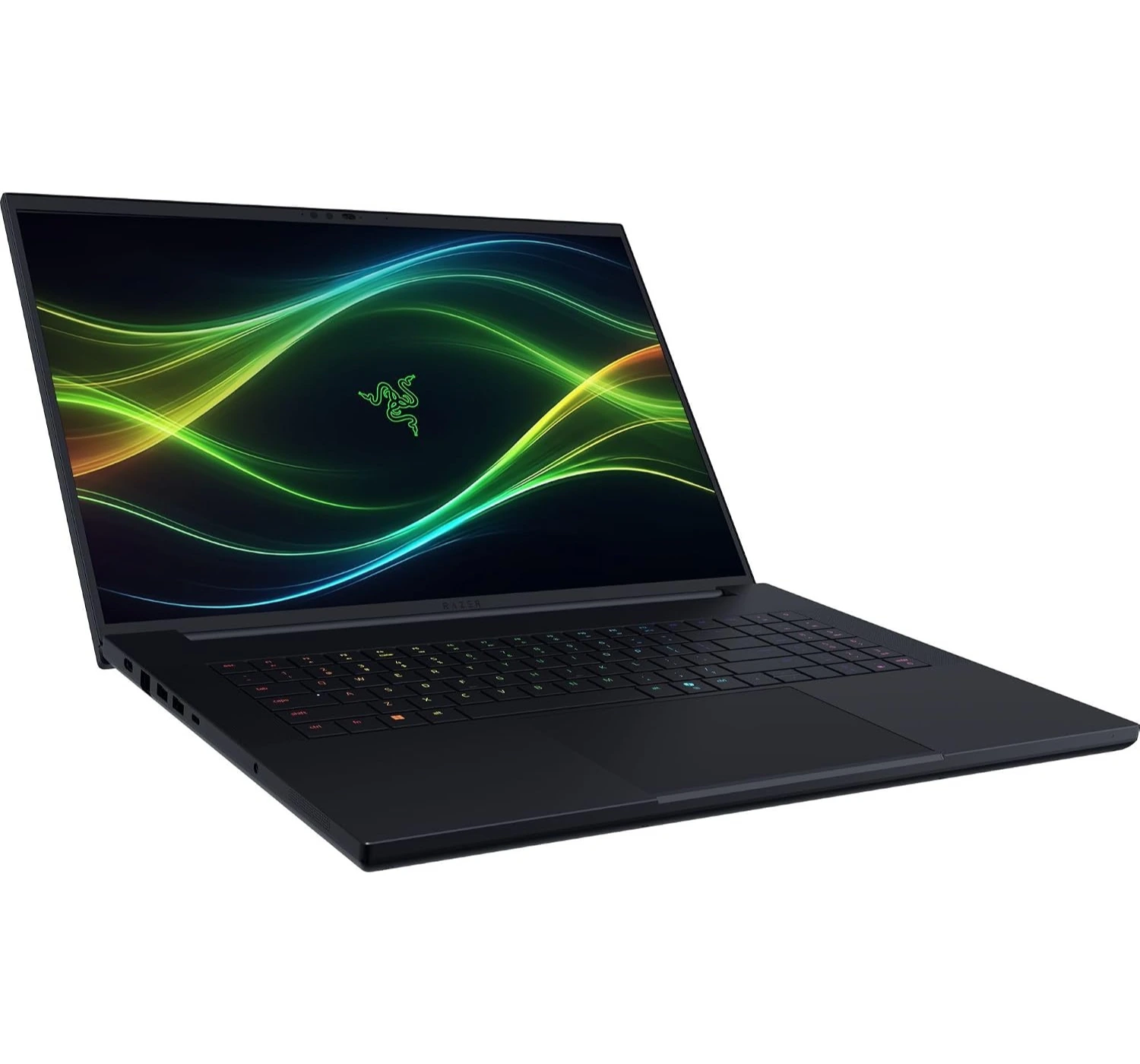
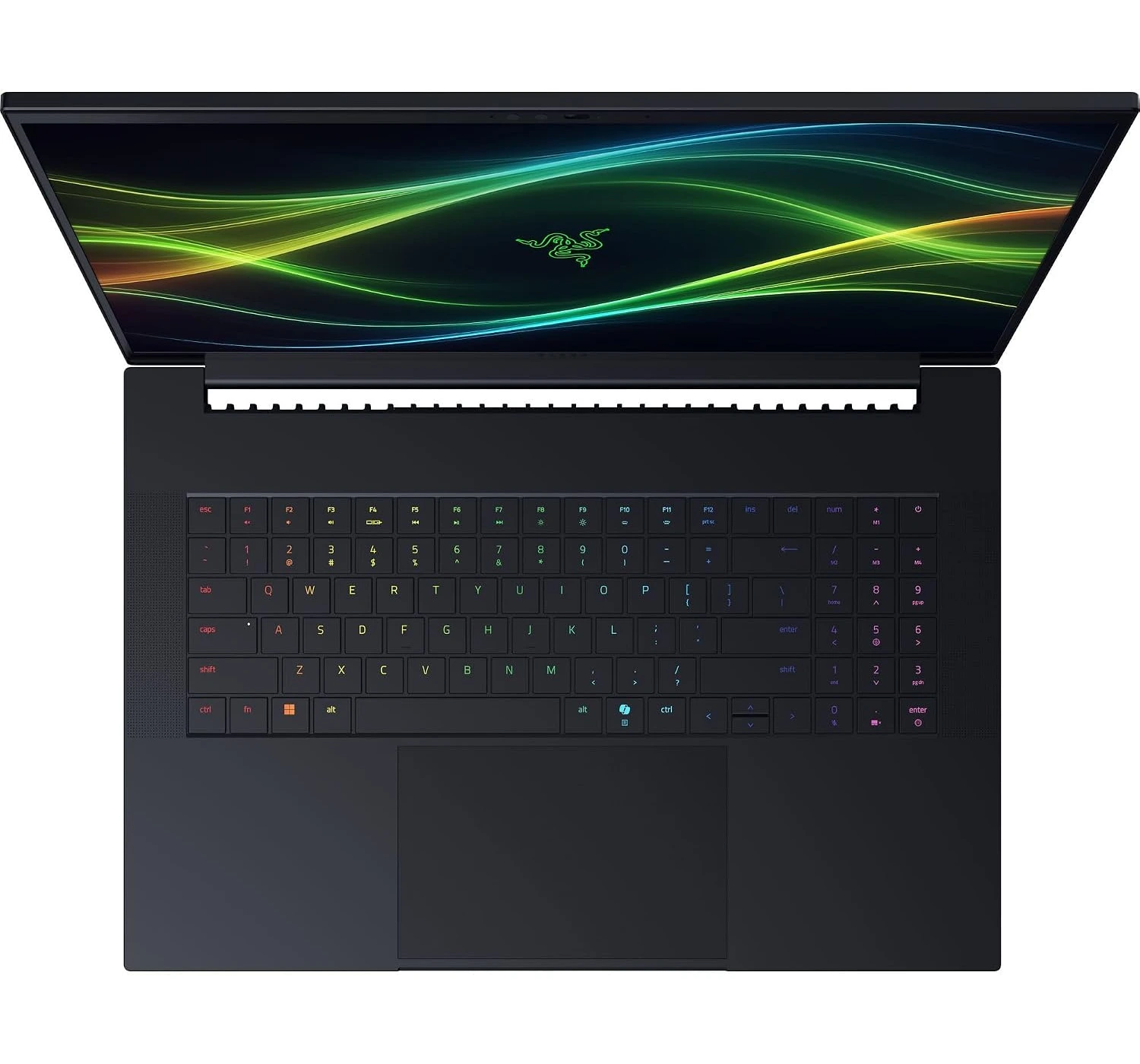
If you’re a pro gamer that likes using powerful gaming laptops, then let me introduce you to the new Razer Blade 18 gaming laptop. It’s one of the few gaming laptops released from Razer this year, and it’s packed with the best hardware and features ready to boost your productivity and of course gaming. As tough as the gaming market is for these gaming laptops, and other top-tier gaming devices, is it going to compete with the best of the best thus far? Let’s check out the Razer Blade 18 review and see if it really is worth the buy.
Overview
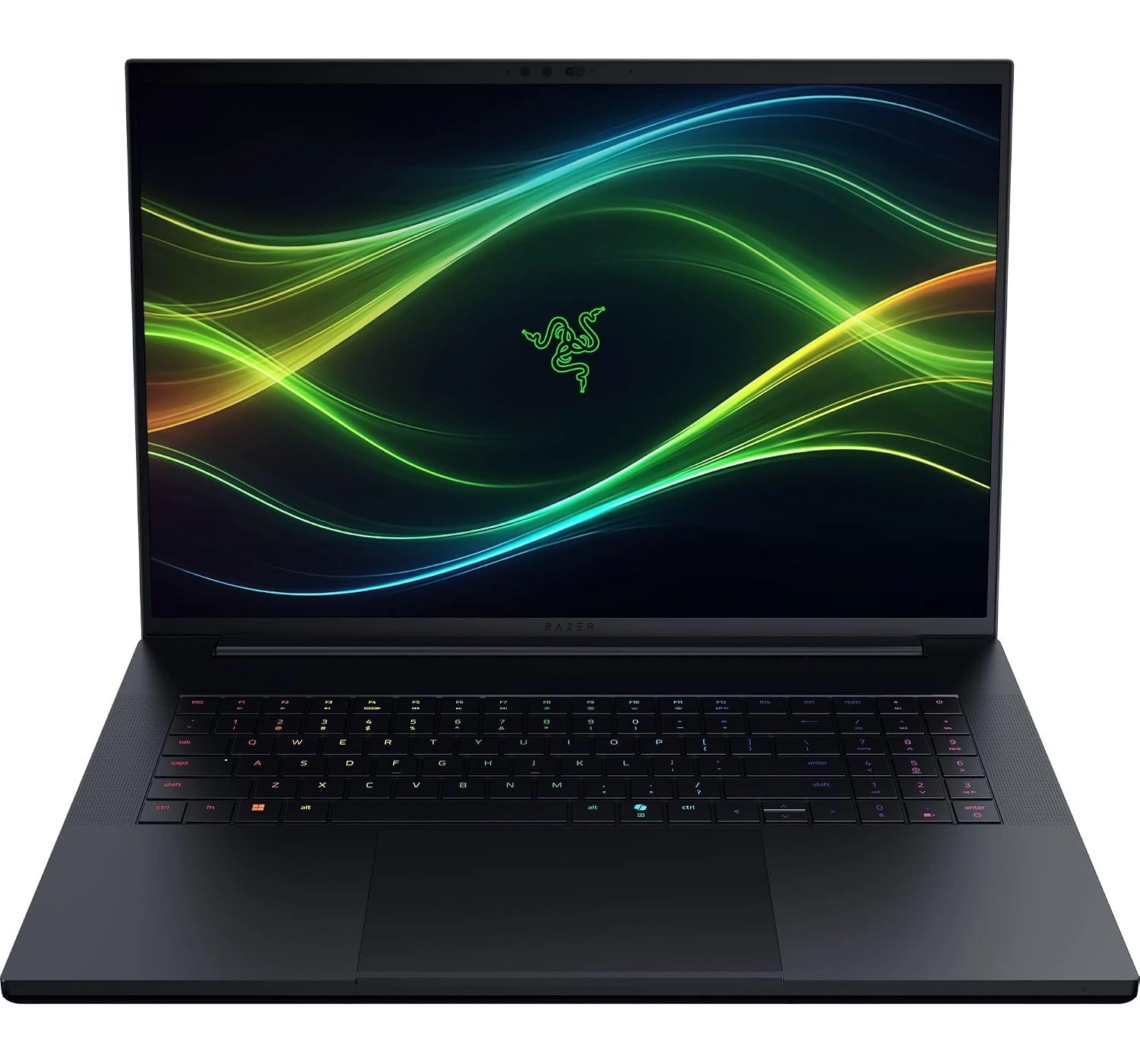
The Razer Blade 18 (2026) is an absolute monster of a laptop that brings desktop-grade power into a sleek, premium frame. It packs elite hardware, including the latest Intel Core Ultra 9 processor and NVIDIA’s fierce GeForce RTX 50-series graphics, making it easily handle the heaviest games and intensive AI tasks without breaking a sweat.
The standout feature is its massive, extra-bright 18-inch “dual-mode” screen, which lets you instantly switch between a super-sharp 4K mode for beautiful cinematic visuals and a blistering 440Hz mode for fast-paced competitive gaming. While it’s incredibly thin for a giant laptop, it’s still heavy to carry around, runs hot when pushed hard, and demands a massive price tag that sits well into the premium tier. It is a gorgeous, top-of-the-line gaming machine built for gamers who want the best of the best and have the cash to spend.
Specs
The Best Features
The Razer Blade 18 (2026) stands out as a true replacement for a desktop PC, packing some of the most impressive technology available into a single gaming machine.
1) Impressive Overall Performance
First the performance. The Razer Blade 18 gaming laptop is an absolute beast in both normal productivity use and in gaming. Compared to other top-tier gaming laptops, the Blade 18 manages to stay in par reaching similar single-core and multi-core benchmark scores.
This means that the Intel Core Ultra 9-series processor and NVIDIA’s flagship GeForce RTX 50-series graphics GPU included, are easily making the Blade 18 a strong competitor. It’s literally crushes demanding PC games, heavy 4K video editing, and complex AI tasks impressively without any slow down or lag.
2) Impressive Dual-Mode Display & Design
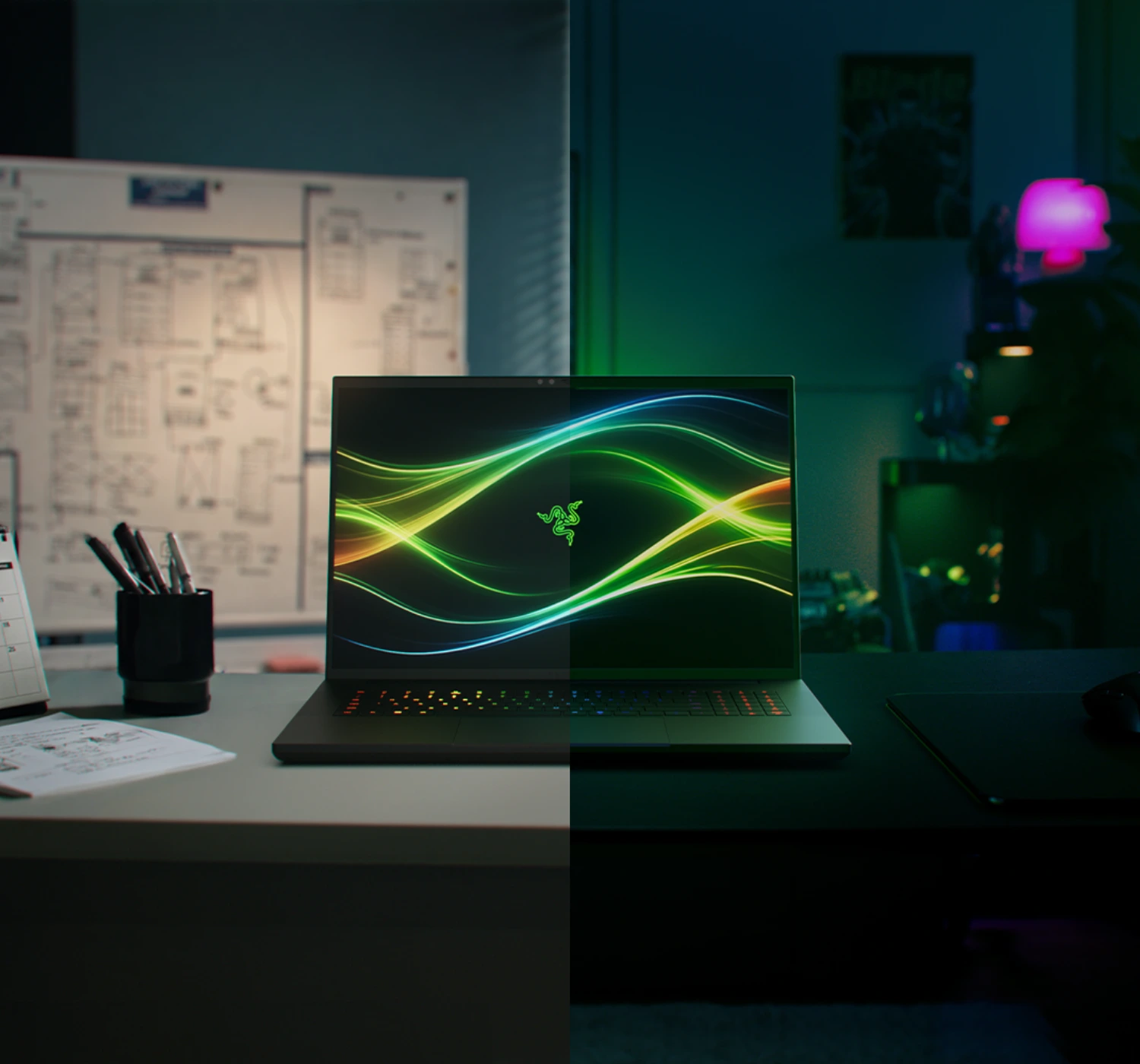
Next. The screen is a massive, bright 18-inch panel that features a special “dual-mode” technology. This allows you to switch between a razor-sharp 4K resolution at 240Hz for creative work and a lightning-fast Full HD mode at 440Hz for competitive gaming where every split second counts.
This is a great feature cause it lets switch between quality mode for those who dive into content creation or other creative work, or performance mode for gamers who appreciate fast-paced but smooth gaming. No OLED display for this one though, which the smaller newer Blade 16 (2026) has.
Thirdly, true to the brand’s style, this gaming laptop is built from a single block of high-grade aluminum, giving it a strong, sleek unibody chassis. Despite its giant size, it stays remarkably slim, making it look incredibly clean with a premium finish.
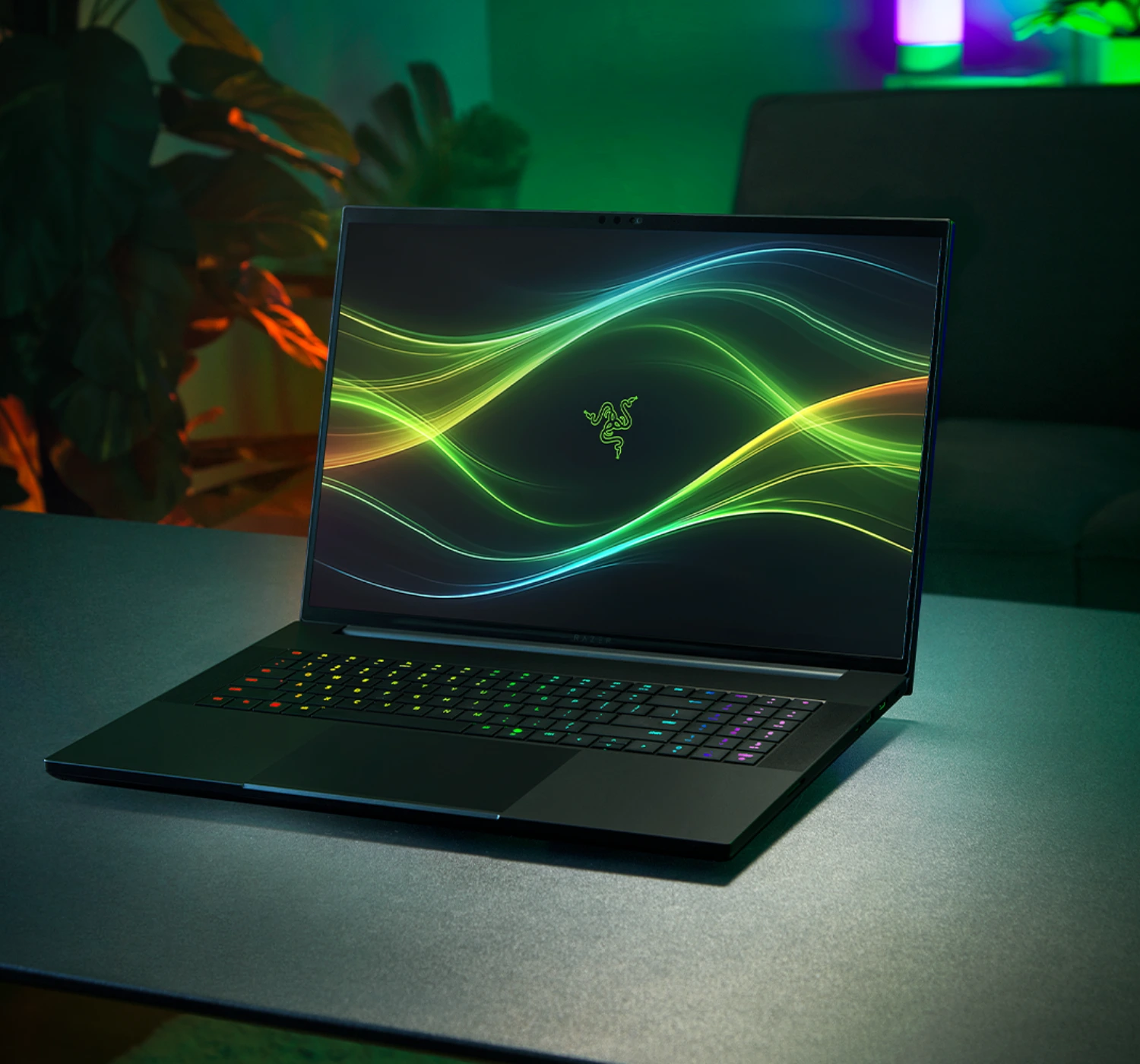
What I like about the design, even though it doesn’t really change from one model to the other, is that it still looks awesome. The black aluminum finish, the multi-colored RGB backlit keyboard, and the green ‘Razer’ logo on the screen cover, just completes the impressive design, which in some way never gets old.
3) Decent Battery Life
For an enormous gaming laptop with desktop parts, the battery life is surprisingly decent for basic daily tasks. On moderate use, you can get up to a good 6 hours of battery life, provided you’re not gaming.
However, when you start playing PC games that are hardware demanding on battery, the power drains pretty quickly, meaning you’ll want to keep it close or plug into a power outlet. What I appreciate here is that the battery life’s longer than the older Blade 18 of 2025, which lasts about 5 hours.
4) Ability to Upgrade
The new Blade 18 is very user-friendly if you want to add more storage space or increase memory at a later stage. It features two accessible internal SSD slots that let you expand your storage. You can also upgrade the RAM to improve performance, and also the battery which is more of a challenge. If you’ve got experience in upgrading hardware on laptops, then this put you on an advantage.
5) Other features
The Blade 18 has other good features you’ll appreciate. Firstly, the gaming laptop sounds fantastic thanks to a built-in six-speaker sound system that includes dedicated subwoofers for extra punch. Powered by THX Spatial Audio, it creates loud, clear, and immersive surround sound that makes games and movies feel alive.
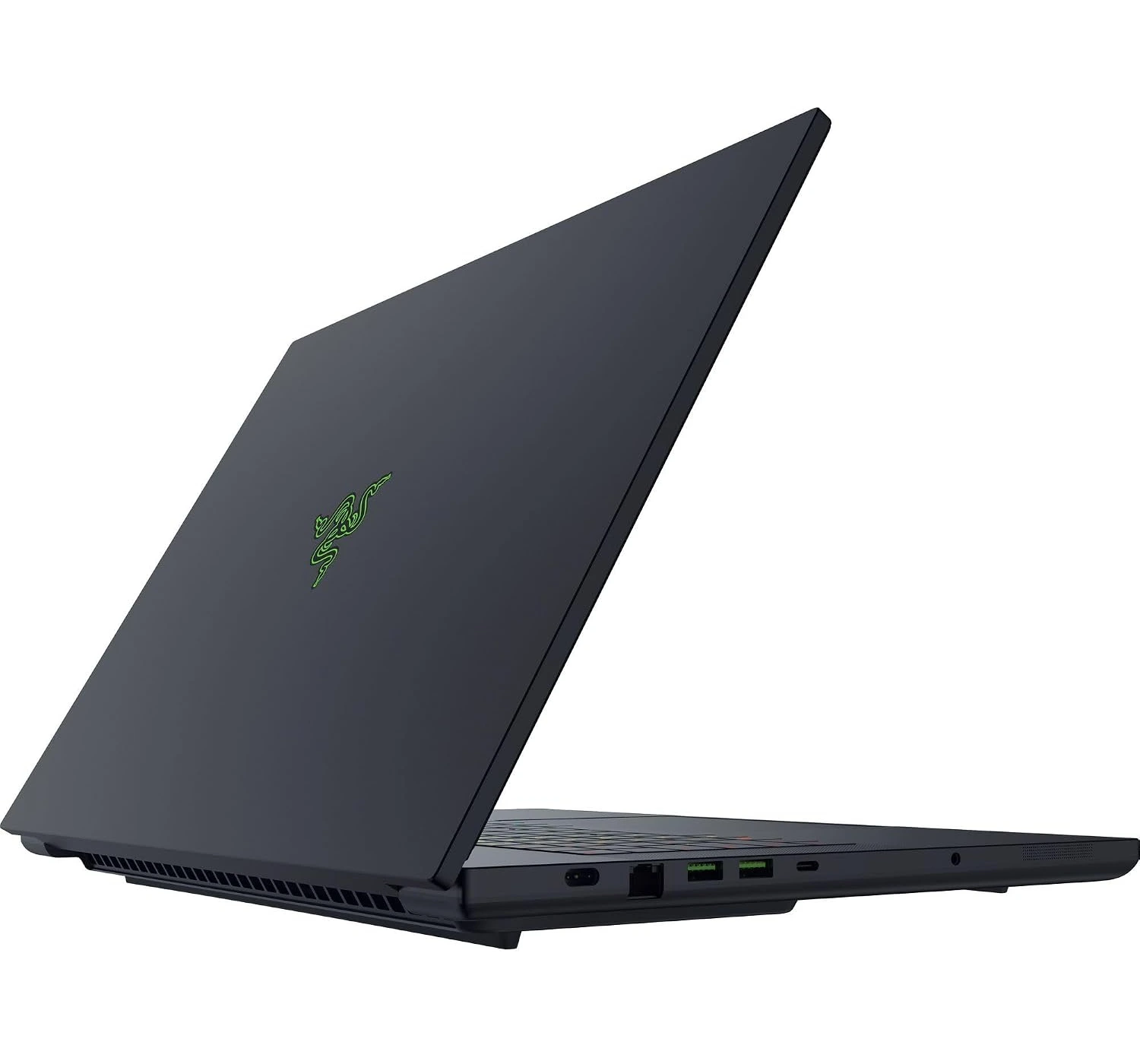
Next is the 5-megapixel webcam that comes with a privacy shutter which works surprisingly well producing excellent color accuracy. However, it’s not the best as it does produce grainy videos and images. There’s also plenty of input ports, even an Ethernet slot and a microSD card slot. What more can you ask for, really.
The Deal Breakers
While the Blade 18 is incredibly powerful, it has a few notable downsides.
First and foremost (and this is the most obvious), is the jaw-dropping price tag. One thing gaming laptops are good at is the high price you need to pay, making it far too expensive for most normal gamers.
Because it hides so much heavy-duty desktop hardware inside a very slim frame, the Blade 18 gaming laptop runs quite hot under pressure and the internal cooling fans can get very loud.
Since this is an 18-incher (even though it’s technically portable), weighing over 7 pounds (3 kg) means it’s a massive, heavy chunk of metal to carry around in your backpack. Additionally, while its special dual-mode screen sounds cool, actually switching between the 4K and 440Hz settings requires a clunky software process and a full computer restart.
Finally, despite the extreme price, Razer curiously leaves out the fastest PCIe Gen 5 storage drives out of the box, and the battery drains very fast if you try to game without being plugged into a wall.
The Alternatives
If the Razer Blade 18 is not your ideal gaming laptop cause of the deal breakers, or your budget’s too low, then consider these alternative gaming laptops before you rule out the idea.
★★★★☆ 4.0 Good
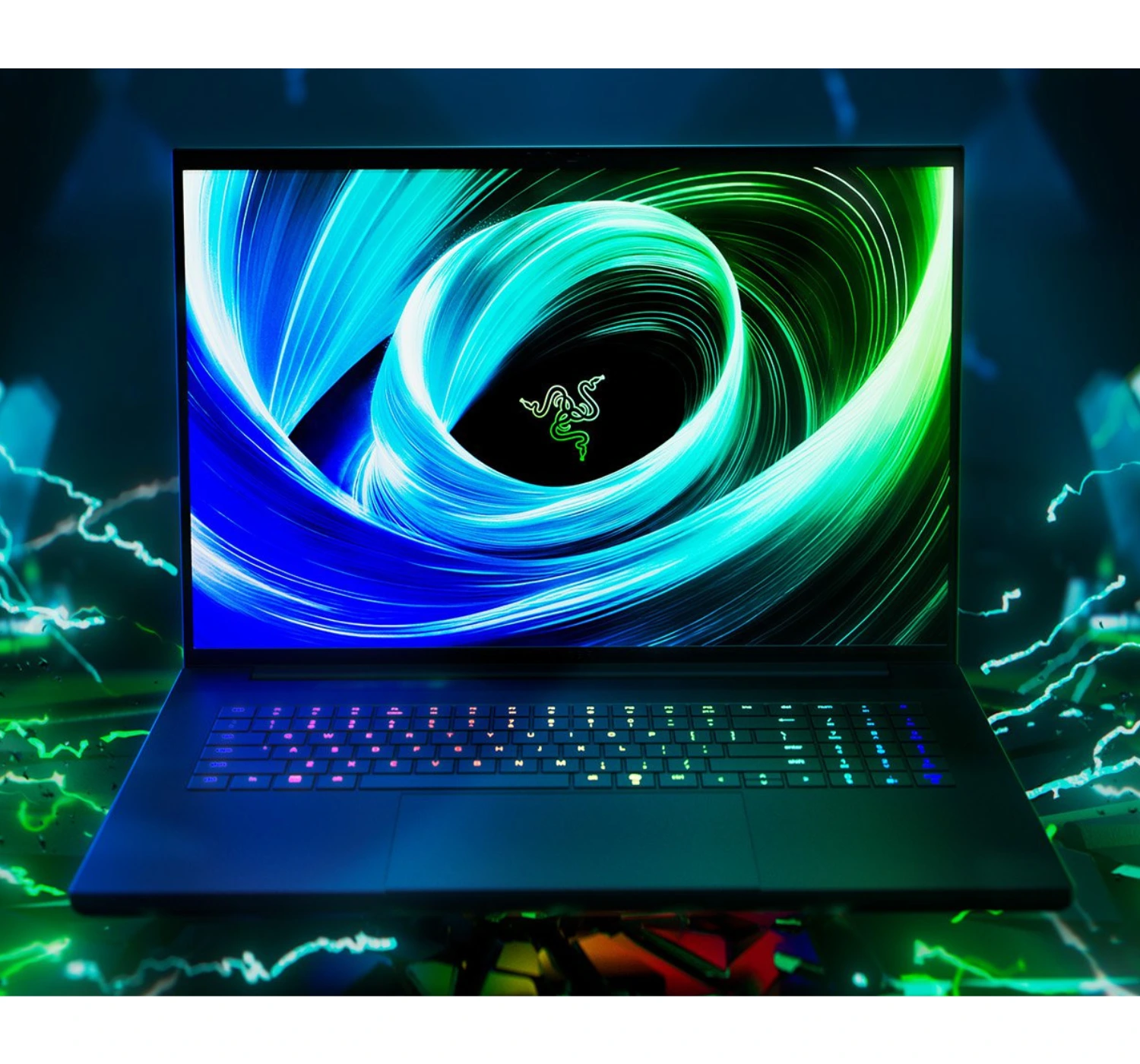
The Razer Blade 18 (2025) is the better alternative than the newer 2026 model primarily because it offers almost the exact same high-end premium features—like the aluminum build, a 5MP IR webcam, and spatial audio—but at a lower, reasonable price now that it’s a generation older. It also features the same top-tier NVIDIA GeForce RTX 50-series graphics, meaning your PC games will still run incredibly fast. However, the 2025 model comes with compromises. The 2026 version includes a faster Intel Core Ultra 9 processor, which provides much better performance for advanced artificial intelligence (AI) tasks and data heavy workloads. Additionally, the 2026 model features an improved “dual-mode” display that gets up to 20% brighter than the 2025 screen, fixing one of the older version’s small weaknesses when playing games in brightly lit rooms.1. Razer Blade 18 (2025)
★★★★⯪ 4.5 Impressive
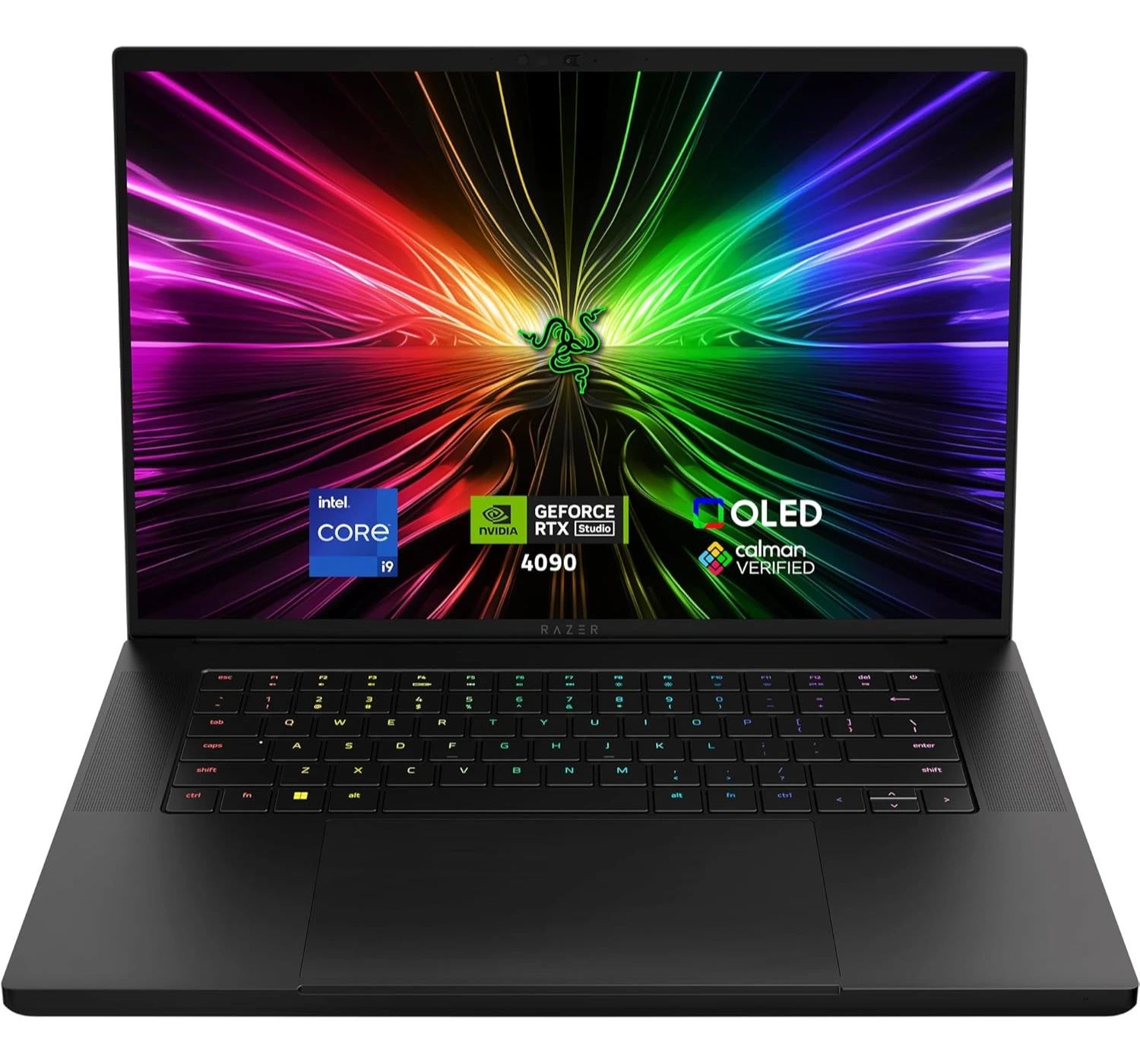
The Razer Blade 16 (2026) is a better choice than its larger brother if your main priorities are portability, screen technology, and battery efficiency. At just 14.9 mm thin and under 5 pounds (2.3 kg), the Blade 16 is much lighter and easier to carry with a backpack than the massive Blade 18. It also features a gorgeous QHD+ OLED display that delivers incredibly vibrant colors and perfect contrast, which many gamers prefer over the standard IPS screen technology on the larger model. Furthermore, thanks to its specialized Intel Core Ultra 9 processor, the Blade 16 offers massive battery efficiency improvements, lasting up to 13 hours on a charge for basic daily tasks. On the flip side, the Blade 16’s smaller frame cannot hold the more powerful Intel Core Ultra 9 processor found in the Blade 18, meaning it loses out on raw, desktop-level processing speeds and localized AI workloads. The Blade 16 also lacks the Blade 18’s unique dual-mode screen feature that lets you physically swap to a blazing-fast 440Hz gaming mode, features a lower-resolution 1080p webcam compared to the 18’s crisp 5MP camera, and misses out on a built-in Ethernet port for wired internet connections. 2. Razer Blade 16 (2026)
★★★★☆ 4.0 Good
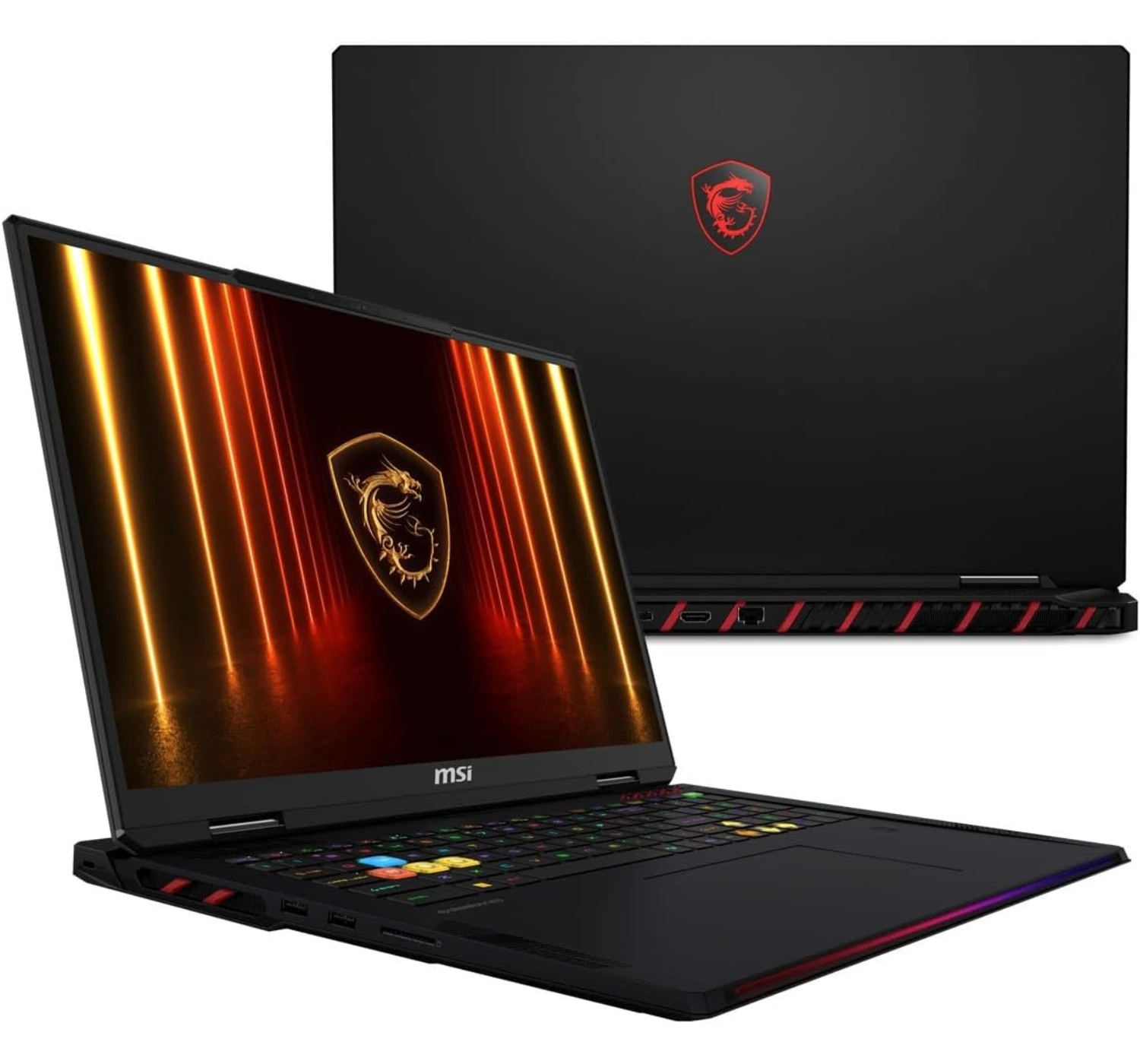
The MSI Raider 18 HX is a better choice than the Razer Blade 18 (2026) if you want bleeding-edge storage speeds, a highly comfortable keyboard, and an intensely bright display panel. The MSI takes the crown for data performance because its internal motherboard supports lightning-fast PCIe Gen 5 SSD speeds, letting you load huge game files and heavy software projects much faster than on the Razer. It also features a built-in full-sized keyboard with a dedicated number pad and bouncy, satisfying key travel that’s far more comfortable for long typing or gaming sessions. Furthermore, the MSI utilizes a stunning 18-inch 4K Mini-LED display panel that can pump out a blinding 1,000 nits of peak brightness, giving you eye-popping HDR visual quality that stands up even in rooms flooded with direct sunlight. On the flip side, the MSI Raider looks and feels much less premium, is not as portable, and loses out on competitive screen speed. While the Razer is carved out of a single piece of sleek aluminum, the MSI’s lower body is built mostly out of plastic, which can feel surprisingly cheap for a laptop that costs thousands. It’s also a massive, thick behemoth that weighs nearly 8 pounds (3.6 kg), making it noticeably heavier and clumsier to pack into a bag than the razor-thin Blade 18. Finally, the MSI’s display is capped at a slower 120Hz refresh rate, meaning it completely lacks Razer’s unique dual-mode ability. 3. MSI Raider 18 HX
★★★★☆ 4.0 Good
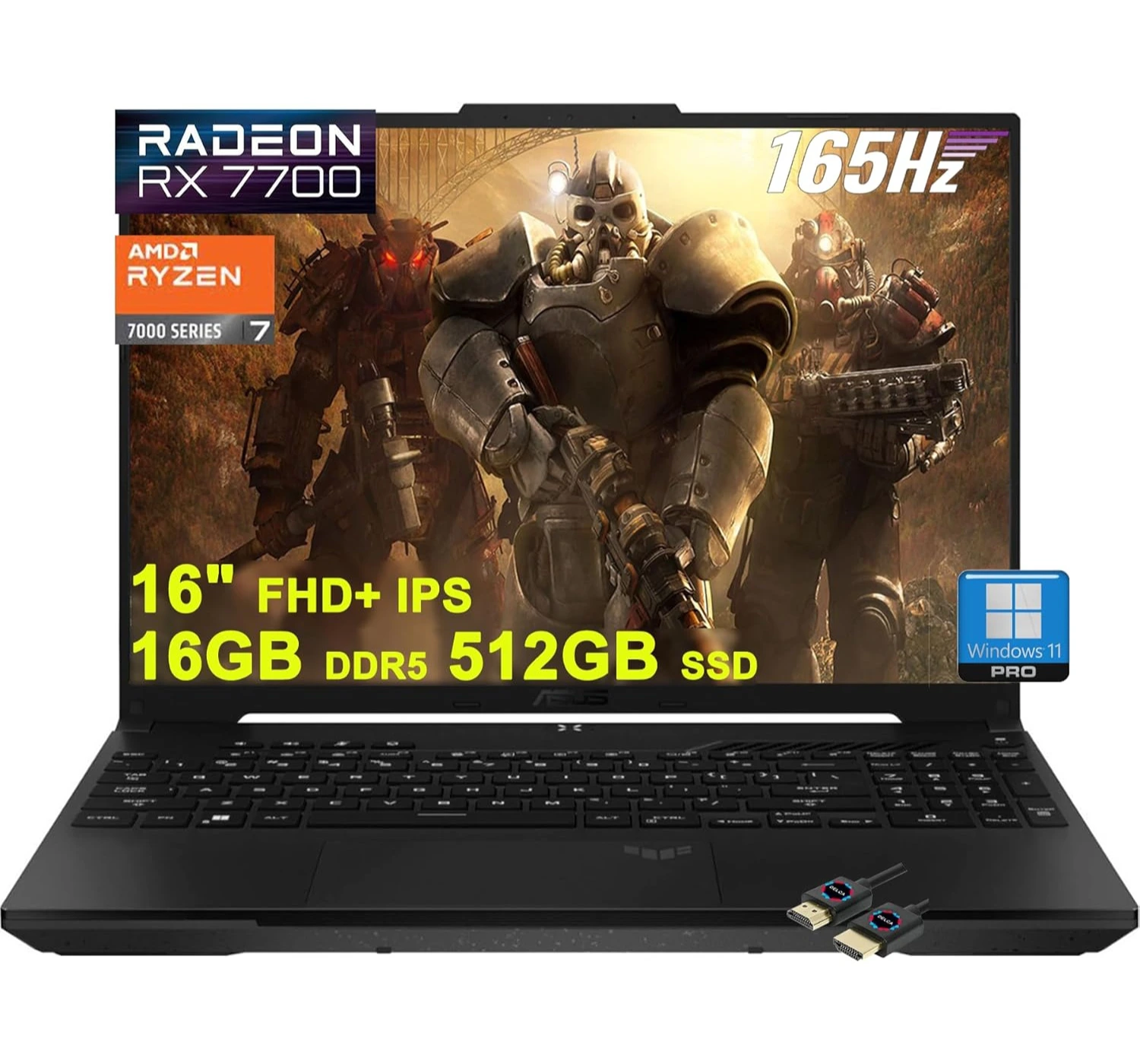
The ASUS TUF Gaming A16 is a much better choice than the Razer Blade 18 (2026) if you’re shopping on a realistic budget and want a machine that is easy to travel with. While the Razer costs a fortune, the TUF A16 gives you fantastic, mid-tier gaming hardware—like AMD Ryzen processors and NVIDIA RTX 50-series graphics—at a fraction of the price. It’s also much lighter and more compact to carry around, weighing just 4.9 pounds (2.2 kg) compared to Razer’s back-breaking 7-pound chassis. Best of all, because its parts don’t suck up massive amounts of electricity, the TUF A16 boasts incredible battery life that can last for over 14 hours of basic web browsing or video streaming, completely crushing the Razer’s short-lived battery. On the flip side, the ASUS TUF A16 is built to be a budget-friendly gaming laptop, meaning it misses out on raw power and luxury features. Its mid-range graphics card simply cannot keep up with the Razer’s elite, desktop-tier RTX 5090, which leaves the TUF lagging far behind in high-end game performance and heavy AI workloads. Its 16-inch plastic and metal body feels much cheaper and less premium than Razer’s sleek, single-block aluminum design. Finally, the TUF’s standard 165Hz display looks a bit dim and lacks the Razer’s incredible dual-mode flexibility. 4. ASUS TUF Gaming A16
The Final Verdict
Overall, if you’re looking for a large gaming laptop with top-rated hardware, a bright vibrant display and comes with plenty of input ports, the Razer Blade 18 is definitely your pick. The performance is impressive. It’s quite simply to upgrade the hardware. What more can you ask for.
However, the price of this heavy bad boy is pretty high, with a low battery life, and no major changes to the laptop’s design from last year’s model. If you do want an impressive 18-inch gaming rig with a few manageable compromises, this is the one to get if you can afford it.
That’s it for your Razer Blade 18 review. Tell me what you think about this awesome gaming laptop in the comments section below. And if it’s not the one you’re looking for, let me know as well. However, if you want to find out more about this powerful 18-inch gaming monster, then click HERE to see what’s more in store for you 😀


 LGMadyibi




+ There are no comments
Add yours