

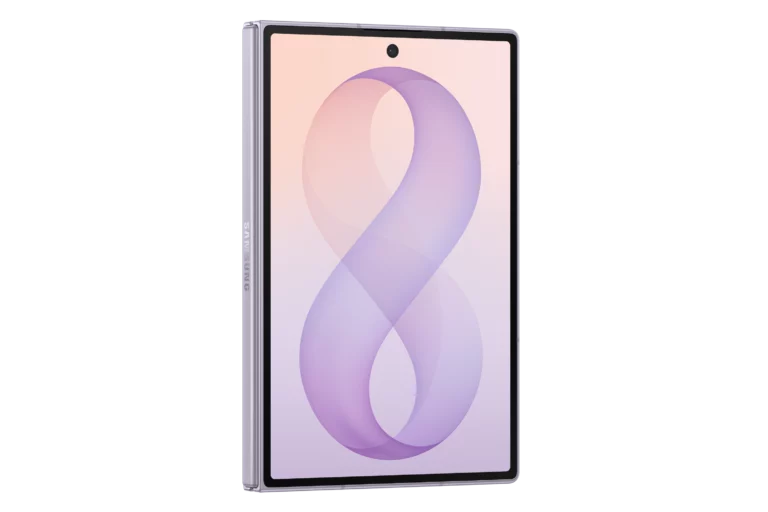
Samsung Galaxy Z Fold 8 Ultra
Pros
- Thin, lightweight & durable
- Better looking main display
- Excellent camera features
- Better fast charging
- Bigger battery life
Cons
- Very expensive
- Telephoto camera not as good
- Loudspeaker quality not so great
- Battery life good but could be better
- 45W charger sold separately
Samsung Galaxy Z Fold 8 Ultra
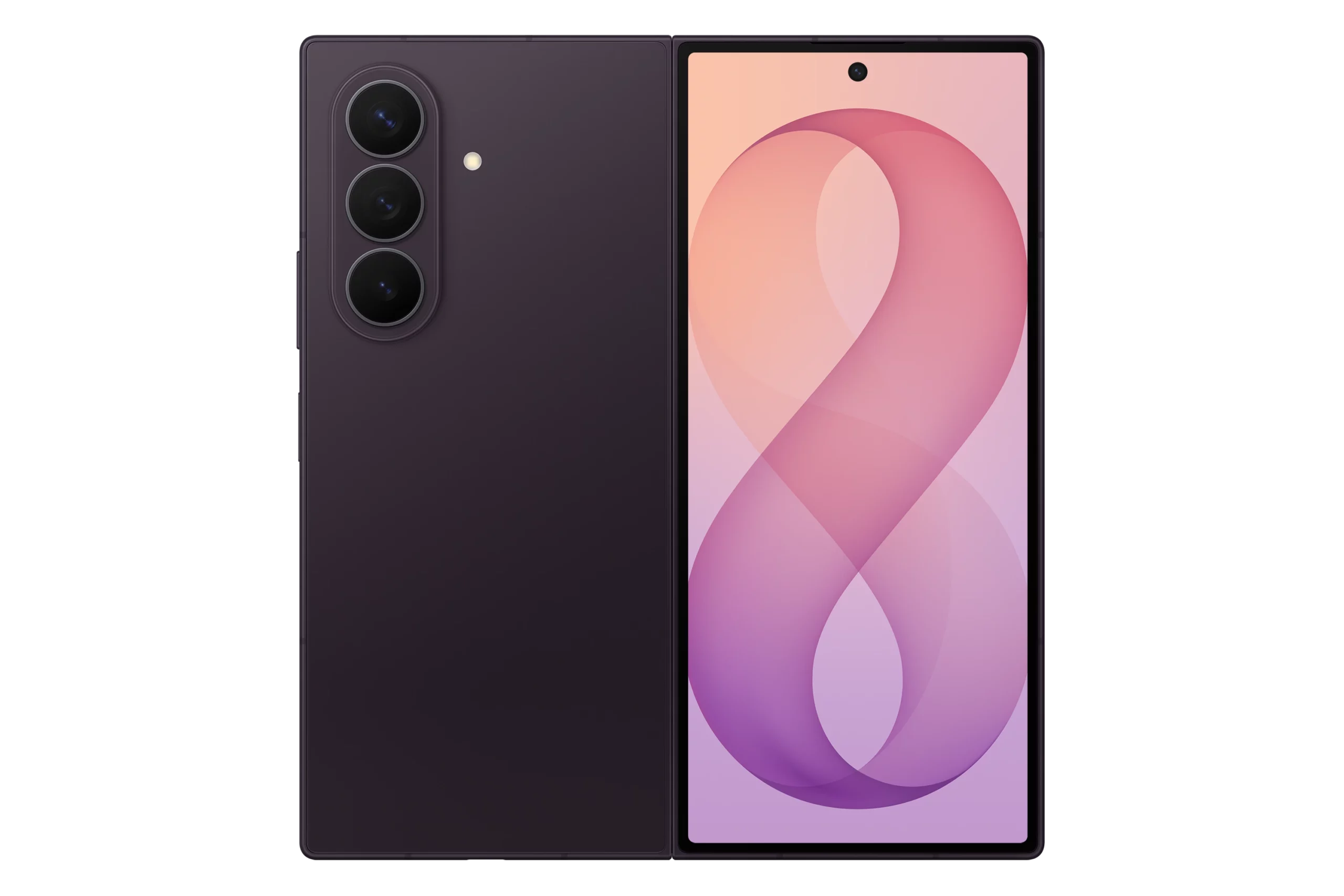
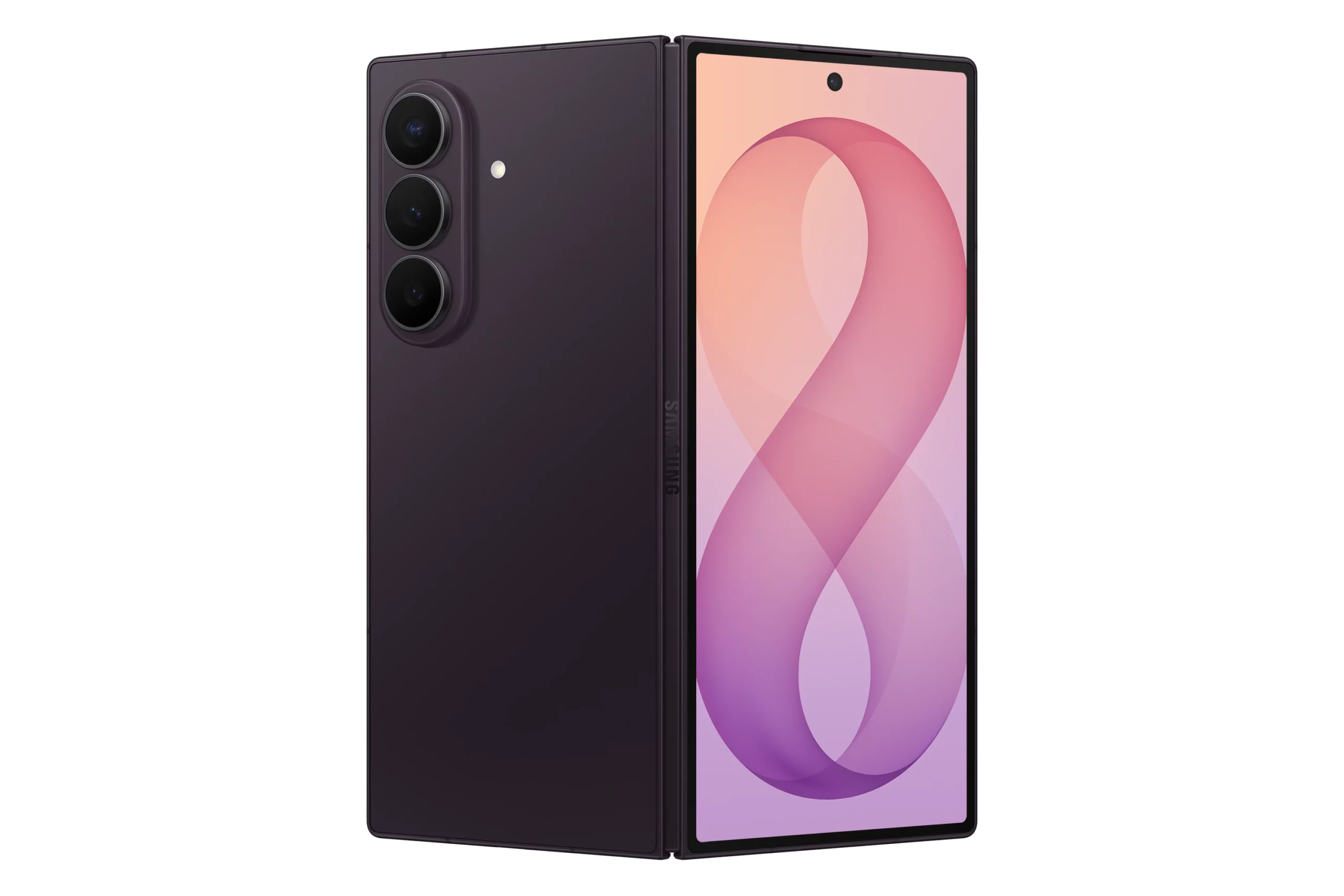
“the Galaxy Z Fold 8 Ultra delivers an incredible 8-inch main display, an ultra-thin lightweight body, a powerful 200 MP main camera, lightning-fast performance and AI features that make productivity feel effortless”
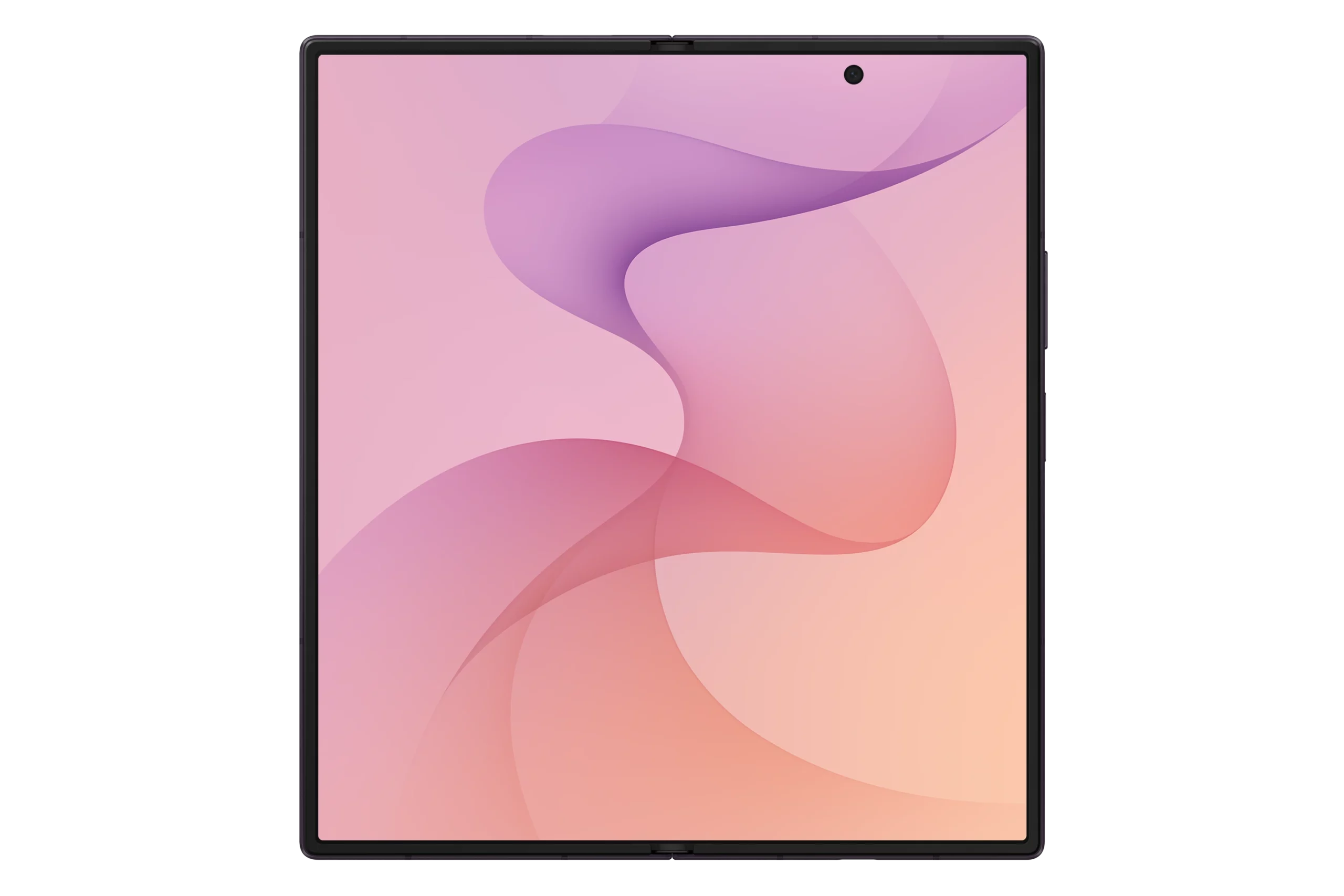
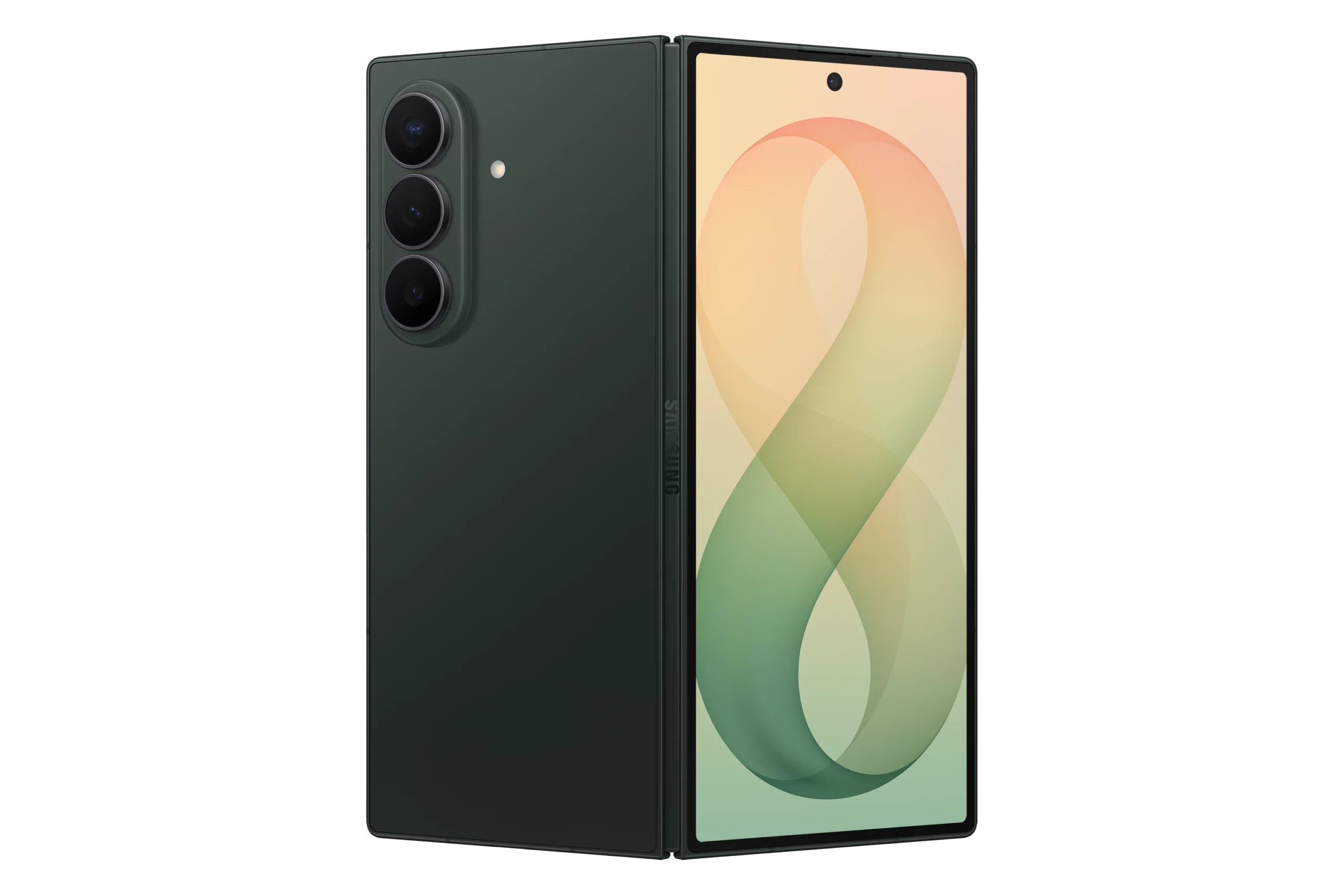
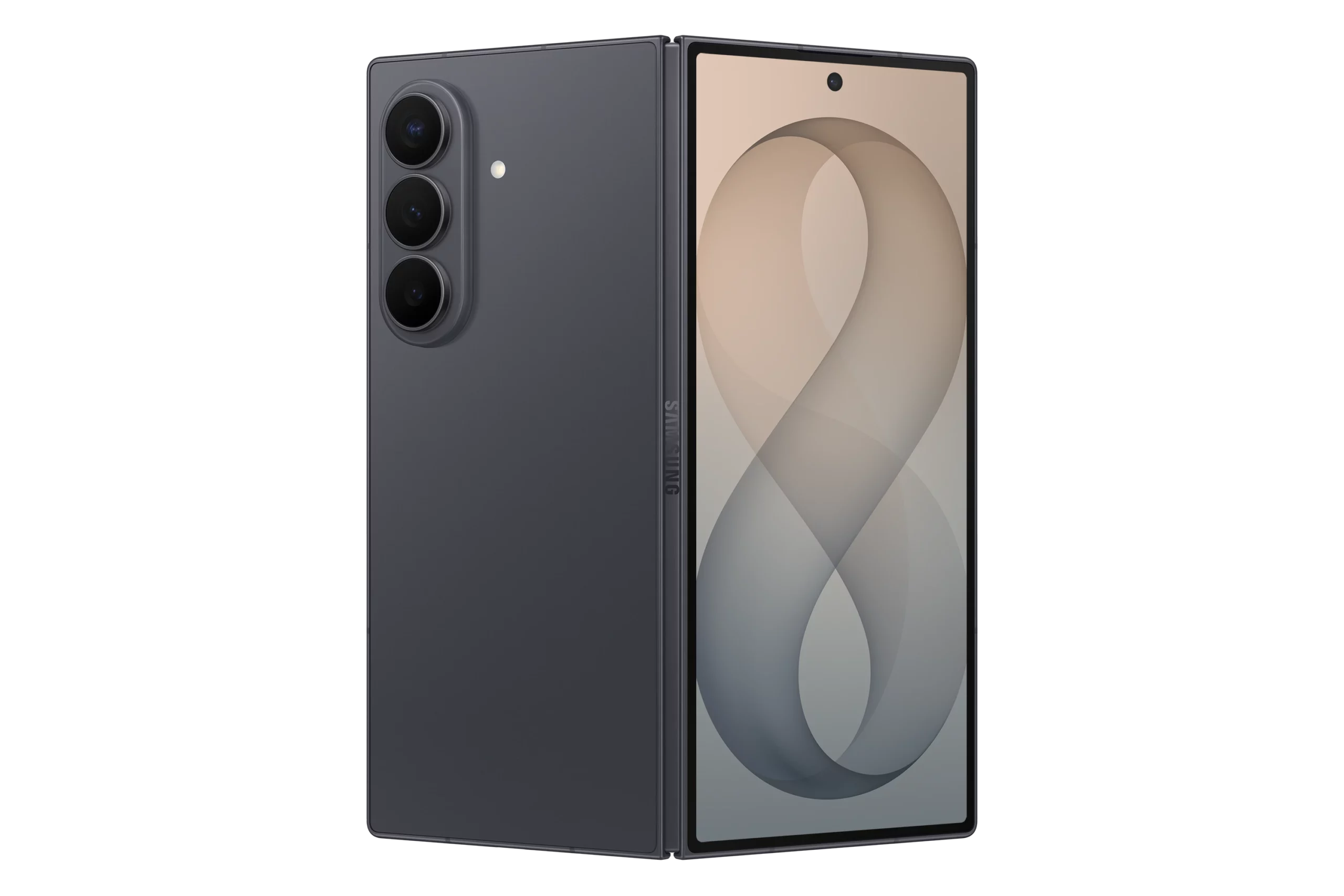
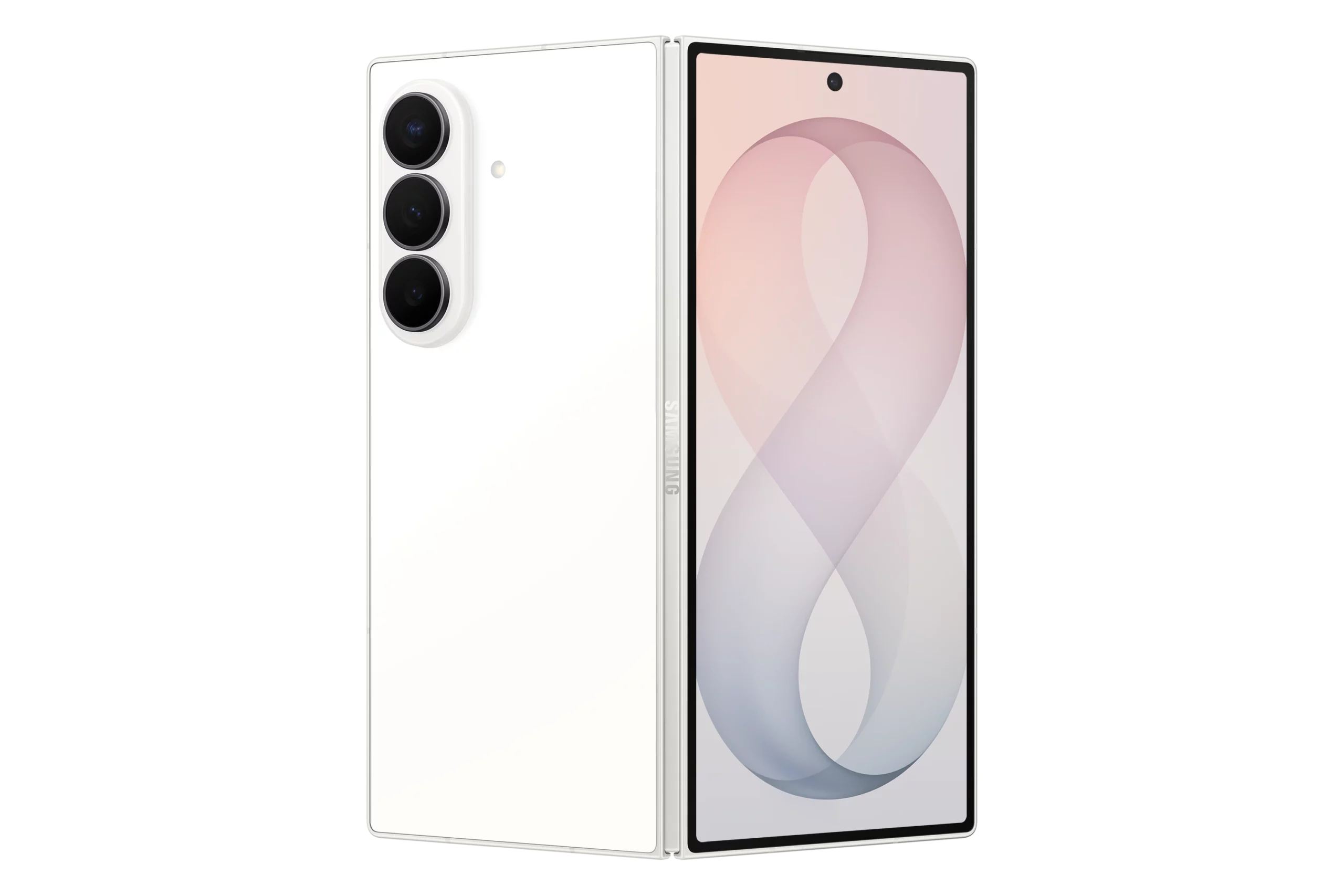
I took one look at the hype surrounding the Galaxy Z Fold8 Ultra and knew I had to test whether this giant device actually lives up to its wild price tag. Over the past few weeks, I swapped out my daily phone to live with Samsung’s newest folding flagship, pushing its massive screen, upgraded cameras, and new thin design through relentless daily testing. It instantly proved to be one of the most exciting piece of tech I have handled all year, but it also came with a few frustrating flaws that might make you think twice before buying. If you’re wondering whether this folding phone is worth your hard-earned money or if you should skip it entirely, let us jump straight into the good, the bad, and the alternatives of the new Samsung Galaxy Z Fold 8 Ultra review.
The Overview
I spent endless hours multitasking, shooting photos, and running battery tests on this phone alongside its biggest market rivals. On one hand, the Galaxy Z Fold 8 Ultra delivers an incredible 8-inch main display, an ultra-thin lightweight body, a powerful 200 MP main camera, lightning-fast performance and AI features that make productivity feel effortless.
On the other hand, you have to weigh those features against an eye-watering £1675/US$2,100 price tag, a barely noticeable inner screen crease, a wobbly camera bump placed on a desk, and a fragile inner glass covering the inner display that demands constant care. When you stack it up against alternatives like the ultra-durable Galaxy S26 Ultra, the polished iPhone 17 Pro Max, the value-focused Fold7, or power-houses like the Honor Magic V6 and Motorola Razr Fold, choosing the right device comes down to what features you value most. It presents a fascinating choice between cutting-edge folding innovation and rock-solid traditional reliability.
The Specs
The Best Features
Large OLED screen that fits in your pocket
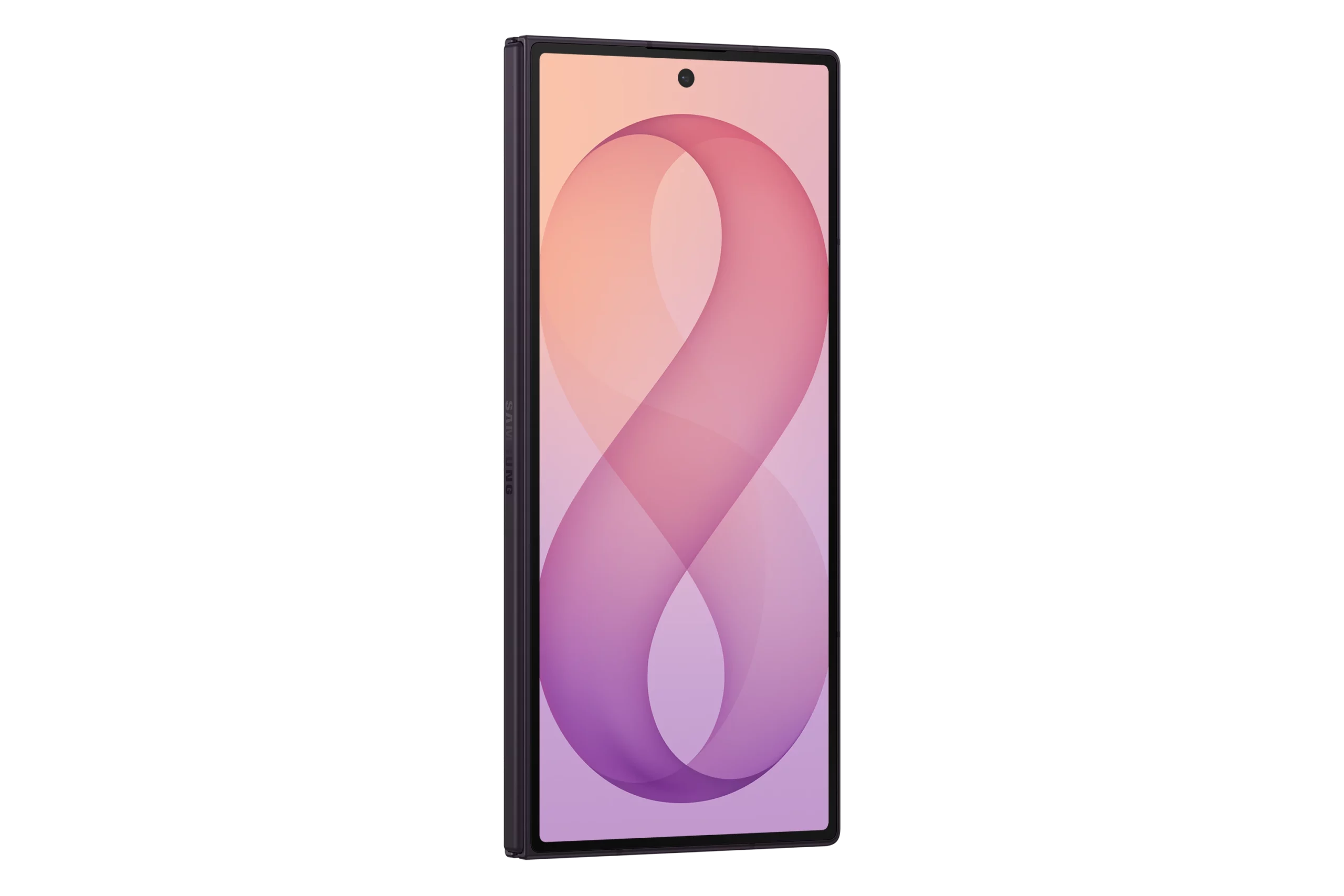
I took one look at this giant display and immediately realized my regular phone was going to gather dust. When you unfold the screen, you get a massive 8-inch canvas that transforms every video, mobile game, and photo into a cinematic experience.
This means you can comfortably edit videos, stream your favorite movies in crisp detail, or view up to three apps at the same time without squinting or constantly scrolling. It gives you the freedom of carrying a full tablet everywhere you go.
Mind-blowing camera built for instant viral content creation
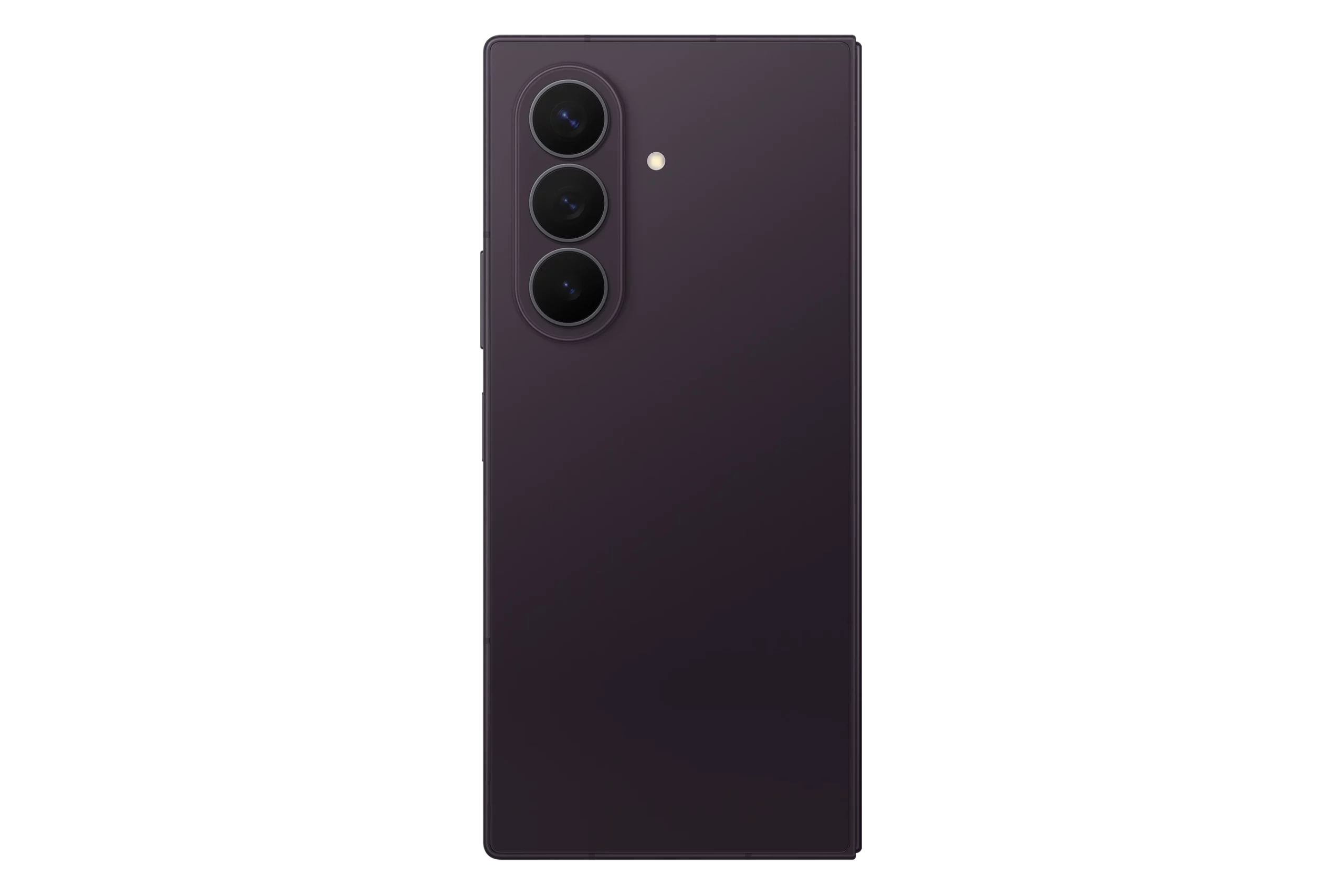
I clicked my very first test shot on this device, and the incredible level of crisp detail almost made my jaw drop. Packed inside is a groundbreaking 200-megapixel main camera that captures insanely sharp, vibrant photos even when you crop way in or shoot under harsh sunlight.
Also packed inside the main camera is a 10-megapixel telephoto camera with 3x optical zoom and a 50-megapixel ultra wide camera.
You’ll easily snap professional photos and high-resolution videos that make your social media feed instantly stand out, whether you’re taking family portraits or recording late-night city walks. This is easily the most capable camera setup I have ever tested on a foldable device.
An ultra-thin design that feels like a normal phone
I could barely believe how slim this foldable felt in my hand the second I picked it up. Unfolded, it measures a razor-thin 4.1 mm, and it’s lighter than previous generations, completely eliminating the bulky feel older foldables had.
You get a comfortable outer screen too for quick texting with one hand while walking, but you can instantly snap it open whenever you want a bigger workspace. It effortlessly slides right into your jeans pocket while giving you maximum screen space on demand. Let’s not forget the standard features such as water and dust resistance, ‘Advanced Armor’ aluminum frame with ‘Gorilla Victus 3’ glass protection,
Next-level performance and AI power
I loaded it up the best mobile games and multi-tasking apps at once, and this phone did not stutter for even for a millisecond. Powered by the ultra-fast Snapdragon 8 Elite Gen 5 chip alongside smart Galaxy AI tools, it actually anticipates what you need next—like suggesting quick replies or summarizing long text chats in seconds.
The standard model starts you with 12 gigabytes of memory with 256 gigabytes of internal storage, and the top-tier model gets you 16 gigabytes of memory and a high 1 terabytes internal storage. With high memory and storage (together with a high performance chip), lightning-fast performance is guaranteed.
With the AI tools included, you save precious time every day because your phone handles tedious tasks automatically, leaving you free to focus on creating content and staying productive. It is easily the fastest and smartest smartphone I have ever run tests on.
All-day battery life with fast charging
I put this phone through a brutal full day of heavy camera testing, streaming, and gaming, and it still had plenty of juice left by bedtime. The massive 5,000 mAh battery is optimized to run efficiently across both screens, giving you a massive 13 hour-battery life on moderate use.
And with 45W charging support gets you back to full power in no time when you do need a quick boost. Up to 30 minutes gets the phone to 71 percent, and 1 hour gets you full charge. You can leave your bulky power banks at home and go about your daily routine without constantly worrying about finding an outlet. It delivers the exact peace of mind every power user craves.
The Deal Breakers
An eye-watering price tag
I almost choked on my morning coffee when I looked at the final checkout price for this device. Starting at over $2,100 for the base model, it costs as much as a high-end laptop, a premium tablet, and a flagship phone combined.
You’ll immediately feel buyer’s remorse when you realize you spent several months’ worth of savings or locked yourself into a heavy payment plan just to own a smartphone. It forces you to constantly worry about dropping or misplacing an object that costs more than your monthly rent.
A screen crease that remains impossible to ignore
I opened the large display in a brightly lit room, and my eyes were instantly drawn straight to the deep vertical dip running down the center. Even with all the engineering promises about new titanium hinges, you still feel a distracting, uneven ridge every single time your finger swipes across the glass.
Your content viewing will be constantly ruined by awkward light reflections splitting your videos directly down the middle. It takes away the premium, seamless feeling you expect from a device meant for reading and watching movies.
Massive camera hump
I tried typing a quick note with the phone lying flat on my table, and the entire device rocked back and forth like a seesaw. The huge 200MP camera housing sticks out so far from the thin body that it creates an extremely top-heavy and unbalanced shape.
You’ll find it wildly frustrating to take notes with a stylus or tap on the outer screen without the phone sliding around or making loud rattling noises against hard surfaces. It turns basic desk use into an annoying, two-handed hassle unless you slap a bulky case on it.
Fragile inner glass that demands constant supervision
I felt an immediate wave of anxiety the moment I opened the soft inner display and realized how vulnerable it actually is. Because the folding inner screen relies on thin flexible plastic layers to bend, a slight accidental press with a sharp fingernail or a rogue grain of sand can permanently gouge the surface.
You won’t be able to enjoy using this phone at the beach, on hikes, or around pets without constantly worrying about microscopic dust destroying your screen. It turns simple, everyday phone handling into a high-stress chore.
Disappointing battery drain under heavy use
I ran my usual routine of split-screen multitasking and media streaming, and I watched the battery percentage drop at a terrifying speed. Even though it packs a 5,000 mAh battery, powering that massive, bright 8-inch main screen drains the power far faster than a standard slab phone.
You’ll constantly find yourself hunting for a wall outlet or carrying heavy portable chargers just to make it through a full workday. It completely ruins the idea of having an all-in-one portable workstation when you are tethered to a charging cable by mid-afternoon.
The Alternatives
Samsung Galaxy S26 Ultra
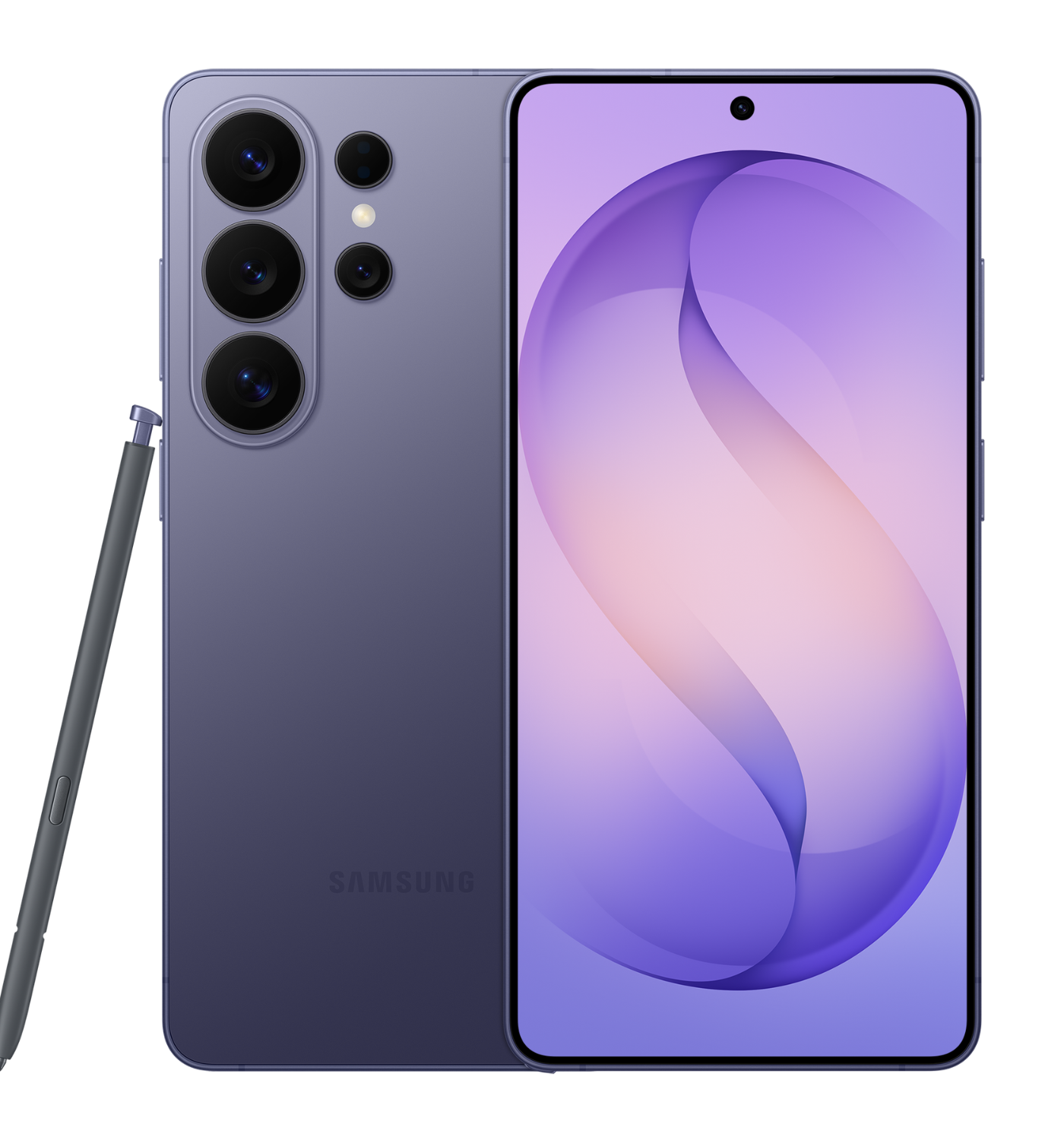
I switched over to testing the Galaxy S26 Ultra right after using the Fold8 Ultra, and the difference in peace of mind was immediate. The S26 Ultra easily stands out as the best alternative because it more affordable, while offering a far tougher traditional glass body, a built-in S Pen slot, an IP68 water-resistance rating, and a periscope zoom camera that shoots significantly clearer long-range photos without any annoying screen crease.
However, it doubles as the worst alternative the second you miss having a mini-tablet in your hands, as going back to a standard 6.9-inch flat display feels cramped and limiting for heavy multitasking or watching widescreen movies. If you prefer raw durability and camera versatility over a giant unfolded canvas, this traditional flagship is a far safer buy.
iPhone 17 Pro Max

I picked up the iPhone 17 Pro Max from Apple as a potential substitute for the Fold8 Ultra, and it immediately proved to be both a dream upgrade and a major disappointment. It shines as the absolute best alternative if you want rock-solid reliability, unmatched battery endurance, silky-smooth 4K video recording, and seamless integration into Apple’s tight-knit ecosystem for significantly less money.
On the flip side, it stands out as the worst alternative if you’re buying a phone specifically for productivity, because moving from a massive folding screen back to a standard single glass display feels incredibly restrictive when you want to read documents side-by-side or watch widescreen videos on a larger display. If you care more about elite camera consistency and flawless software polish than expanding your screen real estate, switching to Apple’s top flagship is a fantastic trade-off.
Samsung Galaxy Z Fold7
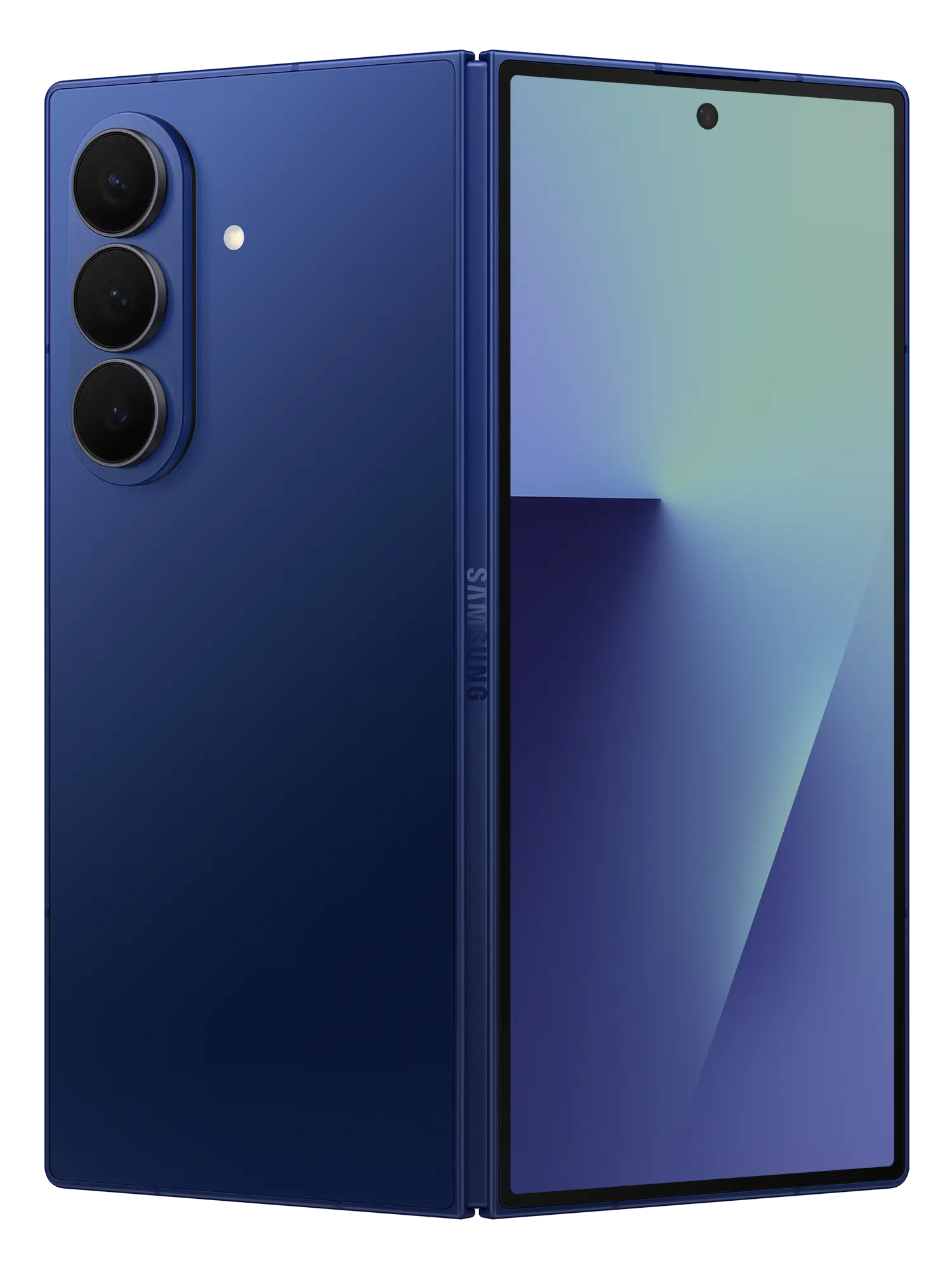
I turned back to the previous generation’s Galaxy Z Fold7 to see if last year’s hardware could hold its ground against the Fold8 Ultra, and it instantly proved to be the ultimate budget-conscious alternative. It stands out as the absolute best option if you want the exact same huge 8-inch folding display experience, identical main 200MP camera quality, and nearly the same ultra-thin design while keeping thousands of dollars in your bank account through heavily discounted prices.
On the flip side, it quickly becomes the worst alternative the moment you realize you are settling for a smaller 4,400 mAh battery, excruciatingly slow 25W wired charging speeds, an inferior 12MP ultra-wide camera, and a noticeably harsher hinge crease across the middle. If you want the thrill of an expansive foldable screen without paying full premium price tags, picking up this previous-gen flagship delivers almost all the fun for a fraction of the cost
Honor Magic V6
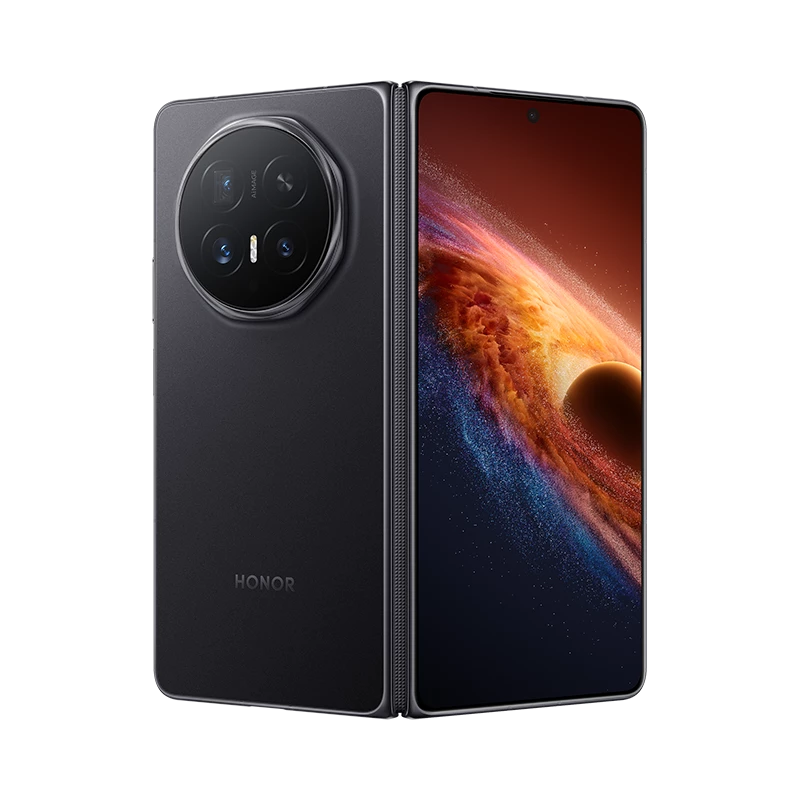
I picked up the Honor Magic V6 alongside the Fold8 Ultra, and it instantly blew me away while frustrating me in equal measure. It stands out as the best alternative because it packs an enormous 6,660 mAh battery into a sleek, razor-thin body that is astonishingly lighter to hold, giving you incredible two-day battery life and blazing 100W charging speeds that Samsung simply cannot match.
However, it turns into the worst alternative the second you start interacting with its user interface, as MagicOS feels far less polished, lacks Samsung’s rich multitasking features, and forces you to deal with clunky software bugs on a very expensive piece of hardware. If you prioritize maximum battery power and ultra-thin hardware above all else, this hardware marvel is worth a look, but anyone wanting software refinement will feel much safer sticking with Samsung.
Motorola Razr Fold

I unboxed the Motorola Razr Fold alongside the Fold8 Ultra, and it immediately established itself as a wild wildcard in the foldable space. It stands out as the best alternative because it delivers a jaw-dropping 6,000 mAh battery with ultra-fast 80W charging, a larger 8.1-inch main screen, and amazingly intuitive multi-window multitasking software that makes split-screen apps feel effortless.
On the flip side, it quickly becomes the worst alternative when you feel its hefty 243-gram weight in your hand, deal with a top-heavy camera bump, and realize its IP49 rating offers far weaker dust and water protection than Samsung’s flagship build. If you care most about epic battery life and seamless productivity tricks, Moto’s big-screen entry is a thrilling option, but anyone wanting a lightweight, highly durable device will want to stick with Samsung.
The Verdict
I can confidently say that the Galaxy Z Fold8 Ultra is the absolute best foldable phone you can buy right now if you want an unbeatable mobile workstation and don’t mind paying the premium price tag.
If you crave a massive screen in your pocket and want the absolute peak of modern smartphone tech, head over to your favorite retailer or carrier site today to grab your own unit. CLICK HERE to see more. What do you think about this new foldable? Drop a comment or two down here below and let me know if you would buy this giant screen or stick with a traditional smartphone 😀

 LGMadyibi

+ There are no comments
Add yours