
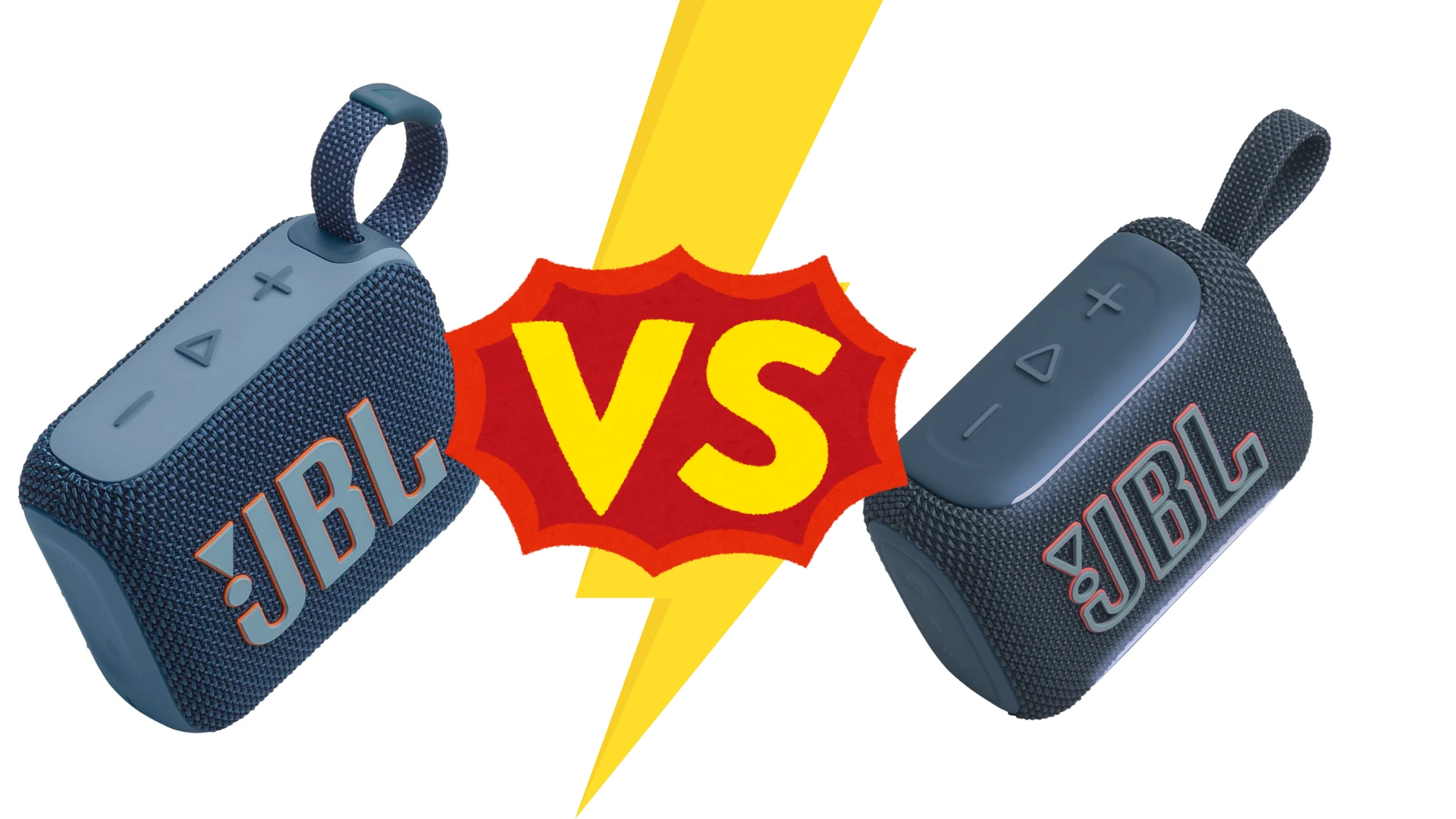

If you’re searching for the best budget Bluetooth speaker in 2026, the JBL Go 4 vs JBL Go 5 debate is probably one of the first comparisons you’ll come across — and for good reason. Both speakers come from JBL’s most popular ultra-portable lineup, both fit in the palm of your hand, and both deliver that signature JBL sound without costing a fortune.
But while they look nearly identical on the outside, the differences under the hood are worth knowing before you spend your money. In this article, we put the JBL Go 4 vs JBL Go 5 head-to-head across every category that matters — sound quality, battery life, durability, features, and value — so you can walk away knowing exactly which one is right for you.
Overview
The JBL Go 4 and JBL Go 5 are two of the smallest, most affordable Bluetooth speakers JBL makes — and both punch well above their weight. The Go 4 is the lightest speaker in JBL’s lineup, weighing just 190g, and it’s built tough with an IP67 waterproof and dustproof rating that makes it a great travel companion for bike bags, rucksacks, and outdoor adventures. It delivers JBL Pro Sound with punchy bass, up to 7 hours of playtime, and support for Auracast multi-speaker pairing.
The Go 5, released in April 2026, takes everything people loved about the Go 4 and turns it up a notch. It brings USB-C audio connectivity, a new AirTouch function for instant stereo pairing, solid EQ options, and multi-point connectivity, wrapped in a more durable IP68-rated shell. It boasts a wide soundstage packed into a compact, pocketable body — it looks great, sounds even better, and can be customized via a user-friendly companion app. Whether you’re shopping on a budget or deciding whether to upgrade, this comparison walks you through everything you need to know.
Specs
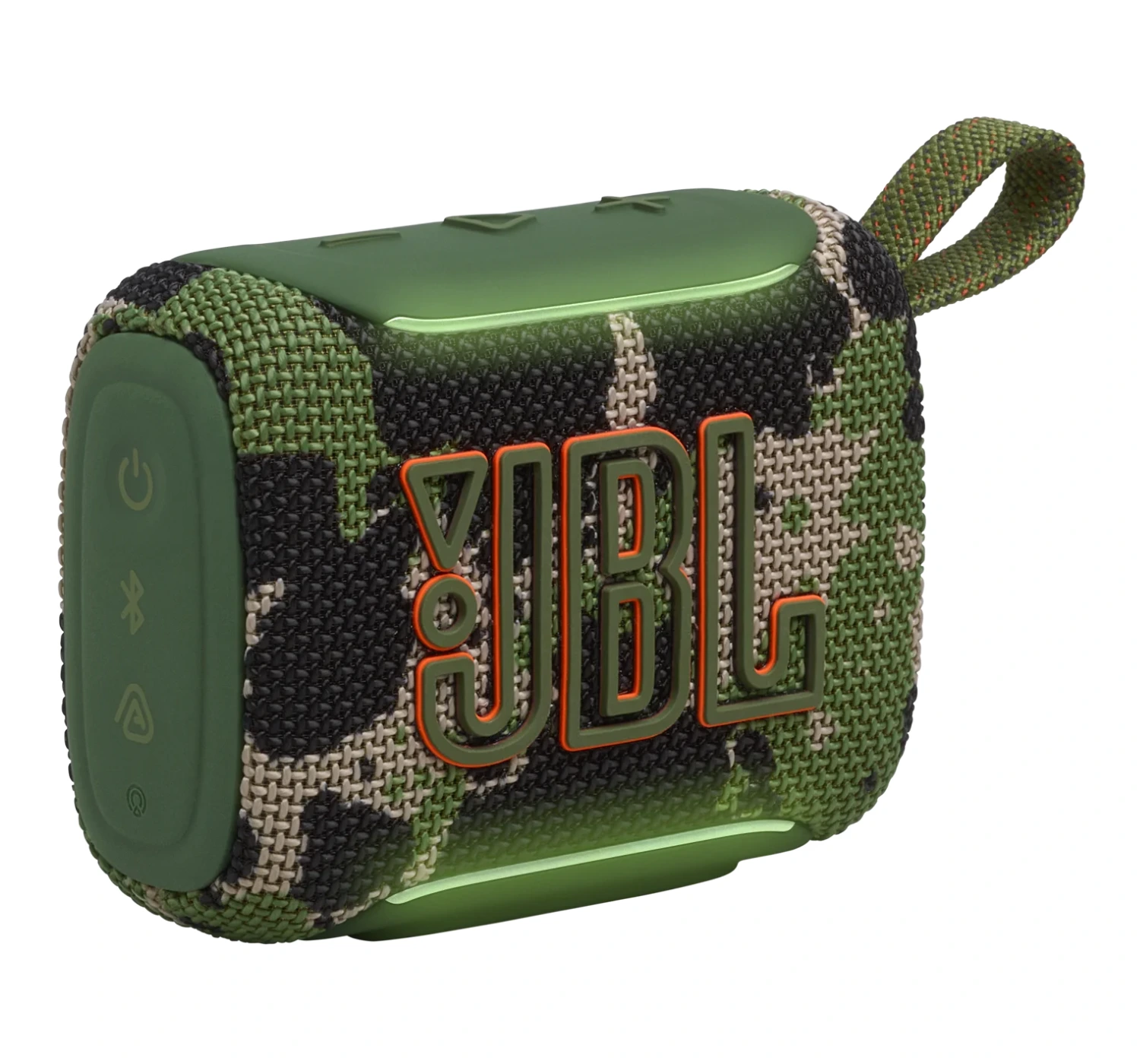
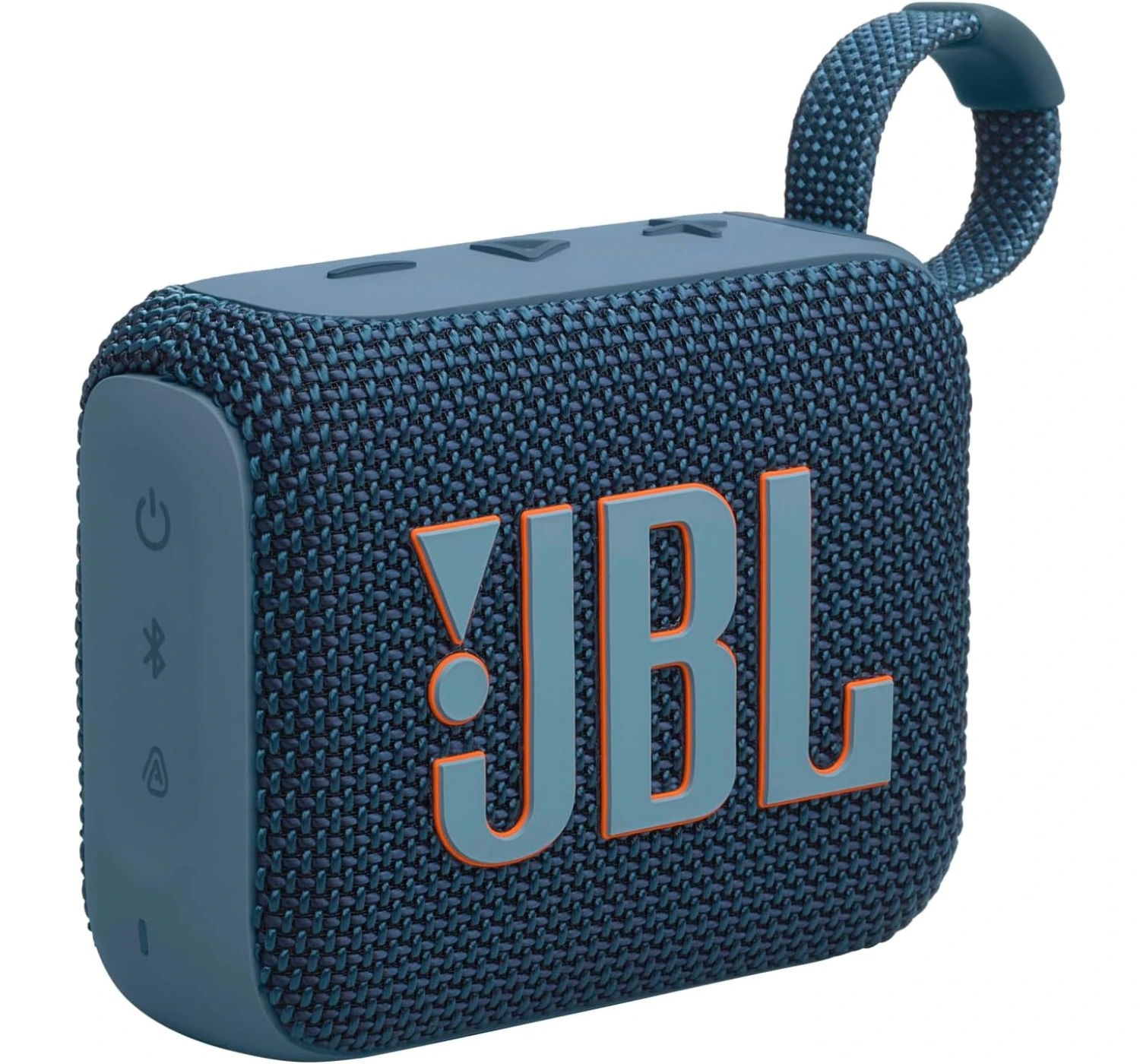
JBL Go 5 The Better Compact Speaker ★★★★★ 5.0 Extraordinary JBL Go 4 The Budget Alternative ★★★★☆ 4.0 Great
JBL Go 4 vs JBL Go 5: Comparison
1. Design & Build Quality
They look almost identical… with one big difference – Put the two speakers side by side and you’ll struggle to tell them apart at first glance. Both sport the same compact, boxy shape with a mesh fabric cover across the front and back. Both have a carry loop built in, making it easy to clip them to a bag or backpack. The button layout is nearly identical too, with playback controls on top and a side panel for power, Bluetooth, and Auracast.
The one thing that makes the Go 5 stand out visually? LED lighting. Two strips of ambient light run along the base and the top plate, giving the Go 5 a subtle glow that the Go 4 simply doesn’t have. You can choose from four lighting themes — Bounce, Loop, Switch, and Freeze — through the JBL Portable app. The lights also act as status indicators, flashing when the battery is low, when you’re in pairing mode, or when Auracast is active. It sounds like a gimmick, but in practice it’s genuinely useful and looks great.
Weight and Portability – The Go 5 is slightly heavier at 8.16oz compared to the Go 4’s 6.7oz, but the difference is so small you’d barely notice it in your hand or bag. Both speakers remain pocketable and travel-friendly. If portability is your top priority, neither one will let you down.
Water and Dust Resistance – This is where the Go 5 pulls ahead in a meaningful way. The Go 4 carries an IP67 rating, which means it can handle full submersion in water up to one meter for 30 minutes. That’s solid protection for everyday use — rain, splashes, and poolside use are all fine.
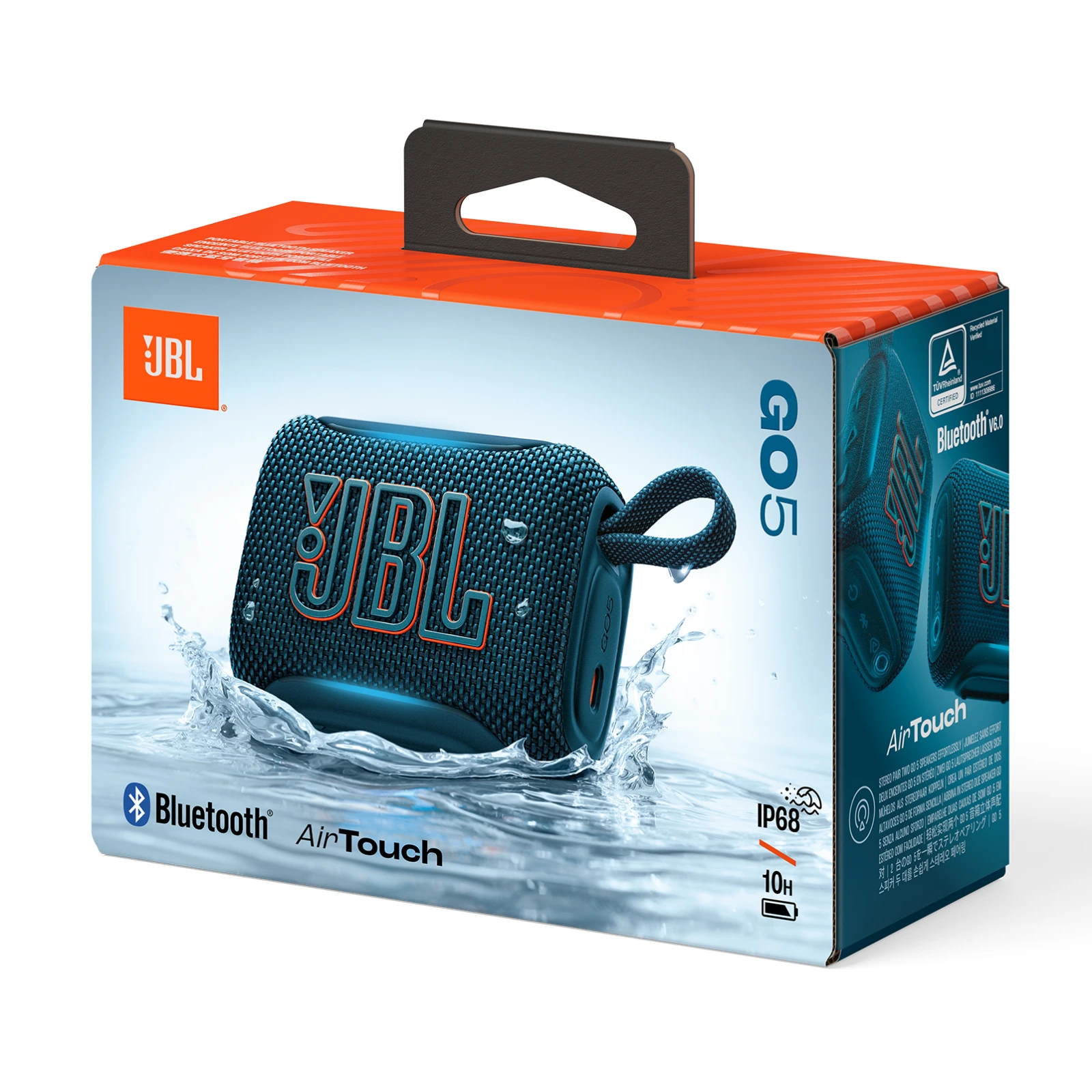
The Go 5 steps it up to IP68, offering even stronger protection against water and dust. JBL has also added drop resistance to the Go 5’s spec sheet, making it more rugged overall. For outdoor adventurers, hikers, or anyone who tends to be a bit rough on their gear, the Go 5’s tougher build gives you extra peace of mind.
WINNER: JBL Go 5
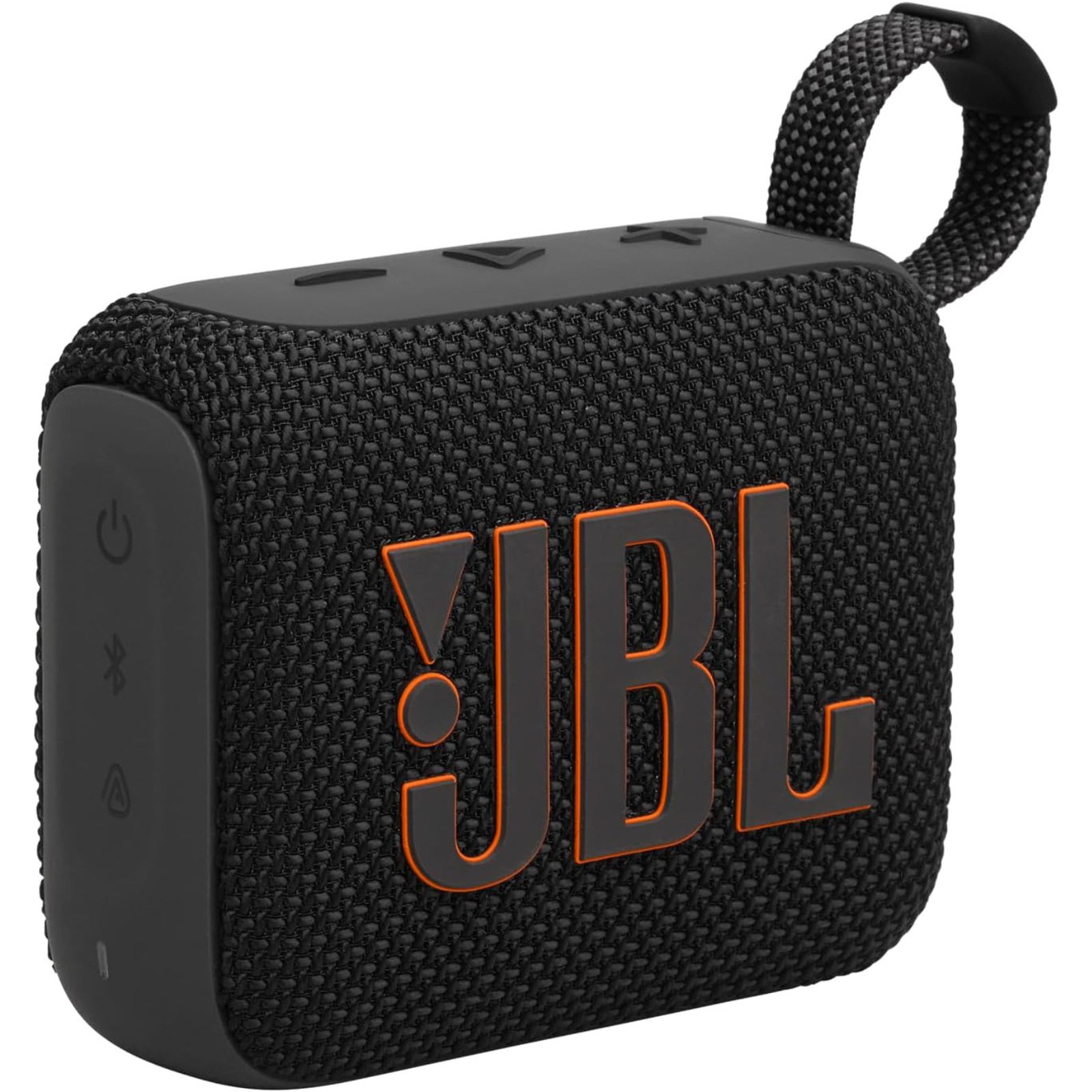
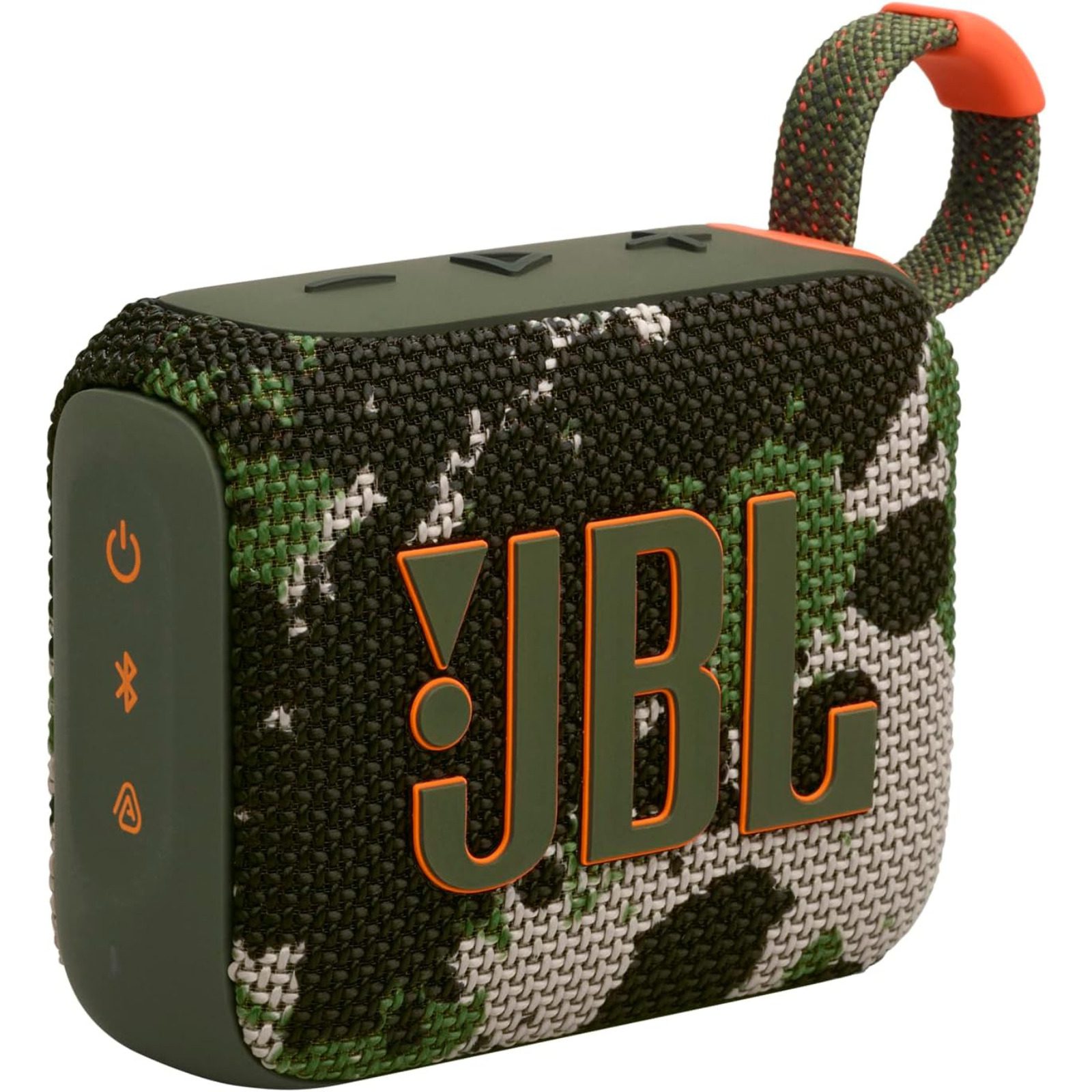
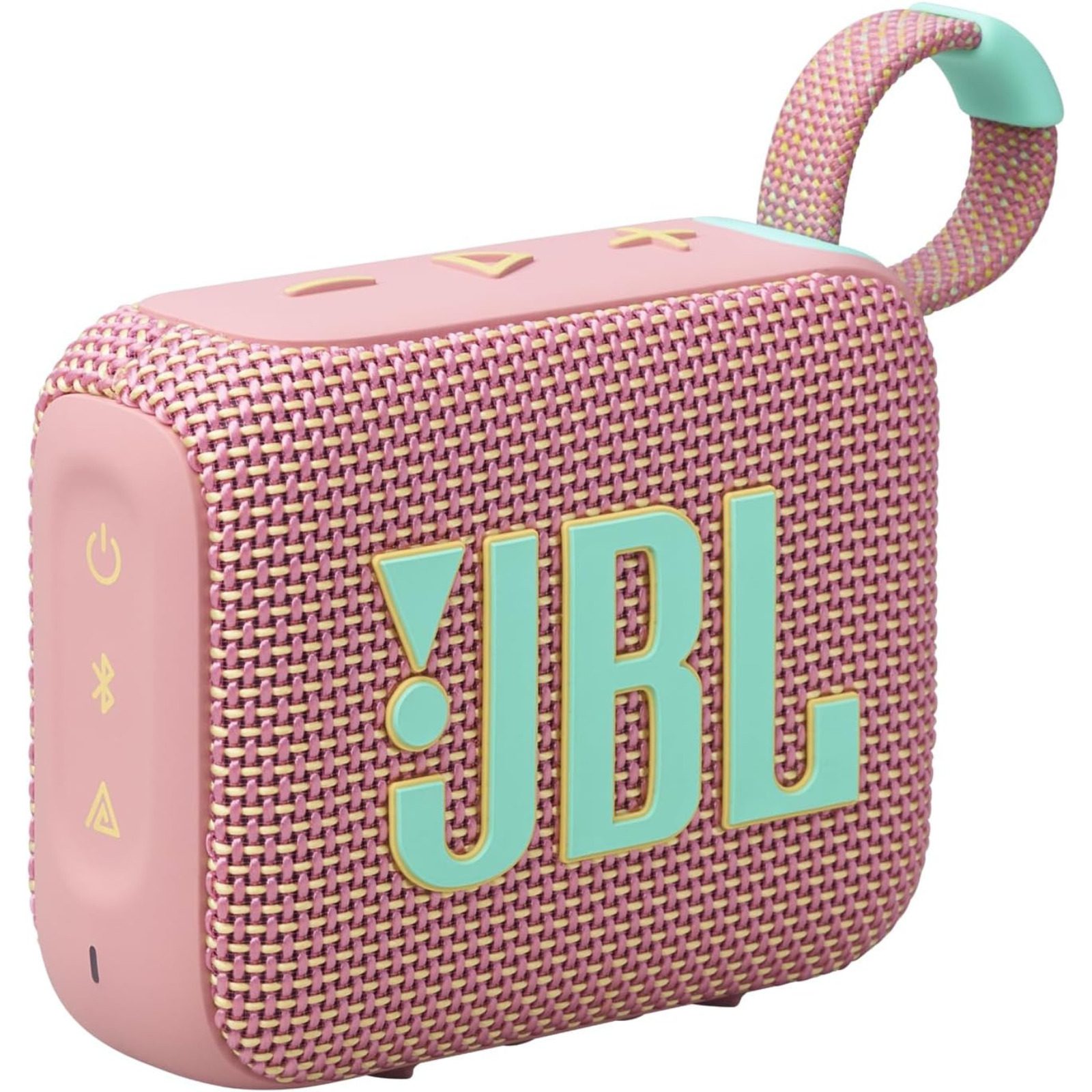
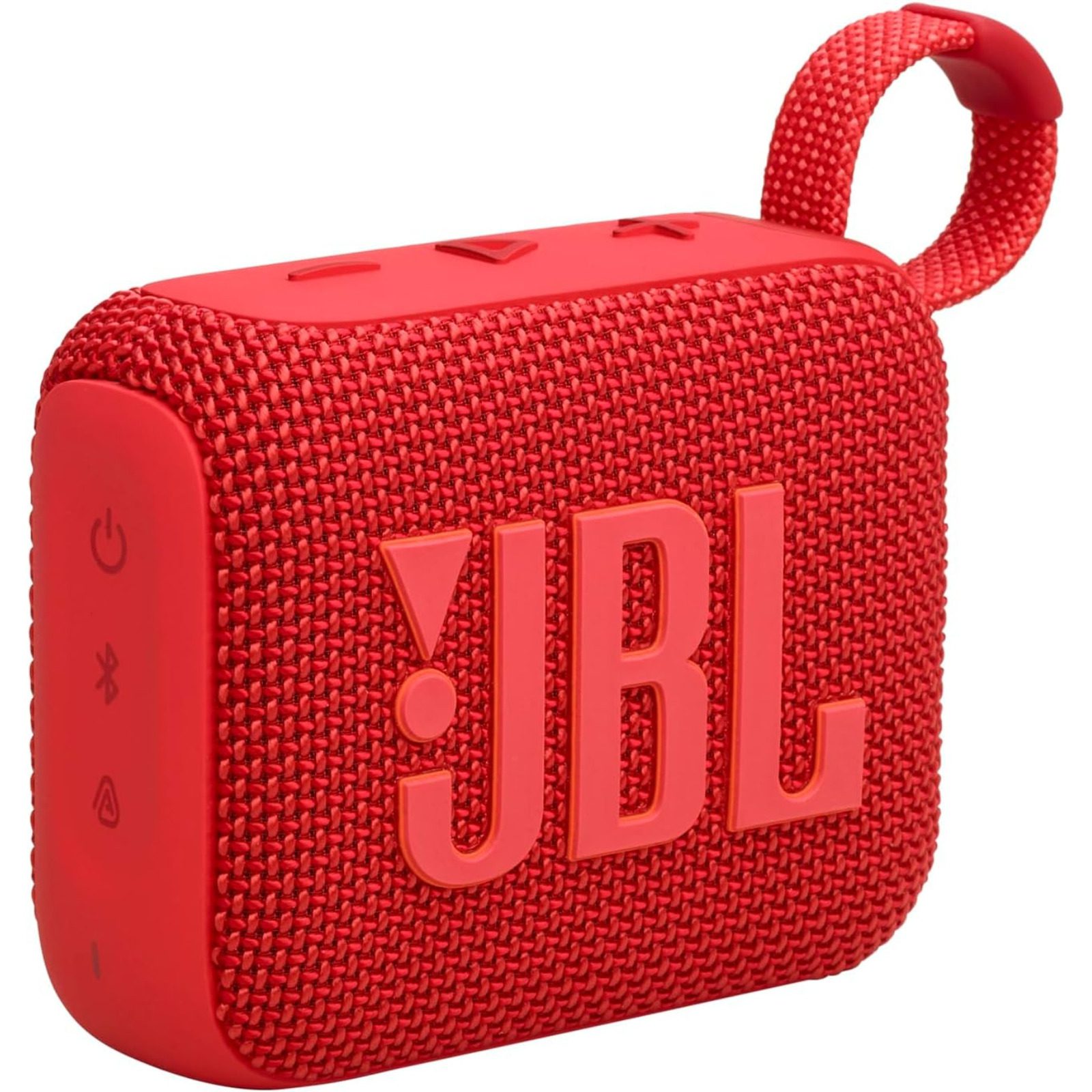
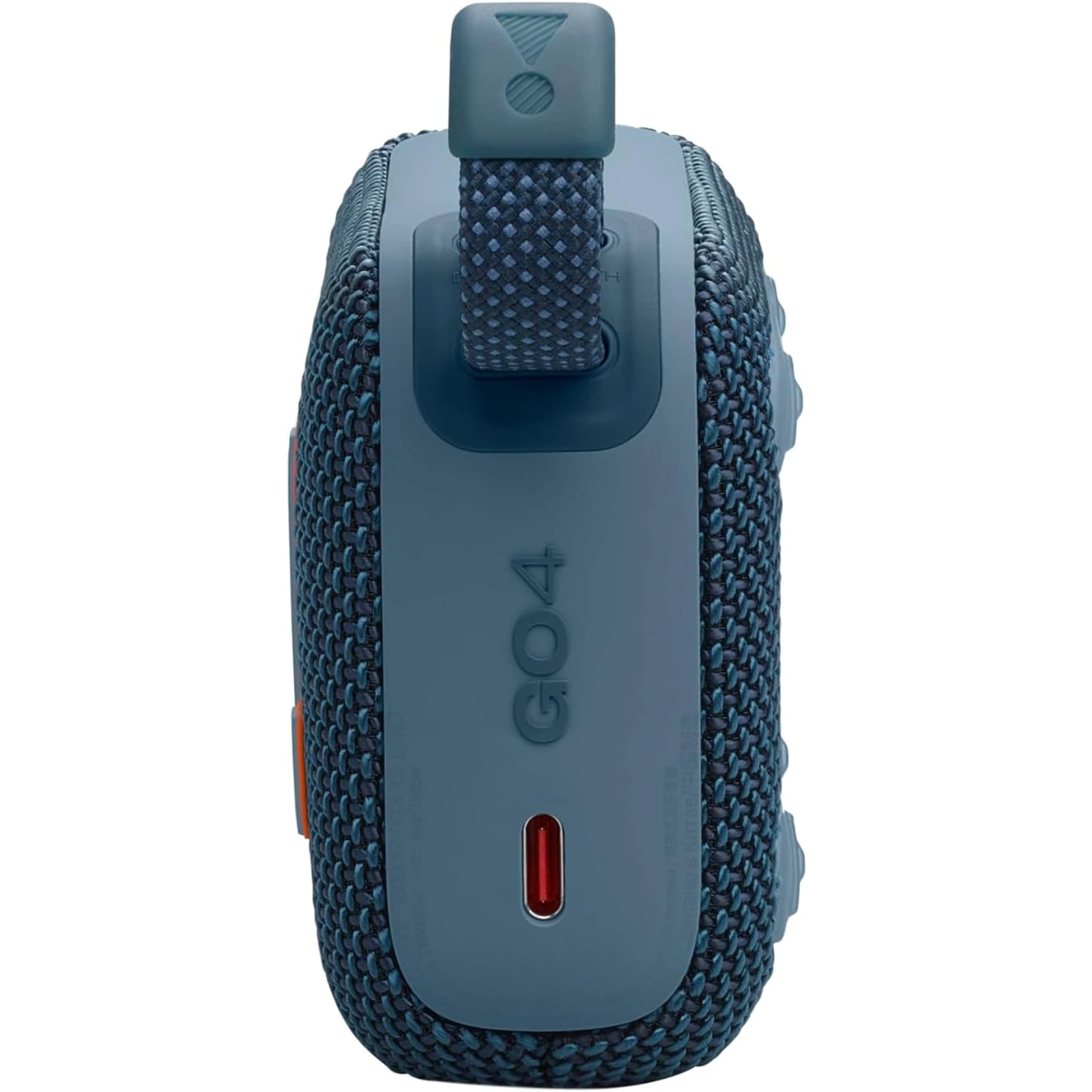
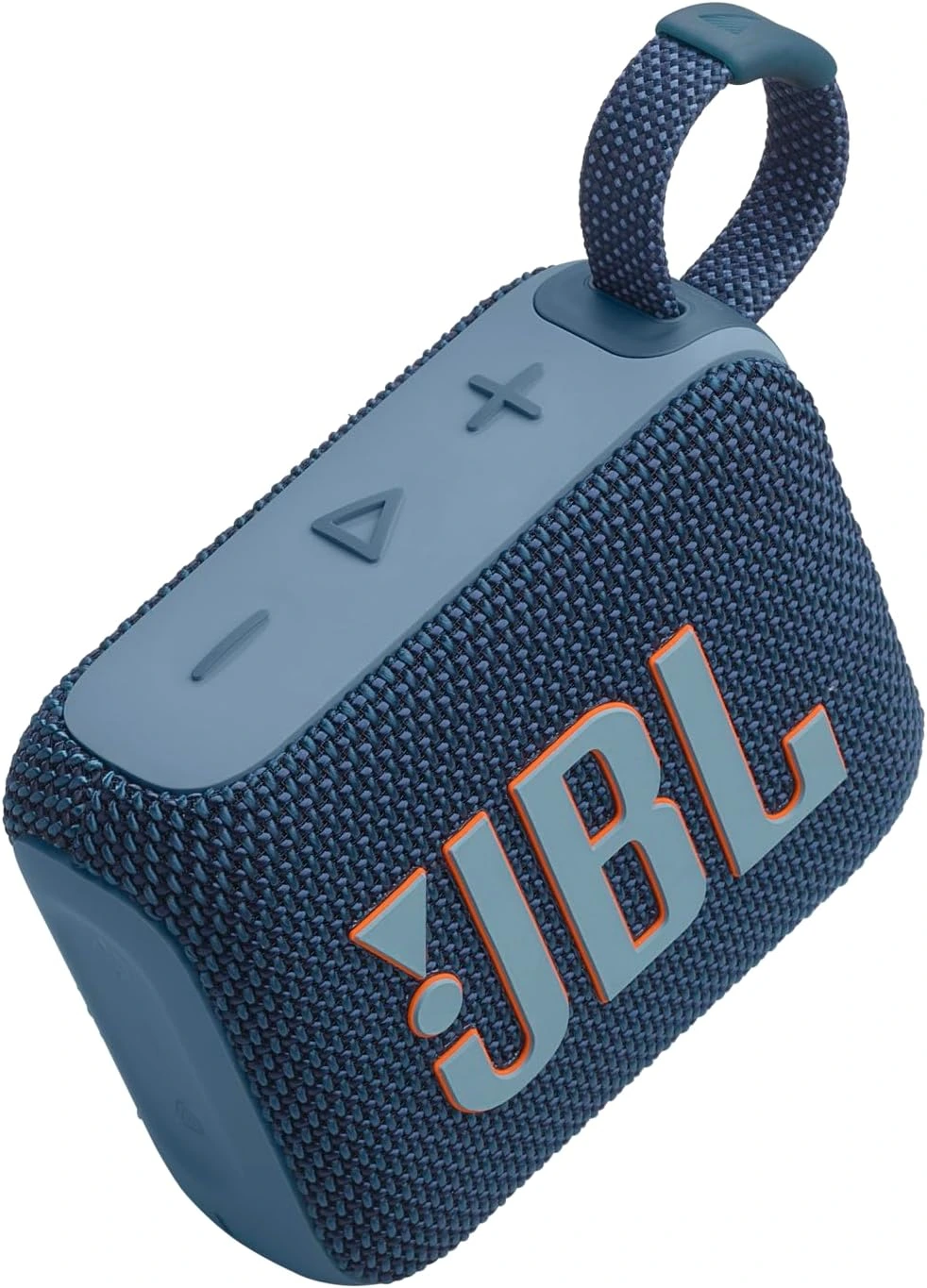
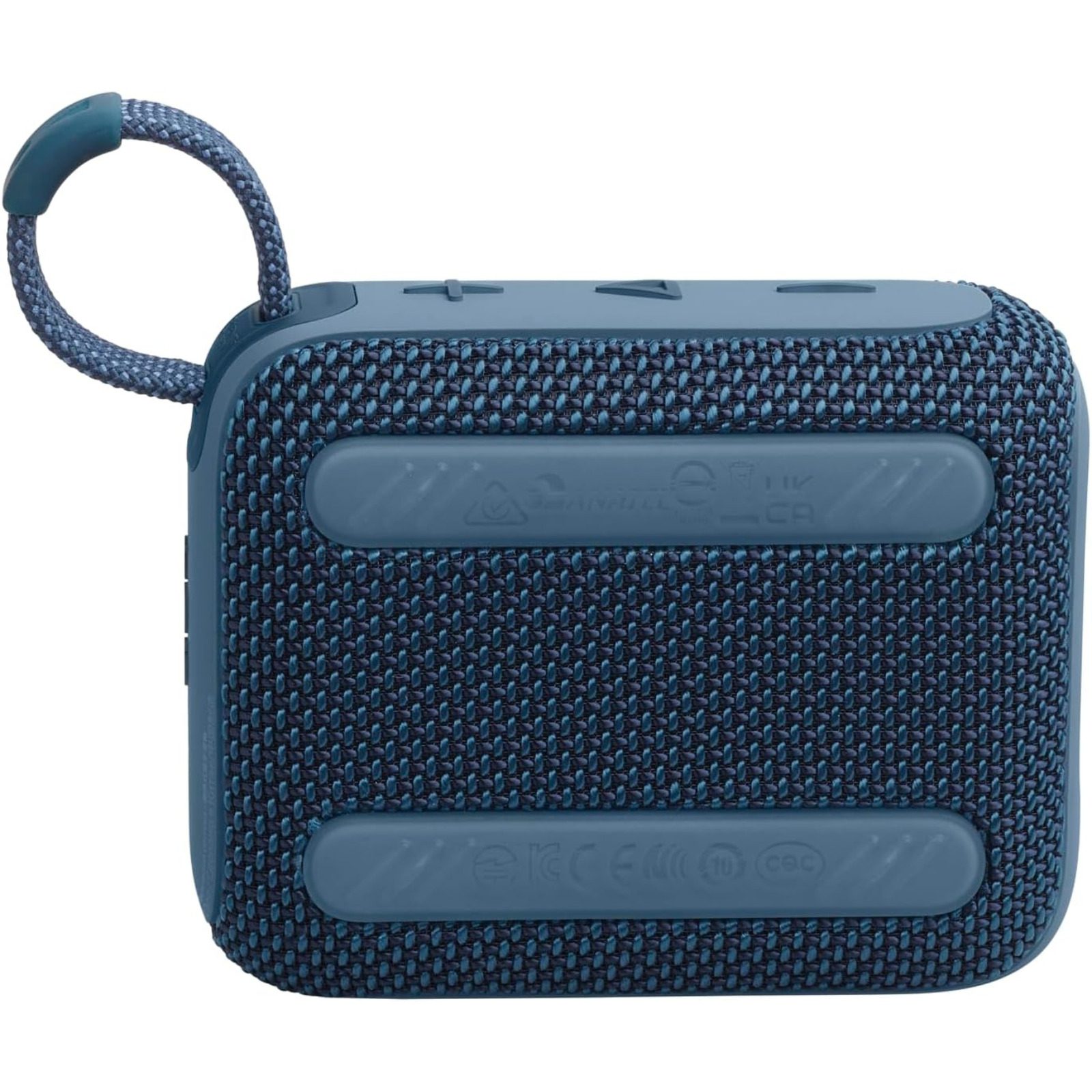
Colors from the JBL Go 4
2. Sound Quality
The Go 5 sounds noticeably better – Both speakers carry the classic JBL sound — punchy, energetic, and enjoyable for casual listening. But when you put them side by side, the Go 5 takes a clear step forward.
Output power climbs from 4.2W on the Go 4 to 4.8W on the Go 5 — a 14% increase. The driver size stays the same at 45mm, but the Go 5 pushes more power through it. The result is a wider, more open soundstage with better detail and less compression at higher volumes. Reviewers who tested both speakers noted that the Go 4 sounded restricted in comparison, particularly at louder volumes where the Go 5 stays controlled and composed. At moderate listening levels, the difference is subtle. But crank both speakers up and the gap becomes obvious.
Bass Performance – The Go 5 also improves on the sub-bass, delivering a fuller and more refined low-end. The Go 4’s bass is punchy and fun, but it can feel a bit one-dimensional on bass-heavy tracks. The Go 5 handles bass with more nuance, making it a better choice if you listen to hip-hop, electronic, or anything with a strong low-end.
EQ Customization – Through the JBL Portable app, the Go 5 gives you a 7-band custom EQ — an upgrade over the Go 4’s 5-band EQ. More bands mean more control over how your music sounds. You can dial in a warmer, bassier sound or brighten things up for vocals and acoustic tracks. It’s worth experimenting with if you care about getting the most out of your speaker.
WINNER: JBL Go 5
3. Connectivity & Features
Bluetooth (5.3 vs 6.0) – The Go 4 uses Bluetooth 5.3, whereas the Go 5 upgrades to the newer Bluetooth 6.0. In real-world use, both speakers connect quickly and maintain a stable connection. The Go 5 also adds the LC3 codec alongside SBC and AAC, which promises more efficient audio transmission and better sound quality at lower bitrates — useful in congested wireless environments like busy offices or crowded spaces.
Auracast (Available on both) – Both speakers support ‘Auracast’, JBL’s multi-speaker broadcast technology that lets you link up multiple compatible speakers wirelessly. Whether you want to fill a bigger room or sync speakers across different spots in your home or garden, Auracast gives you that option on both models.
AirTouch Stereo Pairing (Go 5 Only) – The Go 5 adds a genuinely clever new feature called ‘AirTouch’. To pair two Go 5 speakers in true stereo, you simply tap them together end to end, wait for a chime, and they automatically lock into a stereo pair. No app, no fiddling with settings. It works fast and feels effortless.
The Go 4 does support stereo pairing too, but the process is more manual and less seamless. If you plan to run two speakers in stereo — at a party, in a kitchen, or outdoors — the Go 5’s AirTouch feature is a game-changer.
USB-C Audio (Go 5 Only) – Here’s one of the Go 5’s most unexpected upgrades: a built-in DAC (Digital-to-Analogue Converter). On the Go 4, the USB-C port is for charging only. On the Go 5, you can plug it directly into a laptop or phone via cable and play lossless audio without any wireless compression. For a speaker at this price point, that’s a genuinely impressive addition — especially for desk use or when you want a cleaner wired connection.
App Integration – Both speakers work with the JBL Portable app, which lets you manage EQ settings, enable Playtime Boost, handle Auracast connections, and update firmware. The app is clean and easy to use, and it’s worth downloading to get the most out of either speaker.
WINNER: JBL Go 5
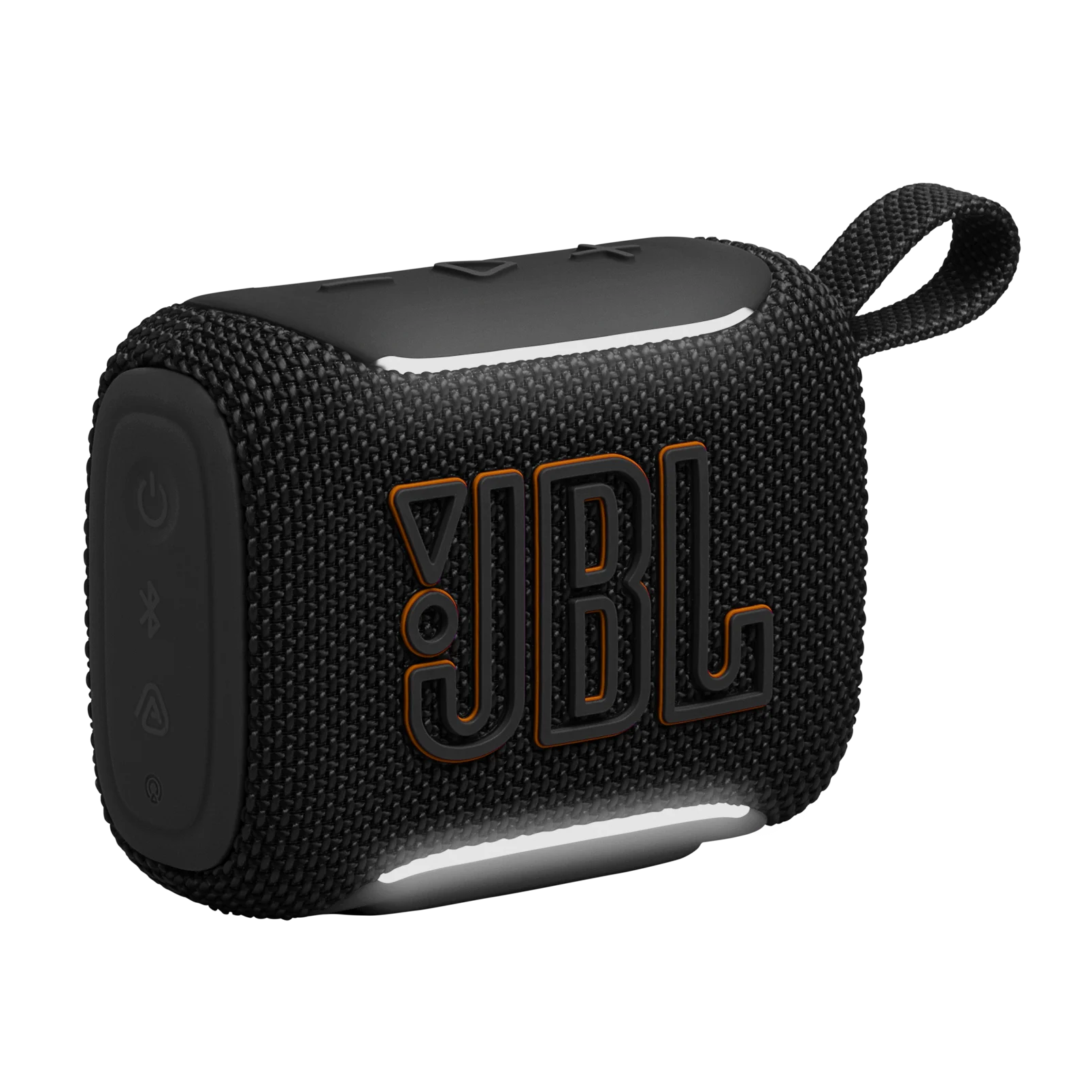
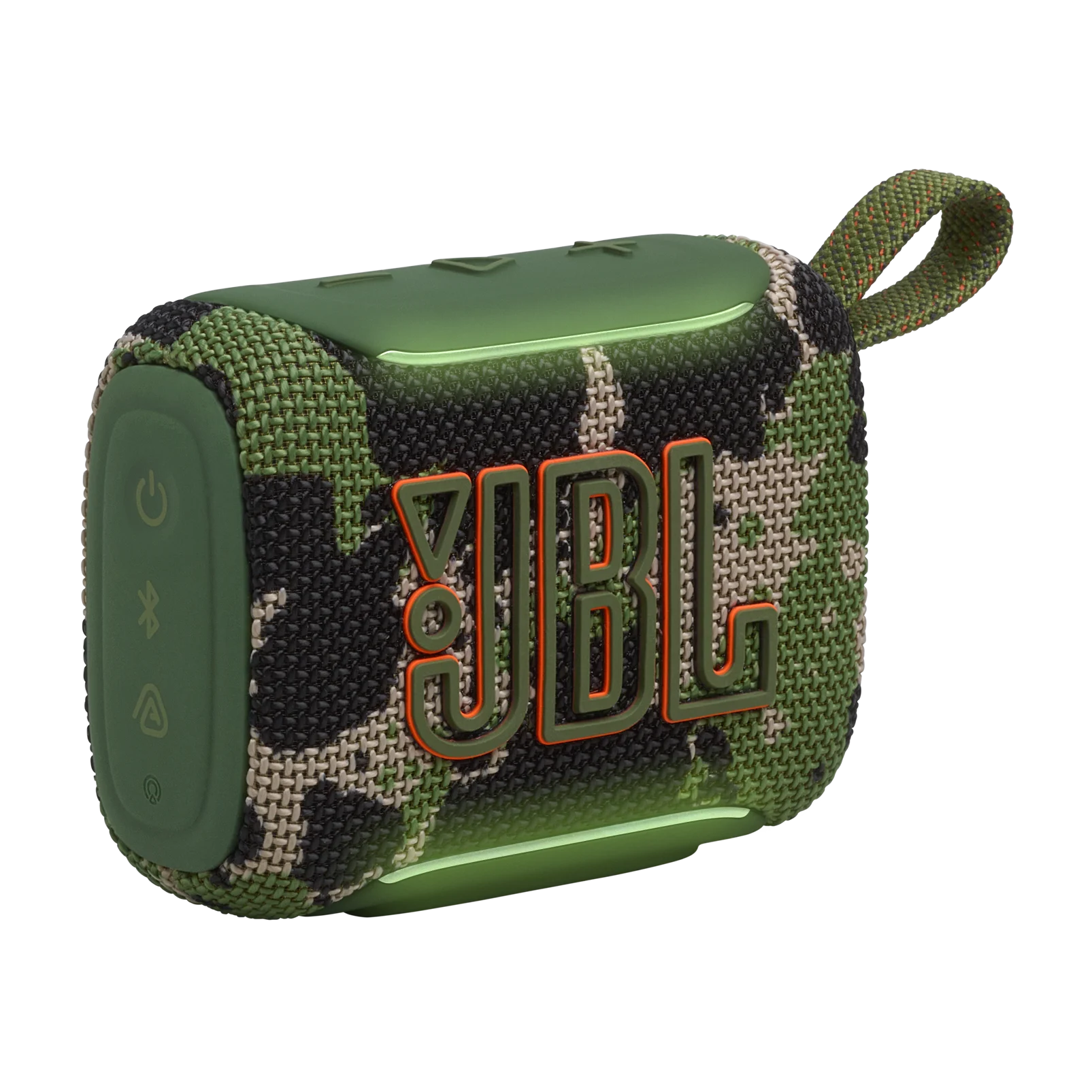
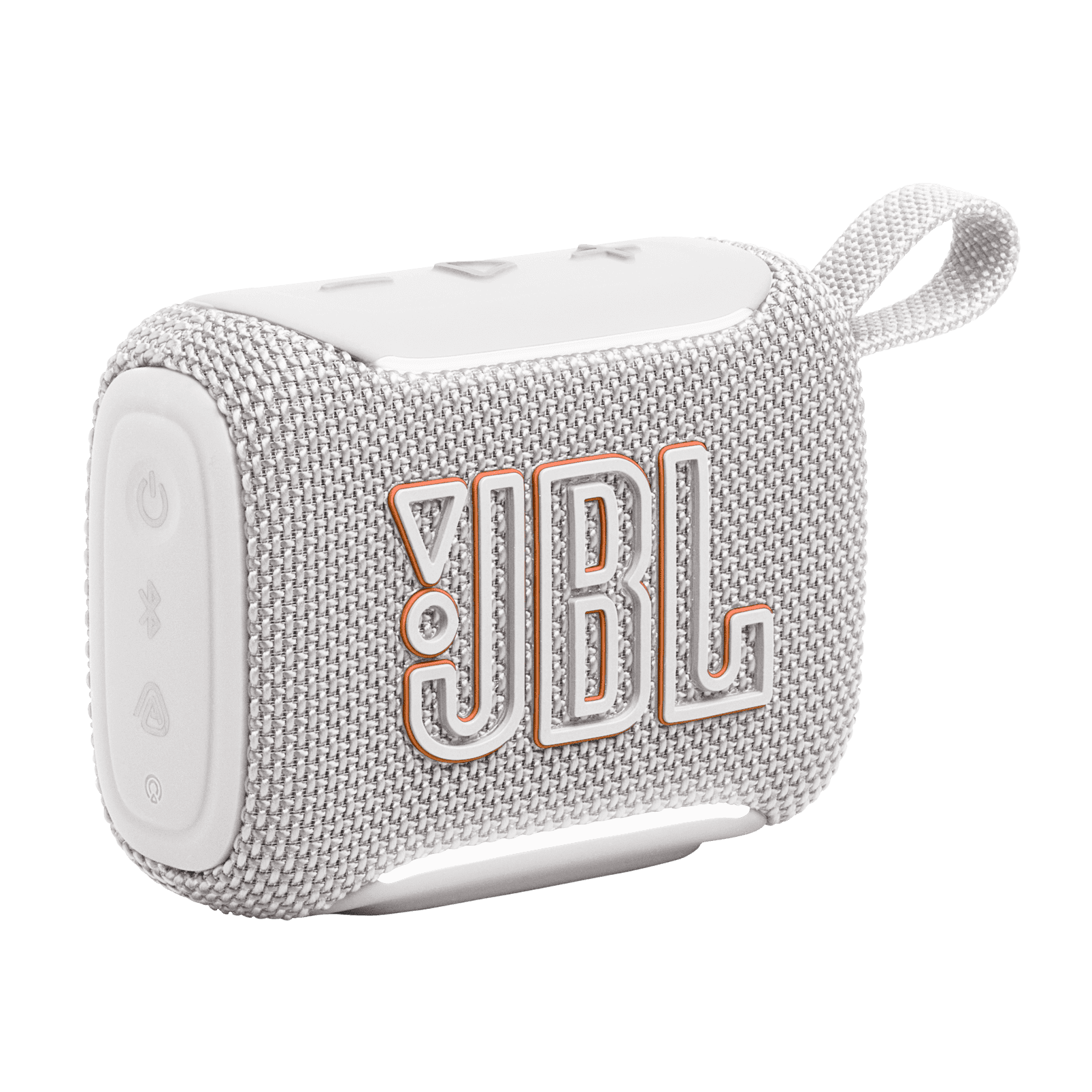
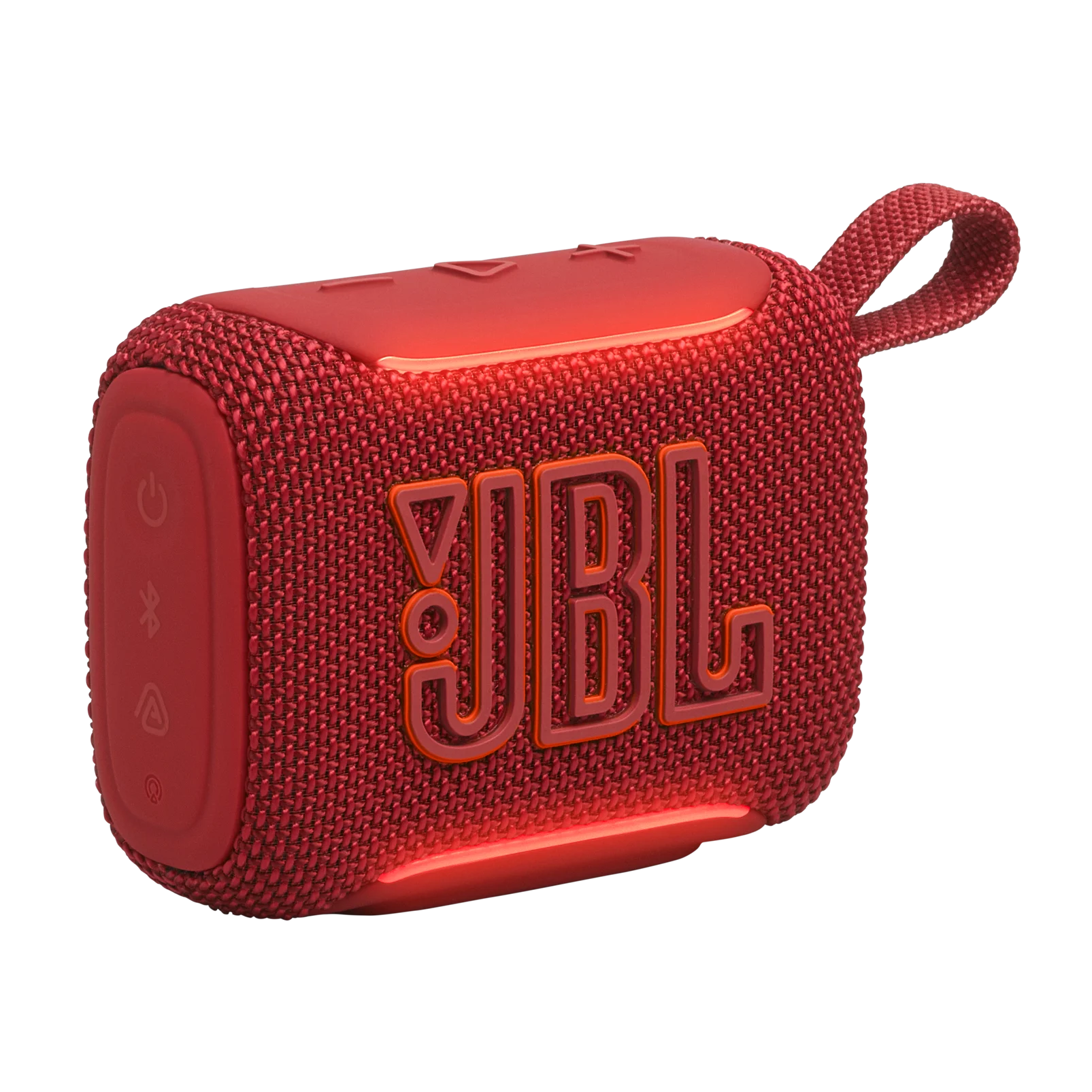
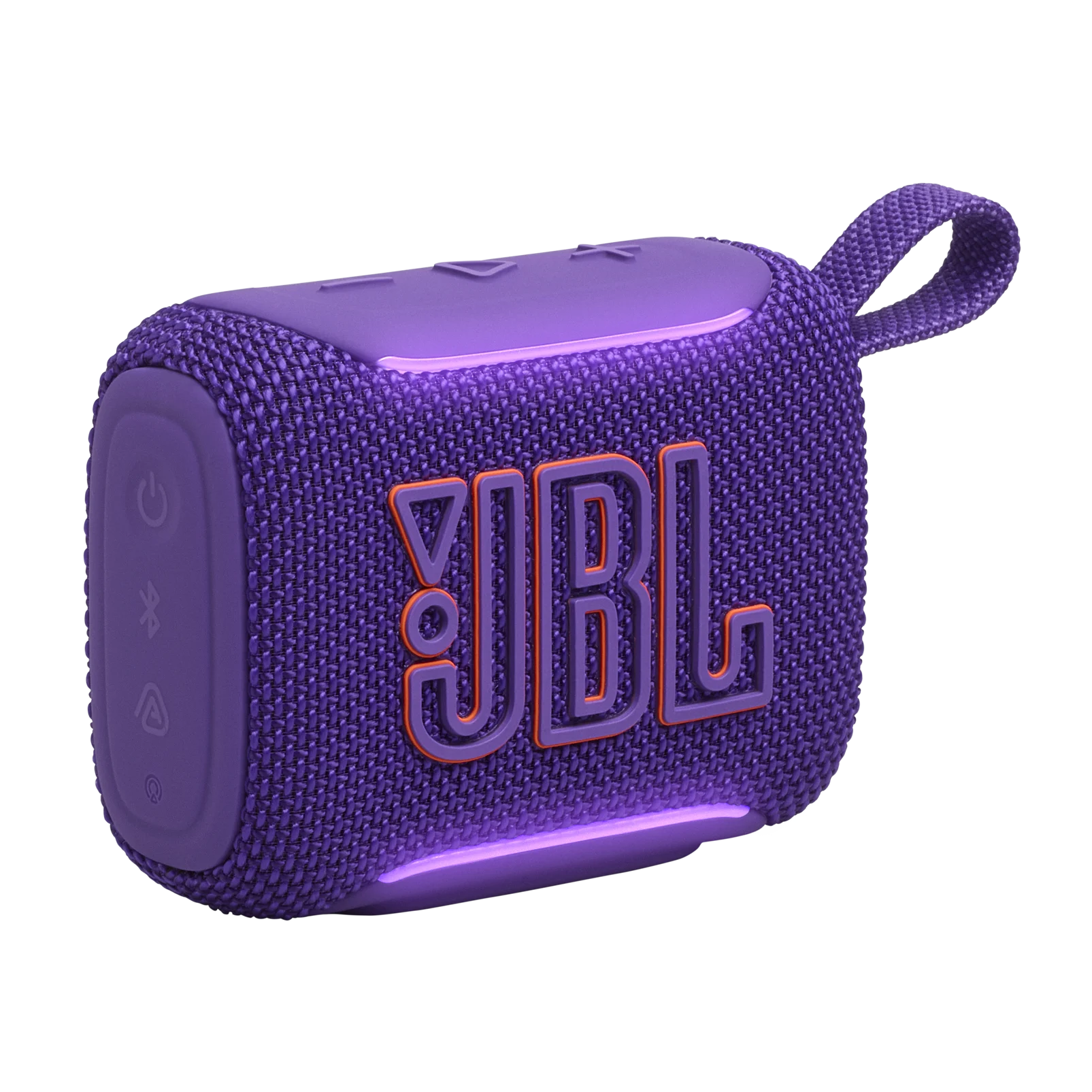
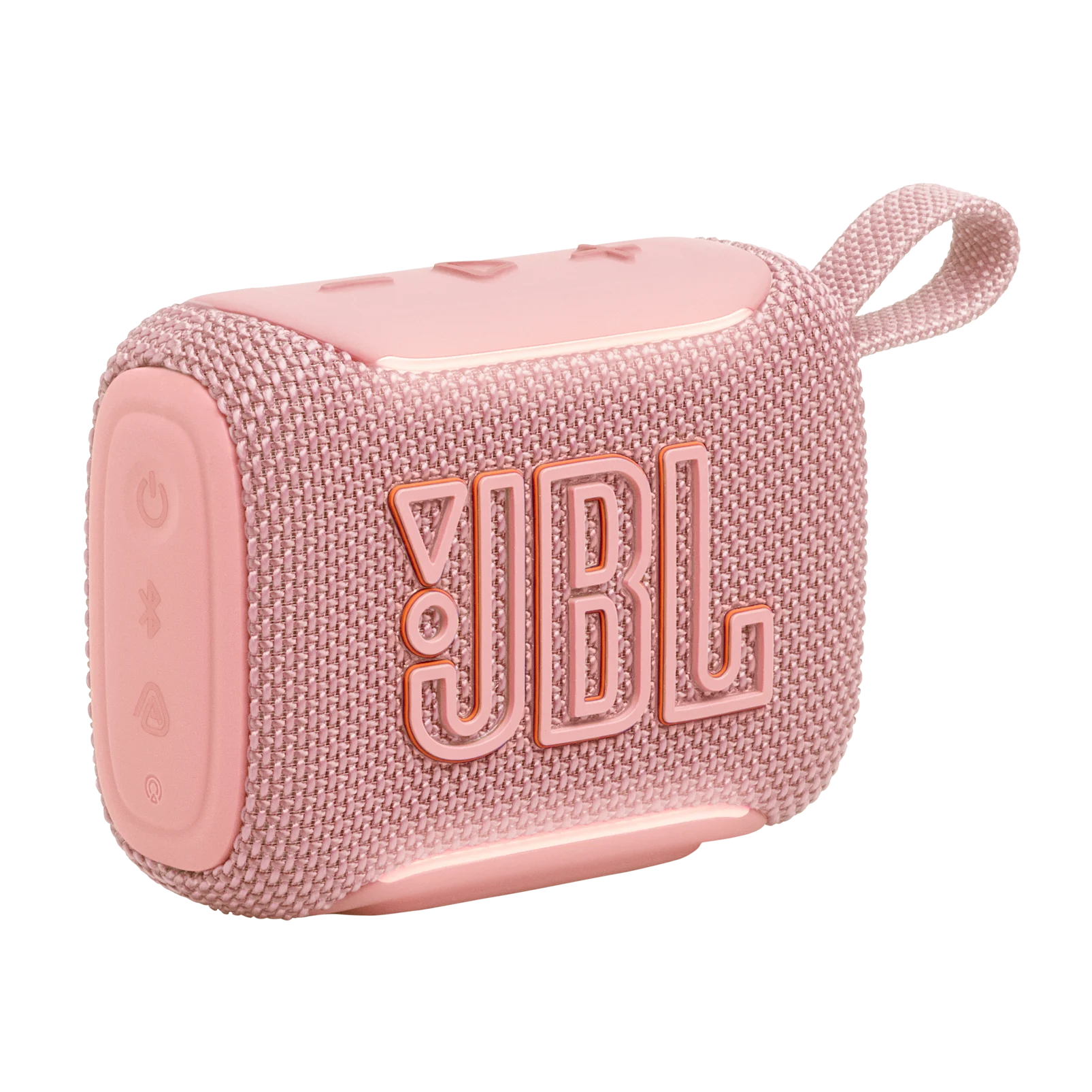
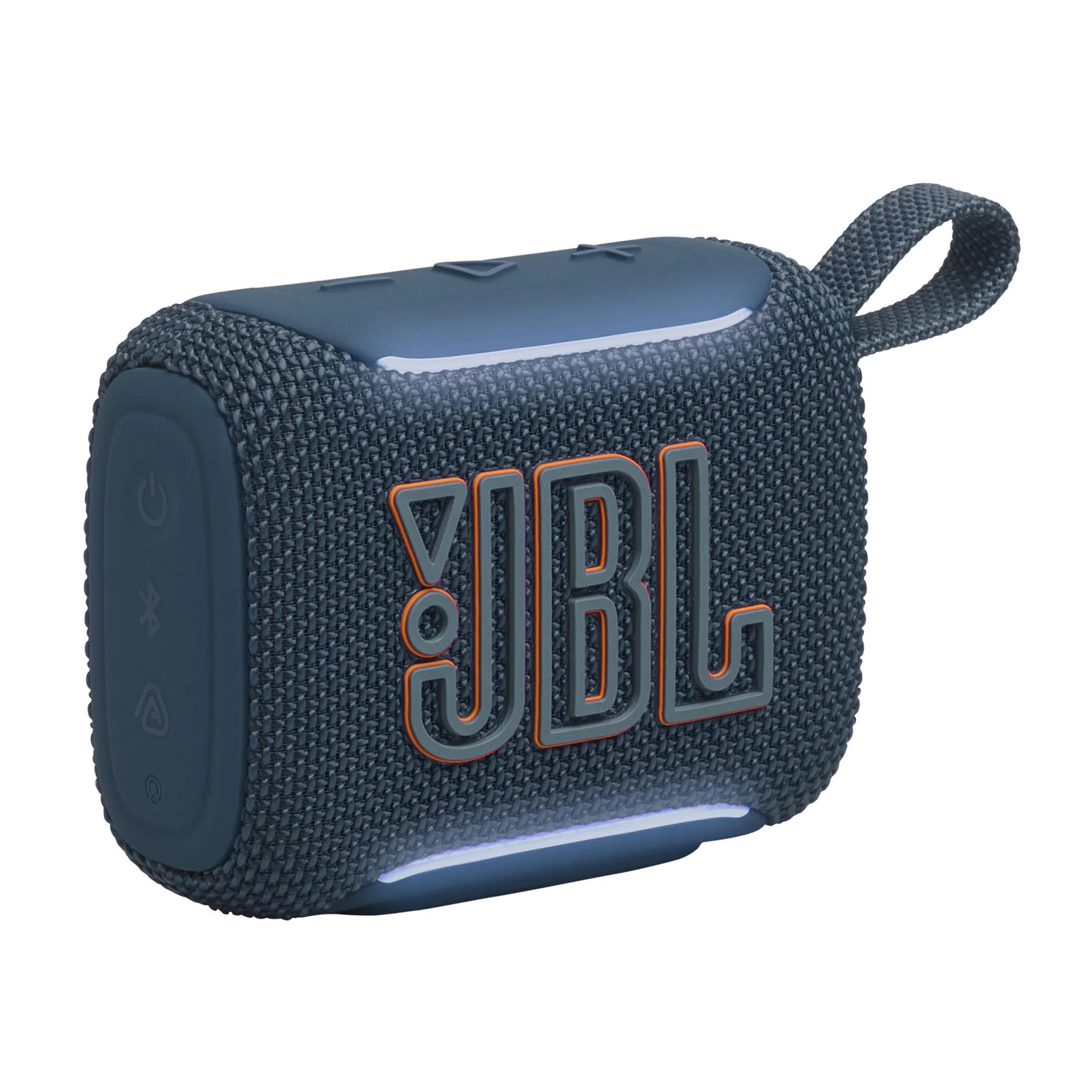
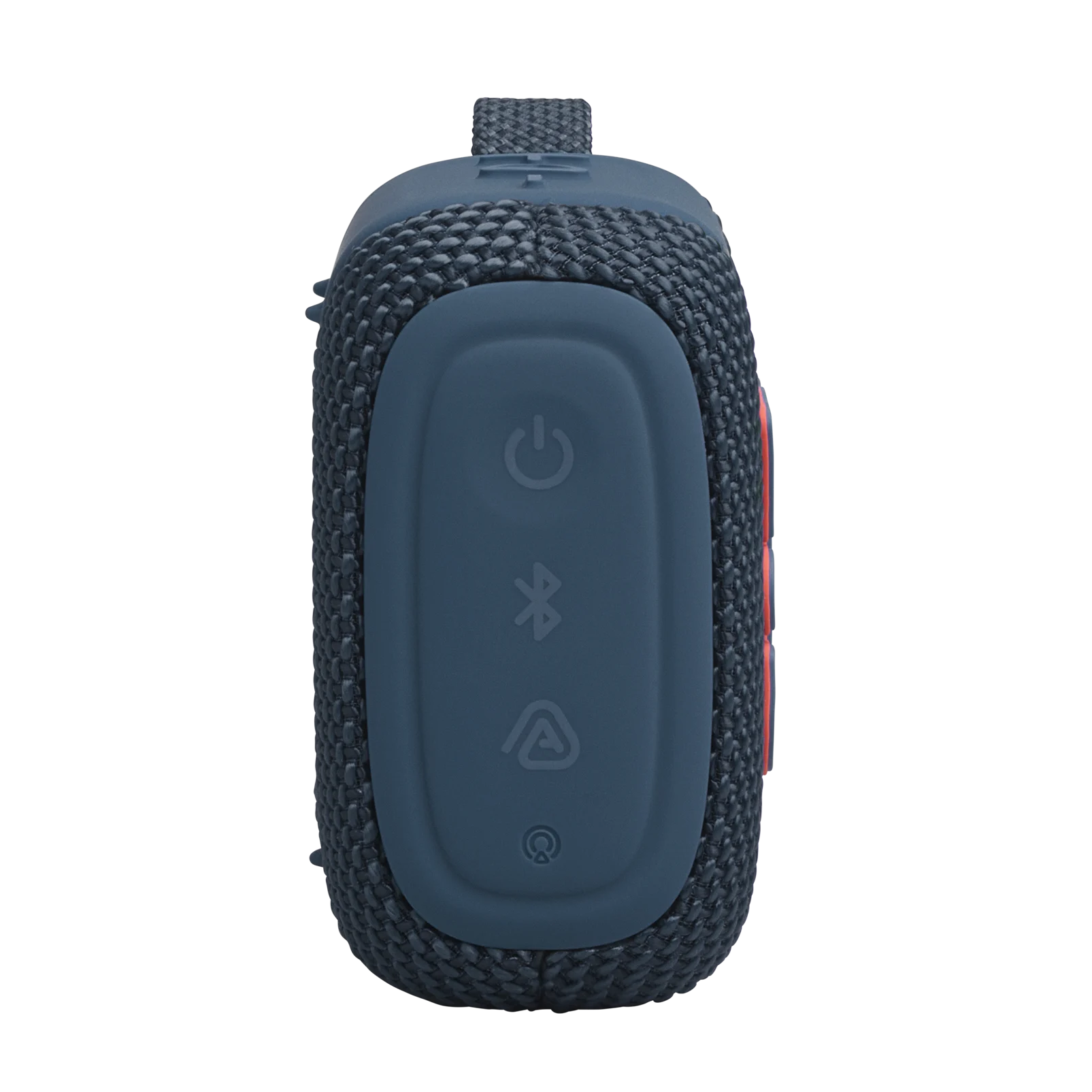
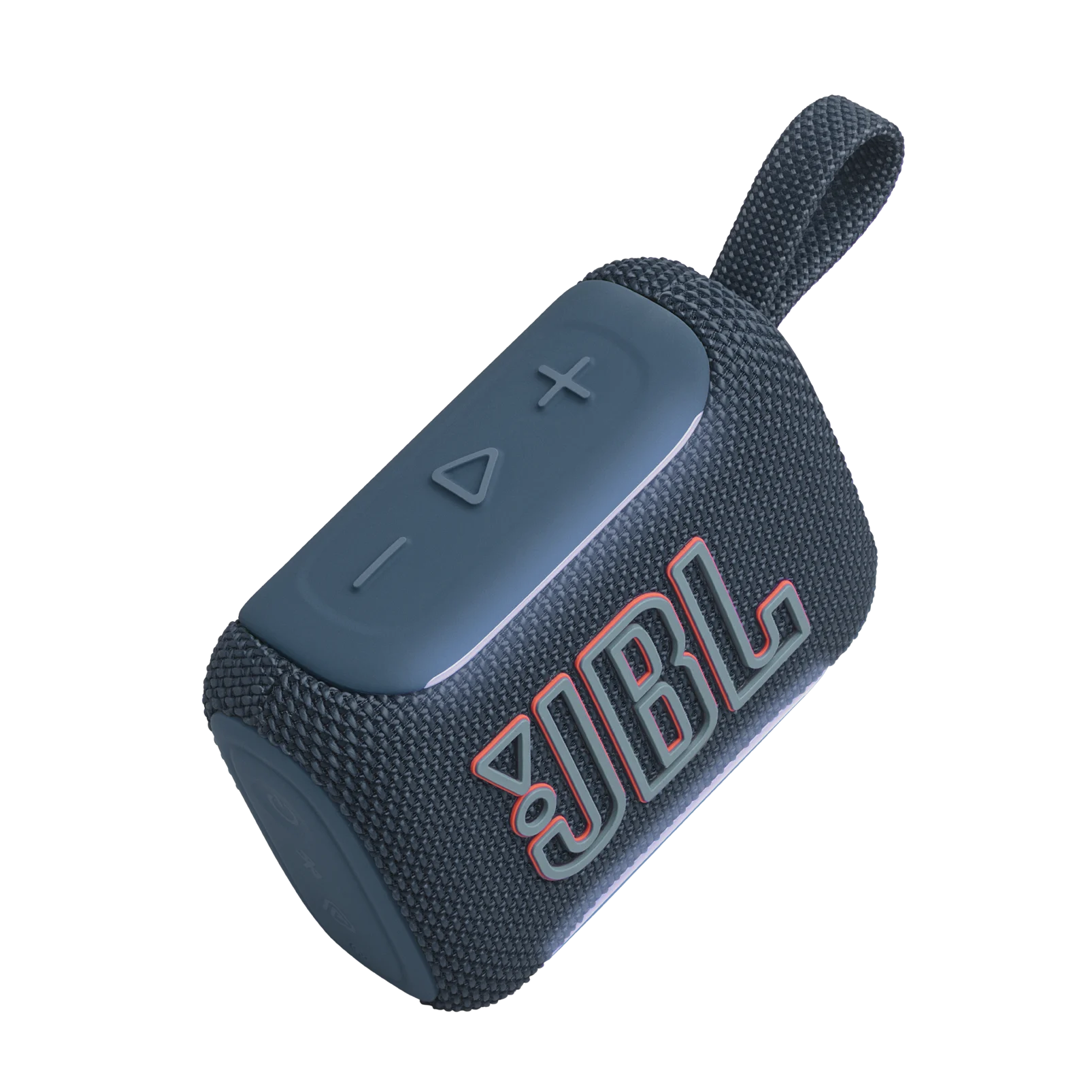
Colors from the JBL Go 5
4. Battery Life
Go 5 Lasts a Little Longer – The Go 4 offers up to 7 hours of playback on a full charge. The Go 5, however, extends that to 8 hours, giving you an extra hour of music before you need to find a cable. With Playtime Boost mode enabled through the app — which dials back the bass to conserve energy — the Go 4 pushes up to 9 hours and the Go 5 reaches up to 10 hours.
Note that with the Go 5’s LED lighting switched on, battery life drops slightly from the 8-hour baseline.
In real-world testing at around 50% volume, the Go 5 lasted close to nine hours before triggering a low battery warning. That’s more than enough for a full day out, a beach trip, or a long barbecue session. Neither speaker will last all weekend, but both will comfortably see you through a day without needing a charge.
Both speakers charge via USB-C and take around 3 hours to reach full battery from empty.
WINNER: JBL Go 5
5. Ambient Lighting (Go 5 Exclusive)
Let’s be honest — when you first hear “LED lighting on a budget speaker,” it’s easy to roll your eyes. But the Go 5’s ambient lighting is one of those features that works better than expected.
The two white LED strips sit along the top and bottom edges of the speaker face. They’re subtle and tasteful — not the kind of garish RGB blinking you’d see on a cheap gadget. The four themes (Bounce, Loop, Switch, and Freeze) respond to the music in different ways, and you can customize them via the app.
The lights also double as practical visual cues for pairing mode, power status, and low battery alerts, so they earn their place beyond just looking good. If you use the Go 5 on a desk, at a party, or in a dim room, the lighting adds a nice ambient touch without draining the battery dramatically.
WINNER: JBL Go 5
6. Price & Value
Go 5 Worth the Extra Money – In the United States, the JBL Go 5 costs about $55 compared to JBL Go 4’s $50 — a small difference, really. In the United Kingdom, both portable Bluetooth speakers cost only £40 price tag, which makes the decision even easier in that market.
For that small price difference, the JBL Go 5 has the better value as it gives you: better sound quality; better durability; better Bluetooth connectivity; new LED lighting, and a longer battery life. That’s a lot more upgrades for a small price difference.
Whereas the JBL Go 4 remains a solid choice. It still sounds great. It’s cheaper. And it’s just a no-fuss portable Bluetooth speaker for casual use. However, near its original price, the JBL Go 5 offers significantly better value.
WINNER: JBL Go 5
7. Who Should Buy Which?
Buy the JBL Go 5 If…
- You want the best sound quality in the Go lineup right now
- You plan to pair two speakers for stereo sound (AirTouch makes this effortless)
- You want IP68 durability for outdoor use
- You’d like USB-C wired audio for desk or laptop use
- You enjoy the ambient lighting and app-based EQ control
Buy the JBL Go 4 If…
- You find it on sale for a significant lower price
- You want something simple with no frills for casual everyday listening
- You don’t need stereo pairing or USB-C audio
- You want IP67 durability for outdoor use
Summary
JBL Go 5
JBL Go 4
RELEASE YEAR
2026
2024
PLAYBACK
Up to 8hrs ↑
Up to 7hrs
BLUETOOTH
6.0 ↑
5.3
OUTPUT POWER
48W ↑
42W
WATER RESISTANCE
IP68 ↑
IP67
WEIGHT
230g (8.2oz)
190g (6.7oz) ↑
Lastly
In the end, the JBL Go 5 is the better speaker because of its new upgrades, better improvements and better value. The JBL Go 4 isn’t a bad speaker. It still sounds good, it’s still compact and durable, and it still gets the job done for casual listening. If you spot it heavily discounted, it’s worth picking up. But if you’re buying new? Get the Go 5. It’s the best tiny speaker JBL has made, and one of the best budget Bluetooth speakers you can buy today.
So let’s hear from you. What do you think of these compact JBL speakers? Is it the type of Bluetooth speaker you’re looking for? If not, which brand of portable speaker do you prefer? Let’s hear what you think at the comments section here below. And if you curious to find out more, click on the red buttons to above to find out what more in store 😀

 LGMadyibi
+ There are no comments
Add yours