Reliable and Best Laptops Under $1000 to Buy Now

Best Laptops Under $1000

Not too long ago, spending under $1,000 on a laptop meant making painful sacrifices. You had to settle for plastic bodies that flexed under pressure, washed-out displays, sluggish processors, and battery life that barely got you through a morning commute. That’s no longer the case. Today, $1,000 is the ultimate sweet spot in consumer tech. Thanks to intense competition between chipmakers and huge leaps in efficiency, affordable laptops now deliver premium aluminum builds, gorgeous OLED and IPS displays, 10+ hours of battery life, and enough processing power to handle modern multitasking, 4K video editing, and light gaming.

However, navigating the budget-to-midrange laptop market remains a minefield. Manufacturers love packing spec sheets with marketing buzzwords, pushing outdated stock, or cutting crucial corners—like giving you a fast processor paired with a terrible display or a skimpy 8GB of non-upgradable RAM. Whether you’re a student hunting for an all-day battery powerhouse, a remote worker needing a reliable daily driver, or a casual gamer looking for decent frame rates, this article will help you choose from one of the best laptops under $1000. So what are you waiting for? Let’s get to it.


The Quick List


Acer Aspire Go 15

The Reliable and Budget Friendly

★★★★☆ 4.0 Great

±US$ 700 – Wallmart

Apple MacBook Neo

The Affordable MacBook

★★★★⯪ 4.5 Amazing

±US$ 700 – Wallmart


Asus Zenbook A14

The Everyday Tool for College

★★★★☆ 4.0 Great

±US$ 800 – Wallmart

HP OmniBook 5

The Affordable Yet Premium

★★★★☆ 4.0 Great

±US$ 750 – Wallmart


What to Expect for Under $1000 (Buying Criteria)


To get the most value out of your money, you need to know your baseline specs. Here is what you should expect—and demand—from a laptop in this price range:


1. Processor (CPU): Modern Efficiency

For a laptop under $1000, you should get the best working hardware for your laptop. However, you need to look out for the best processing chip included with the laptop before you buy it. If you’re looking for a Windows laptop, check the specs to look for out for either an Intel Core Ultra 5/7 or AMD Ryzen 7000/8000 series (specifically Ryzen 5 or 7).

These feature dedicated neural processing units (NPUs) to help with AI functions and tasks, and also help massively with battery efficiency. The cheaper ones are usually the laptops including the AMD Ryzen series processing chips. They work the same way as the Intel Core Ultra chips.  

If you’re an Apple fan, and prefer MacBooks, then look out for M2 or M3 processing chips included with MacBooks. They remain unmatched in performance-per-watt efficiency, making them ideal for users prioritizing silent operation and battery longevity. For the purpose of this article, the MacBook featured here is powered by a processing chip also found in the iPhone 16 Pro, which is still a great performer. 


2. Memory & Storage: 16 GB, 512 GB is the New Baseline

Don’t get confused. There’s a difference between Storage and Memory in computer language. Memory or RAM helps to ensure that the laptop runs smooth with no lag or laptop freeze. The bigger the RAM, the smoother your laptop experience. As for storage, the bigger the number, the more apps, documents, media and other files you can keep in your laptop.  

In this instance 8 GB of RAM is still fine but I recommend you get a laptop with 16 GB of RAM or more. With modern web browsers and OS features, having bigger memory or RAM is essential for smooth multitasking. As for storage, aim for at least a 512 GB SSD (oh, and make sure it says ‘SSD’ not ‘HDD’, totally different hard drive). Avoid getting a laptop with 256 GB storage or less unless you rely entirely on cloud storage, as system files and media will quickly fill up smaller hard drives. 



3. Display Quality: Crisp & Bright

Next is the display. You’ll be staring at this colorful screen for hours… and hours, so make sure it meets there requirements or better. No compromises. Firstly, make sure that the screen resolution is 1080p (Full HD) or bigger. It should normally read ‘1920 x 1080’. Other will read ‘2K’ or ‘3K’ which are so much better quality.

Secondly, the IPS panel type. Next thing you do, you need check for IPS panels as they deliver good color accuracy, or if it’s OLED screen as it delivers vibrant colors and infinite contrast ratios. Just know that OLED panels are more expensive, if budget is a priority, get a Full HD IPS panel as it also looks good.

Then lastly, it’s the brightness. Check the overall brightness of the screen as it’ll help you work well indoors or outdoors. The target here is 300 nits which is standard but if you can find a laptop with even more brightness (400 nits+ preferred), then you’re there.         


4. Battery Life & Portability

Then it’s the battery life of the laptop. Are you going to walk around with a power charger for when the battery runs out or are you getting a laptop with long battery life. There are two things to consider: battery life and the weight of the laptop. 

When looking for a laptop, you need to expect a battery life between 9 to 15 hours for daily productivity usage. There are laptops that last even more, and the only way to know for sure is to check out reviews of these laptops. 

Then there’s the weight. You really don’t want to be walking around or travelling with a heavy laptop. So a good weight would ideally sit under 3.5 lbs. (1.6 kg) for traditional ultra-books, making them effortless to slip into a backpack. There’s plenty of laptops out there that are slim and light so no worries there, unless you want a gaming laptop which can weigh up to 6.6 lbs. (3 kg).   


Best Laptops Under $1000 To Buy Now


So that’s the buying criteria I recommend you use for getting your affordable beast of a laptop. Let’s move on and see which one of these laptops I recommend for you.


Acer Aspire Go 15


Specs

  • DISPLAY: 15.6-inches, Full HD IPS 60Hz (1920 x 1080) resolution
  • PROCESSOR: AMD Ryzen 7 5825U
  • GRAPHICS: AMD Radeon
  • MEMORY: 32 GB DDR4 RAM
  • STORAGE: 512 GB PCle Gen4 SSD
  • OPERATING SYSTEM: Windows 11 Home
  • PORTS: HDMI 2.1; 2x USB 3.2 Type-A; USB Type-C; Ethernet LAN; Headset jack
  • OTHER: weighs 1.7 kg (3.8 lbs.) | Wi-Fi 6E, Bluetooth 5.2 

Pros

  • Slim & lightweight
  • Good set of input ports
  • Great performance for day-to-day tasks
  • Affordable
  • Good battery life
  • Decent typing experience

Cons

  • Average display quality
  • Plastic build quality

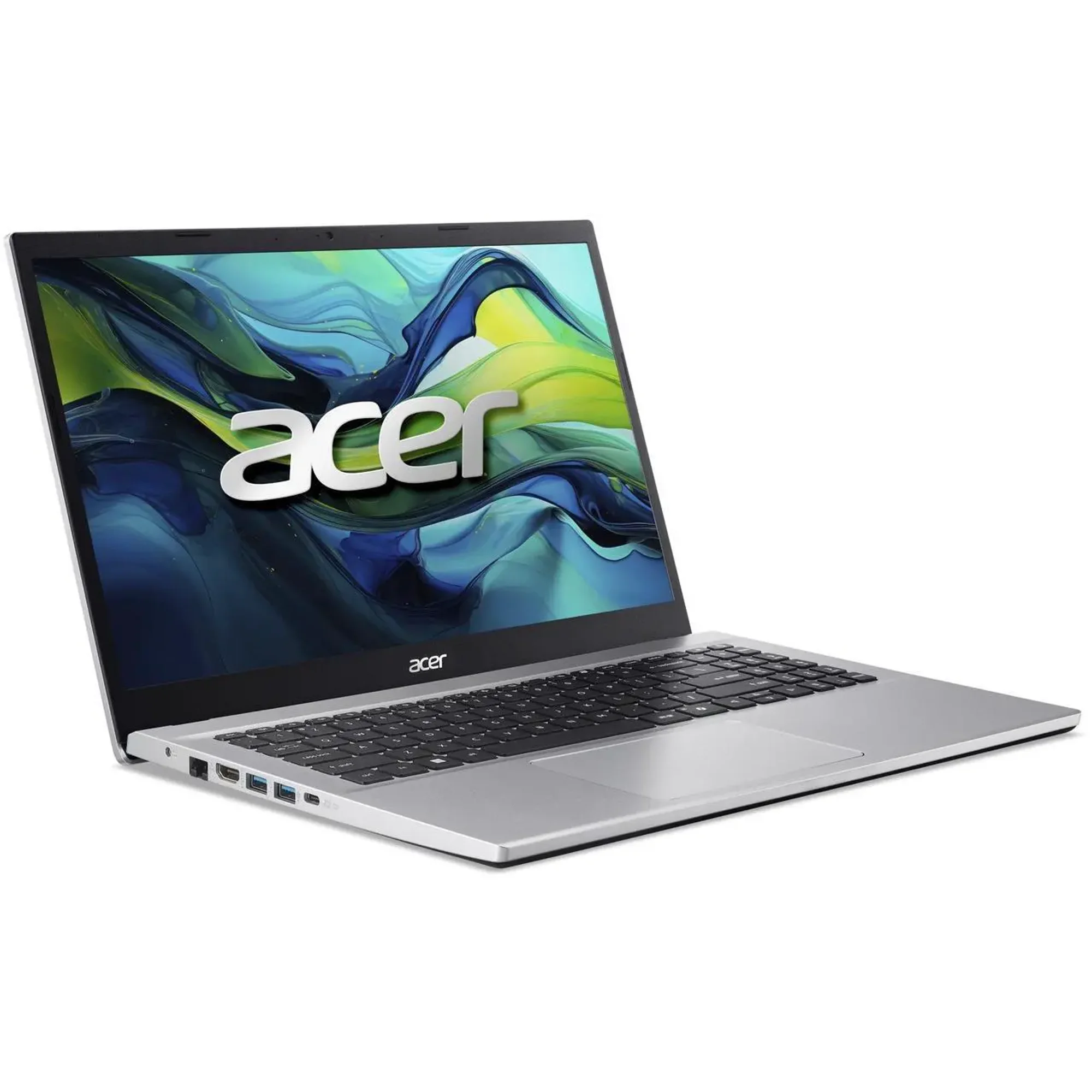
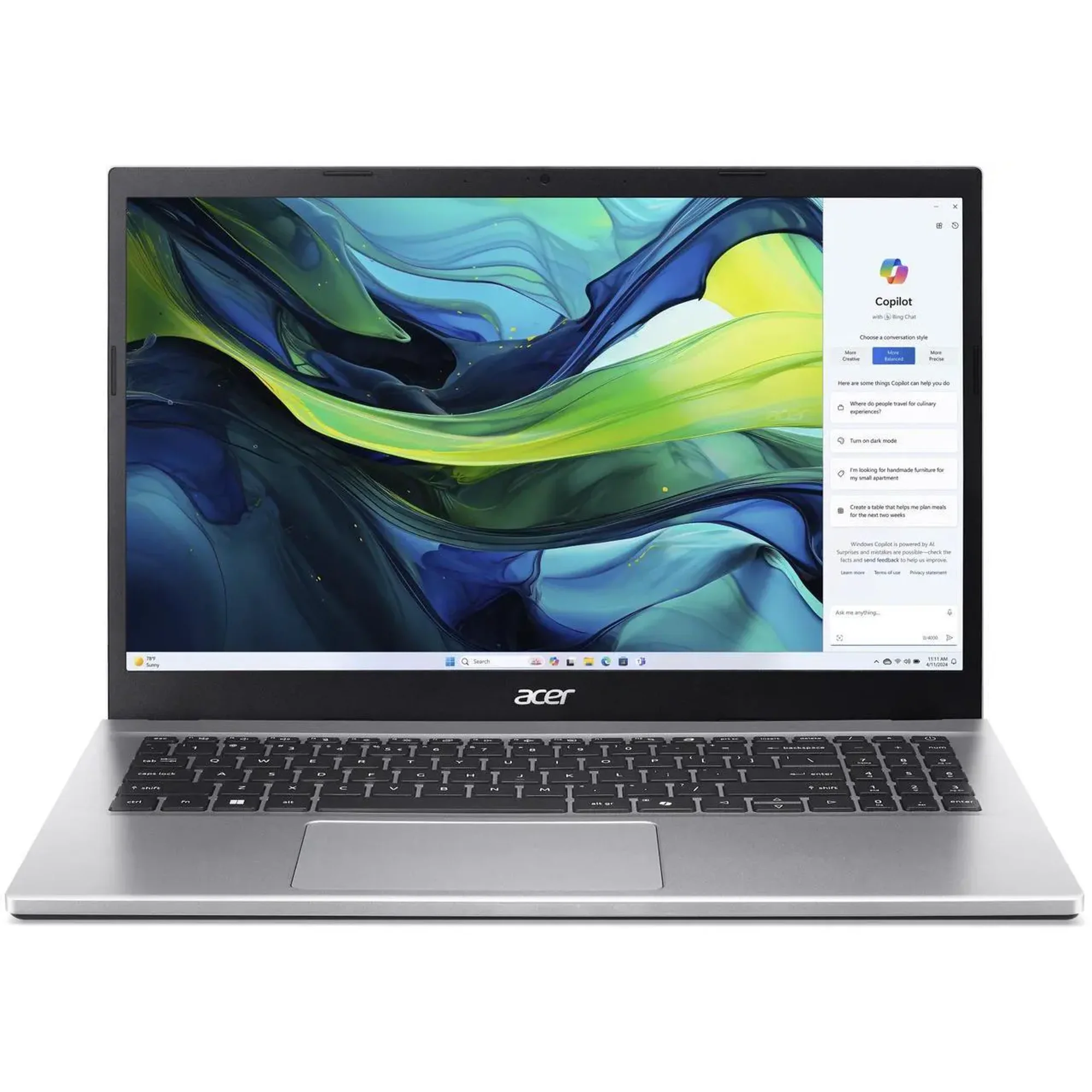
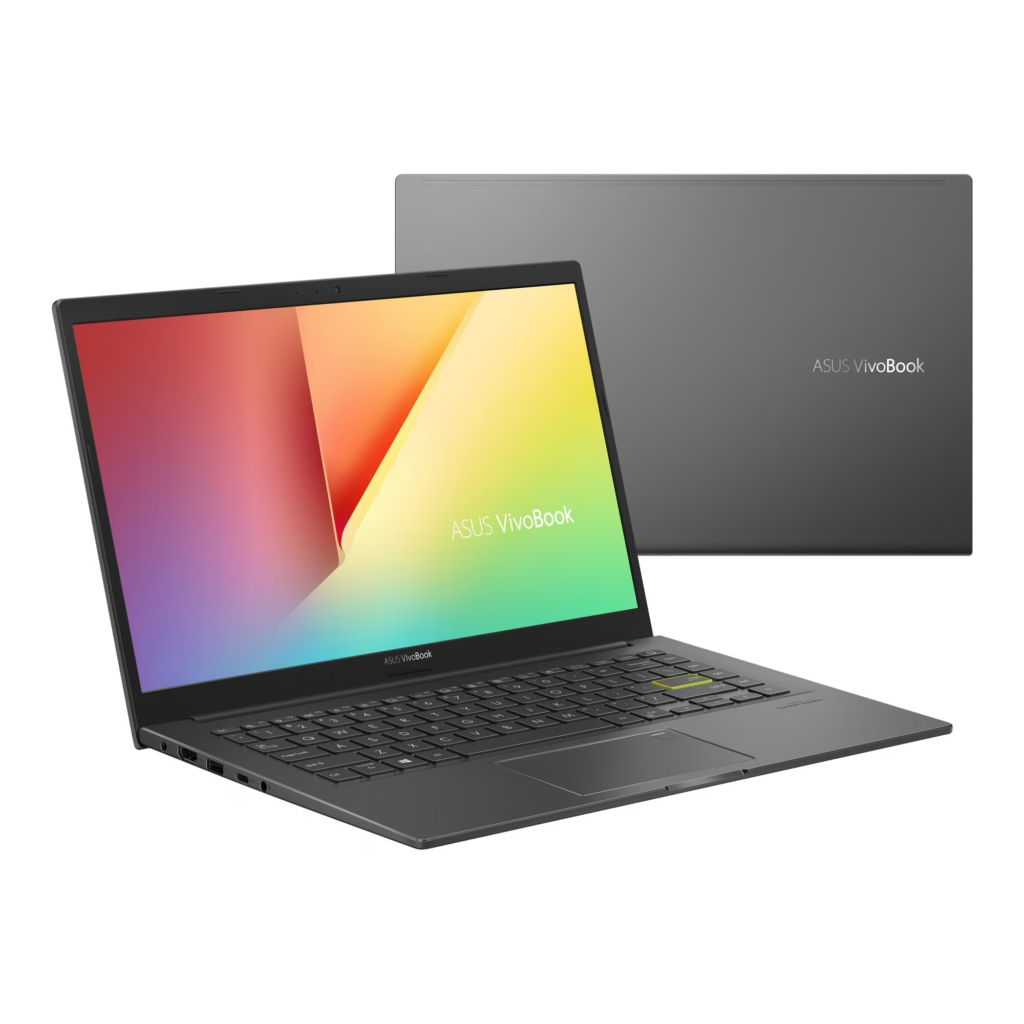
The Acer Aspire Go 15 offers a budget-friendly Windows experience with hardware that handles daily tasks well. It features a slim, lightweight build that makes traveling with it a breeze. While its silver finish looks stylish, a few awkward angles slightly spoil the look. The build quality does fall short, as the plastic materials used make the chassis feel less sturdy than it should. Opening the lid past 90 degrees pushes the back of the laptop off the table, creating an awkward tilt.

On the bright side, you get plenty of useful ports here, including three standard USB ports, an HDMI port, and an Ethernet port. However, it only includes one USB-C port and misses an Micro SD card reader. Performance remains decent during basic daily work and video streaming. Since it lacks a graphics card, heavy gaming will slow it down to a crawl, though it handles simple light games well without overheating or making much fan noise. 

The large display stands out as the biggest drawback though. It looks grainy, with washed out colors, making the screen look average. However, the battery life remains strong, lasting nearly 12 hours when playing movies, though there’re other laptops out there in its price range, that last even longer.

Overall, the Aspire Go 15 laptop delivers great value for its low price. While other laptops such as Chromebooks offer better screens for even less money, this laptop remains a top choice if you want an affordable Windows laptop, and don’t really mind the average display.


Apple MacBook Neo



Specs

  • DISPLAY: 13-inches, Liquid Retina, 60Hz (2408 x 1506) resolution
  • PROCESSOR: Apple A18 Pro (6-core)
  • GRAPHICS: Apple GPU (5-core)
  • MEMORY: 8 GB LPDDR5 RAM
  • STORAGE: 256 GB PCle Gen4 SSD
  • OPERATING SYSTEM: macOS Tahoe
  • PORTS: 2x USB 3.2 Type-A; USB Type-C; Headset jack
  • OTHER: weighs 3.8 lbs. | Wi-Fi 6E, Bluetooth 6 | 1080p FaceTime HD webcam

Pros

  • Excellent premium aluminum build
  • Comes in 4 design colors
  • Great battery life
  • More affordable MacBook
  • Great performance for day-to-day tasks

Cons

  • Available only at 8GB of memory
  • No keyboard backlight
  • Slow USB ports

Apple released the MacBook Neo at a crucial time. With soaring costs, new global tariffs driving up gadget prices, and everyday expenses climbing, us consumers simply have less money to spend. While people often label Apple as a luxury brand, it’s no surprise that they released a MacBook that proves that the company can offer great value.

With the MacBook Neo, Apple steps directly into the budget laptop market to compete with other cheap laptops like Chromebooks and other Windows laptops. Rather than stripping down the device to cut costs, Apple built a stylish aluminum laptop available in four bright colors.

The screen offers a sharp resolution that easily beats the dull displays found on similarly priced competitors. With excellent audio speakers, a clear high-definition webcam, and the full version of the macOS, make the overall package feel premium, fully functional, and offers a satisfying MacBook experience.

Daily performance feels smooth and reliable for basic work, making this an ideal laptop for students. The price starts at just around $599, with extra discounts available for school use. You’ll struggle to find a rival laptop at this price point that matches its speed and solid feel.

To keep the price low, Apple made a few small sacrifices. The Neo includes a modest amount of memory and little storage, lacks a backlit keyboard for dark rooms, and includes older, and slower USB ports. Despite these flaws, Apple has produced the finest budget laptop on the market, forcing competing Windows laptops and Chromebook makers to step up their game.


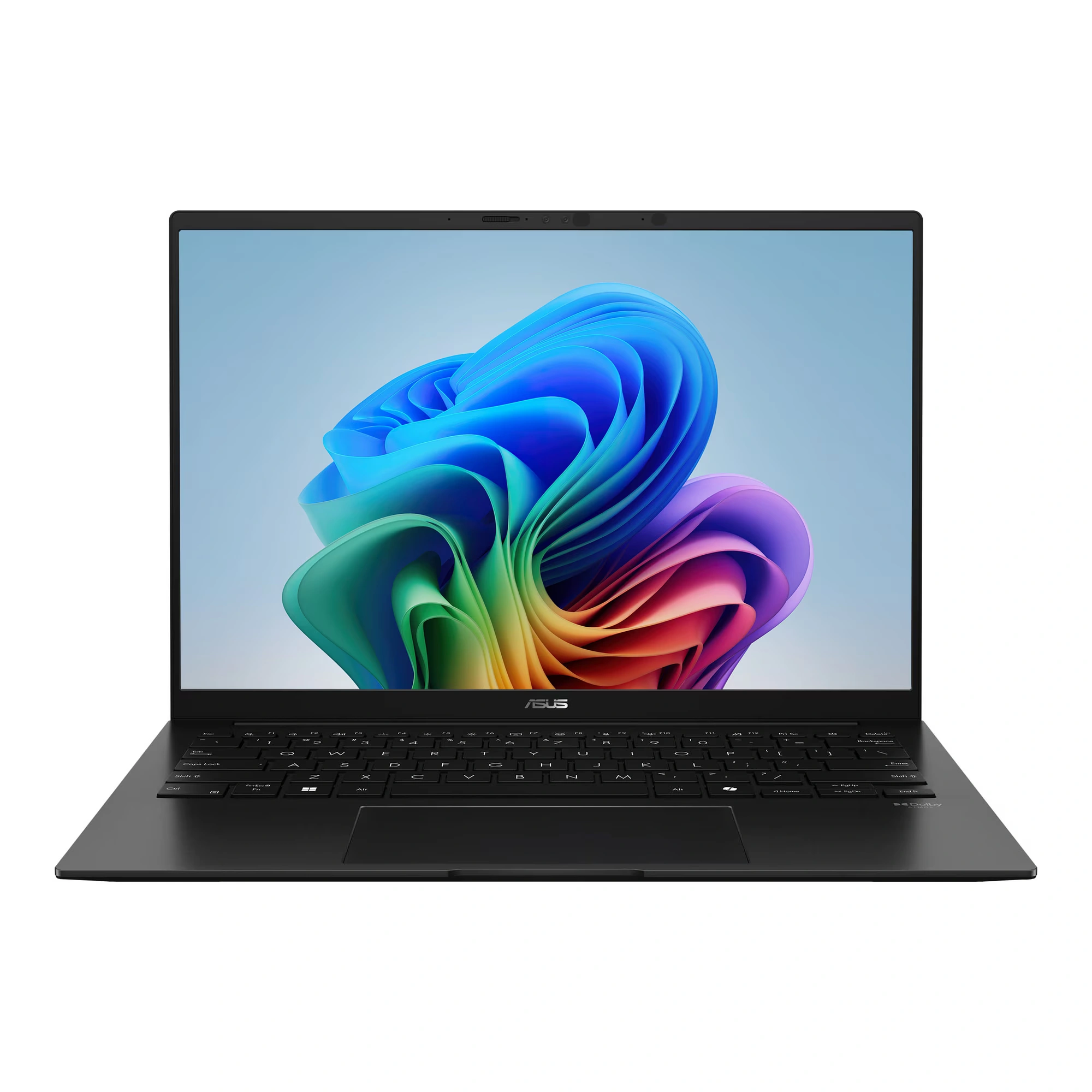
Asus Zenbook A14


Specs

  • DISPLAY: 14-inch, WUXGA OLED touch screen 60Hz (1920 x 1200) resolution
  • PROCESSOR: AMD Ryzen AI 7 445
  • GRAPHICS: AMD Radeon
  • MEMORY: 16 GB LPDDR5 RAM
  • STORAGE: 1TB PCle Gen4 SSD
  • OPERATING SYSTEM: Windows 11 Home
  • PORTS: HDMI 2.1; 2x USB Type-C; USB Type-A; Headset jack
  • OTHER: weighs 980g (2.16 lbs.) | Wi-Fi 6, Bluetooth 5.3 

Pros

  • Slim & lightweight design
  • Great performance
  • Comfortable typing experience
  • Excellent battery life
  • Includes backlight keyboard

Cons

  • Not the brightness display
  • Expensive
  • Fair noise generated from cooling fans

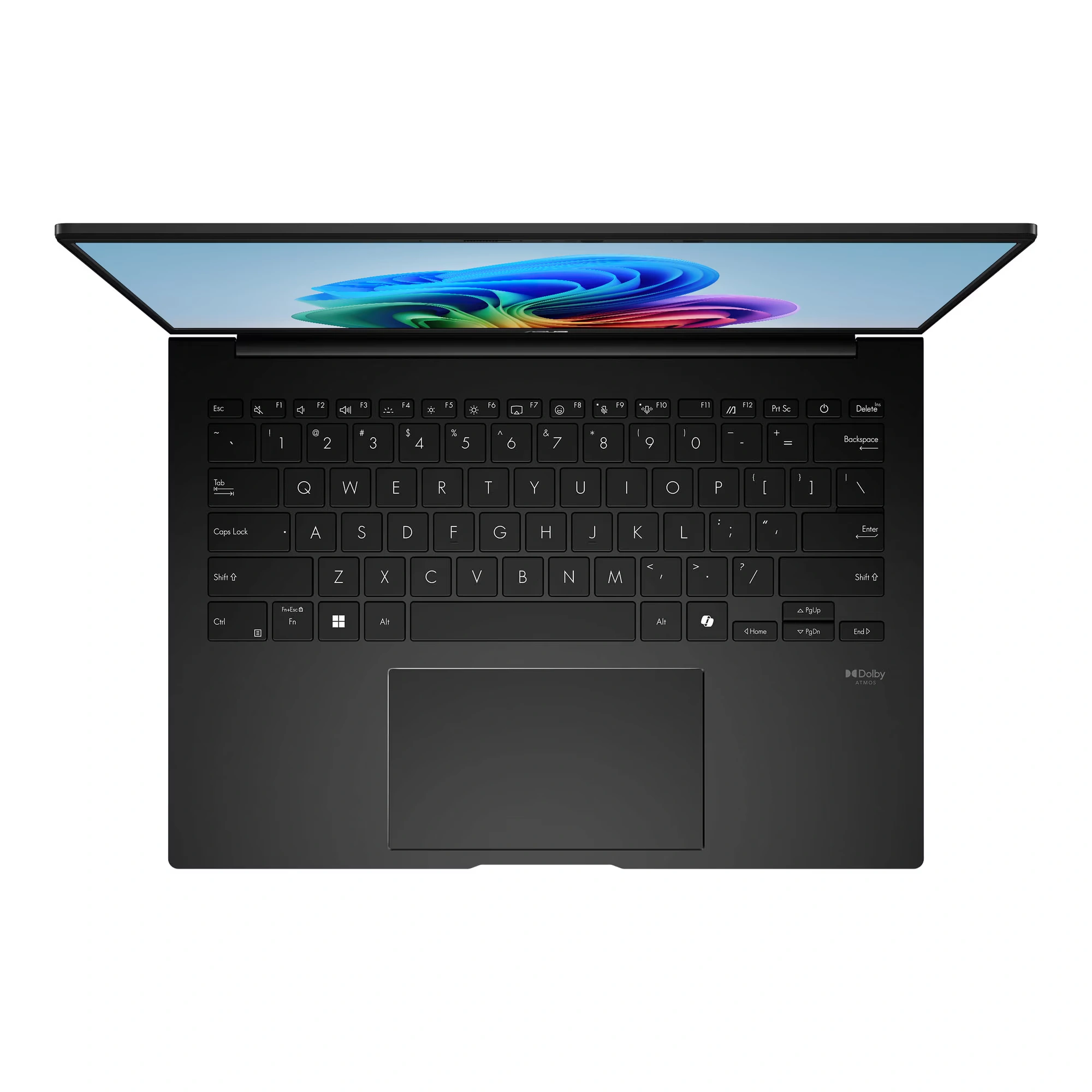
The Asus Zenbook A14 offers a light and compact design that makes it a great travel companion. Its smooth, beige finish and rounded corners give it a soft, clean, premium look. The laptop feels solid and well-made, though the lid flexes slightly because it’s so thin. You get a surprising number of ports for such a thin device, including two multiple use USB-C ports, but placing almost all ports on the left side might irritate some users.

The laptop delivers impressive speed thanks to its powerful AMD processor and a good 16 GB of memory. It handles everyday tasks effortlessly and even handles light gaming without a separate graphics card. While the cooling fans kick on and the body warms up under heavy workloads, the noise and heat stay at manageable levels.

The OLED screen displays sharp images with vivid colors, though it’s not the best as it lacks in good brightness and also reflects some glare in bright rooms. The keyboard feels fantastic, offering bouncy keys with plenty of space for fast typing. The smooth touchpad works well, though its smaller size can feel a bit cramped. Battery life stands out as the laptop’s best feature, running for up to 28 hours. While the Zenbook A14 costs a fair amount of money, its long battery, high performance, and easy portability make it worth every single penny.


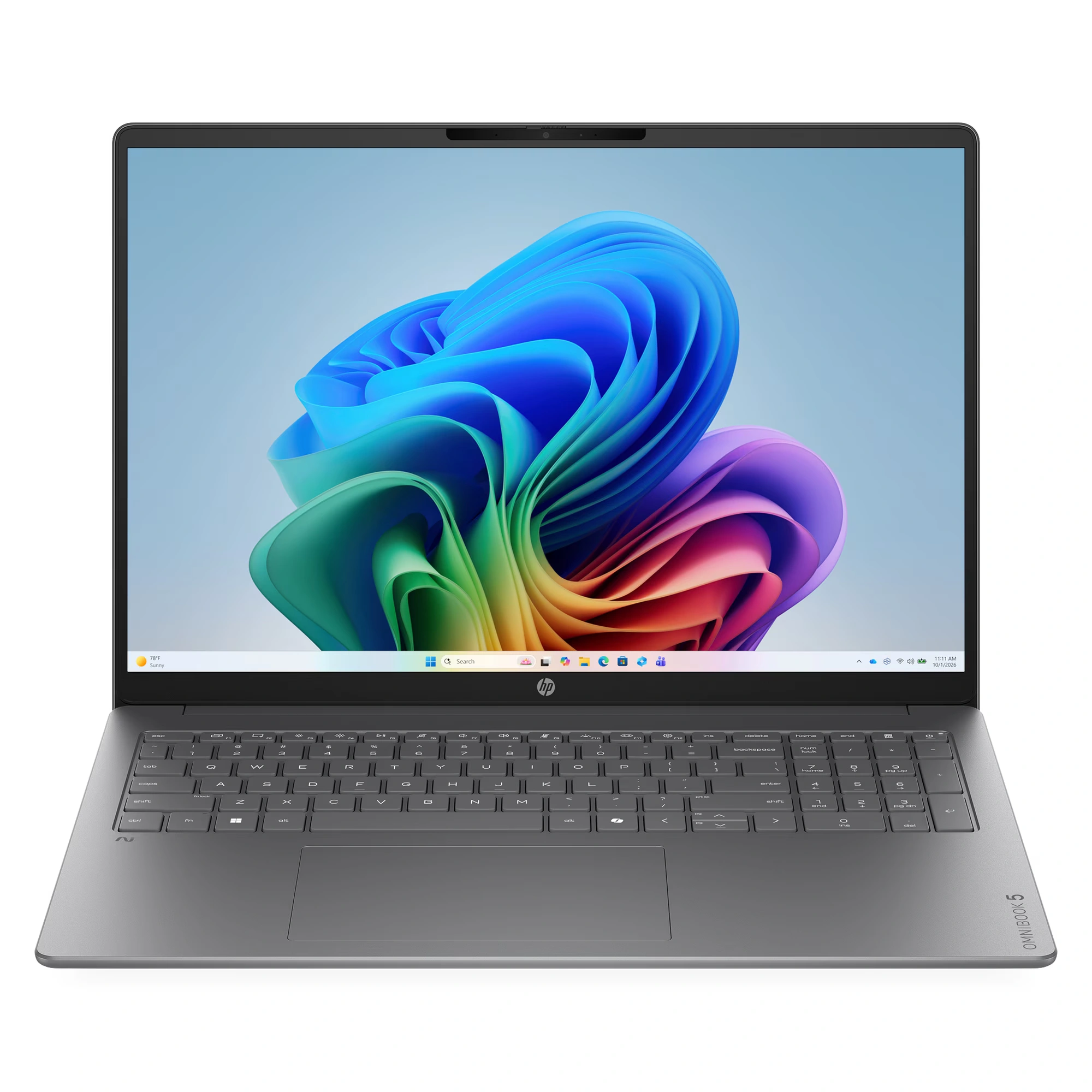
HP OmniBook 5


Specs

  • DISPLAY: 14-inch, 2K OLED, 60Hz (1920 x 1200) resolution
  • PROCESSOR: Qualcomm Snapdragon X Plus
  • GRAPHICS: Qualcomm Adreno GPU
  • MEMORY: 16 GB LPDDR5 RAM
  • STORAGE: 1TB PCle Gen4 SSD
  • OPERATING SYSTEM: Windows 11
  • PORTS: USB Type-A; 2x USB Type-C; audio combo jack
  • OTHER: weighs 1.35 kg (2.98 lbs.) | Wi-Fi 6E, Bluetooth 5.3 | 1080p webcam

Pros

  • Amazing battery life
  • Sharp & vibrant OLED display
  • Thin & lightweight design
  • Good performance overall
  • Comfortable typing experience

Cons

  • Expensive
  • Plastic build
  • Not suitable for heavy gaming

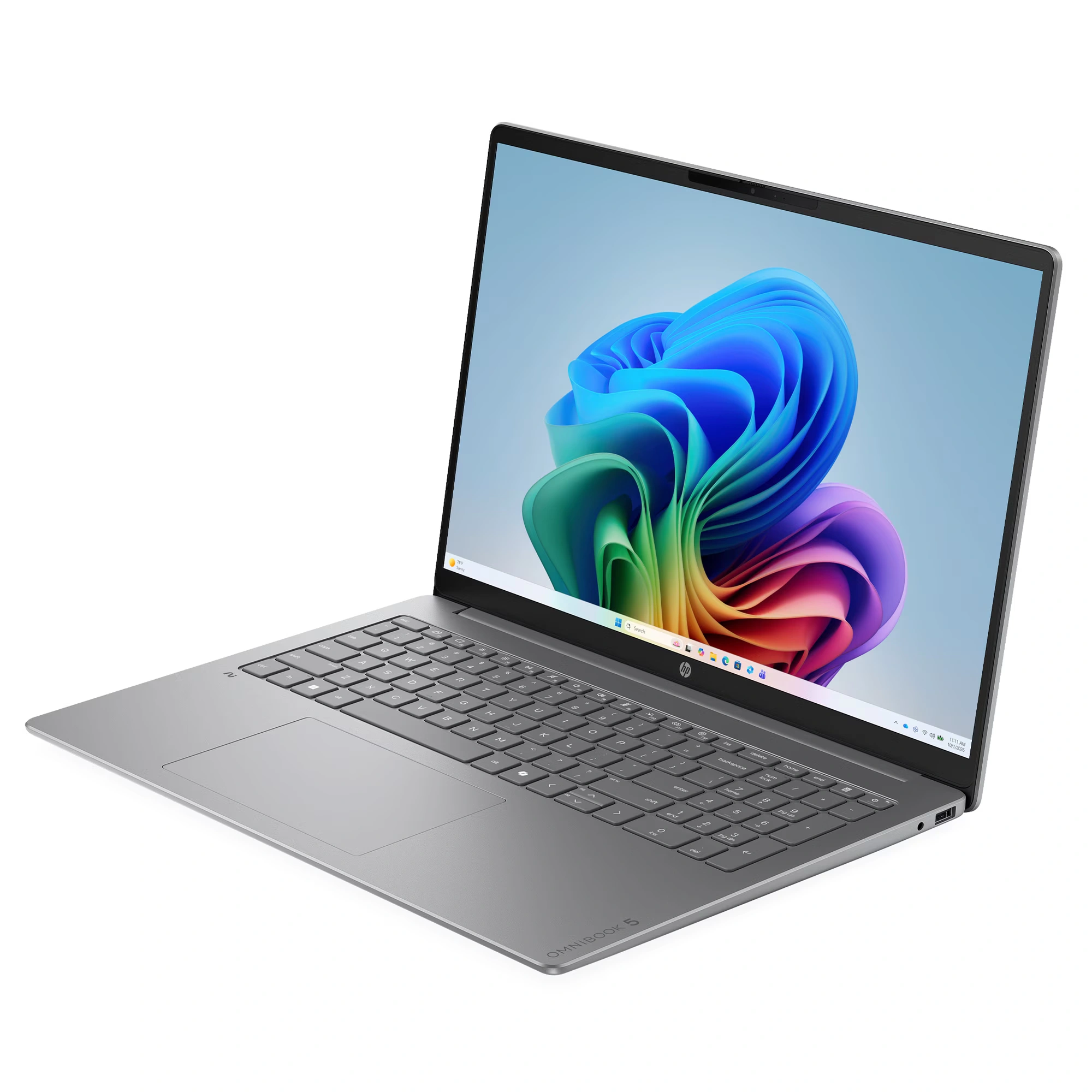
If you want a lightweight laptop that literally lasts all day, the HP OmniBook 5 deserves your attention. This smart, slim ultraportable notebook brings next-generation AI power to everyday users at a truly reasonable price. Inside, you get a fast Snapdragon processor that handles daily school and daily tasks with total ease. It pairs that smooth speed with an exceptionally bright OLED screen that makes photos and videos pop. Best of all, it sips power so slowly that it outlasts almost every standard laptop on the market.

While it cannot beat the MacBook Air’s ultra-sturdy metal body or handle heavy 3D gaming, it still offers high-end style and top-tier reliability. Overall, HP hits a home run here by delivering unbeatable battery life, a stunning screen, and great value for money in one portable package. If you’re a student or work remotely, and looking for your next reliable laptop, put your money on the OmniBook 5, at the top of your shopping list today.


Summary: Best Laptops Under $1000 To Buy Now


Let’s recap with a short summary just to tie everything together.
Features Acer Aspire Go 15 Apple MacBook Neo Asus ZenBook A14 HP  OmniBook 5
Display 15.6-inch, Full HD 13-inch, Liquid Retina  14-inch, WUXGA OLED (bright, colorful) 14-inch, 2K OLED (vibrant, high contrast)
Processor AMD Ryzen 7 Apple A18 Pro AMD Ryzen 7 Qualcomm Snapdragon X Plus
Everyday Performance Best for daily tasks, web browsing Best for daily tasks & school work Fast & efficient, effortless multitasking Fast, highly efficient, AI-accelerated
Battery Life Good (Up to 16 hours) Good (Up to 15 hours) Impressive (Up to 28 hours) Impressive (Up to 35 hours)
Weight 1.7 kg (3.8 lbs.) 1.7 kg (3.8 lbs.) 980 g (2.16 lbs.) 1.35 kg (2.98 lbs.)
Keyboard Standard QWERTY with number pad, non-backlit Magic Keyboard (non-backlit) Tactile, bouncy keys Standard QWERTY keyboard with backlit
Best for Budget users looking for an affordable laptop Budget users looking for an affordable MacBook Budget users or freelancers looking for a portable laptop  Budget users looking for laptops with good battery & good display
Price $624.99 $699.00 $799.00 (Expensive) $899 (Expensive)

If by now you’re still not sure which laptop to pick, then here are my recommendations. If you’re looking for an affordable package just for work and for daily web browsing, reading and answering emails, I recommend getting the Aspire Go 15. It’s a large laptop, yet still portable and light in weight. Just remember to work in a well-lit room. 

If you want a more powerful laptop I recommend you choose either the ZenBook A14 or the OmniBook 5. They’re more expensive, yes, but they’re under the $1000 price range. They both are better performers with longer battery life, and both come with better displays. Let’s not forget they’re both lightweight too.

As for the MacBook users, if you can’t afford the stronger, more expensive MacBooks, then give the new budget MacBook Neo a shot. It comes with a choice of bright colors, with a bright screen, and all the features that are present in the current MacBooks. It’s not as powerful but it gets the job done. Enriched with the familiar macOS experience, you’ll feel right at home here.      


Final Thoughts


Finding a reliable laptop on a budget is much easier than you think. You don’t need to spend more than thousands of dollars on high-end features to get a fast, reliable computer. It all comes down to knowing your personal needs and then cutting out all the extras you won’t really use. Whether you need an affordable Chromebook for simple web browsing, or a 2-in-1 touchscreen for drawing, you can easily find the best laptops under $1000. Smart shoppers like you, who set realistic budgets, can get high-performing laptops that’ll comfortably last you for years.

So let me ask you, Are you ready to pick your next best affordable laptop? Compare the features in the chart above, click on the red buttons to find out more, and if you’re tempted, buy that laptop you’ve got your one eye on. Who knows, it just might be that one laptop you’ve been searching for. Don’t forget to please leave your comments and suggestions on the comments section below. That’s all from me 😀

Oppo Reno16 5G Review: The Epic Battery Life Mid-ranger

oppo reno16 5g review

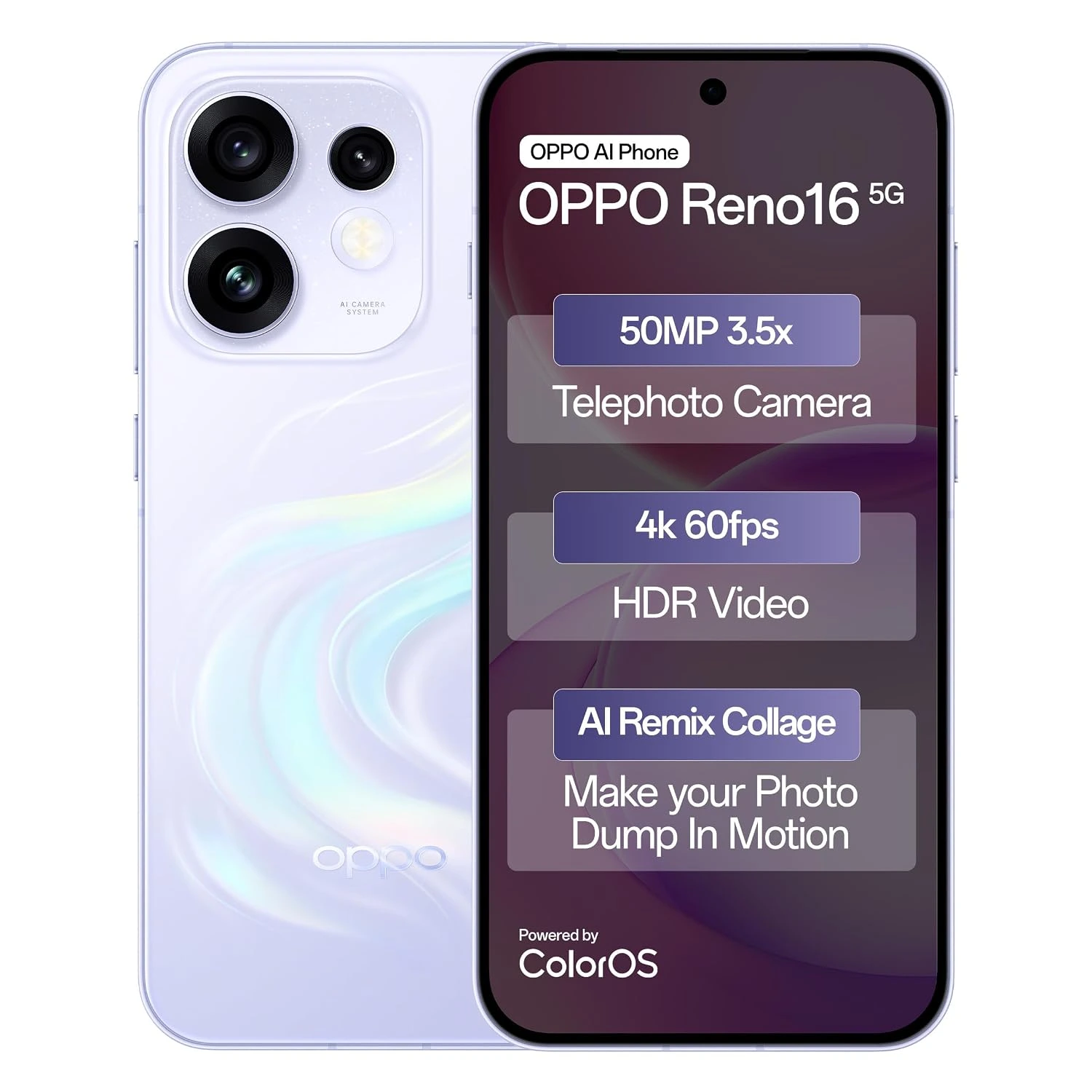
Oppo Reno16 5G

“The Reno16 5G from Oppo comes as an all-rounder smartphone with a impressive build, great design, and an even crazier battery life…”


If you’re tired of carrying a massive glass brick that feels like it’s trying to snap your pinky finger in half, the Oppo Reno16 5G is going to feel like absolute heaven. Oppo just dropped their latest premium mid-ranger, and it’s actively fighting back against the “giant phone” trend. While everyone else is building pocket-stretching giants, Oppo manages to cram a ridiculous large battery and a high-end triple-lens camera setup into a chassis that you can actually use with one hand. It’s a bold move that shows Oppo is listening to what real people actually want from their daily drivers. However, is this the ideal smartphone for you? Let’s find out more about it by checking out the Oppo Reno16 5G review. 


Overview


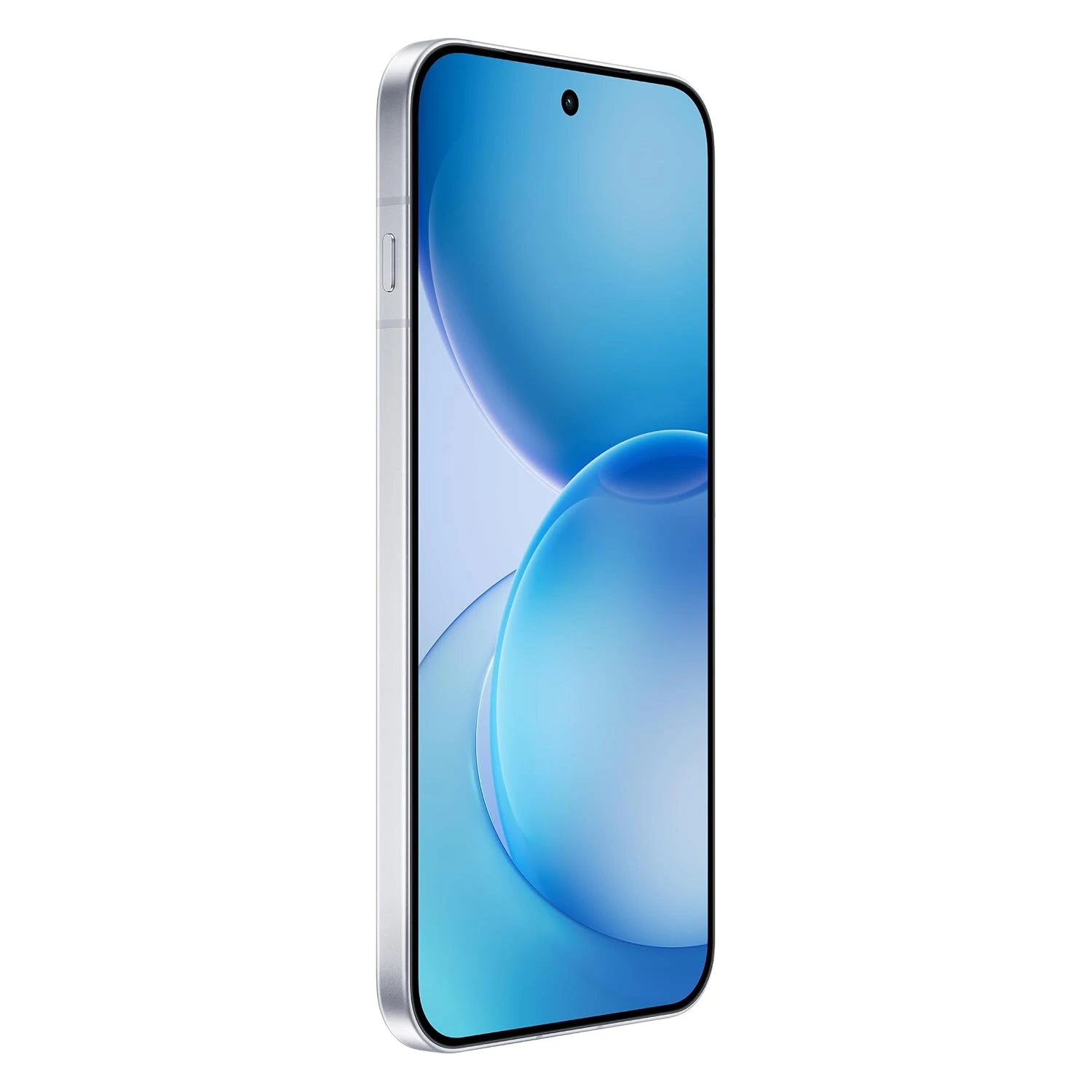
Holding this phone for the first time feels like a genuine breath of fresh air. Oppo completely shifts the focus with the Reno16 5G by including a highly compact 6.32-inch 120Hz AMOLED display with some of the best durability ratings in the business. 

They loaded this sleek device with a Snapdragon 7 Gen 4 processor, upgraded the battery to a massive 6,700 mAh capacity (6000 mAh for the EU version), and added an incredible IP68/IP69K rating for water and dust resistance. This means you can literally drop it in the mud or rinse it under a high-pressure tap, and it’ll still work. First impressions are incredibly strong—Oppo masterfully proves that you don’t need a gigantic, heavy phone to get the elite battery life and a stunning smooth display.

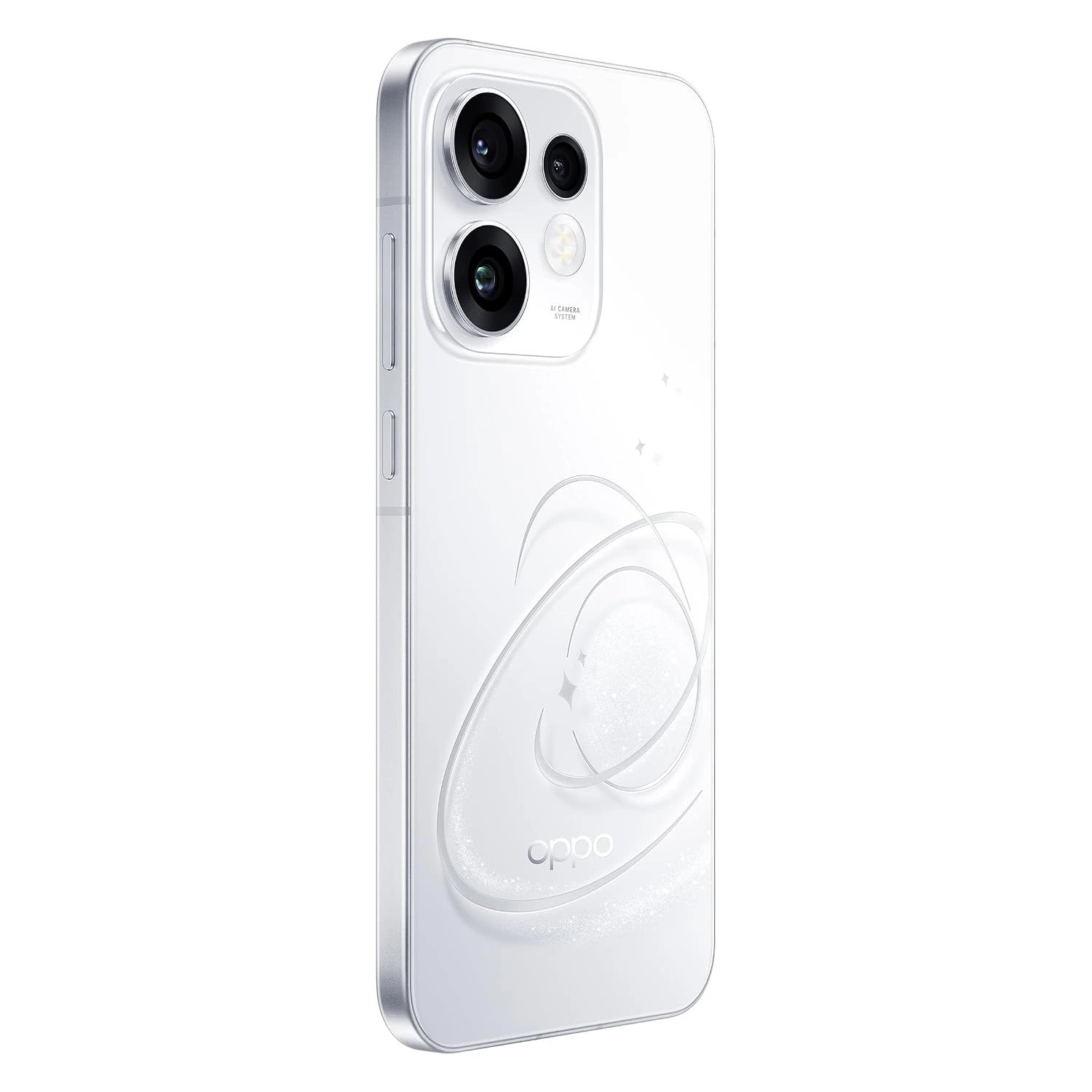
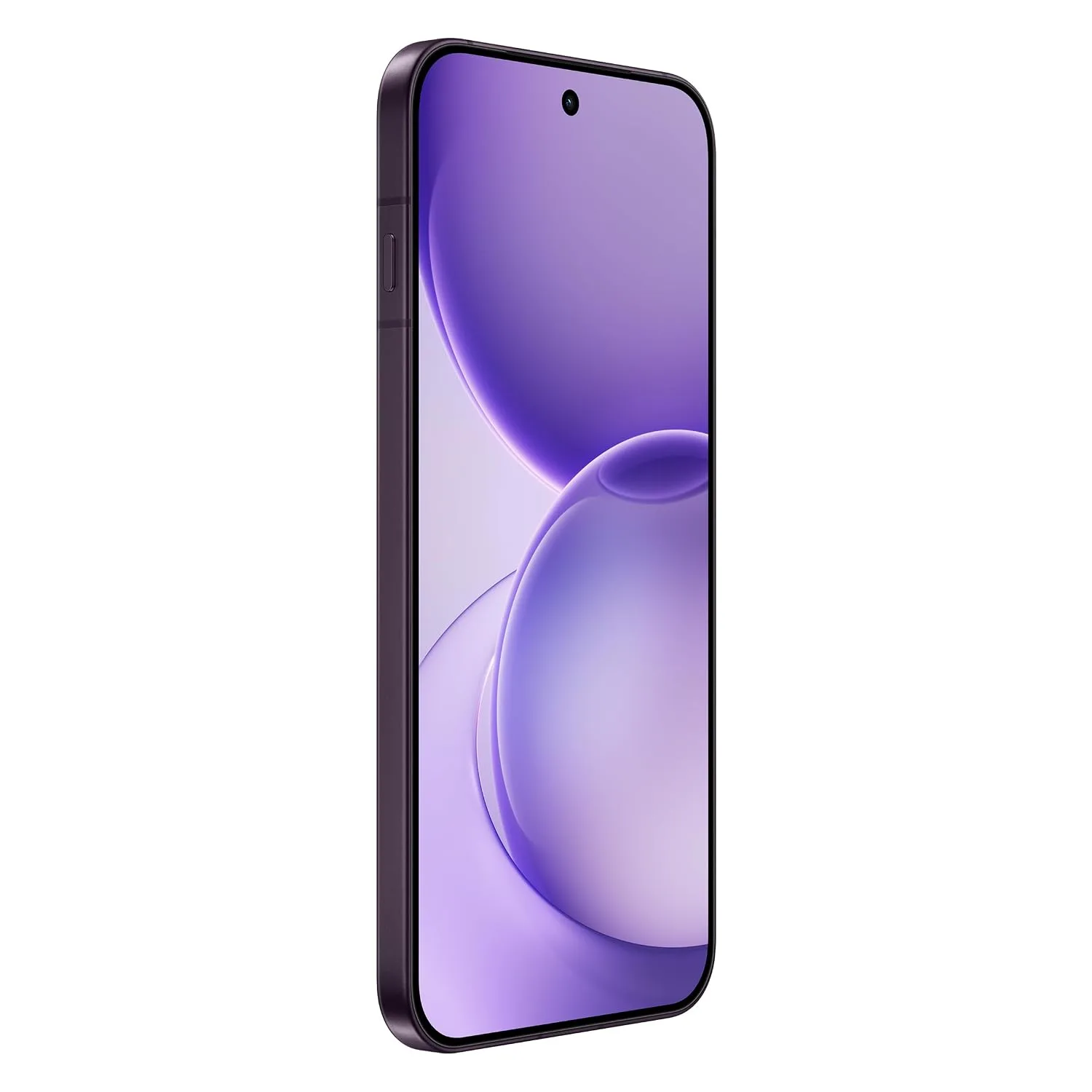
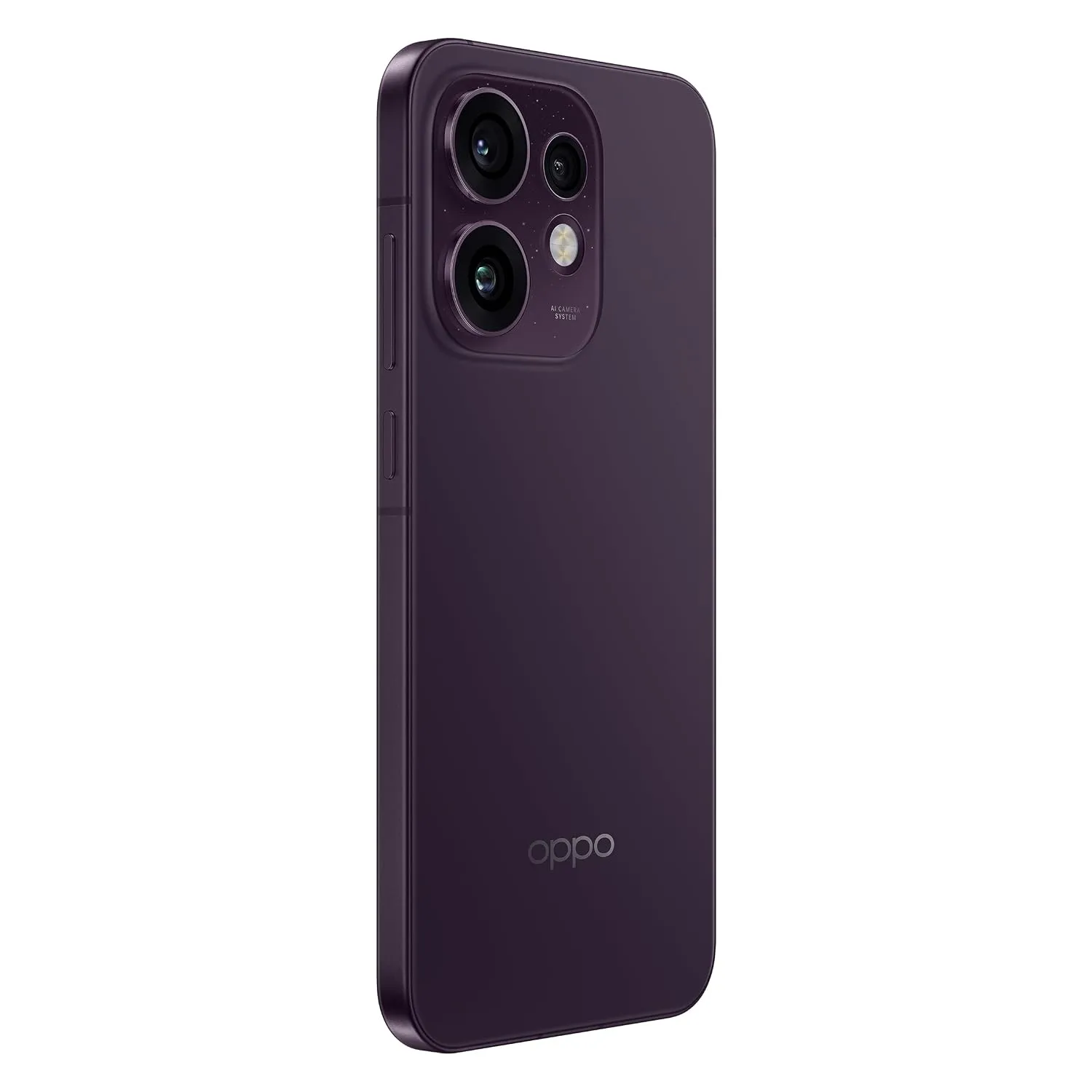
It also comes with a 50 MP triple-lens camera on the rear with a drop-size lens 50 MP camera on top the screen for taking selfies. In terms of the design you get three colors options to choose from, namely: Starry White, Steller Purple, & Twilight Violet.          

When you open the box, you get a USB-A to USB-C cable for data transfer and wired charging, a ‘SuperVOOC’ 80W phone charger, and a transparent silicone case. It’s great that the charger comes with the phone and not sold separately, like other phone brands I won’t mention, which is a win, just saying. 

Now you know what you’re dealing with, let’s get to the nitty-gritty.  


Specifications


  • Released: 9th July 2026
  • Display: 6.32-inch, AMOLED, 120Hz, 1216 x 2640 resolution, HDR10+ 
  • Processor: Qualcomm Snapdragon 7 Gen 4 | Adreno 722 GPU
  • Memory: 8GB / 12GB RAM
  • Storage: 256GB / 512GB 
  • Battery: 6700mAh | Supports 80W wired   
  • Camera (Primary): 50 MP wide + 50 MP telephoto with 3.5 optical zoom + 50 MP ultrawide | up to 4K video at 60fps 
  • Camera (Selfie): 50 MP ultrawide | up to 4K videos at 60fps 
  • Operating System: Android 16 | ColorOS 16
  • Other: weighs 188g (6.6 oz) / 191g (6.7 oz) | IP68 dust & water resistant | 5G network with Wi-Fi 6 + Bluetooth 5.4 | eSIM + Nano-SIM | Fingerprint reader (onscreen) | stereo speakers | Colors include Starry White, Steller Purple, & Twilight Violet


The Best Features


It feels almost black magic how a phone this compact can survive almost two full days of moderate use without needing a charger. The best feature here is the battery life. With a large battery of 6700 mAh for the global release (6000 mAh for the European release), you’re looking at an average of up to 17 hours of battery life for both versions. Paired with an 80W ‘SuperVOOC’ charger, you’re looking at zero to full charge in an hour. Some would say there’s faster chargers out there for other phone brands but this is what you can work with.   

Next up is the camera system. Oppo doesn’t play favorites with the lenses; you get a triple 50MP setup on the back (a 50 MP wide lens + a 50 MP telephoto lens, and a 50 MP ultrawide lens). Lets not forget the 50MP selfie shooter on the front. Photos look remarkably clean, punchy, and true-to-life without that overly artificial AI-processed look that plagues other mid-rangers. The videos you can create are not as impressive sadly.

Thirdly, the Reno16 comes with a 6.32-inch display with HDR10+ support, a refresh rate of 120Hz, and an impressive brightness that helps to enhance your viewing experience and HDR performance. 

Finally, the design and ruggedness are top-tier. The premium metal-and-glass body feels rich in the hand, and the IP68/IP69K rating gives you total peace of mind.  Other features include the stereo speakers which deliver great sound quality overall, and the Wi-Fi 6 and Bluetooth 5.4 connectivity. Overall, if your main priorities are a compact design, elite battery life, and gorgeous photos, this phone absolutely hits a home run.


The Deal Breakers


For all its beauty and endurance, the Reno16 5G makes one compromise that will leave mobile gamers feeling a bit left out in the cold. The Snapdragon 7 Gen 4 chip inside handles daily multitasking, scrolling, and streaming beautifully, but it stumbles when you push it with graphic-heavy games. If you try to run intense 3D titles at maximum settings, you will experience noticeable frame drops. So gaming is a no-no here. but you can get away with light gaming titles. 

Additionally, the ColorOS 16 software comes pre-loaded with annoying bloatware apps that you have to spend your first 15 minutes uninstalling. Bloatware is really a pain but yep it has to be done. There are guides and resources out there to help. 

And lastly, there is the price tag; launching around £699 / €799 / Rs. 61,999, it faces incredibly stiff competition from rivals offering flagship-grade chips for the same money. My overall impression of the downsides is that while power users and hardcore gamers should probably look elsewhere, everyday users likely won’t mind trading raw processing power for unmatched battery life and comfort.


The Alternatives


Google Pixel 10

★★★★☆ 4.0 Great

If you want a phone that feels like it has an actual brain inside instead of just a fancy spec sheet, the Google Pixel 10 is the ultimate upgrade. While the Oppo Reno16 5G wins on raw battery capacity and rapid charging speed, the Pixel 10 completely outclasses it where it matters most: daily usability, performance, and long-term value.

Powered by Google’s new Tensor G5 chip and a massive 12GB of RAM, the Pixel 10 sails through demanding tasks and complex 3D gaming without the performance hiccups that hold back the Oppo’s mid-range processor. You get Google’s legendary, ultra-clean Android software experience—completely free of Oppo’s pre-installed junk apps—backed by an incredible seven years of direct OS updates to keep your phone feeling brand new into the next decade.

Plus, while Oppo relies on digital magic, the Pixel 10 gives you a true 48MP 5x optical telephoto lens, serving up drastically sharper close-up shots alongside Google’s industry-leading, on-device AI photo editing tools. Overall, while the Oppo Reno16 is a fantastic battery champion, the Pixel 10 is simply the smarter, faster, and much more future-proof investment for your pocket


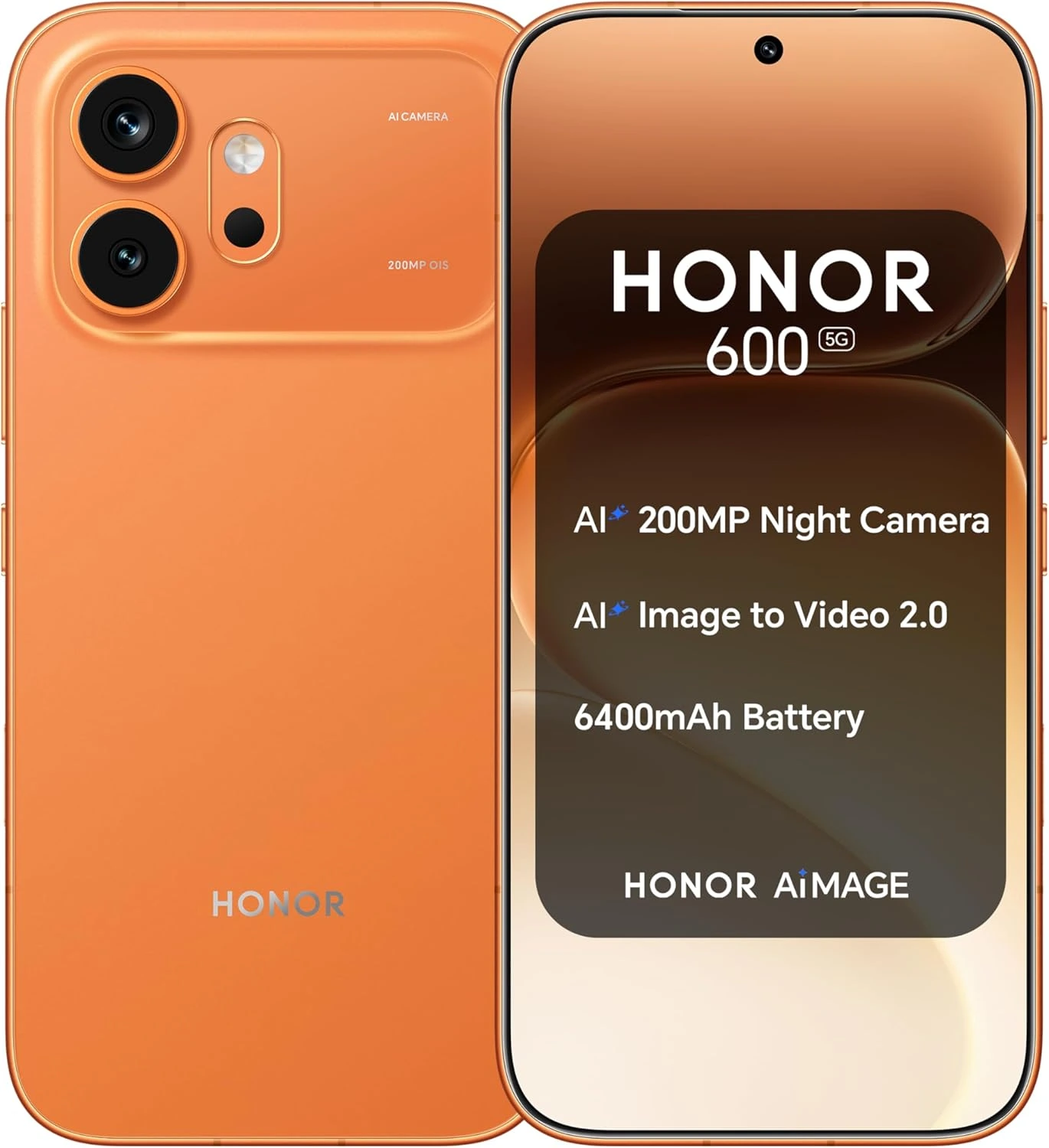
Honor 600

★★★★☆ 4.0 Great

If you want a phone that completely crushes the Oppo Reno16 5G at its own game, the Honor 600 is the ultimate power move. While the Reno16 boasts a strong battery and great hand-feel, the Honor 600 steps into the ring and takes things to a whole new level by squeezing an even larger, monstrous 7,000mAh battery into a gorgeous, slim unibody design.

It doesn’t stop there; Honor turns the creative dial up to eleven by packing in a mind-blowing 200MP Ultra-Clear Night Camera and their industry-first AI Image to Video 2.0 tech, allowing you to instantly transform your photos into cinematic video clips using simple text prompts.

Combined with a stunning, eye-friendly 1.5K AMOLED display that reaches a blindingly clear 8,000 nits peak brightness, the Honor 600 delivers a premium, highly durable powerhouse that matches Oppo’s elite IP68/IP69K ruggedness while offering significantly better display quality and shooting capabilities.

In the end, if you love content creation and refuse to compromise on screen brightness or battery life, the Honor 600 isn’t just an alternative to the Oppo—it’s a massive upgrade.


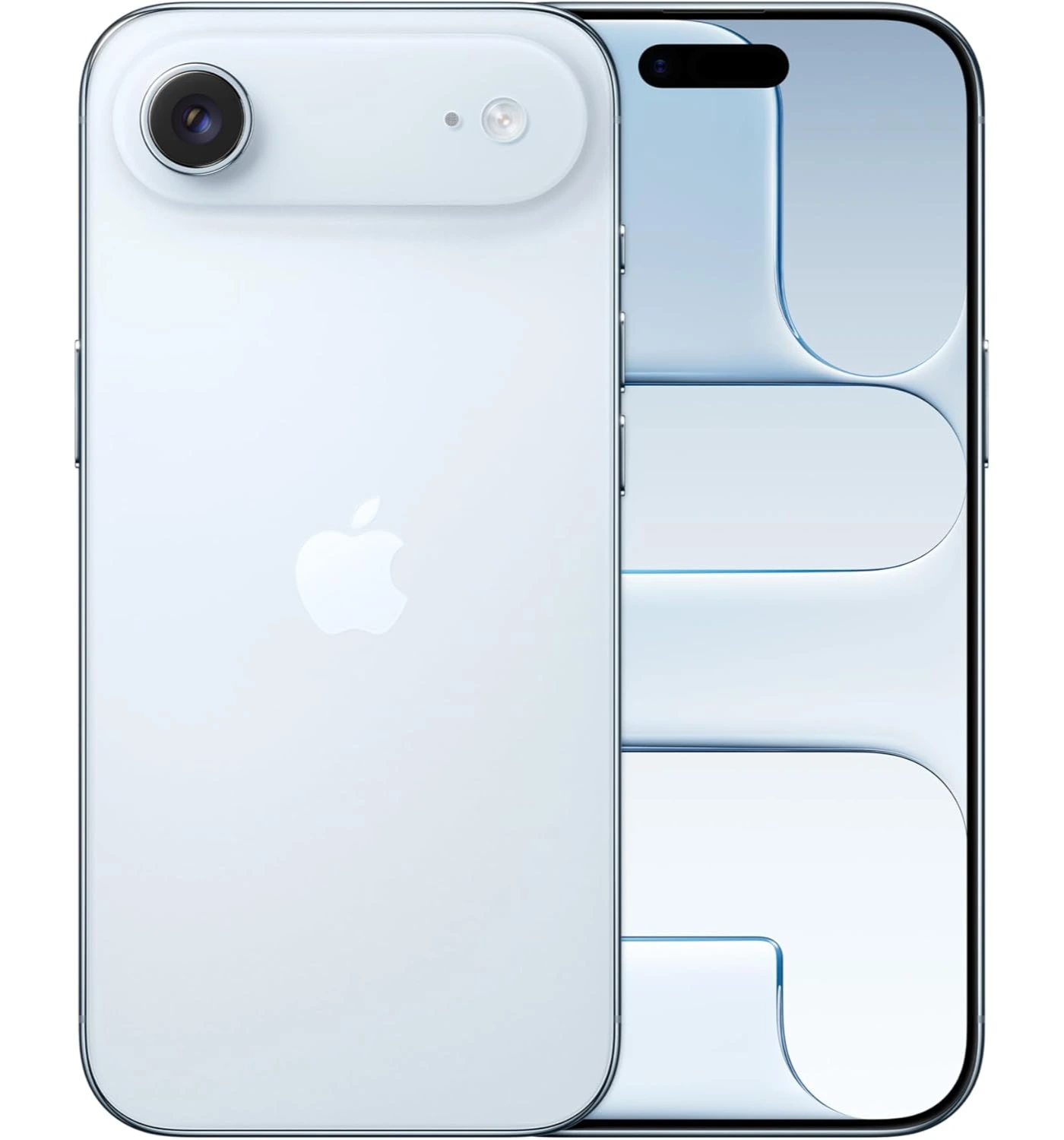
iPhone Air

★★★★⯪ 4.2 Great

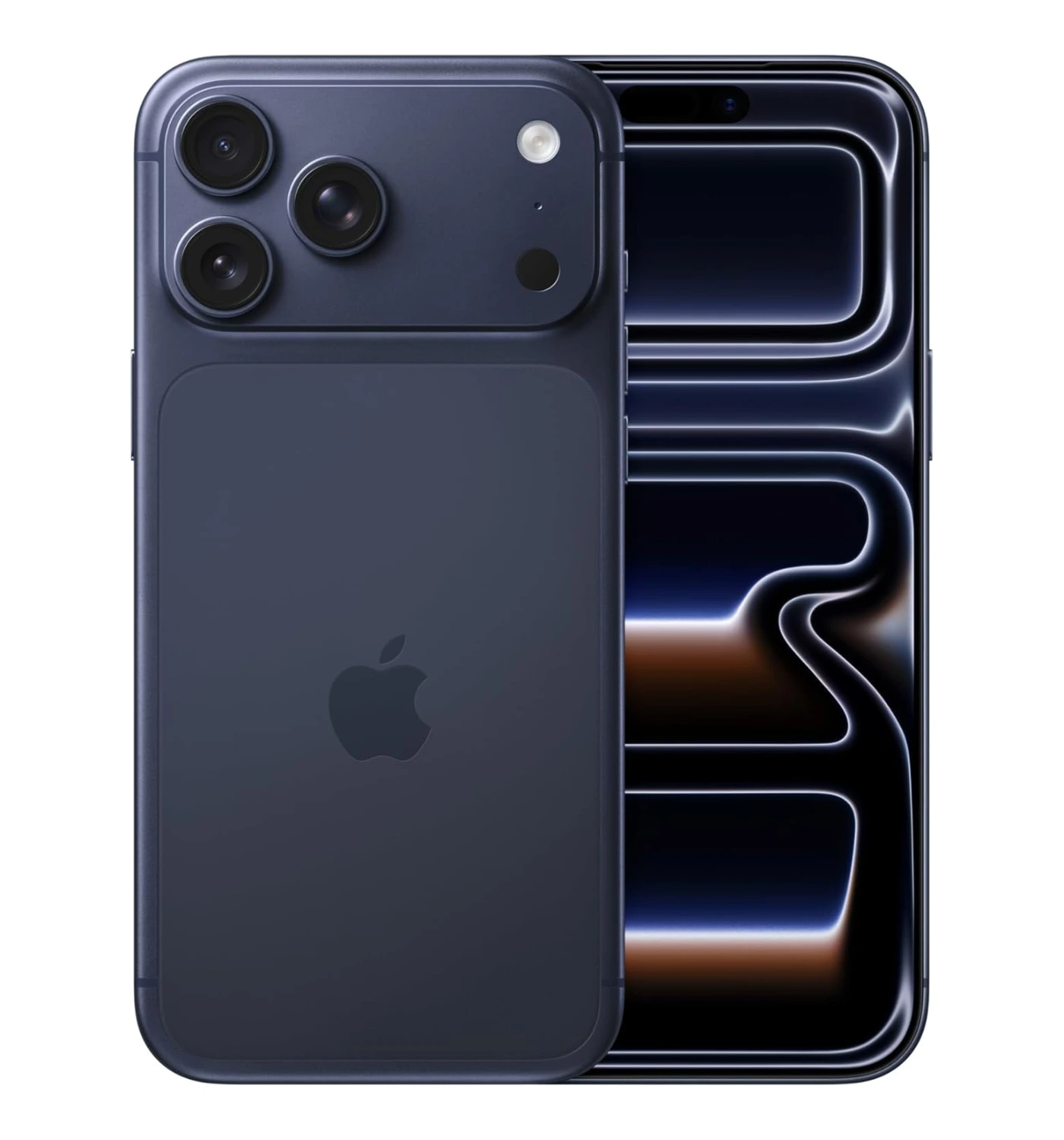
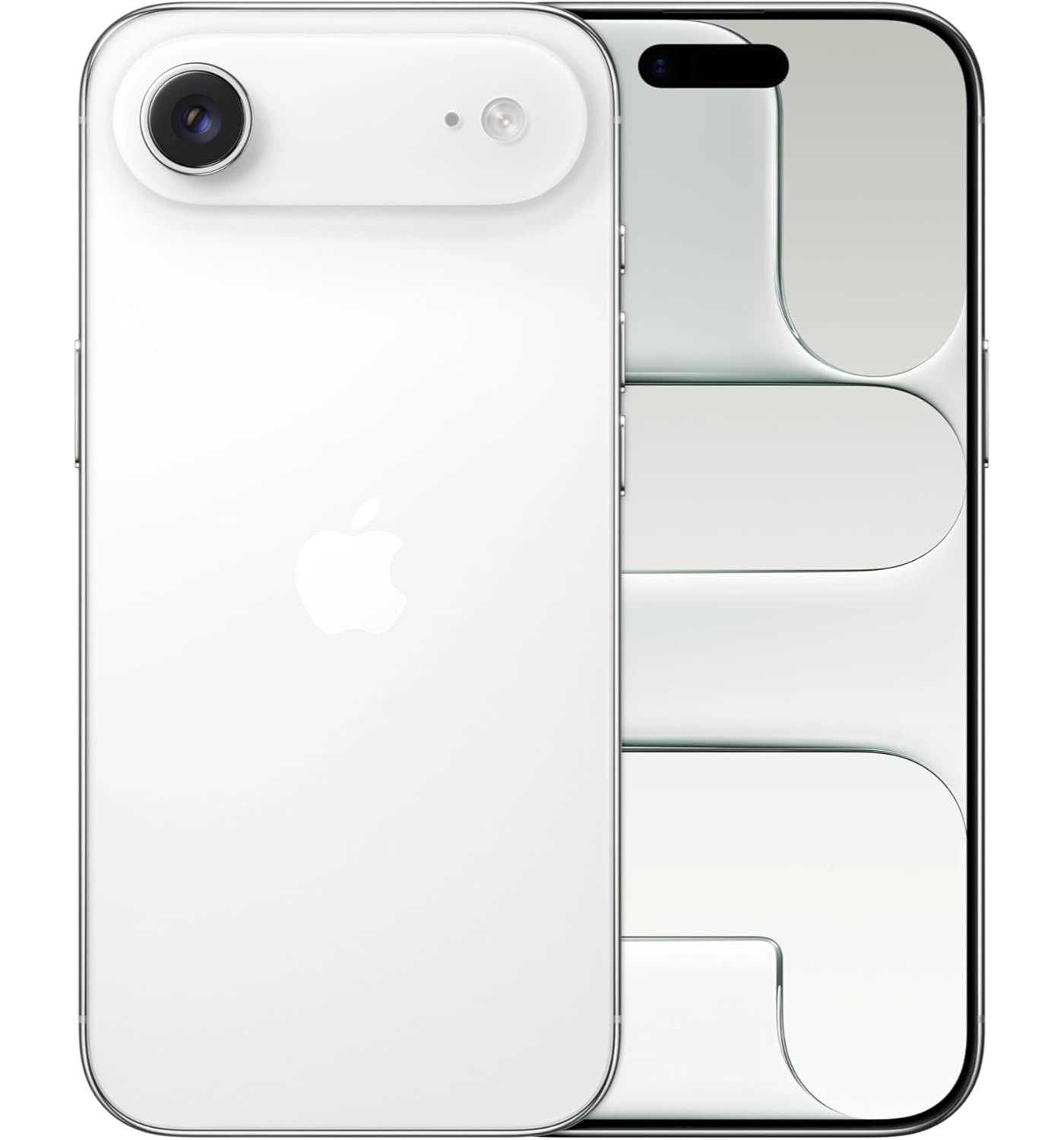
To my Apple gurus and fans, if you want a phone that feels like a piece of futuristic jewelry without sacrificing an ounce of flagship performance, the iPhone Air is the ultimate showstopper. While the Reno16 wins on brute battery size, the iPhone Air completely rewrites the rules of smartphone design by cramming a gorgeous 6.5-inch 120Hz ProMotion OLED display into a titanium body that is a mind-blowing, record-shattering 5.6mm thin.

It doesn’t just look impossibly sleek; it runs circles around Oppo’s mid-range processor thanks to Apple’s elite A19 Pro chip and 12GB of RAM, delivering blistering performance and buttery-smooth gameplay that Oppo simply cannot touch. You also get a deeply integrated Apple Intelligence experience, a highly durable Ceramic Shield 2 build that offers three times better scratch resistance, and the promise of Apple’s seamless ecosystem.

Overall, while the Reno16 is a fantastic daily utility device, Apple engineered a breathtaking masterpiece—making the iPhone Air the absolute best choice for anyone who wants cutting-edge style paired with uncompromising, premium performance.


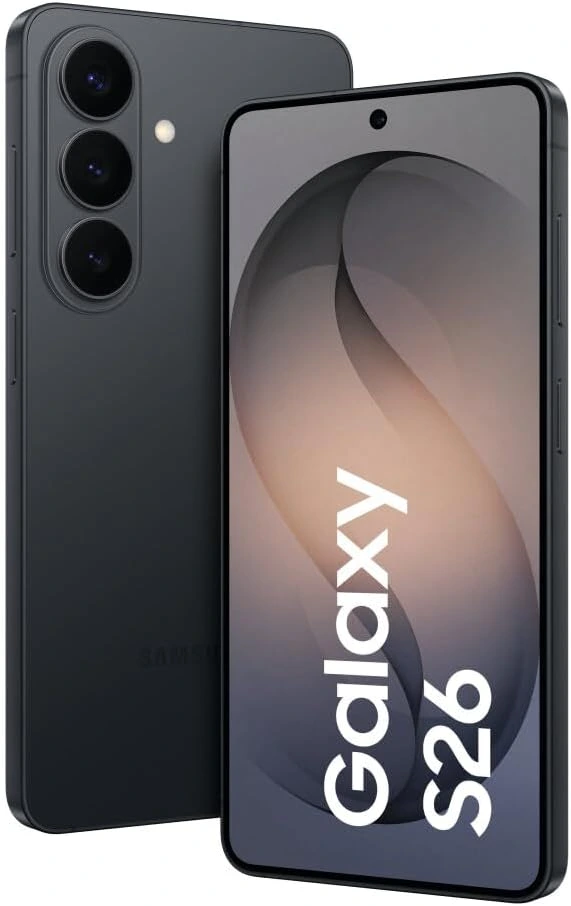
Samsung Galaxy S26

★★★★⯪ 4.5 Amazing

To the Samsung users, if you want a compact powerhouse that refuses to compromise on processing power, premium software, or build quality, the Samsung Galaxy S26 is the ultimate alternative to the Reno16 5G. Why do I say that? The Galaxy S26 delivers a true, no-compromises flagship experience by packing either the bleeding-edge Snapdragon 8 Elite Gen 5 or the ultra-efficient 2nm Exynos 2600 chip paired with a generous 12GB of RAM. This means you get a beautifully thin 7.2mm chassis that easily slides into your pocket while running games and multi-tasking apps with absolute ease—areas where the Oppo’s mid-range processor starts to sweat.

On top of that, Samsung treats you to a jaw-dropping 6.3-inch Dynamic LTPO AMOLED 2X display that reaches a stunning 2,600 nits of peak brightness, their elite suite of Galaxy AI productivity tools, and a rock-solid promise of seven years of major Android updates.

To finish off, while the Oppo Reno16 is a fantastic, long-lasting battery champion, the Samsung Galaxy S26 is a far more refined, powerful, and future-proof masterpiece that is well worth the premium upgrade.


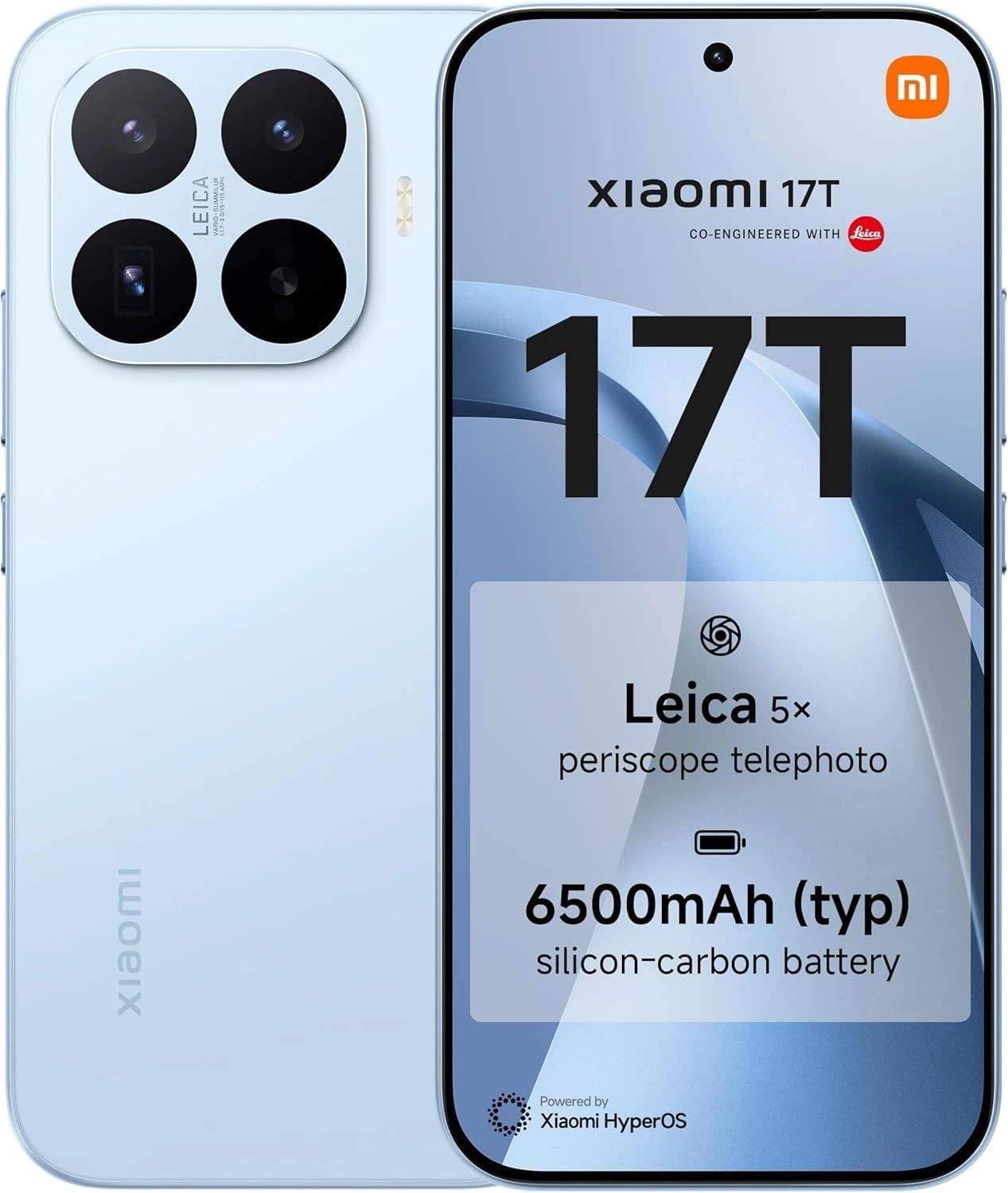
Xiaomi 17T


★★★★⯪ 4.3 Great

If you want a phone that delivers a masterclass in raw performance and professional-grade zoom without spending so much money, the Xiaomi 17T is the absolute best alternative to the Oppo Reno16 5G. While the Reno16 is incredibly comfortable and offers slightly better overall battery stamina, the Xiaomi 17T punches way above its weight class with a blistering MediaTek Dimensity 8500-Ultra processor and a base 12GB of RAM. In benchmarks, the 17T practically laps the Oppo, rendering demanding games and resource-heavy tasks with absolute ease.

It also sports a spectacular large 6.59-inch 120Hz AMOLED display that hits a blinding 3,500 nits of peak brightness—nearly doubling the screen brightness of the Reno16. Photographers will also lose their minds over the rear camera system, which features a true Leica-optimized lens setup and a dedicated 50MP periscope telephoto camera capable of a sharp 5x optical zoom, outshining Oppo’s shorter 3.5x reach.

Plus, you still get a massive 6,500mAh silicon-carbon battery and lightning-fast 67W charging. In the end, if you want a massive boost in processing power, a jaw-droppingly bright screen, and a superior telephoto camera experience for roughly the same price, the Xiaomi 17T is the much more complete and capable powerhouse.


The Final Verdict


The Reno16 5G from Oppo comes as an all-rounder smartphone with a impressive build, great design, and an even crazier battery life, making this its main best feature compared to other smartphones out there in its class. The OLED display looks impressive, and the stereo speakers are also the best as it delivers impressive quality sound. Let’s not forget the impressive camera which produces amazing photos and selfies.

However, this high priced mid-ranger does come with a few stumbling blocks such as offering the least performance in its class, and creating less-than-impressive video recordings. As a result it’s hard to recommend it to any who wants a budget smartphone because its not a budget phone, whereas it’s not a phone to recommend users who like gaming either.

I’d say wait till the price drops on this one, or focus on the alternative listed here. They’re the better performers overall along with other features. So if you want a smartphone that looks great, takes great pictures, and will last longer than any other phones without needing a charge, the Oppo Reno16 5G is your best choice. 

Now then, it’s you turn. If you like this Oppo Reno16 5G review, or have any questions let me know in the comments section below. And if you like what you see, and what you’re hearing, then CLICK HERE NOW, to find out more on this great smartphone. So what are you going to do next? 😀      
 

Which iPhone is The Best to Buy Now?

which iPhone is the best to buy now

If you’ve been staring at your cracked screen or sluggish phone wondering whether it’s finally time to upgrade, you’re definitely not alone! With Apple releasing new iPhones every year, it can feel overwhelming trying to figure out which one is actually worth your hard-earned money. Whether you’re a tech enthusiast who wants the absolute latest and greatest, or someone who just needs a reliable phone, there’s an iPhone out there with your name on it. In this article, we’ve done all the research and heavy lifting for you, so you don’t have to. By the end, you’ll know exactly which iPhone is the best to buy now for your needs, your lifestyle, and your budget — no tech degree required.


The Quick List


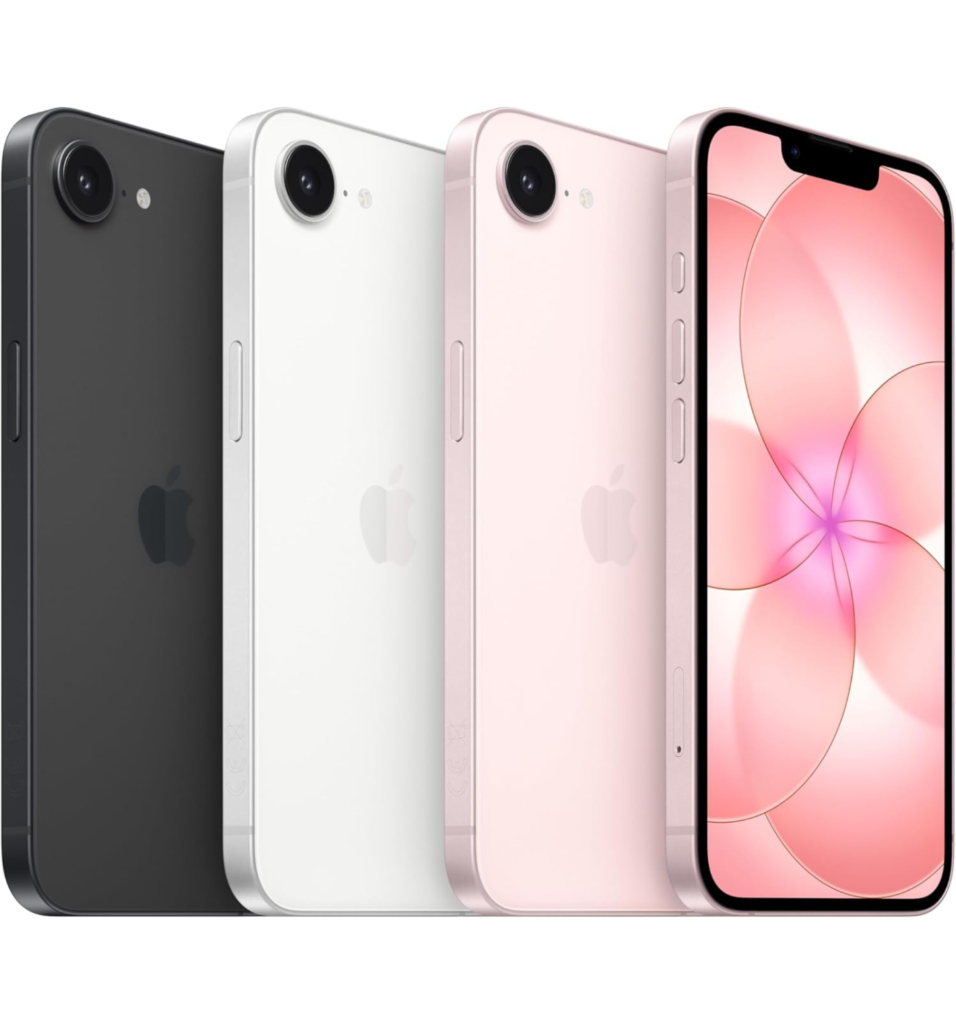
iPhone 17e

Best Entry-Model

★★★★☆  4.0  Good

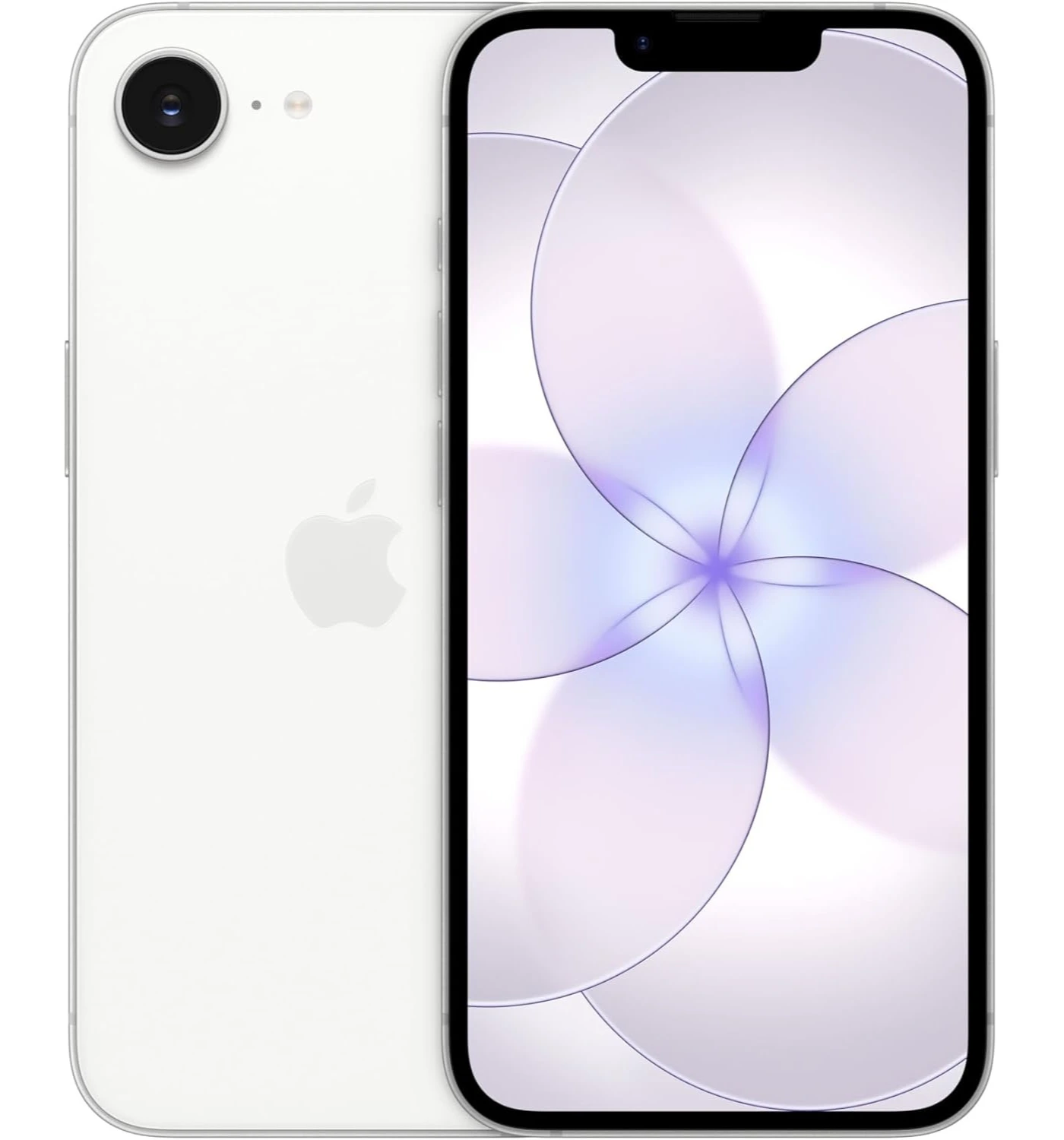
The iPhone 17e has emerged as one smartphone that stands out in 2026, by fundamentally redefining what an “entry-level” mobile device can deliver. Instead of gutting the phone to hit a lower price, Apple packed it with premium internal hardware, offering roughly 90% of the flagship experience for a fraction of the price.


Read More…

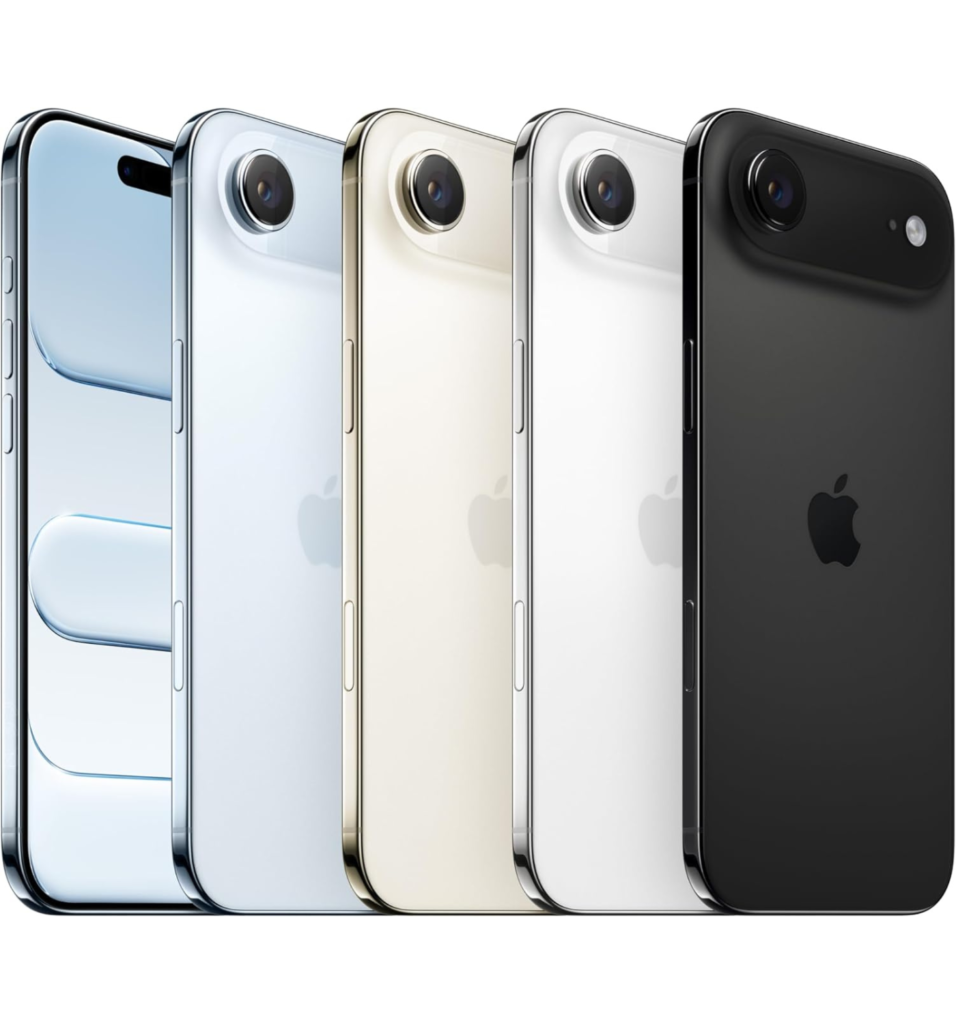
iPhone Air

Most Stylish

★★★★☆  4.0  Good

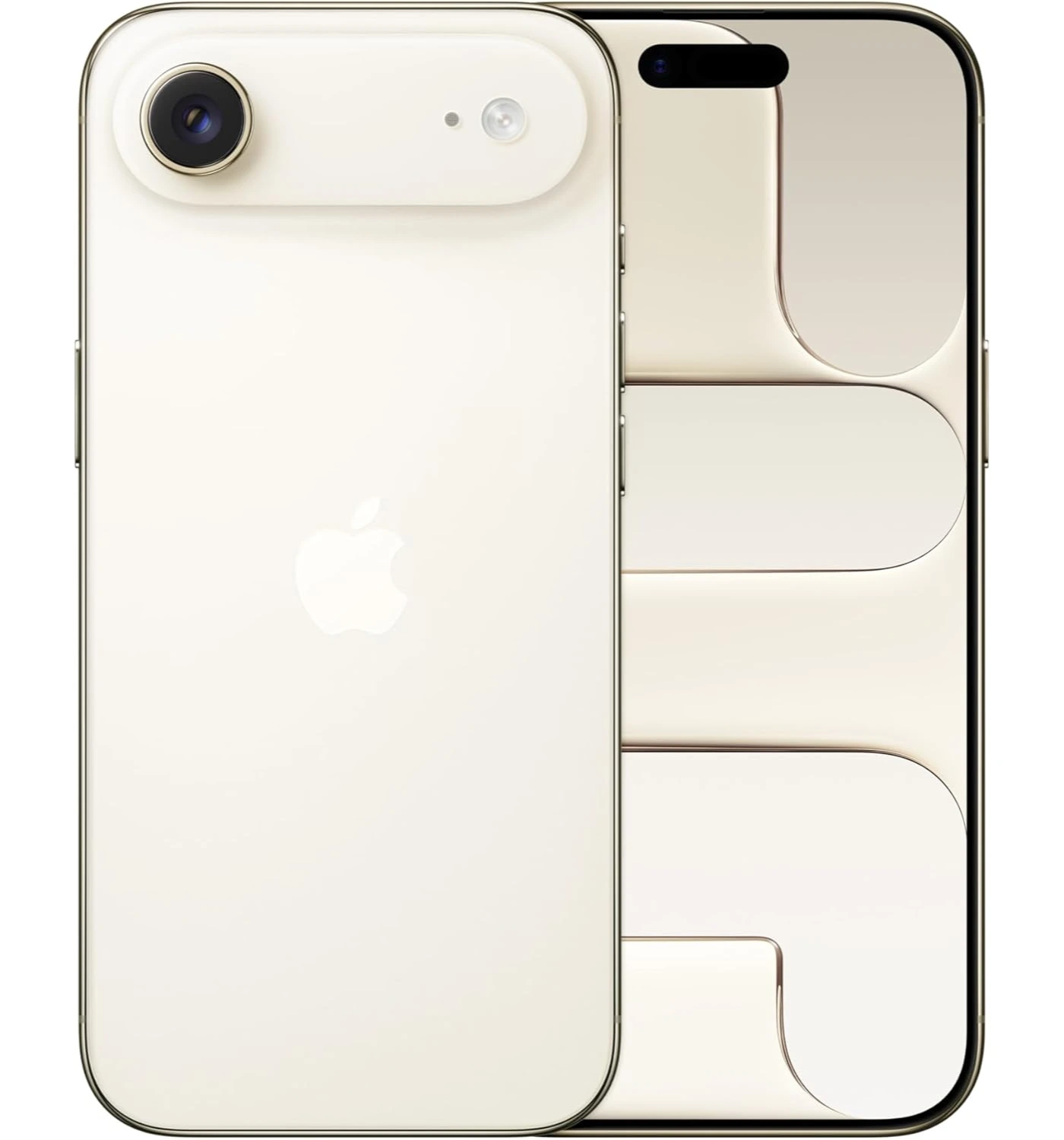
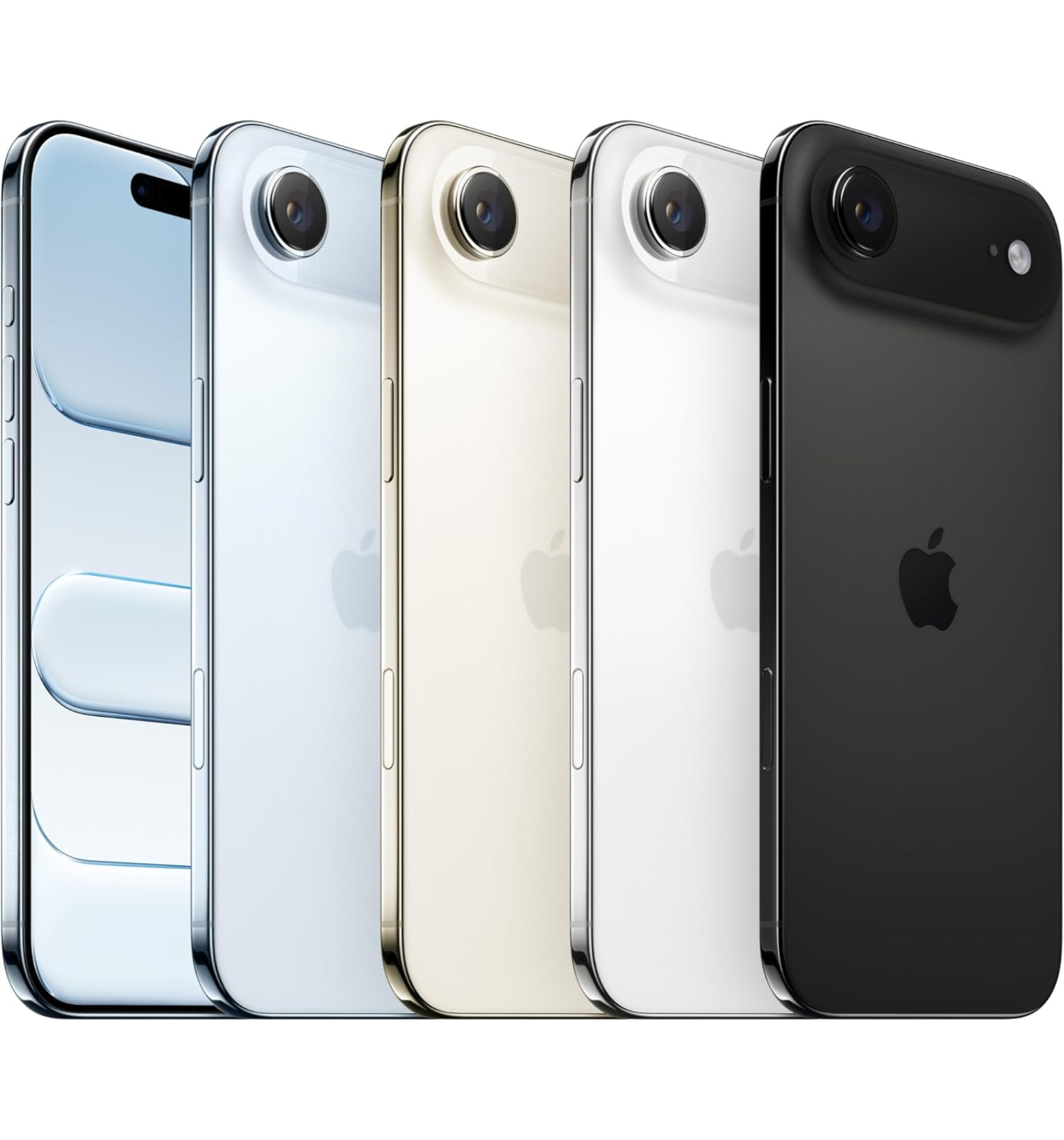
The iPhone Air’s one of the most compelling and radically designed smartphones of 2026. Rather than chasing the traditional “more is more” philosophy of bulky flagship devices, this smartphone targets a specific modern aesthetic, offering top-tier performance in a chassis that completely reimagines smartphone engineering.


Read More…


iPhone 17 Pro

Best for Content Creators


★★★★⯪   4.4  Good

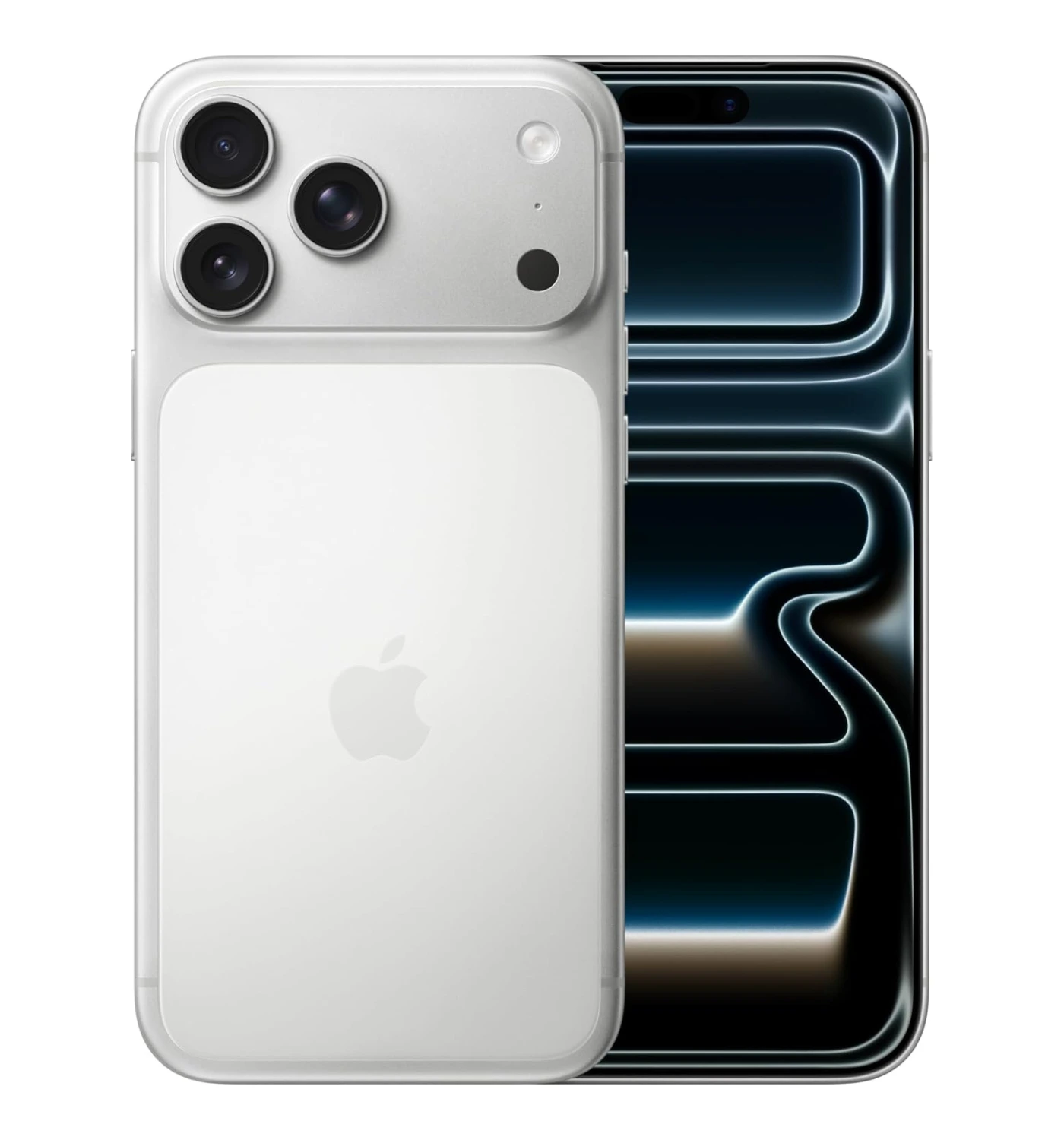
The iPhone 17 Pro has solidified its spot as one of the absolute best smartphones of 2026 by delivering no-compromise, ultra-premium hardware in a format that actually fits comfortably in your hand. While it shares the mind-blowing performance of the massive Pro Max, it remains the definitive choice for power users who prefer a more compact mobile device.


Read More…

iPhone 17 Pro Max

Best Battery Life

★★★★⯪  4.4  Good

The iPhone 17 Pro Max is the undisputed heavyweight champion of the 2026 smartphone market. While it shares the core internal power of the smaller Pro model, the Max takes everything to the absolute extreme—offering a larger screen, a distinct industrial design shift, and battery life that routinely sets industry benchmarks.


Read More…


iPhone 17

Best Popular

★★★★⯪  4.2  Good

The standard iPhone 17 has established itself as one of the best smartphones of 2026 by delivering the most significant base-model upgrade Apple has introduced in generations. For years, standard iPhones felt intentionally held back compared to their “Pro” siblings, but this one completely closes that gap—offering top-tier features at a much more accessible price point.


Read More…

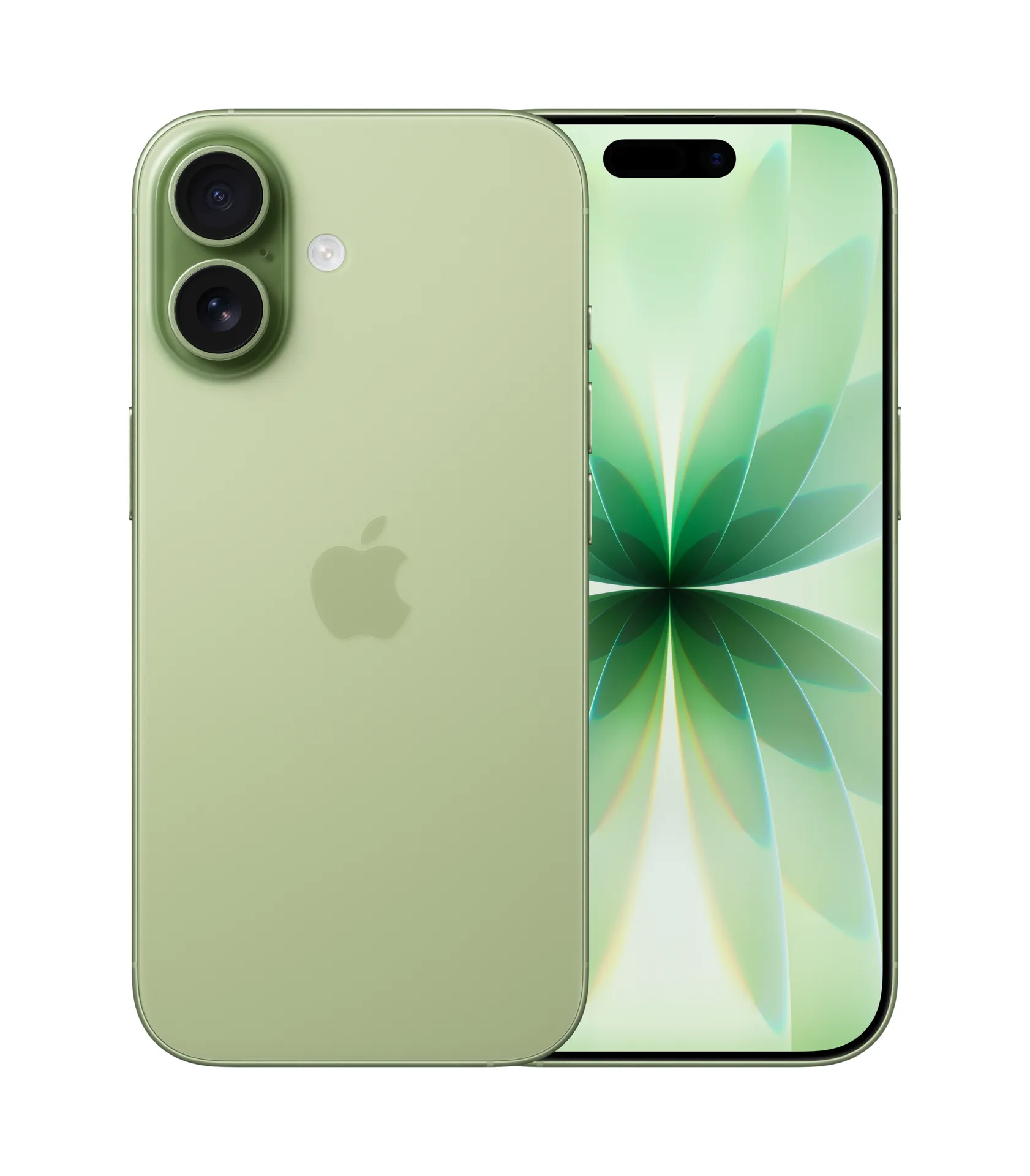
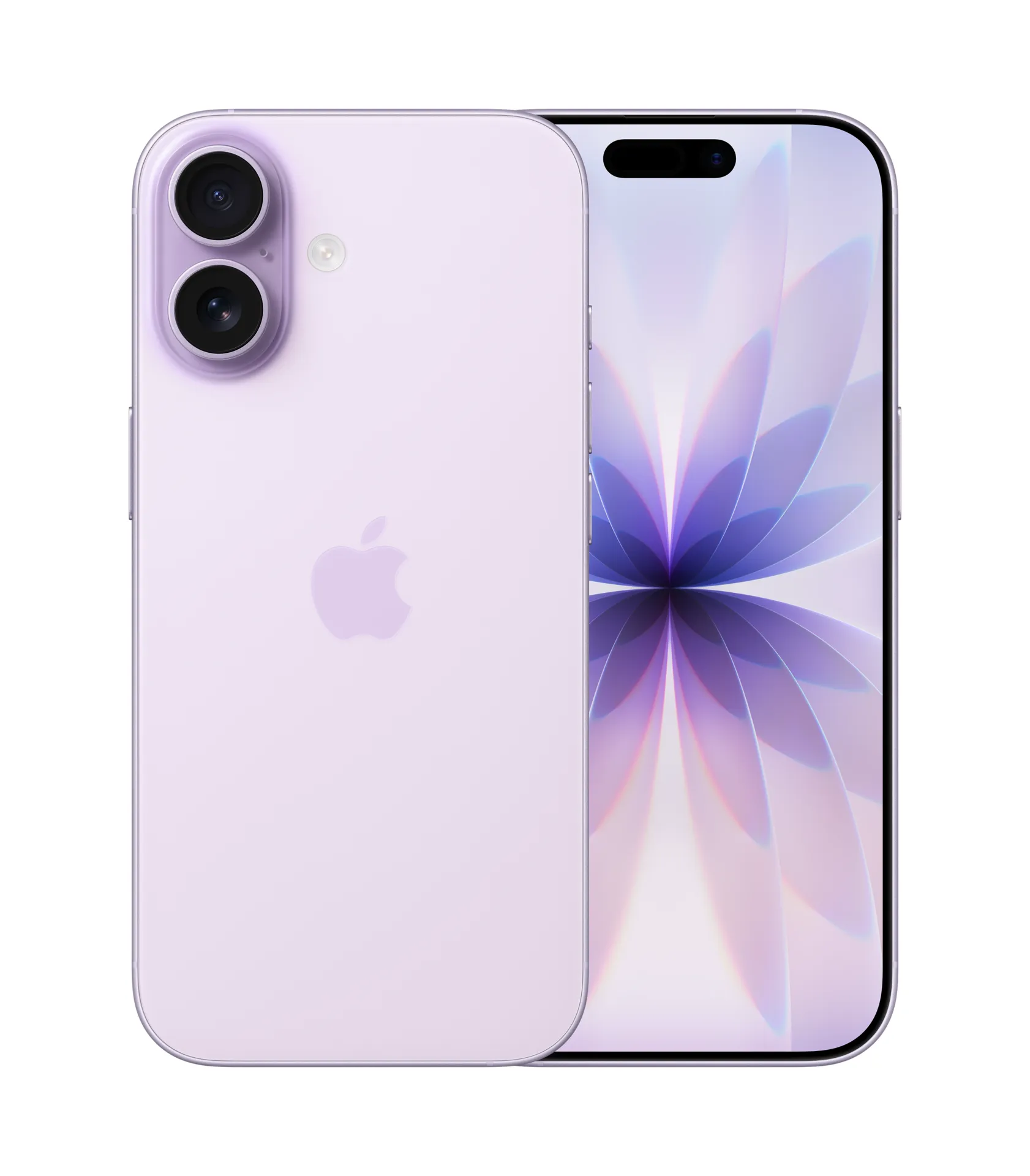
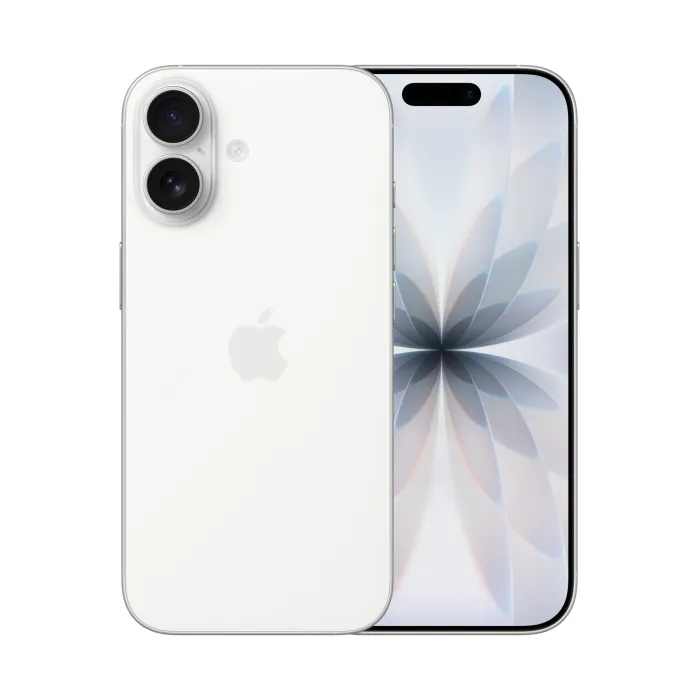
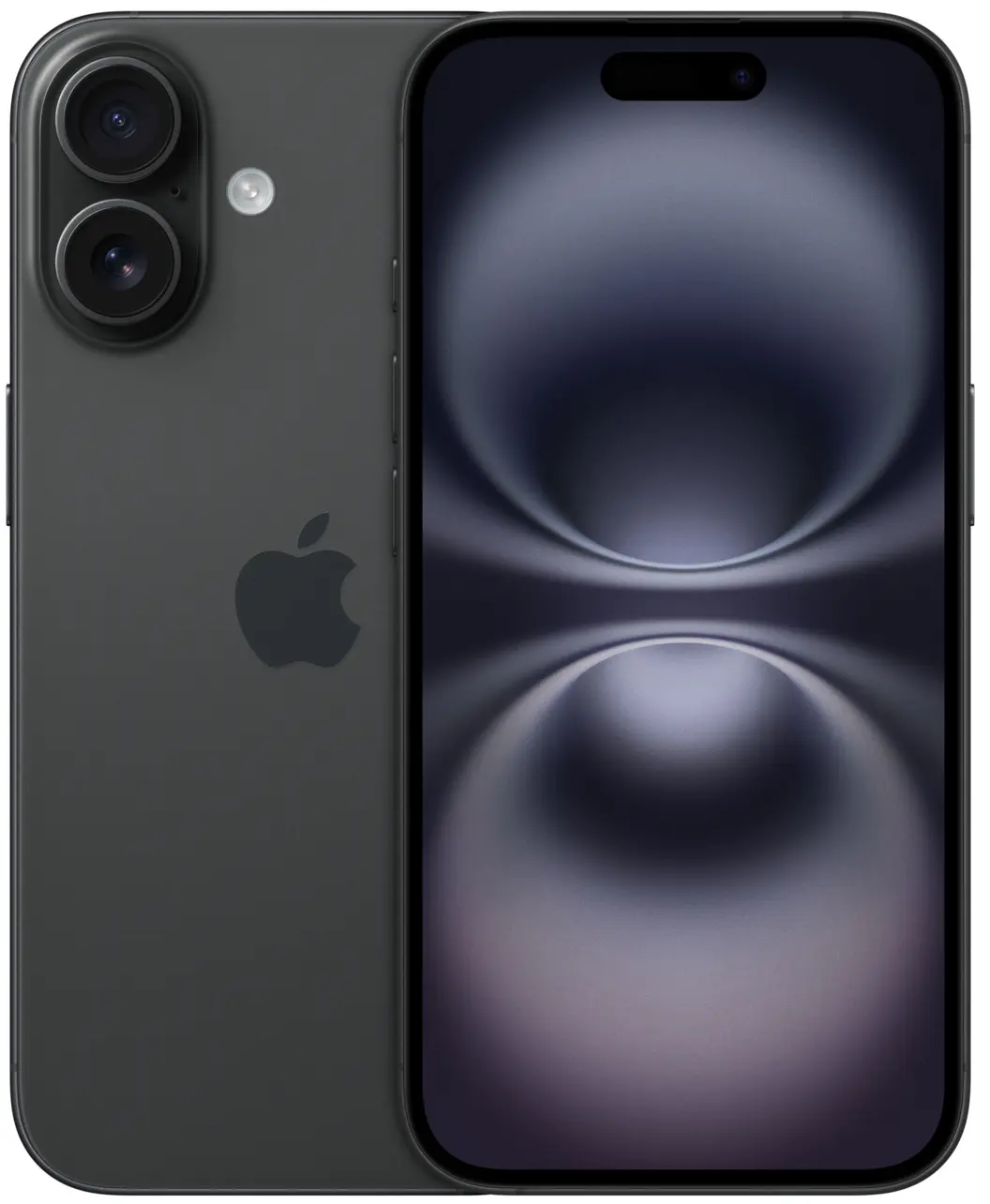
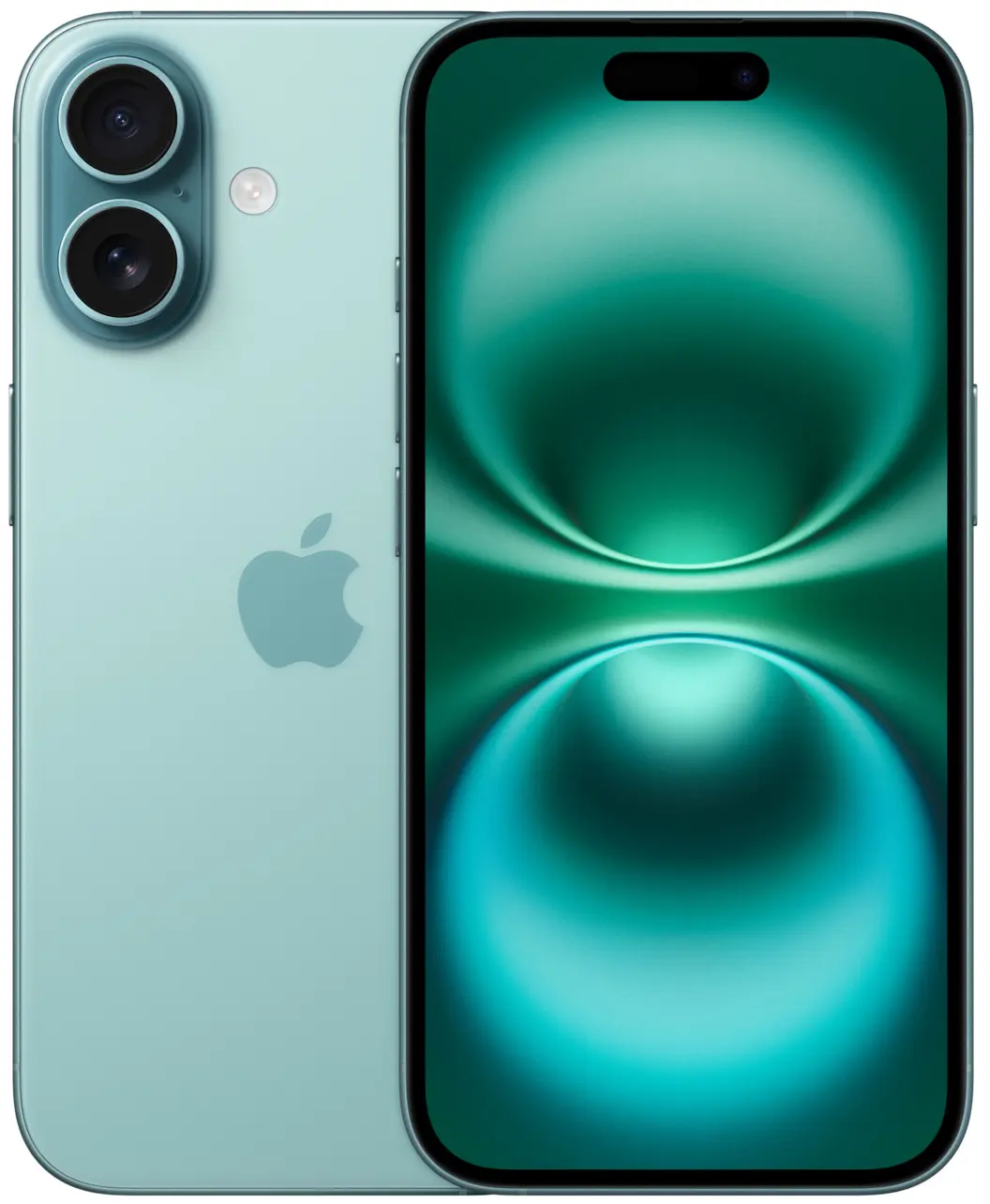
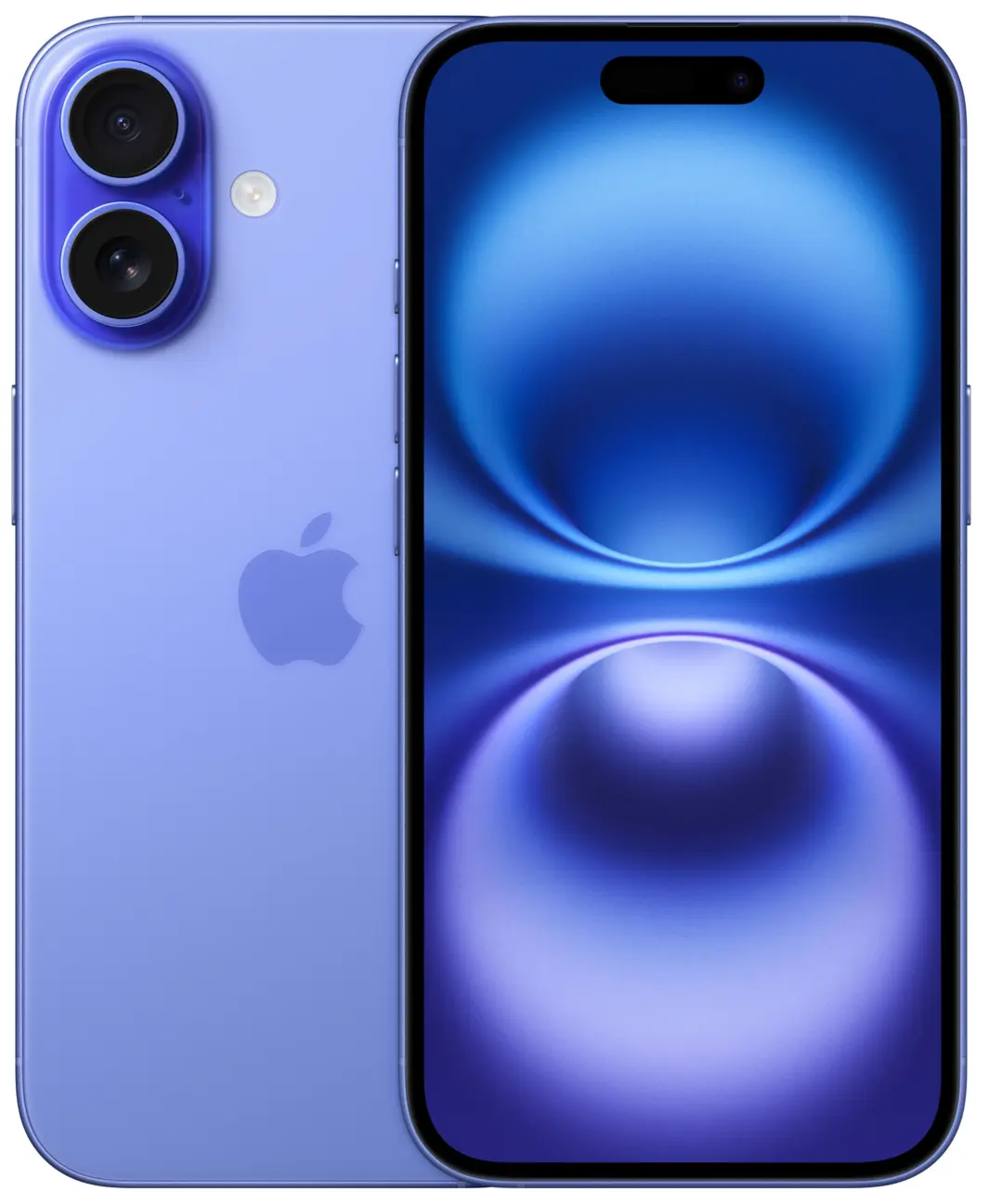
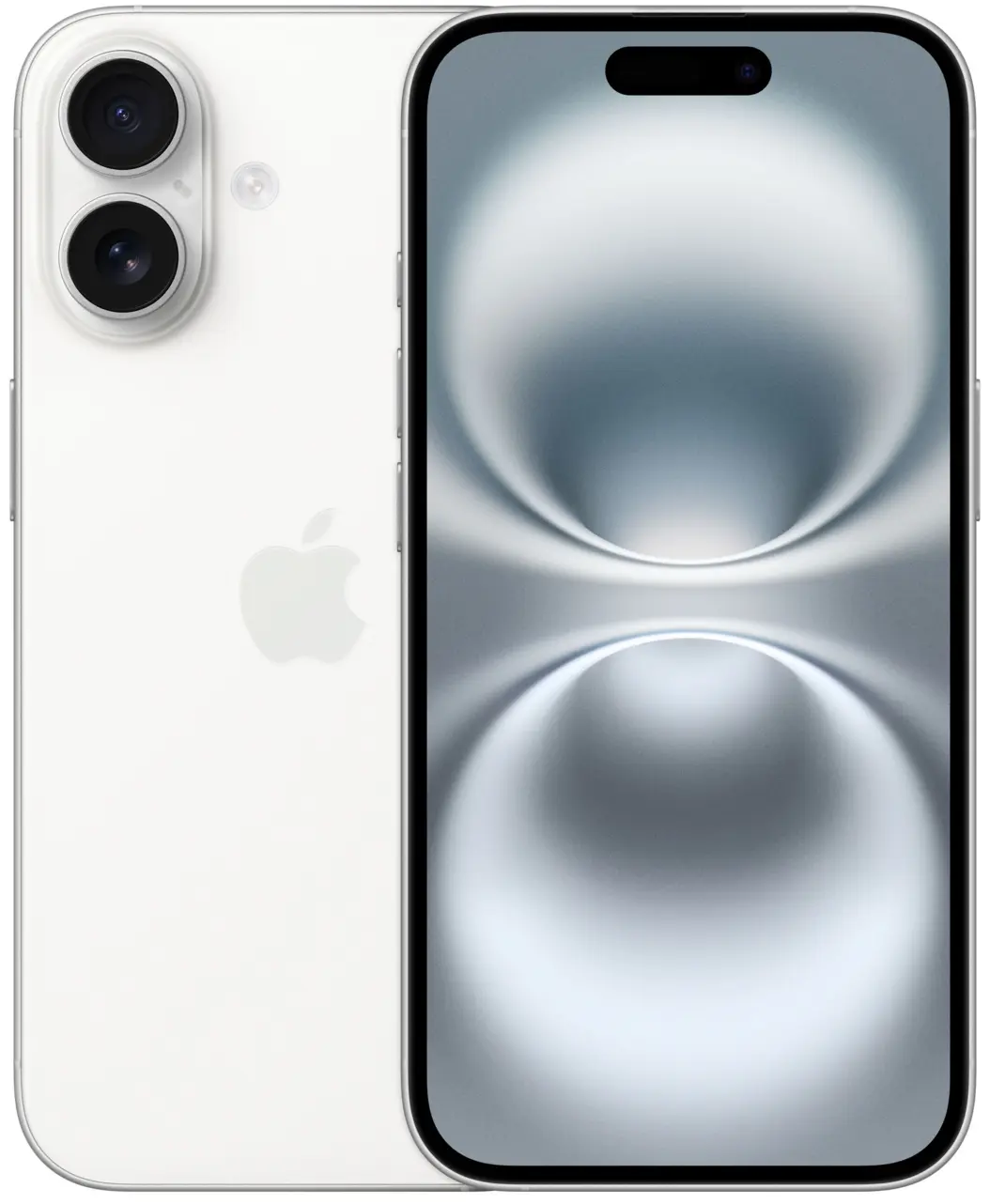
iPhone 16

Best Budget Alternative

★★★★⯪  4.0  Good

While it’s no longer the newest flagship on the block, the standard iPhone 16 has solidified its place as one of the best value-for-money smartphones of 2026. Following official price cuts and a thriving refurbished market, it now occupies the “sweet spot” for users who want premium performance, with modern features without paying current-generation flagship prices.


Read More…


Which iPhone is The Best to Buy Now


1. iPhone 17e

★★★★☆  4.0  Good


SPECS

  • DISPLAY: 6.1-inches, Super Retina XDR OLED, HDR10, 1170 x 2532p screen resolution
  • CPU: Apple A19, Apple GPU (4-core)
  • MEMORY: 8GB RAM
  • STORAGE: 256GB / 512GB
  • OS: iOS 26
  • BATTERY: 4005 mAh, supports fast and wireless charging (MagSafe/Qi2)  
  • CAMERA: 48 MP wide, Up to 4K video at 60fps | 12 MP wide selfie camera, Up to 4K video at 60fps
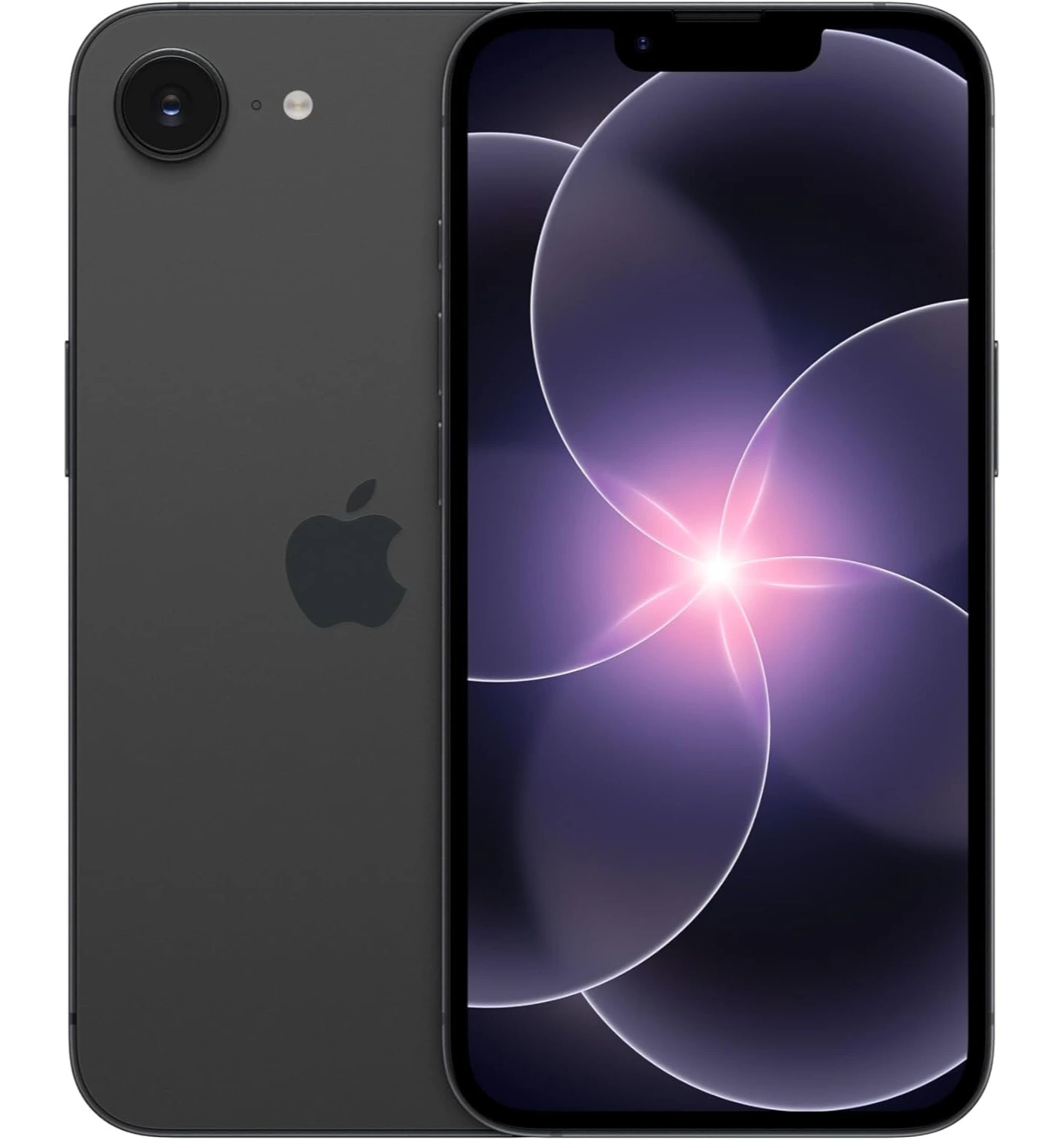
  • OTHER: Weighs 169g (5.96 oz) | IP68 dust/water resistant | 5G, eSIM, Wi-Fi 6, Bluetooth 5.3, USB Type-C 2.0 | Black, White, Soft Pink colors   
  • RELEASE: March 2026
  • PRICE RANGE: R 18 000 (ZAR) / £ 823 / US$ 1099 / € 955


PROS

  • Lightweight, durable, portable design
  • Impressive battery life
  • Supports wireless charging with MagSafe
  • Great sound speakers
  • Good phone performance
  • Impressive camera overall
  • 5-years iOS updates 

CONS

  • Low quality 60Hz display with thick bezels
  • No telephoto camera lens
  • Slow wire charging speed

Let’s get real about the iPhone 17e. Apple dropped this phone earlier this year, and honestly, it’s a total breath of fresh air if you’re tired of phones that cost as much as a used car. After using this smartphone, I’ve come up with some strong views on whether it’s actually worth your hard-earned cash, or not.

First off, the value is insane. You’re getting the A19 chip inside—the same brain that powers the much more expensive models. Everything I throw at it, from heavy gaming to editing quick clips for my content, feels snappy and smooth. I’m also obsessed with the 256GB entry storage. Finally, Apple stopped being stingy! I can take all as many photos as I want without getting that dreaded “Storage Full” notification. Plus, the ‘Soft Pink’ color looks incredibly premium in person. And for those of us who miss a phone that actually fits in one hand, the 6.1-inch size feels perfect. It’s light. It’s comfortable. And doesn’t turn my wrist into a workout.

“You’re getting the A19 chip inside—the same brain that powers the much more expensive models.”

Now, let’s talk about the dealbreakers. If you want the “cool” tech, you won’t find it here. You’re stuck with the old-school notch instead of the Dynamic Island, which honestly makes it look a bit dated compared to the rest of the lineup. The screen is also stuck at 60Hz, which feels pretty sluggish when you’re scrolling through social media compared to the buttery-smooth screens on the Pro models. And while the 48MP main camera takes fantastic shots, the lack of a dedicated telephoto lens means your zoomed-in photos will look pretty grainy. Finally, if you’re a power user looking to run all the newest, beefiest Apple Intelligence features, this phone misses the cut because it doesn’t have enough memory.

If you want a reliable, fast, and stylish iPhone that’s the least expensive in the iPhone 17 series, the 17e is a total winner. But if you’re a tech nerd who needs the latest fancy features, you might want to save up for the Pro.


2. iPhone Air

★★★★☆  4.0  Good


SPECS

  • DISPLAY: 6.5-inches, Super Retina XDR OLED, 120Hz, 1260 x 2736p screen resolution, HDR10, Dolby Vision
  • CPU: Apple A19, Apple GPU (5-core)
  • MEMORY: 12GB RAM
  • STORAGE: 256GB / 512GB / 1TB
  • OS: iOS 26
  • BATTERY: 3149 mAh, supports fast, wireless (MagSafe/Qi2) and reverse wireless charging
  • CAMERA: 48 MP wide, Up to 4K video at 60fps | 18 MP ultrawide selfie camera, Up to 4K video at 60fps
  • OTHER: Weighs 165g (5.82 oz) | IP68 dust/water resistant | 5G, eSIM, Wi-Fi 7, Bluetooth 6.0, USB Type-C 2.0 | Space Black, Cloud White, Light Gold, Sky Blue colors
  • RELEASE: September 2025
  • PRICE: R 20 000 (ZAR) / £ 625 / US$ 762 / € 728


PROS

  • Impressively thin & lightweight
  • Impressive OLED display with HDR10 & Dolby Vision
  • Good battery life
  • Excellent performance
  • Takes amazing selfies & videos

CONS

  • Slow charging
  • Dull audio quality thanks to one speaker
  • Single camera lens with small sensor
  • Battery life not as good as other iPhones

The iPhone Air is by far the most interesting phone Apple has made in years. The absolute best part about it is the design—this thing is mind-bogglingly thin and light. It uses a strong titanium frame that feels super comfortable to hold, and when I slide it into my pocket, I honestly forget it’s even there. Apple also gave it a gorgeous 6.5-inch screen that is bright, sharp, and buttery smooth thanks to the fast refresh rate. Plus, it runs on the super powerful A19 Pro chip with plenty of memory, so it flies through apps and games without a single stutter.

However, making a phone this thin means Apple had to make some huge compromises that might drive you crazy. First, you only get a single camera lens on the back. That means you completely lose out on ultra-wide shots and optical zoom, which feels like a major downgrade for a phone that costs this much. The audio is another letdown; it only has a single mono speaker, so videos and music sound noticeably quiet and flat compared to other iPhones. Finally, because the body is so slim, the battery inside is on the smaller side. It will still get you through a normal day, but if you push the phone hard with gaming or maps, you will find yourself hunting for a charger by evening.

“The absolute best part about it is the design—this thing is mind-bogglingly thin and light.”

Overall, the iPhone Air is a breath of fresh air for users fatigued by giant, heavy brick-style phones. By merging an ultra-premium titanium form factor with flagship silicon, it proves you don’t have to carry a bulky device to experience cutting-edge mobile tech.


3. iPhone 17 Pro Max

★★★★⯪   4.4  Good


SPECS

  • DISPLAY: 6.9-inches, Super Retina XDR OLED, 120Hz, 1320 x 2868p screen resolution, HDR10, Dolby Vision
  • CPU: Apple A19 Pro, Apple GPU (6-core)
  • MEMORY: 12GB RAM
  • STORAGE: 256GB / 512GB / 1TB / 2TB
  • OS: iOS 26
  • BATTERY: 4828 mAh (Nano SIM) / 5088 mAh (eSIM), supports fast, wireless (MagSafe/Qi2) and reverse wireless charging
  • CAMERA: 48 MP wide + 48 MP telephoto (periscope), 4x optical zoom + 48 MP ultrawide, Up to 4K video at 120fps | 18 MP ultrawide selfie camera, Up to 4K video at 60fps
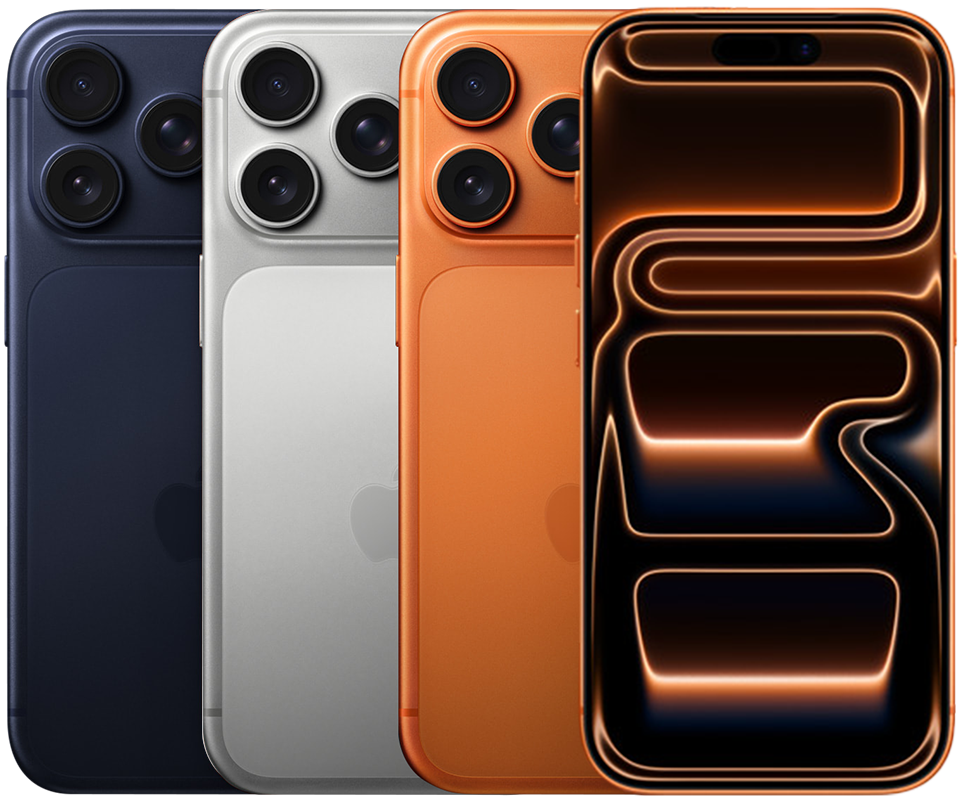
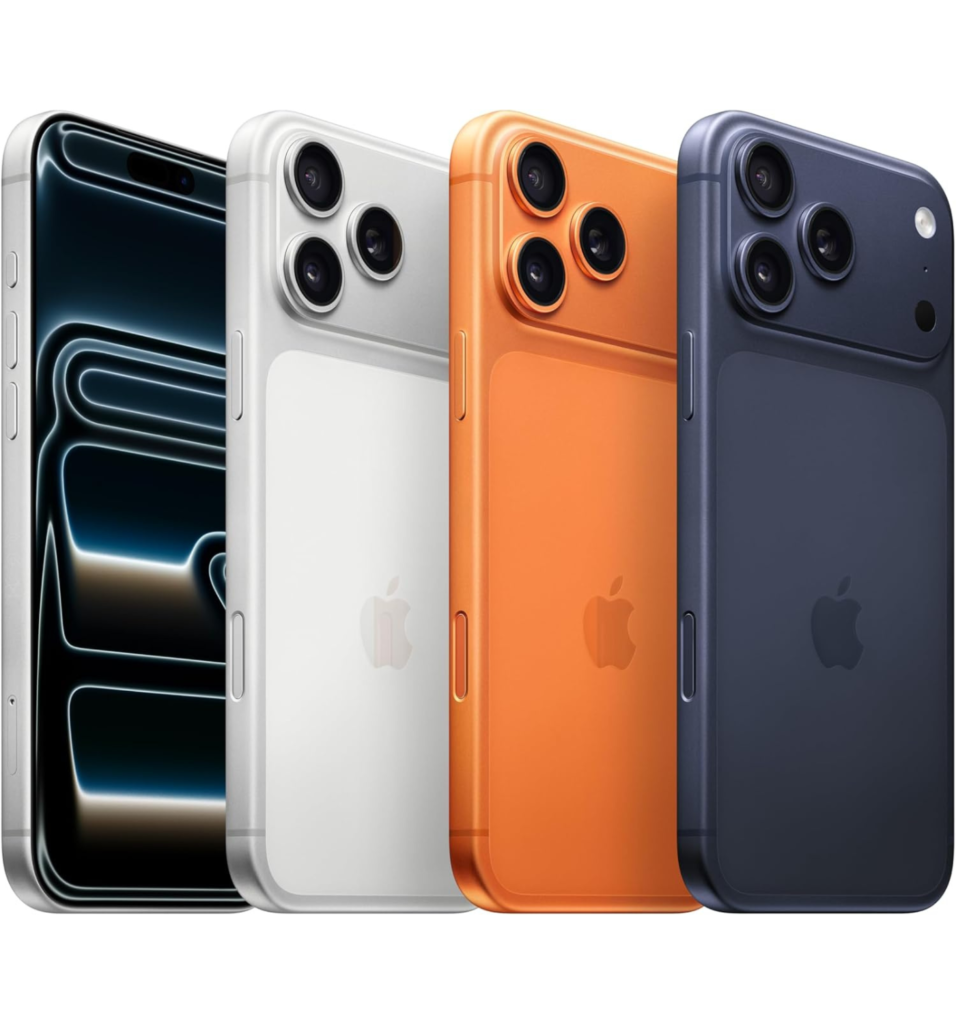
  • OTHER: Weighs 233g (8.2 oz) | IP68 dust/water resistant | 5G, eSIM, Nano-SIM, Wi-Fi 7, Bluetooth 6.0, USB Type-C 2.0 | Silver, Cosmic Orange, Deep Blue colors
  • RELEASE: September 2025
  • PRICE: R 30 000 (ZAR) / £ 1038 / US$ 940 / € 1164


PROS

  • Impressively large OLED display with Dolby Vision & HDR10
  • Impressive battery life with fast charging
  • Excellent performance
  • Impressive video quality & photo quality
  • Impressive battery life
  • Includes a larger 2TB storage

CONS

  • Expensive
  • Largest & heaviest
  • New charger not included in box
  • iOS needs getting used to

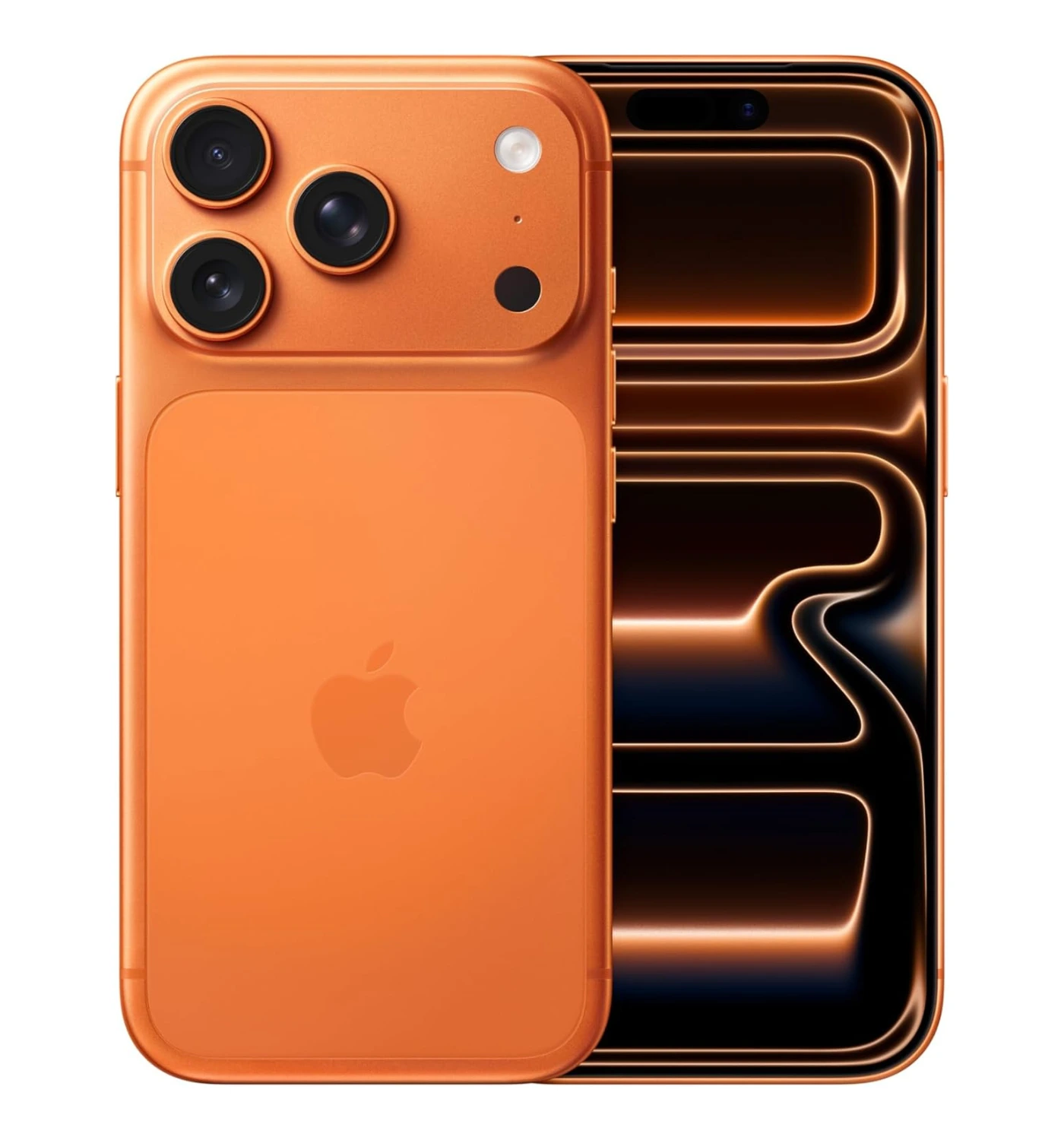
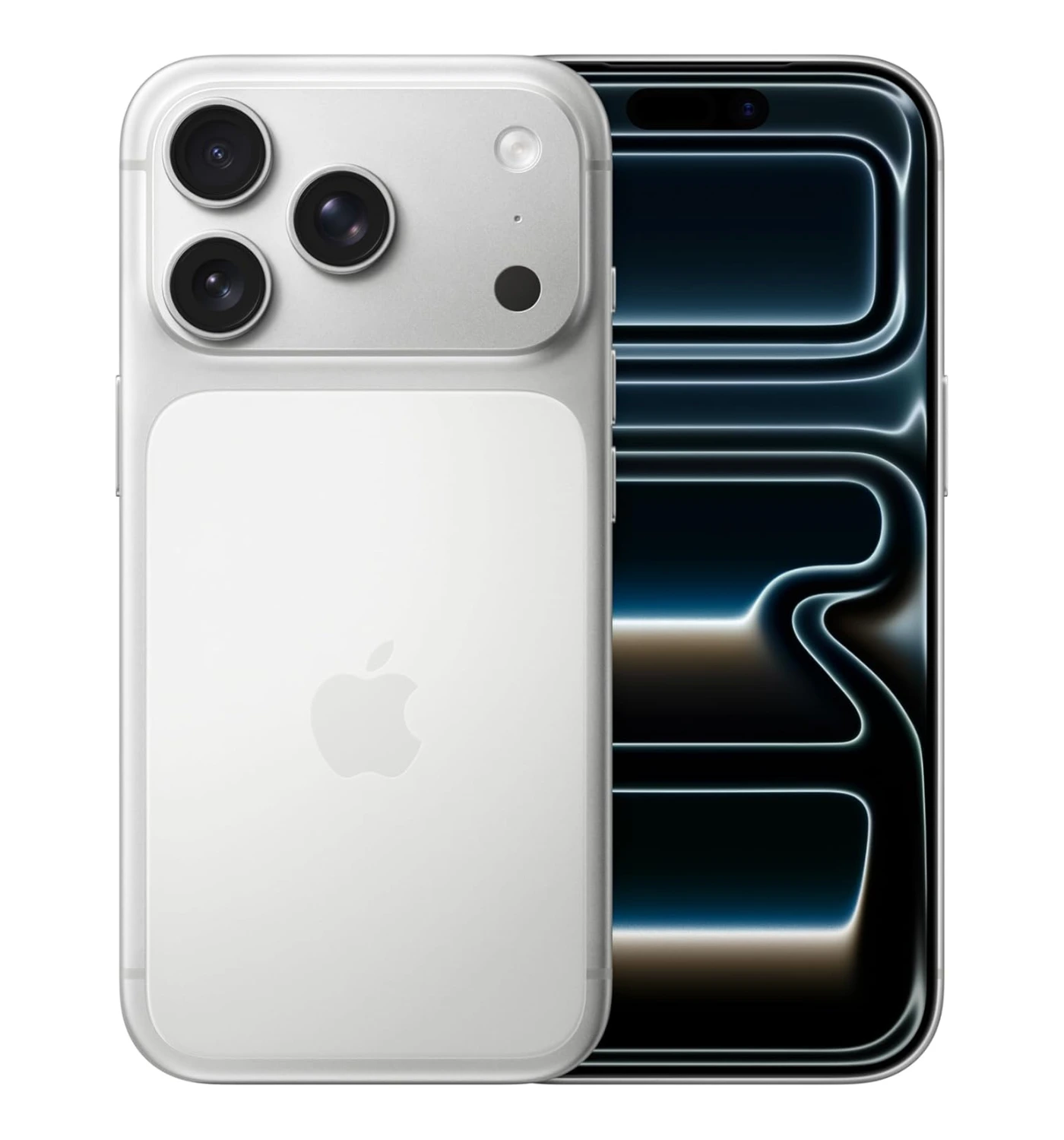
If you’re looking to invest in the absolute pinnacle of Apple’s ecosystem this year, the iPhone 17 Pro Max stands out as one of the best choices to buy in 2026. This power mobile device shakes up the traditional iPhone formula by swapping titanium for an all-new aluminum unibody, a deliberate design shift that significantly reduces the phone’s weight while introducing vastly superior heat dissipation to sustain heavy gaming and multitasking.

Powered by the cutting-edge A19 Pro chip, it brings long-awaited, practical upgrades to the table, including a larger battery with faster charging, and an upgraded storage topping to a massive 2 TB. Photographers and content creators will find immense value in its overhauled camera system—featuring an 18MP Center Stage selfie camera, a 48MP telephoto lens with 4x optical zoom, and world-class 4K120 Dolby Vision video recording that comfortably aces any lighting condition.

“the iPhone 17 Pro Max stands out as one of the best choices to buy in 2026”

Ultimately, while its bold aesthetic choices and the fresh “Liquid Glass” interface of iOS 26 have sparked plenty of debate, the iPhone 17 Pro Max remains an incredibly capable, top-tier device whose unmatched video production, robust battery stamina, and raw processing power easily justify its spot as the ultimate premium smartphone investment for 2026.


4. iPhone 17 Pro

★★★★⯪   4.4  Good


SPECS

  • DISPLAY: 6.3-inches, Super Retina XDR OLED, 120Hz, 1206 x 2622p screen resolution, HDR10, Dolby Vision
  • CPU: Apple A19 Pro, Apple GPU (6-core)
  • MEMORY: 12GB RAM
  • STORAGE: 256GB / 512GB / 1TB
  • OS: iOS 26
  • BATTERY: 3998 mAh (Nano SIM) / 4254 mAh (eSIM), supports fast, wireless (MagSafe/Qi2) and reverse wireless charging
  • CAMERA: 48 MP wide + 48 MP telephoto (periscope), 4x optical zoom + 48 MP ultrawide, Up to 4K video at 120fps | 18 MP ultrawide selfie camera, Up to 4K video at 60fps
  • OTHER: Weighs 206g (7.3 oz) | IP68 dust/water resistant | 5G, eSIM, Nano-SIM, Wi-Fi 7, Bluetooth 6.0, USB Type-C 2.0 | Silver, Cosmic Orange, Deep Blue colors
  • RELEASE: September 2025
  • PRICE: R 28 000 (ZAR) / £ 929 / US$ 888 / € 1050


PROS

  • Smaller 17 Pro Max
  • Impressively OLED display with Dolby Vision & HDR10
  • Impressive battery life with fast charging
  • Excellent performance
  • Impressive video quality & photo quality
  • Impressive battery life

CONS

  • Expensive
  • Decent telephoto camera
  • New charger not included in box
  • iOS needs getting used to

If you’re looking for a fresh upgrade this year, the iPhone 17 Pro is easily one of the coolest phones you can pick up in 2026. Apple finally stopped playing it safe and gave this one a total redesign, featuring a sleek look that immediately stands out from the older models.

Under the hood, it packs a much faster A19 Pro chip with a brand-new cooling system that keeps it from overheating when you’re gaming or multitasking. Plus, they fixed two of the most annoying daily hassles: the screen is way less reflective in bright sunlight, and the battery charges up much faster than before. You also get a sharper, wider selfie camera and a upgraded zoom lens for crisp photos from a distance.

“Apple finally stopped playing it safe and gave this one a total redesign”

Overall, even though the new iOS 26 software might take a little getting used to, the iPhone 17 Pro is an incredibly fast mobile device, with a premium package that hits all the right notes for daily use.


5. iPhone 17

★★★★⯪  4.2  Good


SPECS

  • DISPLAY: 6.3-inches, Super Retina XDR OLED, 120Hz, 1206 x 2622p screen resolution, HDR10, Dolby Vision
  • CPU: Apple A19, Apple GPU (5-core)
  • MEMORY: 8GB RAM
  • STORAGE: 256GB / 512GB
  • OS: iOS 26
  • BATTERY: 3692 mAh, supports fast, wireless (MagSafe/Qi2) and reverse wireless charging
  • CAMERA: 48 MP wide + 48 MP ultrawide, Up to 4K video at 60fps | 18 MP ultrawide selfie camera, Up to 4K video at 60fps
  • OTHER: Weighs 177g (7.3 oz) | IP68 dust/water resistant | 5G, eSIM, Nano-SIM, Wi-Fi 7, Bluetooth 6.0, USB Type-C 2.0 | Black, White, Mist Blue, Sage, Lavender colors
  • RELEASE: September 2025
  • PRICE: R 20 000 (ZAR) / £ 640 / US$ 640 / € 750


PROS

  • Impressively OLED display with Dolby Vision & HDR10
  • Storage model starts at 256GB
  • Supports wireless & reverse wireless charging
  • Lightweight
  • Good performance
  • Impressive camera that delivers good video & photo quality
  • Impressive battery life

CONS

  • No telephoto camera
  • No vapor cooling

If you want a premium phone experience without paying the eye-watering “Pro” tax, the standard iPhone 17 is hands-down the smartest choice you can make right now. Apple finally stopped holding back on the base model, giving it the two biggest day-to-day upgrades we’ve been begging for: a gorgeous, buttery-smooth 120Hz ProMotion display and a much-needed bump to a spacious 256GB of starting storage.

The camera system got a serious glow-up too, packing a razor-sharp 48MP ultrawide lens that doubles as a macro camera for close-ups, alongside a massive 18MP front camera that dynamically pans to keep your group selfies perfectly framed. Sure, it can run a little warm if you push it with heavy 3D gaming, and the USB-C port is stuck at older data transfer speeds, but those are minor gripes when you consider what you’re actually getting.

“the standard iPhone 17 is hands-down the smartest choice you can make right now”

Overall, it combines traditional Apple styling, Pro-level screen responsiveness, and fantastic battery life into a package that feels like a massive leap forward rather than just a boring yearly update.


6. iPhone 16

★★★★☆  4.0  Good


SPECS

  • DISPLAY: 6.1-inches, Super Retina XDR OLED, 120Hz, 1179 x 2556p screen resolution, HDR10, Dolby Vision
  • CPU: Apple A18, Apple GPU (5-core)
  • MEMORY: 8GB RAM
  • STORAGE: 128GB / 256GB / 512GB
  • OS: iOS 18
  • BATTERY: 3561 mAh, supports fast, wireless (MagSafe/Qi2) and reverse wireless charging
  • CAMERA: 48 MP wide + 12 MP ultrawide, Up to 4K video at 60fps | 12 MP ultrawide selfie camera, Up to 4K video at 60fps
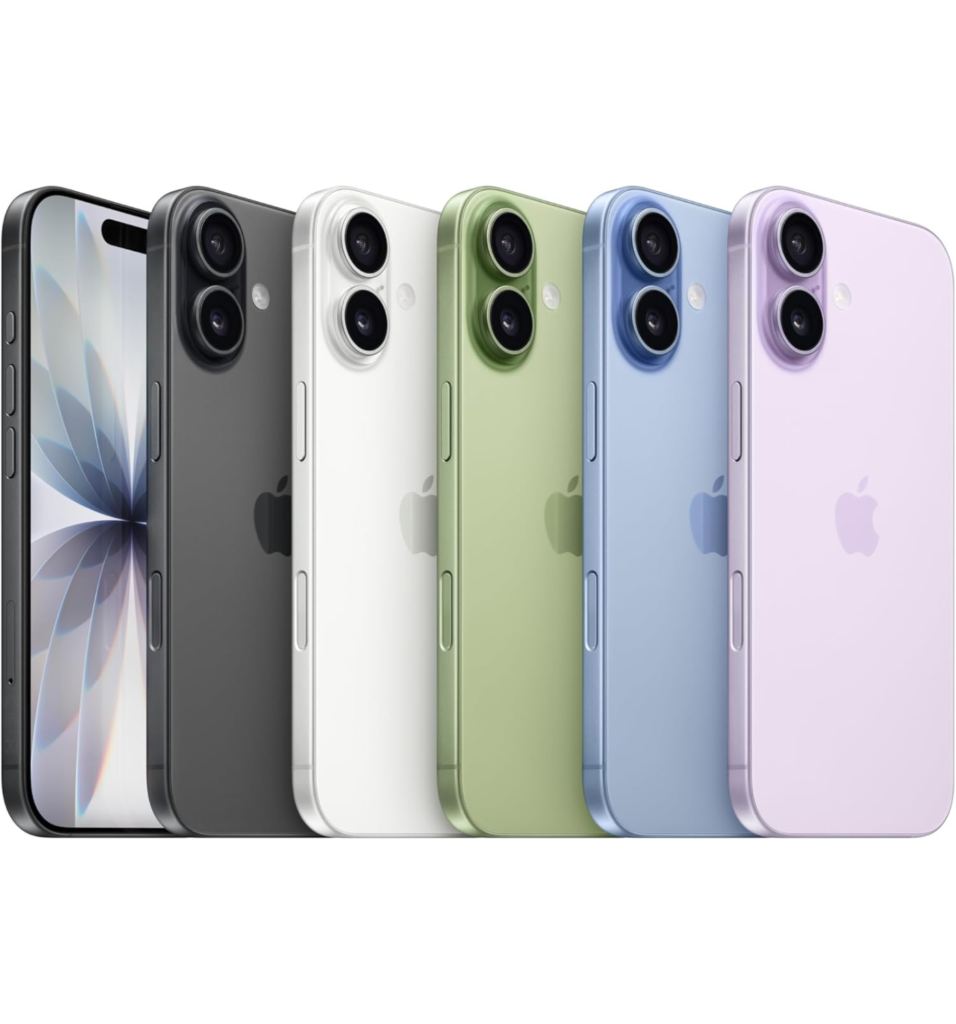
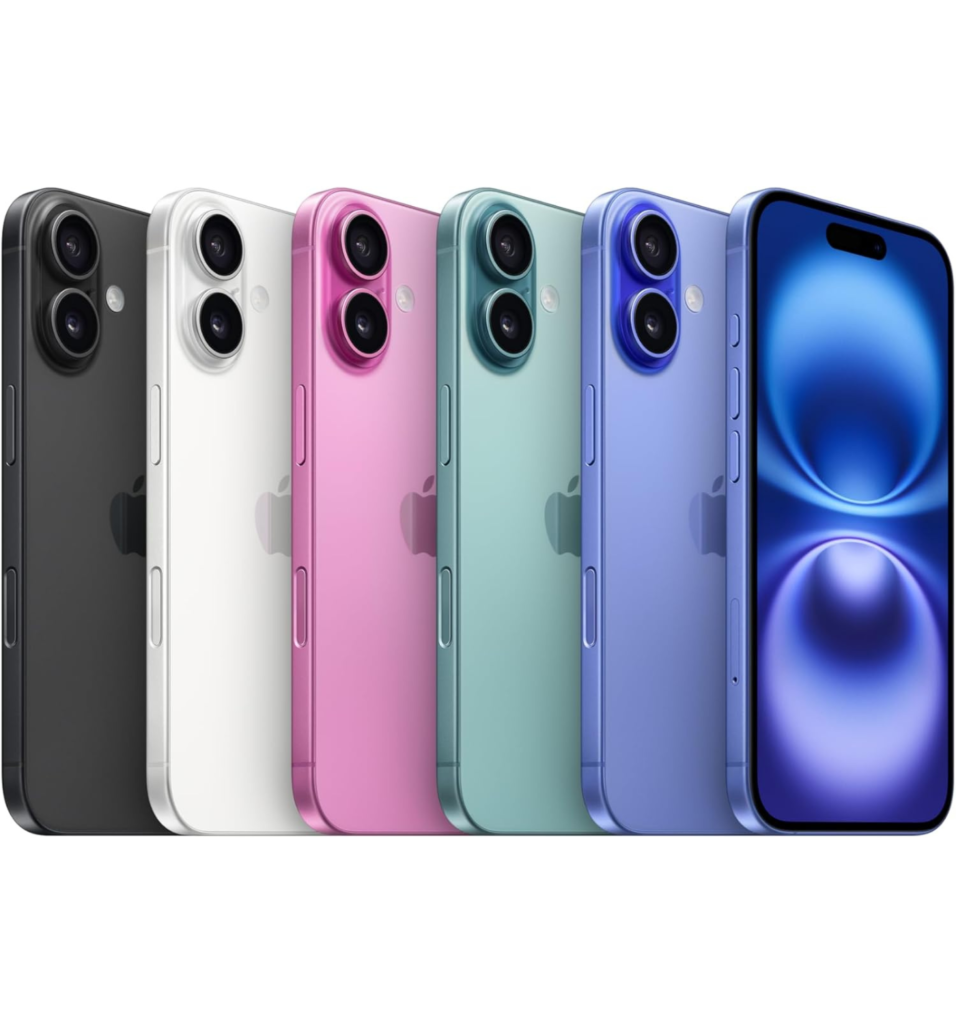
  • OTHER: Weighs 170g (6 oz) | IP68 dust/water resistant | 5G, eSIM, Nano-SIM, Wi-Fi 7, Bluetooth 5.3, USB Type-C 2.0 | Black, White, Pink, Teal, Ultramarine colors
  • RELEASE: September 2024
  • PRICE: R 17 500 (ZAR) / £ 509 / US$ 575 / € 619


PROS

  • Well designed with new camera design setup
  • Impressive durability water, dust & scratch resistance
  • Small but bright & impressive OLED display
  • Impressive battery life with great quality audio
  • Impressive performance
  • Impressive camera performance that delivers excellent photo & video quality
  • Includes 5-year iOS updates

CONS

  • Comes with a 60Hz display with thick bezels
  • Slow charger
  • Entry model starts at 128GB
  • No telephoto camera

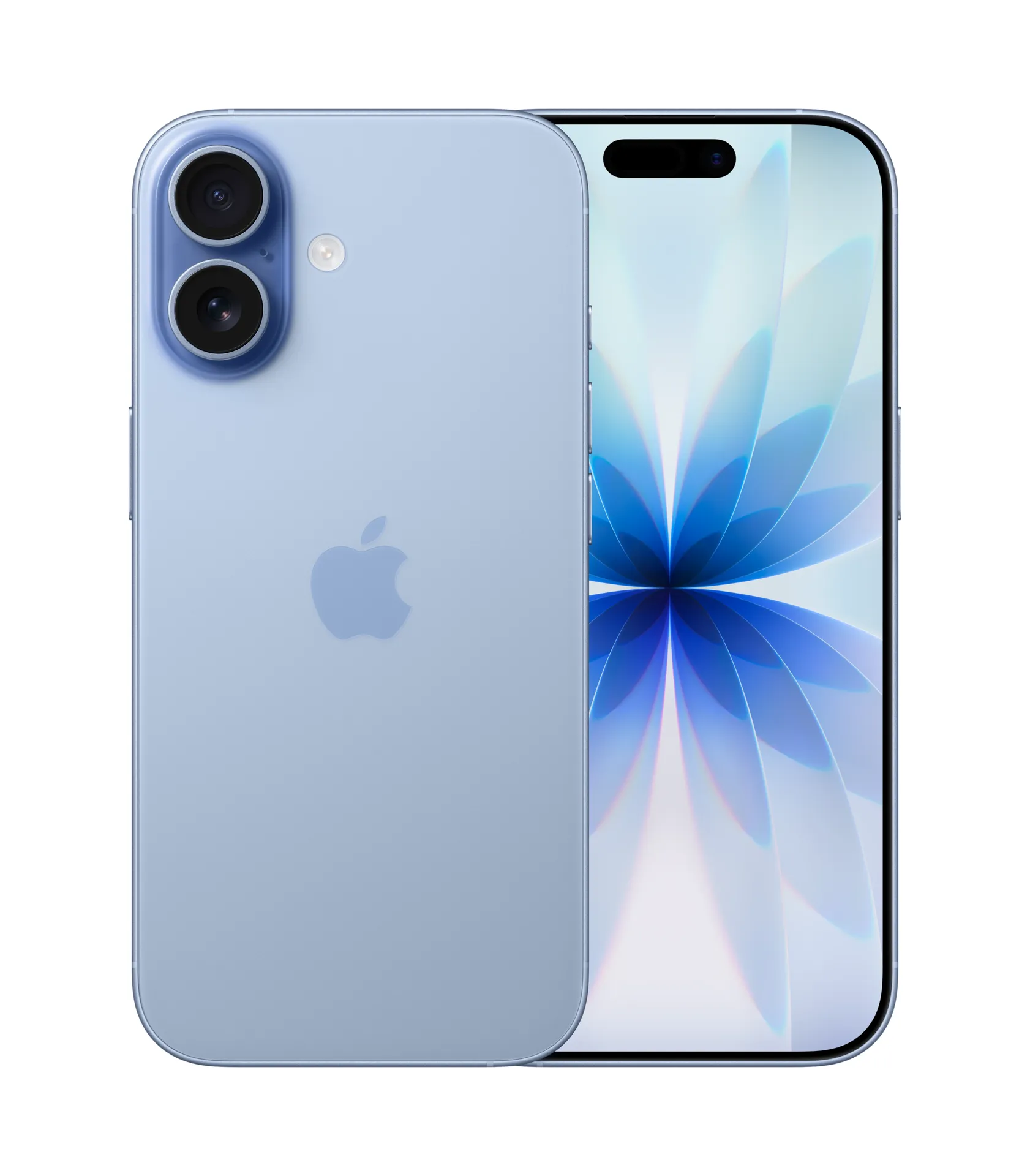
If you’re looking for a cheaper iPhone that performs just as well as the newest flagship models, the older iPhone 16 is officially the best choice budget-friendly smartphone to get now in 2026. Now that the price has dropped significantly, it offers incredible value for a phone that easily handles daily life without any drama.

Under the hood, its beefed-up A18 chip and 8GB of RAM run Apple’s snappy “Liquid Glass” interface effortlessly, making it fully future-proof and ready for the wave of Apple Intelligence updates. You’re also getting premium features carried forward like the Dynamic Island and USB-C, alongside a super reliable 48MP main camera and the incredibly handy Camera Control button for instant shooting.

“iPhone 16 is officially the best choice budget-friendly smartphone to get now”

Sure, it lacks the silky 120Hz scrolling of the newer base models and its data speeds are stuck on the older standard, but those are easy trade-offs to live with when the battery is a total tank.

Overall, the iPhone 16 isn’t trying to reinvent the wheel, but it delivers an exceptionally solid, familiar, and premium iOS experience that makes it a total no-brainer buy at its current price point.


Summary


Whether you’re hunting for budget-friendly value, cutting-edge aesthetics, or absolute pro-grade performance, Apple’s current lineup has a specific iPhone champion tailored to every type of user this year.

Starting off, for the budget-conscious shopper, the iPhone 17e serves as the ultimate entry point by packing the advanced A19 chip and a robust 48MP main camera into a classic, reliable design at a wallet-friendly price.

If you want a phone that turns heads, the all-new iPhone Air completely steals the show as the thinnest iPhone ever made, rocking a gorgeous titanium chassis, fluid 120Hz ‘ProMotion’ display, and a powerful A19 Pro chip without dragging down your pocket.

Buyers looking for peak value iPhone can grab the iPhone 16, which has hit a massive price drop, carrying forward premium hardware like the Dynamic Island, the A18 chip, and the handy Camera Control button.

Step up to the standard iPhone 17, and you get the best-all-round base model Apple has ever delivered, finally inheriting a smooth 120Hz ‘ProMotion’ display, a 48MP macro-capable ultrawide camera, and a generous 256GB of starting storage.

And finally, for those who demand the absolute best of the best, the iPhone 17 Pro and iPhone 17 Pro Max shift to a lightweight aluminum unibody designed for superior heat dissipation, maximizing the raw power of the A19 Pro chip alongside upgraded 4x optical zoom cameras and unmatched 4K120 Dolby Vision video production.

Overall, Apple has successfully moved away from purely iterative updates, delivering a diverse family of devices where every single choice represents a distinct, powerful upgrade pathway for 2026.


Lastly


So tell me your thoughts on which iPhone is the best to buy now. Do you agree with the chosen iPhones? Which one of these are you interested in? Let me know here below on the comments section 😀


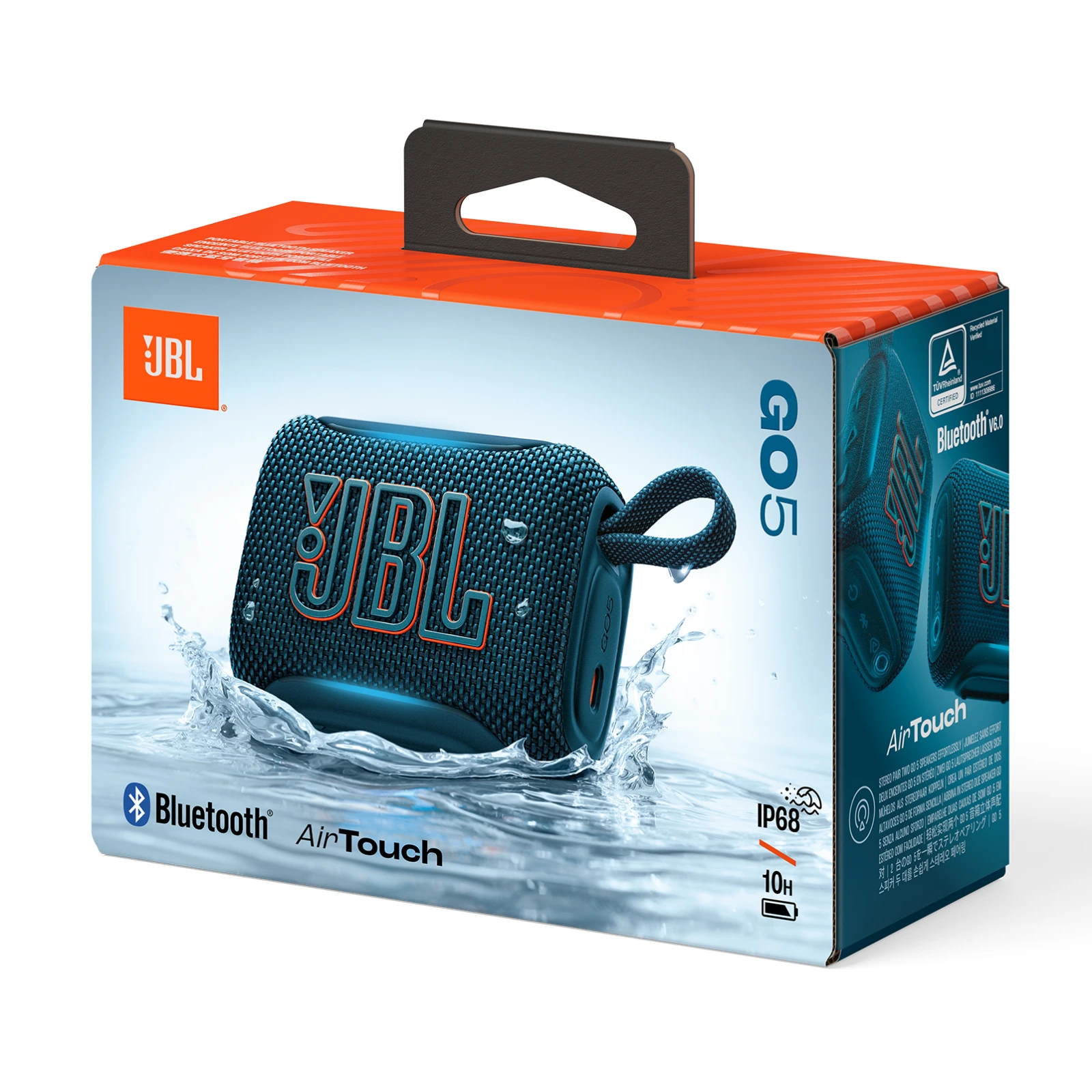
JBL Go 5 Speaker Review: The Tiny Best Affordable

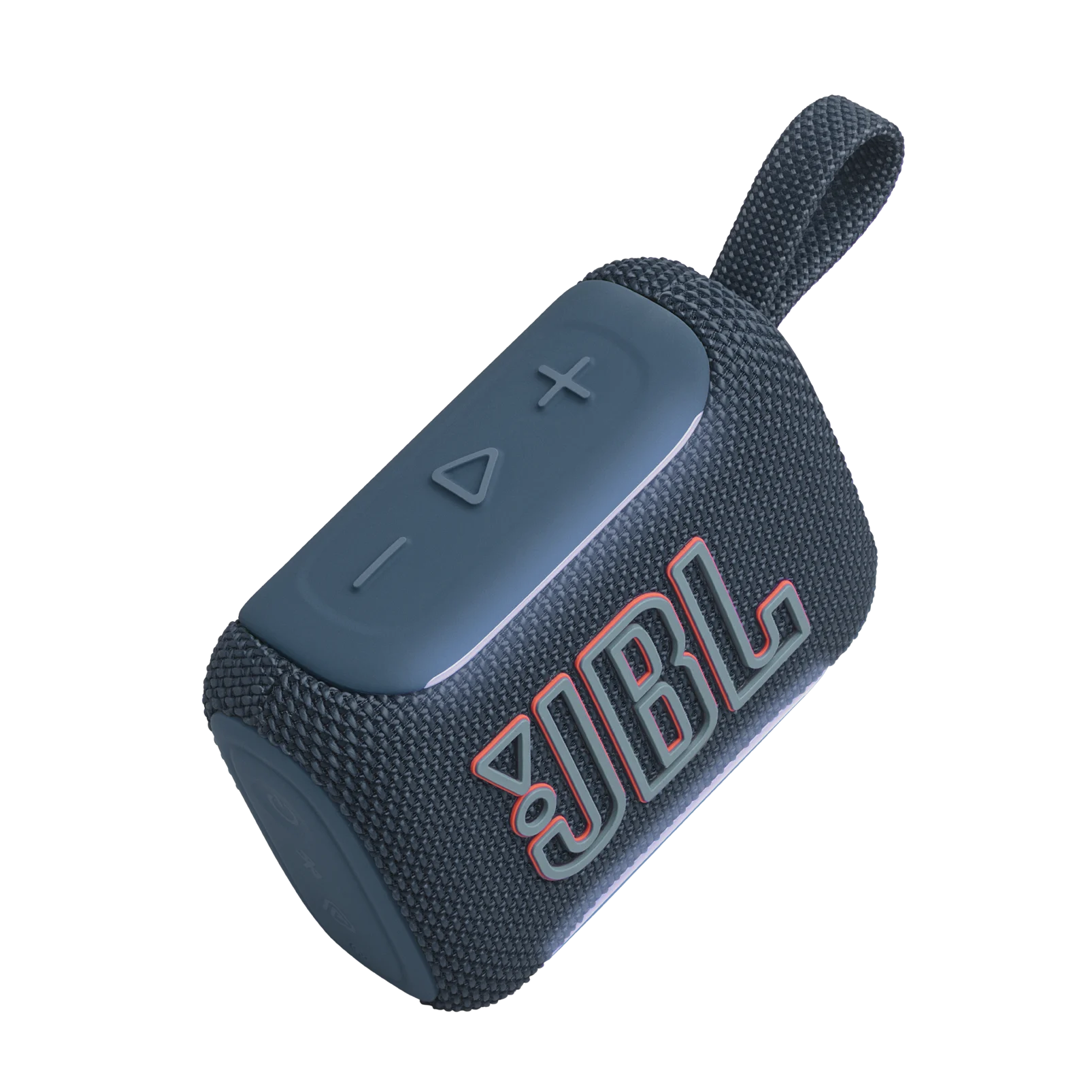
JBL Go 5

“If you need a Bluetooth speaker that fits in your pocket but still packs a serious punch, the Go 5 is best choice. JBL took everything we loved about the older models and fixed almost every single flaw.


If you’re looking for a tiny Bluetooth speaker to throw in your backpack, you’ve most likely come across a few under the JBL Go lineup. These little brick-shaped speakers have been rocking pool parties and sunny beach days alive for years. Now, the new JBL Go 5 is here. At first glance, it looks just like the older models. But JBL this time packed some massive tech upgrades into this little palm-sized Bluetooth speaker. If this little guy’s piquing your interest, let’s dive into the JBL Go 5 Speaker Review. Whether this budget-friendly companion deserves a spot in your gear bag, or it’s just another Bluetooth speaker with decent sound but no impact. 


Overview


Can a Bluetooth speaker the size of a deck of cards actually bring a dead party alive? That’s the exact promise of the brand-new JBL Go 5 speaker. Priced at an incredibly friendly $55, this little pocket rocket keeps the signature, ultra-portable soap-bar shape and handy strap loop that fans have loved for years.

But don’t let the familiar look fool you; JBL completely overhauled the internal tech for this generation. It now packs an upgraded 4.8W power output for extra punch, with cutting-edge Bluetooth 6.0 for flawless connectivity, and a ruggedized IP68 rating that is fully dustproof, waterproof, and drop-resistant.

Overall, JBL didn’t just make a minor tweak; they created the ultimate summer sidekick. It perfectly balances grab-and-go convenience with surprisingly smart premium features, making it the absolute gold standard for budget portable audio.


Specs


  • Weighs 230 g/8.1 oz
  • Connects using Bluetooth and USB-C
  • Up to 8 hours battery life (10 hours with PlayTime Boost)
  • IP68 rating for water, dust and shock resistance


The Best Features


So what’s so great about this JBL Go 5 speaker anyway? 

First you get the lossless USB-C Audio. This is the absolute best surprise. While the older Go 4 only used its USB-C port for charging, the Go 5 actually lets you plug it directly into your phone or laptop with a cable to play high-res, lossless audio.

Second is the ‘AirTouch’ Stereo Pairing. If your friend also has a Go 5, you can physically tap the two speakers together end-to-end. They instantly chime and link up into a true left-and-right stereo pair. No messy app menus required. That would greatly enhance the sound but that means getting a another G0 5.

Thirdly is the ambient edge lighting. JBL added two elegant, soft white LED strips along the top and bottom edges. They pulse with the music and act as visual indicators when your battery’s running low or when you’re pairing devices. It would be great if it was RGB LED strips but this is what you get at the affordable price. 

Next, the Go 5 comes available in a choice of seven amazing color designs to choose from. my favorite being  the black, blue and the ‘camouflage’ 

The companion app now gives you a full 7-band equalizer. This gives you much finer control to boost the bass or crisp up the vocals compared to the older versions.

And lastly, tougher durability feature. The Go 5 comes with an IP68 rating, which means it’s officially dust-proof, water-proof and shock-proof. You don’t need to worry about the Go 5 not working anymore after it being exposed natural elements like dust and water.    


The Deal Breakers


As this tiny powerful speaker is great, sadly it’s not perfect. Why? Either than the obvious physical limitations due to its small size, here’s a few more to note:

Firstly, while the 4.8W sound delivery makes it plenty loud for a desk or a small picnic blanket, it’ll distort and sound harsh if you max out the volume. You simply cannot get earth-shaking bass out of something this small. It’s a bit disappointing but it’s understandable. A Bluetooth speaker this small can’t possibly deliver the best quality bass. 

Next is the ‘Playtime Boost’ trade off. The battery lasts about 8 hours normally (up to 10 with Playtime Boost). However, turning on the battery boost mode aggressively cuts out the bass frequencies to save juice, which makes the music sound a bit thin. It’s great that you can use the Go 5 for longer when turning on the ‘Playtime Boost’, however, if it lowers bass quality then that doesn’t sound great. 

Lastly, there’s still no built-in speaker phone/mic. If a phone call comes in while you’re listening to music, you’ll have to answer it on your phone screen. Not exactly a major flaw but it’s something to note.


The Alternatives


If the Go 5 speaker isn’t really what you’re looking for after all, here’s a few alternatives to consider. 

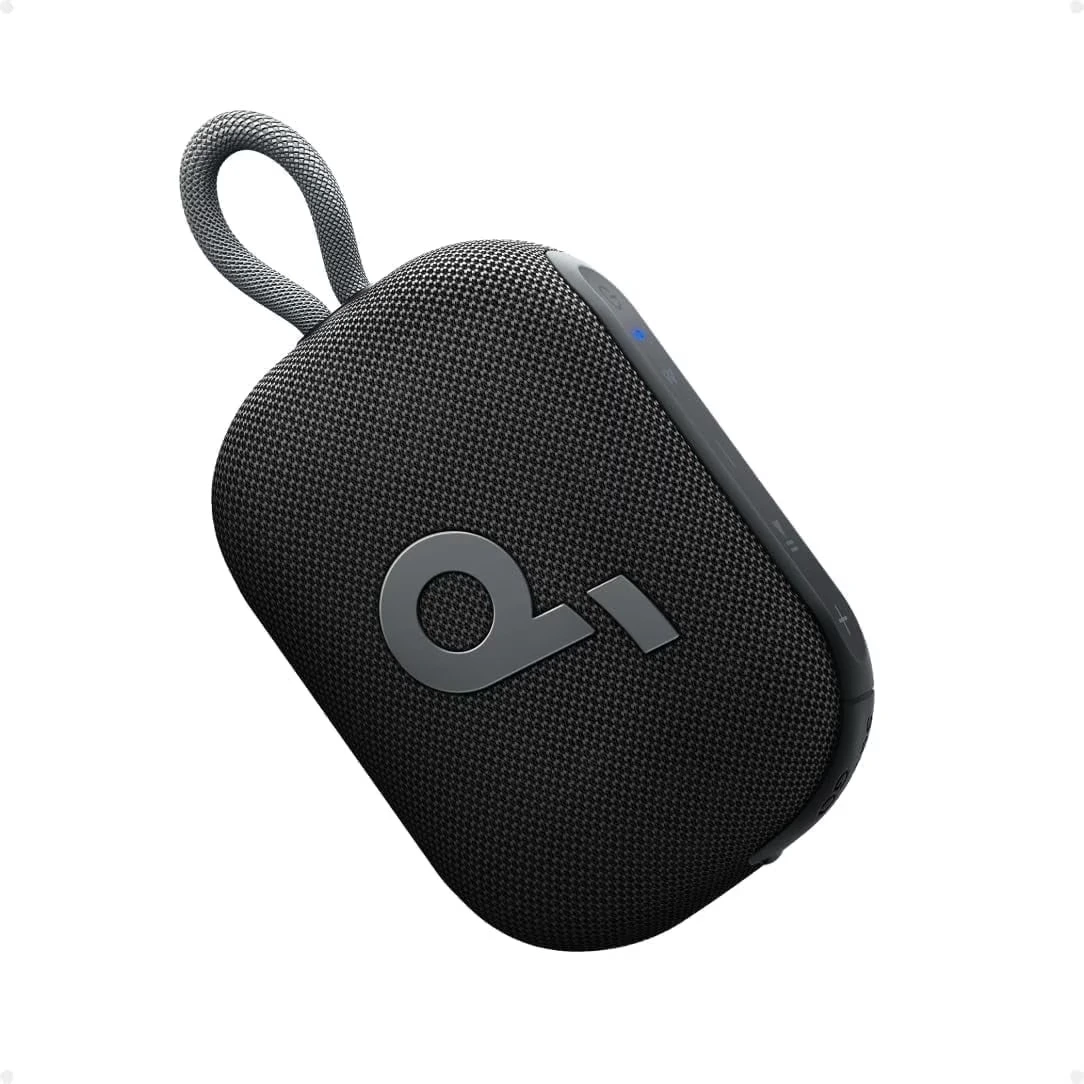
Anker Soundcore Select 4 Go

The Cheaper, Longer Battery Life Alternative

★★★★☆  4.0  Good

Why chain yourself to a charger when you can keep the party rocking all day long? While the JBL Go 5 introduces some flashy new features, the Anker Soundcore Select 4 Go completely leaves it in the dust where it matters most: pure endurance.

For nearly half the price, Anker gives you a mind-blowing 20 hours of battery life compared to the JBL’s meager 8 hours, meaning you can survive a full weekend getaway without ever hunting for a wall plug. It also pushes a slightly punchier 5W of audio output, features a fully customizable 9-band EQ through the app, and boasts a clever, IP67-rated chassis that actually floats on top of the water if you accidentally drop it in the pool.

Ultimately, if you value massive battery life, smart physical durability, and maximum bang for your buck, the Soundcore Select 4 Go is the smarter, more practical pocket speaker for real-world adventures.


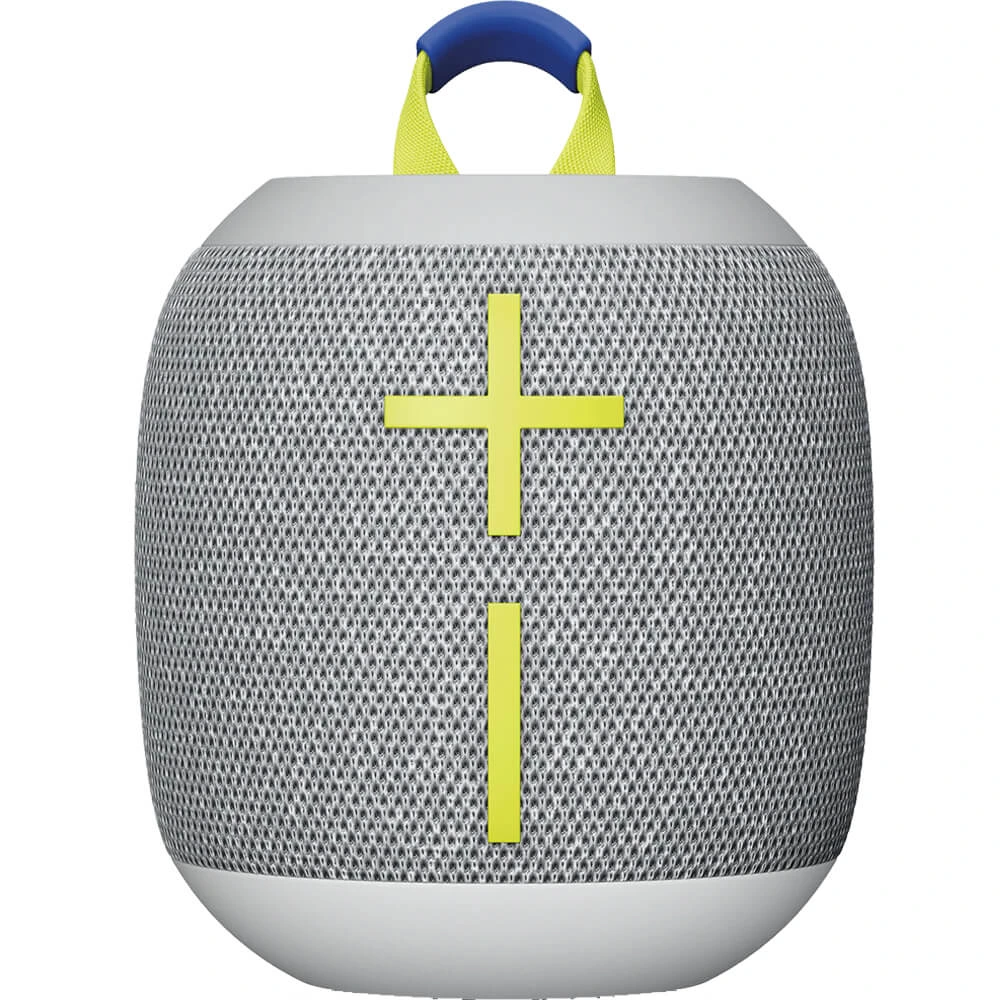
Ultimate Ears WONDERBOOM 4

The Punchy Budget Alternative

★★★★⯪  4.5  Excellent

Why settle for directional audio when you can wrap your entire campsite in immersive sound? While the JBL Go 5 relies on a single front-firing driver that forces you to point it exactly where you’re sitting, the Ultimate Ears WONDERBOOM 4 completely changes the game with a true 360-degree acoustic design that pushes music evenly in every single direction.

Thanks to its dual active drivers and passive radiators, it pumps out significantly heavier bass and a broader soundstage than the tiny JBL brick can ever dream of. It also runs laps around the Go 5 with a massive 14 hours of battery life, features a dedicated “Outdoor Boost” mode to cut through wind noise, and its rugged, drop-proof IP67 body actually floats on top of the water if you drop it in the pool.

Overall, if you are looking for a speaker that fills the air with bigger, bassier audio, lasts all day, and shrugs off accidental deep-water plunges, the WONDERBOOM 4 is a powerhouse upgrade that is well worth the extra cash.


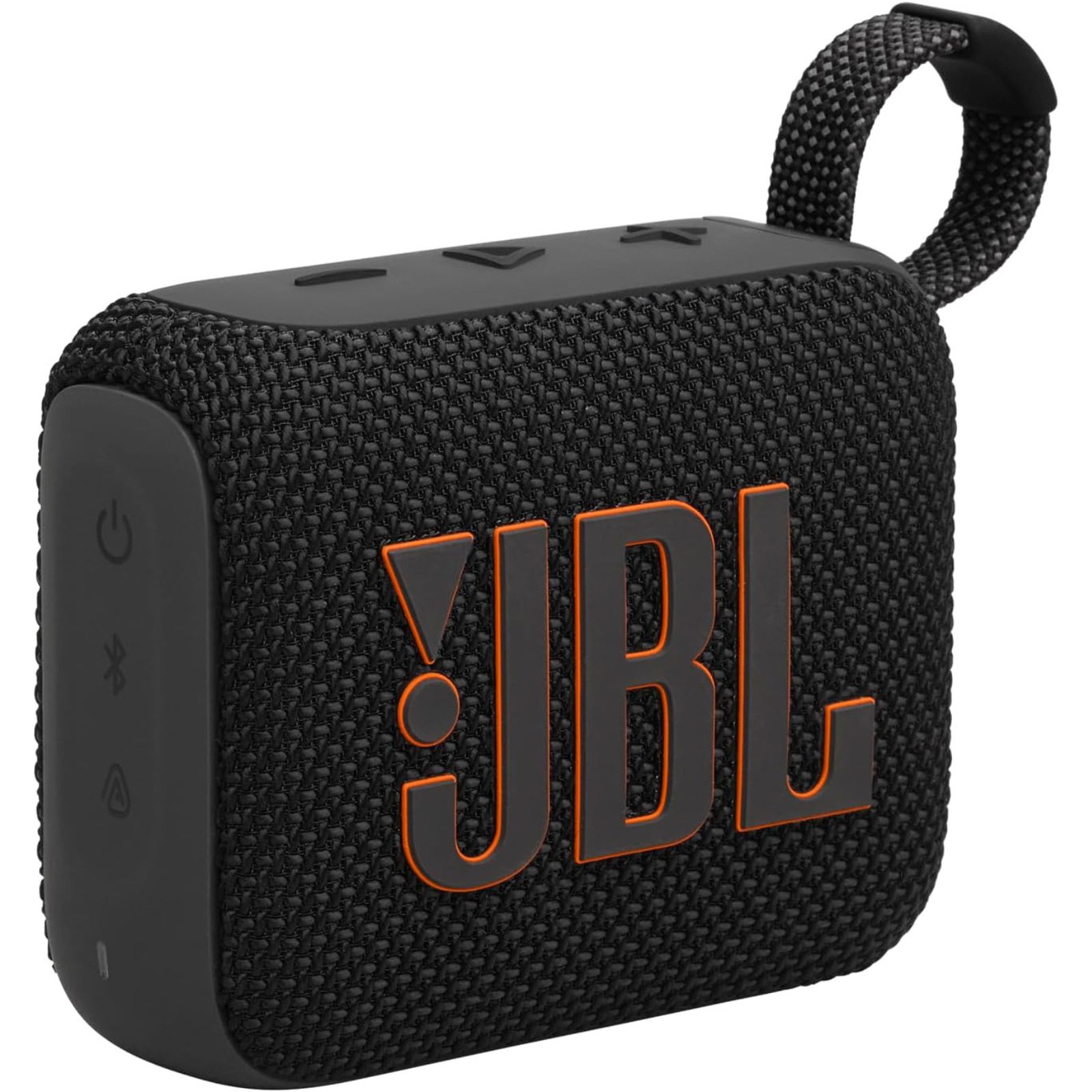
JBL Go 4

The Budget Alternative

★★★★☆  4.0  Good

Why go for the new model for fancy bells and whistles when the classic formula already works perfectly? While the newer model grabs headlines with its shiny new edge lights and minor tech tweaks, the JBL Go 4 remains the absolute champion of smart value and pure portability.

Weighing in at a noticeably lighter 6.7 ounces compared to the bulkier Go 5, this pocket-sized brick slides into any backpack corner or jacket pocket with zero friction, while still delivering shockingly punchy sound and clear vocals for its size. Because the two speakers sound virtually identical at normal, casual listening volumes, choosing the Go 4 means you still get a rugged IP67 waterproof design, app EQ support, and reliable Auracast pairing—but usually at a massive discount compared to the newest generation.

Overall, if you want ultra-light travel convenience and great everyday sound without paying a premium for cosmetic upgrades, saving your cash and grabbing the discounted JBL Go 4 is the savviest move you can make.


The Final Verdict


So, is the JBL Go 5 actually worth your hard-earned cash, or is it just clever marketing? Here’s what we say: if you need a Bluetooth speaker that fits in your pocket but still packs a serious punch, the Go 5 is best choice. JBL took everything we loved about the older models and fixed almost every single flaw.

With the addition of lossless USB-C audio, a virtually indestructible IP68 drop-proof body, and that incredibly fun “tap-to-pair” AirTouch feature, it completely redefines what a $55 speaker can do. It is durable, incredibly smart, and loud enough to turn any spontaneous hangout into a party. If you want to grab one for your next adventure, click here to check out the best current deals on the JBL Go 5.

That’s all for now for this JBL Go 5 Speaker Review. Let’s hear from you on the comments below! Would you pick the new JBL Go 5? What do you think about the other portable Bluetooth speakers? Drop us a comment below and let us know what you think 😀