
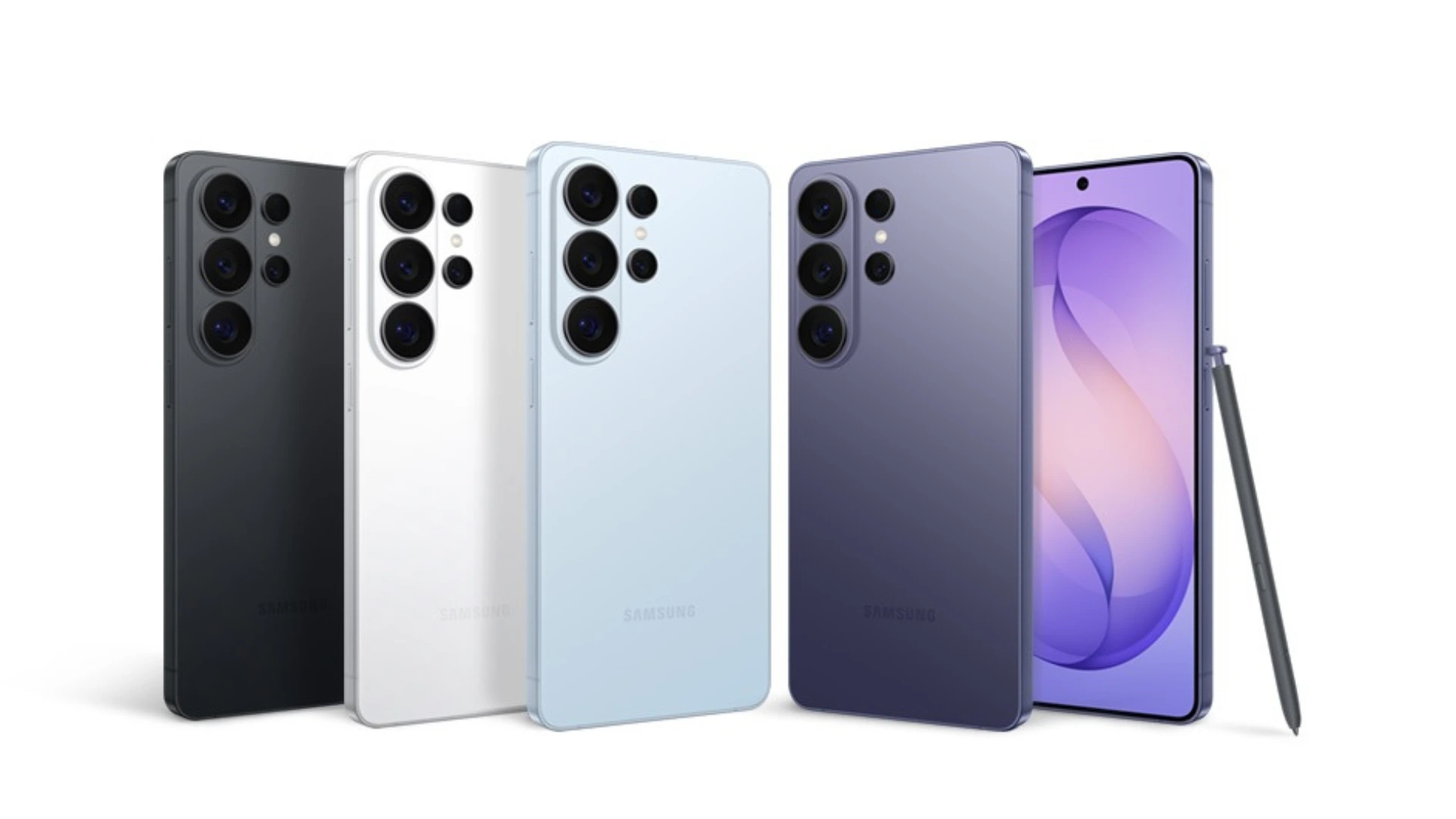

Samsung Galaxy S26 Ultra
Pros
- Impressive display with new 'Privacy' feature
- Better battery life
- Faster charging
- Improved sound speakers
- Includes S Pen
- New features for video creators
- Thin & lightweight design
- Includes impressive AI features
Cons
- Basic IP68 rating, other Androids have better
- No Dolby Vision support
- Camera hardware lags behind other Android phones
- CPU slows done under heavy prolong use
Galaxy S26 Ultra
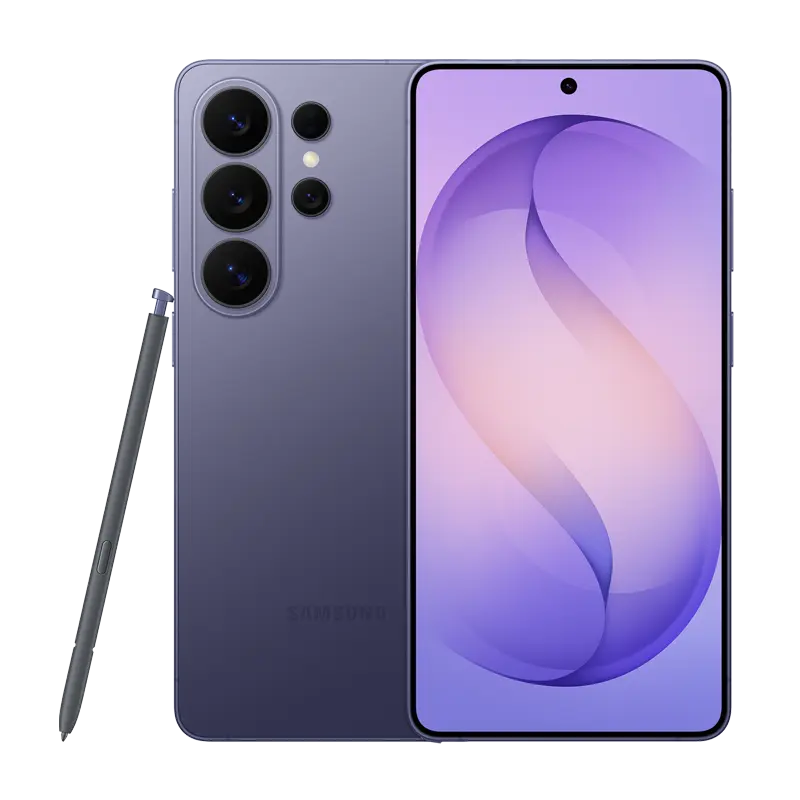
Samsung Galaxy S26 Ultra
“Samsung has delivered a really well-rounded phone that doesn’t have any glaring weaknesses. It’s a polished, reliable workhorse”
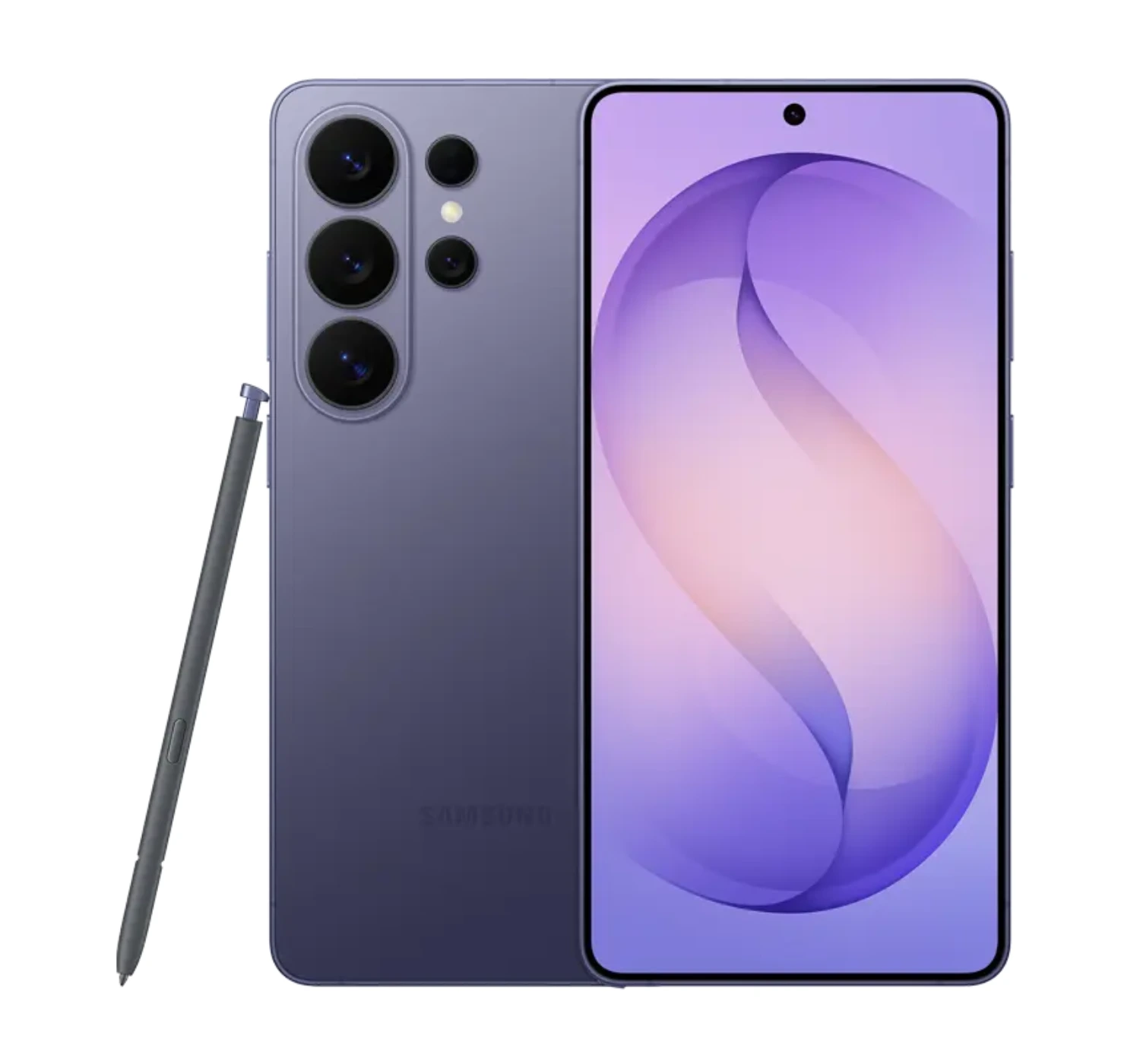
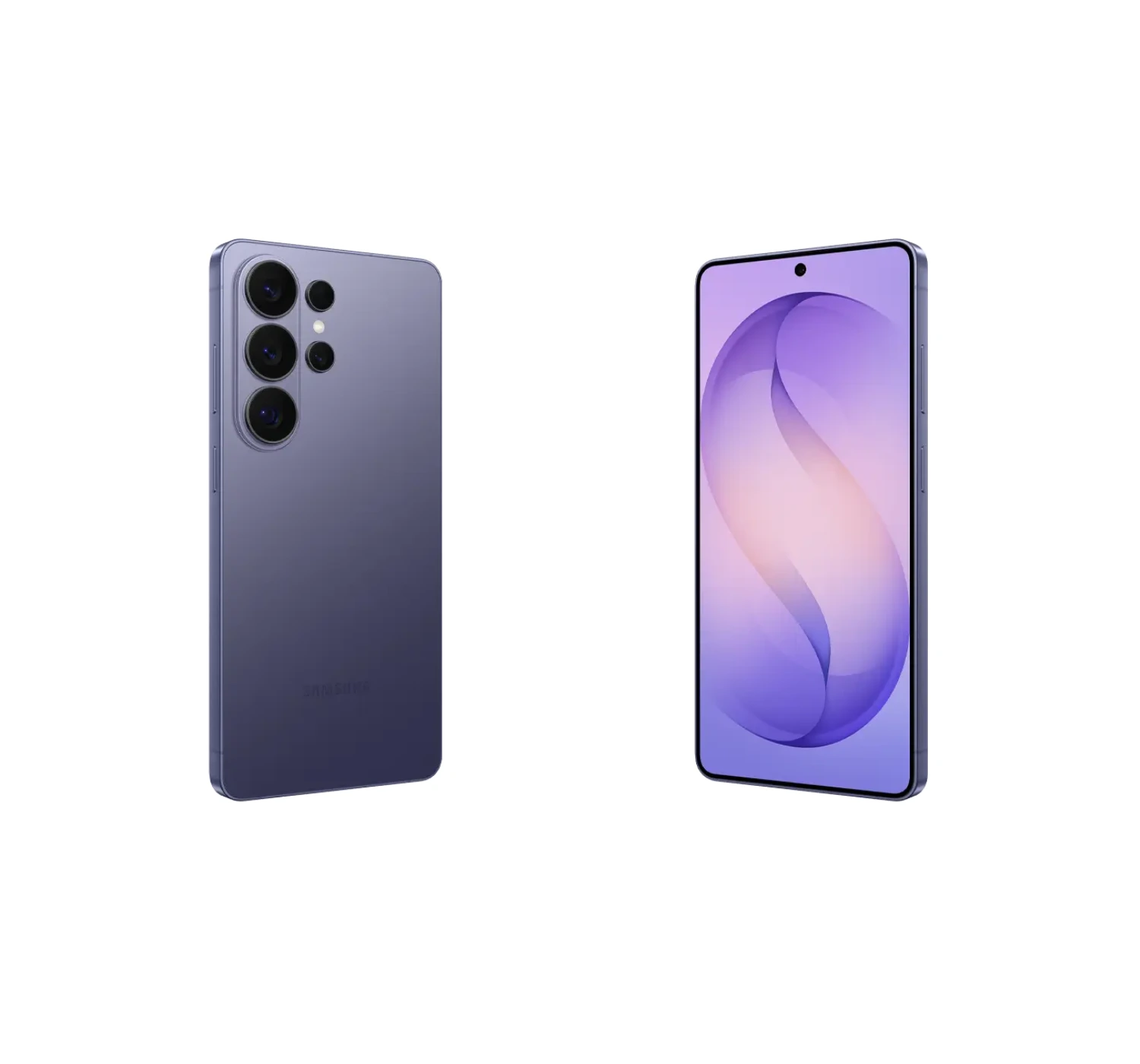
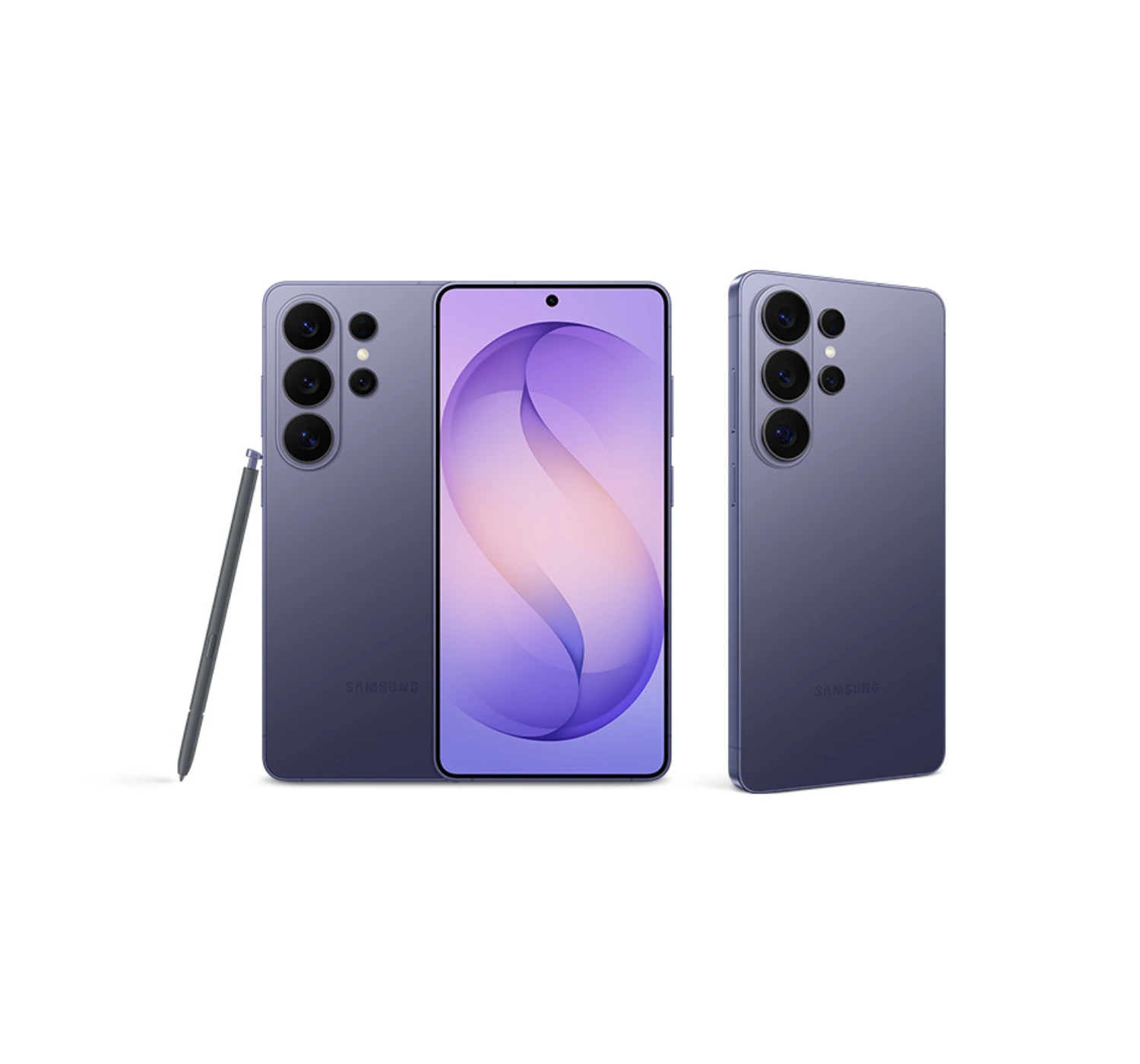


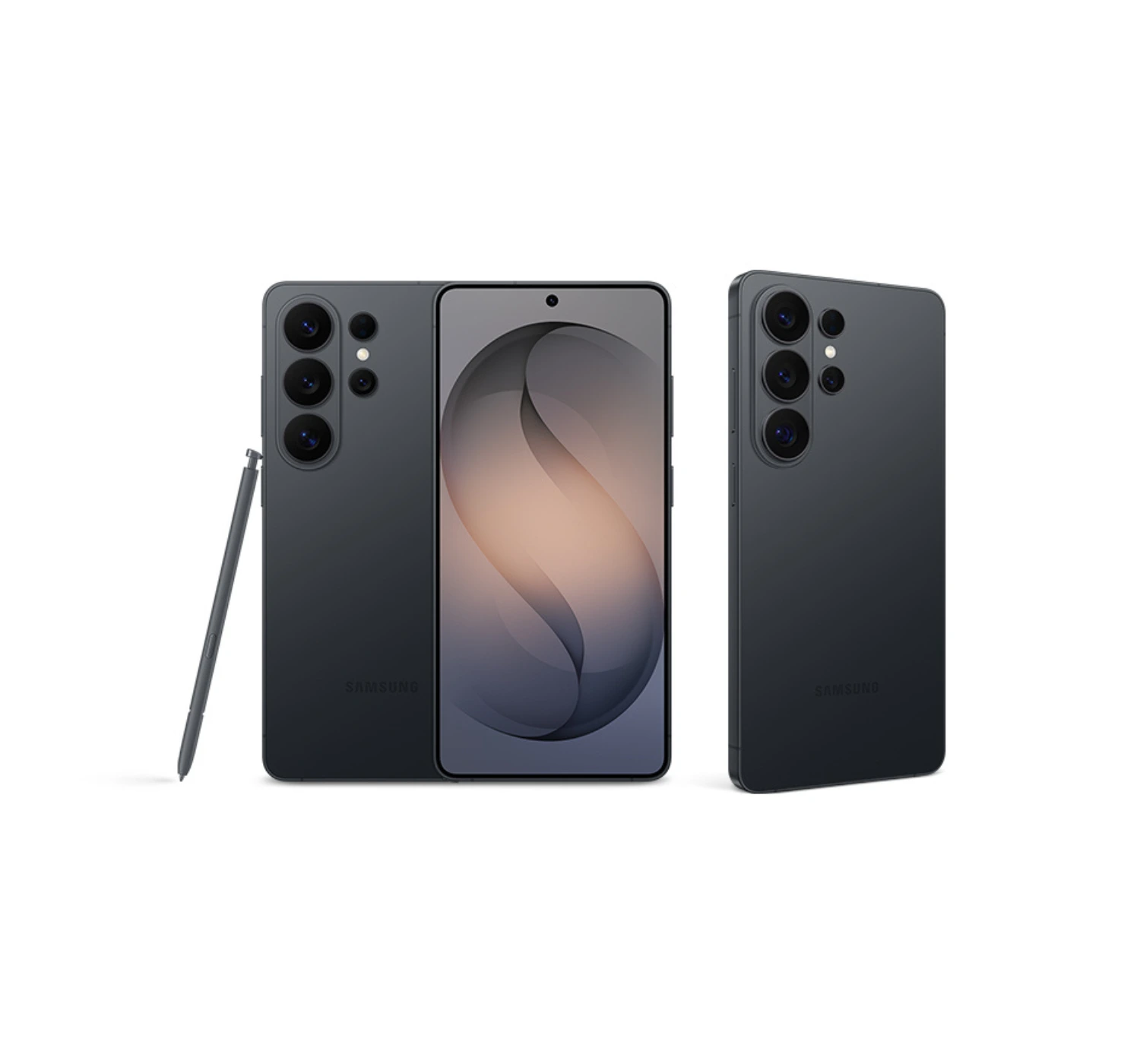
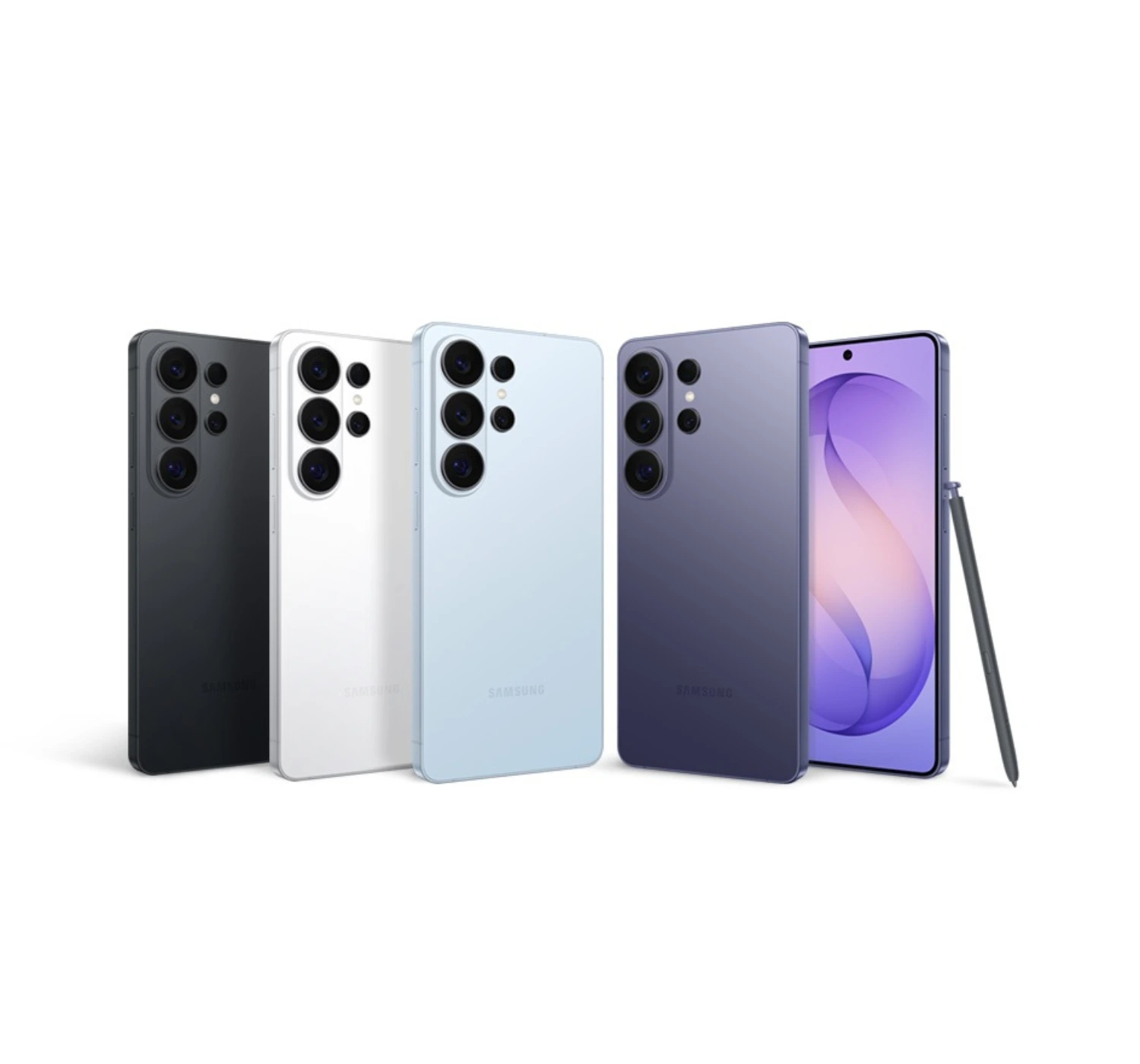

If you’re looking to start this year with one of the top-of-the-line Android smartphones, take the new Galaxy S26 Ultra from Samsung into consideration. From paper, it looks better than ever in terms of design features and the overall look-and-feel of the phone. It’s even promising new AI features and improvements over last year’s model such as more faster battery charge, and better performance overall. If that is the case, let’s take a look at the Samsung Galaxy S26 review and see if it really is worth the hype.
Overview
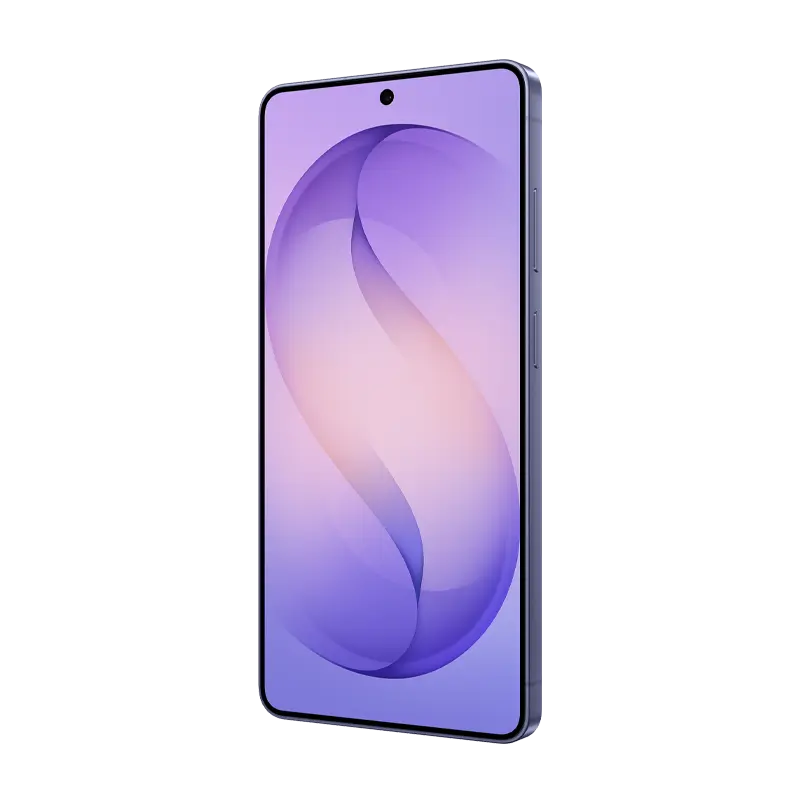
The Galaxy S26 Ultra is officially here. It’s basically Samsung’s way of showing they can still set the bar for what a “do-it-all” phone looks like in 2026. It keeps that iconic, sharp-edged look but feels a lot more refined in the hand. It’s also slightly lighter and come with a thinner 7.9mm aluminum frame. The biggest feature to look out for this year has to be the world-first ‘Privacy’ display, which lets you hide your screen content from people sitting next to you with just a toggle—perfect for the morning commute.
Under the hood, it packs the new faster Snapdragon 8 Elite Gen 5 that keeps everything flying, and while the battery size stays at 5,000mAh, the jump to 60W fast charging is a massive win, which means shorter charging times. Throw in the smarter ‘Agentic AI’ that proactively helps you manage your day and a camera that pulls in nearly 50% more light than last year, and it feels like a genuinely thoughtful upgrade rather than just a spec bump.
Specs
What’s To Like
1. Impressive Display With New ‘Privacy’ Feature
The Galaxy S26 Ultra’s 6.9-inch Dynamic AMOLED is easily the best screen Samsung has ever put on a phone, but the real showstopper is the new ‘Privacy’ display. It’s a hardware-level feature that essentially acts like a digital privacy screen; it dims the pixels at an angle so “shoulder surfers” can’t see what you’re doing. The best part? It’s completely customizable. You can set it to kick in only for specific apps like your banking or messaging apps, or have it hide your sensitive notifications while the rest of your screen stays bright and vibrant.
2. Better Battery Life With Faster Charging
Even though the S26 Ultra sticks with a 5,000mAh battery, it feels like it lasts significantly longer than its predecessor thanks to the efficiency of the Snapdragon 8 Elite Gen 5 chip. You’re looking at about 16 hours of battery life on moderate use on a single charge. When you do finally run low, Samsung has finally bumped the speeds up to 60W Super Fast Charging 3.0. From battery charging tests done, the S26 Ultra charges from 0 to 80% in just under 30 minutes, and from 0 to full charge takes only 45 minutes, which is a massive relief for anyone used to the slower speeds of older models.
3. Improved Sound Speakers
Samsung has clearly put some work into the audio department this year. The S26 Ultra features a redesigned speaker system that provides much deeper bass and a wider soundstage than we’ve seen before. With support for 32-bit DAC and aptX-HD, the audio quality is crisp enough that you might actually enjoy watching a movie without reaching for your Galaxy Buds. Whether you’re gaming or just catching up on YouTube, the sound is rich, loud, and doesn’t distort even at max volume.
4. Includes S Pen
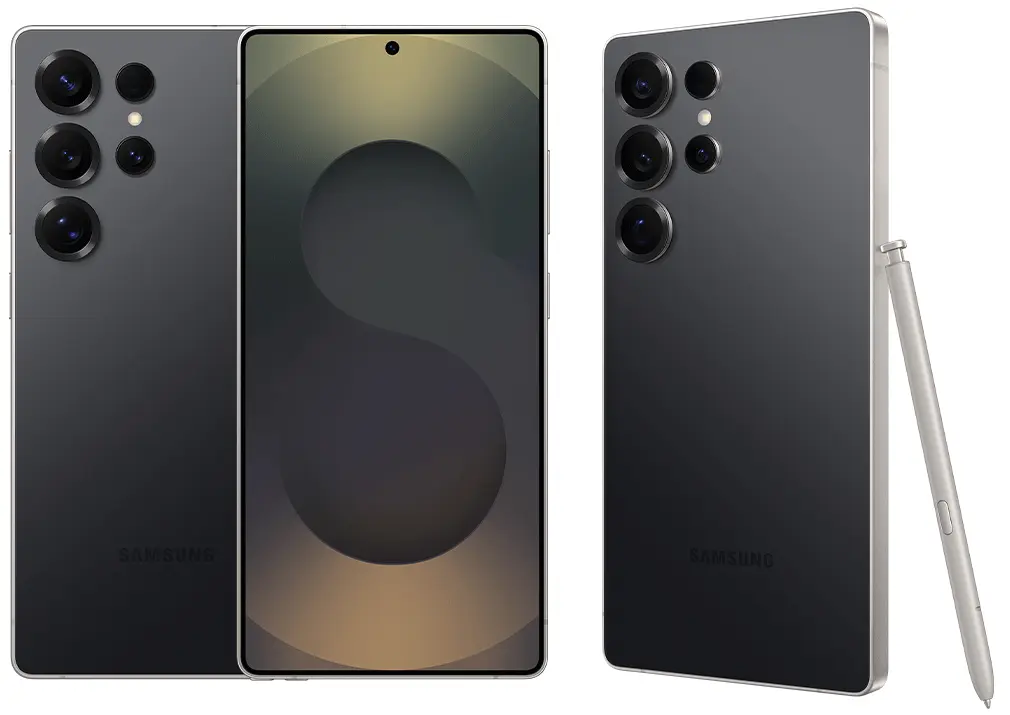
The fan-favorite S Pen is back and still tucked neatly into the bottom of the frame. This year, the design has been slightly refined with a more rounded end that feels a bit more ergonomic for long note-taking sessions or sketching. It remains the ultimate tool for productivity, allowing you to sign documents on the fly, trigger the camera shutter remotely, or navigate the UI with pinpoint precision that your thumb just can’t match.
5. New Features for Video Creators
For the content creators out there, the S26 Ultra is a massive upgrade. It’s the first Galaxy device to support the APV codec, a professional-grade format that gives you visually lossless video quality—perfect if you do a lot of heavy editing in post. There’s also a new 360-degree Horizontal Lock for the Super Steady mode. You can literally rotate the phone while recording and the footage stays perfectly level, making it feel like you’re using a dedicated gimbal.
6. Thinner & Lightweight Design
Despite having that massive screen, the S26 Ultra is surprisingly comfortable to hold. It’s the thinnest and lightest “Ultra” model Samsung has ever made, measuring just 7.9mm thick and weighing in at 214g. By switching to Armor Aluminum, they’ve managed to shave off some weight while actually improving how the phone handles heat. It feels much more premium and less “brick-like” in the pocket, which is a welcome change for a device this powerful.
7. Includes Impressive AI Features
Samsung is calling this the era of “Agentic AI,” and it’s actually quite useful. The S26 Ultra integrates Google Gemini, Bixby, and Perplexity (triggered by saying “Hey Plex”) to handle complex tasks in the background. My favorite feature is “Now Nudge,” which proactively suggests photos or info based on your conversations so you don’t have to go digging through your gallery. Plus, the new Photo Assist lets you change outfits in photos or restore missing parts of an image—like a cake with a missing slice—just by asking.
8. Improved Overall Performance
Just like last year, Samsung isn’t just using the standard “off-the-shelf” chip everyone else gets. The Galaxy S26 Ultra is rocking an exclusive, overclocked version of the Snapdragon 8 Elite Gen 5—affectionately dubbed the “for Galaxy” edition. For now, if you’re outside of China, this extra-powerful silicon is a Samsung exclusive.
If you’re into the nitty-gritty specs, the main cores are pushed to 4.74 GHz (up from the usual 4.6 GHz), and the graphics chip gets a nice little bump to 1300 MHz. In plain English? It absolutely crushes benchmarks right now. Whether it’s CPU or GPU tasks, it leaves the standard Snapdragon chips, the Dimensity 9500, and especially the Google Tensor G5 in the rearview mirror. Our test unit was the 256GB base model, which likely uses the lightning-fast UFS 4.2 storage, though honestly, at these speeds, the difference is mostly just academic.
The Deal Breakers
1. Basic Water Resistance
Samsung is sticking with the tried-and-true IP68 rating, which is fine for most people—it’ll survive a drop in the pool or a spilled drink. However, we’re starting to see competitors push into IP69 rating territory, which offers better protection against high-pressure, high-temperature water jets. Even the latest iPhones have improved their depth ratings, while the Ultra stays at the same 1.5-meter limit it’s had for years. It’s not a major dealbreaker, but for a “top-tier” flagship, you’d expect them to keep pushing the envelope here.
2. No Dolby Vision Support
Despite having one of the most vibrant and bright displays on the planet, there is still no Dolby Vision support. Samsung is still pushing its own HDR10+ standard instead. While HDR10+ is great, the reality is that a massive chunk of streaming content on Netflix and Disney+ is mastered in Dolby Vision. You’ll still get a great picture, but you aren’t seeing the absolute peak metadata-driven highlights that the creators intended.
3. Outdated Camera Hardware
On paper, that 200MP main sensor looks unbeatable, but if you look closer, the actual physical size of the sensors is starting to feel a bit small compared to the competition. Many rival Android flagships have moved to massive 1-inch type sensors, which naturally pull in more light and create a much creamier, more professional-looking background blur. Samsung is doing a lot of heavy lifting with AI and software processing to make up for the smaller glass, and while the results are sharp, they can sometimes feel a bit “digitally over-processed.”
4. CPU Slows Done Under Heavy & Prolong Use
The Snapdragon 8 Elite Gen 5 chip is an absolute monster for quick tasks, but it’s a thirsty chip that generates a lot of heat. Even with the upgraded vapor chamber, the S26 Ultra still tends to throttle—or slow down—during long gaming sessions or 8K video rendering. It’s a safety measure to keep the phone from getting too hot to hold, but it means you might see a dip in frame rates after about 20 minutes of intense play. It’s still faster than 99% of phones out there, but it can’t quite maintain that “peak” speed forever.
The Alternatives
While the Galaxy S26 Ultra is a new release, the Galaxy S25 Ultra is arguably the smarter pick in 2026, especially if you value premium materials and display clarity. Firstly, one of the biggest surprises this year was Samsung’s move back to Armor Aluminum for the S26 Ultra to reduce the phone’s weight, leaving the S25 Ultra as the last model with the high-end, rugged Titanium frame. Secondly, early tests reveal that the S25 Ultra’s screen actually handles reflections better. The S26’s new “Privacy Display” feature adds a slight pixel grain and lowers overall peak brightness compared to the crystal-clear panel on the S25. Thirdly, when you factor in the massive price drops we’re seeing now, you’re getting about 95% of the performance and a more premium build that will cost a lot less, making the S25 Ultra the definitive value king for anyone who isn’t obsessed with having the latest AI features.
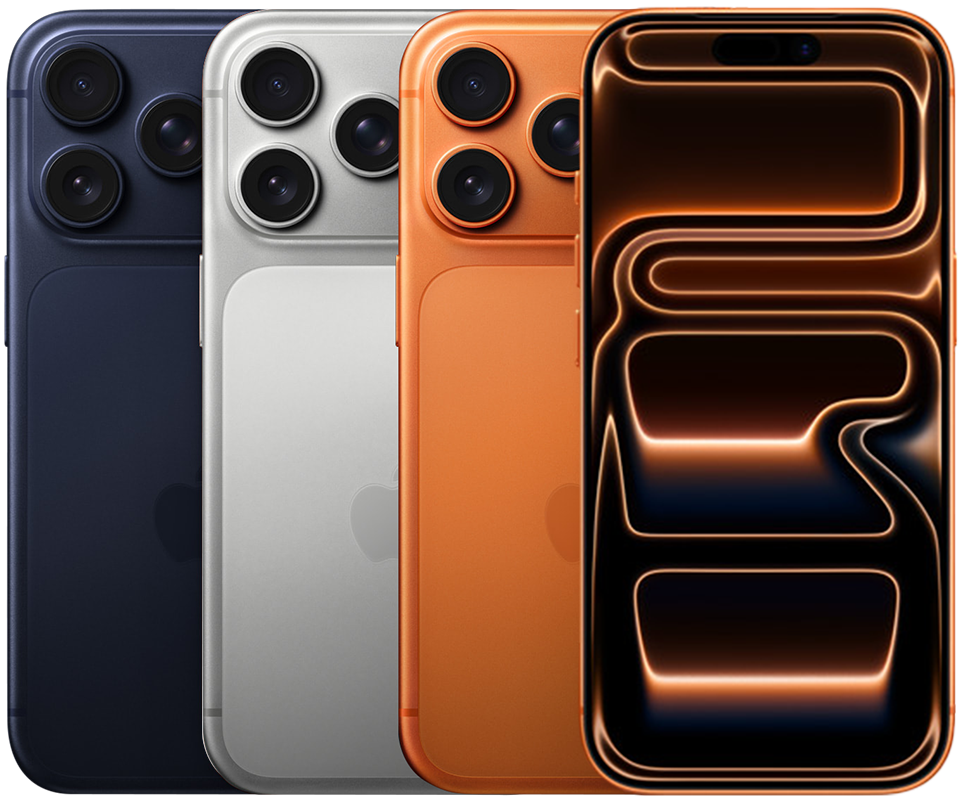
While both are absolute powerhouses in 2026, the iPhone 17 Pro Max edges ahead as the better alternative primarily because it offers a more cohesive “Pro” package at a lower price than the Galaxy S26 Ultra. If you’re into content creation, Apple’s new 48MP triple-lens system and the addition of ‘ProRes’ RAW and ‘Genlock’ support make it a legitimate pocket cinema camera in a way the S26 Ultra’s iterative 200MP sensor doesn’t quite match. Plus, it has officially claimed the “battery king” title this year—outlasting the competition in nearly every endurance test thanks to the efficiency of the A19 Pro chip and its new vapor chamber cooling. Toss in the seamless fluidity of iOS 26 and a build that feels incredibly premium, and you’re getting a more refined, reliable workhorse that simply gives you more bang for your buck.
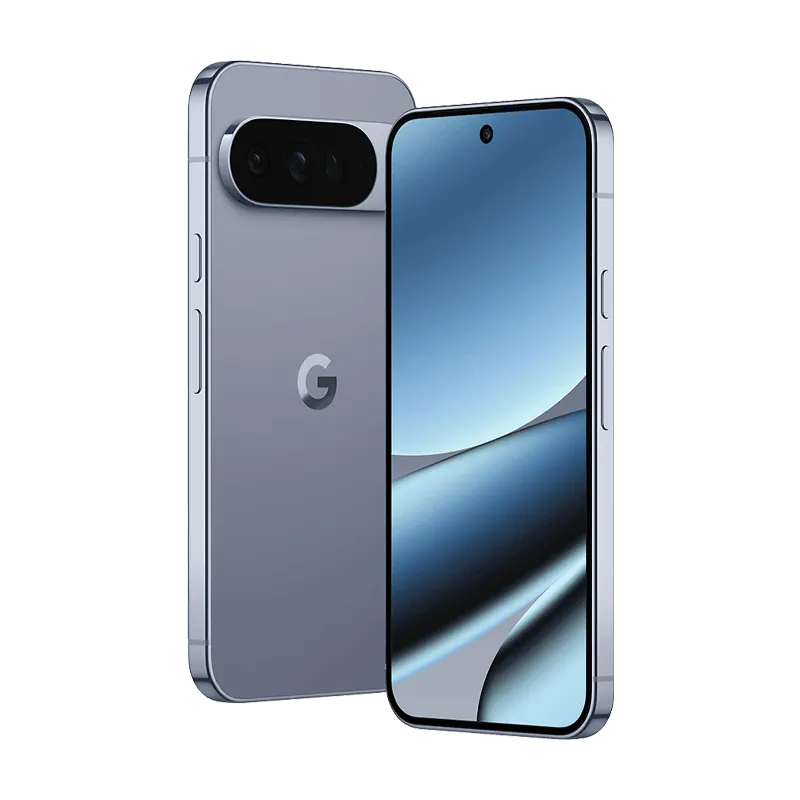
While the Galaxy S26 Ultra is undeniably a spec-heavy powerhouse, the Google Pixel 10 Pro XL is the better choice for those who value a phone that feels “smart” rather than just fast. It outshines the competition—quite literally—with a staggering 3,300-nit peak brightness display that makes outdoor viewing effortless. Beyond the screen, it introduces the PixelSnap magnetic system (Qi2), finally bringing the convenience of magnetic accessories to Android without a bulky third-party case. While Samsung focuses on raw megapixels, the Pixel’s Tensor G5 chip powers a more “forgiving” camera system, using computational magic like 100x Pro Res Zoom and industry-leading motion processing to ensure you actually nail the shot on the first try. Top it off with the cleanest, most cohesive Android 16 experience and a significantly lower starting price, and you have a flagship that prioritizes real-world utility over benchmark scores.3. Google Pixel 10 Pro XL
 4.4 ★★★★⯪
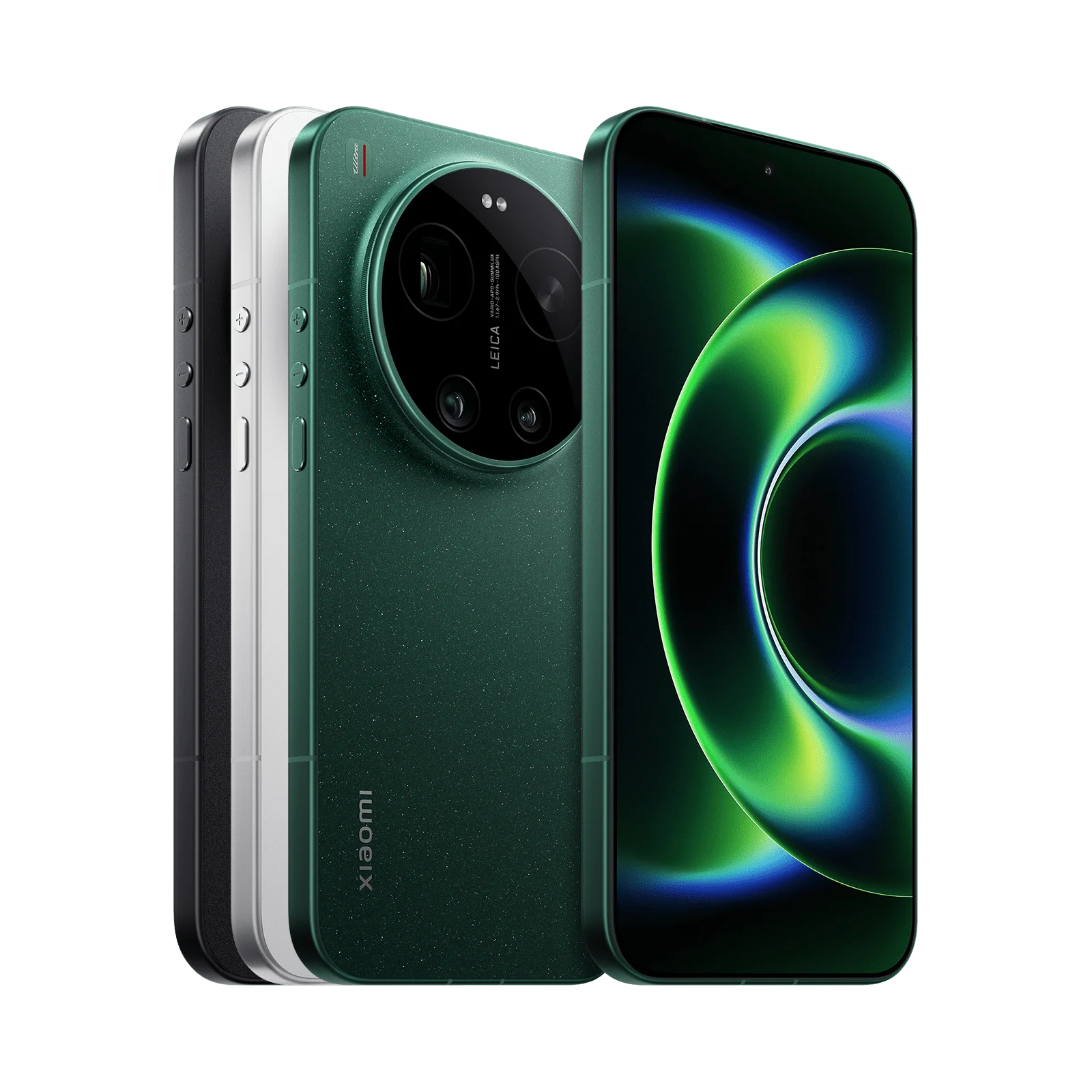
4.7 ★★★★⯪ The Xiaomi 17 Ultra is essentially a professional camera that just happens to make phone calls, easily outclassing the Galaxy S26 Ultra for anyone who values raw hardware power over software gimmicks. While Samsung sticks with a smaller 200MP sensor, Xiaomi packs a massive 1-inch Leica main sensor and a world-first 200MP mechanical optical zoom that delivers natural bokeh and low-light detail that Samsung’s AI simply can’t replicate. Beyond the lens, it’s a total endurance beast. You’re looking at a 6,800mAh battery with 90W charging that makes the S26 Ultra’s 5,000mAh battery and 60W speeds look surprisingly dated. When you factor in the 3,500-nit peak brightness and a significantly more competitive price tag, it’s clear that Xiaomi is providing the “Ultra” experience the S26 Ultra only promises on paper.4. Xiaomi 17 Ultra
Verdict
The Galaxy S26 Ultra might not be a massive hardware leap over last year’s model, but it still brings some solid quality-of-life updates to the table. The ‘Privacy’ display is a clever addition yet the screen still looks great. The faster charging and the better battery life is a welcomed relief. The S Pen is still the “secret sauce” that keeps the Ultra lineup in a league of its own. Nothing else really feels like it. The AI features are getting more interesting, though it’s a bit of a bummer that it’s mostly tied to Samsung’s own apps and limited in the languages it speaks.
That said, you can tell Samsung is playing it safe this year. The camera setup feels like a head-scratcher. It’s a bit weird to see them dial things back when they were already fighting to keep up with the competition. While the battery is better, it’s still not quite the “endurance king” we’d love to see at this price point. The shift back to an aluminum frame feels like a bit of a “me too” move following the latest trends in the industry. Honestly, the strategy here feels pretty simple: avoid the expensive, risky hardware changes. Stick to the working formula. Lean hard into flashy features like ‘Horizon Lock’ and the ‘Privacy’ screen that looks amazing in commercials.
Is it a boring update? Maybe a little. But at the end of the day, Samsung has delivered a really well-rounded phone that doesn’t have any glaring weaknesses. It’s a polished, reliable workhorse. Whether that’s worth dropping over $1,000 is the real question, and I guess we’ll see if buyers agree.
So if you’re happy with this review of the Samsung Galaxy S26 Ultra, I would really appreciate it if you left a comment here below. Just a few words to say how you feel about the new smartphone, if you’re interested in purchasing it, and also highlight how you feel about the alternative smartphones in the review. And if you’re interested in the Galaxy S26 Ultra, click HERE to find out more and purchasing options. Oh, and if you wanna find out more about the smartphone alternatives then click on the red buttons 😀

 LGMadyibi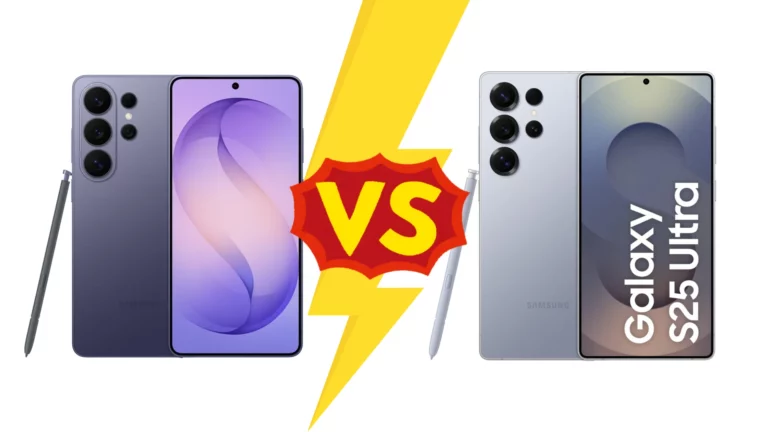

+ There are no comments
Add yours