Pixel 10


Google Pixel 10
“While it’s not the ultimate speed demon or a charging champion, it absolutely nails the Google experience!“


The time has finally come. After months of rumors, leaks, and a whole lot of hype, the latest flagship from Google has landed, and we’ve been putting it through its paces. Is the Google Pixel 10 review going to be another story of “amazing camera, okay everything else”? Or has Google finally pulled all the pieces together for a phone that can truly stand toe-to-toe with the best? Spoiler alert: there’s a lot to unpack this year, from the new Tensor G5 chip to that surprisingly welcome magnetic charging system. Stick around as we dive into every corner of this phone to give you the real-world lowdown.
Overview
This year, Google didn’t just tweak the formula—they gave the Pixel a serious glow-up. Powering the experience is the new Tensor G5 chip, which brings a major performance and efficiency boost, especially when tackling the more advanced, on-device AI features like the Magic Cue proactive assistant. On the specs front, the standard Pixel 10 finally gets a triple rear camera system, adding a dedicated 5x optical zoom telephoto lens to the setup, and the ‘Actua’ display hits a stunning 3,000 nits peak brightness. Perhaps the most talked-about new feature, however, is ‘Pixelsnap’, Google’s own Qi2-certified magnetic charging system that opens the door to a whole ecosystem of accessories. To see how these upgrades actually feel in your hand and whether the AI is truly a game-changer, you’ll want to keep reading.
Google Pixel 10: The Specs

Why it’s Perfect
The Google Pixel 10 is an easy recommendation this year, largely due to a focused set of hardware and software upgrades that finally iron out the few remaining wrinkles in the Pixel formula.
1. Bright and Vibrant OLED Display
The display is now seriously competitive, skipping the fancy, power-saving LTPO with a regular OLED panel. It’s still a solid 6.3 inches tall with a sharp 1080 x 2424 screen resolution and a buttery-smooth 120Hz refresh rate. It handles HDR10+ content perfectly (think Netflix and YouTube in great detail).
The screen looks bright and vibrant. We measured about 1,364 nits manually and a whopping 2,030 nits when it was cranked up in auto mode. You won’t have any trouble using it outside, even on the sunniest day. Since it’s not an LTPO panel, though, it’s a simple choice: you get either 60Hz or 120Hz depending on what you’re doing. If you turn on “Smooth Display,” you’ll get that sweet 120 fps action for scrolling, gaming, and menus, but it drops down to 60Hz when you’re just watching a video or the screen is static to save a little battery.
2. Software Experience
Calling the Android on a Pixel “pure” isn’t quite right since Google adds its own special sauce, but it definitely looks and feels like the cleanest version of Android out there. The best part? Google is sticking to its guns, promising seven years of major OS upgrades and security patches, which is seriously commitment.
For those who have owned a Pixel before, the core experience on Android 16 will feel right at home—no major shake-ups, just subtle refinements. Most of the really cool stuff this year is, you guessed it, all about AI. The new interface, called Material 3 Expressive UI, is now way more dynamic and fluid with cool animations. Your notification shade also got smarter, now giving you real-time updates on things like your food delivery or ride status, and grouping clutter better.
Google is now supercharged by the new Tensor G5 chip for advanced on-device AI features like the Magic Cue proactive assistant, Gemini Live, and real-time voice translation. Bottom line: even if the technical speed scores don’t blow the competition away, the software is flawless in daily use and makes the phone feel incredibly smart and snappy.
3. Same Great Design
The new Pixel 10 series isn’t a massive change from last year—the Pixel 10 looks almost identical to the Pixel 9. The only real giveaway is that the camera bump seems a tad taller, probably because they squeezed in that extra lens.
That said, the build quality is fantastic. This phone feels really nice and sturdy in your hand. It’s also on the smaller side for a flagship these days, making it super comfy and easy to use with just one hand. If you’re hunting for a compact phone in 2025, that 6.3-inch screen size is pretty much perfect.
Material-wise, it’s the usual high-end stuff: you get tough Gorilla Glass Victus 2 on both the front and back, wrapped up in a sleek aluminum side frame.
That frame has some subtle curves where it meets the glass, making the phone feel almost like one seamless piece. One quick note on connectivity: the SIM tray is on top and only fits one physical card. If you need dual SIMs, you’ll have to pair that physical SIM with an eSIM.
4. Wireless Charging Finally
Finally, the introduction of “Pixelsnap”, Google’s own Qi2-certified magnetic charging system, is a game-changer, opening up a world of perfectly aligned wireless charging stands and click-on accessories that significantly boost the phone’s utility.

Why it’s Not So Perfect
The Google Pixel 10 falls short of being the best phone to buy, primarily due to key hardware shortcomings when compared to its flagship rivals.
1. Performance not Competitive
While Google’s focus on software is evident, the performance is often criticized, as the Tensor G5 chip, despite being Google’s most powerful yet and designed for their AI features, consistently lags behind leading competing chips from Qualcomm and Apple in raw processing and gaming, raising concerns about its long-term longevity.
2. Small Entry-Level Storage
Furthermore, the base model’s storage starts at a meager 128GB with no option for expandable memory, which is inadequate for modern power users.
3. AI Features are region-limited to the US
Though the phone heavily leverages its deep AI features with the on-board Gemini Nano model, some of the most compelling features can be region-limited or rely on cloud processing, diminishing their “smart” convenience.
4. Downgraded Camera Quality
Despite the inclusion of a versatile triple-camera setup, the overall camera quality for the standard Pixel 10 has been noted as a potential downgrade from its predecessor in certain areas, with a smaller ultrawide sensor and post-processing that can sometimes over-sharpen or oversaturate images, and its video recording capabilities are generally outperformed by competitors.
5. Slow Charging Speed
The wired charging speed is uncompetitive. The Pixel 10 smartphone takes up to 90 minutes to reach full charge which is not great. With a 30W charger, it is significantly slower than many other flagships on the market.
Google Pixel 10: The Alternatives
1. Samsung Galaxy S25
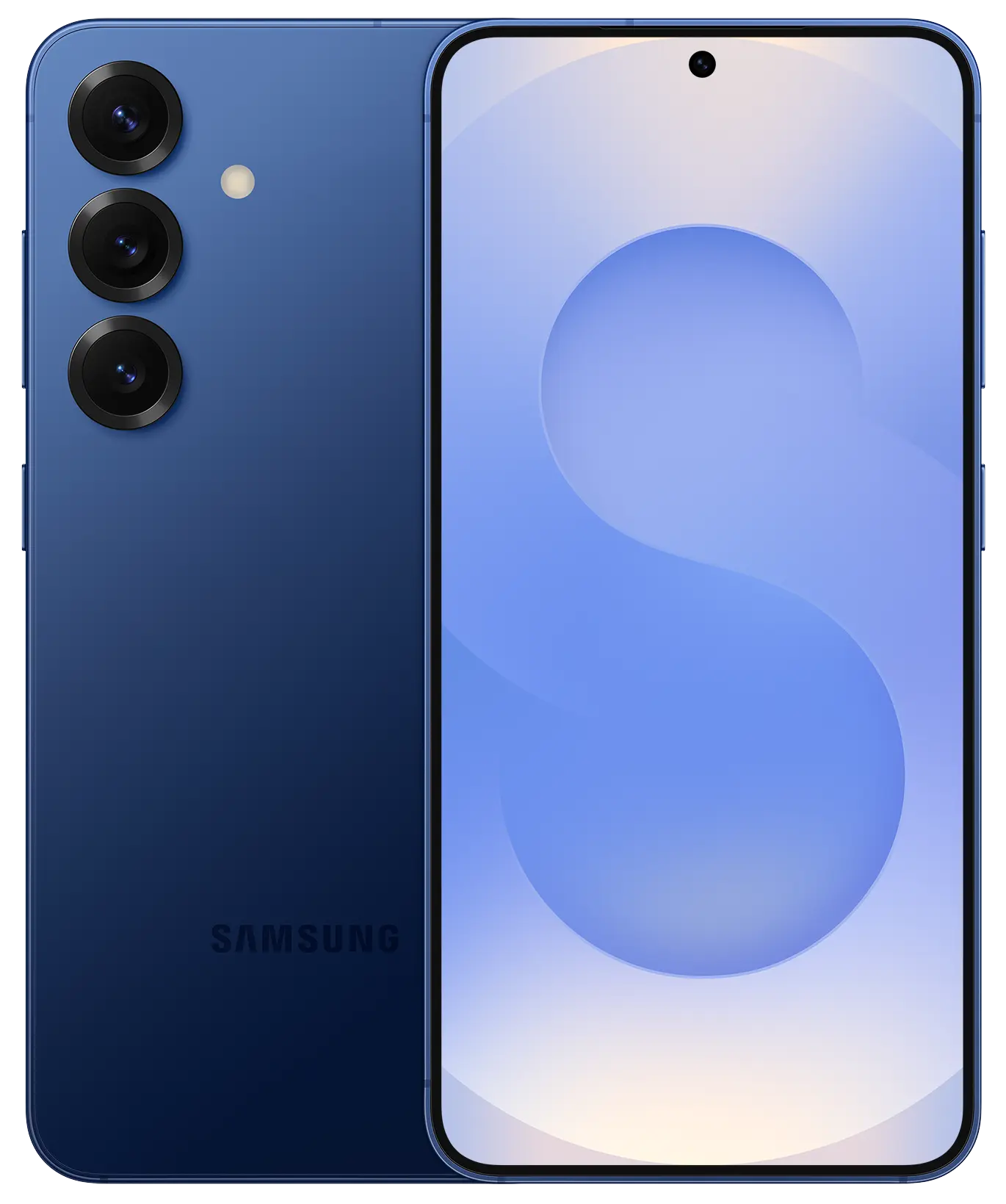

For power users and those who value superior hardware, the Samsung Galaxy S25 stands out as a better choice compared to the Google Pixel 10. Equipped with the top-tier Snapdragon 8 Elite for Galaxy chip, the S25 delivers significantly better raw performance and graphics processing for demanding mobile games and heavy multitasking, easily surpassing the Tensor G5 in benchmark scores.
Beyond speed, the S25 boasts a noticeably more compact and lighter design, making it far more comfortable for one-handed use, and its vibrant AMOLED display utilizes efficient LTPO technology for better battery management at lower refresh rates (down to 1Hz).
While both offer deep AI features and long-term software support, the Galaxy S25 provides a more feature-rich and customizable software experience with One UI, along with wider global 5G compatibility and faster wired charging options on its larger storage variants, making it a more dependable and universally capable flagship
2. Apple iPhone 16
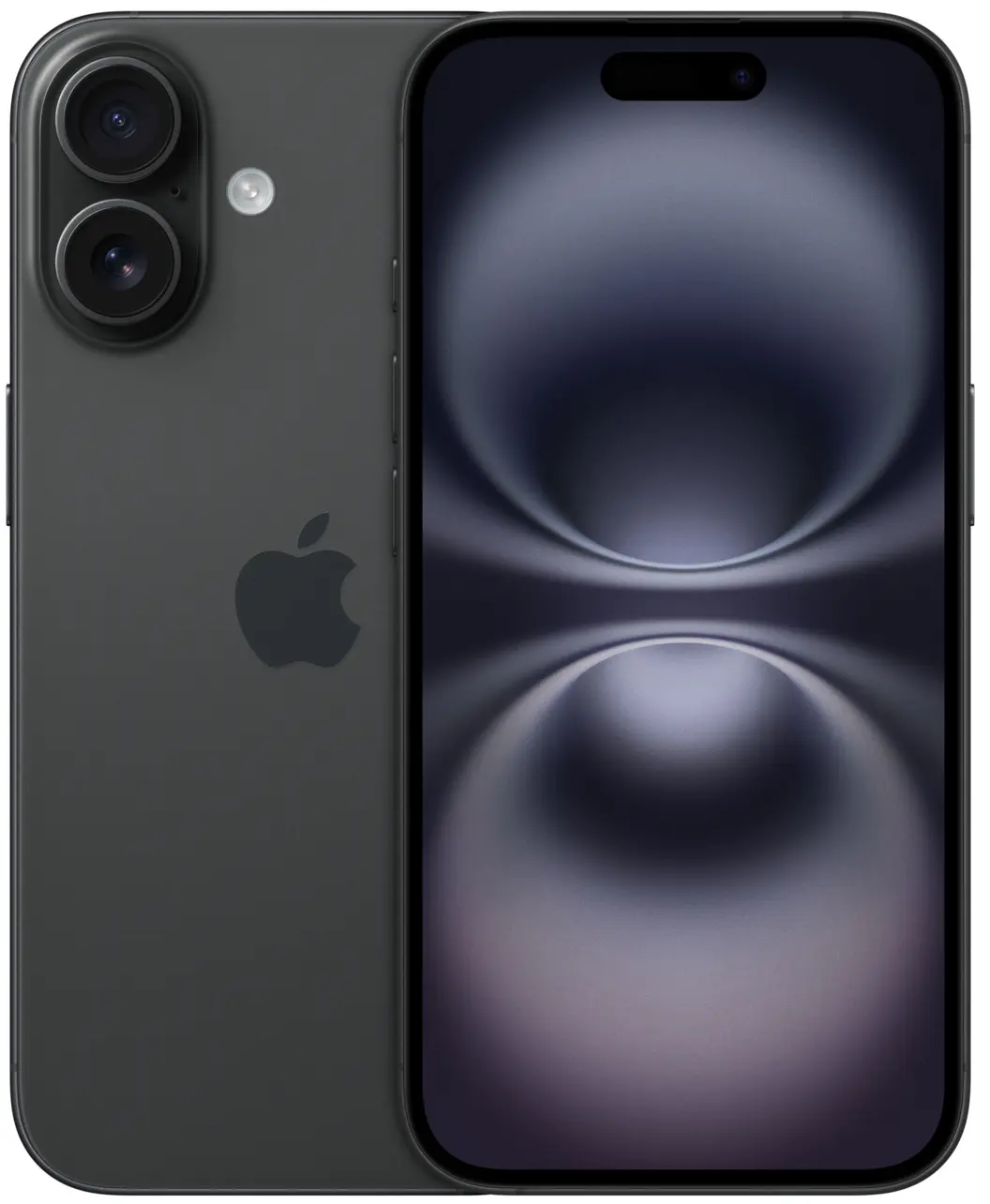

The iPhone 16 is a superior alternative to the Pixel 10 for users prioritizing raw, consistent performance and best-in-class video. The A18 Bionic chip consistently outperforms the Tensor G5 in synthetic benchmarks, offering a significant advantage in demanding 3D games and heavy processing tasks, with notably better thermal management.
Crucially, the iPhone 16 remains the undisputed leader in video quality, offering superior stability, dynamic range, and resolution options compared to the Pixel’s video recording, which still struggles with stability and detail consistency.
Furthermore, the longevity and reliability of the iOS ecosystem, coupled with Apple’s refined design, higher build quality (like Ceramic Shield protection), and better sustained battery life, make the iPhone 16 the more robust and comfortable option for long-term daily use.
3. Google Pixel 9


The Google Pixel 9 presents a stronger value proposition and several advantages over the newer Pixel 10, especially for budget-conscious buyers. Critically, the Pixel 9 often features significantly faster wired charging (up to 27W compared to the Pixel 10’s 30W but some reports suggest the Pixel 9 was higher), meaning less time tethered to an outlet for a quick top-up.
Additionally, the Pixel 9 boasts a superior camera sensor combination in its dual-camera setup, specifically featuring a higher resolution main sensor (50MP vs. 48MP) and a more capable ultrawide sensor, which some reviews suggest captures better overall photos and video quality, particularly in low light, compared to the Pixel 10’s revised sensor choices.
While the Tensor G5 in the Pixel 10 offers better AI performance, the Pixel 9’s Tensor G4 is already highly optimized for the core Pixel AI features and, as the older model, is available at a substantially lower price while still offering Google’s leading seven years of software support.
4. Xiaomi 15


The Xiaomi 15 offers a compelling hardware package that makes it a better value alternative to the Google Pixel 10 for users prioritizing raw speed and charging technology.
It features the cutting-edge Snapdragon 8 Elite processor, which delivers superior raw processing and graphics performance for intensive gaming and resource-heavy apps compared to the Tensor G5. A major advantage is the vastly faster charging speed, with the Xiaomi 15 supporting up to 90W wired and 50W wireless charging, dramatically reducing downtime compared to the Pixel’s slower 30W charging.
Furthermore, the Xiaomi 15 often includes a more comprehensive camera system with higher resolution secondary sensors and more advanced zoom capabilities, and can frequently offer higher base storage options like 512GB, providing a substantial edge in both power and endurance.
Final Verdict
So, what’s the final word on the Google Pixel 10? While it’s not the ultimate speed demon or a charging champion, it absolutely nails the Google experience! If you value a phone that is smart, takes genuinely brilliant-looking photos with its impressive AI tricks, and will stay up-to-date and secure for a whopping seven years, this is the phone for you. The Tensor G5 chip might not win every benchmark race, but it flawlessly powers all the clever AI features like the updated Magic Cue that make your daily life so much easier. It’s truly a smart phone, not just a fast one.


If you’re ready to dive into the future of Android and experience a phone that thinks ahead, don’t wait! Click this link right now and treat yourself to the Google Pixel 10! You deserve a phone that makes your life simpler. And leave a comment below as well. We would love to here from you 😀