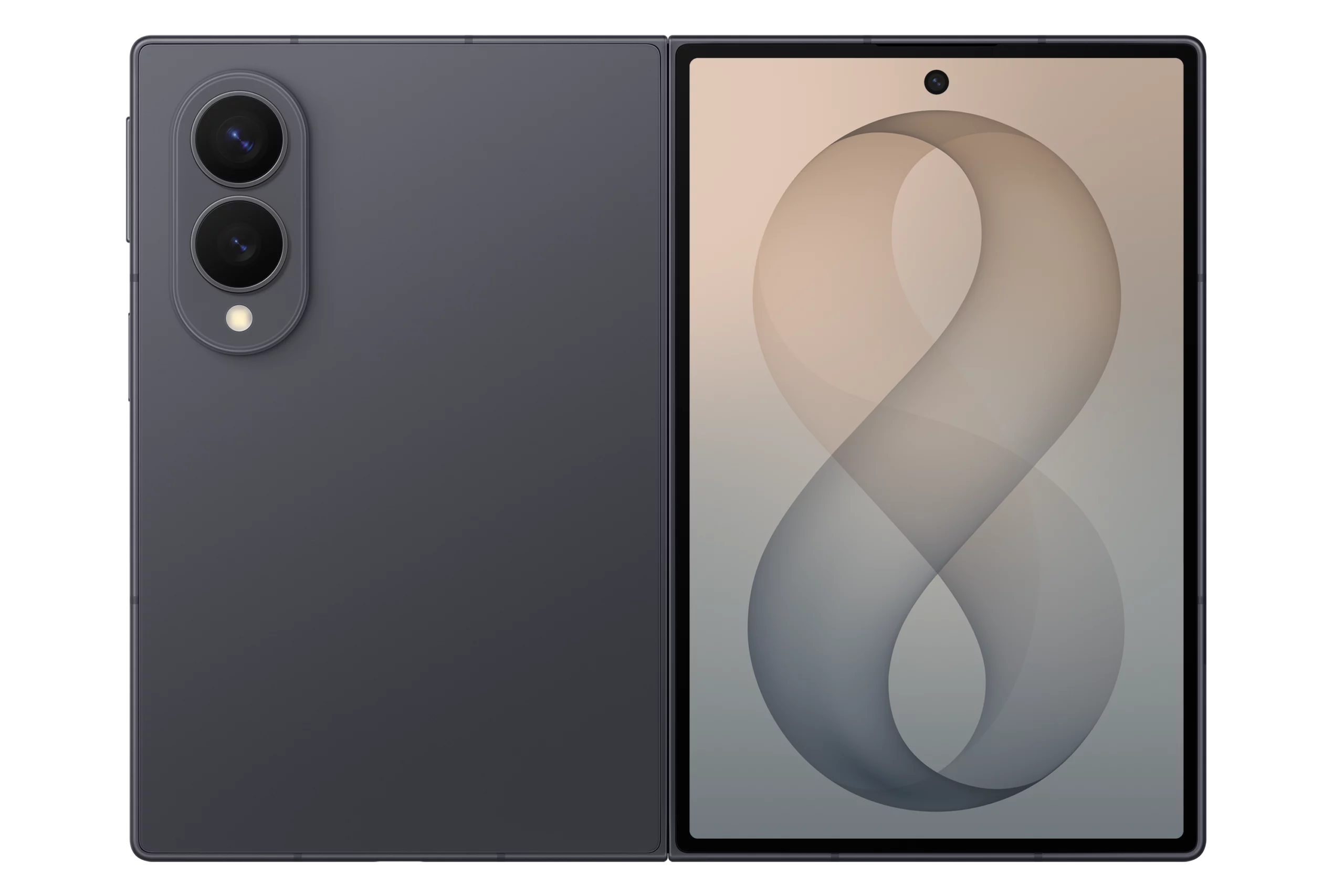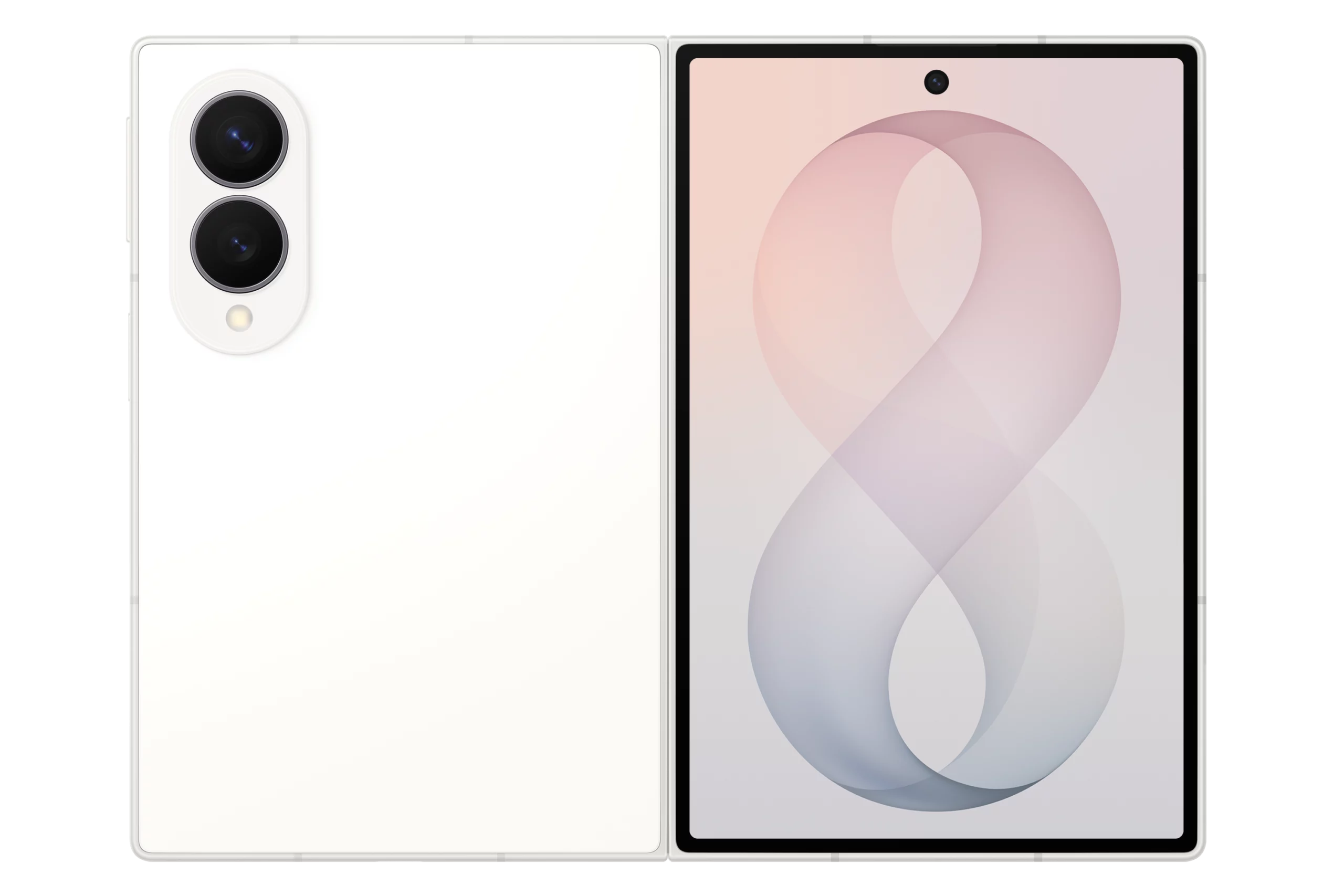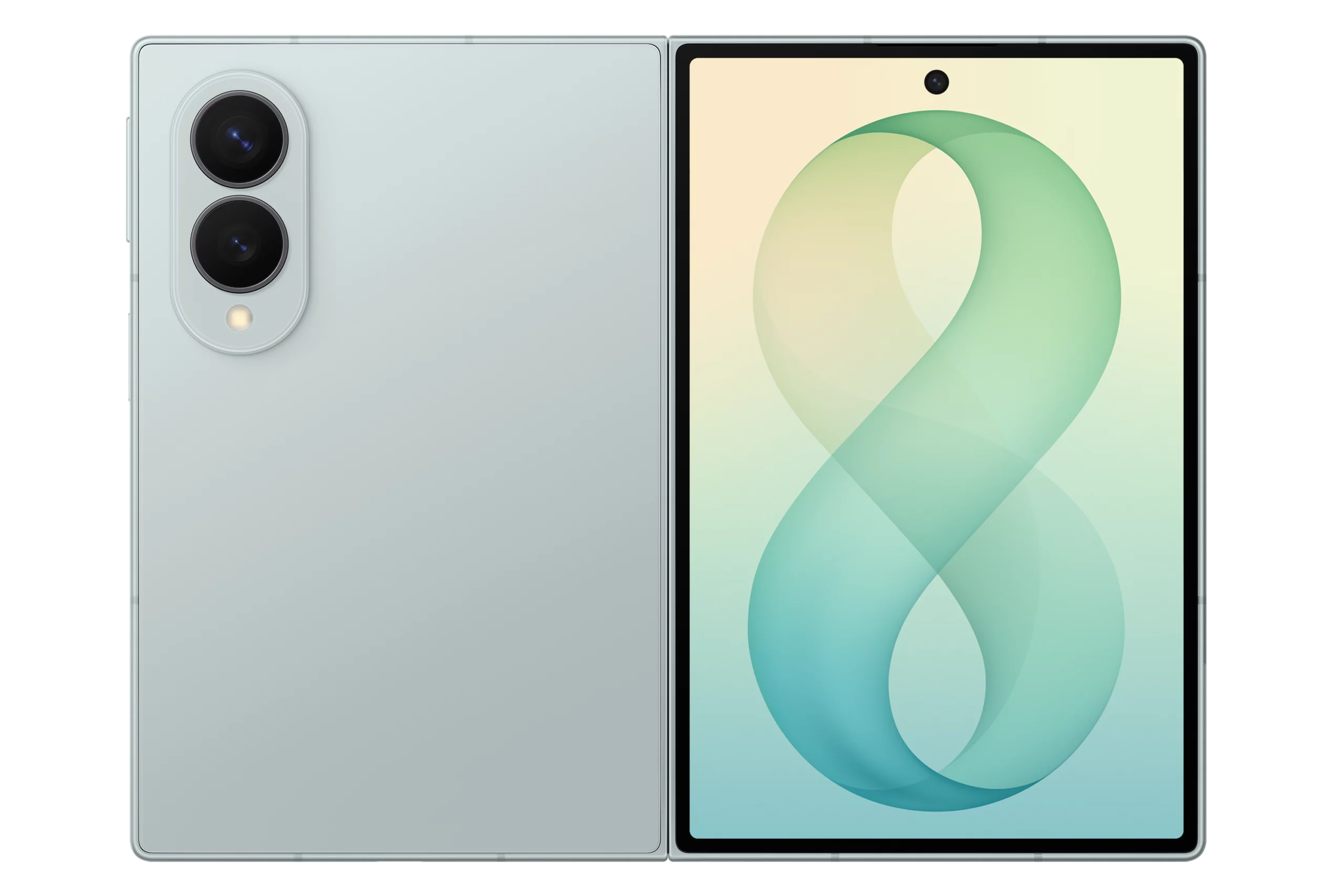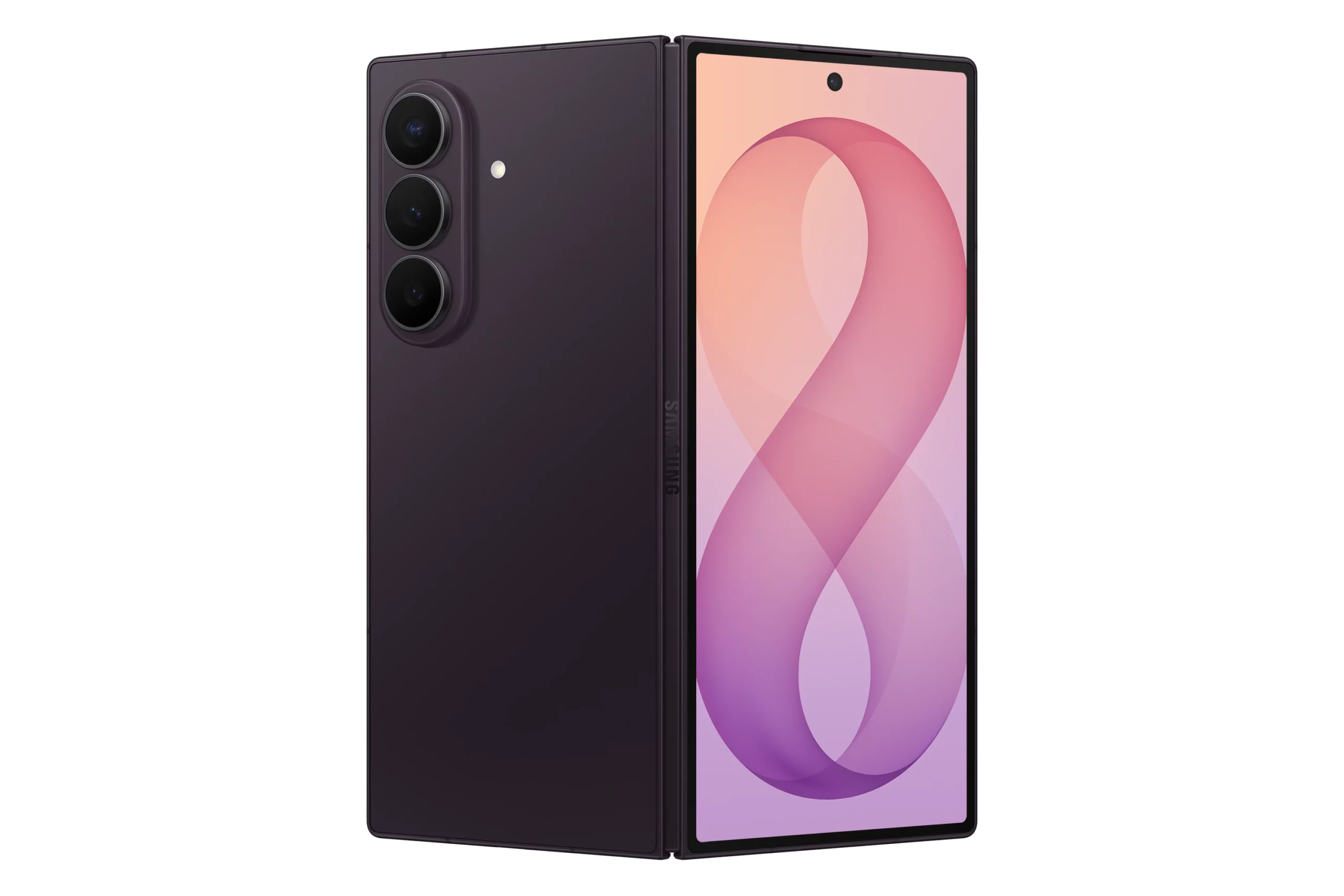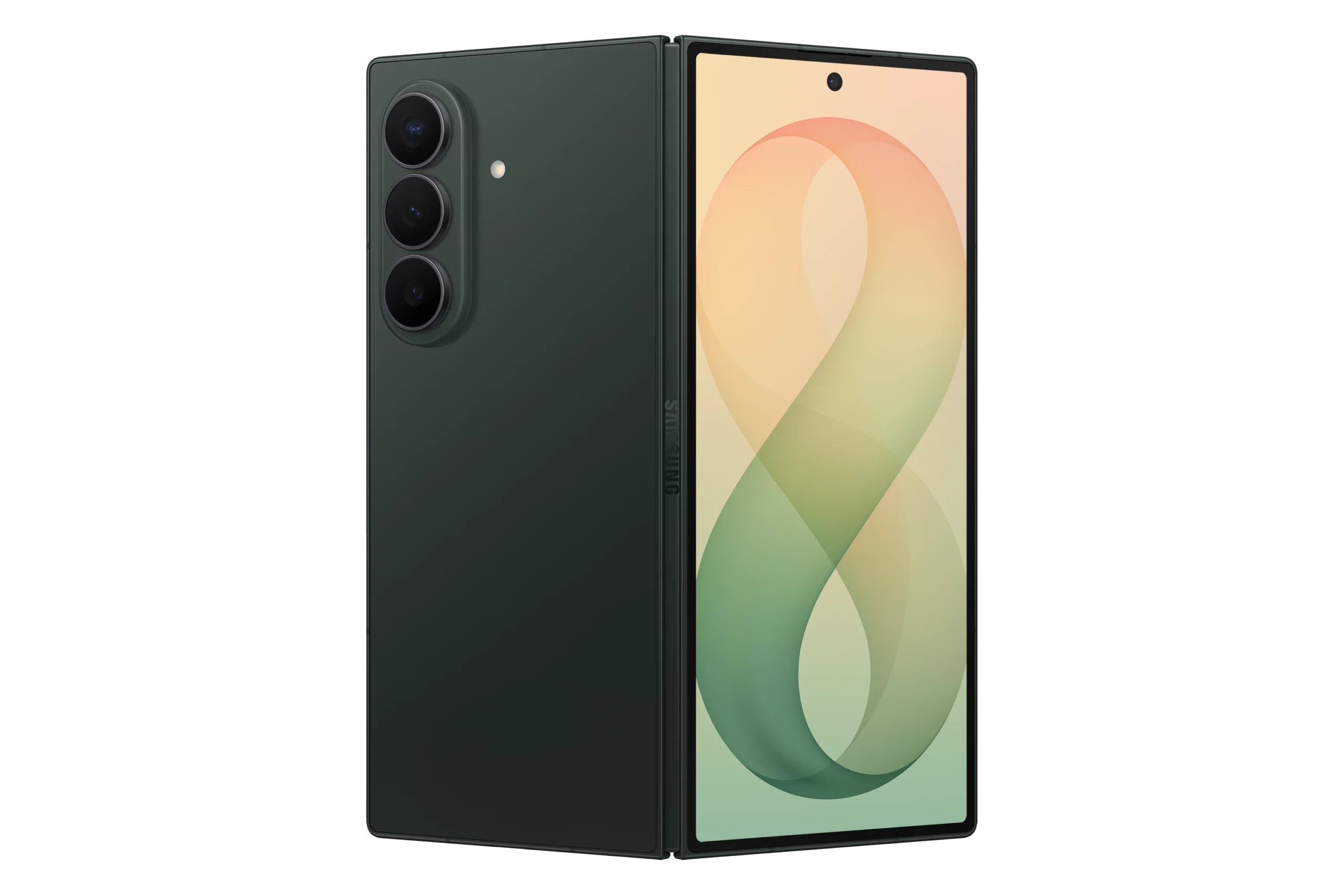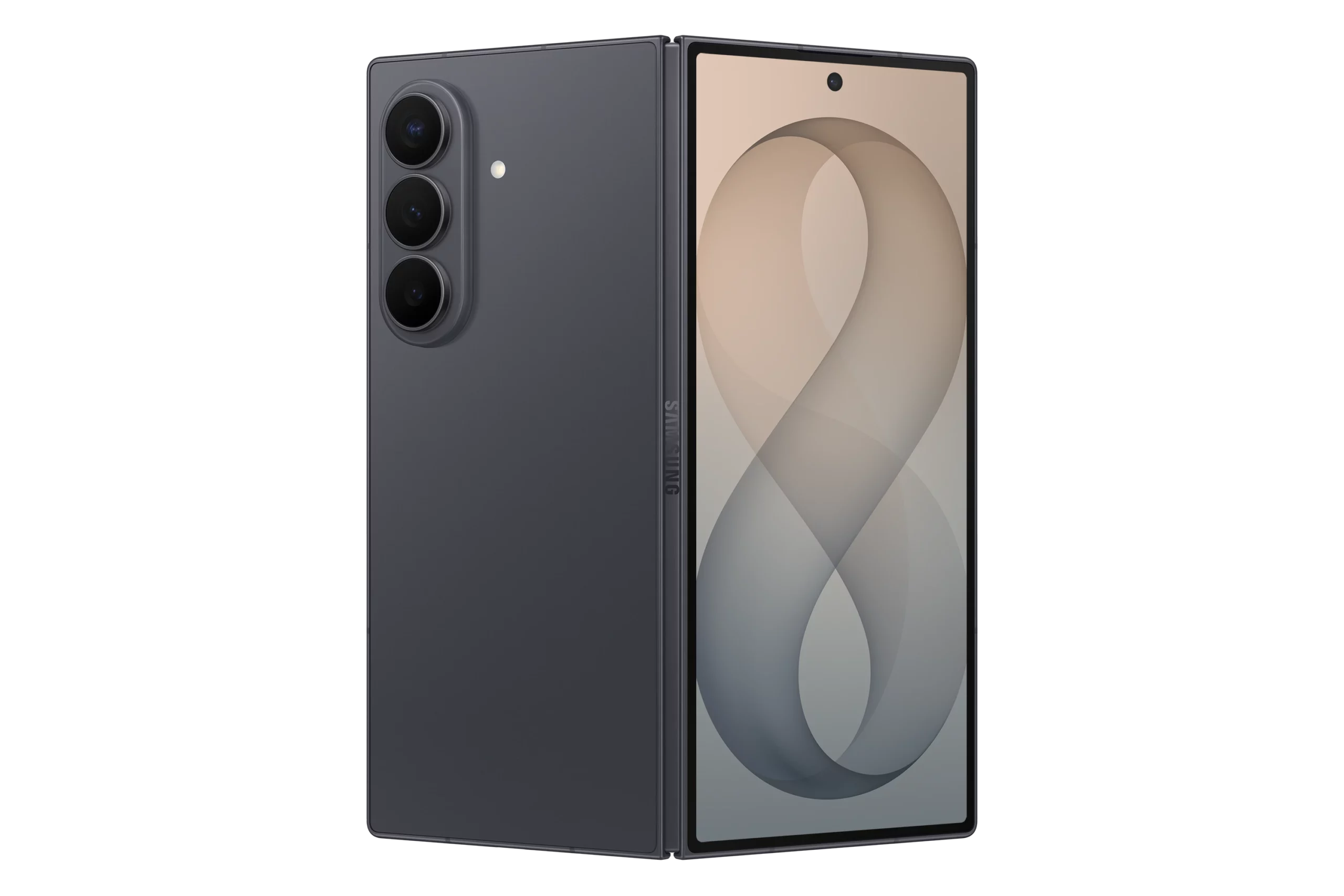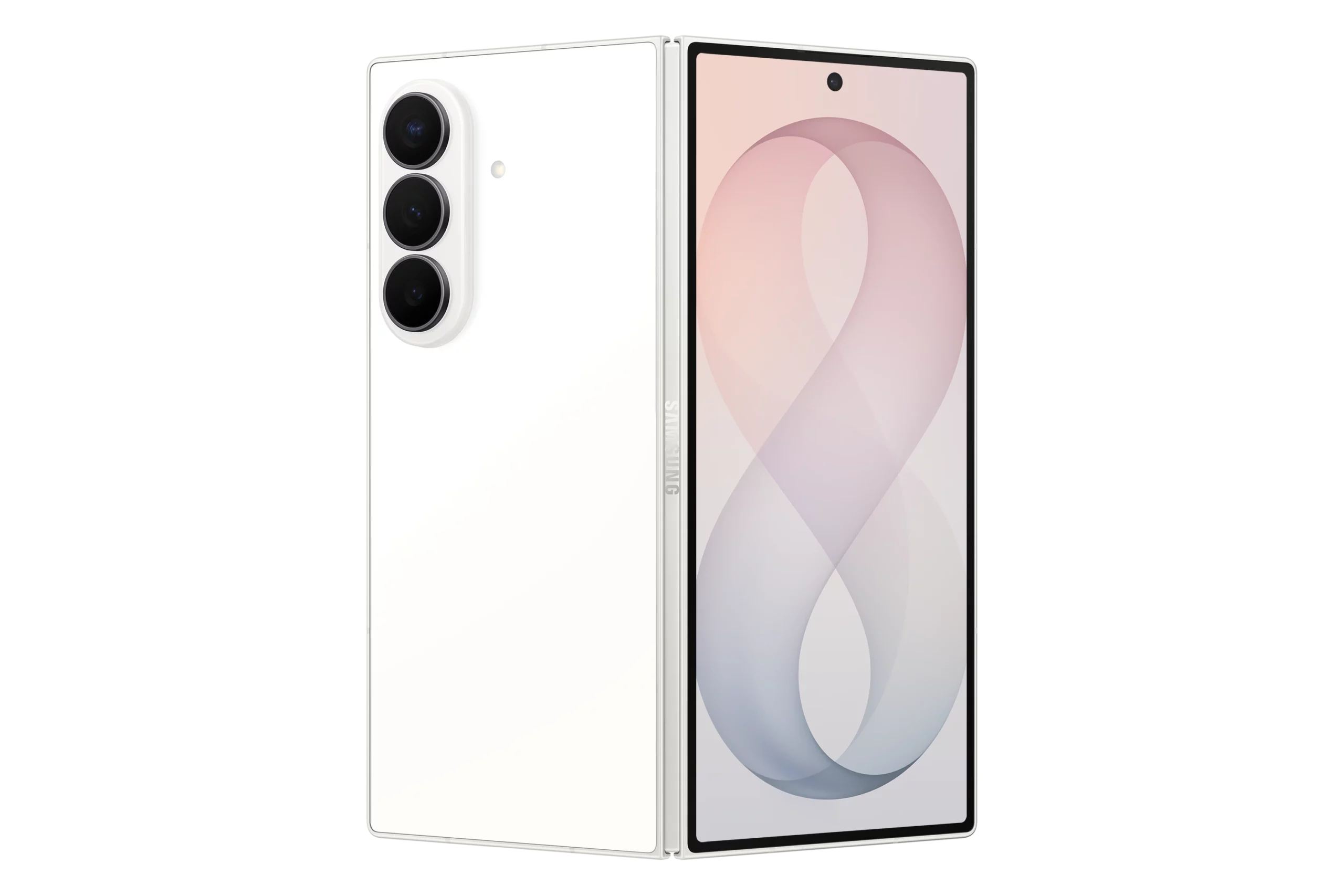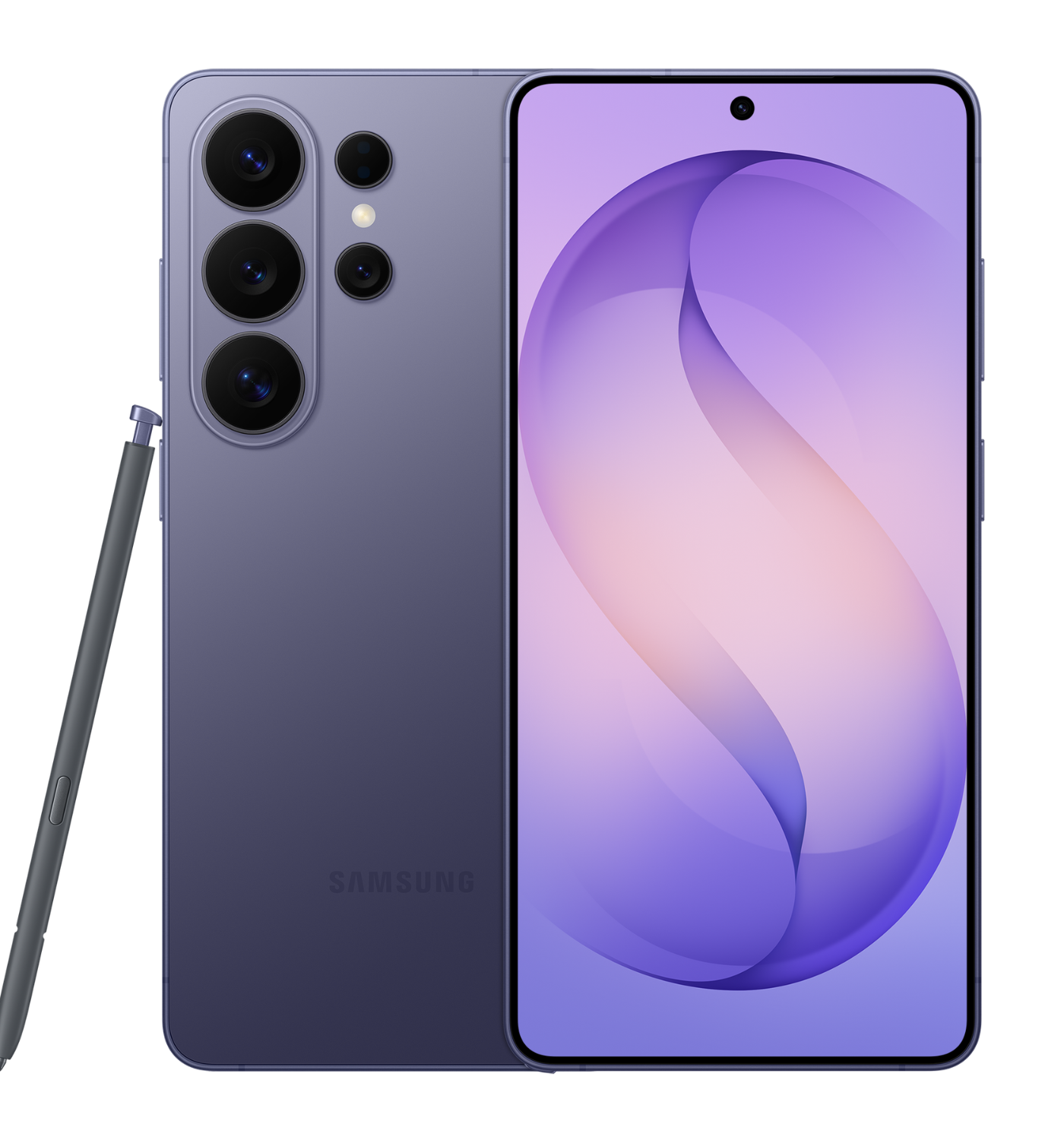
Apple iPhone 17 Review

Apple iPhone 17

Apple iPhone 17

“This is the most well-rounded iPhone Apple’s ever made and probably the one you should get.”


The standard iPhone has always lived in the shadow of its flashier, more expensive “Pro” siblings. It’s the dependable choice, but usually misses out on the truly exciting features. Well, get ready for a plot twist, because the iPhone 17 changes that story completely. This isn’t just an iterative update; it’s the year Apple finally gave the base model some real Pro-level firepower—most notably, that stunning 120Hz display and the brightest screen yet. With these major upgrades, the question isn’t whether the iPhone 17 is a good phone, but whether it’s the best value phone in Apple’s entire 2025 lineup. Let’s find out more from the review of the Apple iPhone 17 smartphone. 


Overview

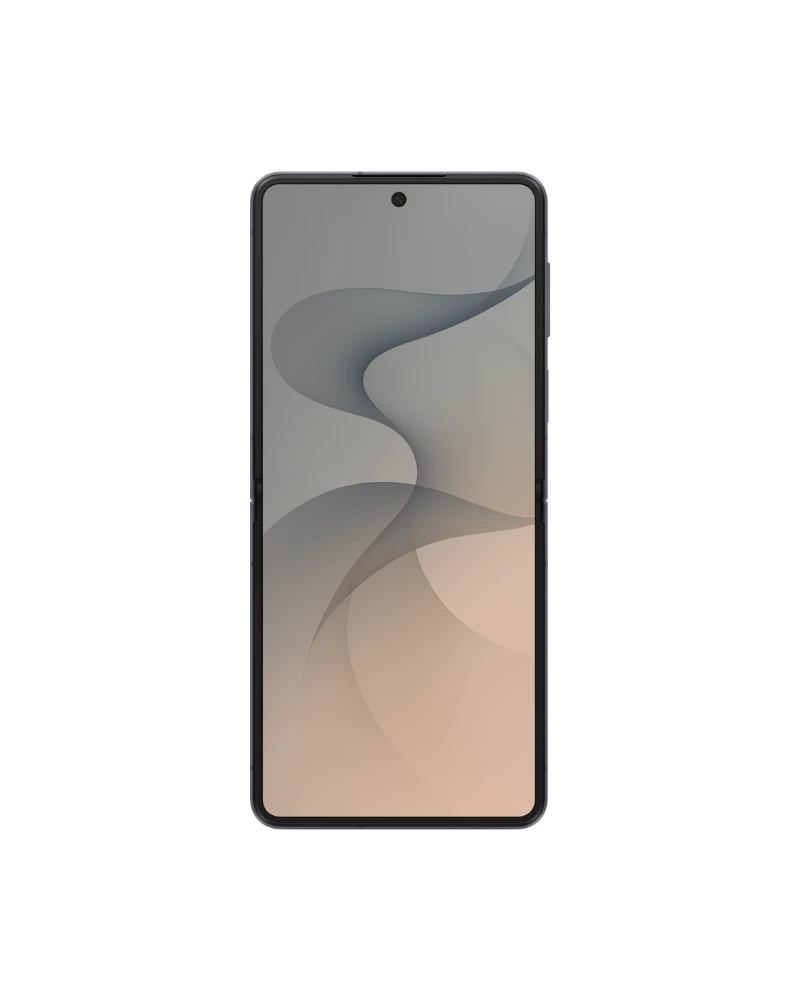
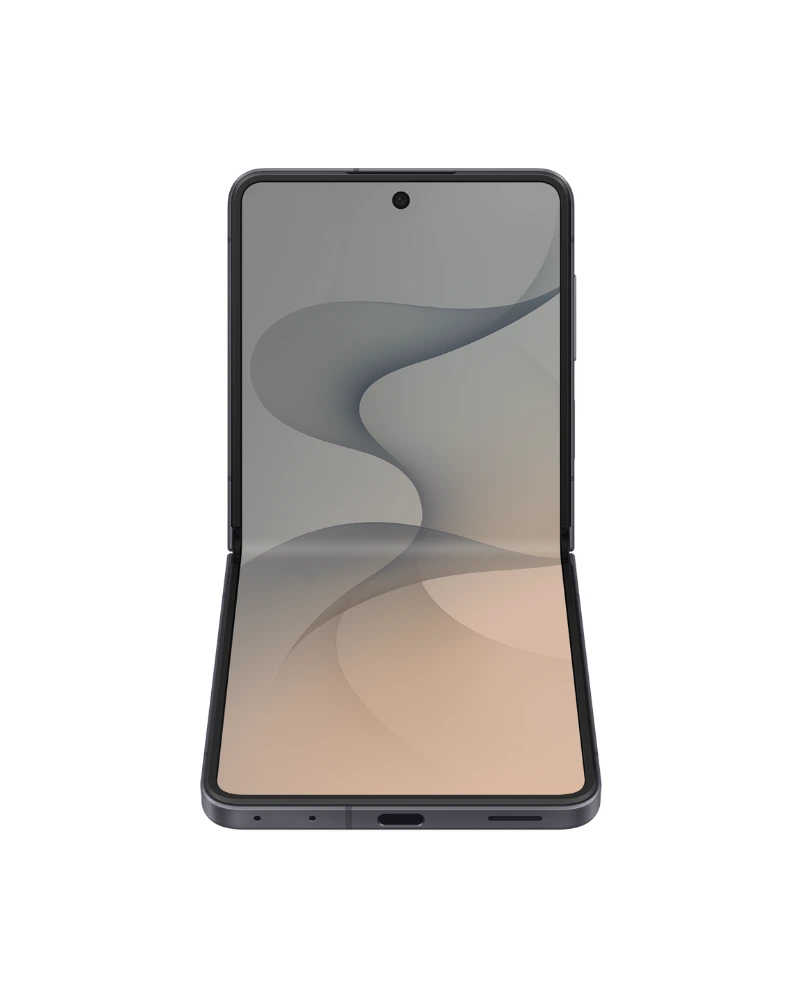
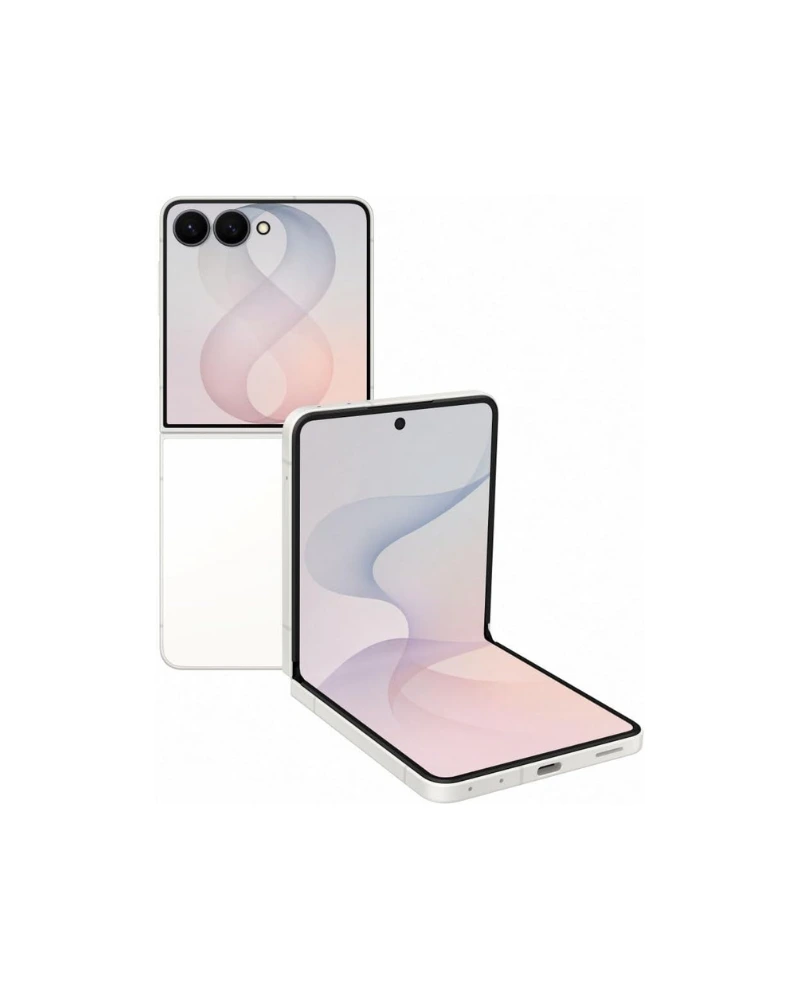
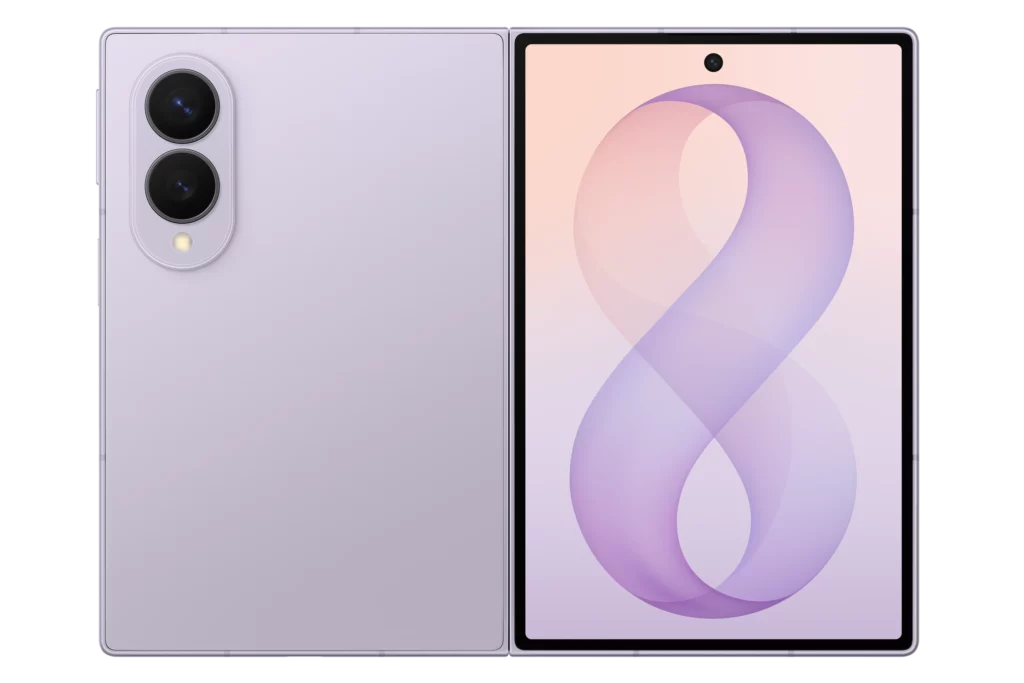
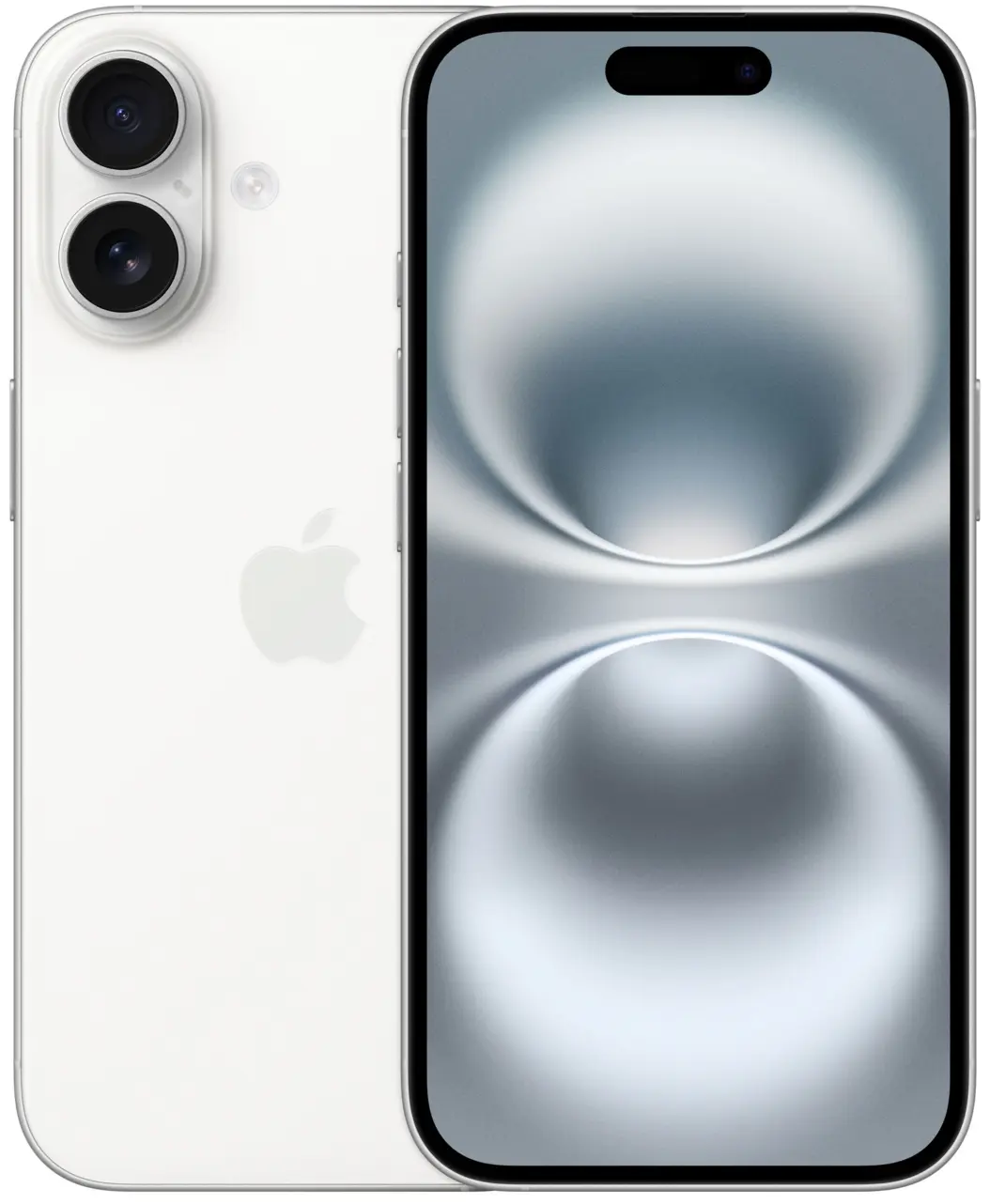
Forget about it being the “dud” in the lineup just because it’s the standard model and its sibling is now the “Air.” The truth is, the iPhone 17 is looking like it might be the most improved phone Apple drops in 2025. This isn’t just a small update; it’s getting some serious, meaningful boosts over the iPhone 16. First off, the screen is finally getting the upgrade we’ve wanted! It’s a new, slightly bigger 6.3-inch Super Retina XDR OLED with smaller borders. And get this: the standard model finally features ProMotion tech, giving you a super smooth, variable refresh rate up to 120 Hz. Plus, the brightness is getting cranked up to a peak of 3000 nits, meaning for the first time, the regular iPhone is just as bright as the Pro models. Huge win!

Under the hood, it’s packing the brand-new A19 chipset, built on that super-efficient 3nm process. Paired with a solid 8 GB of RAM, this phone is going to be snappy for a long time, both for everyday use and for future software updates. The cameras are also getting a nice bump. The dual system is now 48MP and inherits all of Apple’s latest software tricks. That means better shots in low light and even Dolby Vision HDR video recording up to . Even the selfie camera is refreshed with an sensor, image stabilization (OIS), and the ability to capture spatial audio and Dolby Vision video!


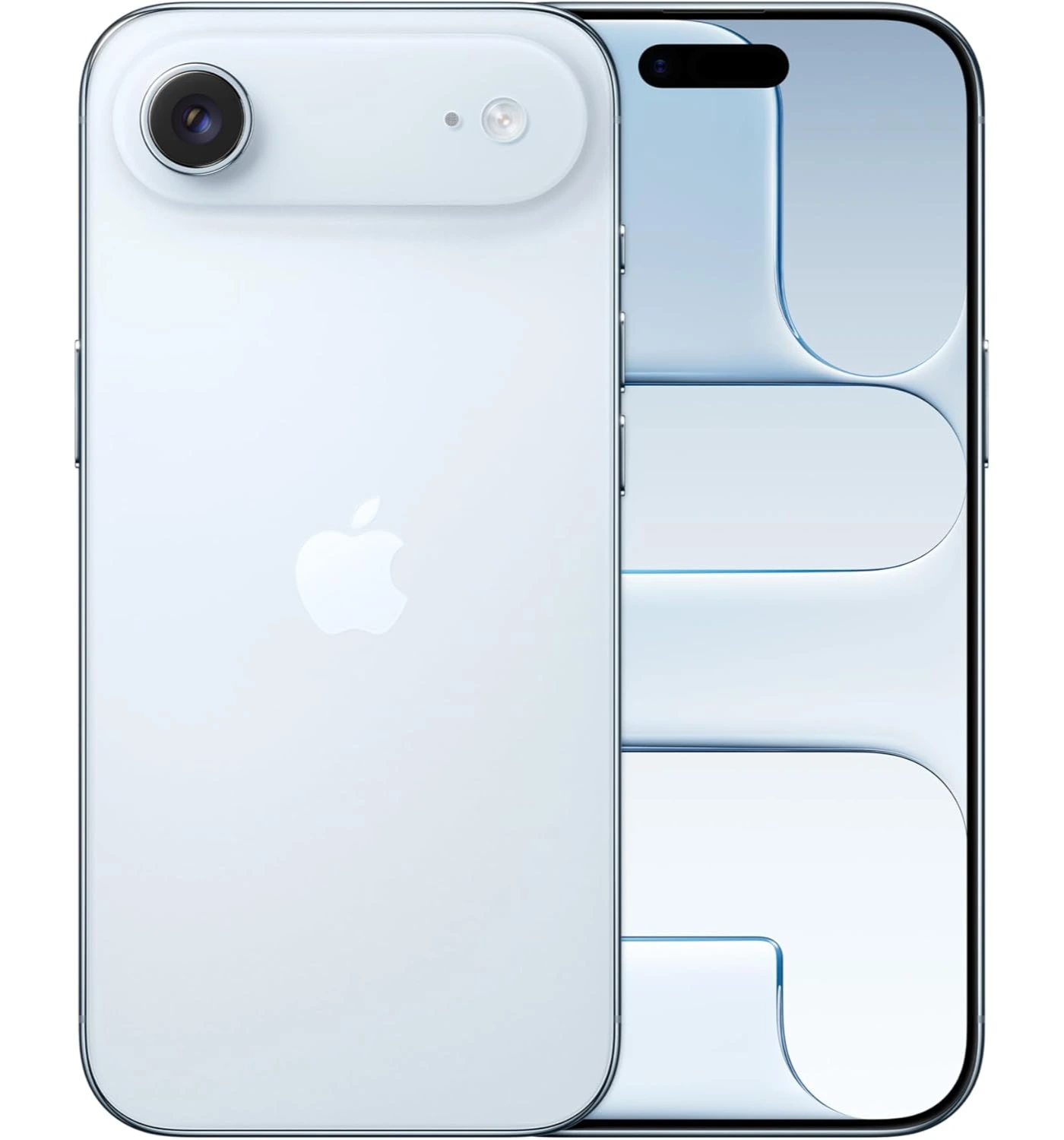
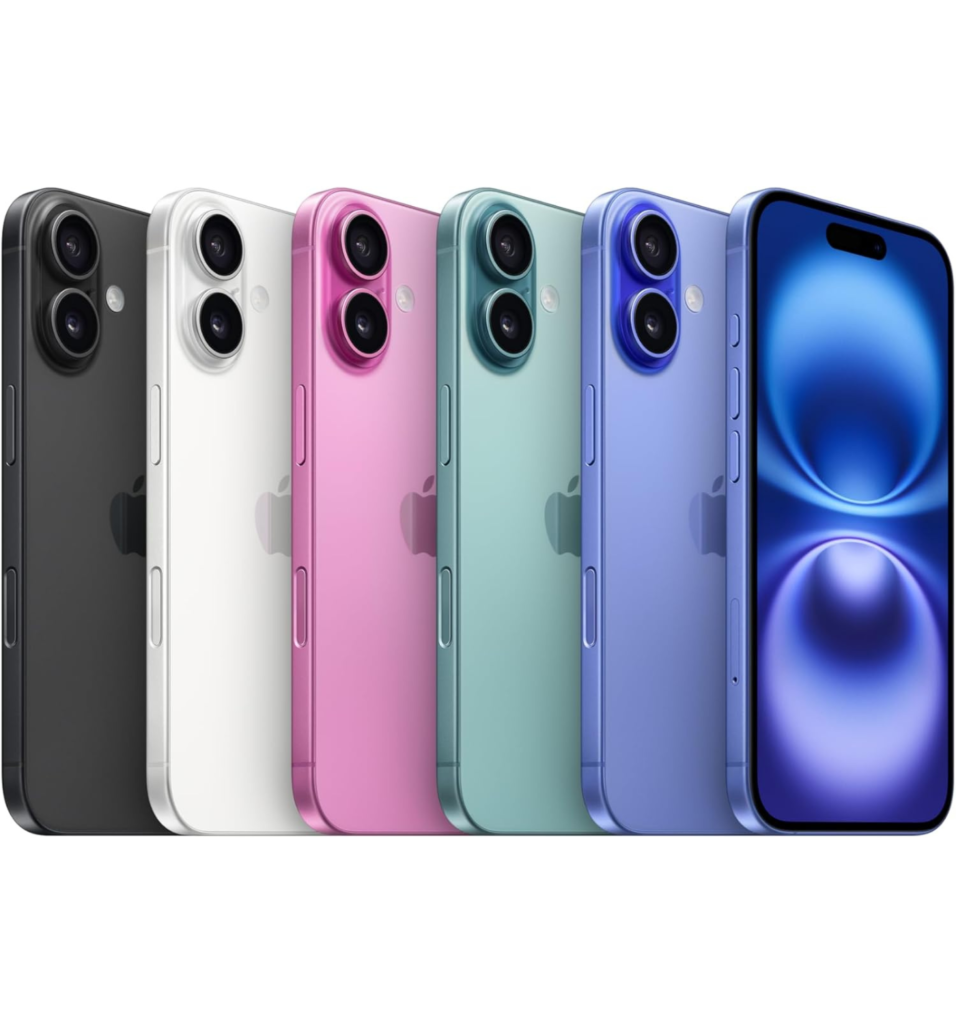
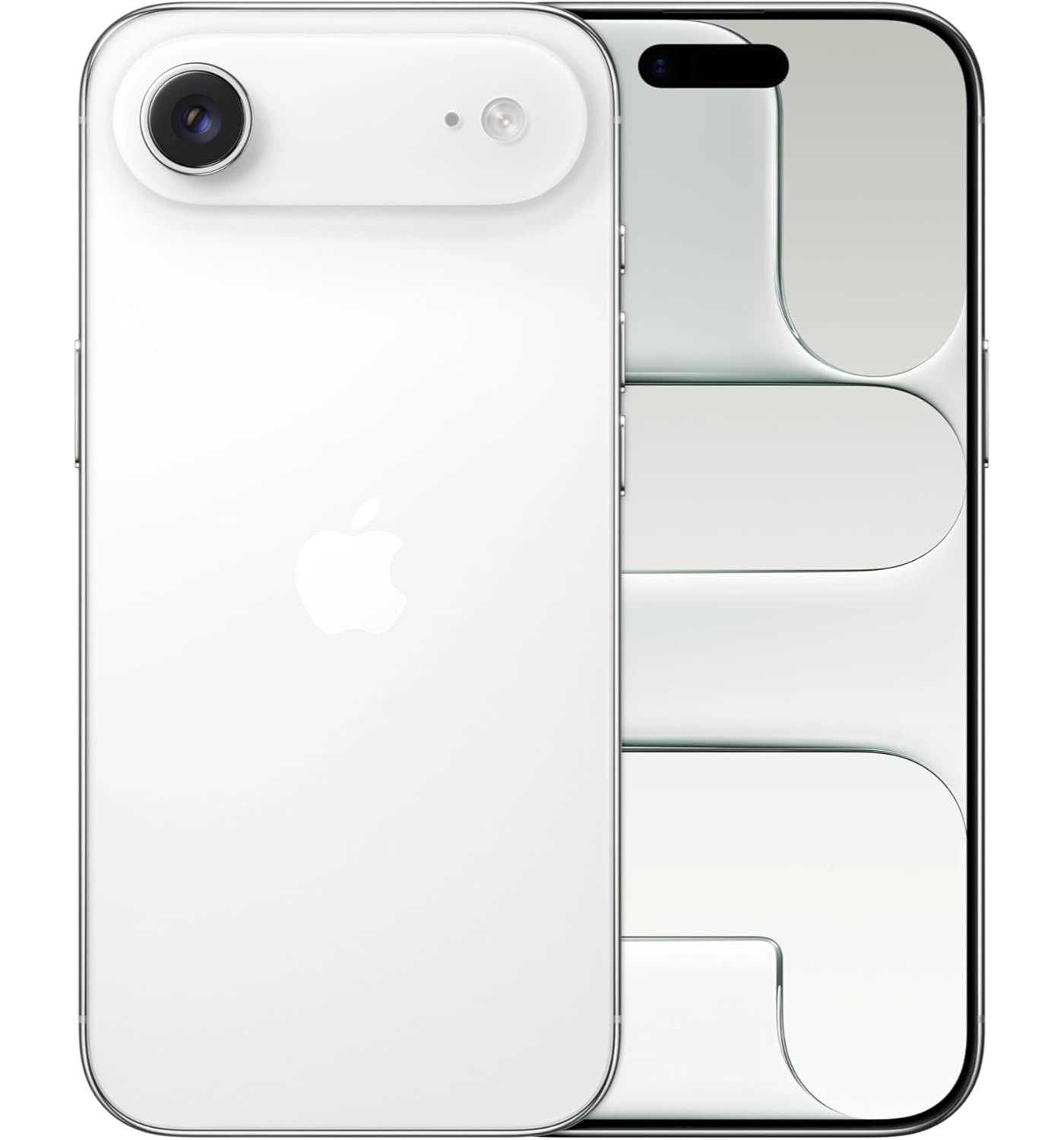
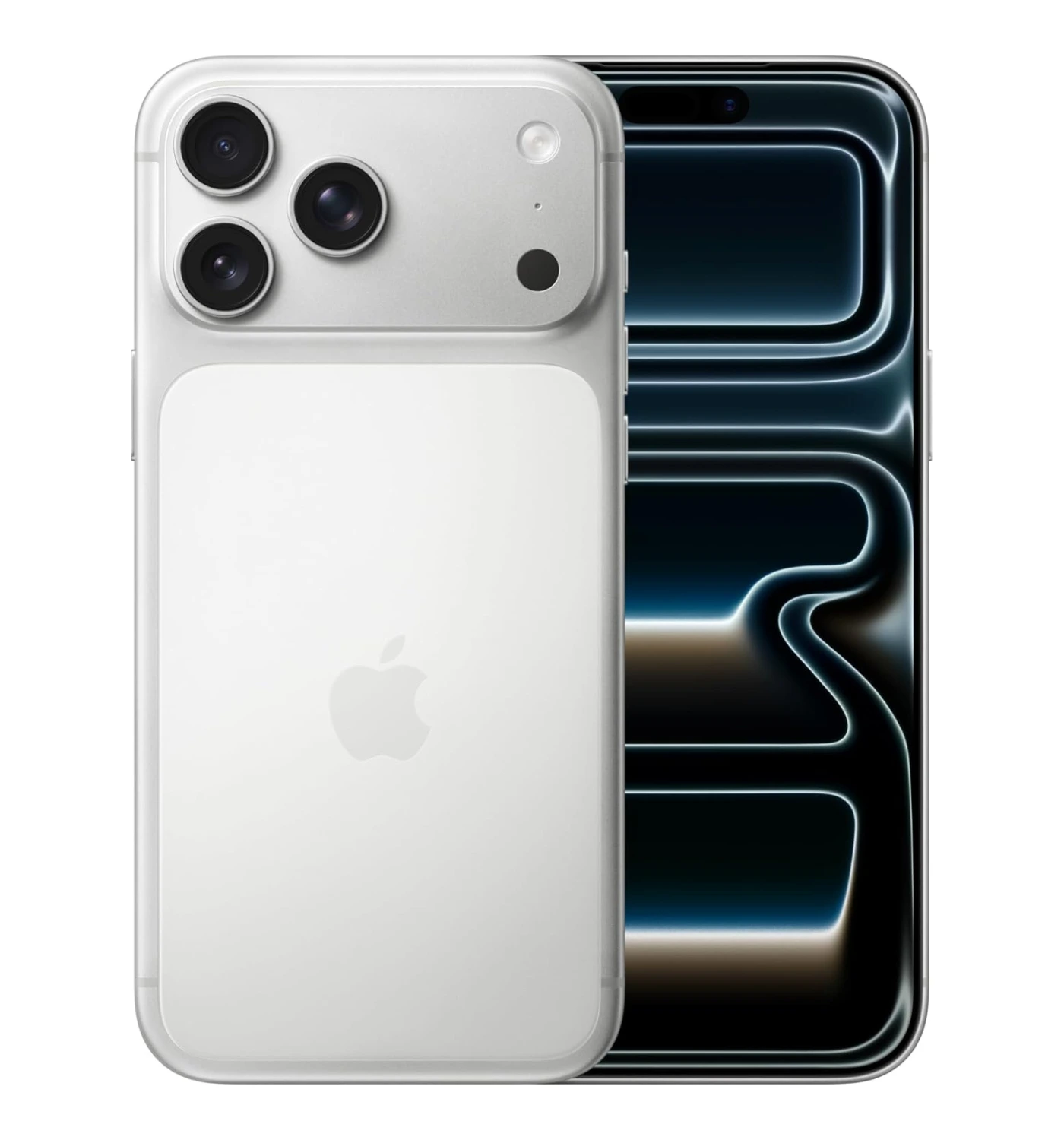
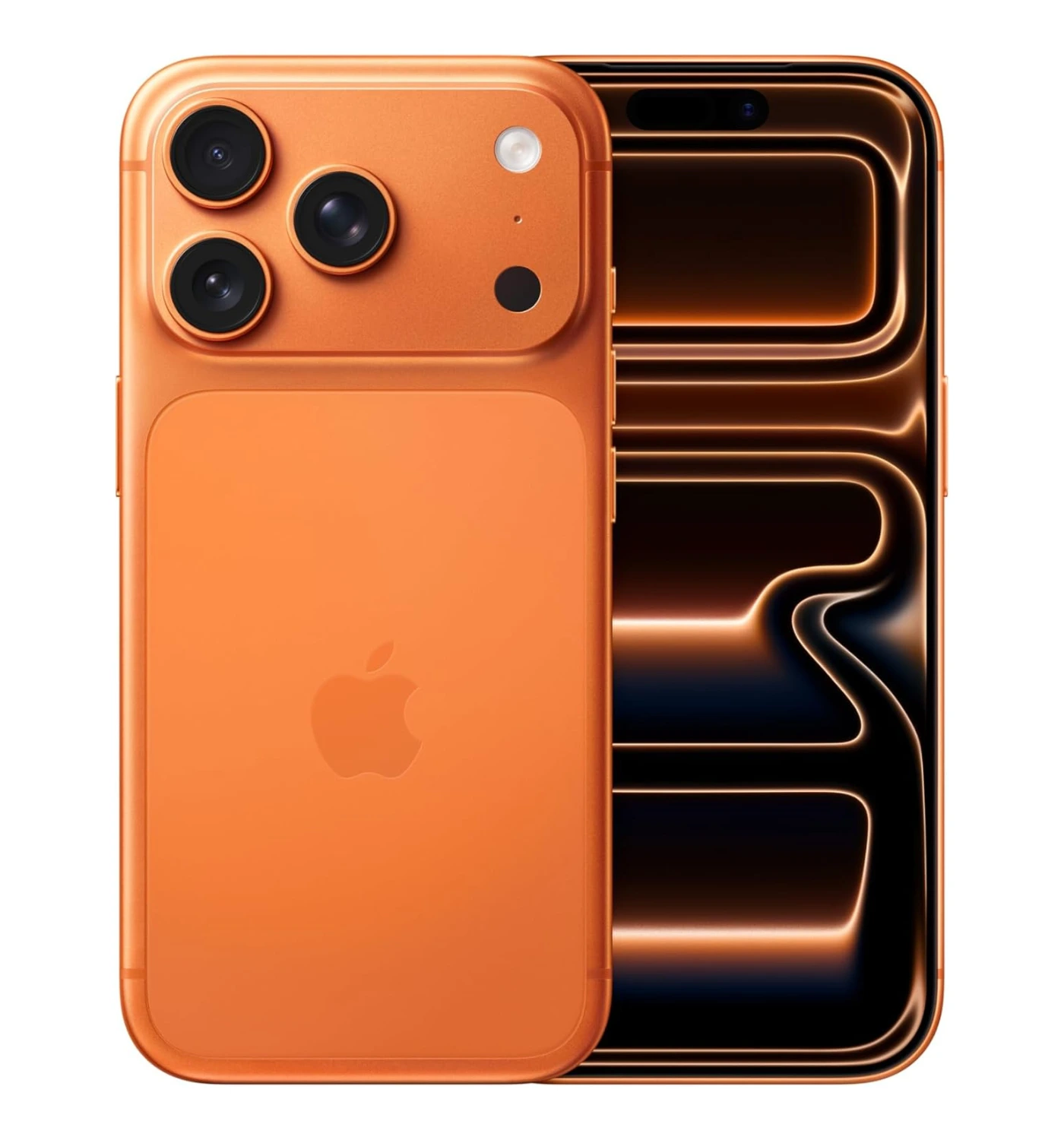
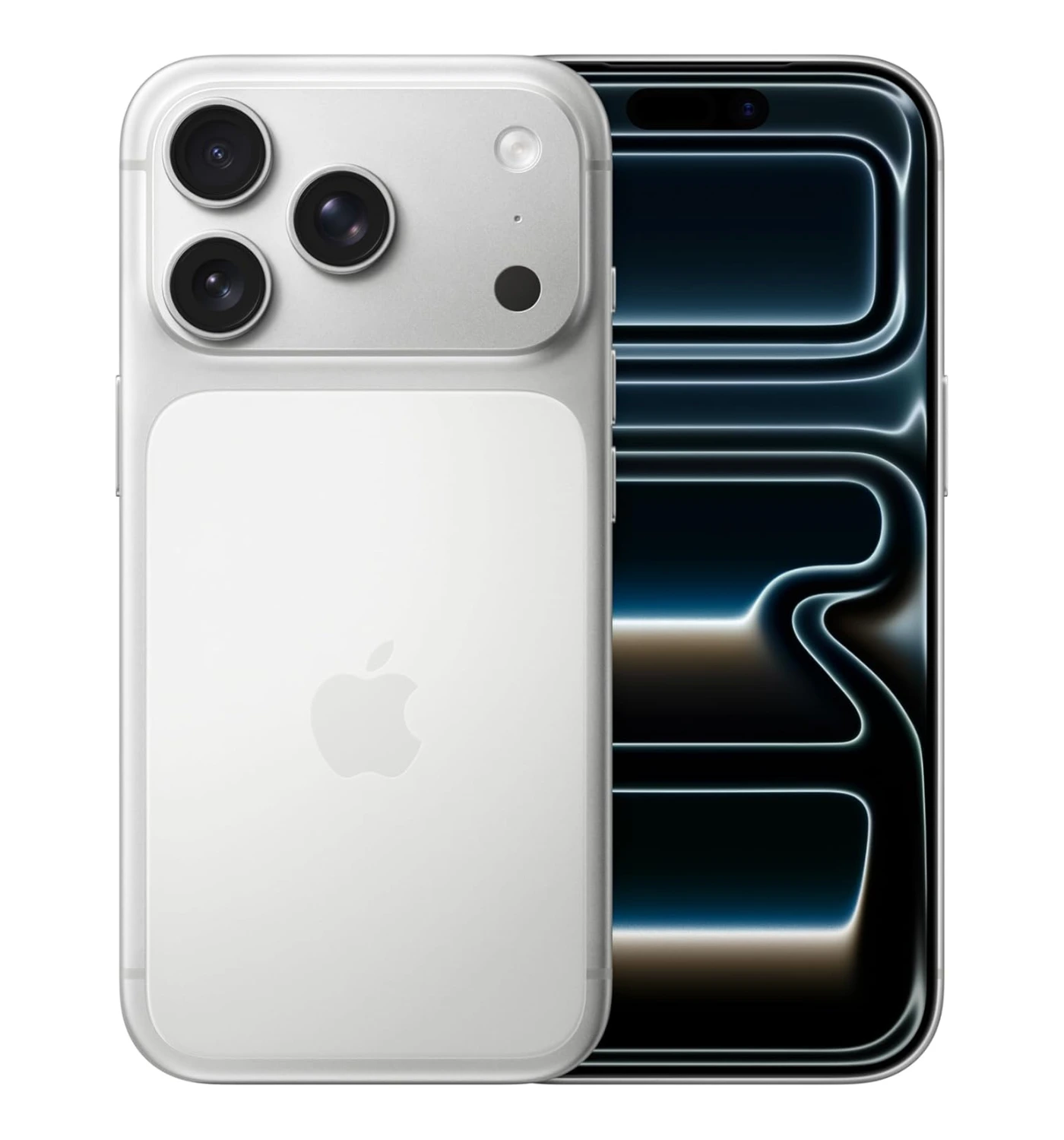
While the look hasn’t totally changed from the iPhone 16, it actually might be the best-looking one of the bunch. The Pro models are apparently getting a slightly controversial glass “window” insert on the back, but the standard 17 keeps that clean, classic look with an all-glass back and an aluminum frame—less scratch-prone and just a lot sleeker, in my opinion. It hits all the modern flagship checkboxes: IP68 water resistance, MagSafe and Qi2 wireless charging, and satellite features for SOS and Find My. The battery is a decent , and it even beats the more expensive Air model. Charging is quick, too, matching the Pros with wired PD3.2 and wireless support. And perhaps the best news? The base storage is finally jumping to a much more usable 256 GB!

While the Pro models are always going to have a few extra niche features and maybe a bolder (or weirder) design, the iPhone 17 is closer to the Pros than ever before. It nails the basics better than any non-Pro iPhone before it, only missing out on the really tiny extras. Honestly, the iPhone 17 might just be “the one to get” this generation! What do you think about that screen finally getting ? That’s the real game-changer for me!


Apple iPhone 17 – Specs

  • Display: 6.3-inch, Super Retina XDR, 120Hz ‘ProMotion’, (2622 x 1206p) 
  • Processor: Apple A19, Apple GPU 5-core
  • Memory: 8GB RAM
  • Operating System: iOS 26
  • Storage: 256GB / 5125GB
  • Battery: 3692 mAh, supports 20W wired charging, 25W wireless and 4.5W reverse wireless
  • Main Camera: 48MP Dual ‘Fusion’ wide and ultra-wide, up to 4K video capture at 60 fps
  • Selfie Camera: 18MP wide ‘Center Stage’ camera, up to 4K video capture at 60 fps
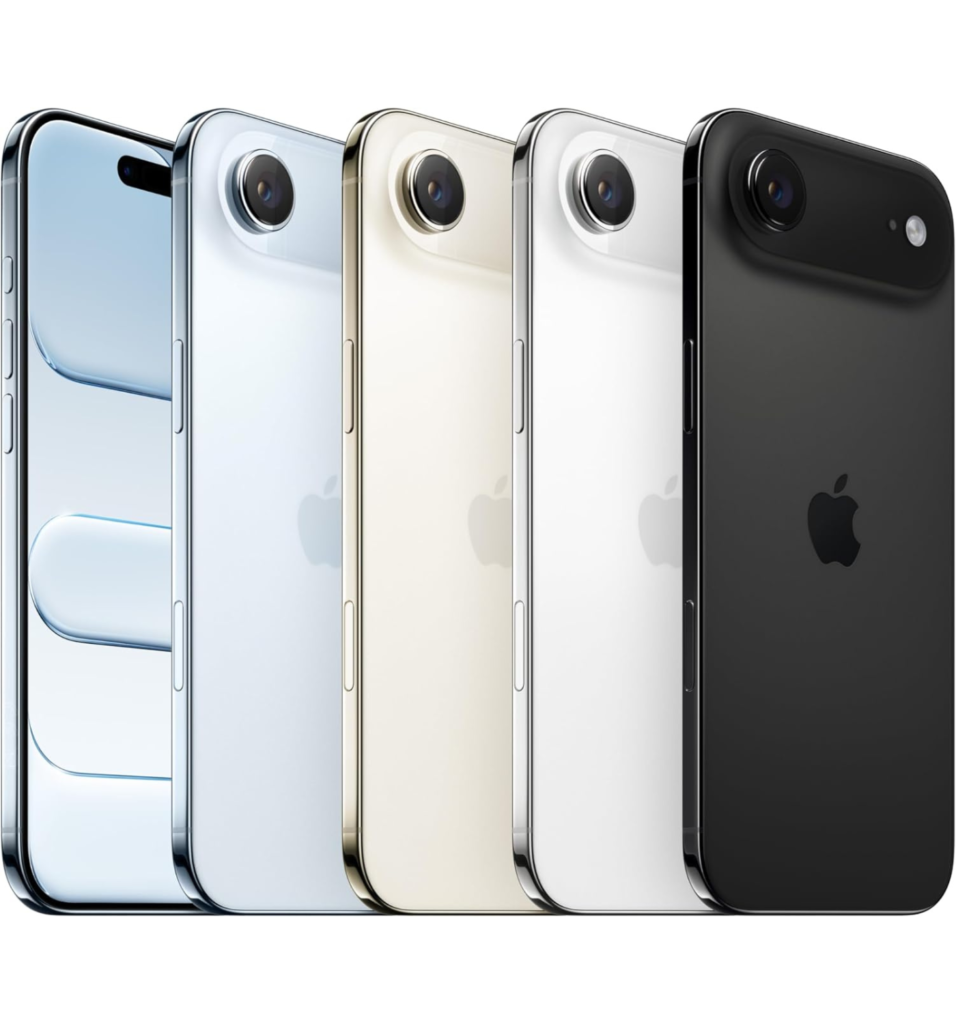
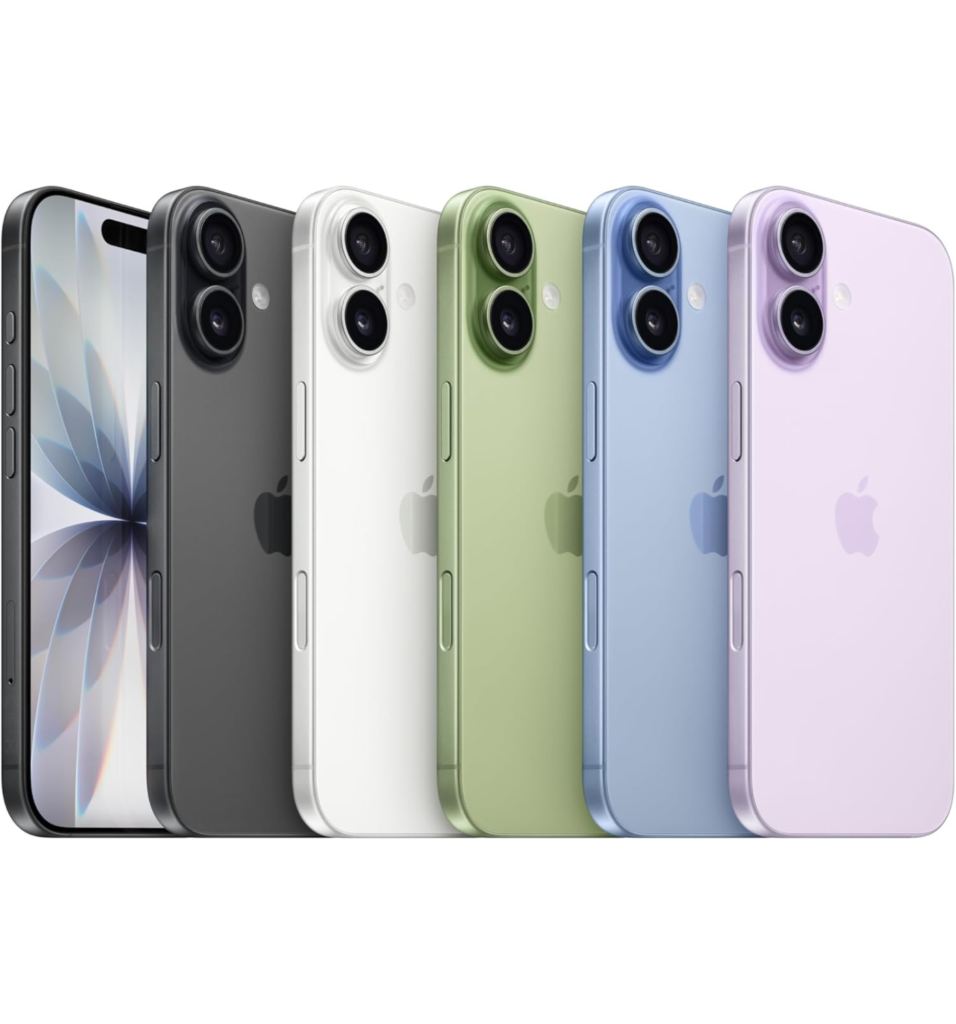
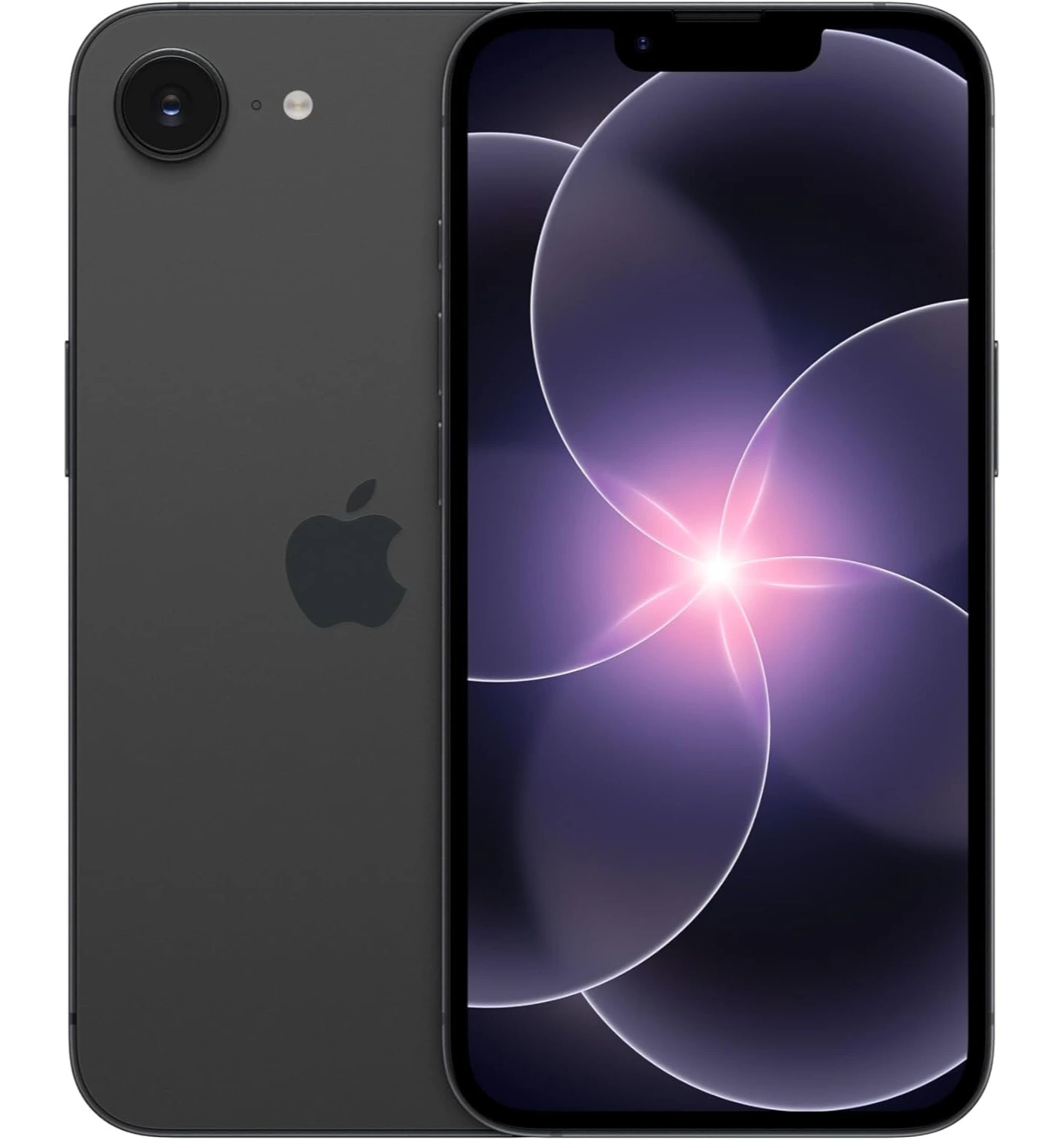
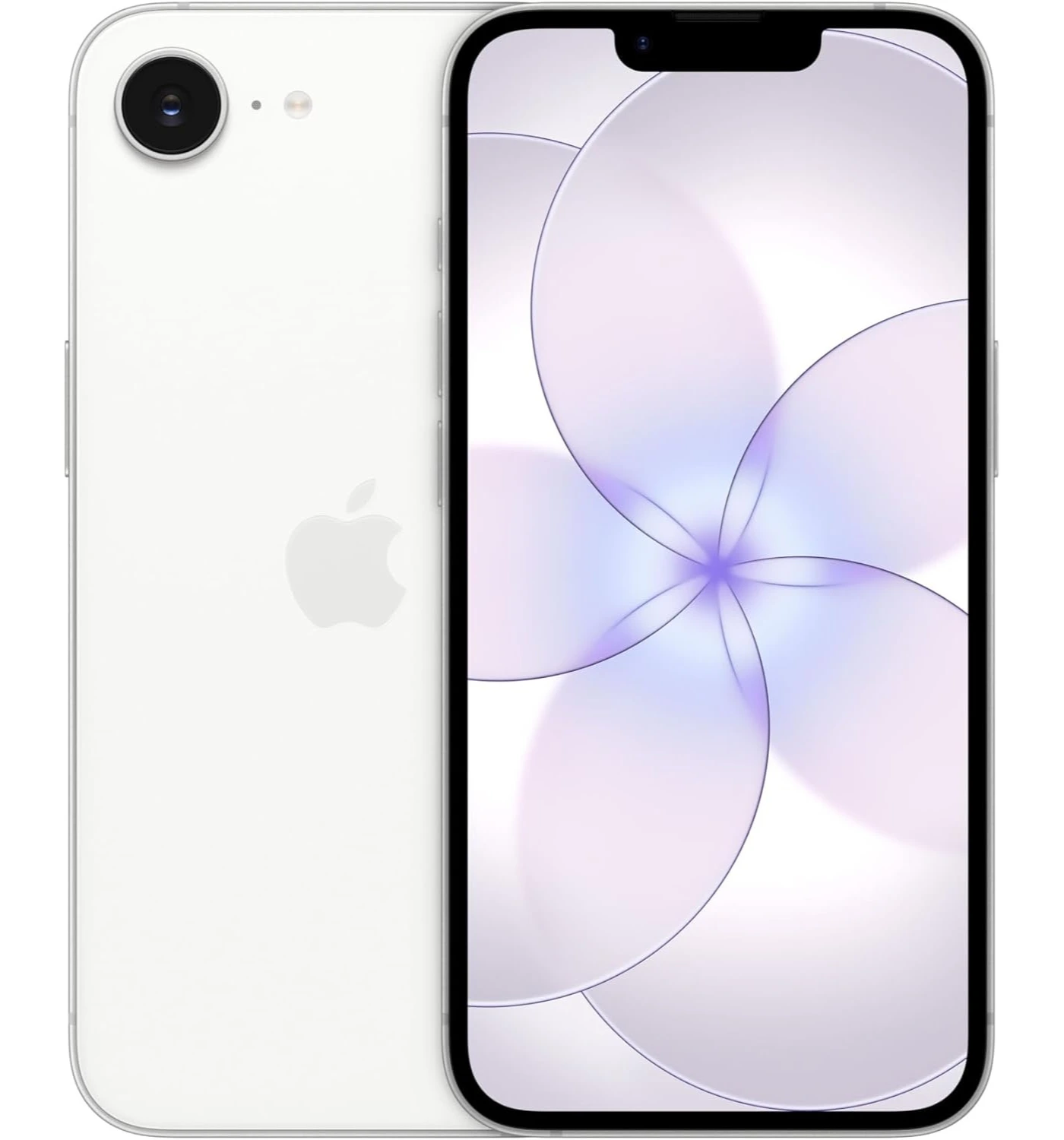
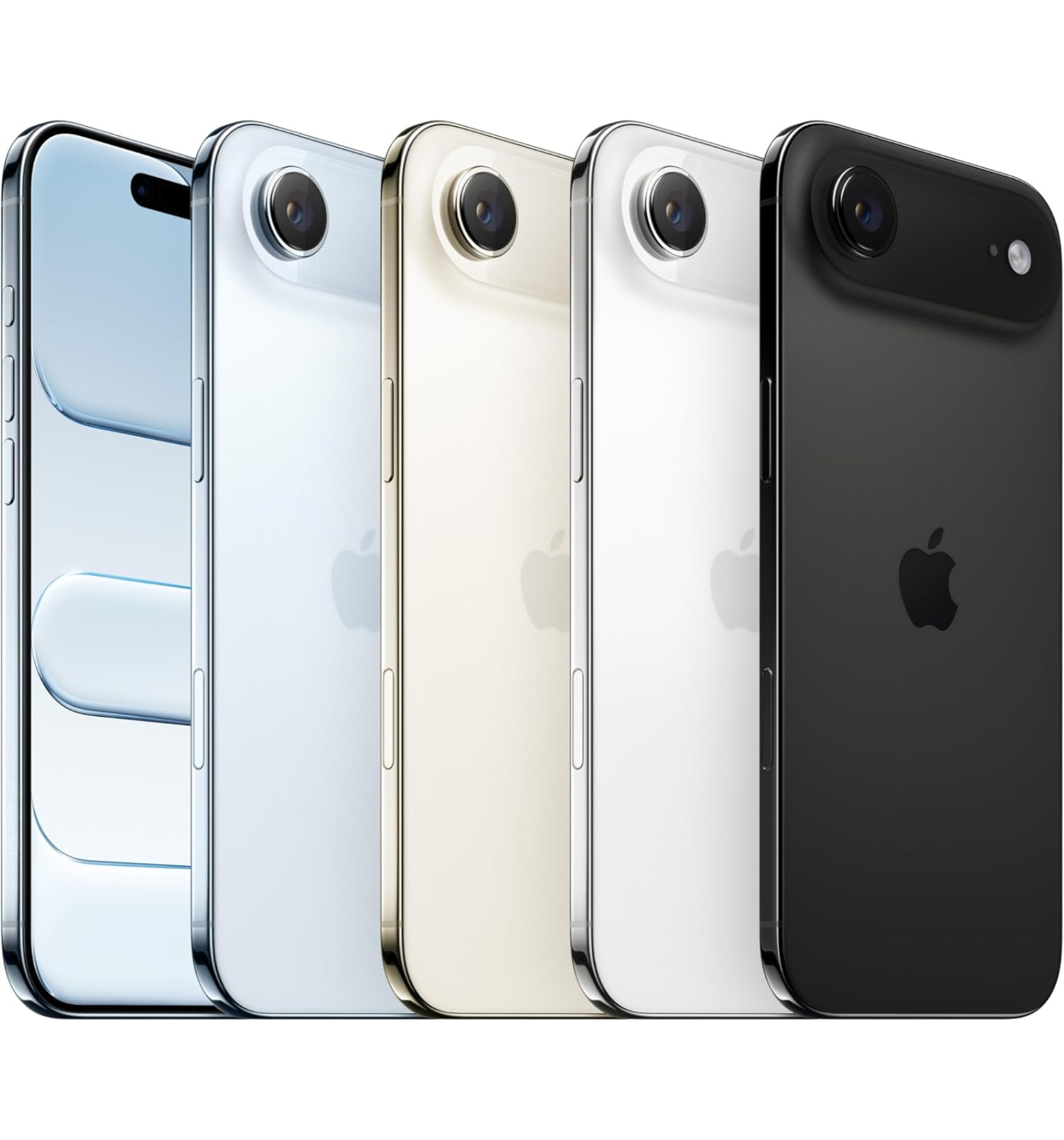
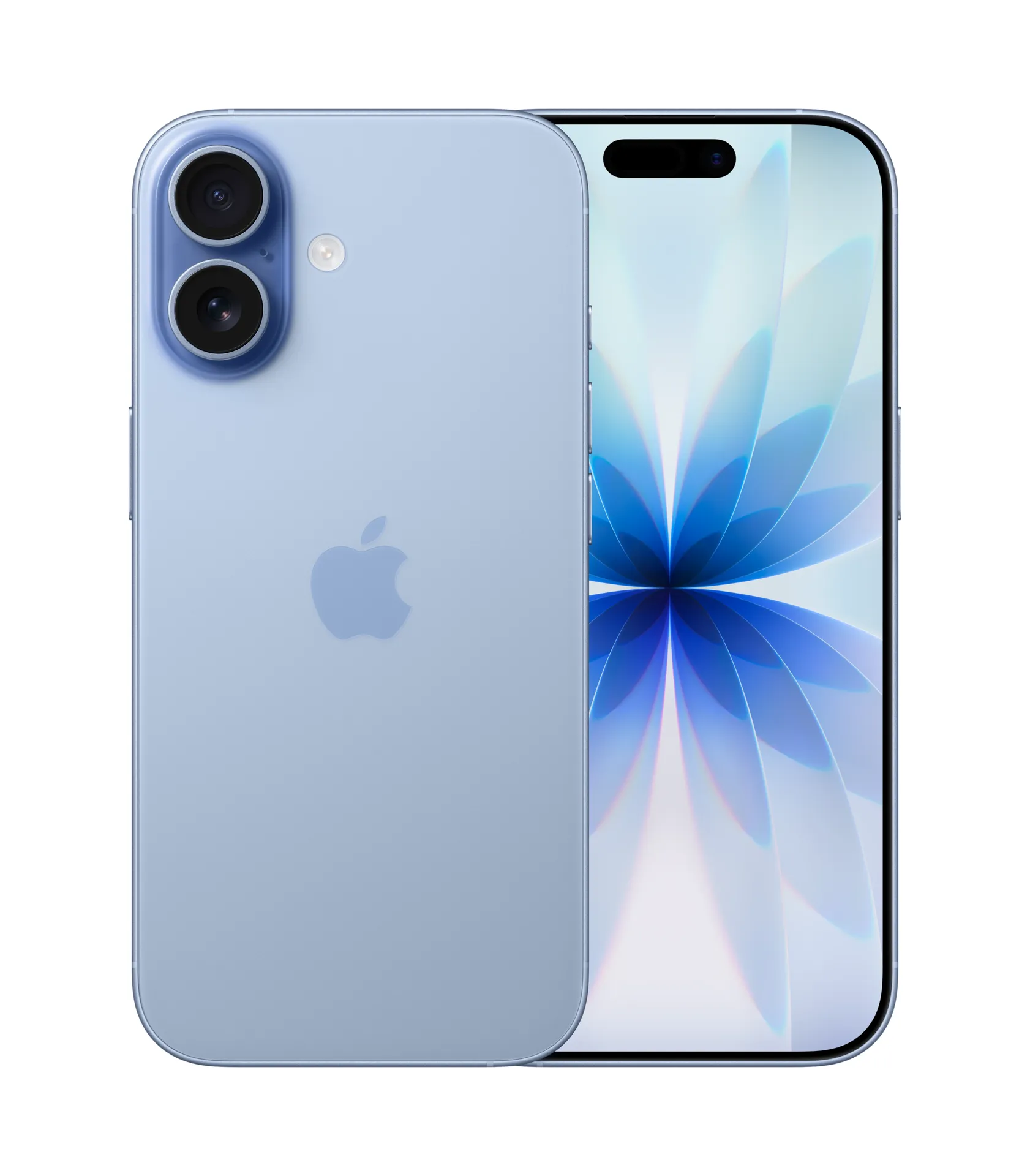
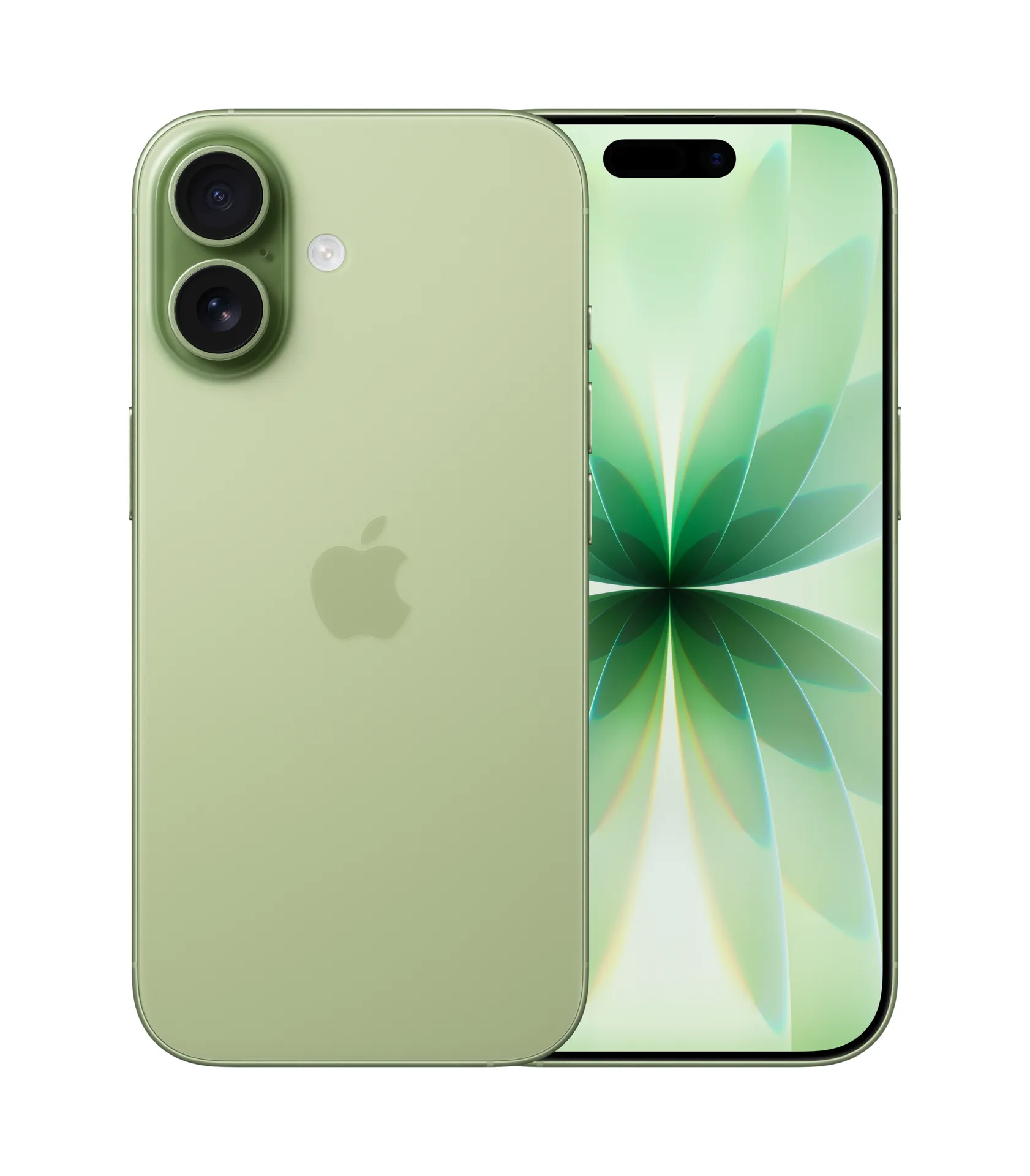
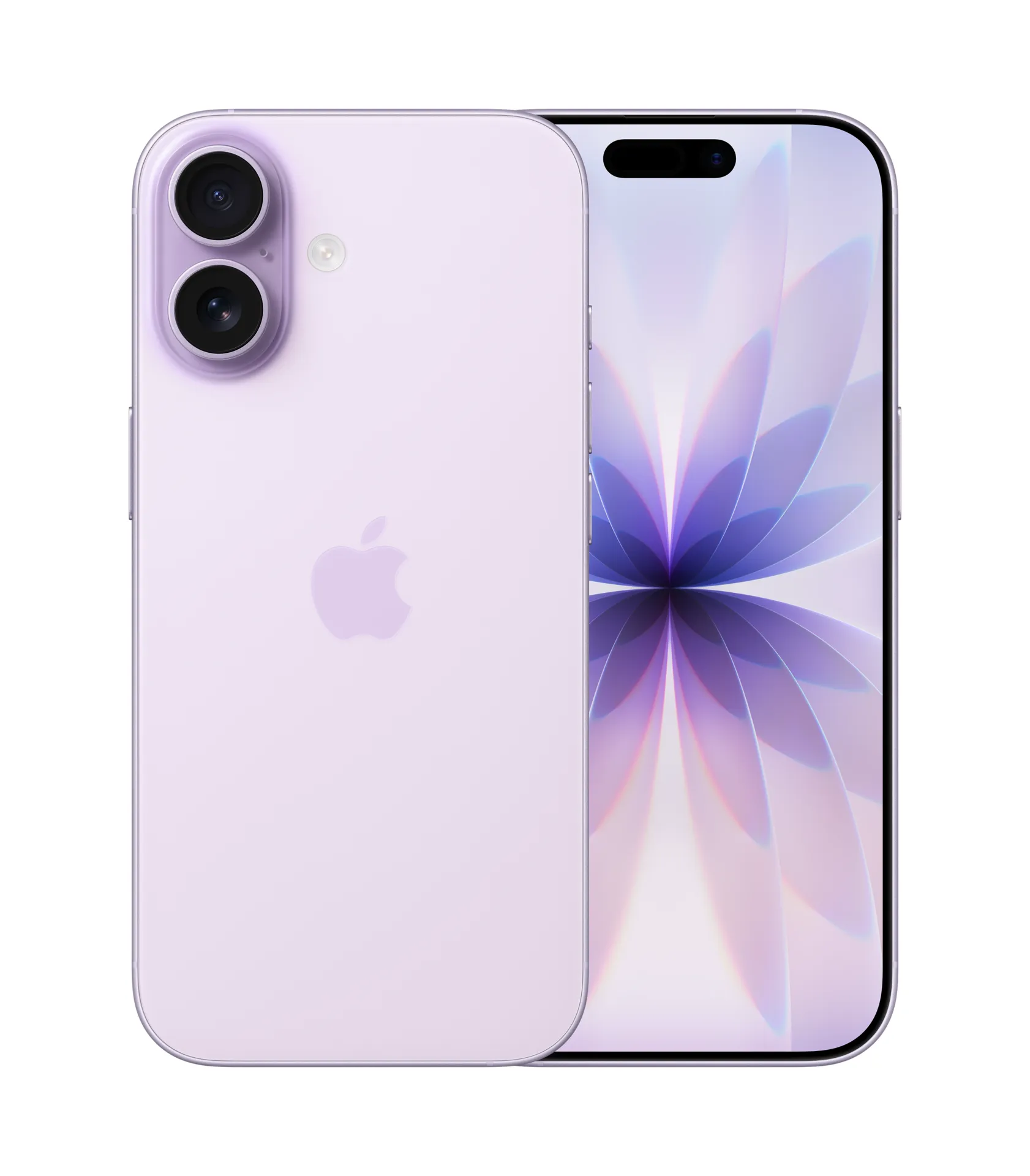
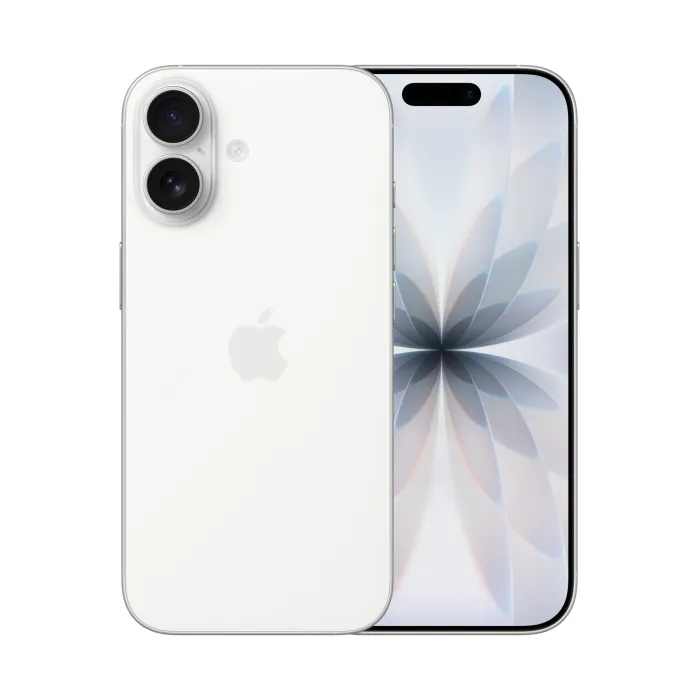
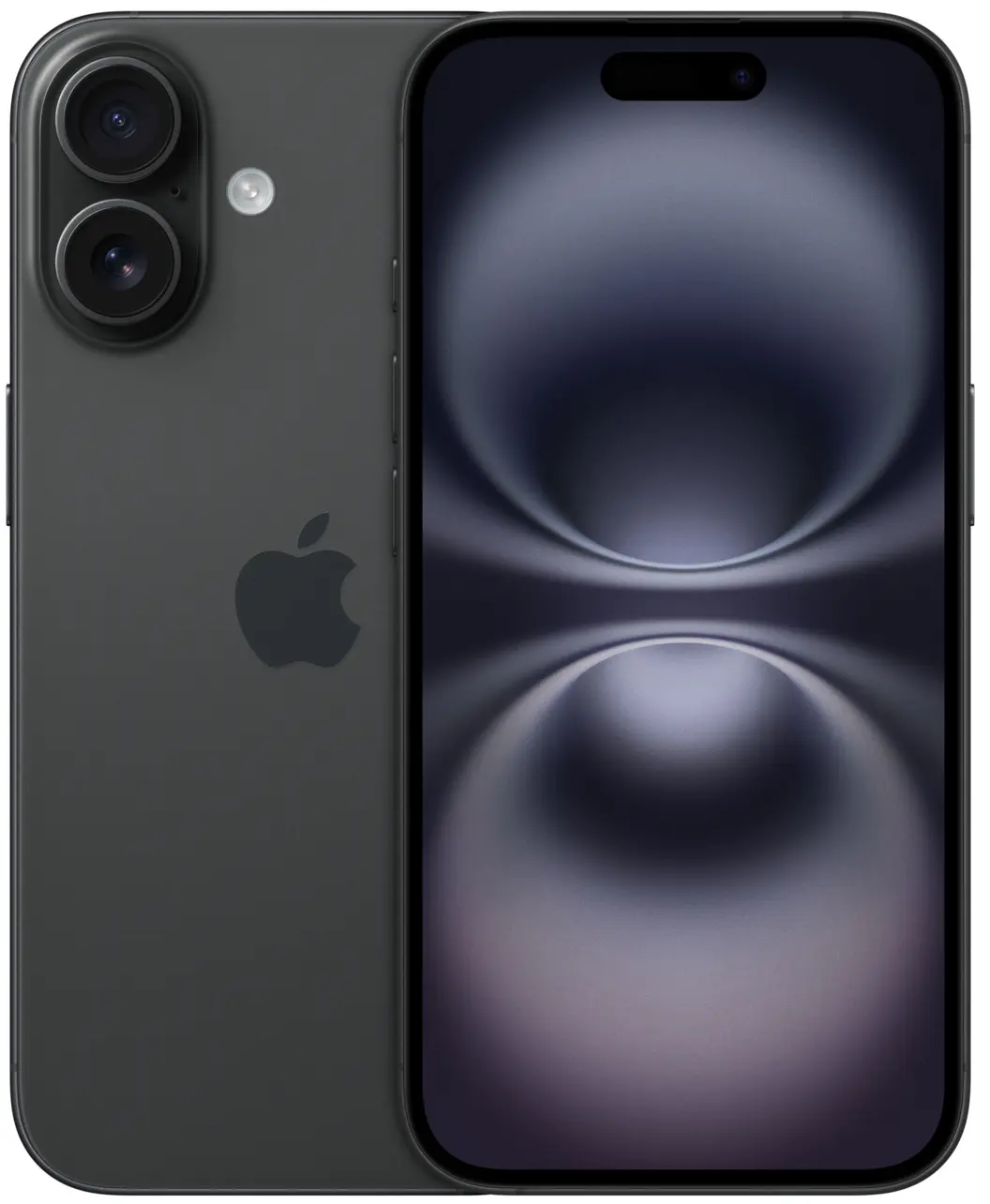
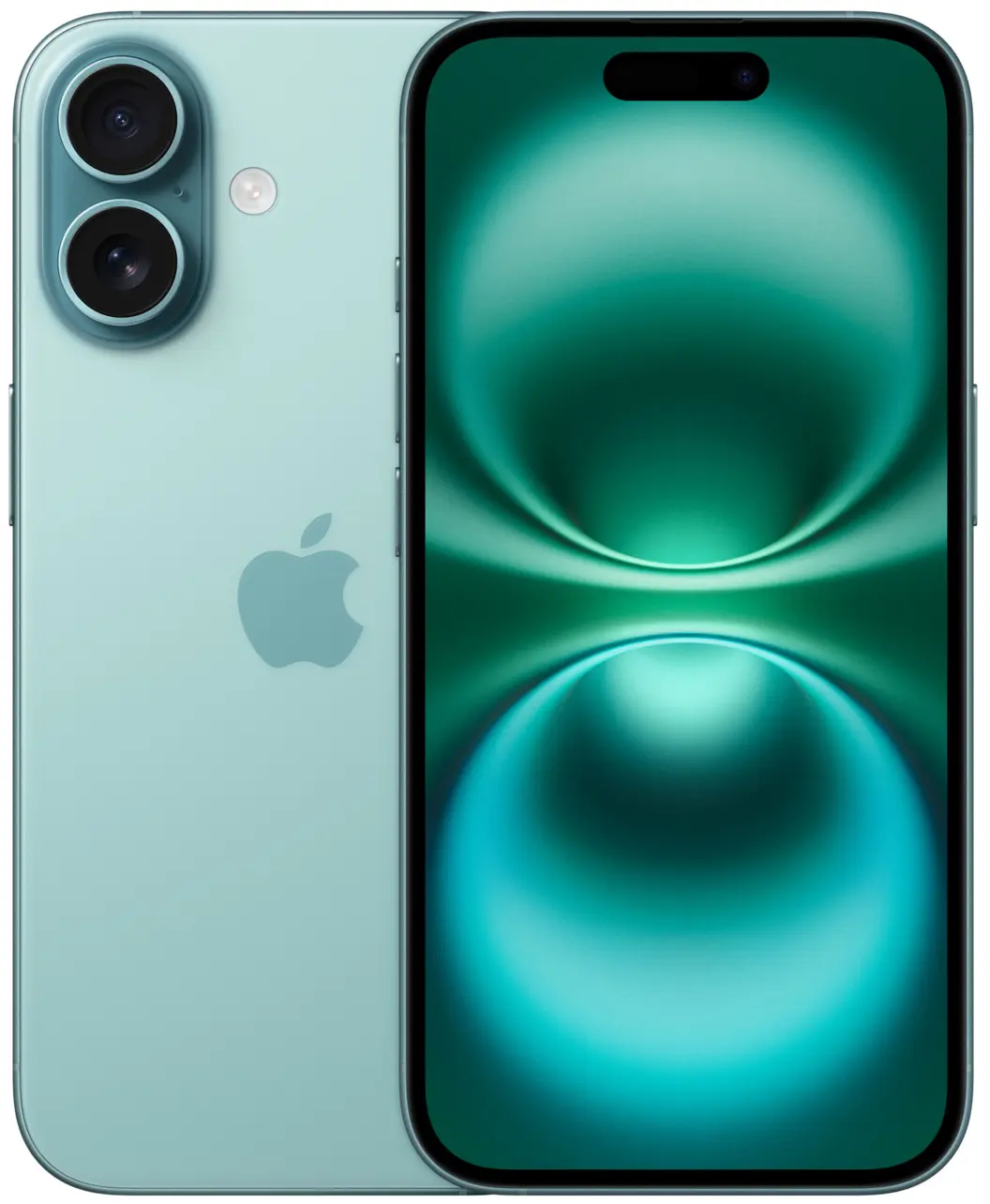
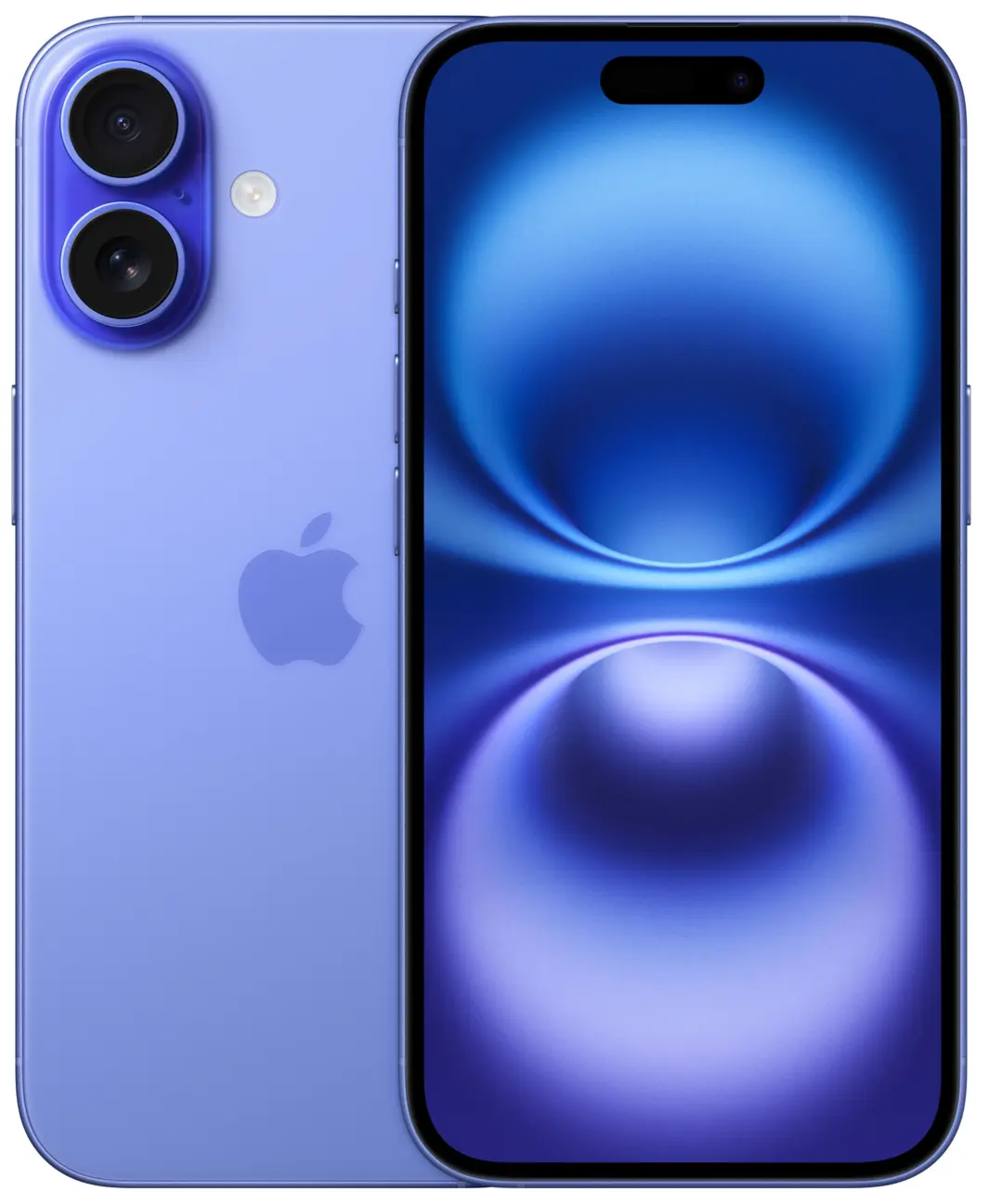
  • Other: weighs 177g; 5 colors including Black, Blue, Lavender, White, and Sage (Green); IP68 water and dust resistant; USB-C 2.0  


What’s to Like


1. The Stunning 120Hz Display

Okay, so let’s get into the display, because this is where the iPhone 17 really stops acting like a “base model” and starts demanding some respect. First, it’s a huge visual upgrade. The screen is now a nice, comfortable 6.3 inches and those bezels (the black borders) are thinner, so you get more screen space in a phone that doesn’t feel much bigger. But the real game-changer? It finally has ProMotion! That’s Apple’s super-smooth 120Hz high refresh rate tech that used to be exclusive to the expensive Pro phones. Trust me, once you see how fluid scrolling, swiping, and gaming look at 120Hz, you can’t go back. This feature alone is what makes the standard iPhone 17 feel like a genuinely premium phone—it’s a massive leap over the iPhone 16.

Now, the brightness numbers were a little quirky when we tested them. Manually maxing out the slider gave us slightly less brightness than last year’s model, which is weird, but probably just due to some fine-tuning in the software. And because it has that super-efficient dynamic refresh rate tech, the phone can drop all the way down to 1Hz to save power. That low power mode is what finally allows the iPhone 17 to bring us the highly-requested Always-On Display. You can now check the time and your notifications without having to wake the phone up—it’s super convenient. Overall, the iPhone 17 display is fantastic. It’s everything you need from scrolling social media to watching movies in Dolby Vision HDR. It’s an easy A-plus upgrade.


2. The Impressive Battery Life

The iPhone 17 packs a slightly bigger battery—it’s 3,692 mAh—but here’s the kicker: when we ran our standardized tests, the overall “Active Use Score” was almost exactly the same as the iPhone 16. It really seems like Apple’s main goal every year is just to make sure the battery life doesn’t drop, no matter how many flashy new features they add. The good news is that with about fifteen hours of battery life from tests done, the iPhone 17 should last you the whole day if you use it moderately.

The only real difference we spotted was in the breakdown of those numbers. We saw a slightly lower score for web browsing compared to the older model. Why? Because of that fantastic new 120Hz screen you just read about! Smooth scrolling uses a little extra power. But don’t worry about streaming or gaming—those tests still run at 60Hz, so those scores haven’t really been affected. Basically, you get the same reliable, all-day battery life, but now with a super-smooth display. 


3. Superb Performance

Alright, so let’s dive into what’s actually under the hood. The iPhone 17 is running on Apple’s latest A19 chip. Even though it’s the standard version and not the “Pro” one found in the expensive models, it’s still impressive. It’s so similar to the Pro chip that it makes you wonder what the “Pro” even means anymore. You also get 8 GB of memory here, which is the same as the iPhone 16. It’s totally fast enough, but it does feel like we’re still waiting for that 12 GB bump to finally make its way down to the vanilla model. But here’s the real good news: the base storage just got a major boost!

The entry-level iPhone 17 now starts with a generous 256 GB of super-fast storage, doubling the 128 GB you got last year. The best part? They did this without raising the price! That’s a huge win for everyone buying the base model.

Whilst reviewing benchmarks, we did see the standard A19 lag slightly behind the Pro version, confirming that it’s likely a bit downclocked. However, when we looked at tests that put a massive, varied load on the phone the regular iPhone 17 actually outperformed the iPhone Air! That tells us the cooling and overall efficiency of this vanilla model are really well-tuned. So while you’re not getting the absolute highest top-end power, you’re getting super reliable, sustained speed when you need it most.


4. Good Camera System

The main cameras are still 48MP and have the same sensor (for the third year in a row), with sensor-shift stabilization. While solid, it’s not the most cutting-edge option anymore. Here’s the good news: there are two upgrades to the camera system. Firstly, the ultra-wide camera has been improved from 12MP to 48MP, which is similar to the Pro and the Pro Max models. This also includes PDAF, which works with autofocus. What it does is that it allows you to focus up close and doubles as a macro camera. 

Second is the selfie camera.  It’s an all-new sensor with PDAF and image stabilization. It has a unique octagonal (shaved corners) shape that enables “multi-aspect” shooting, giving the same diagonal field of view for vertical and horizontal selfies. However, this shape causes a drop in resolution for (square) photos (down to or depending on settings).

The downside? No telephoto camera here, which is a minor thing, but that will be explain a little later. Overall, the ultra-wide and the selfie cameras are the stars of the show this year, while the main camera is unchanged, and no telephoto camera.


What’s Not to Like

1. Heat issue

It looks like the regular iPhone 17 is having a bit of a heating issue, unlike its fancier siblings. The Pro and Pro Max models finally come with a cool-sounding vapor chamber for better cooling. The problem seems to be the new Apple A19 chip, which gets pretty hot, especially when you push the graphics hard. What happens then is the phone has to intentionally slow itself down to keep from melting. That means you lose a good chunk of performance. 

The good news is that the performance drop is a gradual slide, not a jarring, sudden nosedive. Still, the phone’s back gets really hot, to the point where it gets slightly uncomfortable to hold. Now that Apple’s finally gotten serious about cooling with the vapor chamber in the Pro models, we’re really hoping they’ll do the right thing and bring that tech to the standard iPhone next year.


2. No Telephoto Camera

As great as the camera system the iPhone 17 has, it doesn’t come with a telephoto lens, like the Pro and the Pro Max models. Yet still it captures amazing photos and pictures using the 2x digital zooming feature that is included in the main camera. If that’s how it is, then it doesn’t really need telephoto.   


Apple iPhone 17 Alternatives

1. Samsung S25


Samsung is the Android version of Apple, which is why the entry model Galaxy S25 is the perfect alternative to the iPhone 17. They’ve got lots in common—we’re talking similar sized, OLED displays, and fast performance thanks to their powerful chips that’ll handle any games or mobile apps you throw at them. They both come with AI features like image editing and rewriting, but honestly, neither one is totally mind-blowing yet.

But the biggest difference? The cameras! The Galaxy S25 gives you an extra telephoto lens with 3x zoom, while the iPhone 17 makes up for it with a high-quality main and ultrawide lenses, essentially giving you 2x zoom. They both take impressive pictures. And the software: Do you want Samsung’s super customizable Android OneUI, or Apple’s famous iOS? Overall, they’re both very similar, even in price range (with the S25 just a tiny bit more), so if you’re a Samsung fan, the Galaxy S25 is definitely the iPhone 17 rival you should check out.


2. Motorola Razr 2025


If you want a phone that feels super futuristic but doesn’t cost a fortune, the Motorola Razr 60 or the Moto Razr 2025 is definitely worth looking at. It uses that cool “clamshell” folding design, meaning a regular-sized phone snaps right down into a tiny square that fits anywhere, and the 3.6-inch outer screen is surprisingly useful, letting you check messages and even run apps without opening it.

While the processor and cameras are totally solid—though not quite as powerful as a true flagship—and the three-year software update policy is honestly a big letdown, it’s an underrated gem that offers a totally unique look that the iPhone can’t even dream of matching.


3. Google Pixel 10


Want an Android phone that gets the latest stuff as fast as an iPhone? You should check out the Google Pixel 10! Like Apple guides iOS, Google makes Android, so Pixel phones get new updates lightning fast. Now, to be real, the Tensor G5 chip isn’t as beastly as the iPhone’s for intense gaming, so if you’re a hardcore mobile gamer, maybe look elsewhere. But, the camera is impressive, giving you proper 5x optical zooming that crushes the iPhone’s zoom tricks.

Plus, the Pixel’s real superpower is its AI, called Magic Cue. It doesn’t just give you tools—it works in the background to help you out, like pulling up your hotel info while you’re on a call. That smart, proactive approach is way ahead of the iPhone right now. Even though it costs the same and has a slightly weaker processor, the Pixel 10 packs a fantastic camera, genius AI, and super-fast updates. If you love that Apple-style ecosystem but prefer Android, the Pixel 10 is the one to get.


Verdict

All I can say is this: The new iPhone 17 is actually a great phone for 2025. Apple finally gave the regular iPhone some much-needed love, adding upgrades like: a smooth, fancy 120Hz display (with super thin borders) and a decent amount of base storage. They also improved the selfie camera, gave the ultrawide camera a nice 48MP bump with autofocus for macro shots, and even made charging the iPhone 17 a bit faster.

This is the most well-rounded iPhone Apple’s ever made and probably the one you should get. Sure, it’s not perfect—it can get a little warm when you push it super hard — but it’s minor issue. With a Pro-level screen, great performance, a capable camera, and usable storage, all wrapped up in that classic Apple look, this phone has never been this affordable for what you get. I bet it’s going to be the most popular iPhone this year!

So let’s hear what you think. Is this the ideal iPhone that you’re looking for? What features are you excited about? What other phones are you looking at? Let me know below at the comments section. And if you fancy yourself using it or your interested to know more, then CLICK HERE. That’s all for now. Check out the website to find more phones, laptops or other gadgets. I’m sure you’ll find some thing you like. Keep well. Until next time 😀


Apple Reveals iPhone 17 Series Plus New iPhone 17 Air

iPhone 17 Air

Did you hear the news? Apple just showed off a bunch of new tech gadgets including their new smartphones! On Tuesday, they unveiled the iPhone 17 series. Apparently, they’ve got way better batteries and cameras, which is pretty awesome. But get this—they also introduced a brand-new model called the iPhone 17 Air. It’s supposed to be their thinnest iPhone ever. 

In total, there are four new phones: the entry model iPhone 17, the super-slim iPhone Air, the iPhone 17 Pro, and the larger iPhone 17 Pro Max. As for prices, the regular iPhone 17 starts at $799, and the new iPhone 17 Air is $999. If you’re looking at the Pro models, the iPhone 17 Pro is $1,099, and the Pro Max goes for $1,199. If you are a little curious, let’s find out what you should know before you even think about getting it. 


Apple iPhone 17 Series – What’s New

So what new in the new iPhone 17 series? Well. They are getting better cameras, with a dual-lens system, including a new 48MP ultra-wide camera. The front camera is getting an upgrade, too, so you can take landscape selfies without having to turn your phone sideways. The new phones are also getting a big performance boost with the new ‘A19’ and ‘A19 Pro’ chips. Plus, the screens are getting bigger because Apple is making the borders thinner. And get this—all the new iPhone 17 models come with a whopping 12GB of RAM right out of the box, and storage models starting from 256GB up to 1TB. 

They’ve also done a lot to make their AI software, called Apple Intelligence, work better on these new phones. Back in June, they rolled out a bunch of new AI features and a fresh look for all their stuff. And get this—they’ve got a new operating system coming, iOS 26, that’s going to let you do some seriously cool things, like translating languages in real-time right in your messages and identifying images for you. And as for battery life, Apple plans to boost the iPhone 17 Pro Max smartphone to have the longest battery life of any iPhone ever. 


Apple iPhone Air Specs

  • Display: 6.5-inch Super Retina XDR 120Hz (2736 x 1260p)
  • Processors: Apple A19 Pro, Neural CPU
  • Memory: 12GB RAM
  • Storage: 256GB / 512GB / 1TB
  • OS: iOS 26
  • Main camera: 48MP Fusion main camera with 2x optical zoom
  • Selfie camera: 18MP Center Stage
  • Battery: 3149mAh
  • Other: Wi-Fi 7, Bluetooth 6, Emergency SOS


Apple iPhone Air – A Preview

The slimmest ever new iPhone will be getting the following features:  

  • A sleek titanium lightweight design
  • Made of recycled build material
  • A gorgeous 6.5-inch Super Retina XDR display
  • A stronger scratch resistant glass called Ceramic Shield 2
  • The new powerful and energy-efficient A19 / A19 Pro processing chip
  • 48 MP main camera that acts like 4 lenses with a 18 MP selfie camera
  • All-day battery life with wireless charging support
  • Available in space black, cloud white, light gold, and sky blue colors.


1. New Slim Design

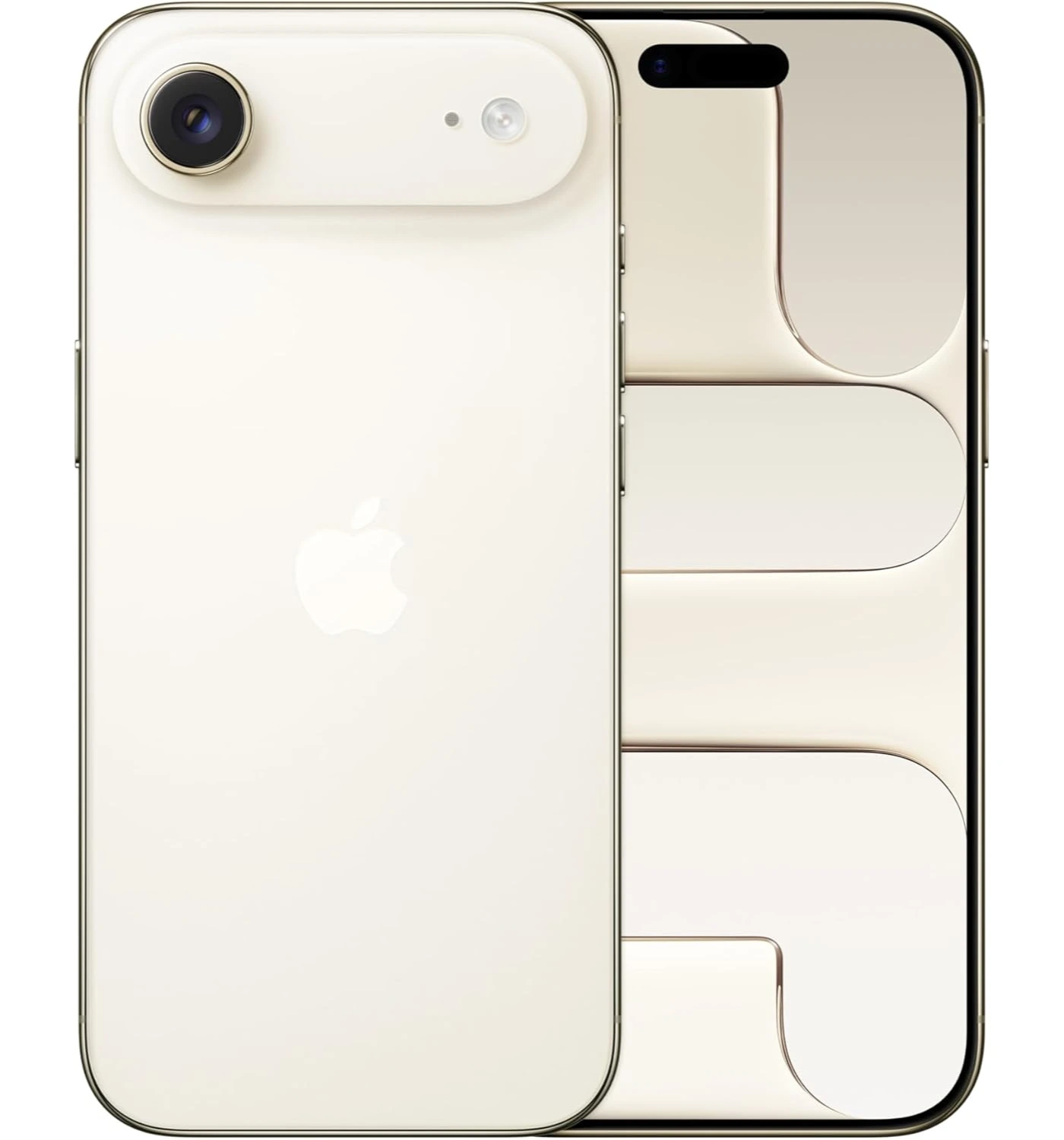
The new iPhone Air is seriously the thinnest iPhone ever made, at just 5.6mm. It’s so incredibly light, and it has a big, beautiful display. The phone’s frame is made of strong titanium with a shiny finish. There’s also this new design hump on the back that holds the cameras, the speaker, and all the internal chips. It’s a clever way to save space, which is how they managed to squeeze in a bigger battery for awesome all-day battery life. Even though it’s so thin, it still has the Action button, so you can quickly access different features just by pressing it. Plus, there’s a new feature called Camera Control that lets you launch the camera super fast and use visual intelligence.


2. Large Smooth Display

The new iPhone Air has a gorgeous 6.5-inch Super Retina XDR display that includes a feature called ‘ProMotion’, which makes everything from scrolling to gaming super smooth. And get this: the ‘Always-On’ display can dim all the way down to just 1Hz when you’re not using it, which is great for saving battery. You can also use it easily outside, because it has a crazy bright 3000 nits and way better contrast.


3. Better Durability

The phone is also tougher and more durable. The front screen is protected by ‘Ceramic Shield 2’, a new Apple-designed glass that’s 3x more scratch-resistant and reduces glare. For the first time, even the back is protected with Ceramic Shield, making it 4x more resistant to cracks than older models. Combined with the strong titanium frame, the iPhone Air is more durable than any iPhone that came before it!


2. New Camera System

First up, the front camera is now called the ‘Center Stage’, and it’s a game-changer for selfies. You no longer have to turn your phone sideways to take a landscape photo. It has a new square sensor and a wide view, so you can take photos or videos in either portrait or landscape while just holding your phone vertically. Plus, for group shots, it uses AI to automatically expand the view to make sure everyone fits in the frame. That’s awesome. It’s also great for video calls, keeping you centered and stable, and you can even record with both the front and rear cameras at the same time.

On the back, you get a new 48 MP main camera system that basically gives you four lenses in one. You can switch between different focal lengths, and the sensor is great for low-light photos. It also has a 2x telephoto lens for getting closer to your subject, which is now even better at capturing realistic colors. The new camera is super smart, too. It can automatically grab depth information so you can turn a regular photo into a portrait later on, and it has new Photographic Styles, including one that brightens skin tones. For video, you can record in stunning quality, use ‘Action’ mode for smooth shots, and even edit the audio after you’ve recorded to reduce wind noise or boost voices.


4. New Powerful Processors

The main brain of the iPhone 17 Air is the new ‘A19 Pro’ chip. It has a new 6-core CPU that’s not only super fast but also really efficient, making it the fastest processor one you can get in a smartphone. It’s also got an upgraded 5-core GPU that’s a game-changer for mobile gaming, and it even has special AI parts built in for on-device generative AI.

The phone also has two other new processors. The ‘N1 Chip’ a new wireless chip that gives the iPhone Air the latest Wi-Fi 7 and Bluetooth 6 technology. It also makes things like ‘AirDrop’ and your ‘Personal Hotspot’ faster and more reliable. The next one is the ‘C1X Chip’ which is a new cellular modem. It’s up to twice as fast as the previous modem and uses 30% less power, which helps make the iPhone Air the most power-efficient iPhone ever. Basically, all these new chips work together to make the iPhone Air unbelievably powerful and efficient, all while fitting into that super-thin design.


5. All-Day Battery Life

Apple managed to pack in a great all-day battery by using their powerful new chips, making smart use of the space inside the phone, and optimizing the software. They also added a cool new feature called ‘Adaptive Power Mode’ in the new iOS 26 update. It’s smart enough to learn your daily habits and figure out when your battery might be running low. It then automatically saves power to make sure your phone lasts until you can charge it. Not much is said about the battery capacity or how long the battery life is. Once the iPhone Air is released, be sure to check out the review.  


6. New iOS and Apple Intelligence Features

First off, the iOS 26 user interface is getting a new makeover called ‘Liquid Glass’. It makes everything feel more polished and expressive while still being easy to use. The biggest news, though, is with ‘Apple Intelligence’. It can now do ‘Live Translation’ in apps like ‘Messages’ and ‘FaceTime’, so you can actually talk to someone in another language in real time. Plus, you can now take a screenshot and easily search or act on anything you see on your screen.

Apple is also letting developers use their AI tools, so you’ll start to see a bunch of new intelligent features in your favorite apps, even when you’re offline. There are even new tools to help you screen calls and messages so you can focus on what’s important. And there are new updates for other apps, too, like ‘CarPlay’, ‘Apple Music’, ‘Maps’, and ‘Wallet’. They even announced a brand-new app called ‘Apple Games’ to keep all your games in one place. It sounds like a pretty big update.


7. Other Interesting Facts

The new iPhone Air isn’t just a powerful phone—it’s also eco-friendly. Apple made sure to use a lot of recycled materials in this one. A full 35% of the phone is made from recycled content, including an impressive 80% recycled titanium in the frame and 100% recycled cobalt in the battery.

They also got creative with the design. The new USB-C port is 3D-printed with titanium, making it thinner, stronger, and using 33% less material. Plus, the factory where they make the iPhone Air uses 45% renewable electricity, like wind and solar power.

The phone itself is built to last. It’s designed to be durable and easy to repair, and it comes with great software support, so you’ll have it for a long time. It also meets Apple’s high standards for energy efficiency and using safe chemicals. It’s nice to see a new phone that’s both high-tech and conscious of the environment.


Final Thoughts

There’s a lot to say about this new iPhone 17 Air. Not only is it a powerful and eco-friendly smartphone overall, packed with new and powerful features, it’s creating a new standard for other smartphone brands to follow. At this stage it’s really hard to recommend as there are still some things unknown, until a review is done. But from initial impressions, I’m impressed with this phone.

Pre-orders start on Friday 12th September and official release date is 19th September 2025 for all Apple iPhone 17 smartphones, including the iPhone Air. Click HERE to start.    

So what are your impressions. Is the new iPhone Air something you’re looking for? What about the other smartphones in the 17 series, are you anticipating getting one? Leave your comments below or any questions you may have. I’ll answer them ASAP. That’s all from me. Stay safe. Until next time 😀


Borderlands 4 Review: The Next Epic Loot Adventure


Borderlands 4

It’s fun, chaotic, and an absolute joy to explore, whether you are playing alone in single player, or with friends in co-op.


Click to Buy Now

Click to Buy Now

Click to Buy Now


Borderlands 4 is finally here. With months and months of waiting we can finally get back into action in this new open-world first-person shooter. So what’s new with this one? Who are the new ‘Vault Hunters’ and what unique skills do they possess? Is the story going to be as deep and as engaging as the last one? All these questions, and more, will answered as we dive into the Borderlands 4 review.     


Overview

The Borderlands series has always been a special kind of chaotic. It’s the one place where you can find a gun that shoots swords, a character who can summon a pet ‘spiderant’, and a villain who is somehow both hilarious and terrifying. With Borderlands 4, Gearbox Software had a big job on its hands: build on the success of Borderlands 3 while recapturing the magic that made the series a legend. After spending some time with it, it’s clear they’ve managed to do just that, creating a refreshing new experience that feels both familiar and brand-new, even with a few bumps along the way.


Game Information

  • Title: Borderlands 4
  • Developer: Gearbox Software
  • Publisher: 2K
  • Platforms: PlayStation 5, Xbox Series X|S, PC
  • Release Date: September 12, 2025


Engaging Story and Narrative

One of the biggest surprises with Borderlands 4 is its narrative. The story feels much more grounded than Borderlands 3, which a lot of fans will appreciate. You crash-land on a dangerous new planet called Kairos, and the new antagonist provides a compelling threat that feels fresh. The humor is still there, but it’s more situational and less in-your-face, which helps the more serious moments land better. The new Vault Hunters are all a blast to play, and the returning characters have been handled well, fitting into the new story without feeling forced.


Satisfying Gameplay

At its core, Borderlands 4 is still the looter-shooter you know and love. You’ll run, shoot, and blast your way through hordes of enemies, collecting an insane amount of loot and leveling up your character with new abilities. It’s the core loop that has kept us coming back for years, and it’s as satisfying as ever. The game makes some huge improvements, especially with new traversal mechanics. You can now glide, dodge, double-jump and even use a grappling hook, which makes moving around the world feel a lot more dynamic and fluid.

The ‘Licensed Parts’ weapon system is also a clever addition that lets you mix and match parts from different manufacturers to customize your gear in a way that goes deeper than ever before. This really expands the build-crafting possibilities, giving you more freedom to create the ultimate weapon for the ultimate Vault Hunter. The combat itself feels slicker, and the new enemy types and bosses are a ton of fun to fight, each with their own unique patterns and mechanics.


Introducing The Vault Hunters

Speaking of which, the new Vault Hunters in Borderlands 4 are a blast. They definitely stick to the series’ roots but add some really neat twists just to give them unique personalities. First, we’ve got ‘Vex the Siren’, who uses ‘space magic’ to deal elemental damage and can even steal health from enemies. Then there’s ‘Rafa the Exo-Soldier’, who can summon all kinds of ‘digital weapons’, like turrets and arm blades.

You can also play as ‘Harlowe the Gravitar’, who can mess with gravity to trap enemies in bubbles, among other cool tricks. And finally, there’s ‘Amon the Forge knight’, a huge cybernetically enhanced warrior who’s all about getting up close and personal with some serious melee attacks. Each one of them feels awesome and offers a unique playstyle, which makes them all great choices for the endgame.


Impressive Visuals, Audio, and Game Performance

Visually, the game’s signature art style looks absolutely incredible in Unreal Engine 5. The new world of Kairos is stunning, from its lush fields to its desolate deserts. It’s a gorgeous game, and the sound is top-notch, with excellent voice acting and satisfying gun sounds that make every shot feel powerful. Now, let’s talk about performance. This is probably the biggest drawback. On PC, in particular, the game can be a little rocky, with some lag and occasional crashes reported. In co-op, things can get a bit messy, with non-host players sometimes experiencing desyncing or even losing progress. While a day-one patch helped a lot of these issues, it seems like more work is needed to iron out all the bugs. The game also has high PC requirements, so you’ll need a powerful rig to get the best performance.


Buggy Multiplayer Mode & New Post-Endgame Content

Although Borderlands 4 feels great to play solo, another great way to play is with friends online. As great as the gameplay is, co-op mode is full of glitches and bugs. Issues such as lag and desync, loss of game progress from other players, enemies suddenly immune to attacks, just to name a few. Luckily this may not a permanent thing as the game just launched, and knowing Gearbox Software, there will be updates, and fixes to address them, which may be fixed by the time you get your copy. As for the endgame content, it looks promising, with new plenty more areas to explore, enemy modifiers to spice up the challenge, and the post-launch plans suggest a lot of new content is on the way.


Final Verdict

My overall verdict, Borderlands 4 is a great game and a worthy successor to the series. It builds on what worked in the previous games while making meaningful improvements to the story, and the core gameplay. It’s fun, chaotic, and an absolute joy to explore, whether you are playing alone in single player, or with friends in co-op. While the technical issues are a bit of a letdown, especially on PC, they don’t completely ruin the experience. Knowing Gearbox Software, they will provide us with patches and updates to fix them. If you’re a fan of the series, this is a must-buy. If you’re a newcomer, just be prepared for a few bugs here and there, but know that you’re in for a wild, loot-filled ride.

If you want to find out more about Borderlands 4, click HERE. And if you like the review, consider leaving a few comments or asks questions at the comments section below. There are also the links on top to buy the game in any platform if you wanna buy the game.  That’s all from me. Stay safe. Until next time, and remember – Get That Loot! 😀

HP EliteBook Ultra G1i Review: Excellent Yet Expensive Laptop

EliteBook Ultra G1i

HP EliteBook Ultra G1i

“This is a seriously impressive laptop. HP really nailed it with the design—it’s super thin, lightweight, and that Cool Blue color just makes it look incredibly slick”


Hey everyone! So, you know how everyone’s been talking about these new AI-powered “Copilot+” laptops? Well, I got my hands on one, the new HP EliteBook Ultra G1i. This isn’t just any business laptop, though. It’s HP’s top-of-the-line model, and it’s built to be super smart and super efficient. I spent some time putting it through its paces to see if it lives up to the hype and if it’s the right choice for anyone looking for a powerful, sleek new work machine. So, let’s dive into the full review of the EliteBook Ultra G1i from HP and see what this thing is all about.


Overview

So HP’s got a new business laptop, the EliteBook Ultra G1i. It’s their top Copilot+ model and it now runs on a super efficient Intel Core Ultra chip, so you get the full Windows experience. It also has great battery life and runs really smooth, thanks to the high resolution, high refresh rate OLED touch display.

Plus, it looks awesome with its Cool Blue color, and it comes with all the apps you need including HP’s own Wolf Security software for protection and malware detection. Let’s move on to see what’s under the hood of this great laptop. 


Specs: HP EliteBook Ultra G1i 

  • Display: 14-inch OLED 120Hz (2880 x 1800p) touchscreen 
  • CPU: Intel® Core™ Ultra 7
  • GPU: Intel® Arc™ Graphics
  • Memory: 16GB / 32GB RAM
  • Storage: 256GB / 512GB / 1TB SSD
  • Operating System: Windows 11 Pro
  • Ports: 3x USB-C; 1x USB-A 3.2; 1x headphone/microphone port
  • Other: Wi-Fi 7; Bluetooth 5.4; includes 9MP IR webcam; weighs 2.63 lbs. / 1.2 kg; backlit keyboard   


What’s to Like

1. Impressive Design

So, when it comes to looks, the new Intel version of the EliteBook Ultra G1i is pretty much identical to the one HP released last year. It has that same slick, modern design and even comes in that really cool “atmospheric blue” color. They’ve given it rounded edges and kept the shiny HP logo on the front, which gives it a super minimalist and classy vibe.

You can really feel that premium feel when you look at the screen, too. It has a gorgeous 14-inch OLED display with super thin bezels that can even tilt almost completely flat. Plus, it’s got a nice high-resolution webcam for video calls and a little privacy shutter, which is a nice touch. It’s got all the little things you’d want in a modern work laptop, but with a sleek, simple style.

And as a bonus, this thing is seriously lightweight. At just 2.63 pounds, it’s a true ultraportable, so it’s super easy to carry around. It’s also handy in low-light areas and at night, thanks to the backlit keyboard which offers a decent typing experience. Overall, I like how stunning the design of the HP EliteBook. It’s not groundbreaking, but looks good enough to be used in a corporate environment, and portable so you can literally work anywhere.  


2. Decent OLED Display

Let’s talk about the display. This EliteBook Ultra has a gorgeous 14-inch OLED touchscreen, with a high 120Hz refresh rate and an 1800p screen resolution. And while it’s not the brightest on the block, it’s still way better than a lot of other OLED screens out there. The colors really pop, and everything looks super vibrant with sharp and accurate details, just like you’d expect from a premium laptop.

The only downside is how glossy the screen is, so you’ll have to watch out for glare and reflections. As much as the display is concerned, I appreciate how good it looks and how everything works well. 


3. Impressive Performance

Now when it comes to the performance of the HP EliteBook, it handles normal tasks impressively. With the high performance Intel chip and the high system memory I was really amazing at how it handles everyday tasks. Apps load up fast. Standby apps didn’t cause any lag or system slowdown. Even common tasks like surfing the web, opening emails and typing documents works well here.

Just so you know, this is not a laptop for hardcore gaming. As much as it comes with a discreet Intel Arc GPU its mainly for browser-based gaming, basic 3D modeling, video editing and content creation. 


4. Good Battery Life

So here’s the deal with the HP EliteBook Ultra G1i‘s battery. While it gives you a fantastic 16 hours of battery life (which is great for a business laptop), it’s not the absolute longest-lasting one I’ve seen. But let’s be honest, who works for more than 16 hours straight? It’s more than enough for a full days work. Overall, I was impressed with its long battery life. There are other laptops out there that can achieve even more hours of battery life, but at least the HP EliteBook is among the top with this feature. 


What’s Not to Like

Now before you scroll up and click on the ‘Buy Now’ button, here’s a few things I don’t like about this laptop, which you need to know.

Firstly, this is an expensive business laptop. The entry level EliteBook Ultra will start you at US$1599, and the top-model will costs you around US$3700. As much as it comes with great value, I think its way overpriced. 

Another thing to consider are the few input ports which is not a big deal. There are: three USB-type C; one USB3.2 type-A; and the headphone or microphones jack. That’s not a lot of ports if you ask me, but purchase Port Hub and you have additional ports.


Final Verdict

Make no mistake. This is a seriously impressive laptop. HP really nailed it with the design—it’s super thin, lightweight, and that Cool Blue color just makes it look incredibly slick. The OLED screen is absolutely stunning, with vibrant colors that make everything from work to watching movies look amazing. The battery life is also more than enough to get you through a full workday without needing to charge.

However, it’s not perfect. It falls short because of the high cost, and its not as powerful with features like other business laptops. But, if you’re looking for a powerful machine that’s built for the future and you want something that looks and feels premium, the EliteBook Ultra G1i is a fantastic choice. This one is for corporate executives, and content creators that just find inspiration everywhere. It’s a true competitor and a sign of great things to come for Copilot+ PCs.

So, you’ve come this far. I commend you. Thank you. So what’s next? You can leave a comment below saying how awesome this review is, or you can click on the ‘Buy Now’ button above or HERE to find out more about this great laptop. That’s all from me. Stay safe. Until next time 😀


Nacon Revolution 5 Pro Review: New Ultimate Controller?

Nacon Revolution 5 Pro Review

Nacon Revolution 5 Pro Controller

“If you’re a serious gamer who wants a ton of customization and absolutely hates stick drift, this is a fantastic option”


If you’re sick and tired of charging your DualSense Edge Wireless controller or the DualSense controller for PlayStation 5, after every few hours, then you have come to the right place. Let me introduce you to the Nacon Revolution 5 Pro Controller, one of the better alternative PS5 controllers to consider. It looks good, and comes with features that gives it value, but is it better than the DualSense PS5 controller. Let’s dive in and check the Nacon Revolution 5 Pro Review.


Overview

Hey, so you’re thinking about the Nacon Revolution 5 Pro, huh? Let’s break down what this thing is all about. It’s basically a “pro” controller designed for PlayStation 5 and PC. Think of it as a super customizable, fancy version of a regular controller. Right off the bat, you’ll notice it has an asymmetrical stick layout, kind of like an Xbox controller, which is different from the usual PlayStation design. It also comes with a whole bunch of extra parts you can swap out. It’s built to feel premium and help you step up your game, especially if you play a lot of competitive shooters or fighting games.


Specs

  • Compatibility: PlayStation 5, PlayStation 4, MS Windows
  • Brand: Nacon
  • Color: Black
  • Batteries included: Yes


What’s to Like

So, what makes this controller special? First off, it uses this cool thing called “Hall Effect” technology for the joysticks. That’s just a fancy way of saying it uses magnets instead of old-school parts, which means you’ll never have to worry about that annoying stick drift that can ruin a controller.

It’s also super modular, so you can swap out the thumb sticks, the D-pad, and even add weights to make it feel just right in your hands. There are also four extra buttons on the back you can program for whatever you want. Plus, you can connect your Bluetooth headphones directly to the controller, which is pretty neat.

Another thing to note is the improved wireless response, which means the Nacon 5 Pro is really responsive, with split second-inputs, and it supports wired or wireless connections.     


What’s Not to Like

Now, for the big question: is it worth it? This isn’t your average controller, so the price is definitely on the higher side. It’s in the same price range as Sony’s own “pro” controller, the DualSense Edge.

For a lot of people, the main downside is that it doesn’t support some of the coolest PS5 features, like the haptic feedback and adaptive triggers. So if you love feeling every little rumble and tension from your games, you might miss out on that here. You also need a PC to get the most out of the customization, which can be a hassle if you only have a console.


Verdict

So, who is this controller for? If you’re a serious gamer who wants a ton of customization and absolutely hates stick drift, this is a fantastic option. The build quality feels great and the modularity lets you make it truly your own. However, if you’re a casual player who mostly enjoys the unique PS5 features like haptic feedback, you might be better off saving your money or sticking with the official DualSense Edge controller. It’s a great piece of gear, but it definitely has a specific audience. 

Thank you for checking out the Nacon Revolution 5 Pro review. If you have anything to share, your experiences with other game pads or controllers, or add comments about the Nacon 5 Pro controller, then you are welcome to leave a comment here below. Are you a pro gamer looking for a good controller? What other controllers are you using? That’s all from me. Stay safe until next time 😀


Samsung Galaxy S25 FE: Everything You Need to Know

Samsung Galaxy S25 FE

If there’s one thing I like about Samsung FE smartphones (which stands for “Fan Edition”), is that they always come with great features, at a more affordable price. And that is what you can expect from the new Samsung Galaxy S25 FE, that was released this month. They take all the best bits from the super expensive phones under the S25 series and pack them into a phone that’s way more wallet-friendly. It’s like getting the VIP experience without paying the VIP price. So what can you expect from this new smartphone? Let’s dive in and find out.


Overview

The Galaxy S25 FE is the latest addition to Samsung’s “Fan Edition” lineup. The whole idea behind these phones is to give you a taste of the flagship Galaxy S series experience—things like a great camera, a smooth display, and powerful performance—but at a more affordable price.

It’s the perfect smartphone for anyone who loves the Galaxy ecosystem but doesn’t need all the fancy bells and whistles of the absolute top-of-the-line models. For the new Galaxy S25 FE, released this month, there are a couple of upgrades you can expect but first let’s check out the specs.  


Samsung Galaxy S25 FE Specs

  • Display: 6.7-inch AMOLED 2X 120Hz
  • Processor: Exynos 2400
  • Memory: 8GB RAM
  • Storage: 128GB / 256GB / 512GB
  • Battery: 4900mAh, supports 45W wired fast charging
  • Camera: 50MP wide + 12MP ultrawide + 8MP telephoto with 3x optical zoom; 12MP wide selfie camera
  • Other: colors include Icyblue, Jetblack, Navy, and White; IP68 rating for water and dust resistance; Aluminum frame with Gorilla Glass Victus+

Navy Samsung Galaxy S25 FE


New Features

Samsung has packed some awesome upgrades into the S25 FE this year.

1. Galaxy AI

The S25 FE is bringing many of the cool AI features from the S25 series to a wider audience. This includes things like Circle to Search with Google, which lets you circle anything on your screen to get search results, and generative photo editing.

2. Software Updates

This is a big one! The S25 FE launches with Android 16 and One UI 8 out of the box, and Samsung is promising seven generations of OS upgrades and seven years of security updates. That means this phone will be supported for a really, really long time.

3. Faster Charging

The S25 FE now supports 45W wired charging, which is a huge step up from previous FE models. This means that the S25 FE’s battery will charger faster, meaning a shorter amount of time to wait until full charge. There is no clear indication yet on the battery supporting wireless or reverse wireless charging. Oh, and there’s no charging adapter in the box which has become a norm for Samsung Galaxy phones. 

Icyblue Samsung Galaxy S25 FE


Comparison to the S25 series

Alright, let’s see how the new S25 FE stacks up against the rest of the S25 family.


1. Versus Galaxy S25 Ultra

The S25 Ultra is still the top dog. It has a bigger and higher-resolution 6.9-inch display, a larger battery, a more advanced 4-lens camera system (including a 200MP main camera and a 50MP periscope telephoto lens with 5x optical zoom), a powerful Snapdragon processor, and offers up to 16GB of system memory. It’s for the person who wants the absolute best features, but comes at a very high price. The S25 FE is a great choice if you don’t need all the extra stuff, yet according to the specs it will lack slightly in performance, and comes with simple camera features. The S25 Ultra stands out with all the better features. 


2. Versus Galaxy S25 Edge

The S25 Edge is all about its super-thin and lightweight design, making it the slimmest smartphone in the Galaxy S25 series. While it also has a large 6.7-inch QHD+ display and the same Snapdragon 8 Elite processor as the other flagships, its battery is smaller. The S25 FE, on the other hand, prioritizes a larger battery and a more traditional design, which gives it a longer-lasting charge. The S25 Edge also has a more powerful 200MP main camera, while the S25 FE has a 50MP main camera. So, it’s a trade-off between the S25 Edge’s sleek design and powerful camera versus the S25 FE’s battery and more budget-friendly price.


3. Versus Galaxy S25+

This one is a closer match. The S25 FE actually has the same 6.7-inch display, the same 50MP triple camera system and a similar 4900mAh battery capacity compared to the S25+. However, the S25+ has a higher-resolution, better quality QHD+ display, with a faster Snapdragon processor and better system memory. The S25 FE offers a similar experience for less money, making it a better alternative to the S25+. 


4. Versus Galaxy S25

The base Galaxy S25 is a bit smaller, with a smaller 6.2-inch screen, and a smaller battery. But it excels in performance thanks to the 12GB of system memory and the Snapdragon 8 processor, which is one of the best right now. The S25 FE’s larger display and bigger battery are a definite plus if you prefer a bigger phone. At this point the performance cannot be compared to until review but with the 8GB system memory and the Exynos chipset, you can expect a slight decrease in performance. They both have a triple camera system with both having a 50MP main camera sensor. What stands with the new S25 FE is the bigger screen and the bigger battery. As for the price, the S25 is an older release so expect a cheaper price, compared to the S25 FE.


Final Thoughts

The Samsung Galaxy S25 FE is shaping up to be a fantastic smartphone. It brings a lot of the premium features from the S25 series at a more affordable offer. You’re getting a good quality display, a powerful processor, a versatile camera system, and a large battery with the expectation of a long battery life. Plus, with the new AI features and long-term software support, this phone is a great investment that will last you for years. If you’re due for a new phone and want a taste of the flagship life without the high cost, the S25 FE is definitely worth considering.

Thanks for checking out my article. Keep a look-out for the review of the Galaxy S25 FE smartphone. But before that, let’s hear from you. What do you think of the new S25 FE? Is it a smartphone you would consider? What smartphones are you waiting for this year? If you would like to share or have something to say, you are welcome to do so at the comments here below. That’s all from me. Stay safe until next time 😀  


Google Pixel 10 Pro Review: Great AI Android Phone

Google Pixel 10 Pro

Google Pixel 10 Pro

“The Pixel 10 Pro successfully blends top-tier performance with industry-leading AI capabilities, offering a truly finished and highly capable Android flagship that justifies its ‘Pro’ designation.”


If you glanced at the Pixel 10 Pro on a table, you might easily mistake it for last year’s model—same chic camera bar, same premium glass sandwich. But pick it up, and you realize this isn’t just a rerun; it’s the sequel that fixes the plot holes. With the Pixel 10 Pro, Google has finally ditched the “good enough” mentality for pure power. Thanks to the all-new Tensor G5 chip (finally built by TSMC!), this phone doesn’t just promise AI magic; it actually has the horsepower to deliver it without heating up your hand.

Between the mind-blowing 100x Pro Res Zoom, the genuinely helpful “Camera Coach,” and the long-awaited arrival of Qi2 magnetic charging, the Google Pixel 10 Pro feels like the phone Google has been trying to build for five years. It’s smart, it’s fast, and for the first time, it feels completely finished.


Overview


The Pixel 10 Pro marks a significant evolution in Google’s flagship line, transitioning from iterative updates to a complete powerhouse experience. While maintaining the familiar premium design, the true transformation lies within the custom-built Tensor G5 chip, manufactured by TSMC, which delivers unprecedented power and efficiency.

This new architecture finally unlocks the device’s full potential, enabling a suite of advanced features like the impressive 100x Pro Res Zoom and the Gemini-powered “Camera Coach” for optimal photography. Furthermore, the inclusion of Qi2 magnetic charging provides a modern, seamless charging experience.

The Pixel 10 Pro successfully blends top-tier performance with industry-leading AI capabilities, offering a truly finished and highly capable Android flagship that justifies its ‘Pro’ designation.


Google Pixel 10 Pro – Specs


  • Display: 6.3-inches OLED,120Hz, HDR10+ (1280 x 2856 pixels)
  • Processor: Google Tensor G5
  • Memory: 16GB
  • Storage: 128GB / 256GB / 512GB / 1TB
  • Battery: 4870mAh, supports wireless & reverse wireless charging
  • OS: Android 16 with up to 7 major updates
  • Primary camera: 50 MP wide, 48 MP periscope telephoto with 5x optical zoom, 48 MP ultrawide, up to 8K videos at 30fps
  • Selfie camera: 42 MP ultrawide, up to 4K videos at 60fps 
  • Other: weighs 207g; IP68 water and dust resistant; colors include  Moonstone, Jade, Porcelain, Obsidian


The Good Side: Why it’s Perfect


1. Premium and Durable Design

The device showcases a premium and durable build, featuring an aerospace-grade aluminum frame and Corning Gorilla Glass Victus 2 protection on both the front and back. Maintaining the signature Pixel aesthetic, the phone is built to last with an IP68 rating for dust and water resistance. Despite packing flagship technology, the standard Pro model remains comfortably sized and weighted, making it manageable for single-handed use, with luxurious color options like Moonstone, Jade, Porcelain, and Obsidian available.

2. Next-Generation AI Performance

At the core of the Pixel 10 Pro is the Google Tensor G5 chip, specifically engineered for peak AI performance. This next-generation processor, paired with a substantial 16 GB of RAM, ensures snappy operation and powers all the cutting-edge on-device AI features, including complex Gemini interactions and advanced photo editing. The chip focuses less on raw benchmark speed and more on efficient, secure, and rapid execution of Google’s industry-leading machine learning and large language models.

3. Exceptional Display Quality

The 6.3-inch Super Actua LTPO OLED display is one of the brightest on the market, reaching a stunning peak brightness of up to 3300 nits, ensuring visibility even in direct sunlight. With a crisp 1280 x 2856 resolution and a fluid 1–120Hz dynamic refresh rate, the display provides an immersive viewing experience, whether scrolling, gaming, or consuming HDR content. This high-quality panel is essential for viewing the spectacular photos and videos captured by the Pro camera system.


4. Reliable All-Day Battery and Fast Charging

The Pixel 10 Pro features a high-capacity 4870 mAh battery, reliably providing 24+ hours of use, and can be extended up to 100 hours with the Extreme Battery Saver mode. Charging is fast and convenient, supporting 30W wired charging that can reach 55% in about 30 minutes, and it introduces 15W Qi2 wireless charging with Pixelsnap magnetic alignment for effortless, secure docking with accessories.

5. Industry-Leading Software Commitment

One of the most compelling features of the Pixel 10 Pro is Google’s commitment to long-term support. The device ships with Android 16 and comes with an industry-best guarantee of seven years of OS and security updates, ensuring the phone remains current, fast, and secure well into the future, making it a sound long-term investment.


The Downside: Why It’s Not Perfect


Okay, time for the downsides—because nothing’s perfect, right? Here’s where the competition still has the Pixel 10 Pro beat.

1. Heat Management

Even with the new chip, this phone can still get a bit warm when you push it hard. Think long gaming sessions, recording tons of 8K videos, or running maps and streaming simultaneously. When it heats up, it slows itself down a little (thermal throttling) to cool off. It’s not a huge issue for everyday scrolling, but power users might notice it.

2. Slow Charging

The 30W wired charging is fine, and the wireless charging is better than before, but let’s be real, other companies are zooming past it with 80W or even 120W speeds! If you need a super-quick full charge to run out the door, the Pixel’s just going to take its time compared to rivals.


3. Availability and Missing Features

Here’s a big one: you can’t officially buy this phone everywhere! And if you do import it, you might lose out on some of the cool AI features like Call Screen and Hold for Me because they’re only available in certain countries. That’s a bummer—you’re paying for a feature set you can’t fully use.

4. Price Tag vs. Reliability History

It costs just as much as an iPhone Pro or a high-end Samsung. While the camera and AI are amazing, the combination of slower charging and the occasional heating issues (a historical Pixel issue) makes you wonder if it’s truly the best bang for your buck. You’re paying flagship money, but you’re not always getting the top-tier speed and consistency of some of its rivals.


Google Pixel 10 Pro: The Alternatives


If the Pixel 10 Pro isn’t the smartphone you imagine it to be, then here are some great alternatives to consider.


1. Samsung Galaxy S25

If those little things we talked about—like the Pixel getting warm during marathon gaming or the charging speed not being lightning fast—are total dealbreakers for you, then you should absolutely look at the Samsung Galaxy S25 instead. That phone is built for raw power with its processor (usually a Snapdragon) that just runs and runs without getting tired or slowing down when you push it hard.

Plus, the S25 will charge up super quick (we’re talking 45W or more!), meaning way less waiting around. And unlike the Pixel, you can buy a Galaxy S25 anywhere and get every single feature, which is great! So, here’s the deal: the Pixel is the AI genius, but the S25 is all about muscle, speed, and zero hassle.


2. Apple iPhone 17 Pro

Next, let’s talk about the Apple iPhone 17 Pro. If you want something that just works perfectly, all the time, and you’re already in the Apple ecosystem, this is it. The iPhone is the king of consistency! Its A-series chip is unbelievably powerful and way more efficient than the Pixel’s Tensor, meaning you get fantastic battery life and no heating issues, even when you’re gaming hard.

Plus, the iPhone’s video quality is still untouchable, and if you already own an iPad or a Mac, the whole Apple world just works together flawlessly. You might not get the same crazy AI tricks as the Pixel, but you get rock-solid, predictable performance and fast, reliable charging speed—which is a huge win over the Pixel’s slower top-ups.


3. OnePlus 13

Next on the list is the OnePlus 13. If you’re a speed demon who lives life in the fast lane, this is your phone! OnePlus always puts insane processors (like the latest Snapdragon chip) in their phones, making them champions of raw speed and sustained performance. You can game for hours or edit 4K video without that dreaded thermal throttling that the Pixel sometimes struggles with.

But the real game-changer is the charging. While the Pixel is puttering along at 30W, the OnePlus 13 will likely boast something crazy fast, like 120W, meaning you can go from almost dead to 100% while you grab a coffee—a massive advantage over the Pixel’s slower top-ups. You get muscle, customization, and speed, which are huge wins if you prioritize performance over pure AI tricks.


4. Google Pixel 9 Pro

Let’s talk about the Pixel 9 Pro. Honestly, if you want the “Pixel” experience without dropping top-dollar on the absolute newest model, last year’s 9 Pro is a fantastic steal right now. Since the new 10 Pro came out, the price of the 9 Pro has dropped, giving you incredible bang for your buck. You still get that excellent triple-camera system (seriously, the photos are nearly identical for most people), the same sleek design, and it’s already secured with that awesome 7-year update promise.

Sure, you miss out on the newer G5 chip and the magnetic charging, but for day-to-day scrolling, snapping pics, and using Google’s AI, the 9 Pro still feels like a flagship champion—just a much friendlier one for your wallet!


5. Google Pixel 10

Last be not least, let’s talk about the Pixel 9 Pro. If you want the “Pixel” experience without dropping top-dollar on the absolute newest model, last year’s 9 Pro is a fantastic steal right now. Since the new 10 Pro came out, the price of the 9 Pro has dropped, giving you incredible bang for your buck. You still get that excellent triple-camera system (seriously, the photos are nearly identical for most people), the same sleek design, and it’s already secured with that awesome 7-year update promise.

Sure, you miss out on the newer G5 chip and the magnetic charging, but for day-to-day scrolling, snapping pics, and using Google’s AI, the 9 Pro still feels like a flagship champion—just a much friendlier one for your wallet!


Verdict


The Google Pixel 10 Pro smartphone doesn’t feel like a huge leap forward from the last one. It’s more like they just tweaked what was already there. Let’s start with the bad stuff. Battery charging is still super slow, and the battery life isn’t that great compared to other phones. The processor also feels a bit behind the times and can get bogged down when you push it. Plus, the phone is a little heavier this year. When it comes to the camera, it’s okay, but it’s not a deal-breaker like it used to be. Other phone brands, are just putting better camera features in their phones, both in terms of hardware and performance. There is one small bright spot, though: the close-up shots are better this year, but even that is held back by the camera app itself, which still has some issues.

Now for the good stuff. The OLED screen looks awesome—it gets super bright, which is great for using it outside. And they finally added wireless charging, which is a nice touch if you like using magnetic accessories. The front camera also takes better wider selfies, which is cool. But the real reason to get this phone is the software. Google really nails the software experience. It’s so smooth and has all these little details that other phones miss. Plus, you get all those neat AI features you can’t find anywhere else. It’s like a showcase for what Google can do. Overall, I cannot really say that the Pixel 10 Pro is of great value.

Now let’s hear from you. If you have any questions or comments, leave them on the comments section below. We would love to hear from you. And if you wanna find out more about the Pixel 10 Pro, click HERE to see what you’ll be investing into. That’s all from me. Stay safe. Until next time 😀


Google Pixel 10 Review: Stunning Software, Sluggish Power

Pixel 10

Google Pixel 10

While it’s not the ultimate speed demon or a charging champion, it absolutely nails the Google experience!


The time has finally come. After months of rumors, leaks, and a whole lot of hype, the latest flagship from Google has landed, and we’ve been putting it through its paces. Is the Google Pixel 10 review going to be another story of “amazing camera, okay everything else”? Or has Google finally pulled all the pieces together for a phone that can truly stand toe-to-toe with the best? Spoiler alert: there’s a lot to unpack this year, from the new Tensor G5 chip to that surprisingly welcome magnetic charging system. Stick around as we dive into every corner of this phone to give you the real-world lowdown.


Overview


This year, Google didn’t just tweak the formula—they gave the Pixel a serious glow-up. Powering the experience is the new Tensor G5 chip, which brings a major performance and efficiency boost, especially when tackling the more advanced, on-device AI features like the Magic Cue proactive assistant. On the specs front, the standard Pixel 10 finally gets a triple rear camera system, adding a dedicated 5x optical zoom telephoto lens to the setup, and the ‘Actua’ display hits a stunning 3,000 nits peak brightness. Perhaps the most talked-about new feature, however, is ‘Pixelsnap’, Google’s own Qi2-certified magnetic charging system that opens the door to a whole ecosystem of accessories. To see how these upgrades actually feel in your hand and whether the AI is truly a game-changer, you’ll want to keep reading.


Google Pixel 10: The Specs


  • DISPLAY: 6.3-inch OLED, 120Hz, HDR10+, 1080 x 2424 pixels resolution
  • PROCESSOR: Google Tensor G5
  • MEMORY: 12GB RAM
  • STORAGE: 125GB / 256GB 
  • OS: Android 16
  • BATTERY: 4970mAh | supports wireless charging
  • CAMERA: 48MP wide + 10MP telephoto + 13MP ultrawide main | 10MP wide selfie
  • VIDEO: Up to 4K video capture at 60fps main | Up to 4K video capture at 60fps selfie


Why it’s Perfect


The Google Pixel 10 is an easy recommendation this year, largely due to a focused set of hardware and software upgrades that finally iron out the few remaining wrinkles in the Pixel formula.


1. Bright and Vibrant OLED Display

The display is now seriously competitive, skipping the fancy, power-saving LTPO with a regular OLED panel. It’s still a solid 6.3 inches tall with a sharp 1080 x 2424 screen resolution and a buttery-smooth 120Hz refresh rate. It handles HDR10+ content perfectly (think Netflix and YouTube in great detail).

The screen looks bright and vibrant. We measured about 1,364 nits manually and a whopping 2,030 nits when it was cranked up in auto mode. You won’t have any trouble using it outside, even on the sunniest day. Since it’s not an LTPO panel, though, it’s a simple choice: you get either 60Hz or 120Hz depending on what you’re doing. If you turn on “Smooth Display,” you’ll get that sweet 120 fps action for scrolling, gaming, and menus, but it drops down to 60Hz when you’re just watching a video or the screen is static to save a little battery.


2. Software Experience

Calling the Android on a Pixel “pure” isn’t quite right since Google adds its own special sauce, but it definitely looks and feels like the cleanest version of Android out there. The best part? Google is sticking to its guns, promising seven years of major OS upgrades and security patches, which is seriously commitment.

For those who have owned a Pixel before, the core experience on Android 16 will feel right at home—no major shake-ups, just subtle refinements. Most of the really cool stuff this year is, you guessed it, all about AI. The new interface, called Material 3 Expressive UI, is now way more dynamic and fluid with cool animations. Your notification shade also got smarter, now giving you real-time updates on things like your food delivery or ride status, and grouping clutter better.

Google is now supercharged by the new Tensor G5 chip for advanced on-device AI features like the Magic Cue proactive assistant, Gemini Live, and real-time voice translation. Bottom line: even if the technical speed scores don’t blow the competition away, the software is flawless in daily use and makes the phone feel incredibly smart and snappy.


3. Same Great Design 

The new Pixel 10 series isn’t a massive change from last year—the Pixel 10 looks almost identical to the Pixel 9. The only real giveaway is that the camera bump seems a tad taller, probably because they squeezed in that extra lens. 

That said, the build quality is fantastic. This phone feels really nice and sturdy in your hand. It’s also on the smaller side for a flagship these days, making it super comfy and easy to use with just one hand. If you’re hunting for a compact phone in 2025, that 6.3-inch screen size is pretty much perfect.

Material-wise, it’s the usual high-end stuff: you get tough Gorilla Glass Victus 2 on both the front and back, wrapped up in a sleek aluminum side frame.

That frame has some subtle curves where it meets the glass, making the phone feel almost like one seamless piece. One quick note on connectivity: the SIM tray is on top and only fits one physical card. If you need dual SIMs, you’ll have to pair that physical SIM with an eSIM.


4. Wireless Charging Finally

Finally, the introduction of “Pixelsnap”, Google’s own Qi2-certified magnetic charging system, is a game-changer, opening up a world of perfectly aligned wireless charging stands and click-on accessories that significantly boost the phone’s utility.


Why it’s Not So Perfect


The Google Pixel 10 falls short of being the best phone to buy, primarily due to key hardware shortcomings when compared to its flagship rivals.


1. Performance not Competitive

While Google’s focus on software is evident, the performance is often criticized, as the Tensor G5 chip, despite being Google’s most powerful yet and designed for their AI features, consistently lags behind leading competing chips from Qualcomm and Apple in raw processing and gaming, raising concerns about its long-term longevity.


2. Small Entry-Level Storage

Furthermore, the base model’s storage starts at a meager 128GB with no option for expandable memory, which is inadequate for modern power users.


3. AI Features are region-limited to the US  

Though the phone heavily leverages its deep AI features with the on-board Gemini Nano model, some of the most compelling features can be region-limited or rely on cloud processing, diminishing their “smart” convenience.


4. Downgraded Camera Quality

Despite the inclusion of a versatile triple-camera setup, the overall camera quality for the standard Pixel 10 has been noted as a potential downgrade from its predecessor in certain areas, with a smaller ultrawide sensor and post-processing that can sometimes over-sharpen or oversaturate images, and its video recording capabilities are generally outperformed by competitors.


5. Slow Charging Speed

The wired charging speed is uncompetitive. The Pixel 10 smartphone takes up to 90 minutes to reach full charge which is not great. With a 30W charger, it is significantly slower than many other flagships on the market. 


Google Pixel 10: The Alternatives


1. Samsung Galaxy S25

For power users and those who value superior hardware, the Samsung Galaxy S25 stands out as a better choice compared to the Google Pixel 10. Equipped with the top-tier Snapdragon 8 Elite for Galaxy chip, the S25 delivers significantly better raw performance and graphics processing for demanding mobile games and heavy multitasking, easily surpassing the Tensor G5 in benchmark scores.

Beyond speed, the S25 boasts a noticeably more compact and lighter design, making it far more comfortable for one-handed use, and its vibrant AMOLED display utilizes efficient LTPO technology for better battery management at lower refresh rates (down to 1Hz).

While both offer deep AI features and long-term software support, the Galaxy S25 provides a more feature-rich and customizable software experience with One UI, along with wider global 5G compatibility and faster wired charging options on its larger storage variants, making it a more dependable and universally capable flagship


2. Apple iPhone 16

The iPhone 16 is a superior alternative to the Pixel 10 for users prioritizing raw, consistent performance and best-in-class video. The A18 Bionic chip consistently outperforms the Tensor G5 in synthetic benchmarks, offering a significant advantage in demanding 3D games and heavy processing tasks, with notably better thermal management.

Crucially, the iPhone 16 remains the undisputed leader in video quality, offering superior stability, dynamic range, and resolution options compared to the Pixel’s video recording, which still struggles with stability and detail consistency.

Furthermore, the longevity and reliability of the iOS ecosystem, coupled with Apple’s refined design, higher build quality (like Ceramic Shield protection), and better sustained battery life, make the iPhone 16 the more robust and comfortable option for long-term daily use.


3. Google Pixel 9

The Google Pixel 9 presents a stronger value proposition and several advantages over the newer Pixel 10, especially for budget-conscious buyers. Critically, the Pixel 9 often features significantly faster wired charging (up to 27W compared to the Pixel 10’s 30W but some reports suggest the Pixel 9 was higher), meaning less time tethered to an outlet for a quick top-up.

Additionally, the Pixel 9 boasts a superior camera sensor combination in its dual-camera setup, specifically featuring a higher resolution main sensor (50MP vs. 48MP) and a more capable ultrawide sensor, which some reviews suggest captures better overall photos and video quality, particularly in low light, compared to the Pixel 10’s revised sensor choices.

While the Tensor G5 in the Pixel 10 offers better AI performance, the Pixel 9’s Tensor G4 is already highly optimized for the core Pixel AI features and, as the older model, is available at a substantially lower price while still offering Google’s leading seven years of software support.


4. Xiaomi 15

The Xiaomi 15 offers a compelling hardware package that makes it a better value alternative to the Google Pixel 10 for users prioritizing raw speed and charging technology.

It features the cutting-edge Snapdragon 8 Elite processor, which delivers superior raw processing and graphics performance for intensive gaming and resource-heavy apps compared to the Tensor G5. A major advantage is the vastly faster charging speed, with the Xiaomi 15 supporting up to 90W wired and 50W wireless charging, dramatically reducing downtime compared to the Pixel’s slower 30W charging.

Furthermore, the Xiaomi 15 often includes a more comprehensive camera system with higher resolution secondary sensors and more advanced zoom capabilities, and can frequently offer higher base storage options like 512GB, providing a substantial edge in both power and endurance.


Final Verdict


So, what’s the final word on the Google Pixel 10? While it’s not the ultimate speed demon or a charging champion, it absolutely nails the Google experience! If you value a phone that is smart, takes genuinely brilliant-looking photos with its impressive AI tricks, and will stay up-to-date and secure for a whopping seven years, this is the phone for you. The Tensor G5 chip might not win every benchmark race, but it flawlessly powers all the clever AI features like the updated Magic Cue that make your daily life so much easier. It’s truly a smart phone, not just a fast one.

If you’re ready to dive into the future of Android and experience a phone that thinks ahead, don’t wait! Click this link right now and treat yourself to the Google Pixel 10! You deserve a phone that makes your life simpler. And leave a comment below as well. We would love to here from you 😀


Top Grossing Video Games of 2025

Top Grossing Video Games

Hey there, gamers! Ever wonder what it takes for a video game to become a massive hit? It’s not just about flashy graphics or a cool story anymore. In 2025, the gaming world is a powerhouse of entertainment, with live-service games and free-to-play titles leading the charge. They’re constantly evolving, keeping us hooked with new content and exciting events. This post is all about diving into that world, where we break down the highest-earning games of the year and figuring out what makes them so incredibly successful. So, get ready to explore the business side of the games we love to play.


How Video Games Make Money

Alright, let’s get into the nitty-gritty on how these games actually make their money. It’s not just about selling game copies anymore. Today’s top games are built on a “Game-as-a-Service” model, or GaaS. Think of it like a subscription to a movie or music service, but for a game. You get the base experience, but the fun really kicks in with continuous updates, new seasons, and special events.

The big buzzwords here are in-game purchases and microtransactions. This is where most of the revenue comes from. But it’s not all just for fancy hats and cool weapon skins. We’re also talking about Battle Passes, a super popular way to keep players coming back. You pay a small fee and then earn tons of rewards just by playing the game, which is a total win-win!


Another major trend is hybrid monetization. This is where games mix and match different ways of earning money, like offering subscriptions, selling virtual items, and even including ads (but the smart, less annoying kind!). This helps them cater to all kinds of players, whether you’re someone who loves to buy everything or someone who’d rather play for free and watch a rewarded ad here and there. And let’s not forget cross-platform play. When a game is available on every device—from PC to console to your phone—it can reach a huge audience.

The more people playing together, the more opportunities there are for a company to make money, which is why this is a key ingredient in a game’s success.


What’s Next for Gaming

So, what’s next? The gaming industry is always changing, always evolving, and there are some big trends that will shape the future. First off, get ready for even more free-to-play AAA games. The idea of getting a huge, high-quality game without paying upfront is becoming the norm, and studios are putting a lot of effort into making these experiences feel just as epic as a game you’d buy in a box.

Continuous content updates will be more important than ever. Gamers want a steady stream of new things to do, new stories to experience, and new ways to play. This keeps games feeling fresh and exciting, even years after they’ve launched.


And a huge force behind all of this? Artificial Intelligence. Yes,  AI is not just for the bad guys in a game anymore. It’s being used to create massive worlds, personalize the experience for each player, and even help developers make games faster and more efficiently. We’re just at the beginning of what AI can do for gaming.

We’re also seeing a lot more talk about ethical monetization. As regulators and players become more aware of how these systems work, developers will need to be more transparent and fair with their in-game purchases. It’s all about making sure that the player experience is positive and rewarding, not just about squeezing out as much money as possible.

It’s clear that the future of gaming is about more than just selling a product; it’s about building a living, breathing world that keeps gamers coming back for more.


Top Grossing Video Games of 2025

9 – Doom: The Dark Ages


Available: PlayStation 5, Xbox Series, PC

Developed/Publisher: Bethesda, ID Software

Released: May 2025

“It feels heavier and more intense, but still has that classic, high-energy Doom action.”

★ ★ ★ ★ ★


Doom: The Dark Ages is impressive. It’s not just “more Doom,” but a whole new experience. It feels heavier and more intense, but still has that classic, high-energy Doom action. The new shield is an awesome addition that gives you a ton of cool new ways to take on demons, and when you combine that with all the classic guns, it just feels fantastic. The soundtrack is a banger, and the weapon, level, and enemy designs are top-notch. Honestly, id Software just keeps proving they know exactly what they’re doing.

Everyone is buzzing about this new entry in the iconic Doom series. It’s a brutal, fast-paced adventure that’s a blast to play. Given the franchise’s reputation, this game is expected to be a massive hit, proving that a fresh take on a classic series can still be a huge success.


8 – Grand Theft Auto V


Available: PlayStation 5, PlayStation Plus, Xbox Series, Xbox Cloud Gaming, PC

Developed/Publisher: Rockstar games

Released: September 2013

The world is massive—like, nothing else in gaming even comes close—and the story is so compelling and unpredictable.

★ ★ ★ ★ ★


You know how some games are just fun? Grand Theft Auto V is that, but on a whole other level. It’s not just a crazy good time; it’s also a super smart and hilarious take on modern America. It feels like a bigger and better version of everything they did in GTA IV. The world is massive—like, nothing else in gaming even comes close—and the story is so compelling and unpredictable. The best part is, it never gets in the way of you just doing whatever you want and creating your own chaos. Honestly, it’s one of the best games ever made.

Believe it or not, this game is still one of the top earners, even though it came out ages ago! Its secret? GTA Online. The online world is a living, breathing sandbox that’s constantly getting new updates, heists, and missions. It’s a never-ending party that keeps players hooked and spending money on in-game cash and items.


7 – Kingdom Come Deliverance 2


Available: PlayStation 5, Xbox Series, PC, Nintendo Switch 2

Developed/Publisher: Warhorse, Deep Silver

Released: February 2025

“This is one of the most anticipated sequels of the year. Fans have been waiting years to return to this incredibly detailed and realistic open-world RPG.”

★ ★ ★ ★ ★


Honestly, Kingdom Come: Deliverance 2 is a game changer. It feels like the kind of deep, first-person RPG that Bethesda used to make but with way better combat. Seriously, the melee fights are top-notch, something The Elder Scrolls never really nailed.

It does have a bit of a personality clash sometimes—it can’t decide if it wants you to follow a specific story or just let you run wild in its open world. But honestly, that’s not a big deal. The main quest is super compelling, and you can get completely lost in all the awesome side quests along the way. I had a blast exploring, and the story stuck with me long after I finished it.

This is one of the most anticipated sequels of the year. Fans have been waiting years to return to this incredibly detailed and realistic open-world RPG. The hype surrounding this game suggests that it will be a huge financial success, especially with its loyal fanbase and a massive new audience.


6 – WWE 2K25


Available: PlayStation 5, Xbox Series, PC, Nintendo Switch 2

Developed/Publisher: 2K, Visual Concepts

Released: March 2025

“It looks incredible, feels super smooth, and is packed with content.”

★ ★ ★ ★


WWE 2K25 is an impressive wrestling game, maybe since last year’s game, which also got top scores. A couple of small, extra purchases aside, it’s a killer game. It looks incredible, feels super smooth, and is packed with content. You can jump into intergender matches now, and the new MyRise and Showcase modes are a blast. It’s one of those games you can just get lost in for hours because there’s so much to unlock and explore. I’m actually itching to get back to it right now!

Like other sports titles, this one thrives on its annual updates. Fans of wrestling get to step into the ring with their favorite superstars and relive all the drama and action. The combination of new characters, special moves, and customization options keeps players invested and spending on new content to make their ultimate wrestler a true legend.


5 – Elden Ring: Nightreign


Available: PlayStation 5, Xbox Series, PC

Developed/Publisher: FromSoftware Inc.

Released: May 2025

“When you can get a team of three friends together, it’s easily one of the best co-op games out there”

★ ★ ★ ★


Elden Ring Nightreign it’s a mixed bag. When you can get a team of three friends together, it’s easily one of the best co-op games out there. The new Night Lord bosses are seriously some of the best FromSoftware has ever made, and each of the eight character classes feels unique and is a ton of fun to play. The whole “race against the clock” thing makes for some really thrilling, last-minute decisions.

The problem is, it’s almost impossible to have that kind of experience unless you’re playing with two real-life friends. There’s no cross-play or an easy way to communicate, so playing with random people is a pain. And if you just want to play by yourself? Forget it—the solo mode isn’t balanced well at all. It’s a game that’s incredible when everything lines up, but can be incredibly frustrating when it doesn’t.

The original Elden Ring was a phenomenon, and this expansion is set to be just as huge. This is a great example of how a game can continue to earn big money long after launch by giving players more of what they love. It’s bringing back tons of players and attracting new ones who want to see what all the fuss is about.


4 – Call of Duty: Black Ops 6


Available: PlayStation 5, PSN, Xbox Series, PC

Developed/Publisher: Treyarch, Raven Software

Released: October 2024

The campaign is so much fun, thanks to the variety and flexibility of the missions.

★ ★ ★ ★ ★


Call of Duty: Black Ops 6 is a fantastic comeback for the series. The campaign is so much fun, thanks to the variety and flexibility of the missions. The folks at Raven really dug deep to make sure every chapter felt unique, and they nailed it. Not only is the story super engaging and gets better the more you play, but the level design and creativity are way beyond what you might expect. It’s seriously a reminder that when done right, a Call of Duty campaign can stand shoulder-to-shoulder with the best in the genre.

No list of top grossing video games would be complete without Call of Duty: Black Ops 6. Its success is all about its live service model. Every season, the game gets a huge update with new maps, weapons, and a battle pass that’s packed with rewards. This cycle of fresh content keeps the community engaged and ensures a steady stream of income.


3 – Assassins Creed Shadows


Available: PlayStation 5, Xbox Series, PC

Developed/Publisher: Ubisoft

Released: March 2025

The combat is more challenging, engaging, and encourages you to actually explore the beautiful world

★ ★ ★ ★


Assassin’s Creed Shadows is a great game that feels like a more focused version of the series. The combat is more challenging, engaging, and encourages you to actually explore the beautiful world instead of just clearing a map. The two main characters are really memorable, even if the story is a bit predictable. The only catch is that the stealthy ninja character feels way more useful than the samurai, which can make things feel a little unbalanced. This game probably won’t win over anyone who never liked the series, but if you’re already a fan, it sounds like a refreshing change you should definitely check out.

This game is a huge moment for the Assassin’s Creed series. It takes players to a new setting in Japan and introduces two unique protagonists. It’s expected to be a major success, showing that a fresh setting and a new approach can breathe new life into an established franchise.


2 – The Elder Scrolls IV: Oblivion Remastered


Available: PlayStation 5, Xbox Series, PC

Developed/Publisher: Bethesda Game Studios

Released: April 2025

It’s a nostalgic adventure that brings back all the things we loved about the original, with some nice modern touches that make it feel way smoother.

★ ★ ★ ★ ★


The Elder Scrolls IV: Oblivion Remastered is a sweet mix of old and new. It’s a nostalgic adventure that brings back all the things we loved about the original, with some nice modern touches that make it feel way smoother. The quests and stories are even better than you might remember, and it gives you so much freedom to play how you want. The only bummer is that it’s still got glitches and bugs, and it didn’t fix some of the game’s old problems, like the weird enemy difficulty. Even with those flaws, it’s still a blast to play and totally worth revisiting.

Nostalgia is a powerful force in gaming. This remaster brings a beloved classic to a new generation of players while giving old fans a chance to experience it all over again with better graphics and a smoother experience. It’s a genius move that’s guaranteed to be a hit with both new and old fans.


1 – Monster Hunter Wilds


Available: PlayStation 5, Xbox Series, PC

Developed/Publisher: Capcom

Released: February 2025 

It’s easier to get into the action and start fighting monsters with all the awesome weapons.

★ ★ ★ ★ ★


Monster Hunter Wilds does a great job of smoothing out some of the clunkiness from older games. It’s easier to get into the action and start fighting monsters with all the awesome weapons. The only thing is, it might be a little too easy for veteran hunter players. You can get through a lot of the game without even needing to mess with your equipment, which is a big part of the fun. The combat is incredible and really exciting, but it kind of peaks too soon. Let’s hope hope Capcom adds some tougher monsters later on so we can really put our skills and monster slaying gear to the test.

As a brand-new game in an incredibly successful franchise, Monster Hunter Wilds is a top contender for the biggest new release of the year. The series has a loyal global following, and the anticipation for this game is off the charts, setting it up to be a massive commercial success.


Lastly

At the end of the day, it’s pretty wild to see how much the gaming world has changed. The days of just buying a game and being done with it are pretty much over. Now, it’s all about living, breathing worlds that are constantly changing and evolving. The most successful and the top grossing video games of 2025 are the ones that have mastered this new business model, finding the perfect balance between engaging gameplay and smart monetization. It’s a fun and exciting time to be a gamer, and it’ll be a blast to see what’s next for the industry.

So what are your thoughts? What do you think of these top grossing video games? Share your thoughts in the comments section below. And if you wanna know about these great games, click on the red buttons to find out more. That’s all for now. Keep safe ’til next time 😀


Beyond The Game: The Exciting Future Of Cloud Gaming

Cloud Gaming

Imagine this: you’re chilling at home on a sunny day, sipping on a delicious beverage like a hot cup of tea, maybe an ice-cold glass of coke, or even an ice cold beer. Then you suddenly get this urge to play the latest blockbuster game you’ve been hearing about the past couple of days. Now, in the old days, that would mean making sure your gaming rig was up to scratch – with the latest graphics card, the latest processor, enough RAM, etc. Or, if you’re a console gamer, you’d need to own the specific gaming console and the physical game disc or enough storage to download the digital game. But what if I told you there’s a simpler way to skip all that fuss? Now that’s where cloud gaming comes in! Let’s find out more about it. 


What’s this Cloud Gaming You’re Talking About?


Good question. You see, at its core, cloud gaming, sometimes called “gaming on demand,” is all about separating the game from the hardware. Think of it like a digital puppet show. The powerful, expensive gaming PC or console is the puppeteer, hidden away in a remote data center somewhere. You, on the other hand, are the audience member, with your laptop, smartphone, or even a smart TV serving as the stage.

When you press a button on your controller, that command is sent instantly over the internet to the puppeteer (the remote server). The server reacts, and the video of the game’s action is beamed back to your screen in real-time, just like a live-streamed video. This means all the heavy lifting—the graphics rendering, the physics, everything—is done on the remote server, leaving your own device to simply act as a screen and a conduit for your commands.

Side Note: Cloud Gaming is a completely new way of gaming, moving the focus from owning the hardware to simply accessing the game for that better gaming experience.


Cloud Gaming: Why do I need this?

Think about how you watch movies or listen to music. You probably stream them, right? You don’t need to own the Blu-ray or the MP3 file; you just open an app like Netflix or Spotify and bam! Instant entertainment. 

Cloud gaming is aiming to do the exact same thing for video games. Instead of running the game on your own device, it runs on a super-powerful computer in some faraway data center. That computer then streams the video and audio of the game right to your screen, and your controller inputs are sent back over the internet. It’s kind of mind-blowing when you really think about it!

So, picture this: you could be playing the most graphically demanding game on your trusty old laptop that’s seen better days, or even on your smartphone while you’re waiting for your meal or coffee at a coffee shop. No massive downloads, no worrying about whether your hardware can handle it. Sounds pretty sweet, eh? Let’s take a closer look at how this magic actually happens under the hood.


Cloud Gaming: How Does it Work?

Okay, so how does this digital wizardry actually work? It boils down to a few key ingredients all working together in harmony.

1 – Decent internet connection

When I say decent, I mean relatively fast and, more importantly, stable. Think of it like trying to watch a high-definition rugby match over a dodgy Wi-Fi connection – it’s going to be a frustrating, stuttering mess. For cloud gaming to be smooth and enjoyable, you ideally want a broadband connection with a good download speed and, crucially, low latency.  Latency is that tiny delay between when you press a button on your controller and when you see the action happen on screen. The lower the latency, the more responsive the game will feel. Imagine trying to score a winning goal in FIFA but your player reacts half a second after you press the button – not ideal!

2 – Powerful data centers

These are essentially massive warehouses filled with top-of-the-line servers equipped with the latest and greatest graphics cards – the kind of hardware that would make even the most hardcore PC gamer drool. These servers are the ones doing all the heavy lifting, running the games at high settings and frame rates. It’s like having a supercomputer dedicated to playing your games.

3 – Video compression and streaming technology

The servers need to take all that high-fidelity game footage and encode it into a video stream that can be efficiently sent over the internet to your device. This stream needs to be compressed enough to not eat up all your bandwidth but still look good enough to be immersive. On the other end, your device needs to be able to decode this stream and display it smoothly on your screen. It’s a delicate balancing act, and the technology is constantly improving to make this process more seamless.

Side note: This technology is something completely new and that is on the process of getting better. You just need to makes sure that you have the best possible internet connection and choose the closest data center, so you can get the best gaming experience. 


Who Now’s in the Cloud Gaming zoo?


The cloud gaming landscape is starting to get pretty crowded, with some big names throwing their hats into the ring. It’s kind of like the streaming wars we’ve seen with movies and TV shows! Here are a few of the major players you should know about:

1 – Xbox Cloud Gaming 

First, we’ve got Xbox Cloud Gaming (often referred to as xCloud). This one’s a big hitter because it’s bundled with Xbox Game Pass Ultimate, which is already a hugely popular subscription service offering access to a massive library of games. With xCloud, you can play many of those Game Pass games on your phone, tablet, PC, and even some smart TVs, without needing an Xbox console. It’s a fantastic way to try out a wide variety of games without committing to buying them individually or investing in expensive hardware. Click Here to find out more.

2 – NVIDIA GeForce Now

Then there’s NVIDIA GeForce Now. This service takes a slightly different approach. Instead of offering its own library of games through a subscription (though it does have some perks for subscribers), GeForce Now lets you stream games that you already own on digital storefronts like Steam, Epic Games Store, and Ubisoft Connect. Think of it as renting a high-end gaming PC in the cloud that’s linked to your existing game libraries. This can be a great option if you’ve already built up a sizable digital collection. Click Here to find out more.

3 – PlayStation Plus

Sony also has its own offering in the form of PlayStation Plus, specifically the Premium tier of their subscription service. This includes a library of PlayStation games that can be streamed to your PS5, PS4, and even your PC. While it’s heavily focused on the PlayStation ecosystem, it’s another significant player in the cloud gaming arena, especially for fans of Sony’s exclusive titles. Click here to find out more.

4 – Other Cloud Gaming Services

There are also other contenders out there, like Amazon Luna, which offers different channels of games through its subscription, and services like Boosteroid, which similarly allows you to stream your existing PC game library.

With Cloud Gaming, the more the competition, the better it will be for us gamers because it will drive innovation and hopefully keeps prices reasonable.

Find out about Amazon Luna cloud gaming

Find out about Boosteroid cloud gaming


Weighing the Pros and Cons of Cloud Gaming

Like any new technology, cloud gaming has its ups and downs. Let’s break down the reasons why it might be the future of gaming, and some of the hurdles it still needs to overcome.

The Pros of Cloud Gaming

1 – Accessibility is a game-changer

This is arguably the biggest win for cloud gaming. You no longer need to spend big bucks for a powerful gaming PC or buy latest console to play cutting-edge games. As long as you have a decent internet connection and a compatible device (which these days could be your phone, a basic laptop, or even a smart TV), you’re good to go. This opens up the world of high-fidelity gaming to a much wider audience, which is fantastic.

2 – No need for expensive hardware

Let’s be honest, gaming hardware can be seriously pricey. Cloud gaming essentially outsources that cost to the service provider. Instead of buying a new graphics card every few years or upgrading to the latest console generation, you just pay a monthly subscription fee. Over the long run, this could potentially save you a significant amount of money.

3 – Instant gratification

No more waiting for hours, or even days, for that massive digital game download.  With cloud gaming, that’s a thing of the past. You can literally just jump into a game within seconds of selecting it. It’s like having an endless library of games at your fingertips, ready to play instantly.

4 – Play anywhere, anytime

The portability factor is huge. You can start playing a game on your TV at home, then pick up right where you left off on your tablet during your commute (assuming you have a good mobile data connection!). This seamless transition between devices is a really compelling feature for gamers on the go.


The Cons of Cloud Gaming

1 – Depends on internet quality

This is the biggest hurdle for cloud gaming. Your entire experience hinges on the quality of your internet connection. If your connection is slow, unstable, or has high latency, cloud gaming can be a frustrating experience filled with lag, stuttering, and visual issues. For many folks, especially in areas with less developed internet infrastructure, this can be a significant barrier. 

2 – Latency issues

Even with a good internet connection, there’s always going to be some degree of latency involved in sending your inputs to the server and receiving the video stream back. While this might not be a huge issue for slower-paced or single-player games, it can be a major problem for competitive multiplayer games or anything that requires fast reflexes and precise timing. A few milliseconds of lag can be the difference between victory and defeat.

3 – You’re renting, Not owning

This is a fundamental shift in how we consume games. With cloud gaming, you don’t actually own the games you’re playing; you’re essentially renting access to them through your subscription. This means that if a game is removed from the service’s library, or if the service itself shuts down, you lose access to those games. This can be a concern for gamers who like to build up a permanent digital collection.

4 – Limited control and customization

Compared to playing on a PC, cloud gaming often offers less control over things like graphics settings, and you typically can’t install mods or use third-party tools. This might not bother casual players, but it could be a dealbreaker for those who like to tinker with their games.


What Does the Future Hold for Cloud Gaming?

So, where is cloud gaming heading? I reckon we’re still in the early days, but the potential is enormous. We’re already seeing significant advancements in the underlying technologies, which are stated below.

1 – Faster and more reliable connections

The rollout of 5G and the development of edge computing (bringing data centers closer to users) promises to significantly reduce latency and improve the overall streaming experience. As internet infrastructure continues to improve globally, one of the biggest limitations of cloud gaming will gradually become less of an issue.

2 – Artificial intelligence

Artificial intelligence could play a big role in the future of cloud gaming. Imagine AI algorithms that can predict network congestion and dynamically adjust streaming quality to maintain a smooth experience. AI could also be used to enhance graphics (which is currently the case), reduce bandwidth usage, and even create more responsive and dynamic game worlds.

3 – The subscription model evolves

We might see more innovative subscription models emerge. Perhaps we’ll see bundles that include cloud gaming with other entertainment services, or maybe even “pay-as-you-go” options for those who only game occasionally. Telecom companies might also start offering cloud gaming as part of their internet packages.

4 – A hybrid approach

It’s also possible that the future of gaming won’t be entirely in the cloud. We might see a hybrid approach where some processing is done locally on your device, while the heavy lifting of rendering complex graphics is still handled in the cloud. This could help to further reduce latency and improve performance.

5 – Reaching new audiences

Cloud gaming has the potential to unlock entirely new markets and demographics. People who were previously priced out of high-end gaming or who don’t have the space for dedicated gaming setups could become regular players thanks to the accessibility of cloud gaming.

Side note: With future trends and technologies rapidly growing, Cloud Gaming is definitely going to become a reality. And with what is happening these days, it will open up future opportunities to make our gaming an even better experience.     


Are You Ready for Cloud Gaming?


So, is cloud gaming the ultimate game-changer it promises to be? Well, it’s not quite perfect yet. The reliance on a solid internet connection is still a major hurdle for many, and latency can be a concern for certain types of games. However, the advancements in technology are happening at a rapid pace, and the benefits of accessibility, cost-effectiveness, and instant playability are undeniable.

As the internet infrastructure continues to improve, cloud gaming offers an exciting glimpse into the future of how we might access and enjoy our favorite games. It might not completely replace traditional consoles and PCs overnight, but I reckon it’s going to become an increasingly important part of the gaming landscape, offering a compelling alternative for a growing number of players. It’s definitely something to keep an eye on, and who knows, maybe one day soon, we’ll all be streaming our way through the latest virtual worlds without a second thought about the hardware powering the magic. 

Side Note: Cloud gaming is opening up high-end gaming to millions of people by providing a new means to access and enjoy a world of entertaining content, not just a new way to play.


Now’s your turn. Tell me: what are your thoughts on Cloud Gaming? Is it something you’re interested in? What is your current gaming setup, is it desktop PC or gaming console, or both? Let me know in the comments section below. That’s all for now. Keep safe until next time 😀  


The 5 Best Top Premium Gaming Laptops of 2025

Top Premium Gaming Laptops

Hey there, and welcome. If you’re looking for gaming laptop, then you have come to the right place. Whether you are looking for an entry-model or a premium model for pro gamers, you will definitely find the most ideal gaming laptop for you. So, what are you waiting for? Let’s explore and find one of your top premium gaming laptops to get now in 2025. 


What Makes a Gaming Laptop Premium?


1 – Processor & Graphics: The Heart of the Beast

This is where the magic happens, and it’s the first thing you’ll want to check. A truly premium gaming laptop isn’t messing around—it’s got the absolute latest and greatest hardware. We’re talking about a high-end CPU (Central Processing Unit), like Core i7, Core i9 and Core Ultra from Intel, and then there’s also Ryzen 7 and Ryzen AI 9 from AMD, which are also powerful enough to handle not just games but serious multitasking and content creation, too.

Paired with that is a powerful GPU (Graphics Processing Unit), and you’ll want to see something like a GeForce RTX 40 series or 50 series from NVIDIA, or Radeon GPU from AMD. These GPUs are what let you crank up all the settings to “Ultra” and still enjoy butter-smooth frame rates, plus they come with cool features like ray-tracing just to make your experience a little more realistic.


2 – Design & Portability: Power Meets Polish

Gone are the days when a gaming laptop had to be a bulky, heavy monstrosity. Today’s top-tier models have found the perfect balance between raw power and sleek design. While they’re still packed with high-performance parts, they’re surprisingly thin and lightweight, with a clean aesthetic that looks just as good in a coffee shop as it does on your desk. This combination of powerful components and a genuinely portable design means you can take your full-fat gaming experience with you wherever you go, without compromise.


3 – The Display: Your Window to Victory

A killer gaming experience isn’t just about what’s inside—it’s what you see. Premium laptops feature jaw-dropping displays with crazy-fast refresh rates (think 120Hz, or 240Hz). This means less motion blur and a seriously competitive edge in fast-paced games. You’ll also find cutting-edge display tech like OLED or Mini-LED for incredibly vibrant colors, deep blacks, and a picture that just pops.


4 – Build & Cooling: Built to Last and Stay Cool

Here’s the secret to why a premium laptop can handle all that power without turning into a furnace. It’s all in the engineering. A sturdy chassis, often made of a premium material like aluminum, not only feels great but also helps with heat dissipation.

Inside, you’ll find an advanced cooling system with multiple high-performance fans, intricate heat pipes, and sometimes even vapor chamber technology. This is crucial for preventing “thermal throttling,” which is when your laptop gets too hot and slows itself down. The best systems are not only efficient but also surprisingly quiet, so you can focus on your game and not the sound of a jet engine.


In the end, when you see a gaming laptop labeled “premium,” it’s more than just a marketing term—it’s a promise of a high-performance, meticulously crafted machine that’s built to game hard and look great while doing it.


The Top Premium Gaming Laptops of 2025


1 – Asus ROG Strix Scar 18 (2025)

★ ★ ★ ★ ★

The best designed 18-inch gaming laptop


Specs

  • Display: 18-inch Mini LED, QHD+, 240Hz refresh rate    
  • CPU: Intel® Core™ Ultra 9 275HX
  • GPU: NVIDIA® GeForce RTX™ 5080 (16GB)
  • Memory: 16GB / 32GB / 64GB DDR5 RAM
  • Storage: 1TB / 2TB SSD
  • Ports: 1x HDMI 2.1, 2x Thunderbolt 5 USB-C (DisplayPort, power delivery), 3x USB 3.2 Gen 2 Type-A, 1x 3.5mm audio, 1x 2.5G LAN  
  • OS: Windows 11 Home
  • Other: Backlit RGB keyboard, Black color, 1080p webcam, 4-speaker system, Wi-Fi 7, Bluetooth 5.4, 3.3kg (7.28 lbs.)

Pros

  • Impressive quality display
  • Includes multiple ports
  • Excellent cooling system
  • Impressive overall performance
  • Aesthetic premium design

Cons

  • Heaviest to date
  • Really expensive
  • Overall performance not as good as the AMD model
  • Plastic chassis feels cheap and not so durable

The Asus ROG Strix Scar 18 is an incredible piece of tech. With the latest and high-priced hardware, it’s one of the most powerful gaming laptops around. The overall design with the new chassis design, the soft matte finish, RGB lights, and white LED on the back, makes it look stylish, but it does stand out. The 18-inch display comes with 240Hz refresh rate that offers a smooth viewing experience, with good brightness and delivers accurate colors.

There’s plenty of input ports too, with an impressive cooling system, and, of course, the superior gaming performance. Despite a few small things to note such as weight, the positioning of the input ports, and the plastic chassis, it’s an amazing gaming laptop, and definitely a must-see if you’re shopping in this premium space.


2 – Asus ROG Zephyrus G14 (2025)

★ ★ ★ ★

The lightweight 14-inch gaming laptop


Specs

  • Display: 14-inch QHD+ OLED (2880 x 1800), 120Hz refresh rate
  • CPU: AMD Ryzen™ AI 9 HX 370
  • GPU: NVIDIA® GeForce RTX™ 5070 Ti (12GB)
  • Memory: 32GB RAM
  • Storage: 1TB / 2TB NVMe SSD 
  • Ports: 1x 3.5mm Combo Audio Jack, 1x HDMI 2.1, 1x USB 3.2 Gen 2 Type-C, 2x USB 3.2 Gen 2 Type-A, 1x Type-C USB 4, 1x card reader (microSD)
  • OS: Windows 11 Home
  • Other: Backlit RGB keyboard, Eclipse Grey color, 1080p webcam, 4-speaker system, Wi-Fi 7, Bluetooth 5.4, 1.57kg (3.46 lbs.)

Pros

  • Solid lightweight build
  • Plenty of input ports
  • Excellent keyboard
  • Beautiful OLED display
  • Powerful speakers
  • Solid gaming performance

Cons

  • 120Hz refresh rate instead of 240Hz
  • Expensive
  • Short battery life

The Asus ROG Zephyrus G14 is one of the best 14-inch gaming laptops to get. Powered by a powerful AMD Ryzen processor, and delivers powerful graphics thanks to NVIDIA, it delivers superior gaming performance. It also comes with an aluminum chassis weighting at 1.5kg (3.5 lbs.), which makes it more portable compared to other premium gaming laptops. The impressive 14-inch OLED display comes with a 120Hz refresh rate that offers a smooth viewing experience, good brightness and delivers impressive accurate colors. 

However, here are a few things to note. The screen’s refresh rate is less compared to other larger premium gaming laptops. It comes with a short battery life, and it’s expensive. Yet if you can afford it, the G14 is a better gaming option if you prefer to travel around gaming. Just keep a power cable handy in case the battery runs out.


3 – HP Omen Max 16

★ ★ ★ ★

The best 16-inch gaming laptop


Specs

  • Display: 16-inch, IPS / OLED (2560 x 1600) 240Hz refresh rate 
  • CPU: Intel Core Ultra 9 275HX / AMD Ryzen AI 9 HX 375
  • GPU: NVIDIA® GeForce RTX™ 5080 (16GB)
  • Memory: 32GB DDR5-SDRAM
  • Storage: 512GB – 2TB NVMe M.2 SSD
  • Ports: 2x USB Type-A, 2x Thunderbolt 4 USB-C, 1x HDMI 2.1, 3.5mm audio, 1x RJ-45
  • Other: 2.7kg (6.1lbs), RGB backlit, Wi-Fi, Bluetooth

Pros

  • Incredible performance
  • Vivid 16-inch OLED display
  • Sleek & crisp black or white design
  • Runs cool and quiet
  • Vibrant RGB

Cons

  • Quite heavy
  • Expensive
  • Short battery life

You know, even though the HP Omen Max 16 has a short battery life, is quite heavy to and costs a ton, it’s seriously one of the best gaming laptops you can get right now. Upon my review, I wasn’t so sure about the new RTX 50-series at first, but this amazing gaming laptop blew me away and totally won me over. Nvidia’s new GPUs, for this laptop, even desktops, are just incredible. 

Honestly, the Omen Max 16 gives you a fantastic gaming experience. Its powerful performance and beautiful OLED display are just amazing. If other RTX 50-series laptops and PCs coming out in 2025 are anything like this one, then I’m all in. Price tag aside, of course.


4 – MSI Titan 18 HX AI

★ ★ ★ ★

A powerful & the expensive 4K gaming laptop


Specs

  • Display: 18-inch UHD+ Mini LED (3840 x 2400) 120Hz refresh rate
  • CPU: Intel® Core™ i9-14900HX / Ultra 9 285HX
  • GPU: NVIDIA® GeForce RTX™ 5080 (16GB)
  • Memory: 64GB / 128GB DDR5 SDRAM
  • Storage: 4TB SSD
  • Ports: 3x USB-A 3.2 Gen 2, 2x USB-C Thunderbolt 4, HDMI 2.1, Ethernet, 3.5mm audio
  • Other: Wi-Fi 7, Bluetooth 5.4, 3.59kg (7.93 lbs.), 1080p webcam

Pros

  • Incredible specs
  • Gorgeous 4K Mini LED display
  • Snappy mechanical keyboard
  • Fantastic performance
  • Speedy ports and connectivity

Cons

  • Too much for most players
  • Mousepad works often
  • Speakers don’t sound too good
  • Loud cooling fans
  • Very expensive
  • Heavy

Check out this massive MSI Titan 18 gaming laptop, which literally is a ‘Titan’. That’s cause it pretty much contains top-of-the-range hardware for fast gaming performance, but also making it the most expensive gaming machine than other premium gaming laptops. If that’s not enough you get a 4K display which looks absolutely stunning, and an impressive design gaming machine.   

The Titan is not a perfect gaming laptop. The cooling fans are quite loud, so you’ll want to grab some noise-canceling headphones. The touchpad is not the best, so using a mouse is a good idea, the battery life is not the best, and the speakers could sound better. But despite those issues, the Titan 18 totally nails its main goal: delivering top-tier performance and an incredible visual experience. 


5 – Alienware 16 Area-51

★ ★ ★ ★


Specs

  • Display: 16-inch, QHD+ (2560 x 1600) 240Hz refresh rate
  • CPU: Intel® Core™ Ultra 7 255HX / 9 275HX  
  • GPU: NVIDIA GeForce RTX 5090 (24GB)
  • Memory: 16GB / 32GB / 64GB / 128GB DDR5 RAM
  • Storage: 1TB / 2TB NVMe SSD
  • Ports: 1x headphone jack, 2x USB Type-A, 1x USB Type-A, 2x Thunderbolt 5, 1x HDMI 2.1, 1x SD-card slot
  • Other: Mechanical keyboard, 4K webcam, Wi-Fi 7, Bluetooth, RGB backlit

Pros

  • Impressive design overall
  • Superior gaming performance
  • Speakers deliver decent sound
  • Impressive display performance
  • Includes mechanical keyboard
  • Nice selection of input ports

Cons

  • Short battery life
  • Expensive
  • Display lacks color
  • Quite heavy

The Alienware 16 Area 51 is an impressive gaming laptop. It comes with a 16-inch display that delivers with excellent views, it looks amazing with its futuristic looks and RGB lighting, delivers superior gaming performance  has all the looks, the features, the latest hardware, and the superior performance to be one of the best gaming laptops this year. If you have the budget for it, you’ll be so glad you chose to get it.

However, the battery life is short especially when gaming, the display lacks some color, it’s quite heavy, and it comes at a high price. Once you start gaming though, these minor compromises won’t really matter. So if you don’t mind the cons of this premium gaming laptop that delivers excellent gaming performance, then get yourself the Alienware 16 Area 51 gaming laptop. 


Frequently Asked Questions


1 – How much RAM or memory must I look for in a gaming laptop?

Answer: If you’re looking to purchase a gaming laptop, make sure it’s 16GB of RAM. That’s the entry level. However, you will get the least gaming experience. For the best gaming experience, make sure that the RAM is 32GB or higher. It will cost you more but it’s worth it.


2 – What is the best gaming laptop to get if I’m new to gaming?

Answer: If you’re new to gaming, it’s best you start getting a relatively cheaper gaming laptop. In terms of specs to look out for, you need to:

  • Make sure that the display is Full HD (FHD) or 1080 pixels.
  • The processor or CPU is either Intel Core i7 or AMD Ryzen 7.
  • It comes with a graphics chip or GPU that is either NVIDIA GeForce RXT or an AMD Radeon. This is the most important hardware, as without it you won’t get to play the best games in the market today. 
  • You may need to make sure that the storage drive for your apps or games is Solid State Drive (SSD) not Hard Disk Drive (HDD), but that’s not something to worry about because most of them (if not all gaming laptops) are SSD. 1TB is the least, whereas 2TB should be enough. 

To see which gaming laptops to get for newbies, check them out the here at the budget gaming laptops of 2025 


3 – What is an OLED or IPS or LED display?

Answer: To understand why OLED, IPS or LED, you need to know the fundamental difference between them.

IPS (In-Plane Switching) or LED screens use a backlight to illuminate all the pixels at once. This means even “black” pixels have some light bleed, resulting in a grayish black. They tend to offer incredibly high refresh rates (like 240Hz, 360Hz, or even higher) that are still rare on OLED laptops. If every millisecond matters, this might be a factor. You’ll get more performance for your money by opting for an IPS screen and putting the savings toward a more powerful GPU or CPU.

OLED (Organic Light Emitting Diode) screens are different. Each individual pixel is self-emissive, meaning it generates its own light. To display a black color, the pixel simply turns off completely. You will get the best-looking screen for single-player, graphically-intensive games, or for watching movies and creating content. The risk of burn-in is minimal if you play different games and use the laptop for varied tasks. They tend to be more expensive but the display is far superior.

If you’re stuck for choice, get a gaming laptop with an OLED display. The gaming laptop market has evolved, and OLED is no longer just for content creators. The visual experience it provides for gaming is unparalleled. For most users, the benefits far outweigh the lingering concerns, especially with the advanced burn-in prevention technologies now being implemented.


If you can afford it, an OLED gaming laptop is a fantastic investment that will elevate your gaming experience to a whole new level. 


4 – Can I upgrade my gaming laptop and put in better hardware?

Let me start by saying: YES! You can totally upgrade some components, but not all. Gaming laptops are very different from desktop PCs. Due to their compact design and thermal limitations, most of the core components, like the GPU or CPU, are soldered directly onto the motherboard, making them impossible to swap out. 

There are two components you can upgrade, the memory or RAM and the storage drive. These are the most common and impactful upgrades you can perform on a gaming laptop. They are relatively easy to do and can significantly improve your gaming experience.


RAM (Random Access Memory)

This is often the most simplest component to upgrade. The more the RAM, the more your gaming laptop handles more tasks at once, the better you can improve the performance, especially for games that are “RAM hungry” or other apps running in the background.


Storage (SSD/HDD)

This is another crucial upgrade, especially if you’re still using a traditional hard drive (HDD) or a small SSD. Upgrading your storage will dramatically improve your laptop’s boot times, game load times, and overall responsiveness.


 In essence, you can still significantly improve your gaming laptop’s performance and lifespan by upgrading the RAM and storage, but not the core components such as the GPU or the CPU. You’re better off saving for a new gaming laptop or investing in an external GPU solution if your current machine has the right ports. Prepare to pay a high cost cause they are not cheap.


The Final Word on Top Premium Gaming Laptops

Choosing one of these top premium gaming laptops, like the ones we’ve looked at, is all about finding the perfect blend of performance, features, and portability to meet your specific needs. While the most expensive models offer the absolute best performance, they lack in other areas such as battery life. Yet they prove that you can get incredible value and still dominate your favorite games.


The key is to decide what matters most to you: from the highest possible frame rates, to a sleek and portable design, or a balanced option of both that saves you some cash. Either way, there’s a gaming laptop waiting for you. All you need to do is start. 

So if you are ready to find your perfect gaming companion? Before that, if you like the post, then leave me a few comments or questions, if any, here below. Wanna find out more about these amazing gaming laptops? Click on the red buttons to see what you can find. That’s all from me. Keep safe until next time. And don’t forget. Enjoy your next gaming journey 😀


Samsung Galaxy Z Flip7 Review: Bigger and Better

Samsung Galaxy Z Flip7

Samsung Galaxy Z Flip7

“The new Galaxy Z Flip7 is definitely better than its predecessor. With bigger displays, longer battery life, better performance and camera system, and a new design makes its more appealing, more attractive and a valuable smartphone to buy.”


Hey everyone, and welcome. I’m so excited to share my thoughts on a hot new mobile flip smartphone called the Samsung Galaxy Z Flip 7. Released in July 2025, this smartphone hopes to surpass the previous year’s model (and other similar smartphones) with the addition of new features, however, is it perfect? Let’s find out and see if it’s the ideal smartphone for you. 


Overview

The new Galaxy Z Flip7 comes with some pretty good upgrades. You get bigger screens (both cover and main), and more battery in a slimmer body. It’s a fantastic refresh for the Samsung Galaxy Z Flip 7. This year, there are two models There’s the regular Z Flip 7 and a more affordable Z Flip 7 FE. We’re going to focus on the premium model for now. First off, the cover display is bigger and better at 4.1-inches and goes all the way to the edges of the phone. The main display is bigger, too, at 6.9-inches. The battery also got a boost. It’s now 4,300mAh. That’s a nice improvement.

Samsung fit all of these upgrades into a phone that is even thinner than before. It’s a little wider, but that’s a fair trade-off. This new model is powered by an Exynos 2500 chip. It also comes with 256GB of storage as the new base model. No more 128GB version. And the top model stacks up with 512GB of storage. Overall, that’s a just a taste of what’s to come when you purchase the Galaxy Z Flip7.   


Galaxy Z Flip7 Specs

  • Main display: 6.9-inch 120Hz (1080 x 2520)
  • Cover display: 4.1-inch 120Hz (948 x 1048)
  • Weight: 188g
  • Processor: Exynos 2500
  • RAM: 12GB
  • Storage: 256GB / 512GB
  • Battery: 4,300mAh
  • Main camera: 50MP wide, 12MP ultra-wide
  • Selfie camera: 10MP wide


Reasons to Buy

1 – New Sleek & Stylish Design

The new Galaxy Z Flip7 comes with a number of changes regarding the design. First, the cover screen outside the phone is much bigger now. It stretches all the way across the top half of the phone. No more cutout like the previous model. Second, the phone is also a bit slimmer when it’s open and folded. This makes it even more portable and feels great to hold in your hand. It is a little wider, but that actually makes the main display look bigger, feeling more normal when you open it up.

Thirdly, the crease in the middle of the main screen is still there, but it’s very subtle. You probably won’t even notice it whilst using it daily. Samsung also improved the hinge, making it more thinner and quite durable. You can still leave the phone open at different angles, which is perfect for taking photos.


The next thing is that the phone has a fingerprint sensor on the side button, which works really well. You’ll also find some cool color options to choose from, starting from Blue Shadow, Jet Black, Coral Red, and a special Mint color but it’s only from online orders on the Samsung’s website. The phone has an IP48 rating which means that it’s dust and water-resistant. In the end, the Galaxy Z Flip7 looks great. I like the thin sleek design and the new features. The crease was a problem but I’m glad it partially solved, and the color options look amazing. In terms of the design, Samsung has done a great job.


2 – Large, Bright Displays

The cover screen is bigger, measuring a full 4.1 inches, and stretches all the way across the top of the phone. It’s also feels smoother, and snappier with a fast 120Hz refresh rate. That’s a huge jump from the old model’s 60Hz screen. The main screen on the inside is bigger, as well. It’s now 6.9 inches, which gives you about 10% more room to play with. Both screens are OLED. They look gorgeous, and produce good brightness.  And they both have that awesome 120Hz refresh rate.

They’re also very smart about saving battery. The screens can automatically slow down to just 1Hz when you’re looking at a static picture. That’s a clever way to save power while still giving you a super smooth experience when you need it. Overall, the two screens look amazing. For both to produce such smoothness, and also looking great just makes using the Z Flip7 a more pleasant experience.


3 – Improved Battery Life

The new Z Flip7 comes with a 4300mAh battery capacity, which is bigger and better than the older Z Flip6 smartphone at 4000mAh. From testing the battery life, it was evident that the Z Flip7 has improved, lasting up to 12 hours on average overall on moderate use.


4 – Better Camera Features

In terms of the camera, the primary camera on the Galaxy Z Flip7 comes with a dual camera sensor system. Starting with a 50MP wide camera sensor that produces clear, detailed images and up to 4K videos at 60fps. Next is the 12MP ultrawide sensor with no autofocus, and a selfie camera                


Reasons Not to Buy

1 – Charging speed not very good

The battery of the new Z Flip7 needs to be charged using a 25W wired cable, which is the same for the Z Flip6. No changes there. However, the charging speed is not the best when it comes to Galaxy smartphones. For this one, if you want a full charge you’re looking at a waiting time of 1h 30 minutes, which is pretty slow. Not exactly that much competitive compared to other foldable phones.


Verdict

The new Galaxy Z Flip7 is definitely better than its predecessor. With bigger displays, longer battery life, better performance and camera system, and a new design makes its more appealing, more attractive and a valuable smartphone to buy. While the charging speed is not the best when it comes to Samsung smartphones, the Galaxy Z Flip7 is another impressive premium device from the tech giants, that I highly recommend. So if you are looking for a premium compact foldable smartphone, then take a chance at the new Samsung Galaxy Z Flip7.

So what do you say about the new foldable smartphone? Are you going to get it? What features are you more impressed about the new smartphone? Let me know here at the comments below. So if you wanna see more of what in store for you, then CLICK HERE. That’s all from me. Keep well until next time 😀      


Alienware 16 Area 51 Review: Stunning, Powerful Gaming Laptop

Alienware 16 Area 51 Review

Alienware 16 Area-51

”The Alienware 16 Area 51 is an impressive gaming laptop overall. It has all the looks, the features, the latest hardware, and the superior performance to be one of the best gaming laptops this year.”


My fellow PC gamers. You know that feeling when a new piece of Alienware gear drops? It’s like Christmas morning, but for your PC setup. For as long as I can remember, Alienware has been that name – the one that screams cutting-edge performance, wild futuristic designs, and just a pure, unadulterated passion for pushing gaming tech to its absolute limits. So, when word got out that a new gaming beast was released, I knew I had to get my hands on it.

And here we are! Today, I’m super excited to dig deep into the Alienware 16 Area 51, a gaming laptop that honestly promises to deliver an otherworldly gaming experience. Trust me, I haven’t just glanced at this thing. I’ve been putting this portable powerhouse through its paces, pushing its limits with the most demanding titles, and logging countless hours to see if it really lives up to all that hype.

Can it chew up and spit out anything you throw at it? Is that iconic design as functional as it is flashy? And, perhaps most importantly, is this the ultimate gaming rig you and I have been dreaming about?

Stick around with me as we unpack every single detail in this no-holds-barred Alienware 16 Area 51 review. We’re going to talk raw performance, that gorgeous display, how the keyboard feels, whether the battery can actually last, and ultimately, if this high-powered machine is truly worth the investment for serious gamers like us.


Overview

Alright, so before we dive into the nitty-gritty details, let’s get a general feel for what the Alienware 16 Area 51 gaming laptop is all about. Think of it as Alienware’s statement piece – it’s not just another gaming laptop; it’s designed to be a flagship, a true powerhouse built for those who demand the absolute best from their portable rig.

At its core, this machine is packed with some of the most potent hardware you can get your hands on. We’re talking about the latest and greatest Intel Core processors and NVidia graphics cards, all working together to deliver blistering performance. This means you should be able to crank up those game settings to “Ultra” and still enjoy smooth frame rates, even in the most demanding AAA titles.


But it’s not just about raw power. The Alienware 16 also boasts a stunning display – a crucial element for any serious gamer. It’s got a generous screen size, high resolution, and a super-fast refresh rate, all designed to make your games look incredibly sharp, vibrant, and tear-free. And, of course, it wouldn’t be an Alienware without that distinctive, futuristic design. It’s bold, it’s premium, and it definitely stands out in a crowd.

In essence, the Alienware 16 Area-51 is crafted for gamers who want an immersive, high-fidelity experience on the go. It’s built to handle everything you throw at it, from intense competitive multiplayer to sprawling open-world adventures, all wrapped up in a package that screams “gaming machine.” This isn’t just a laptop; it’s a portable command center for your virtual worlds.


Specs

  • CPU: Intel® Core™ Ultra 7 255HX / 9 275HX
  • Graphics: NVidia GeForce RTX 5060 / 5070 Ti / 5080 / 5090
  • Display: 16-inch, QHD+ (2560 x 1600) 240Hz
  • Memory: 16GB / 32GB / 64GB / 128GB DDR5 RAM
  • Storage: 1TB / 2TB NVMe SSD
  • OS: Windows 11 Home
  • Ports: 1x headphone jack, 2x USB Type-A, 1x USB Type-A, 2x Thunderbolt 5, 1x HDMI 2.1, 1x SD-card slot
  • Webcam: 1080p / 4K
  • Weight: 7.49 lbs. (3.4 kg)  


Reasons to Buy

1 – Impressive gaming performance

I’ve been checking out the Alienware 16 Area 51, and wow, this machine is a powerhouse, especially if you’re into gaming or heavy-duty creative work! The specific setup I tried out — with the Intel Core Ultra 9, Nvidia RTX 5080, 32GB RAM, and a 1TB SSD — felt like the perfect match for its awesome 16-inch 2560 x 1600 resolution display.

When it came to gaming, this laptop crushed it. I played all the latest, most visually stunning AAA games like Cyberpunk 2077 and Black Myth: Wukong at 60+ frames per second without any hiccups. And if you’re looking to push those frame rates even higher, Nvidia’s DLSS technology really helps out.

Even if you go for the base model, it’s fantastic for 1080p and 1440p gaming. But if you splurge on the max configuration, you’re pretty much set for 4K gaming if you connect it to a compatible monitor.

Beyond gaming, this Area-51 16-inch is totally capable of handling high-resolution photo and video editing in apps like Adobe Premiere and Photoshop without breaking a sweat.

What’s really impressive is how quiet and cool it stays, even when you’re pushing it to its limits. That’s thanks to its Cryotech cooling system and clever vent placement. Plus, the Alienware Command Center app is super handy. You can use it to tweak power settings for quieter fan speeds, try to save some battery (though it doesn’t make a huge difference there), or unleash its full performance. The Command Center also lets you manage game settings and customize all the cool RGB lighting zones around the laptop. 

Now, here’s one small thing: while the gaming and overall display performance are excellent, the actual image quality of the screen itself is just okay. The colors can look a bit washed out and not super crisp. But honestly, when you’re deep in a game, the performance makes you pretty much forget about it.


2 – Stylish Laptop Design

From the moment you pull it out of the box, you’ll be struck by its spaceship-inspired curves and that super sleek, dark liquid teal finish. It just screams premium and high-end, instantly standing out from the crowd. Even when it’s closed, you can tell this isn’t just any gaming laptop; it’s got some unique design choices that really set it apart.

Every single angle of the Area-51 16 is perfectly crafted, top to bottom. The top panel sports the classic Alienware logo, which lights up with customizable RGB – pretty cool!

Flip it over, and you’ll see the genius behind its Cryo-Chamber structure. This isn’t just for looks; it’s designed to pull in air directly to the core components, keeping things cool. Plus, it gently elevates the laptop for better airflow and more comfortable use. They even included a clear Gorilla Glass panel so you can peek at the AlienFX fans, which also have customizable lighting. How awesome is that?

You’ll find a great selection of ports tucked away neatly at the rear, just a bit behind the display hinge. This includes three USB-A, two Thunderbolt USB-C, an HDMI port, and the power port. On the left side, you’ll find an SD Card slot and a 3.5mm headset jack. And get this – the V-Rail edges are super cleverly designed, making opening and closing the laptop incredibly smooth.

Once it’s open, you’ll see either an FHD or 4K webcam at the top of the display. Below that, the mechanical keyboard feels amazing for both gaming and typing, complete with its own customizable RGB lighting. Flanking the keyboard is a sweet speaker system with Dolby Atmos certification, delivering fantastic sound.

Even the precision glass touchpad at the bottom is impressive, boasting its own customizable RGB lighting to add to that luxurious, personalized feel. And for ultimate comfort during long gaming sessions or just casual Browse, there’s a pillowed palm rest – a small detail that makes a big difference!

Honestly, the Alienware Area-51 16 is just incredibly well-thought-out in both its engineering and design. It’s got this amazing visual appeal combined with functional enhancements that really make the whole ownership experience feel luxurious yet incredibly cool.


Reasons Not to Buy

1 – Low battery life

The Alienware 16 gaming laptop is not the best when it comes to battery life. For normal use, you’re looking at about 4 hours of battery life, even on power-saving mode. And for gaming, it sadly lasts 2 hours before it needs to be recharged. So if you plan to use it on the go, make sure that you’re nearby a power outlet.

Speaking of charging, it takes a few hours to reach full charge. No fast charging here either. In the end Alienware 16 gaming laptop is not the best gaming laptop when it comes to battery life but most gaming laptops are not either.


2 – Lacks in image quality

Don’t get me wrong, the Alienware 16 delivers impressive gaming performance with high refresh rates that result in smooth gameplay. The problem is that the image quality looks average. I’ve noticed that the colors can appear a bit washed out, and the picture isn’t always as crisp as I’d like. But once the action heats up, the smooth gameplay helps me forget those visual shortcomings.  


3 – High price

Gaming laptops are generally expensive especially premium models, and the Alienware 16 Area-51 falls under that category. The starting price for the entry model is just under US$ 2000. The top-range and the most specced with the latest hardware, is price to reach up to US$ 4000 and upwards.

This gaming laptop isn’t the priciest in its category, nor is it the cheapest. However, for a device that feels this premium, its starting price is actually pretty great.


Verdict

The Alienware 16 Area 51 is an impressive gaming laptop overall. It has all the looks, the features, the latest hardware, and the superior performance to be one of the best gaming laptops this year. If you have the budget for it, you’ll be glad you chose to get this gaming machine.

Yes, the battery life is short, lacks the color that affects image quality, and comes at a high price, however, these minor compromises won’t really matter once you get gaming. So if you don’t mind walking around with a 3kg gaming laptop that delivers excellent gaming performance, then get yourself the Alienware 16 Area 51 gaming laptop. 


Now’s your turn. What do you think of the new Alienware 16 Area 51 gaming laptop from Dell? Is it the gaming laptop you’re looking for? What other features are you looking for in a gaming laptop? Let me know on the comments here below. And if this gaming machine caught your eye, then do yourself a favor. Click the red button on top to find out more about this premium gaming laptop. That’s all from me. Take care until next time 😀


7 Best Budget Tablets for Students with Killer Battery Life

best budget tablets for students

Hey there, students, future leaders and knowledge seekers. In today’s fast-paced world, a great tablet isn’t just a nice-to-have – it’s practically a must-have. Whether you’re juggling notes in a lecture, diving deep into research, attending online classes, or just kicking back with a well-deserved break, you need a device that can keep up without draining your wallet.

That’s exactly why we’ve done the legwork for you. We’ve combed through the market to bring you a hand-picked list of the best budget tablets for students. Our main goals? Making sure they’re affordable, but also that they boast incredible battery life to power you through those marathon study sessions. Let’s not forget, they must include features that genuinely make learning easier for you.

So, luckily, you don’t need to spend a fortune to get a solid tablet that’ll be your academic sidekick. Ready to find your next study buddy? Let’s jump into our top picks, designed to give you the most bang for your buck and keep you charged up for success!


7 Best Budget Tablets for Students


1 – Apple iPad 10th Gen (2022)

★ ★ ★ ★

(image source: Apple)


Specs

  • Display: 10.9-inch, Liquid Retina IPS LCD, 1640 x 2360
  • CPU: Apple A14 Bionic 
  • Storage: 64GB / 128GB
  • Memory: 4GB
  • OS: iPadOS
  • Weight: 477g (Wi-Fi) / 481g (LTE) 
  • Battery: 7606 mAh
  • Main camera: 12MP (wide) | 4K videos at 60fps
  • Front camera: 12MP (ultrawide) | 1080p videos at 60fps
  • Colors: Silver, Blue, Pink, Yellow

(image source: Apple)

Pros

  • Good performance
  • Great camera features
  • Support for older Apple Pencil stylus
  • Sleek & modern design 
  • Good quality display
  • Excellent value

Cons

  • Most expensive budget option
  • 64GB base storage fills very quickly
  • Screen lacks anti-reflective coating

As of right now, you can still snag the iPad 10.9 (2022) from various retailers, but it won’t be on shelves for much longer. So, if you’re reading this and can’t track one down, don’t sweat it! Just go for the iPad A16 (2025) instead – it’s our current top pick for most people looking for an iPad.

But back to the iPad 10.9 (2022). This tablet truly shines for everyday use. It boasts a bright and generously sized 10.9-inch display, a super lightweight aluminum design, and the capable A14 Bionic chipset under the hood. Throw in some decent stereo speakers, and you’ve got a device that’s perfectly suited for streaming your favorite shows, Browse the web, and tackling mild productivity tasks.

It’s a fantastic all-rounder that feels much more premium than many other tablets in its price bracket. Of course, because it’s an Apple device, you’ll still pay a bit of a premium compared to some Android options, even with its current discounted price.

During our testing, the iPad 10.9 (2022) consistently gave us about 10 hours of battery life with constant use, and stretched to almost 22 hours when used casually. While it doesn’t have Face ID, it’s hard to find fault with how effortlessly this device performs, especially for a tablet in this price range.

The best part? This iPad is compatible with iPadOS 18 and will continue to receive software updates, including iPadOS 26, until at least 2027. If you’re looking to mess around with the new Apple Intelligence, you’d need to go for pricier options like the iPad mini (2024) or iPad Air 11 (2025). But for budget-conscious buyers, picking up the iPad 10.9 (2022) at a lower price from third-party retailers makes it a really smart move.


2 – Samsung Galaxy Tab A9+

★ ★ ★ ★

(image source: Samsung)


Specs

  • Display: 11-inch, LCD, 90Hz, 1200 x 1920
  • CPU: Snapdragon 695 5G
  • Storage: 64GB / 128GB / 256GB
  • Memory: 4GB / 8GB
  • OS: Android 13
  • Weight: 480g / 492g 
  • Battery: 7040 mAh
  • Main camera: 8MP | 1080p videos at 30fps
  • Front camera: 5MP | 1080p videos at 30fps
  • Colors: Graphite, Silver, Navy

(image source: Samsung)

Pros

  • Affordable price
  • Includes a 90Hz display
  • Good performance
  • Includes expandable storage via microSD
  • Delivers good quality sound

Cons

  • No S Pen included
  • Charging is slow
  • No fingerprint sensor
  • Entry model includes low base storage

For its price, this tablet is a really strong contender, offering a surprisingly compelling package. When it comes to your everyday tasks – things like managing emails, working on documents, or just browsing the web – the Tab A9+ handles them without a hitch.

This tablet looks sleek, includes a vibrant 11-inch screen, and delivers solid performance thanks to its Snapdragon chip. It’s a fantastic Android option, plus, you can often find some sweet deals on it.

Samsung has done a great job with its software to make sure things run smoothly. It’s also a fantastic device for streaming all your favorite shows and movies, giving you a clear and vibrant viewing experience.

And if you’re into gaming, it can even manage more demanding titles pretty well, which is a nice bonus for a budget-friendly tablet. Plus, for those who need to stay connected on the go, there’s even a 5G-compatible version available.

Now, it’s not perfect – the battery life could be a bit better, and the base storage might feel a little tight for some. But honestly, those minor points don’t stop the Galaxy Tab A9+ from being among one of the best Android tablets. It truly offers a lot of value for your money and is a great tablet for students.


3 – Lenovo Tab M10 Plus (3rd Gen)

★ ★ ★

(image source: Lenovo)


Specs

  • Display: 10.6-inch, LCD, 1200 x 2000
  • CPU: Snapdragon 680 4G (LTE) / Mediatek MT6769V (Wi-Fi) 
  • Storage: 32GB / 64GB / 128GB
  • Memory: 3GB / 4GB / 6GB
  • OS: Android 12
  • Weight: 465g 
  • Battery: 7700 mAh
  • Main camera: 8MP 
  • Front camera: 8MP 
  • Colors: Storm grey, Frost blue

(image source: Lenovo)

Pros

  • Looks & feels premium
  • Affordable price
  • Impressive display
  • Good battery life
  • Includes headphone jack & expandable storage
  • Delivers good audio sound

Cons

  • Slow charging time
  • Average performance
  • Average camera quality  
  • Limited software updates

This is one of those Android tablets that’s priced really well, and while its performance isn’t going to blow you away, it gets the job done for the cost. Tablets like this are perfect for the kids or for anyone keeping a close eye on their budget.

Lenovo consistently nails the balance between affordability and useful features. The Tab M10 Plus offers a good screen, reliable performance for all your student tasks, and it’s built tough. It’s a versatile Android tablet that handles a wide range of educational apps like a champ.

Now, it’s true, the Tab M10 Plus Gen 3 doesn’t have a ton of standout features, and its performance is just “okay.” But here’s where it shines: if you mostly use a tablet for streaming videos or reading e-books, it’s an ideal choice. And a big bonus? It boasts a long battery life (up to 10 hours), so you can enjoy your content without constantly hunting for an outlet.

If you’re thinking about alternatives, you can check out the other tablets on the list. But because of its long battery life and the low price, it’s perfect for students and those with a budget. 


4 – Xiaomi Redmi Pad SE

★ ★ ★ ★

(image source: Xiaomi)


Specs

  • Display: 11-inch, FHD+, 90Hz, 1900 x 1200
  • CPU: Snapdragon 680
  • Storage: 128GB / 256GB
  • Memory: 4GB / 6GB / 8GB
  • OS: Android 11
  • Weight: 508g 
  • Battery: 8000mAh
  • Main camera: 8MP | 1080p videos at 30fps
  • Front camera: 5MP | 1080p videos at 30fps
  • Colors: Graphite gray, Mint green, Lavender purple

(image source: Xiaomi)

Pros

  • Impressive performance
  • Includes a 90Hz display
  • Useful for multitasking
  • Impressive build quality
  • Good price
  • Huge battery capacity

Cons

  • No fingerprint scanner
  • Camera takes average images
  • Audio sounds average 

Looking for an affordable Android tablet that competes with entry-level iPads, then let’s look at the Xiaomi Redmi Pad SE. Just under US$300, this solid tablet features good performance and good build quality, all whilst providing an excellent Android experience.  

It’s is definitely worth considering, looking at how affordable it is compared to other premium tablets. When you think about it, it’s a bit difficult to believe that you can get a solidly built tablet with an aluminum enclosure, a high refresh display, a Qualcomm Snapdragon processor, up to 8GB RAM, and expandable storage, all alongside at least two OS updates. While that all looks good on paper — err, on-screen — it also works well in practice.

This is one tablet you will enjoy using as much as I have. That’s why I see not problem in recommending it especially to students and budget-conscious users. The Xiaomi Redmi Pad SE is a midsize tablet that’s great for casual use, with no issues running apps side by side, great for streaming movies, and playing games. Sure, there’s still space for improvement — I wish it had some kind of fingerprint scanner and that the audio speakers would deliver better sound — but for a fair price, this tablet has great value, making it a winner.


5 – Lenovo Chromebook Duet 3

★ ★ ★

(image source: Lenovo)


Specs

  • Display: 10.5-inch, LCD, 1200 x 1920
  • CPU: Unisoc Tiger T618 
  • Storage: 32GB / 64GB / 128GB
  • Memory: 2GB / 3GB / 4GB
  • OS: Android 11
  • Weight: 508g 
  • Battery: 7040 mAh
  • Main camera: 8MP | 1080p videos at 30fps
  • Front camera: 5MP | 1080p videos at 30fps
  • Colors: Gray, Silver, Pink Gold

(image source: Lenovo)

Pros

  • Sharp, bright display
  • Impressive battery life
  • Keyboard cover included
  • Surprisingly loud

Cons

  • Below average camera performance
  • Keyboard cover not comfortable for typing
  • No headphone jack

If you’re someone who needs a device that’s a bit of a hybrid – part tablet, part laptop – the Chromebook Duet 3 is incredible. It runs on ChromeOS, which is super efficient, and it often comes with a detachable keyboard, making it perfect for typing essays and keeping your assignments organized. .

This tablet is a definite upgrade from its predecessor, the original Duet. It runs on ChromeOS, which is super efficient, and it often comes with a detachable keyboard, making it perfect for typing essays and keeping your assignments organized. This one boasts excellent battery life, frequently lasting over 10 hours on a single charge.

It comes with a boosted display, which is much better, with an upgraded resolution it makes everything you look at just pop. This is a big deal for reading and studying, video streaming, or web browsing.

Then they’ve added a second USB-C port, which is super useful. It means you can now plug it in for power and connect a USB hub at the same time. So, if you’ve got a favorite keyboard and mouse (or any other accessories), you can use them without constantly swapping cables. This added flexibility is one of the main reasons one of our editors even picked this Chromebook over an Android tablet!

If you’re in the market for a surprisingly good Chrome tablet that costs under US$400 and can easily transform into a Chromebook when you need to get some serious typing done, the Lenovo Chromebook Duet 3 is a solid choice. It’s a reliable little workhorse that won’t let you down.


6 – Samsung Galaxy Tab S6 Lite (2024)

★ ★ ★ ★

(image source: Samsung)


Specs

  • Display: 10.5-inch, LCD, 1200 x 1920
  • CPU: Unisoc Tiger T618 
  • Storage: 32GB / 64GB / 128GB
  • Memory: 2GB / 3GB / 4GB
  • OS: Android 11
  • Weight: 508g 
  • Battery: 7040 mAh
  • Main camera: 8MP | 1080p videos at 30fps
  • Front camera: 5MP | 1080p videos at 30fps
  • Colors: Gray, Silver, Pink Gold

(image source: Samsung)

Pros

  • S Pen stylus included
  • Extended software update support
  • Premium metal design
  • Decent audio speakers
  • Samsung Dex support
  • Decent performance

Cons

  • Average refresh rate at 60Hz
  • No fingerprint reader
  • Older aesthetics design 

The Samsung Galaxy Tab S6 Lite is a really solid contender against the iPad, and frankly, it might just be the best non-premium tablet Samsung has ever released. 

The Tab S6 Lite has some real strengths that make it shine. For starters, it comes with the S Pen included, which is a huge bonus if you love taking notes by hand or getting a little creative with your tablet. You also get a good amount of software customization options, letting you tweak things to your liking. And let’s not forget its design – it feels pretty robust and looks good, definitely punching above its weight class in terms of build quality.

However, it’s not entirely perfect. You might run into a few performance hiccups here and there. Nothing major that will stop you in your tracks, but it’s worth noting that it’s not going to be as buttery smooth as a top-tier tablet. These minor stutters could affect your overall experience if you’re pushing it with very demanding apps or heavy multitasking.

Despite that small catch, the Samsung Galaxy Tab S6 Lite offers a fantastic balance of features, design, and value, making it a truly well-rounded option.


7 – Samsung Galaxy Tab A8

★ ★ ★ ★

(image source: Samsung)


Specs

  • Display: 10.5-inch, LCD, 1200 x 1920
  • CPU: Unisoc Tiger T618 
  • Storage: 32GB / 64GB / 128GB
  • Memory: 2GB / 3GB / 4GB
  • OS: Android 11
  • Weight: 508g 
  • Battery: 7040 mAh
  • Main camera: 8MP | 1080p videos at 30fps
  • Front camera: 5MP
  • Colors: Gray, Silver, Pink Gold

(image source: Samsung)

Pros

  • Affordable price
  • Great display
  • Expandable memory up to 1TB

Cons

  • Long charging time

If the Tab A9 or the A9+ is not within your budget radar, then the Galaxy Tab A8 is the better alternative in 2025. And honestly, that makes it a pretty compelling option for anyone looking to save some cash.

Think of the Galaxy Tab A8 as Samsung’s answer to Apple’s more affordable iPad options. If you’re after an Android-powered tablet that can genuinely rival an iPad, this one (or its newer A9 sibling) should definitely be on your radar.

With Google’s Android operating system giving you tons of flexibility and a nice, big HD display, the 10.5-inch Tab A8 is a real winner for kicking back with movies or just casually Browse the web. We found that this tablet also delivers a long battery life, so you can easily dive into a movie marathon without constantly checking for an outlet. Just a heads-up though, it can take a little while to fully charge up.

Now, it’s not the most powerful tablet out there – if you’re looking for top-tier performance, Apple’s iPad 10.9 (2022) still has the edge in our books. But for everyday media consumption and using basic apps around the house, the Galaxy Tab A8 is a really solid choice.

If you’re willing to stretch your budget a bit, but not quite into “Ultra” tablet territory, the Samsung Galaxy Tab S9 FE Plus is another excellent option to consider. Also, we’re expecting an even newer version of the Galaxy Tab A – probably the Galaxy Tab A10 – to launch in the first half of 2025. So, if you’re not in a huge rush, waiting a few more months before pulling the trigger on the Galaxy Tab A8 might just pay off.


Why Buy Affordable Tablets?

You might be thinking, “Shouldn’t I just save up for a premium expensive tablet instead?” While the premium tablets are great, there are some really compelling reasons why going for an affordable option, especially as a student, just makes sense:

Smart for the Wallet: Let’s face it, tablets are expensive, even for students. Spending less on a tablet means more money for textbooks, tuition, or even just some much-needed coffee to keep you up. You can get a highly capable device without feeling the pinch.

Less Stress, More Learning: There’s something liberating about not constantly worrying about a super expensive gadget. If it takes a tumble (accidents happen), or gets misplaced, the financial hit isn’t as severe. This lets you focus on your studies, not on coddling your tech.

Perfectly Capable for Student Needs: For most academic tasks – reading textbooks, taking notes, researching online, attending video calls, and organizing your schedule – a budget tablet does the job well. You don’t really need the absolute latest processor or an ultra-fancy camera for schoolwork.

Portable Power: Affordable tablets are typically lightweight and easy to carry, fitting perfectly into a backpack alongside your books. Plus many offer exceptional battery life, meaning you’re not tethered to a power outlet during a long day of classes and study groups.

Gateway to the Digital World: For many, an affordable tablet is an excellent entry point into digital learning tools. It opens up access to countless educational apps, e-books, and other online resources, enhancing your learning without a huge upfront investment.

So, while the premium gadgets have their place, a well-chosen budget tablet can be the smartest, most practical tool for navigating student life.


Final thoughts

So there you have it. Finding the best budget tablets for students doesn’t have to be a headache. As you’ve seen, there are some truly fantastic options out there that deliver great performance, solid features, and most importantly, battery life that will actually last through your toughest study sessions. You don’t need to empty your savings account to get a reliable tool that will genuinely boost your academic game.

Whether you lean towards Apple’s iPads, Samsung’s versatile Android experience, or the no-frills practicality a Chromebook hybrid, there’s a tablet on this list that’s just right for your needs and your budget. These devices prove that affordability doesn’t mean compromising on the essentials.

Now that you’re armed with the knowledge, it’s time to make your move. Which of these best budget tablets for students caught your eye? Leave me a comment here below and share your thoughts. And if you wanna find out more, then click on the red button corresponding to the tablet you’re interested in. That’s all from me. Until next time 😀


Motorola Razr Ultra (2025) Review: Return of the Great


Motorola Razr Ultra 2025 Review

Motorola Razr Ultra (2025)

“…faster hardware, a better screen, a more versatile camera setup, a larger battery, and faster charging. On paper, it’s a truly promising package.”


Welcome, tech enthusiasts. Today, we’re diving deep into the highly anticipated Motorola Razr Ultra (2025) Review. If you’ve been watching the foldable phone space, you know Motorola has been consistently pushing boundaries. With their new foldable this year, they’ve truly raised the bar.

Gone are the days when choosing a flip phone meant compromising on performance or camera quality. The 2025 Razr Ultra isn’t just a stylish throwback; it’s a powerful mobile device that blends iconic design with cutting-edge technology. From its stunning, remarkably fast displays to its surprisingly capable cameras, Motorola has clearly listened to what the audience want.

So, is this the foldable that finally brings together everything you’ve been looking for in a smartphone? Let’s unfold the details and find out if the Motorola Razr Ultra (2025) truly delivers an “ultra” experience.


Overview

The iconic Razr is back, and it’s brought its A-game with the new Razr 60 Ultra a.k.a the Razr Ultra (2025). It’s a flip or foldable phone, but not just any. It boasts a super compact design, an incredibly fast 165Hz Dolby Vision screen, and the absolute best in mobile processing with the popular Snapdragon 8 Elite chip.

This new model brings some truly spot-on improvements over its predecessor, the Razr 50 Ultra. We’re talking about a higher screen resolution, a flagship-level chipset, an ultrawide camera with macro capabilities, and a much-appreciated larger battery.

For our North American friends, you’ll know this as the Motorola Razr Ultra, and rest assured, our findings based on the Razr 60 Ultra apply to your model too.

The Razr 60 Ultra features a stunning 7.0-inch AMOLED foldable screen with a sharp 1224 x 2992 pixel screen resolution. With the 165Hz refresh rate, Dolby Vision and HDR10 support means your content will look incredible. This updated screen resolution is a welcome upgrade from the 1080p on the Razr 50 Ultra.


(Image source: Motorola)


The cover screen, however, remains the same awesome 4-inch 1080p AMOLED display, matching the capabilities of the main foldable screen.

Under the hood, the Razr Ultra runs on the most powerful chipset available: the Snapdragon 8 Elite.

When it comes to cameras, Motorola didn’t hold back. You get two 50MP rear cameras: a primary wide-angle with OIS that can even give you up to 2x lossless zoom, and a 50MP ultrawide camera with autofocus for those expansive panoramic and detailed macro shots. Nice! But wait, there’s more – the selfie camera is also a 50MP sensor, a significant upgrade from the 32MP on the 50 Ultra (though it doesn’t have autofocus).

To keep you going longer, the new model is powered by a larger 4,700mAh battery, and it supports both fast wired and wireless charging.

One more thing that’s probably the most obvious change is the redesigned back panel. Depending on the Pantone color you choose, you can get up to four color finishes.

It really feels like Motorola improved pretty much everything we thought needed an upgrade on the previous model: faster hardware, a better screen, a more versatile camera setup, a larger battery, and faster charging. On paper, it’s a truly promising package. Now, let’s see how it performs in your hands.


Specs

  • Main display: 7-inch AMOLED (2992 x 1224) 165HZ
  • Cover display: 4-inch AMOLED (1272 x 1080) 165Hz
  • Processor: Snapdragon 8 Elite
  • OS: Android 15
  • Memory: 16GB
  • Storage: 512GB / 1TB
  • Battery: 4700mAh | supports 68W fast wired & 30W wireless charging
  • Main camera: Dual-lens | 50MP (wide) | 50MP (ultrawide)
  • Front camera: 50MP (wide) | up to 4K video at 60fps  
  • Video: Up to 8K video at 30fps
  • Other: weighs 199g | colors options include Pantone Cabaret, Pantone Mountain Trail, Pantone Scarab, Pantone Rio Red | IP48 dust and water resistant

(Image source: Motorola)


Reasons to Buy

Impressive Performance

The Razr Ultra 2025 is a real powerhouse. Whether you’re just using it for day-to-day tasks or gaming, this phone’s performance delivers.

It comes equipped with one of the best processors in Android phones today: the Snapdragon 8 Elite. It delivers the most impressive performance to date, running apps and mobile games smoothly such as Age of Magic, Fortnite, or Call of Duty Mobile.

From benchmark tests, it matches with some of the top premium smartphones like the OnePlus 13, which also comes with the Snapdragon 8 Elite. If you compare it to the latest Galaxy S25 phone, the results are slightly less but still fast. 

The only downside I experienced was when i was downloading a bunch of apps or using AI features that are cloud-based. Sometimes, a button press would be a little unresponsive then, but that’s about it. In the the performance of the Razr Ultra is impressive. 


Great design & trendy color options


(Image source: Motorola)


The new Motorola Razr Ultra 2025 is here, and at first glance, it looks a lot like last year’s model. But don’t let that fool you. While the design is familiar, Motorola has really stepped things up with some fresh new materials and stylish colors inspired by ‘Pantone’.

Imagine getting your hands on one in Mountain Trail, which looks like it’s made from wood, or perhaps the vibrant Rio Red, the elegant Cabaret (red-pink), or the sophisticated Scarab (dark emerald) in Alcantara suede. Frankly, no other phone on the market feels quite like this. Motorola has truly perfected the Razr’s design, making it a joy to hold and use.

In terms of durability, the Razr Ultra features:

  • Tough external & internal display with Corning Gorilla glass-ceramic protection
  • IP48 rating for water and dust resistance
  • New titanium hinge to help fold without compromise & crease prevention on screen

For those of you wondering about the infamous crease on flip or foldable phones, let me put your mind at ease. It truly never bothered me for a second. The crease is barely visible and incredibly easy to ignore. If you’ve never used a foldable before, it might look a bit dramatic in pictures, but in person, it’s actually quite smooth. When you’re looking at the unfolded screen straight on, you won’t even notice the crease.


Bright & detailed displays


(Image source: Motorola)


When you think about the Motorola Razr Ultra 2025, it’s really best to consider it a two-screen device, and honestly, the cover display is where a lot of the magic happens.

Using the phone closed and interacting solely with that 4-inch cover screen feels incredibly smart and convenient. I really enjoyed discovering new ways to incorporate it into my day. For instance, it transformed into a compact hiking navigator, and even a Slack monitor, which helped keep my main desktop much tidier. And get this: that 4-inch cover display isn’t just useful for certain apps, it’s also incredibly advanced, boasting a refresh rate of up to 165Hz. Now that’s awesome. 

The inner main display is just as impressive. We’re talking about a 7-inch, AMOLED panel that’s Dolby Vision certified. This screen is nearly the same size as the 6.9-inch display on the Galaxy S25 Ultra, yet the Razr 60 Ultra manages to make it thinner and 20g lighter than the Galaxy.

Here’s a little something for the video streamers on the go: Samsung still doesn’t support Dolby Vision. So, if you’re a big Netflix fan, that feature could give the Razr Ultra’s display a significant edge over Samsung’s top-tier screen.


Superb battery life

You know how some phones just die on you before the day’s out? Well, the Razr Ultra isn’t one of them! In my week of testing, this phone was a champ. Seriously, it just kept going and going all day, every single day, without needing a top-up.

Whether I was crushing work tasks, hopping on video calls, using productivity apps, or just gaming on the go, the Razr Ultra 2025 never gave up. It consistently made it all the way until I hit the hay – no last-minute scrambling for a charger.

And get this: from testing the battery life of the phone, the Razr Ultra lasted up to 18 hours of battery life. That’s just five minutes less than the Galaxy S25 Ultra, which comes with a bigger battery. This really shows that Moto’s power management is seriously on point.

When it finally needs a charge, the 4700mAh battery included supports up to 68W. And from juicing it up, with the right Motorola charger, you can get a full battery charge in just under 45mins. Sadly, the 68W charger does not come included with the phone so you going to have to find it.     


(Image source: Motorola)


Impressive camera features

Let’s talk about the cameras on the Motorola Razr Ultra (2025), because honestly, this has always been a bit of a tricky spot for Razr phones. But I’m happy to report that the dual 50MP cameras on this new model have gotten better.

From playing around with the camera, I’ve genuinely been more impressed with the images from this flip phone than any other I’ve used before. It’s clear that AI processing has played a significant role here.

When compared to the likes of the iPhone 16 Pro, the Razr Ultra actually showed less noise and better detail in distant shots, like signs. While a close look might reveal a bit of artificial sharpening, the final result is still very pleasing. So, while these might not be the absolute best cameras out there, they are certainly very good.

You’re definitely not sacrificing photo quality anymore just to get that cool flip phone experience. In fact, the Razr Ultra surprised me by sometimes outperforming even some top camera phones. Its macro mode is particularly excellent, capturing sharper and more vibrant low-light macro shots than the Pixel 9 Pro, which is no small feat.

Motorola seems to have taken a page from Samsung’s book when it comes to color tuning. Photos are “Pantone validated” to be incredibly vibrant, making pictures stand out, even against dull backgrounds. 

You’ll find plenty of modes to play with, including a Pro mode for more control and a cool camcorder mode. And the Photo Booth feature, which uses the folded phone as its own stand, is just brilliant for group shots or selfies. There’s always room for a little fine-tuning, but this Razr truly no longer feels like a compromise when it comes to cameras, especially when you’re taking selfies using that main 50MP camera and the convenient cover display.


Reasons Not to Buy


(Image source: Motorola)


It’s expensive

Let’s talk about the price of the new Motorola Razr Ultra 2025. It’s Motorola’s most premium Razr to date, kicking off at US$1,299. If you’re in the US and looking for more storage, a 1TB model is available but will cost you US$200 more, though that option isn’t available in the UK.

Yes, this phone is definitely expensive – we’re talking top-tier territory. What’s even worse is that it’s even pricier than an iPhone 16 Pro Max

Now, you might be wondering if it’s worth the investment. I’d argue that you actually get more value for your money with the Razr Ultra.

Consider this: the Galaxy Ultra offers a stylus. Do you genuinely need a stylus? Maybe. The iPhone 16 Pro Max gives you… well, more iPhone. Both of those devices might have more cameras, but that’s largely where the differences end.

The Razr, on the other hand, gives you a huge, foldable display that practically disappears into your pocket, and a 4-inch cover display that’s actually larger than the screen on the original iPhone. It truly feels like you’re getting two distinct phones in one.

Beyond the unique functionality, you also get a design with unparalleled colors and materials. If you’re into the sleek look of natural titanium and deep blues, Apple and Samsung have you covered. But if you prefer the tactile feel of real wood or soft suede, Motorola is definitely the way to go.


The Moto AI button

There’s a new button on the left side of the Razr Ultra 2025, and by now if you guessed it right – yes. It’s for AI, called the ‘Moto AI‘. This button is dedicated solely to Motorola’s AI features, and unfortunately, you can’t customize it to do anything else (though you can set it to do nothing at all if you prefer).

To be fair, you can link Motorola’s intriguing “Pay Attention” feature to this new button, which is pretty cool, but I have to admit, it’s a bit frustrating to see a whole new button dedicated just for AI. Especially since Google’s Gemini AI already uses the power button on the other side. So, yes, you’ll have two different AI buttons on opposite sides of your Razr, which is a head-scratcher for sure.


Minor compromises

Even though the Razr Ultra looks impressive overall and comes with great features, there are some minor things to note: Firstly, if you like zooming in to get that perfect shot with the cameras, the Razr Ultra doesn’t have that function.

Secondly, the stereo speakers included deliver decent sound but not as great as other premium brands. And lastly, to get the best charging experience you need the Motorola ‘TurboPower’ charger which unfortunately is sold separately.


Top alternatives


(Image source: Motorola)


Verdict

After spending quality time with the Motorola Razr Ultra (2025), my verdict is clear: this isn’t just another foldable phone; it’s a statement. Motorola has genuinely addressed the past criticisms and delivered a device that feels complete, capable, and premium.

From its refined design and new materials to the vibrant, smooth displays and improved cameras, the Razr Ultra (2025) stands out as a strong contender in the high-end smartphone market.

It’s a phone that offers a unique blend of nostalgia and cutting-edge innovation, proving that you no longer have to sacrifice performance or photographic prowess for that satisfying flip. The dual-screen experience is genuinely useful, transforming how you interact with your device throughout the day, and the overall performance powered by one of the most powerful chips to date.

The Razr Ultra (2025) is more than just a stylish accessory; it’s a well-rounded, powerful smartphone that happens to fold in half. While the dedicated AI button might be a minor quirk, it’s easily overshadowed by the phone’s many strengths.

This device truly feels like a mature, no-compromise foldable that can go head-to-head with the best flagships out there, all while offering a level of portability and tactile satisfaction that’s simply unmatched.

If you’re ready to embrace a smartphone that combines iconic design with modern performance and a truly unique user experience, the Motorola Razr Ultra (2025) is definitely worth a closer look. And if you want to find out more, CLICK HERE to do so and to check out the price.

So what are your thoughts on the new Razr Ultra (2025)? Share your comments below. That’s all from me. Stay safe and until next time 😀