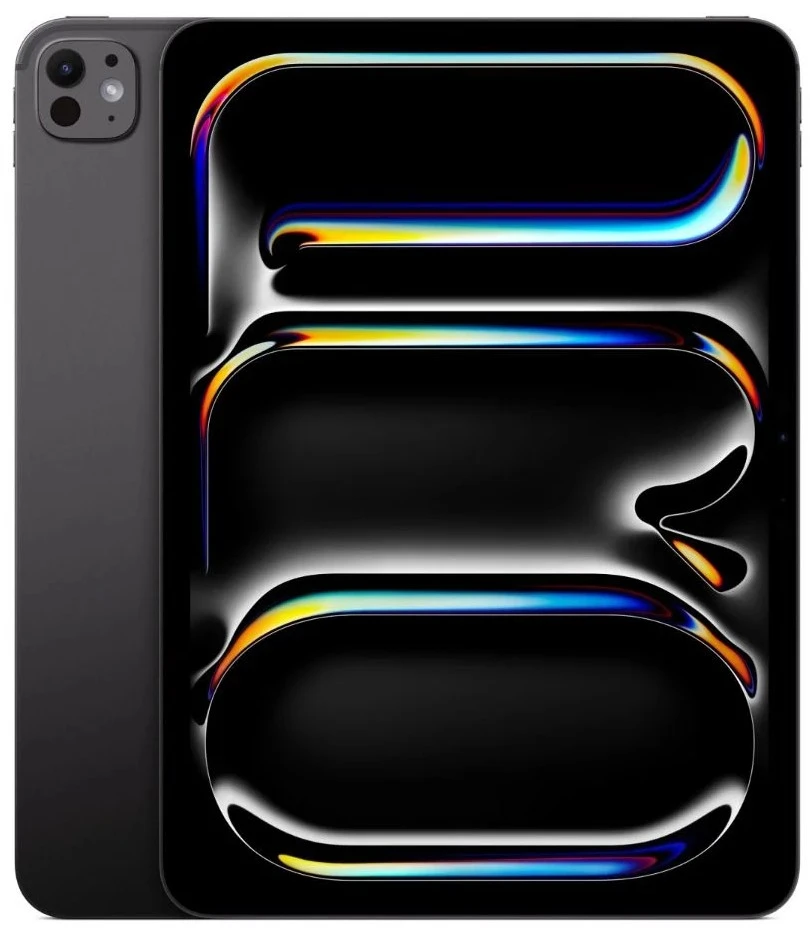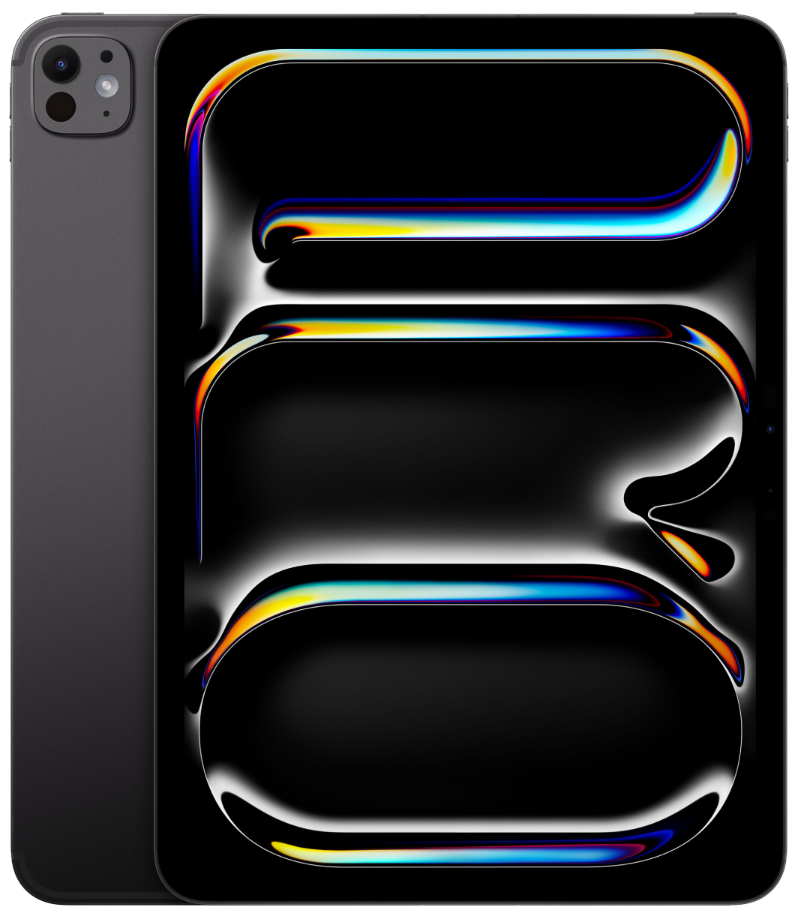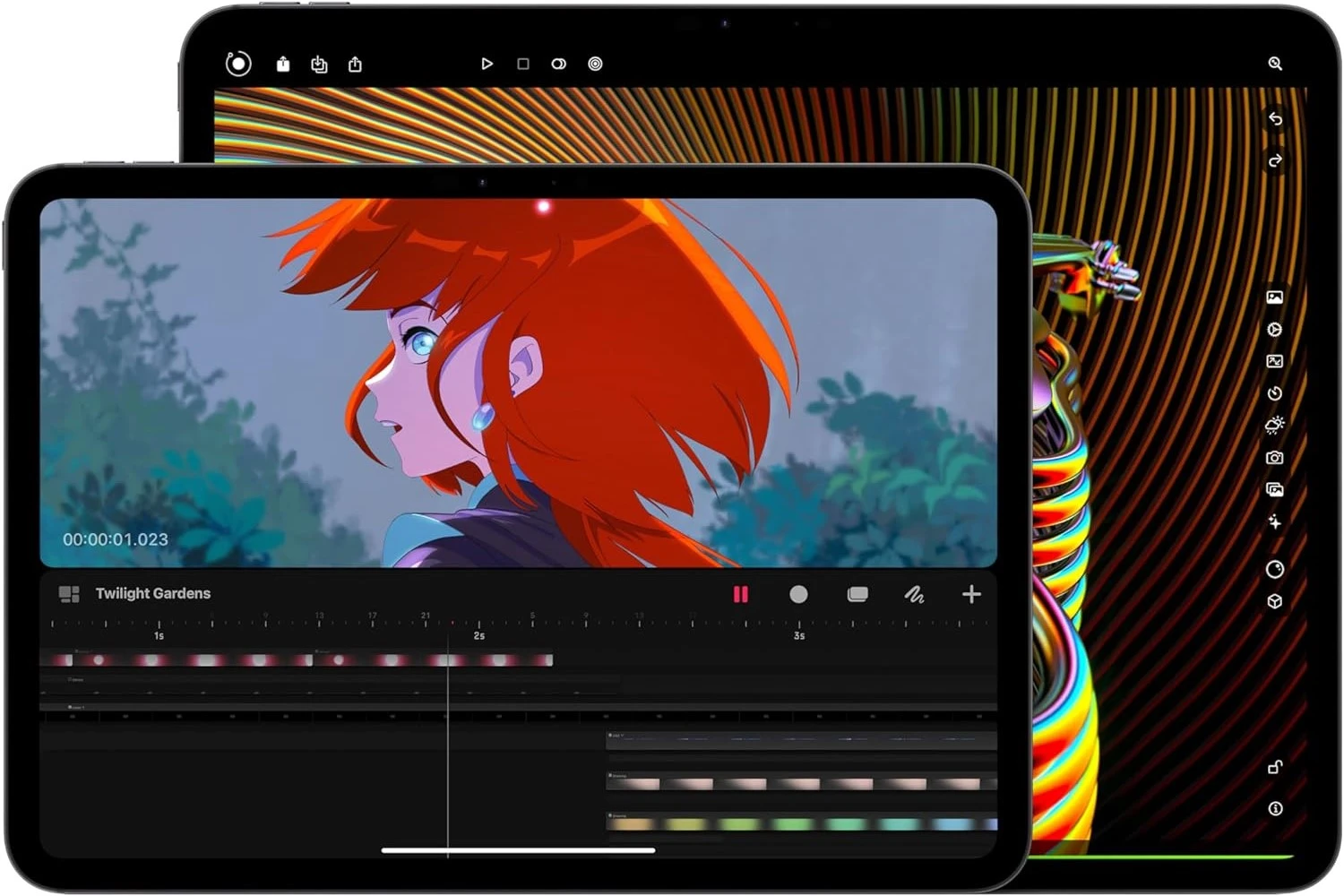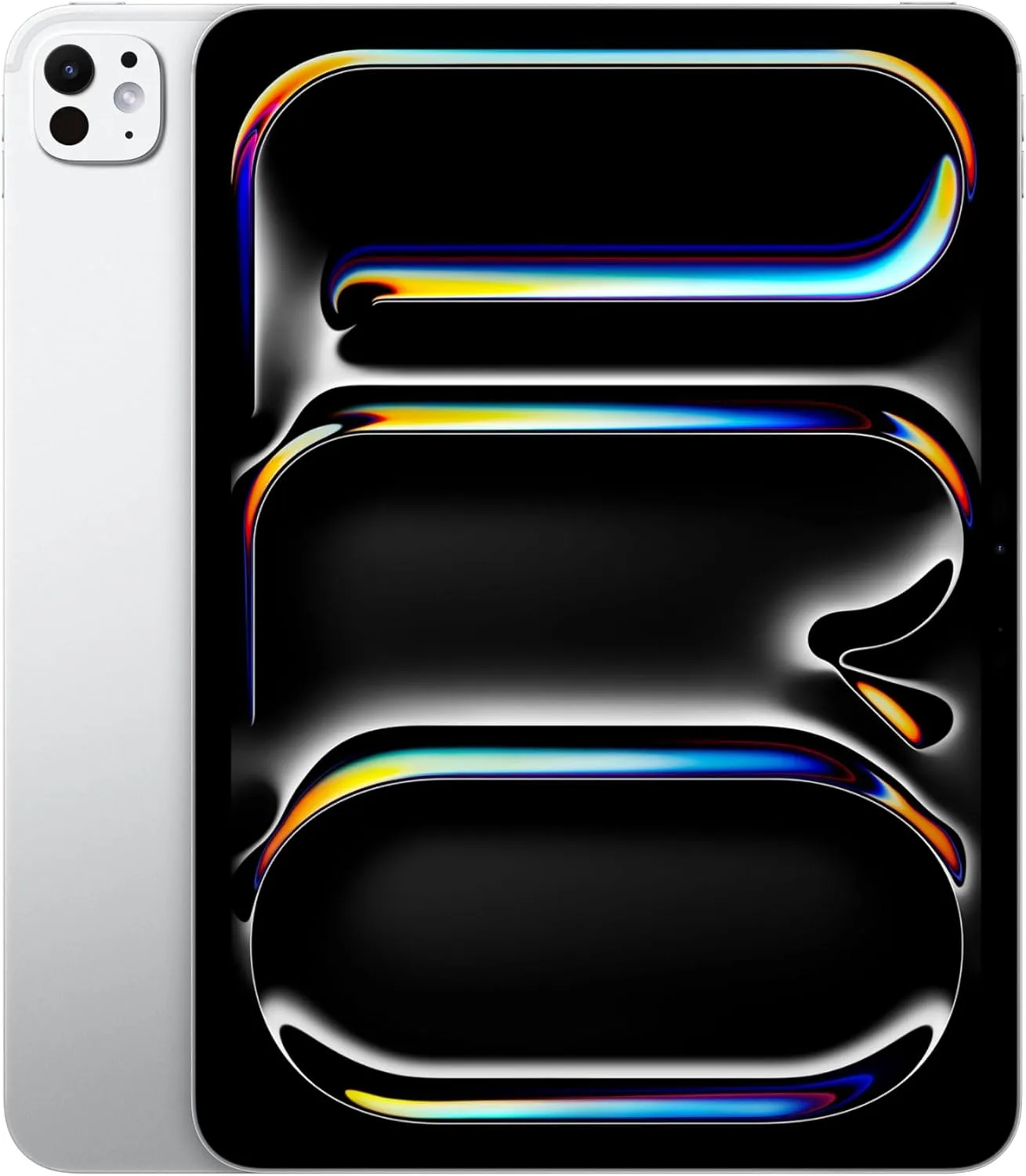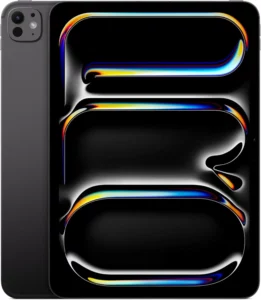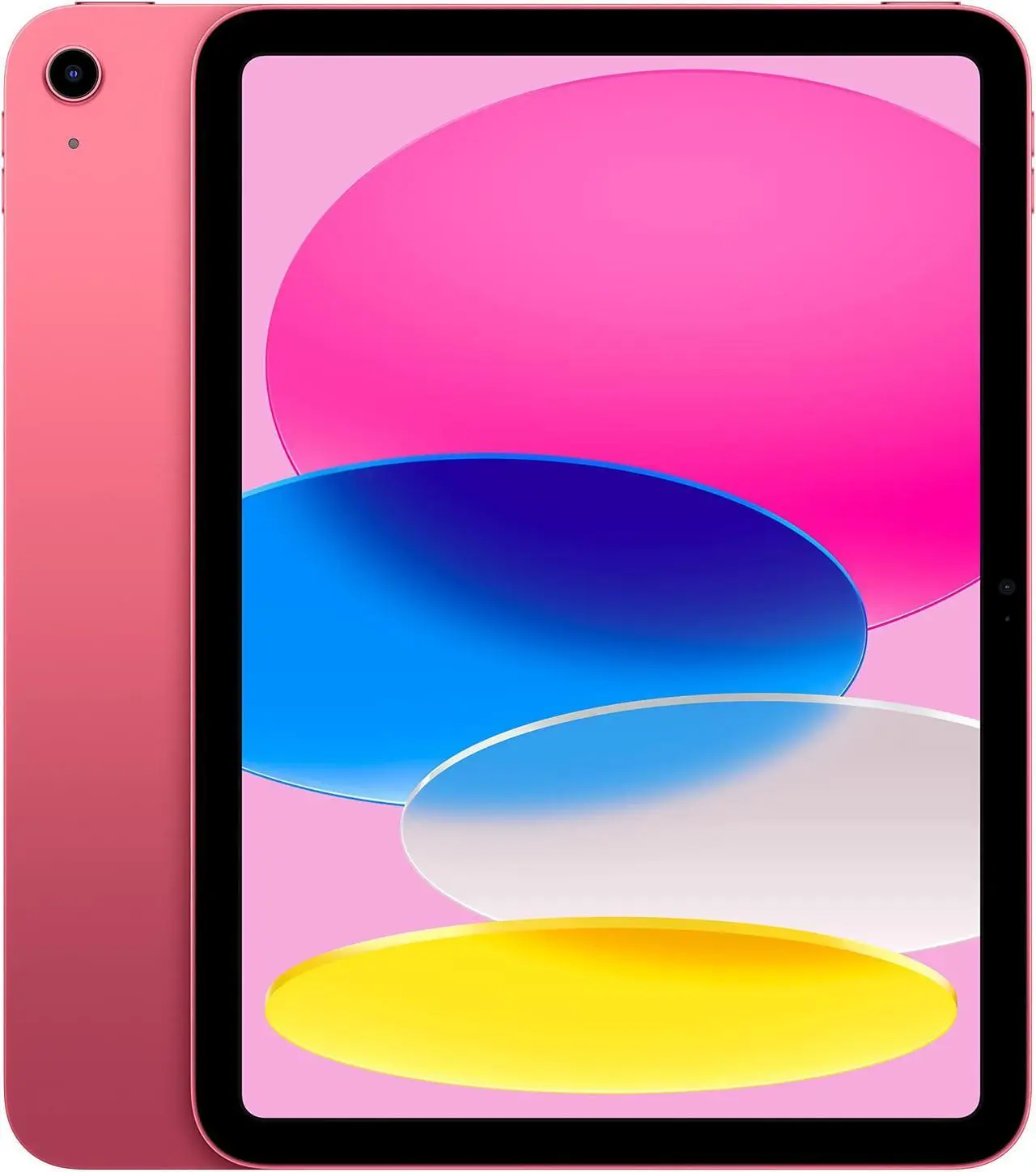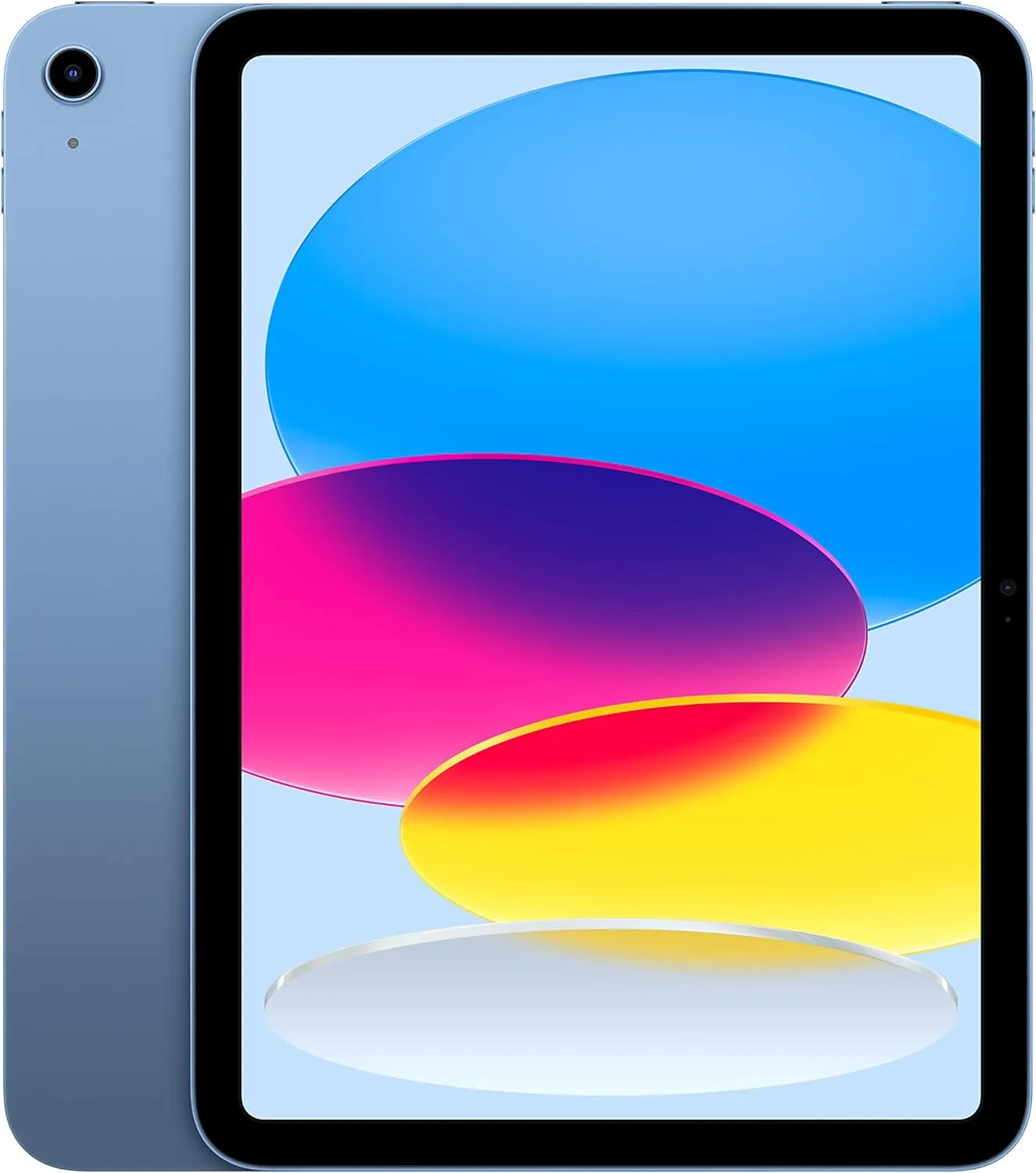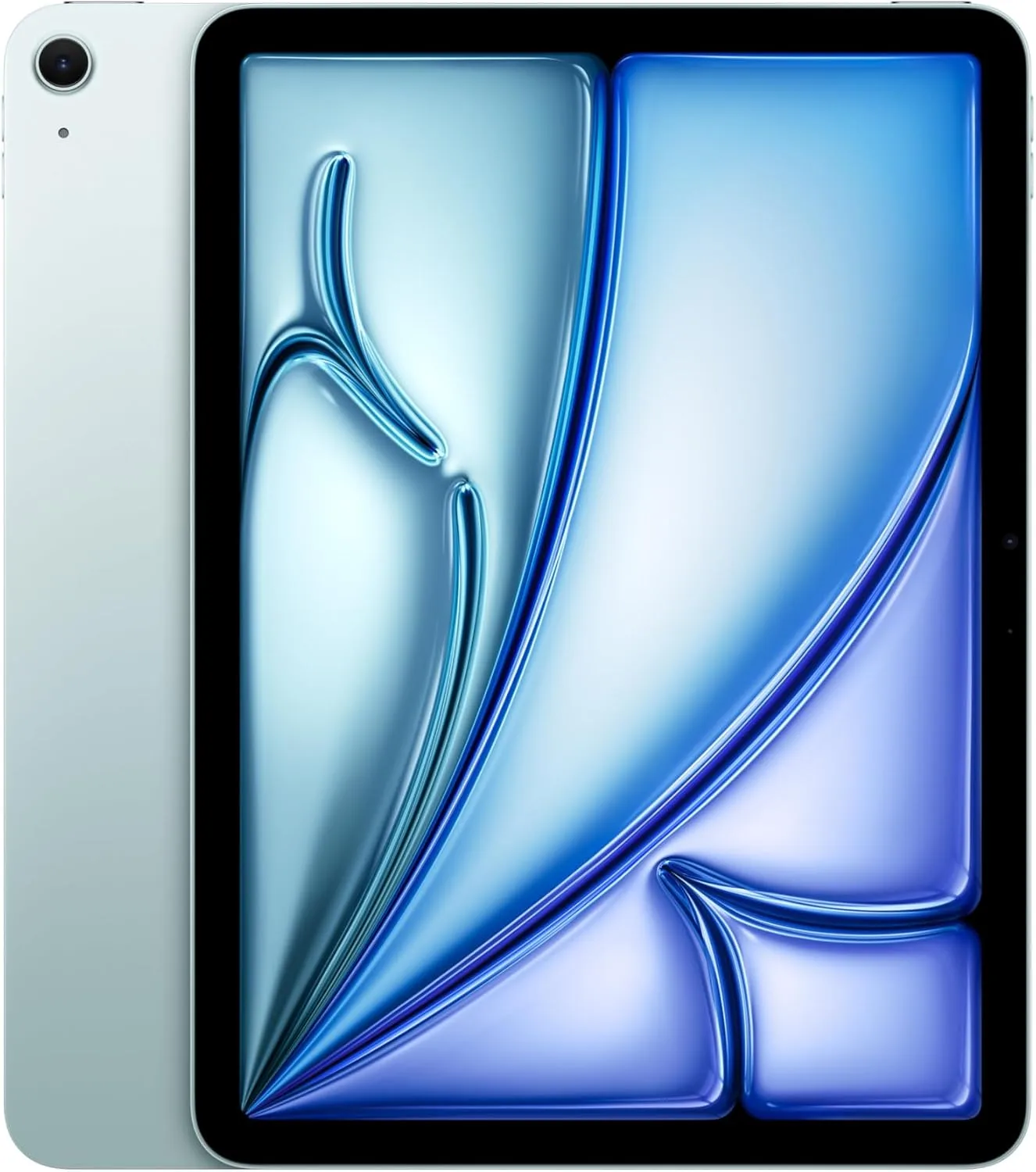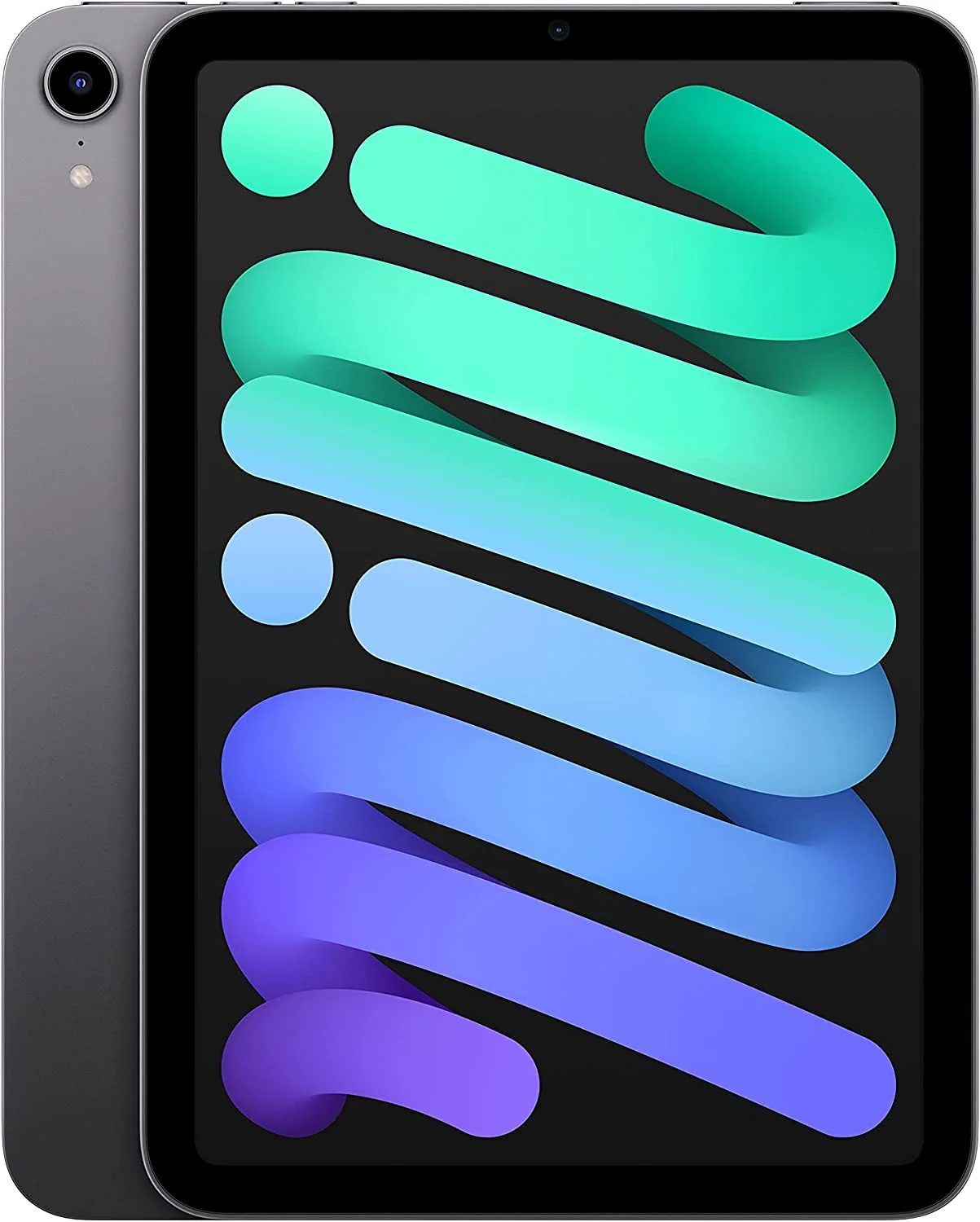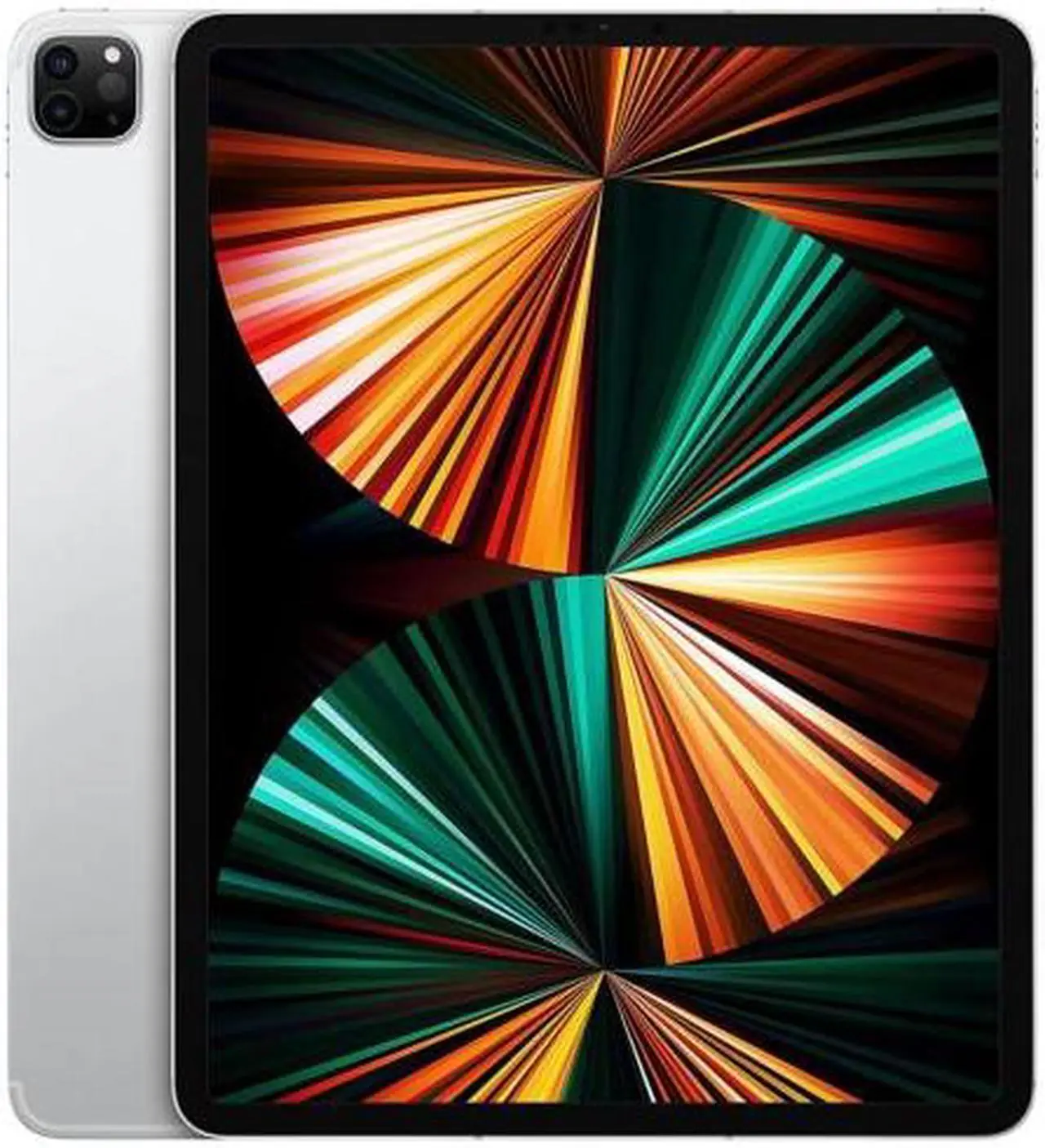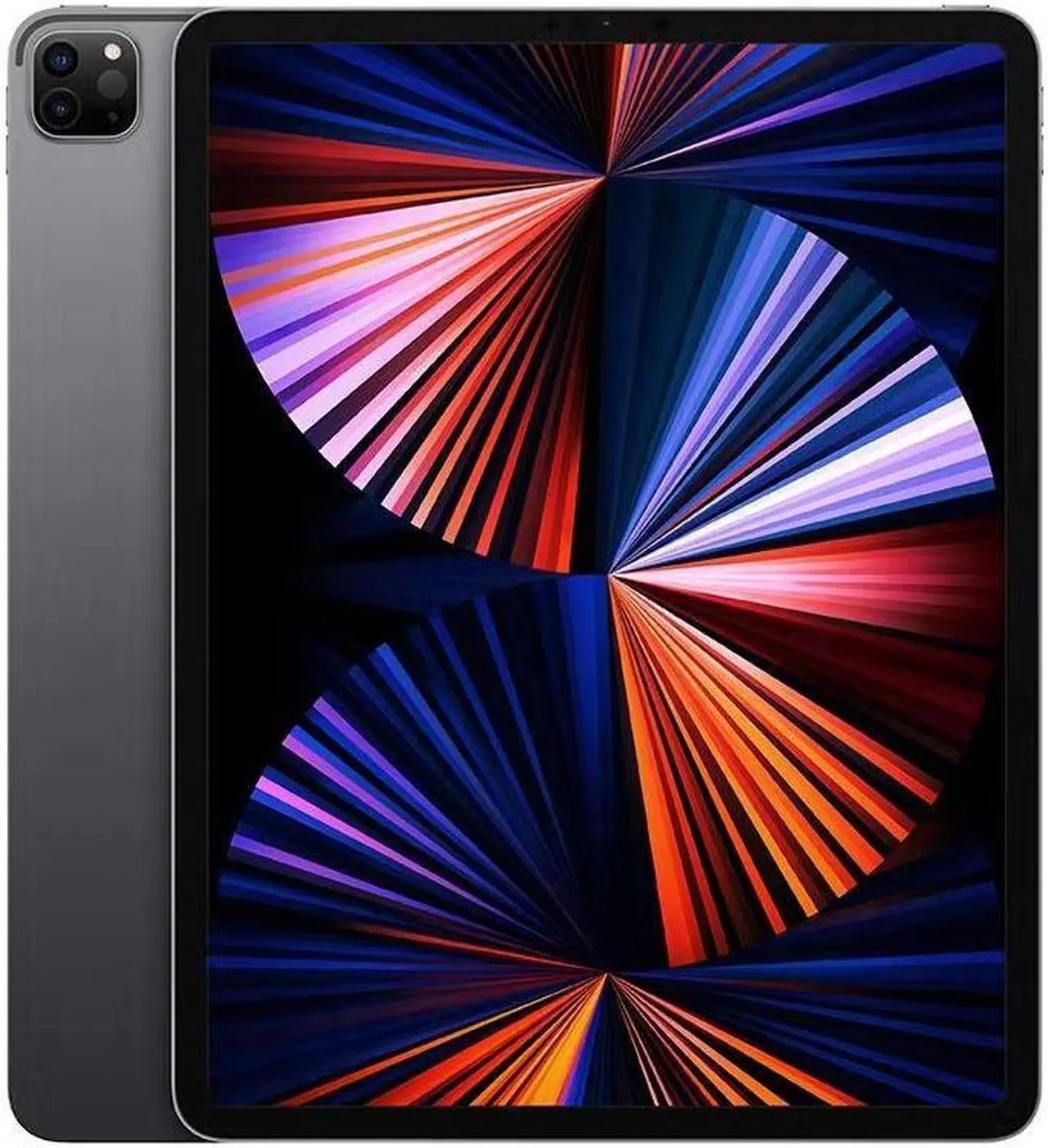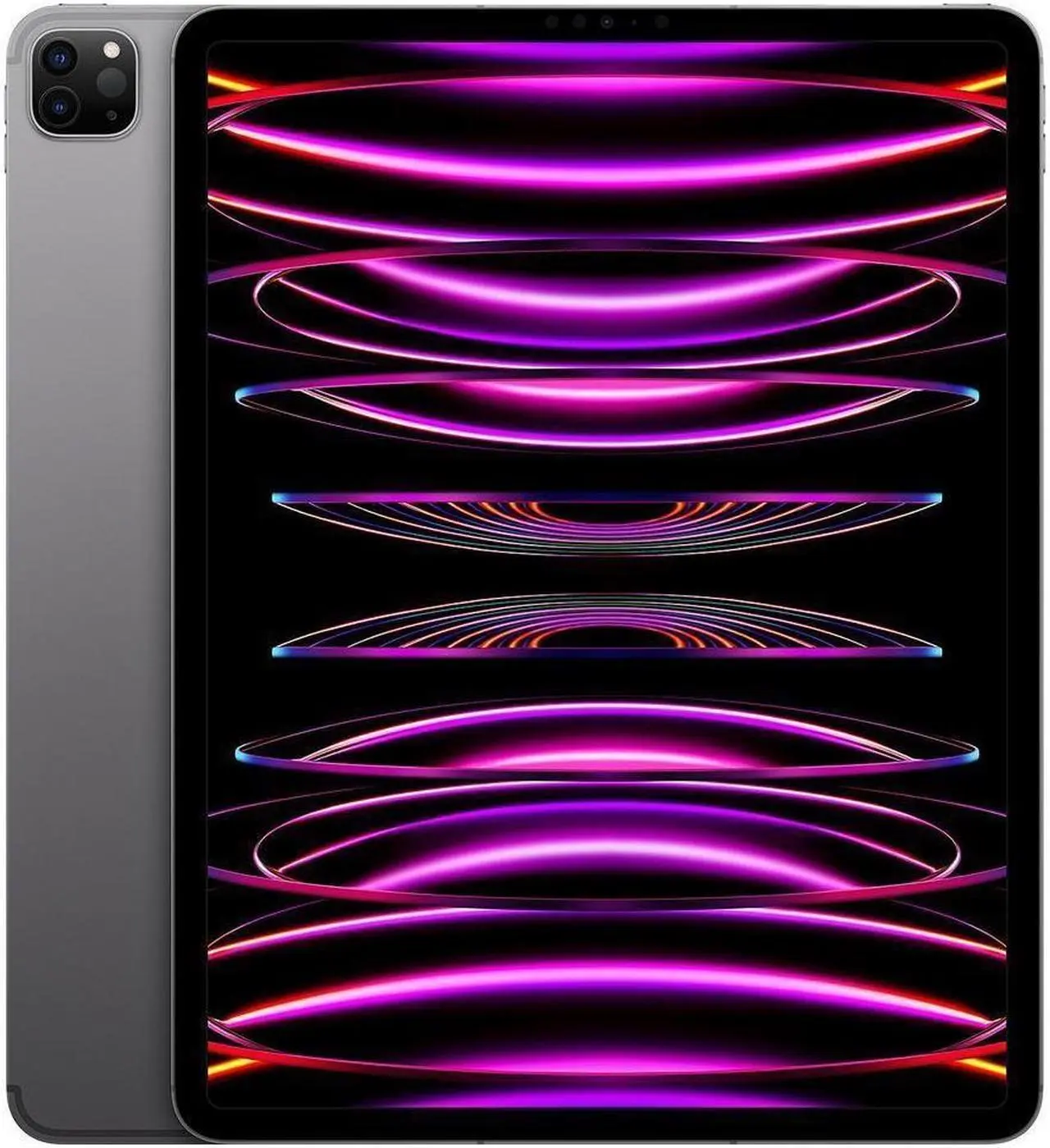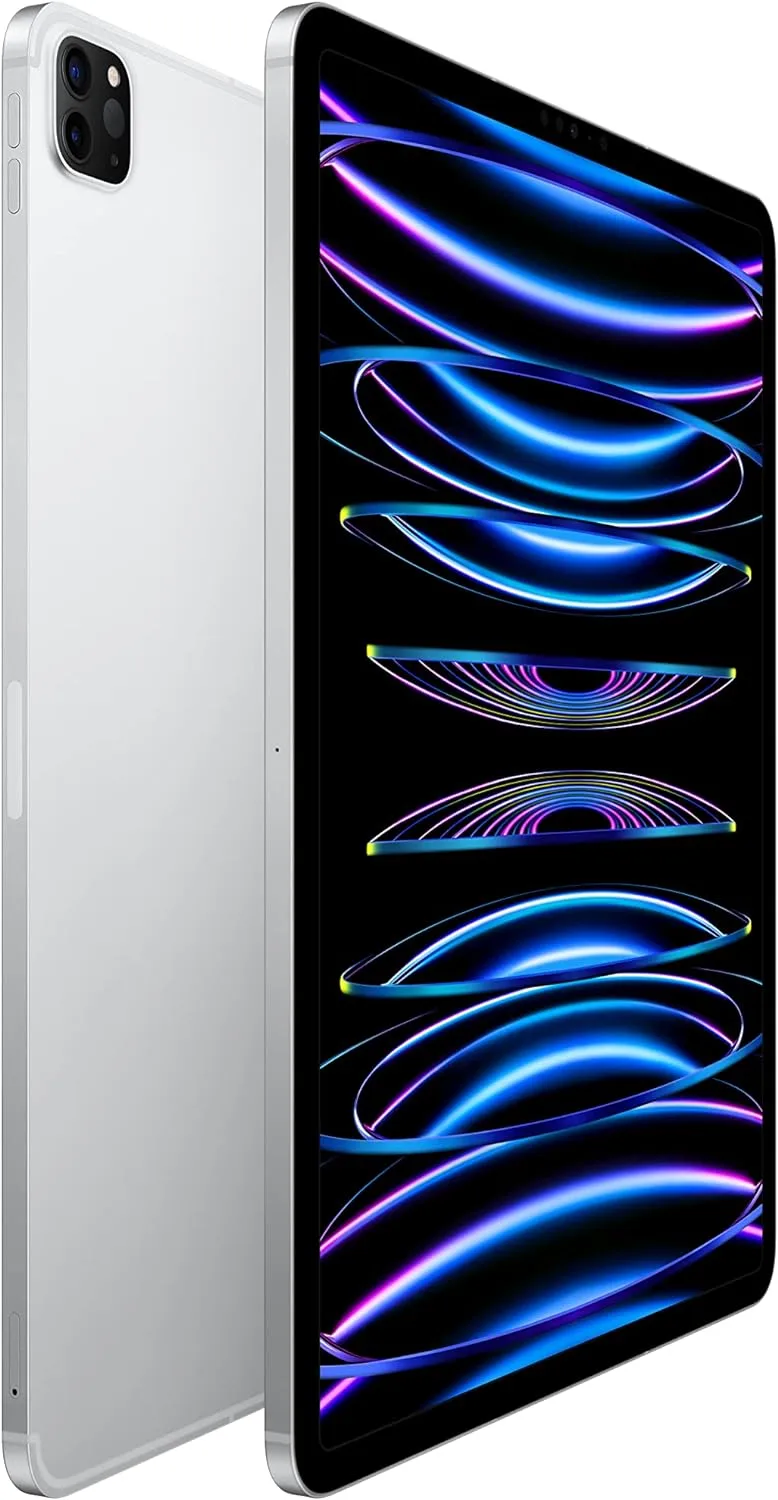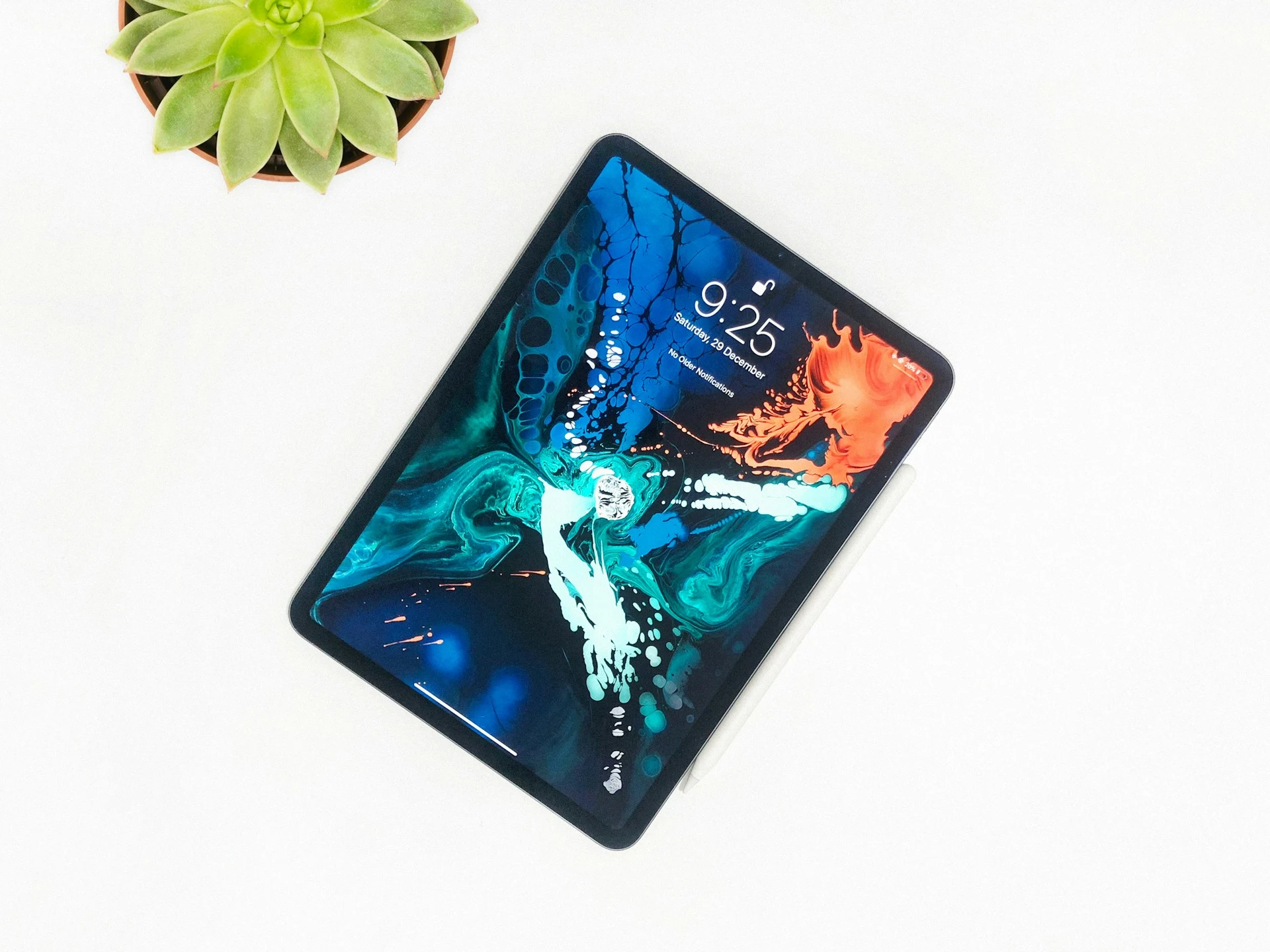
We’ve all been there—staring at the shiny new Apple Store page, credit card in hand, thinking, “Do I really need this?” With the new iPad Pro (M5) released in October 2025, the question is louder than ever. The iPad Pro (M4) from 2024 was already a total stunner—super thin, crazy fast, and rocking that incredible OLED screen. So, does the M5 really bring enough to the table to make you swap, or is it just a tiny update? Let’s dive in to find out what the differences are, the cool new stuff, and the “nice-to-haves” to help you figure out if you should stick with your M4 or treat yourself to the M5. Let the battle begin: iPad Pro (M4) vs iPad Pro (M5)
iPad Pro (M4) vs iPad Pro (M5) – Quick Overview
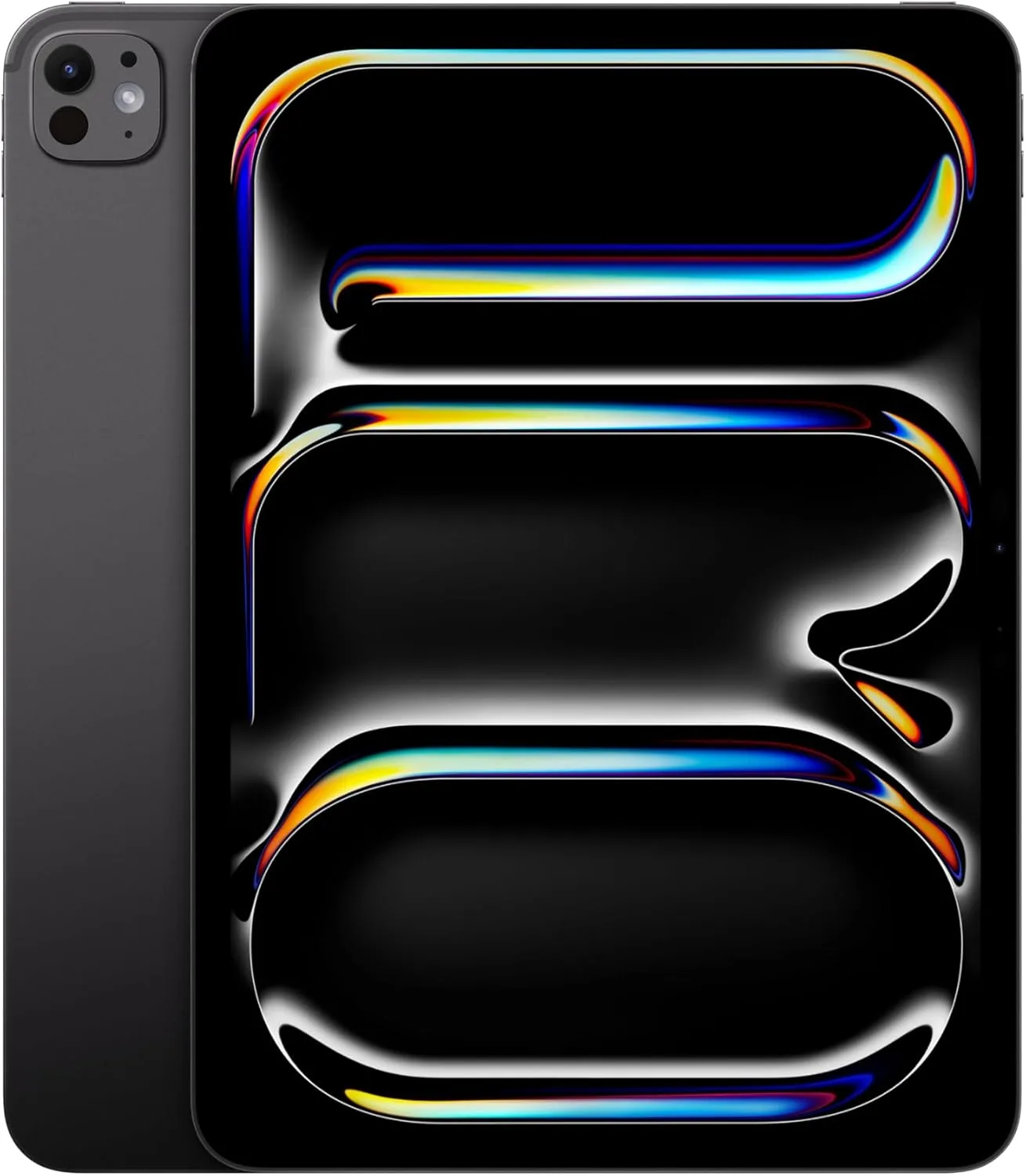
First off, let’s be real—the iPad Pro (M4) was a huge deal. It brought us the Ultra Retina XDR display (that fancy Tandem OLED), giving us true blacks and amazing brightness on both sizes. Plus, the M4 chip tore through video editing and gaming while being the thinnest Apple gadget ever.
For most of us, the M4 is still more power than we know what to do with! It opens apps in a blink, handles multitasking like a champ, and looks good doing it. We aren’t here to just bore you with numbers; let’s see if the M5 actually fixes anything or adds cool features that the M4 is missing.
Specifications
iPad Pro (M5)
iPad Pro (M4)
11-inch (M5, 2025)
Ultra Retina Tandem OLED, 120Hz, HDR10, 1688 x 2420 pixels
Apple M5 CPU (9-core, 256/512GB) / (10-core, 1/2TB)
This is the big one. Apple’s chips are always fast, but the M5 is focusing on how it uses that speed, especially for AI and gaming. Let’s break it down! With the processing power, the M4 was fast, no doubt. But here’s the cool part: the M5 gives everyone a 10-core CPU, even on the cheapest models! It’s built on newer tech, so it runs cooler and handles multitasking even better. The M4 is great for daily use, but the M5 feels just a bit more snappier when you’re exporting media or handling data.
Next is the graphics. For gamers and content creators/artists, the M5’s graphics are way more efficient at lighting and shadows (ray tracing). We’re talking about games running up to 30% smoother. If you play big-name games or do 3D art on your iPad Pro, the M5 is going to feel a lot more better like a console. And what about AI? This is the M5’s secret weapon. With all the new Apple Intelligence features, the M5 chip is built to handle them way faster—Apple says up to 3.5x faster than the M4! If you use AI tools to edit video or generate images right on your iPad, the M5 is in a league of its own. So overall, the M4 chip is powerful, but with the newer tech, more efficiency and faster processing of AI, the M5 wins this one.
2. Memory and Storage
This is the best “secret” upgrade. The M4 started with 8GB of RAM on the base models. The M5? It kicks things off with 12GB of RAM! That extra 4GB is huge for keeping your apps open in the background so they don’t have to restart when you switch back.
The M5 can move data around faster than the M4. This just means everything from gaming to big work projects will run smoother. While the storage space (256GB to 2TB) is the same, the M5 saves and loads files faster. You’ll mostly notice this if you’re moving huge video files, but hey, every second counts. In the end, the iPad Pro (M5) comes with more system memory, resulting in smoother running, and faster loading of apps. Once again M5 takes this one.
3. Screen, Design, and Extras
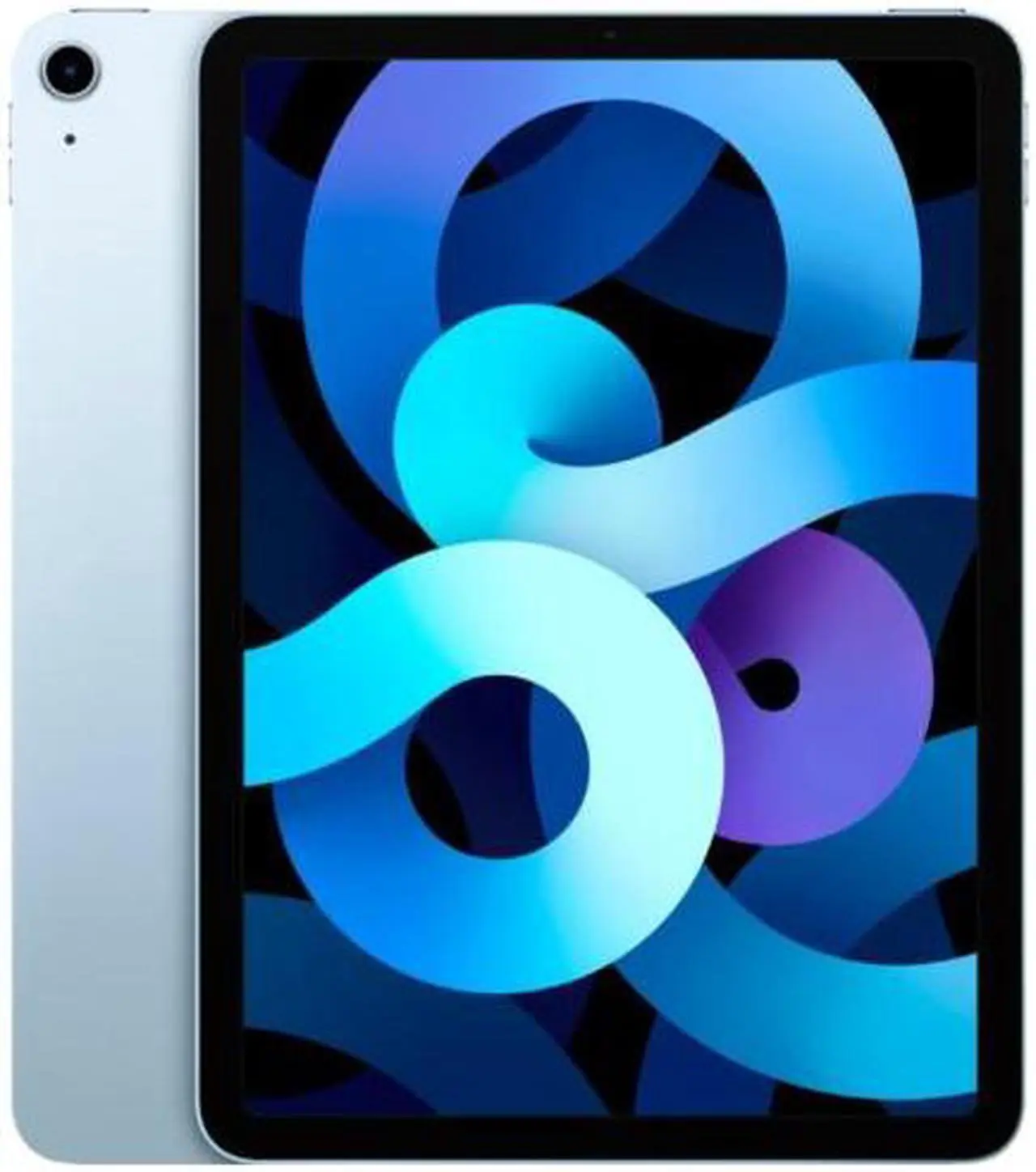
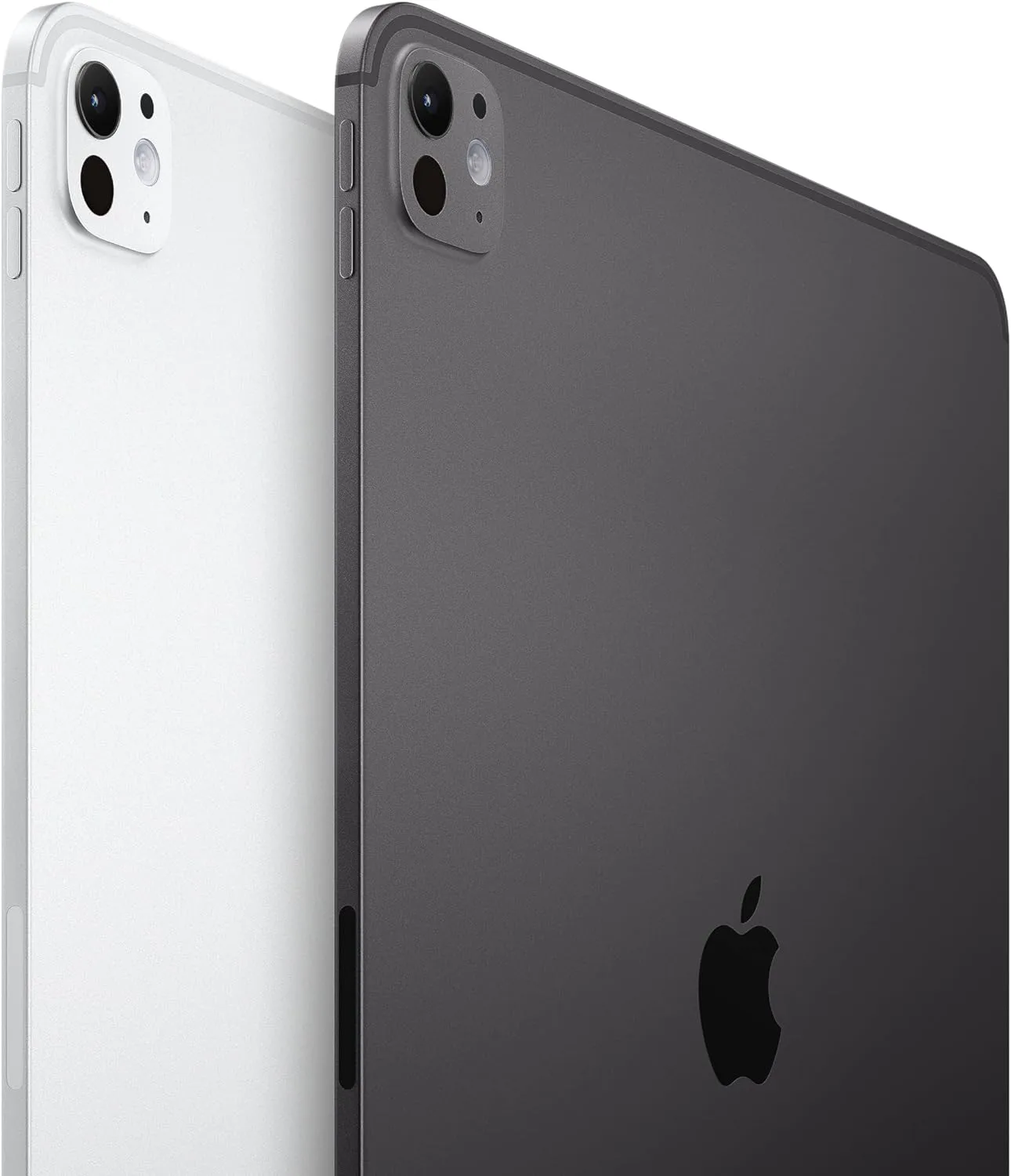
If you were hoping for a brand new screen, don’t worry—the M4’s screen was already perfect. So the M5 iPad Pro uses the exact same Tandem OLED tech. You get the same awesome brightness and vibrant colors. However, the sad news is that the glare-free “Nanotexture Glass” is still only for the expensive 1TB and 2TB models. If you want that matte look, you still have to pay up for the bigger storage. If you’re expecting any major change to the design-don’t, because they are totally the same.
The M4 had Wi-Fi 6E, which is great. But the M5 includes and upgraded Wi-Fi 7. If you have a fancy new router, this means less lag and faster speeds—perfect for gaming or streaming super high-quality video. The 5G on the M5 is a little better at holding a signal in tricky spots, but if you live in a city, you probably won’t notice a huge difference from the M4.
The input port is the same Thunderbolt 3 / USB-Type-C setup. But thanks to the M5 chip, plugging into an external monitor works even better. It handles high-res screens smoothly without getting as hot. Overall, no changes to the display. No design changes. No changes to the input ports. But it comes with a upgraded Wi-Fi for better connectivity, which means the M5 wins this one.
Which brings us now to the last question. Is this iPad Pro for you, or better yet, is it worth upgrading to the newer iPad or will you buy the older version? Let’s break it down this way. If you got the iPad Pro (M4) I would honestly say this: Keep it. Unless you use heavy AI tools all day or really, really need that extra RAM, your M4 is still a beast. The screen quality is the same, it looks the same, and it’s still super fast. Enjoy your M4—it’s still one of the best tablets out there!
If you have the Older iPad (M2 or older)? Get the iPad Pro (M5). This is the upgrade you’ve been waiting for! Moving to the M5 is a huge jump. You get the OLED screen (total game-changer), the slim and lightweight design, the landscape camera, and a processing chip that is way faster. It’s going to feel like a massive upgrade. Trust me. If you’re buying Your First iPad Pro, once again, I say: get the M5. The base model gives you a 12GB of RAM and better Wi-Fi 7 connection, meaning that it’ll last you for years to come. It’s the ultimate iPad Pro experience. Now let’s hear from you. Are you going to upgrade to the newer tablet? Do you have the older iPad Pro? What other iPads or tablets are you considering? We would love to hear from you 😀
Ready to upgrade your digital life? In 2025, tablets are more powerful and versatile than ever, blurring the lines between a simple entertainment device and a genuine laptop replacement. Whether you’re a student who needs a stellar note-taker, a digital artist looking for a gorgeous screen, or just someone who wants a super-portable way to binge-watch a new series, the sheer number of options can be overwhelming. That’s where we come in. We’ve waded through the latest and greatest from Apple, Samsung, and more to bring you a friendly, no-fluff guide to the best tablets (2025) to buy now. We want to assure you that with what we have found, you will find the perfect tablet that fits your budget and, most importantly, your life.
The Best Tablets (2025) Quick List
In a hurry to check out the best tablets? Here’s a brief overview of them on this list below, along with quick links that will let you jump straight down to a short review of whichever tablet caches your eye.
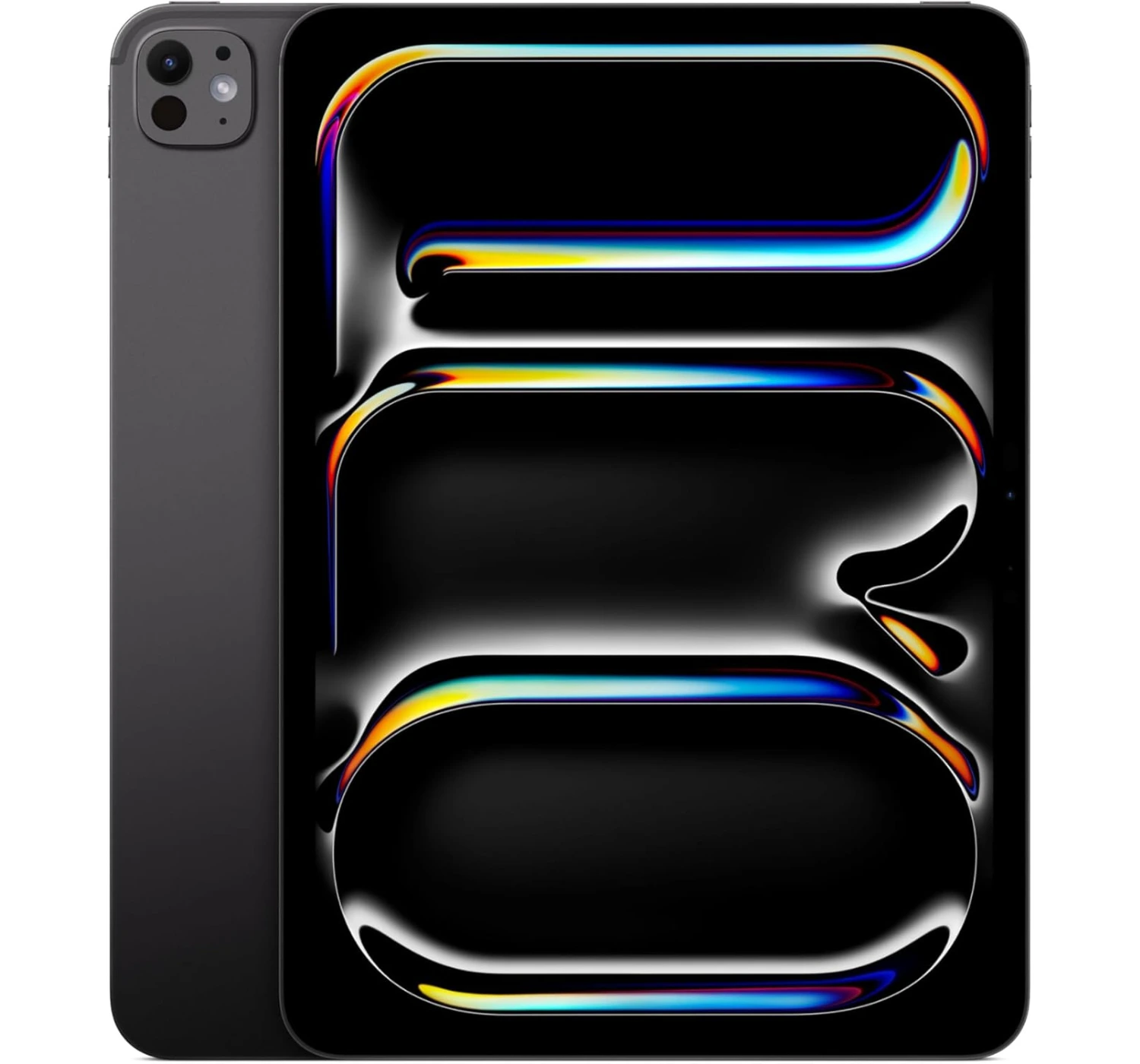
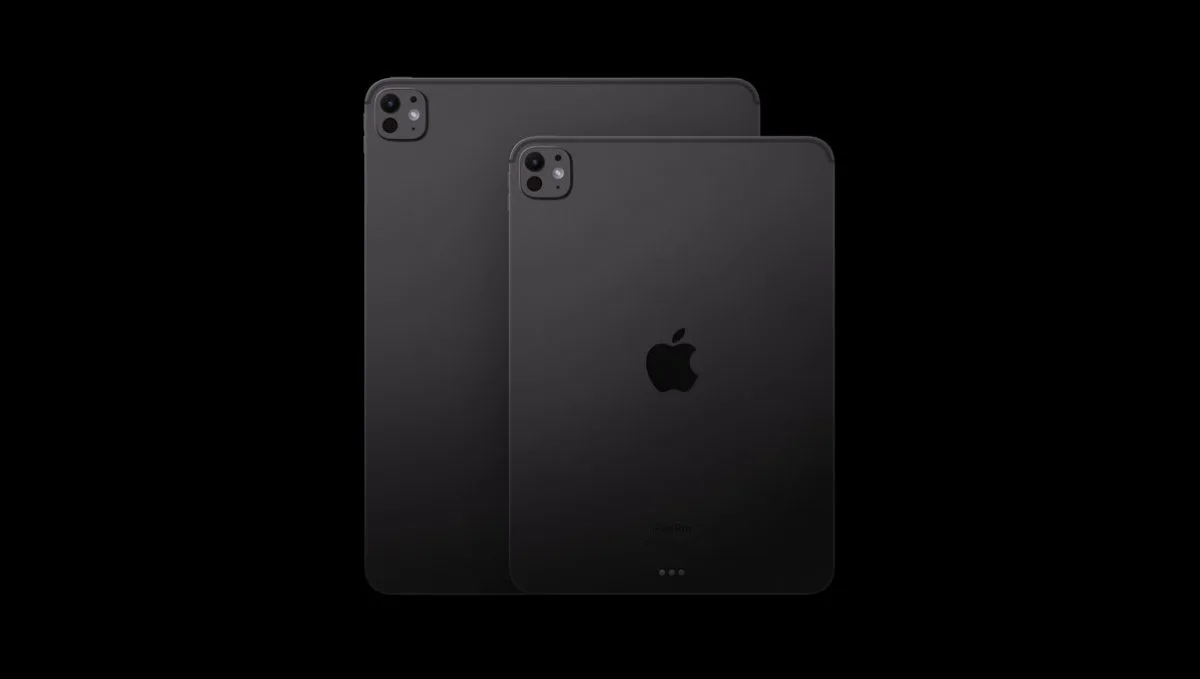
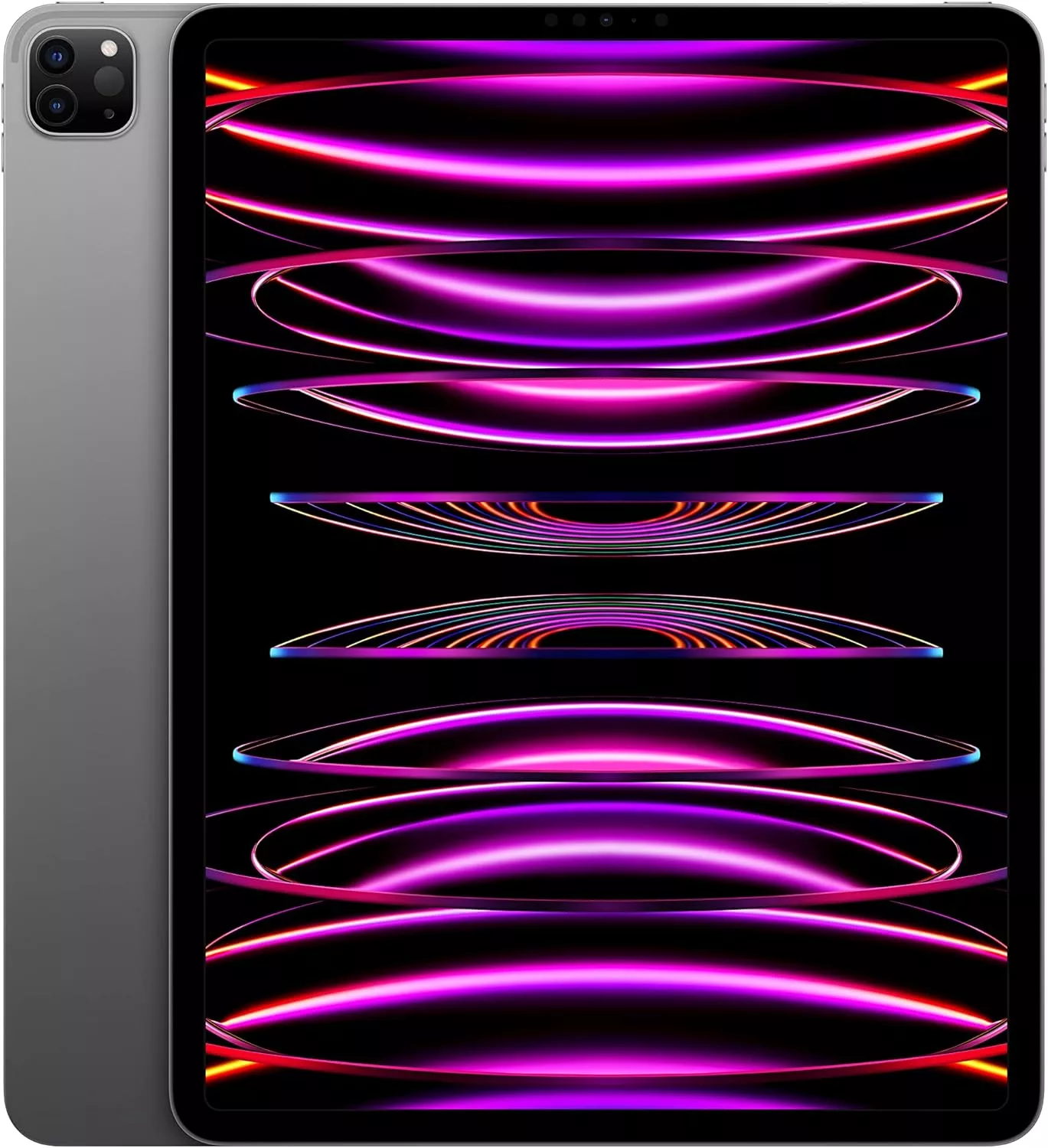
Released in October 2025, the only problem with this new iPad Pro is the high price tag. Either than that, overall, this is the most powerful iPad release right now. Thanks to the new Apple M5 processing chip this one is an even better performer.
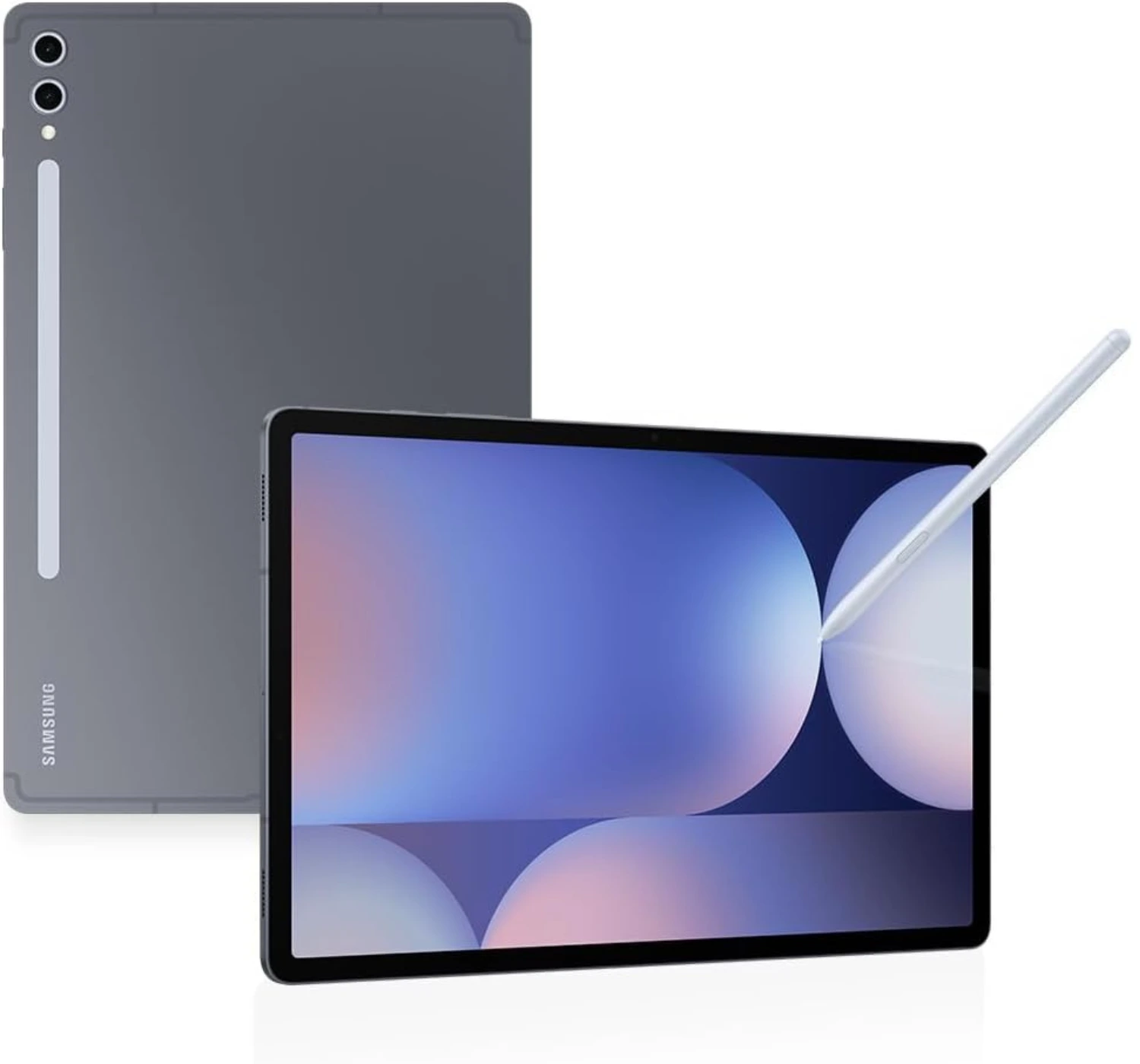
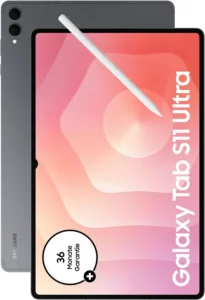
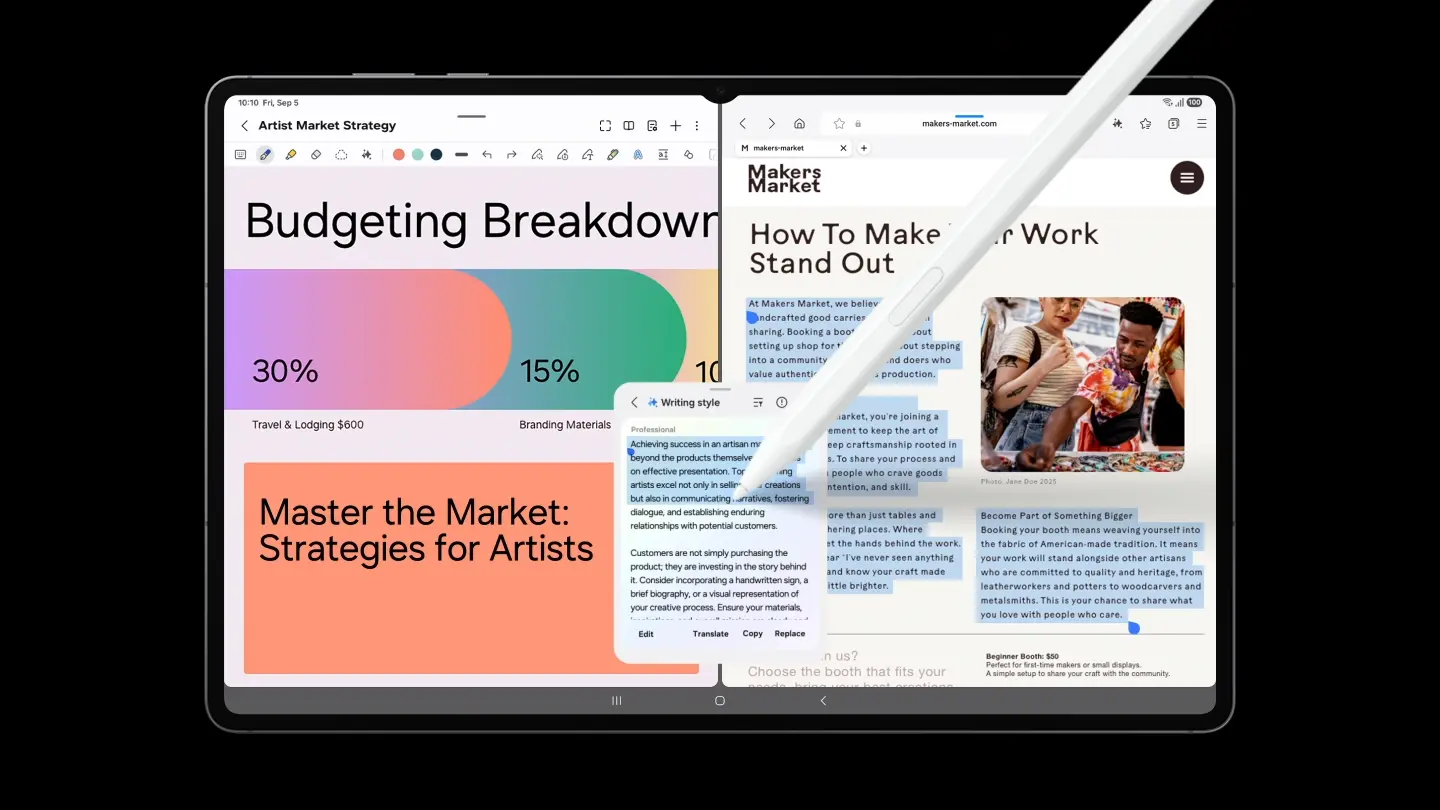
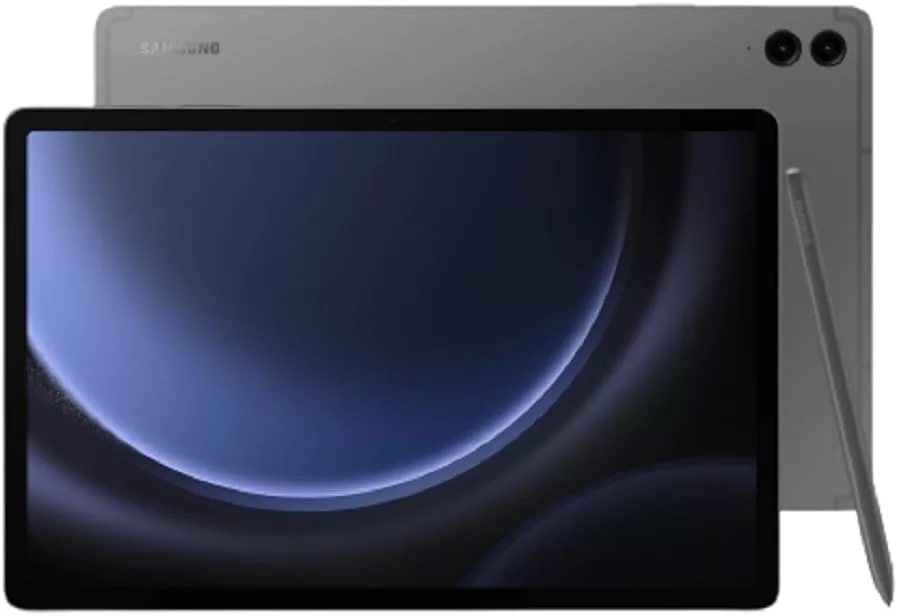
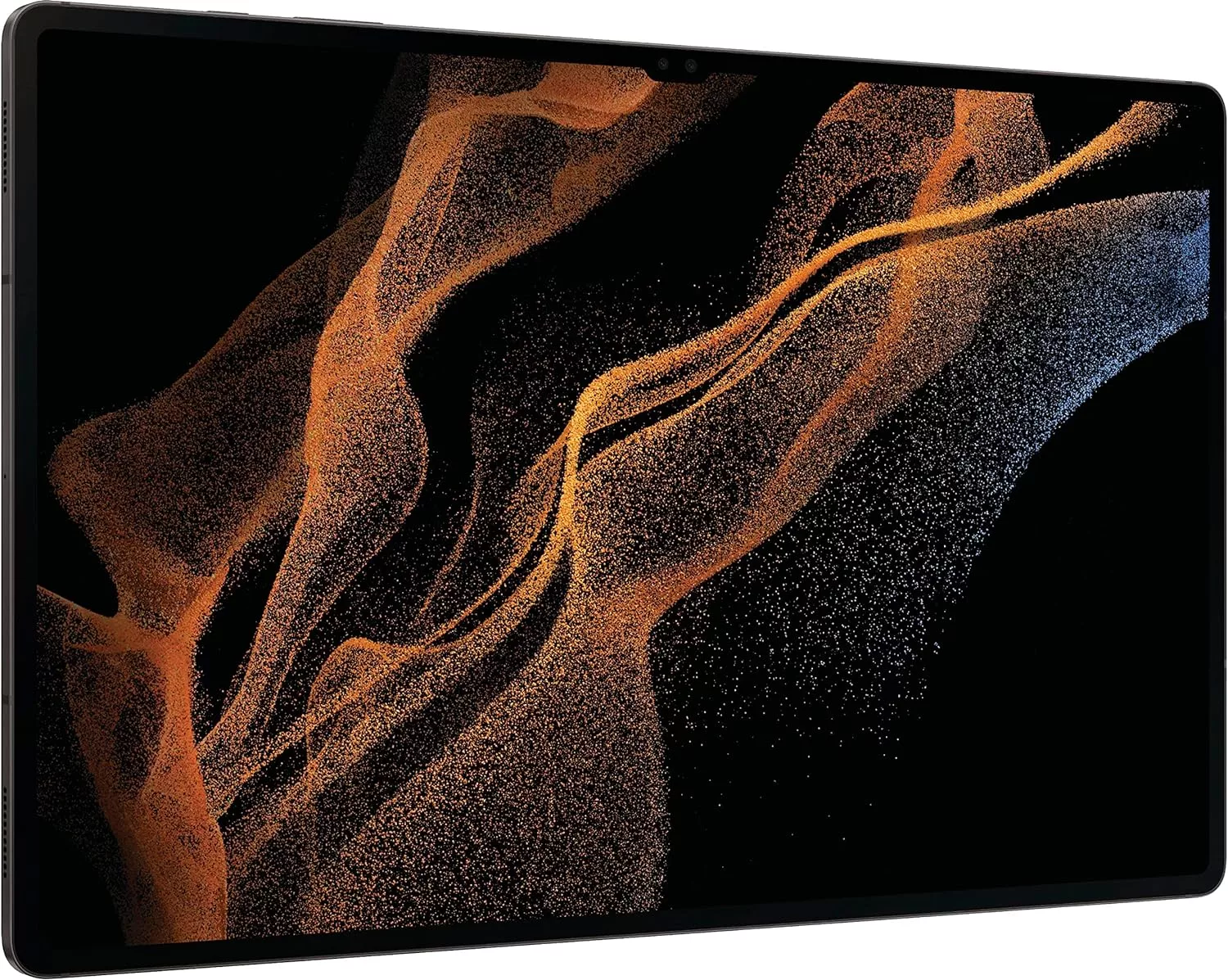
Packed with a 14-inch 120Hz OLED display, this is huge tablet, and one of the best performing Android tablets right now. With a fast MediaTek processing chip, smooth scrolling is guaranteed, and with Samsung’s Galaxy Tab S11 Ultra, this is one tablet you cannot miss.
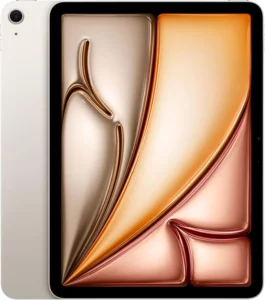
With a powerful Apple M3 processor inside, the iPad Air is the perfect tablet not only for daily use but also for gaming. With a fantastic display, long battery life, and amazing portability, you can practically use it anywhere on the go and be amazed at how much battery power left.
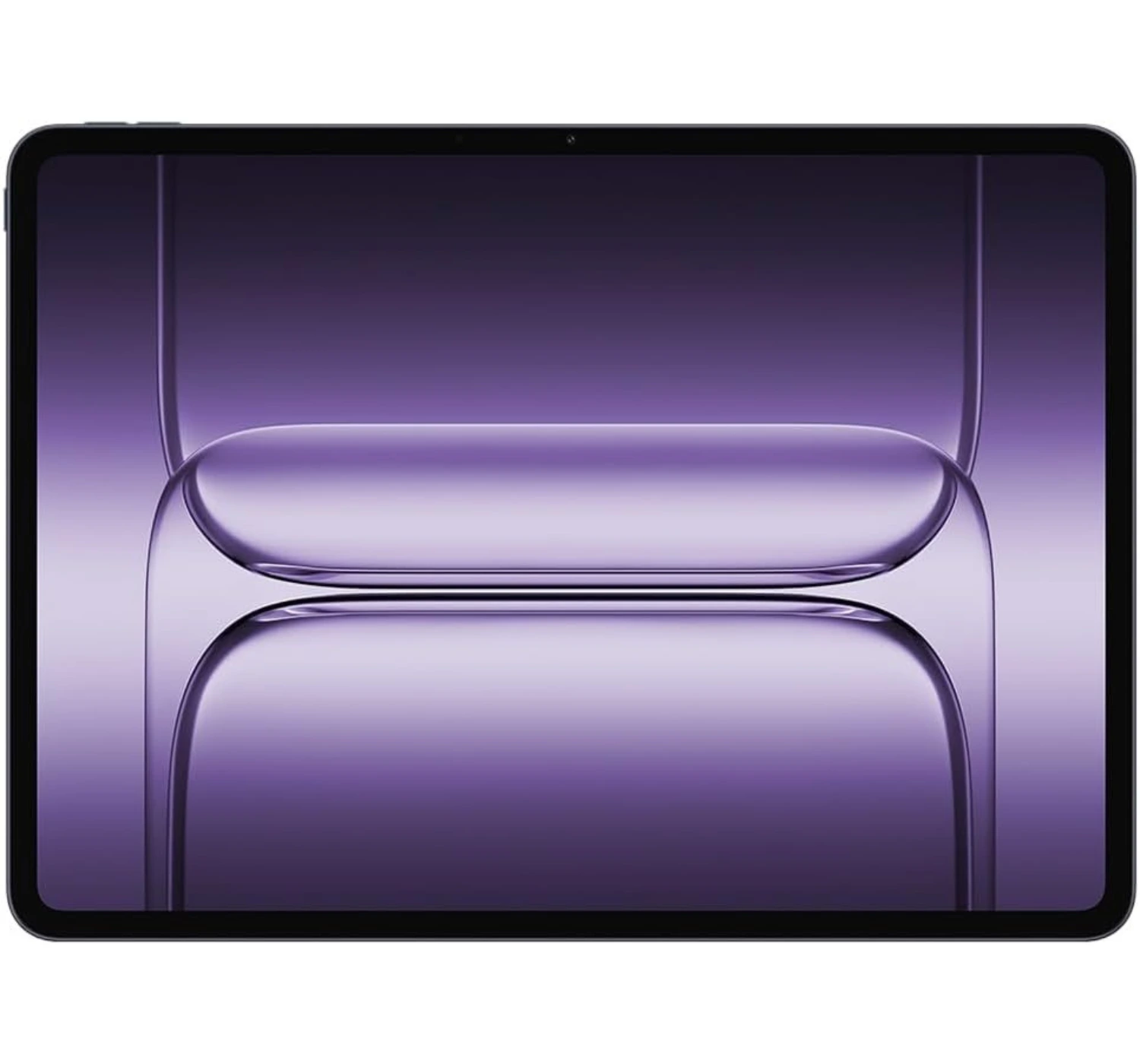
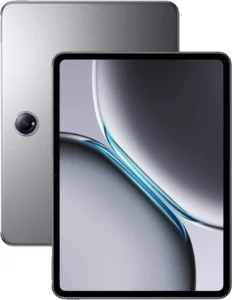
The OnePlus Pad 2 is an interesting tablet because it effectively offers flagship performance at a mid-range price, while introducing software features that actually make Android multitasking useful.
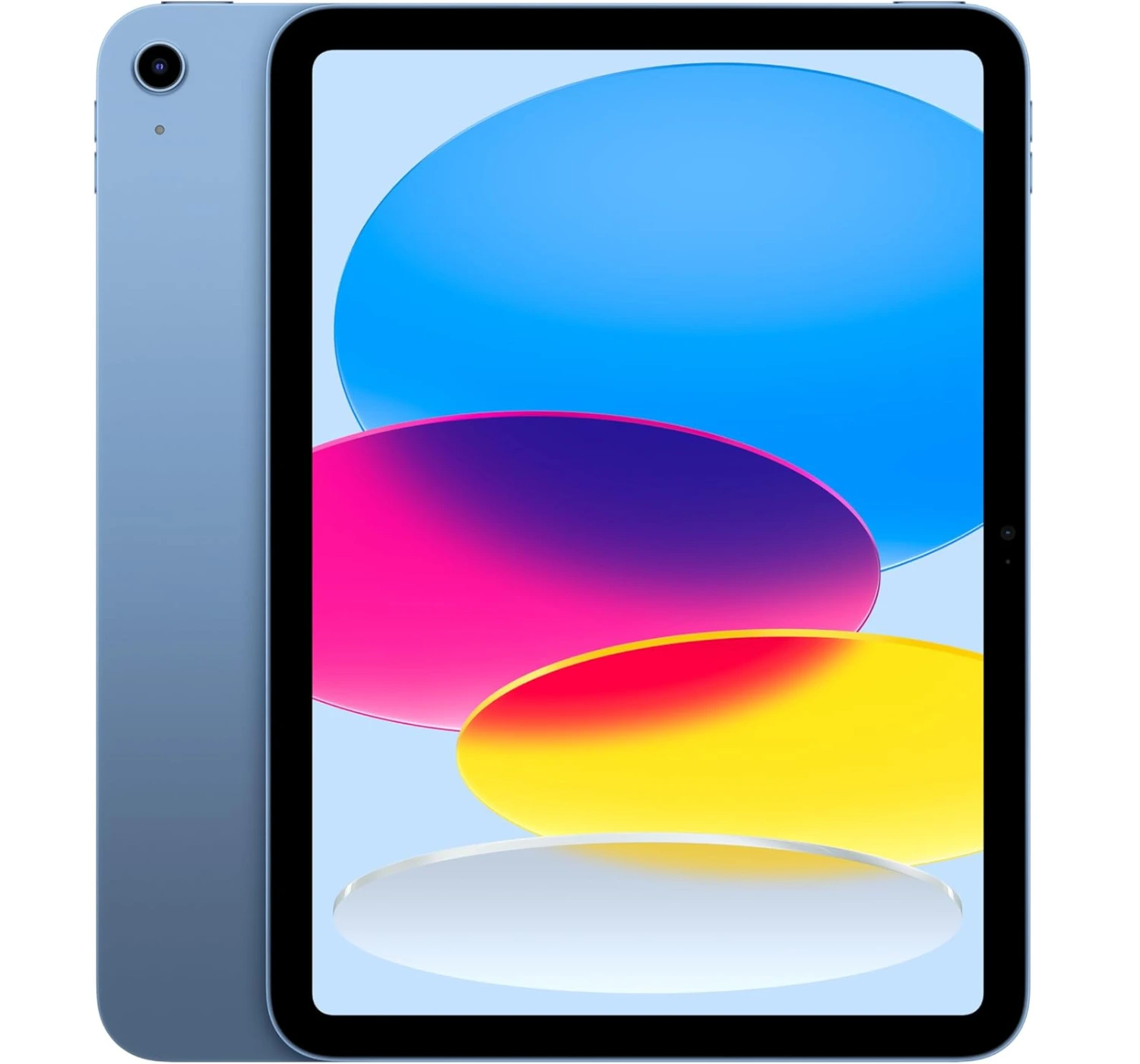
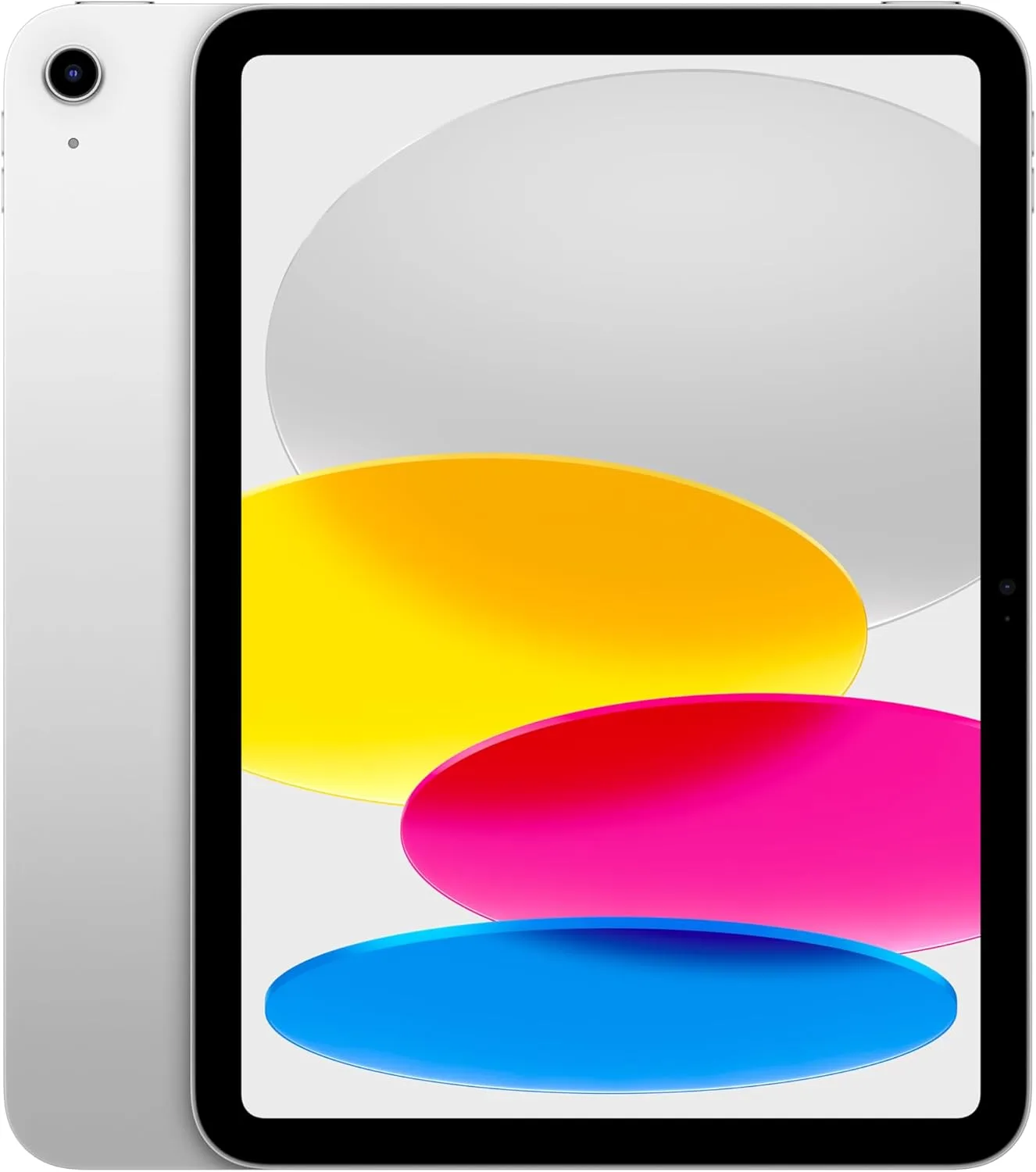
Though the latest iPad 11th generation iPad hasn’t broken any grounds since not much has change from it’s last model, it’s still the simple, most reliable iPad to use tablet today. With good performance, good battery life and a bright display, this iPad is good enough to run your favorite apps for years to come.
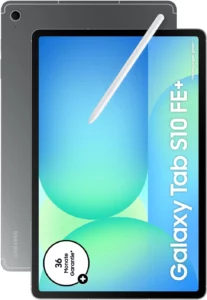
The Tab S10 FE Plus from Samsung is a surprisingly good tablet that challenges even the iPad Air (M3). Well-known for its superb battery life, it’s not as powerful as the iPad Air, yet it offers so much more features, such as water resistance, a premium design, multitasking capabilities, and an S Pen in the box. If you haven’t considered it, you really should.
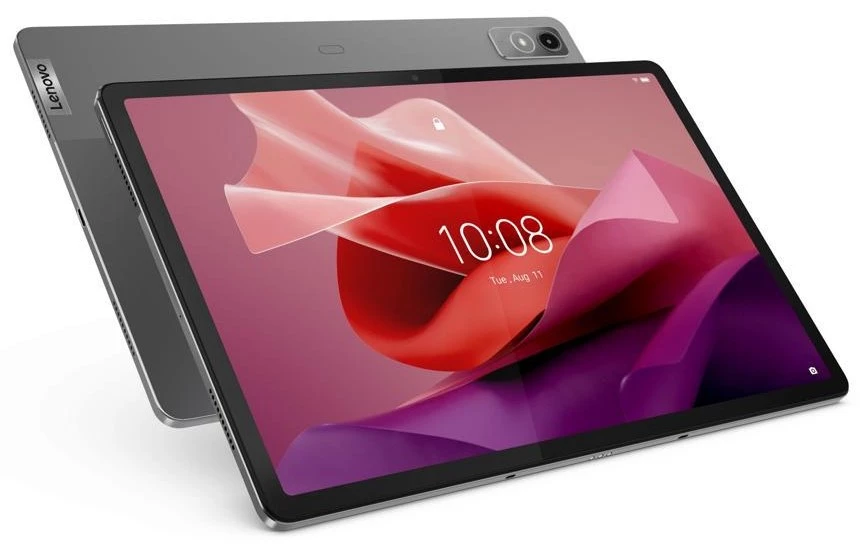
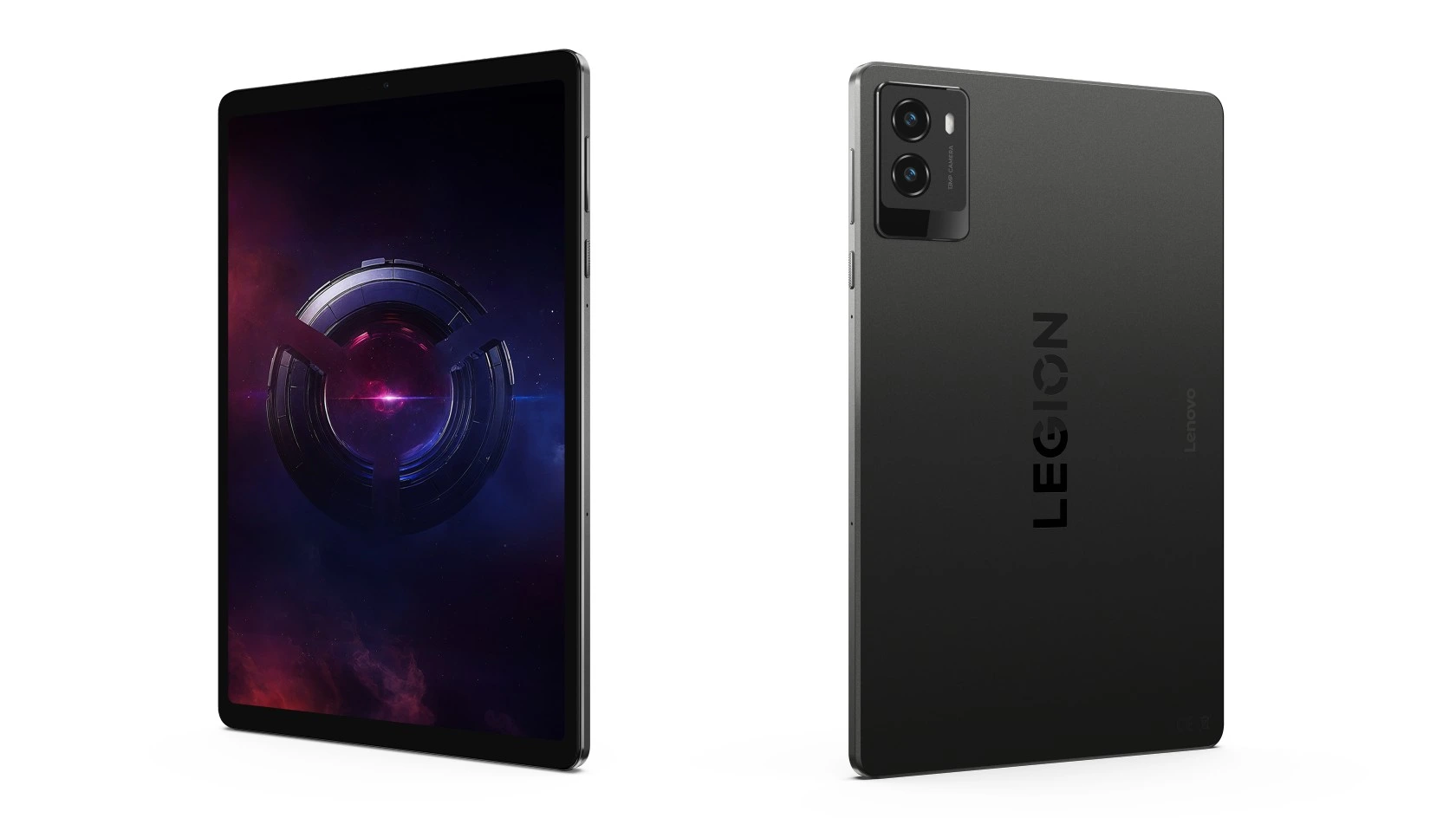
The Legion Tab Gen 3 from Lenovo is an 8.8-inch Android gaming tablet that is slightly larger than the iPad Mini, however, it’s in the same price range. For that price, you a get strong performance tablet, with a solid build and an excellent set of features, which makes it worth considering.
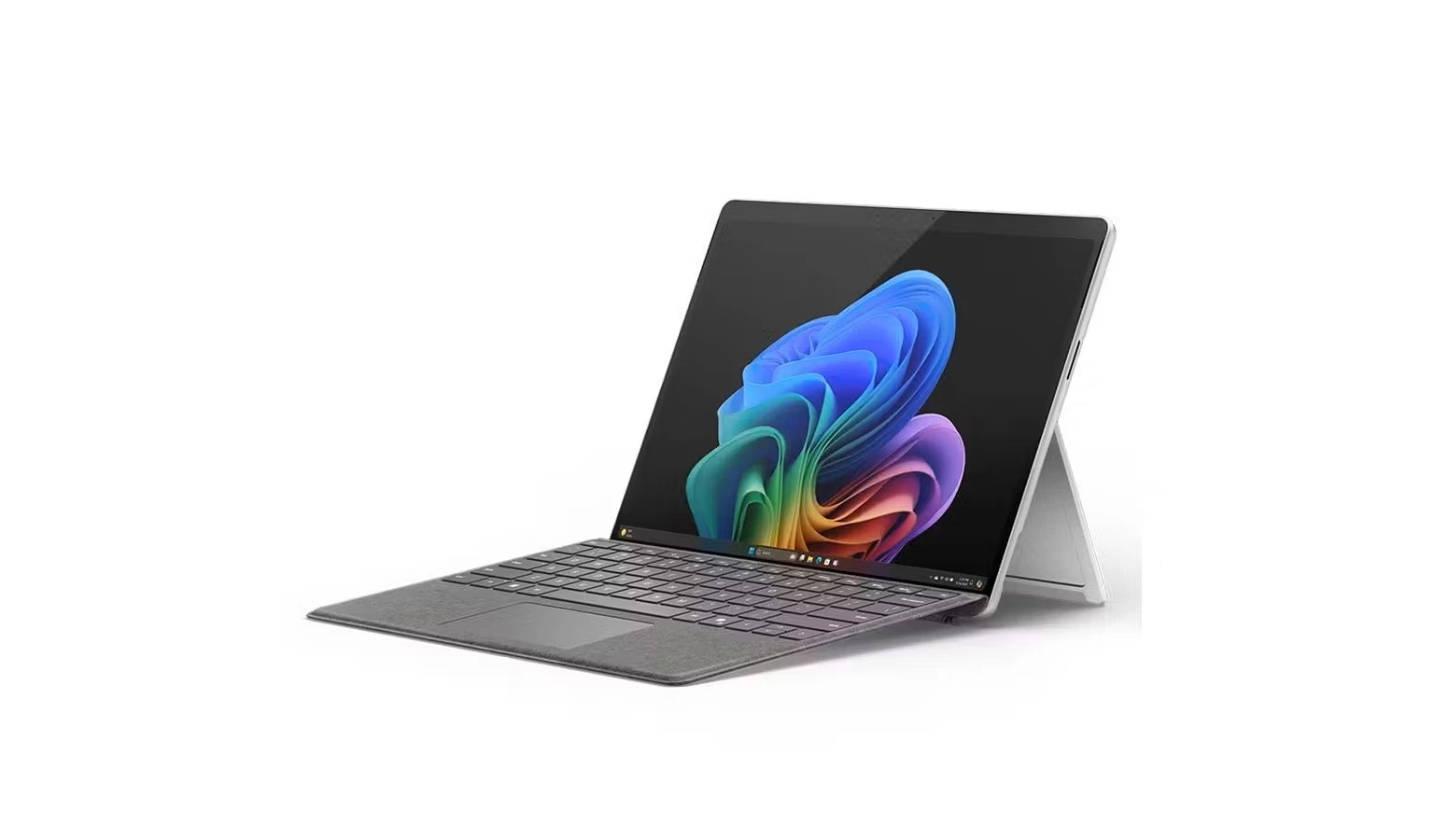
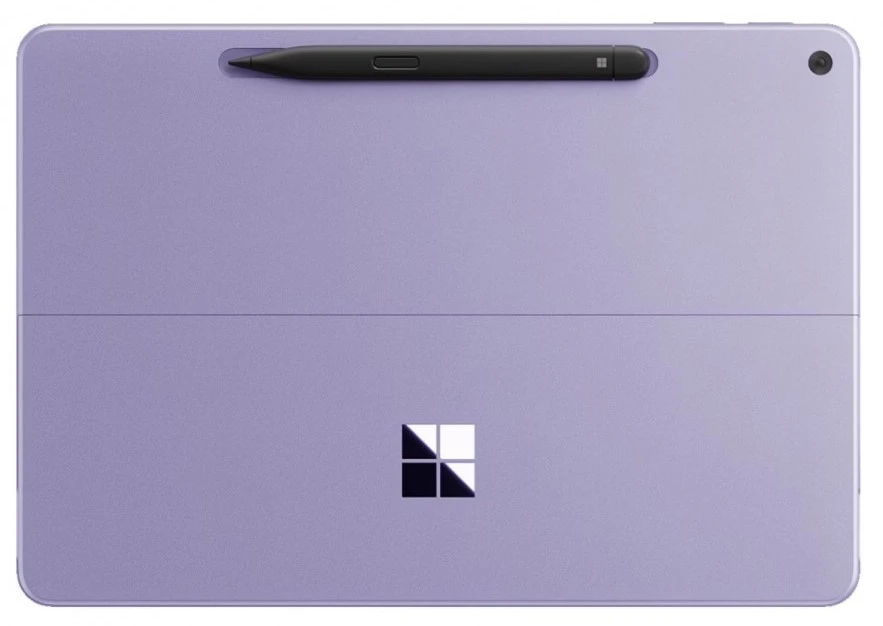
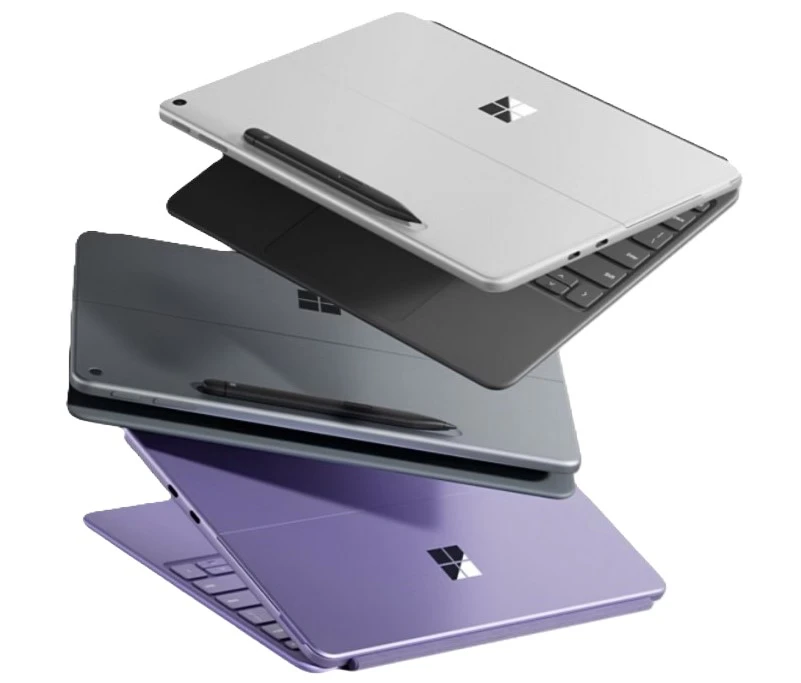
If you’re a Windows user, get the Surface Pro from Microsoft. It’s touch-friendly, solid build, premium design, and it’s recommended for the new Windows 11 operating system. It’s a solid tablet that works well enough for getting things done. Just know that you need to get the detachable keyboard to fully enjoy the experience.
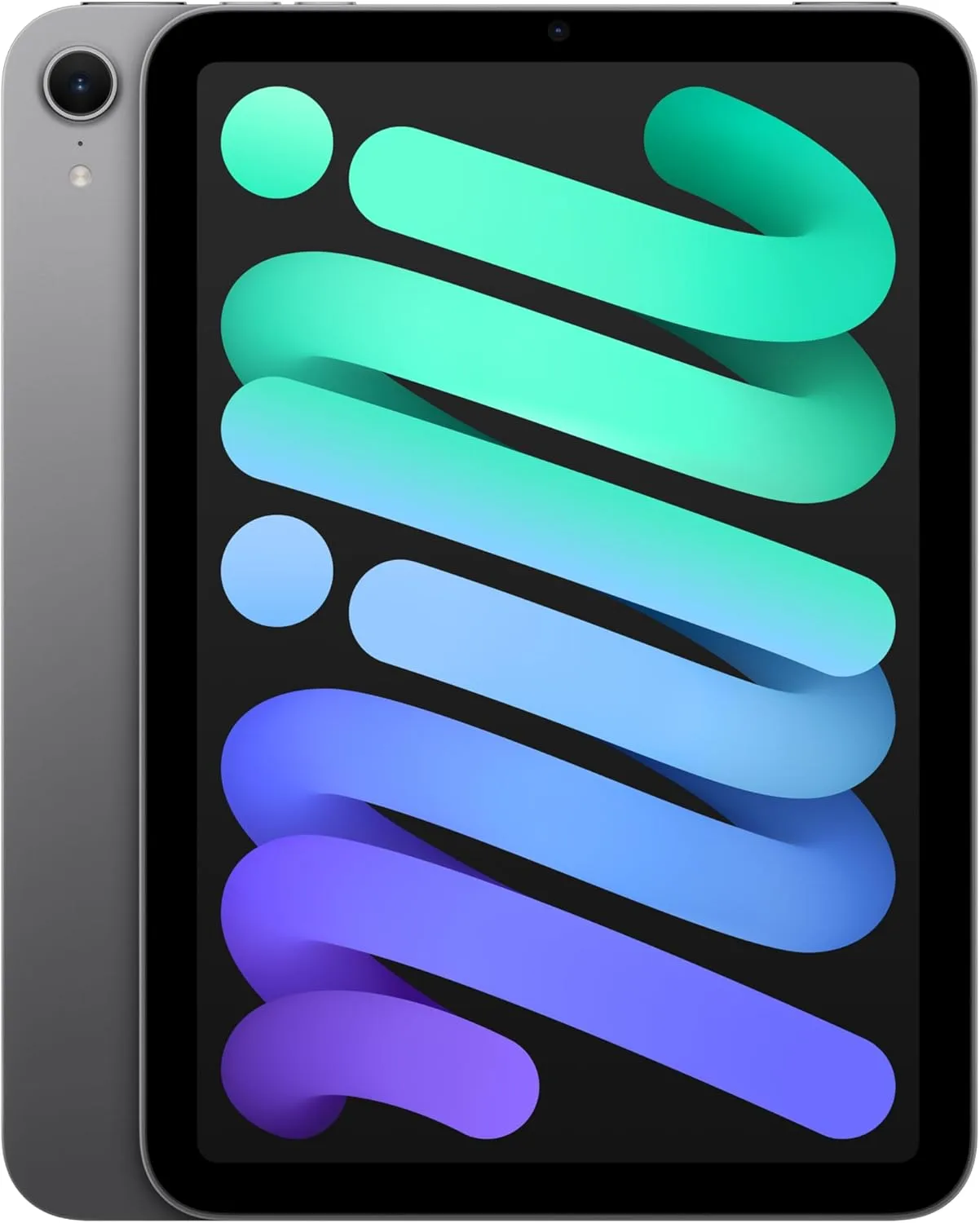
If size is not a problem for you, get the iPad Mini. It’s the most compact iPad today and it works very well for its size. It’s more powerful than the base model iPad, and even though the latest update are underwhelming, this is still a great iPad, especially if you like them small.
If you’re looking for the absolute best value tablet of 2025, the Samsung Galaxy Tab S10 FE+ is the one to beat. It’s essentially the “student special” perfected—you get a massive 13.1-inch canvas that is water-resistant (IP68), which is something even the expensive iPads don’t offer, and it comes with the excellent S Pen right in the box so you don’t have to shell out extra cash just to take notes. It’s fantastic for anyone who wants that premium, large-screen experience for drawing or watching movies without paying the scary flagship prices, plus Samsung’s DeX mode turns it into a surprisingly capable laptop replacement for getting actual work done.
But, to keep it real with you, it’s definitely not the “best” if you care about raw specs. The screen is a standard LCD rather than the stunning, deep-black AMOLED panels you find on the more expensive Tab S10+ or Ultra, and it tops out at a 90Hz refresh rate, so it doesn’t feel quite as fluid as the 120Hz screens on flagship rivals. Also, the Exynos processor inside is decent for everyday stuff, but if you try to run heavy games like Genshin Impact at max settings, you’re definitely going to feel it struggle compared to an iPad Air or the regular Tab S10.
If you just want a reliable tablet that “just works” without draining your bank account, the iPad 11th Gen (2025) is hands down the best value pick of the year. Apple finally listened and bumped the base storage to 128GB, so you aren’t constantly deleting apps to make room for updates, and the A16 Bionic chip (the same one from the iPhone 15) is plenty snappy for streaming, schoolwork, and casual gaming. It’s the perfect “everyman” tablet—great battery life, that modern all-screen design, and a price tag that is actually reasonable for the quality you get.
However, it is definitely not the “best” if you want to future-proof your gear; the biggest letdown is that it does not support Apple Intelligence, so you miss out on all the cool new AI writing and Siri features that the iPad Air and Mini 7 have.Plus, the screen is still unlaminated (there’s a tiny air gap between the glass and the display) and stuck at 60Hz, which looks a bit dated and “floaty” compared to the crisp, laminated screens on almost every other Apple device.
CAMERA: 13MP (wide) main camera | 8MP (wide) selfie camera
VIDEO: Up to 4K video capture at 30fps
WEIGHT: 584g (1.29 lbs)
Reasons to Buy
Bright & Vivid HDR display with high refresh rate
Impressive performance
Strong battery Life with fast recharge
Unique tablet design
Loud speakers
The Dealbreakers
Poor main camera quality
Look, if you want the most bang for your buck in 2025, the OnePlus Pad 2 is arguably the best tablet you can grab. It’s running the Snapdragon 8 Gen 3 chip, which is still an absolute beast for gaming and multitasking, especially with that 144Hz refresh rate that makes everything feel incredibly snappy.The real game-changer, though, is the “Open Canvas” feature—it handles split-screen multitasking way better than the iPad, letting you keep three apps open and “nudged” off-screen without shrinking them down to useless tiny windows.
That said, it’s not perfect. If you’re a screen snob, you might be bummed that it’s using an LCD panel instead of the rich, deep-black OLED screens you get on the Samsung Galaxy Tab S series. Also, the Android tablet app ecosystem still feels a bit like a blown-up phone interface compared to the polished, tablet-first apps on iPadOS, and the lack of a secure fingerprint scanner (it only uses face unlock) can be a minor annoyance for banking apps.
CAMERA: Main 12 MP (wide) | Selfie 12 MP (ultrawide)
VIDEO: Up to 4K video capture at 60fps
PORTS: USB Type-C
WEIGHT: 293g (Wi-Fi) / 297g (Wi-Fi + eSIM)
REASON TO BUY
Lightweight & portable
Impressive performance
Supports Apple Intelligence
Stylus support
Improved base storage
THE DEALBREAKERS
LCD display not OLED
Low refresh rate
No official Magic Keyboard
Slow charging
No FaceID
Awkward camera placement
The iPad Mini (2024) is arguably the best tablet of the year if you prioritize pure portability and power—it’s basically the “Goldilocks” device that fits in a jacket pocket yet packs the serious punch of the A17 Pro chip (the same one in the iPhone 15 Pro), making it an absolute beast for handheld gaming and smooth multitasking with the new Apple Intelligence features. It’s fantastic for reading, taking notes with the new Apple Pencil Pro, or just lounging on the couch without the wrist fatigue you get from holding a massive 13-inch slate.
However, I wouldn’t call it the “best” if you’re a screen snob or a productivity power user; the display is still stuck at a 60Hz refresh rate (so you miss out on that buttery smooth ProMotion scrolling found on the Pro models), and the screen is just too cramped to be a true laptop replacement. Plus, the lack of an official Magic Keyboard case and the awkward portrait-oriented selfie camera make it a tough sell if you plan to use it for a lot of typing or Zoom calls.
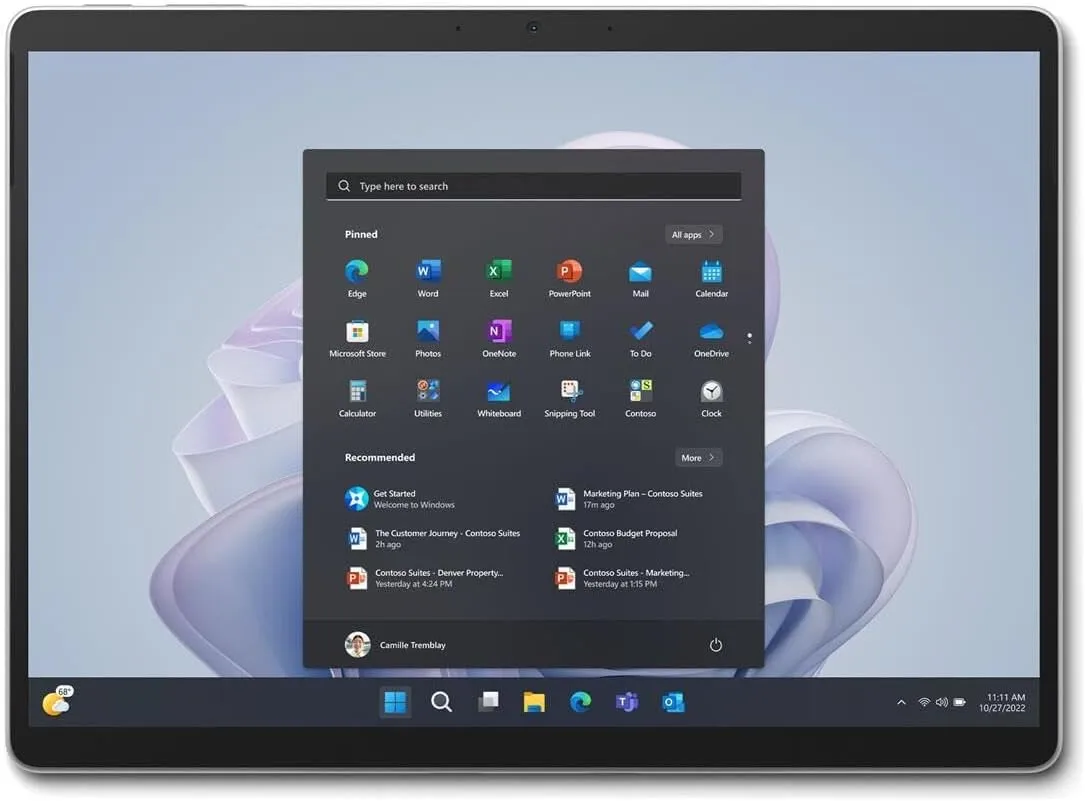
The Microsoft Surface Pro 11th Edition is the best 2-in-1 laptop yet, even though it includes some unfinished AI features and pricey accessories. It’s got a sleek design and a super-fast Snapdragon X Elite chip that contributes to the excellent performance. No lag or freezing of apps on this one. And the new ‘Flex’ keyboard, although expensive, it’s a big upgrade from the last model.
The 13-inch OLED display looks bright and gorgeous too. Not as good as other OLED panels, yet better looking than the Surface Pro with IPS LCD screens. The battery life is not as impressive either as other iPads or MacBooks have created a new standard, yet on moderate use, you’re looking at a good day’s power to keep it going.
If you love Windows and want a device that’s both a laptop and a tablet, the Surface Pro 11 is a top choice. But if you’re not a Windows fan, the iPad Pro with the M4 chip is a great, cheaper alternative. If you’re willing to splurge on the whole package, the Surface Pro is a powerful, long-lasting computer perfect for taking on the go.
DISPLAY: 8.8-inch IPS LCD (1600 x 2569) 165Hz refresh rate
PROCESSOR: Snapdragon 8 Gen 3 | Adreno 750 GPU
MEMORY: 12GB / 16GB RAM
STORAGE: 256GB / 512GB
BATTERY: 6550mAh
CAMERA: 13MP (wide) main camera | 8MP selfie camera
VIDEO: Up to 1080p video at 30fps
PORTS: USB Type-C
WEIGHT: 350g (12.35 oz)
PROS
Fast performance
Strong battery life
Includes useful apps
Fairly priced
Compact sleek design
CONS
Dim display
Mediocre camera quality
Alright, if you’re a gamer who wants to dominate on the go, the Lenovo Legion Tab Gen 3 is hands-down the best tablet of 2025. This thing is an absolute beast for mobile gaming—it’s got the latest Snapdragon 8 Gen 3 chip, a super-fast 165Hz LCD display that makes every frame look buttery smooth, and a dedicated vapor chamber cooling system that actually keeps the chip from throttling during intense sessions.
Plus, the built-in haptics are surprisingly good, making games feel more immersive, and its relatively compact size makes it perfect for tossing in a backpack and bringing to a friend’s house for some multiplayer action.
However, let’s be real, it’s definitely not the “best” tablet for everyone. While amazing for games, the software experience outside of gaming feels a bit… unpolished compared to an iPad or even a Samsung tablet.
The camera quality is pretty mediocre, so don’t expect to take great photos with it, and the battery life, while decent, will drain quickly if you’re constantly pushing that high refresh rate and powerful chip. It’s truly a gaming-first device, so if you’re looking for something for productivity, creative work, or just general browsing, you might find its priorities a little skewed.
DISPLAY: 11-inch Liquid Retina IPS LCD (1640 x 2360)
PROCESSOR: Apple M3
MEMORY: 8GB RAM
STORAGE: 128GB / 256GB / 512GB / 1TB
BATTERY: 7606mAh
CAMERA: 12MP (wide) | 12MP (ultrawide)
VIDEO: Up to 4K video capture at 60fps
WEIGHT: 460g (1.01 lbs.)
PROS
Excellent M3 performance
Bright & vibrant screen
Strong battery life
Loud audio speakers
CONS
No major changes from the previous model
Refresh rate not as good as ‘ProMotion’
If you’re hunting for the tablet that hits the perfect balance of power and price in 2025, the iPad Air 11-inch (M3) is arguably the best tablet for 95% of people. It’s a huge win because it packs the insanely fast M3 chip—the same next-gen power that runs the newest MacBooks—meaning it absolutely flies through pro tasks like video editing and heavy multitasking, and crucially, it fully supports all the amazing new Apple Intelligence features.
Plus, it finally supports the awesome Apple Pencil Pro and comes in fun colors, all for a starting price that is hundreds less than the Pro model.
However, it definitely cuts a few corners to keep that price down, which is why it’s not the ultimate “best.” The biggest miss is the display, which is a great laminated LCD (Liquid Retina), but it’s still stuck at a standard 60Hz refresh rate.
This means scrolling and animations just aren’t as silky smooth as the 120Hz ProMotion screen you get on the much more expensive iPad Pro. Also, you’re limited to the slower USB 3 port instead of the faster Thunderbolt port on the Pro, which can slow down things if you regularly work with massive external hard drives
DISPLAY: 14.6-inch Dynamic AMOLED (1848 x 2960) 120 refresh rate
PROCESSOR: Mediatek Dimensity 9400+
MEMORY: 12GB / 16GB RAM
STORAGE: 128GB / 256GB
BATTERY: 11600mAh
CAMERA: 13MP (wide) main camera | 8MP (ultrawide)
VIDEO: Up to 4K video capture at 30fps
WEIGHT: 695g (1.53 lbs.)
PROS
All metal body design
Lightweight & portable
Superb large AMOLED screen with good brightness
Good battery life
Impressive performance
Includes S Pen stylus in box
Impressive quality audio
IP68-rated for water resistance
CONS
No charger included
Expensive
Performance chip not as great as Apple M4
Need both hands to hold, too heavy for one hand
Keypad not included
Fairly slow charger
Hey! If you think “bigger is better” and you need a serious hybrid workstation, the Samsung Galaxy Tab S11 Ultra is definitely the best tablet of 2025. It’s a monster, rocking a gorgeous 14.6-inch Dynamic AMOLED screen that’s amazing for movies and multitasking, and it comes packed with the powerful Dimensity 9400+ chip, 16GB of RAM, and all the cool new Galaxy AI features.
Plus, the S Pen is still included for free, it’s super thin, and it’s even IP68 water-resistant—try taking your iPad Pro near the pool! With DeX mode, you get a real desktop experience that makes it a genuinely versatile laptop replacement.
That being said, it has some major downsides that stop it from being universally the “best.” First off, it’s absolutely gigantic—it’s too heavy and awkward to hold one-handed for long periods, making it more of a desk accessory than a casual couch companion.
While the chip is great, it’s not quite the raw powerhouse that the Apple M4 is, so the iPad Pro still holds the crown for ultimate benchmark performance. Lastly, you have to buy the keyboard separately, which is annoying for such an expensive tablet, and charging that massive 11,600 mAh battery is surprisingly slow, even with 45W charging
DISPLAY: 11-inch (1668 x 2420) / 13-inch (2064 x 2752) Ultra Retina Tandem OLED, 120Hz, HDR10, Dolby Vision
PROCESSOR: Apple M5 | Apple GPU (10-core)
MEMORY: 12GB / 16GB
STORAGE: 256GB / 512GB / 1TB / 2TB
BATTERY: 10290mAh
CAMERA: Main camera 12 MP (wide) | Selfie camera 12 MP (ultrawide)
VIDEO: Up to 4K video at 60fps
PORTS: USB Type-C, DisplayPort
MISC: 444 g (Wi-Fi), 446 g (5G)
PROS
Faster processing chip than M4
Excellent OLED quality display with incredible brightness
Lowest latency for Apple Pencil Pro2
Better GPU performance
Fast internal storage & data transfer
Fast charging
CONS
Very expensive (13-inch even more expensive)
Okay, if you’re asking for the absolute pinnacle of tablet technology in 2025, the Apple iPad Pro 11 (M5) is undeniably the best tablet you can get, hands down. It’s an absolute beast, running the ridiculously powerful M5 chip that leaves every other tablet (and most laptops!) in the dust, especially for video editing, 3D rendering, and intense creative work.
That stunning tandem OLED display is just gorgeous, with perfect blacks and incredible brightness for HDR content, and the new Apple Pencil Pro 2 (or whatever they call it) with even lower latency makes drawing feel like you’re working on real paper. Plus, with the advanced camera system and LiDAR scanner, it’s a dream for AR and professional photography workflows.
However, let’s be real—it’s definitely not the “best” for everyone. The price tag is absolutely insane, especially once you add the Magic Keyboard and Apple Pencil, pushing it into serious laptop territory.
iPadOS, while fantastic, still has some frustrating limitations compared to a full desktop OS like macOS or Windows, so certain professional applications might feel a bit constrained. And honestly, for most everyday tasks like browsing, streaming, or even light gaming, the M5 chip is pure overkill; you’re paying a huge premium for power you might never fully utilize.
Final Recommendations
Ultimately, 2025 has been a fantastic year for tablets, but your final choice really boils down to your budget and what you plan to use your tablet for. If you need the absolute, no-compromise best for heavy-duty professional tasks like 4K editing and 3D work, the iPad Pro (M5) is the clear winner.
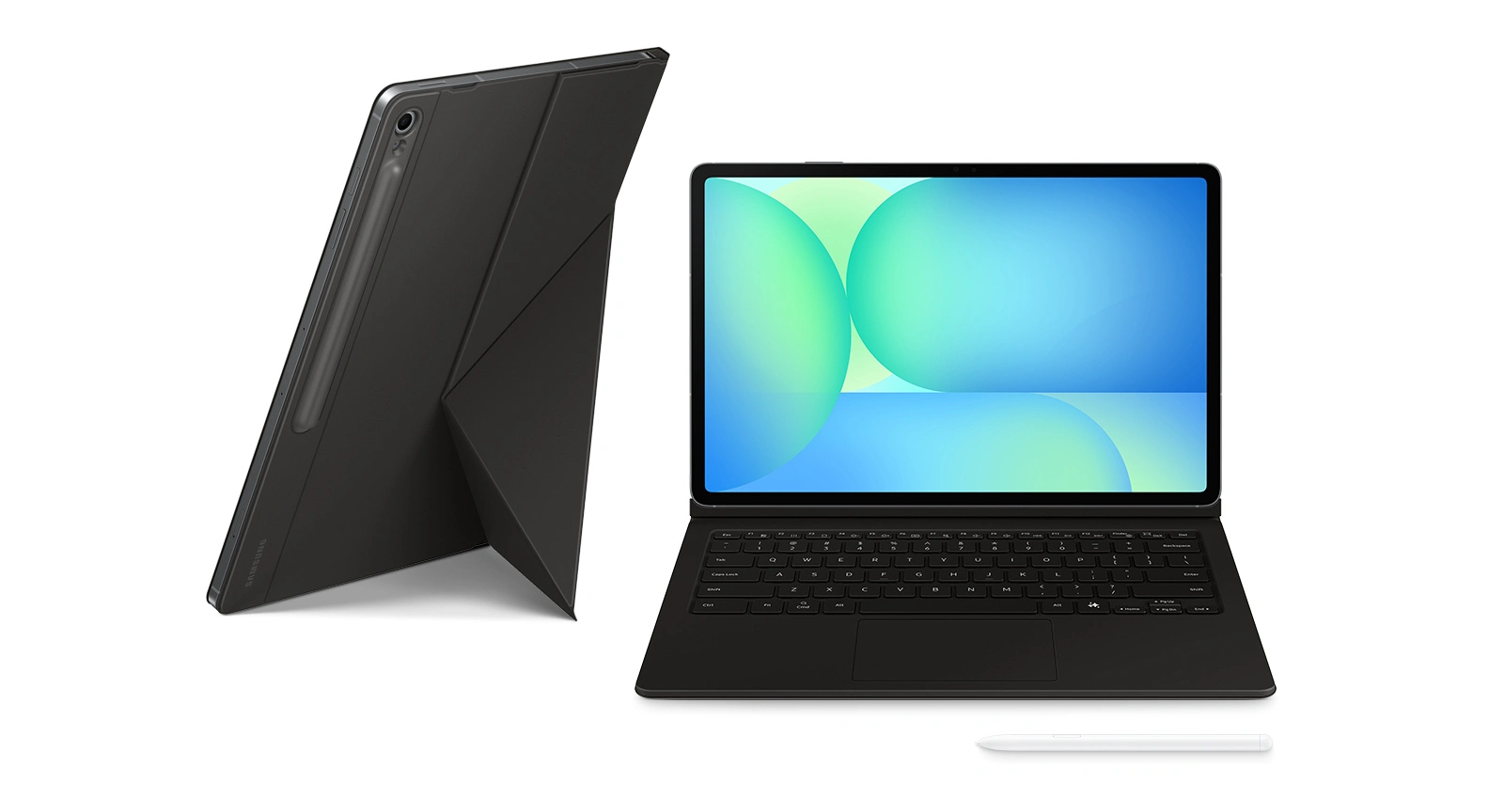
For those who prioritize a massive, immersive display for entertainment and flexible desktop multitasking with the included stylus, the Samsung Galaxy Tab S11 Ultra is the ultimate Android machine. However, for most people, the iPad Air 11-inch (2025) hits the sweet spot perfectly, offering the M3 chip power and full Apple Intelligence features without the Pro’s astronomical price tag.
Whichever one of these beasts you choose, you’ll be getting a phenomenal upgrade, so don’t wait—upgrade your digital life today and experience 2025’s tech revolution! We’ve given you our top picks, but we want to hear yours: Did we miss your favorite contender, or which one did you end up buying? Drop a comment below and let us know 😀
Hey there, students, future leaders and knowledge seekers. In today’s fast-paced world, a great tablet isn’t just a nice-to-have – it’s practically a must-have. Whether you’re juggling notes in a lecture, diving deep into research, attending online classes, or just kicking back with a well-deserved break, you need a device that can keep up without draining your wallet.
That’s exactly why we’ve done the legwork for you. We’ve combed through the market to bring you a hand-picked list of the best budget tablets for students. Our main goals? Making sure they’re affordable, but also that they boast incredible battery life to power you through those marathon study sessions. Let’s not forget, they must include features that genuinely make learning easier for you.
So, luckily, you don’t need to spend a fortune to get a solid tablet that’ll be your academic sidekick. Ready to find your next study buddy? Let’s jump into our top picks, designed to give you the most bang for your buck and keep you charged up for success!
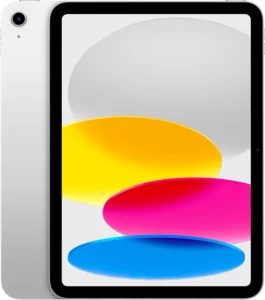
Display: 10.9-inch, Liquid Retina IPS LCD, 1640 x 2360
CPU: Apple A14 Bionic
Storage: 64GB / 128GB
Memory: 4GB
OS: iPadOS
Weight: 477g (Wi-Fi) / 481g (LTE)
Battery: 7606 mAh
Main camera: 12MP (wide) | 4K videos at 60fps
Front camera: 12MP (ultrawide) | 1080p videos at 60fps
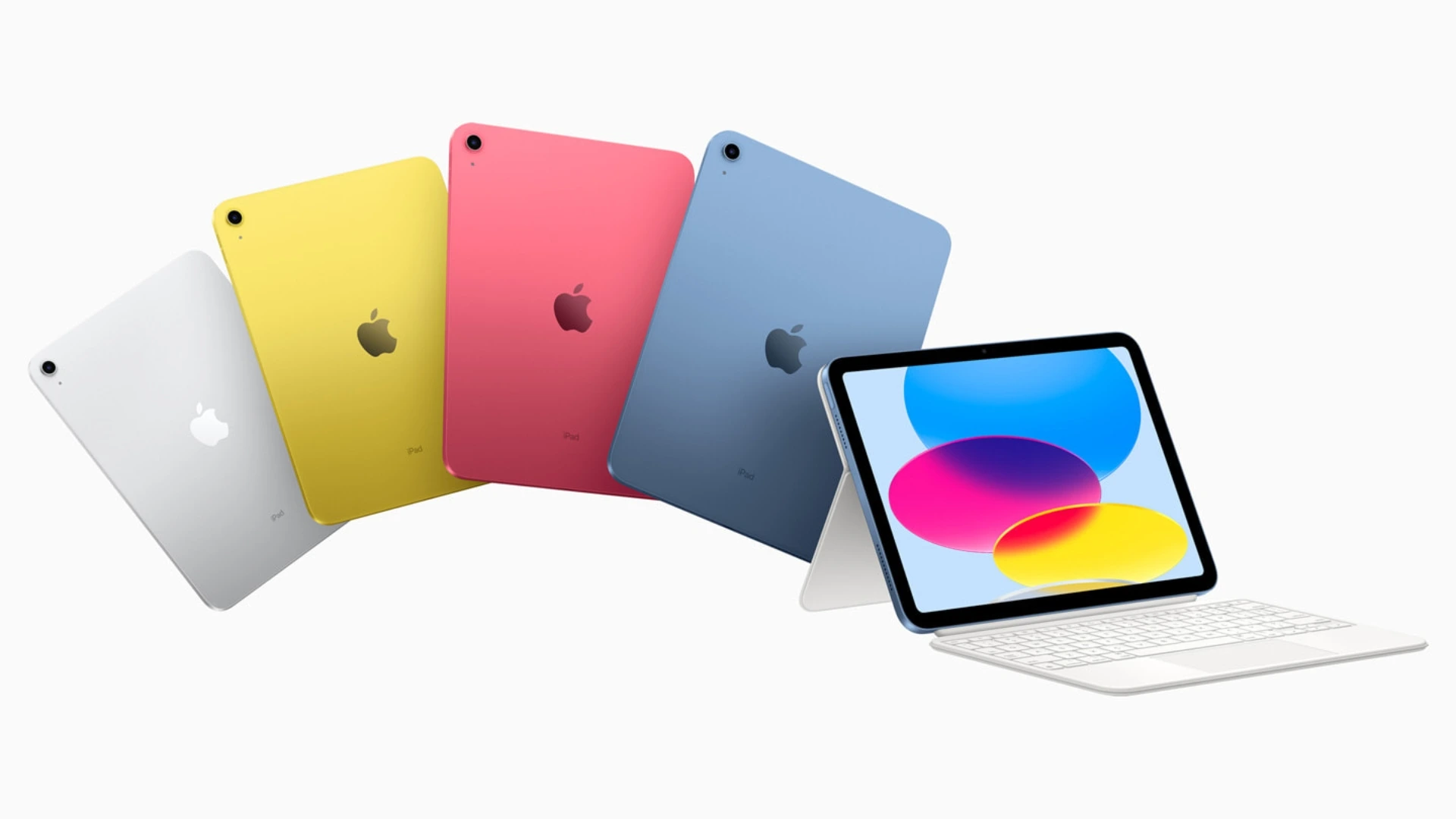
Colors: Silver, Blue, Pink, Yellow
(image source: Apple)
Pros
Good performance
Great camera features
Support for older Apple Pencil stylus
Sleek & modern design
Good quality display
Excellent value
Cons
Most expensive budget option
64GB base storage fills very quickly
Screen lacks anti-reflective coating
As of right now, you can still snag the iPad 10.9 (2022) from various retailers, but it won’t be on shelves for much longer. So, if you’re reading this and can’t track one down, don’t sweat it! Just go for the iPad A16 (2025) instead – it’s our current top pick for most people looking for an iPad.
But back to the iPad 10.9 (2022). This tablet truly shines for everyday use. It boasts a bright and generously sized 10.9-inch display, a super lightweight aluminum design, and the capable A14 Bionic chipset under the hood. Throw in some decent stereo speakers, and you’ve got a device that’s perfectly suited for streaming your favorite shows, Browse the web, and tackling mild productivity tasks.
It’s a fantastic all-rounder that feels much more premium than many other tablets in its price bracket. Of course, because it’s an Apple device, you’ll still pay a bit of a premium compared to some Android options, even with its current discounted price.
During our testing, the iPad 10.9 (2022) consistently gave us about 10 hours of battery life with constant use, and stretched to almost 22 hours when used casually. While it doesn’t have Face ID, it’s hard to find fault with how effortlessly this device performs, especially for a tablet in this price range.
The best part? This iPad is compatible with iPadOS 18 and will continue to receive software updates, including iPadOS 26, until at least 2027. If you’re looking to mess around with the new Apple Intelligence, you’d need to go for pricier options like the iPad mini (2024) or iPad Air 11 (2025). But for budget-conscious buyers, picking up the iPad 10.9 (2022) at a lower price from third-party retailers makes it a really smart move.
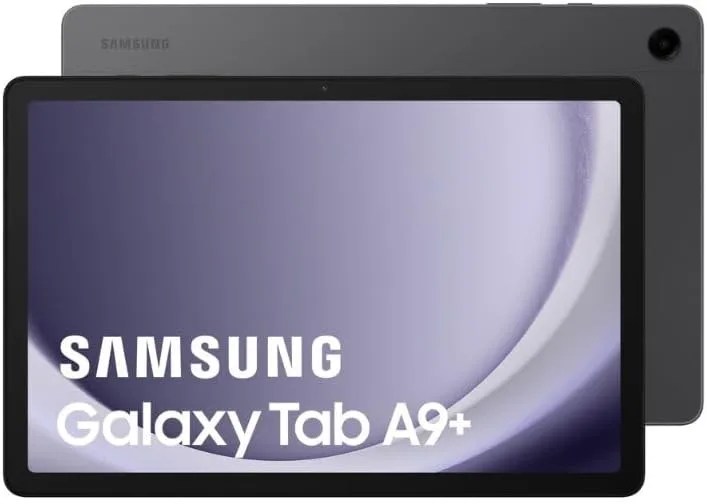
For its price, this tablet is a really strong contender, offering a surprisingly compelling package. When it comes to your everyday tasks – things like managing emails, working on documents, or just browsing the web – the Tab A9+ handles them without a hitch.
This tablet looks sleek, includes a vibrant 11-inch screen, and delivers solid performance thanks to its Snapdragon chip. It’s a fantastic Android option, plus, you can often find some sweet deals on it.
Samsung has done a great job with its software to make sure things run smoothly. It’s also a fantastic device for streaming all your favorite shows and movies, giving you a clear and vibrant viewing experience.
And if you’re into gaming, it can even manage more demanding titles pretty well, which is a nice bonus for a budget-friendly tablet. Plus, for those who need to stay connected on the go, there’s even a 5G-compatible version available.
Now, it’s not perfect – the battery life could be a bit better, and the base storage might feel a little tight for some. But honestly, those minor points don’t stop the Galaxy Tab A9+ from being among one of the best Android tablets. It truly offers a lot of value for your money and is a great tablet for students.
This is one of those Android tablets that’s priced really well, and while its performance isn’t going to blow you away, it gets the job done for the cost. Tablets like this are perfect for the kids or for anyone keeping a close eye on their budget.
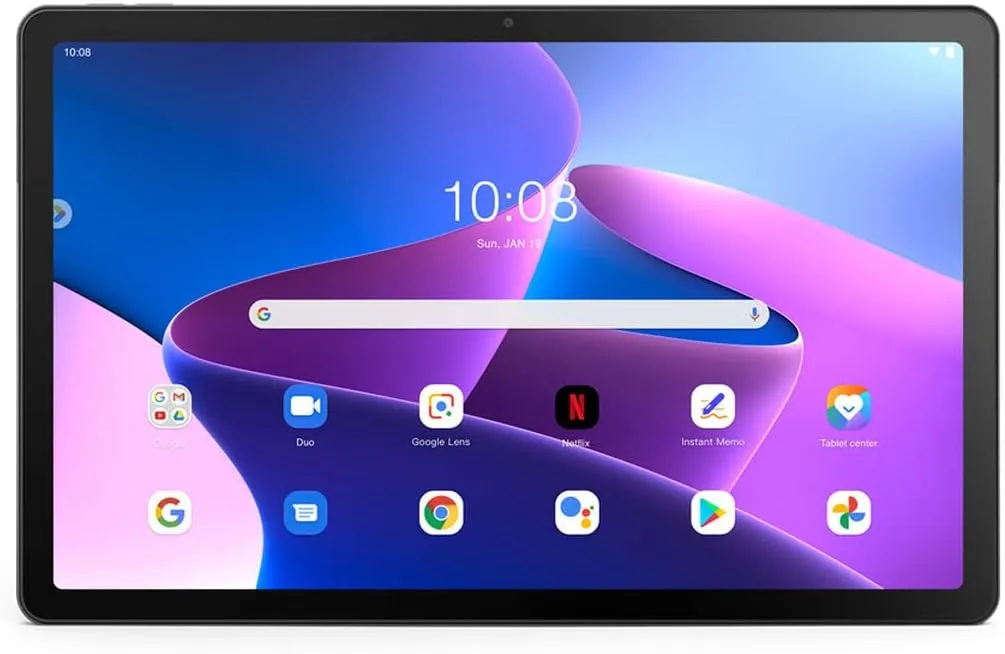
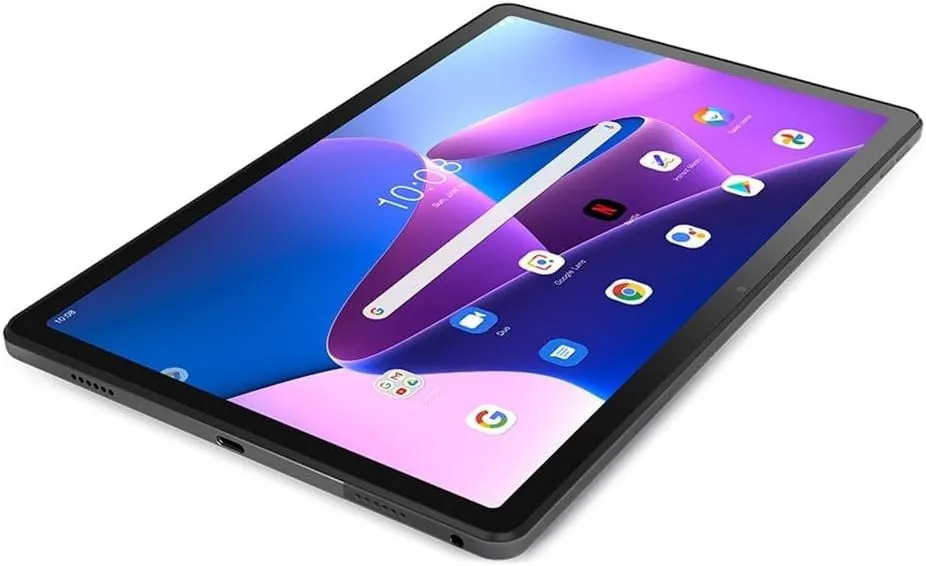
Lenovo consistently nails the balance between affordability and useful features. The Tab M10 Plus offers a good screen, reliable performance for all your student tasks, and it’s built tough. It’s a versatile Android tablet that handles a wide range of educational apps like a champ.
Now, it’s true, the Tab M10 Plus Gen 3 doesn’t have a ton of standout features, and its performance is just “okay.” But here’s where it shines: if you mostly use a tablet for streaming videos or reading e-books, it’s an ideal choice. And a big bonus? It boasts a long battery life (up to 10 hours), so you can enjoy your content without constantly hunting for an outlet.
If you’re thinking about alternatives, you can check out the other tablets on the list. But because of its long battery life and the low price, it’s perfect for students and those with a budget.
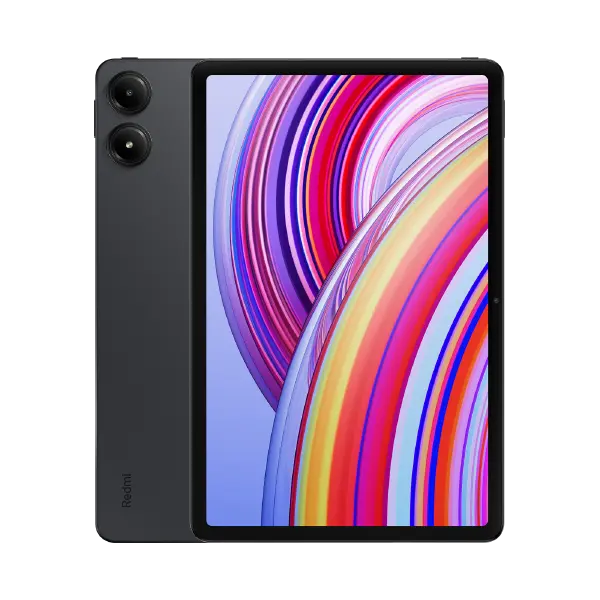
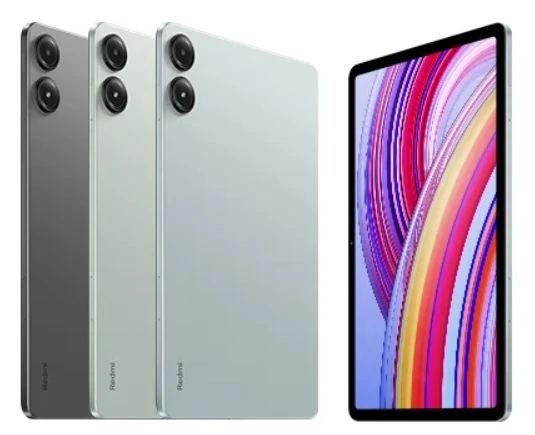
Colors: Graphite gray, Mint green, Lavender purple
(image source: Xiaomi)
Pros
Impressive performance
Includes a 90Hz display
Useful for multitasking
Impressive build quality
Good price
Huge battery capacity
Cons
No fingerprint scanner
Camera takes average images
Audio sounds average
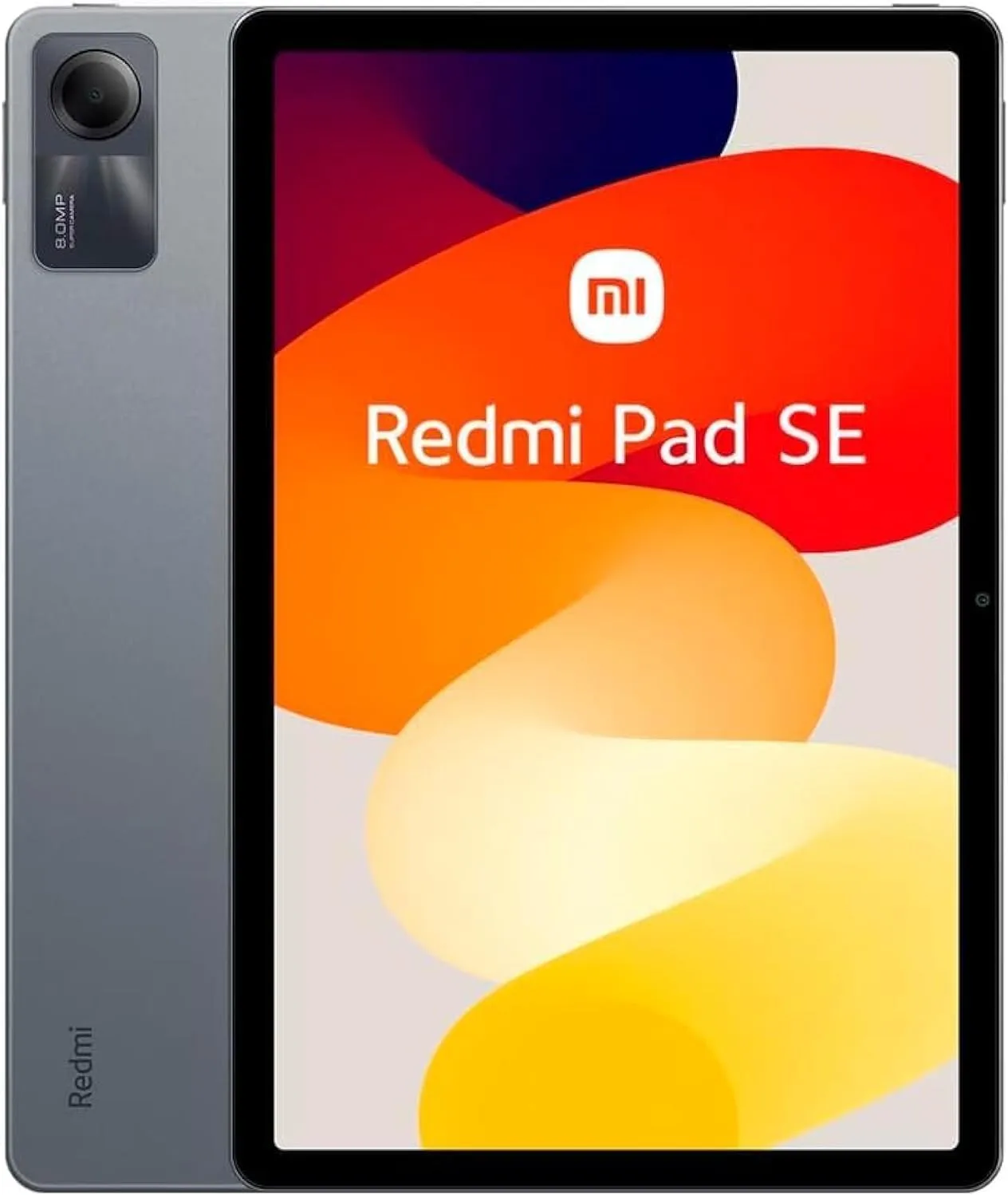
Looking for an affordable Android tablet that competes with entry-level iPads, then let’s look at the Xiaomi Redmi Pad SE. Just under US$300, this solid tablet features good performance and good build quality, all whilst providing an excellent Android experience.
It’s is definitely worth considering, looking at how affordable it is compared to other premium tablets. When you think about it, it’s a bit difficult to believe that you can get a solidly built tablet with an aluminum enclosure, a high refresh display, a Qualcomm Snapdragon processor, up to 8GB RAM, and expandable storage, all alongside at least two OS updates. While that all looks good on paper — err, on-screen — it also works well in practice.
This is one tablet you will enjoy using as much as I have. That’s why I see not problem in recommending it especially to students and budget-conscious users. The Xiaomi Redmi Pad SE is a midsize tablet that’s great for casual use, with no issues running apps side by side, great for streaming movies, and playing games. Sure, there’s still space for improvement — I wish it had some kind of fingerprint scanner and that the audio speakers would deliver better sound — but for a fair price, this tablet has great value, making it a winner.
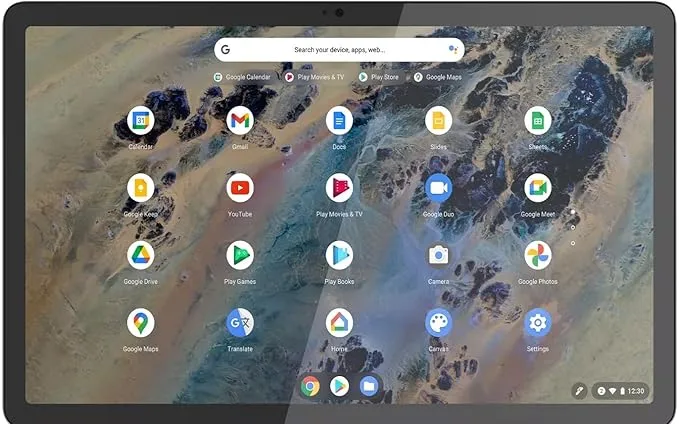
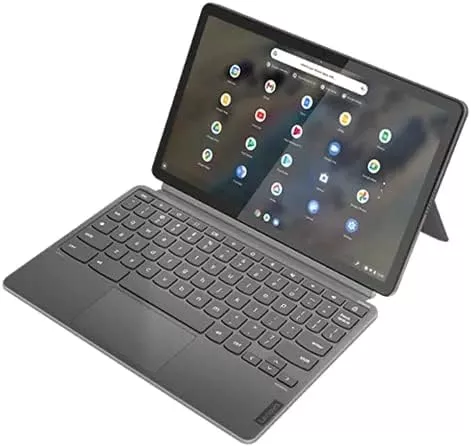
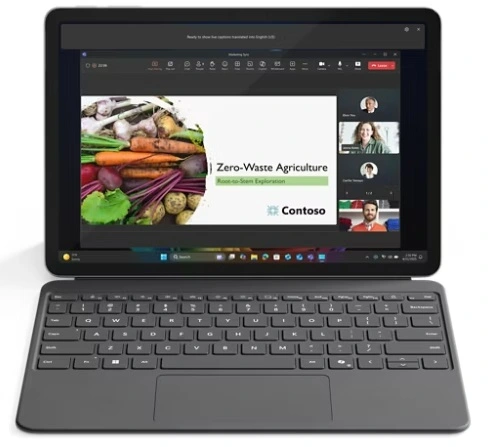
If you’re someone who needs a device that’s a bit of a hybrid – part tablet, part laptop – the Chromebook Duet 3 is incredible. It runs on ChromeOS, which is super efficient, and it often comes with a detachable keyboard, making it perfect for typing essays and keeping your assignments organized. .
This tablet is a definite upgrade from its predecessor, the original Duet. It runs on ChromeOS, which is super efficient, and it often comes with a detachable keyboard, making it perfect for typing essays and keeping your assignments organized. This one boasts excellent battery life, frequently lasting over 10 hours on a single charge.
It comes with a boosted display, which is much better, with an upgraded resolution it makes everything you look at just pop. This is a big deal for reading and studying, video streaming, or web browsing.
Then they’ve added a second USB-C port, which is super useful. It means you can now plug it in for power and connect a USB hub at the same time. So, if you’ve got a favorite keyboard and mouse (or any other accessories), you can use them without constantly swapping cables. This added flexibility is one of the main reasons one of our editors even picked this Chromebook over an Android tablet!
If you’re in the market for a surprisingly good Chrome tablet that costs under US$400 and can easily transform into a Chromebook when you need to get some serious typing done, the Lenovo Chromebook Duet 3 is a solid choice. It’s a reliable little workhorse that won’t let you down.
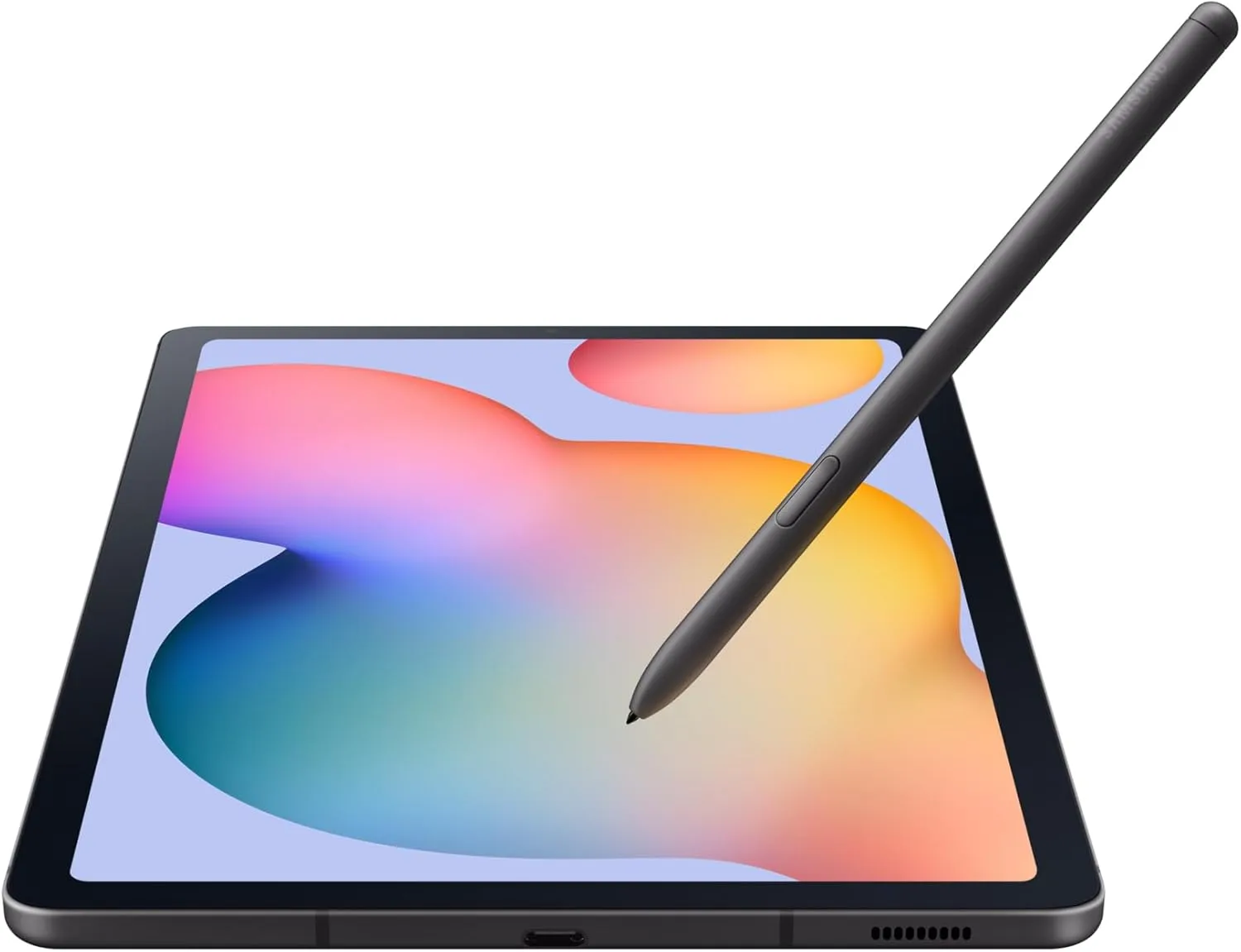
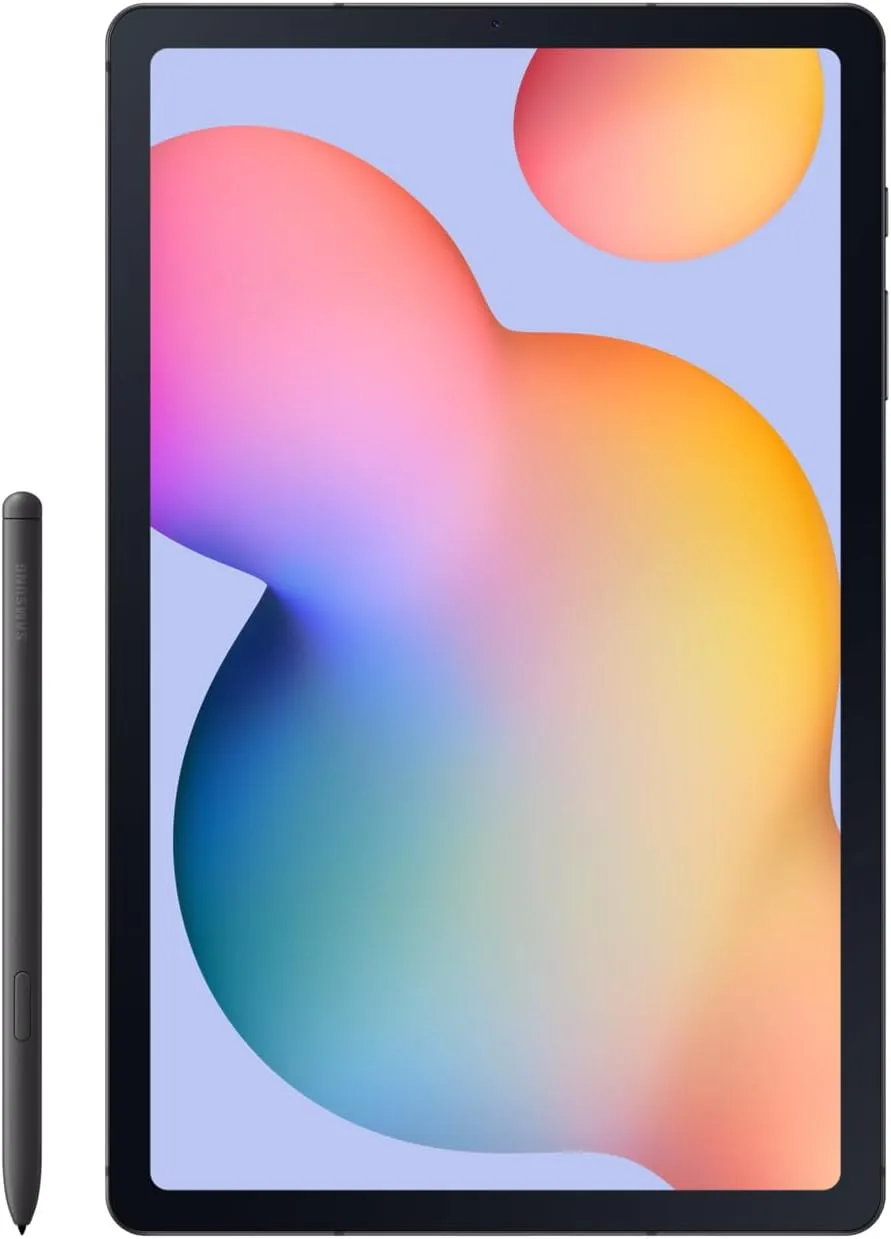
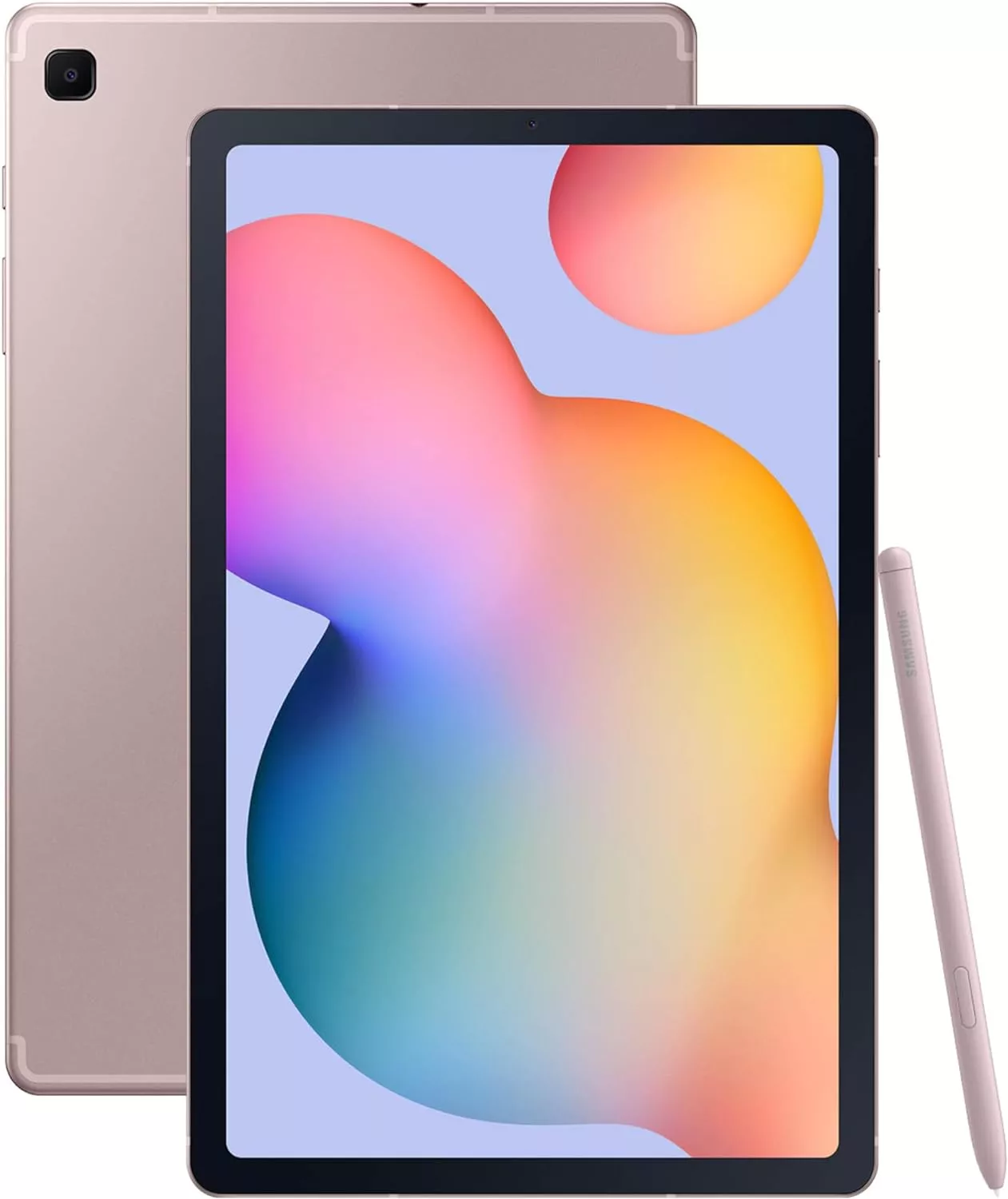
The Samsung Galaxy Tab S6 Lite is a really solid contender against the iPad, and frankly, it might just be the best non-premium tablet Samsung has ever released.
The Tab S6 Lite has some real strengths that make it shine. For starters, it comes with the S Pen included, which is a huge bonus if you love taking notes by hand or getting a little creative with your tablet. You also get a good amount of software customization options, letting you tweak things to your liking. And let’s not forget its design – it feels pretty robust and looks good, definitely punching above its weight class in terms of build quality.
However, it’s not entirely perfect. You might run into a few performance hiccups here and there. Nothing major that will stop you in your tracks, but it’s worth noting that it’s not going to be as buttery smooth as a top-tier tablet. These minor stutters could affect your overall experience if you’re pushing it with very demanding apps or heavy multitasking.
Despite that small catch, the Samsung Galaxy Tab S6 Lite offers a fantastic balance of features, design, and value, making it a truly well-rounded option.
If the Tab A9 or the A9+ is not within your budget radar, then the Galaxy Tab A8 is the better alternative in 2025. And honestly, that makes it a pretty compelling option for anyone looking to save some cash.
Think of the Galaxy Tab A8 as Samsung’s answer to Apple’s more affordable iPad options. If you’re after an Android-powered tablet that can genuinely rival an iPad, this one (or its newer A9 sibling) should definitely be on your radar.
With Google’s Android operating system giving you tons of flexibility and a nice, big HD display, the 10.5-inch Tab A8 is a real winner for kicking back with movies or just casually Browse the web. We found that this tablet also delivers a long battery life, so you can easily dive into a movie marathon without constantly checking for an outlet. Just a heads-up though, it can take a little while to fully charge up.
Now, it’s not the most powerful tablet out there – if you’re looking for top-tier performance, Apple’s iPad 10.9 (2022) still has the edge in our books. But for everyday media consumption and using basic apps around the house, the Galaxy Tab A8 is a really solid choice.
If you’re willing to stretch your budget a bit, but not quite into “Ultra” tablet territory, the Samsung Galaxy Tab S9 FE Plus is another excellent option to consider. Also, we’re expecting an even newer version of the Galaxy Tab A – probably the Galaxy Tab A10 – to launch in the first half of 2025. So, if you’re not in a huge rush, waiting a few more months before pulling the trigger on the Galaxy Tab A8 might just pay off.
Why Buy Affordable Tablets?
You might be thinking, “Shouldn’t I just save up for a premium expensive tablet instead?” While the premium tablets are great, there are some really compelling reasons why going for an affordable option, especially as a student, just makes sense:
Smart for the Wallet: Let’s face it, tablets are expensive, even for students. Spending less on a tablet means more money for textbooks, tuition, or even just some much-needed coffee to keep you up. You can get a highly capable device without feeling the pinch.
Less Stress, More Learning: There’s something liberating about not constantly worrying about a super expensive gadget. If it takes a tumble (accidents happen), or gets misplaced, the financial hit isn’t as severe. This lets you focus on your studies, not on coddling your tech.
Perfectly Capable for Student Needs: For most academic tasks – reading textbooks, taking notes, researching online, attending video calls, and organizing your schedule – a budget tablet does the job well. You don’t really need the absolute latest processor or an ultra-fancy camera for schoolwork.
Portable Power: Affordable tablets are typically lightweight and easy to carry, fitting perfectly into a backpack alongside your books. Plus many offer exceptional battery life, meaning you’re not tethered to a power outlet during a long day of classes and study groups.
Gateway to the Digital World: For many, an affordable tablet is an excellent entry point into digital learning tools. It opens up access to countless educational apps, e-books, and other online resources, enhancing your learning without a huge upfront investment.
So, while the premium gadgets have their place, a well-chosen budget tablet can be the smartest, most practical tool for navigating student life.
Final thoughts
So there you have it. Finding the best budget tablets for students doesn’t have to be a headache. As you’ve seen, there are some truly fantastic options out there that deliver great performance, solid features, and most importantly, battery life that will actually last through your toughest study sessions. You don’t need to empty your savings account to get a reliable tool that will genuinely boost your academic game.
Whether you lean towards Apple’s iPads, Samsung’s versatile Android experience, or the no-frills practicality a Chromebook hybrid, there’s a tablet on this list that’s just right for your needs and your budget. These devices prove that affordability doesn’t mean compromising on the essentials.
Now that you’re armed with the knowledge, it’s time to make your move. Which of these best budget tablets for students caught your eye? Leave me a comment here below and share your thoughts. And if you wanna find out more, then click on the red button corresponding to the tablet you’re interested in. That’s all from me. Until next time 😀
Ever feel like your trusty tablet right now is starting to lag behind? Or perhaps you’re finally ready to jump into the world of powerful and portable mobile devices? Well, you’ve come to the right place! As a huge tech enthusiast, I’ve been keeping a close eye on what 2025 has brought us in the tablet era this year.
And let me tell you, it’s an exciting year! From stunning displays to mind-blowing processing power, the best tablets of 2025 are pushing boundaries and redefining what these versatile devices can do. So, grab a cup of coffee, get comfortable, and let’s explore the top contenders of the best tablet of 2025, that might just be your next favorite gadget!
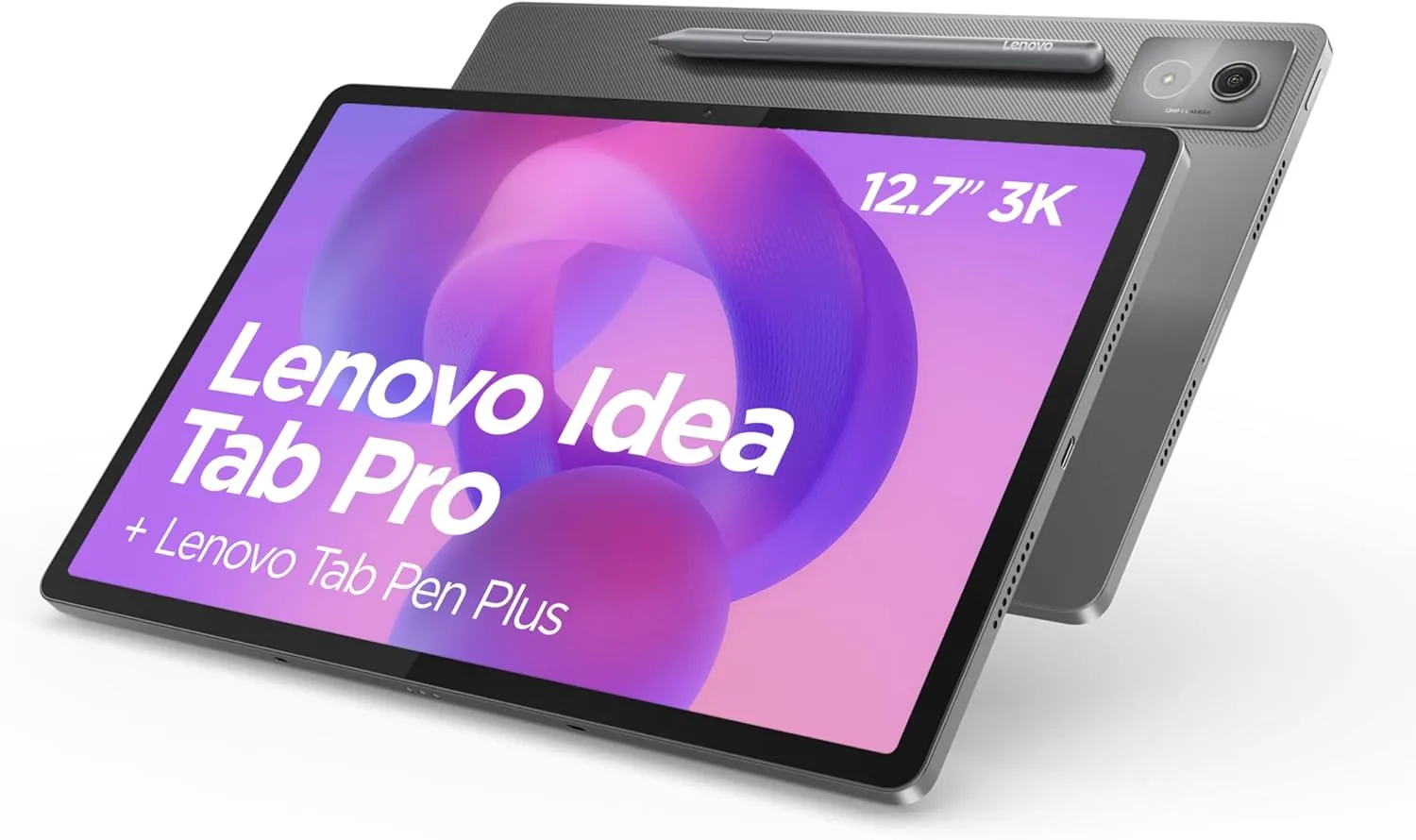
You know how sometimes you find a real gem that gives you way more than you expect for the price? Introducing the Lenovo Idea Tab Pro! It’s packed with features you rarely see in tablets at its price range.
If you’re into streaming movies or listening to music, you’re going to love its awesome high-resolution screen and loud audio speakers. But here’s where it gets even better: it’s also a performance tablet that helps you get your stuff done! Thanks to its speedy performance, the included stylus pen, and software that lets you multitask like you’re on a PC, is super handy for productivity.
Now, it’s not absolutely perfect, of course. It would be nice if the screen were a little brighter, and we wish Lenovo would commit to a few more years of software updates. But honestly, for the that price, those are pretty minor trade-offs.
So overall, if you’re looking for an Android tablet under US $400, the Idea Tab Pro is the one to beat. I even recommend as one of the most affordable and best tablets of 2025 which means its in par with the best.
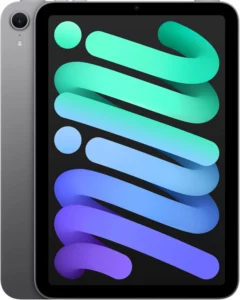
Screen: 8.3-inch Liquid Retina IPS LCD (2226 x 1448)
Processor: Apple A17 Pro
Storage: 128GB / 256GB / 512GB
Memory: 8GB RAM
OS: iPadOS 18
Weight: 293g (Wi-Fi) / 297g (Wi-Fi + Cellular)
Battery: 5078mAh, up to 7 hours battery life
Pros
Impressive performance
Good hardware specs
Compact & portable
Supports Apple Intelligence
Works well with Apple Pencil Pro
Cons
Small display
Average design
The iPad Mini (2024) is still a well-made little tablet and incredibly easy to carry around. Out of all the cool new stuff for the 2024 model, Apple’s A17 Pro processor and the improved memory, stand out the most.
That new processor really gives it a huge boost in performance, letting it run things like Apple Intelligence and work with the fancy new Apple Pencil Pro. Plus, they’ve even upgraded its Bluetooth and Wi-Fi, which is a nice bonus!
Now, it’s not totally perfect. It would be awesome if it were waterproof – imagine all the new places you could use it. And if the camera were centered, video calls would be way better. Even with those small things, the iPad mini is a great pick if you love its small size and mostly want it for taking notes or watching stuff.
If you’re just a casual user, you could totally save some cash and go for the regular iPad. But if you’re a student or someone who creates a lot, the more powerful iPad Air might be a better fit for getting work done. Overall, if you’re comfortable with a smaller Apple tablet, the iPad Mini could be for you.
Screen: 11-inch Ultra Retina OLED 120Hz (1668 x 2420)
Processor: Apple M4
Storage: 256GB / 512GB / 1TB / 2TB
Memory: 8GB / 16GB RAM
OS: iPadOS 17
Weight: 444g (Wi-Fi) / 446g (5G)
Battery: 8160mAh, up to 12 hours battery life
Specs – Apple iPad Pro 13 (2024)
Screen: 13-inch Ultra Retina OLED 120Hz (2064 x 2752)
Processor: Apple M4
Storage: 256GB / 512GB / 1TB / 2TB
Memory: 8GB / 16GB RAM
OS: iPadOS 17.5.1
Weight: 579g (Wi-Fi) / 582g (5G)
Battery: 10290mAh, up to 12 hours battery life
Pros
Premium design
Superb OLED display
Impressive performance
Top camera system
Various connectivity options
Cons
Expensive
Accessories not cheap
Operating system needs getting used to
Okay, so let’s talk about the M4-powered Apple iPad Pro. Honestly, for most folks, this tablet is probably total overkill. It’s got insane performance, impressive power, but it comes at a high price.
But, I’ve got to admit, it’s so incredible. It boasts one of the best screens you’ll find on any tablet. It’s super slim, light in weight, and looks fantastic. Plus, it’s got really fast wired and wireless charging connections, top-notch cameras, and pretty good battery life. And don’t even get me started on its first-party accessories – they’re outstanding!
All in all, it’s my personal favorite, and one I can gladly recommend as one of the best tablets of 2025 to get now, especially if you’re a creative student or content creator looking for a slim, lightweight tablet that can handle practically anything you throw at it. The Apple iPad Air is a more affordable alternative if your budget is against you.
You’re looking for a new and affordable iPad, and you’re wondering which one to get, right? Well, let me tell you about the new Apple iPad (11th generation) model. Now, it’s not the most powerful of all of Apple’s iPads, but it’s the one most folks should probably get especially if you’re an Apple fan.
This 11th-generation iPad is just a well-made piece of tech. It’s got an impressive display, good performance, and plenty of battery life to get you through the day.
Plus, the cameras are actually better than most other tablets out there. We totally wished Apple had pushed the envelope a bit more with some features, but honestly, the upgraded A16 chip gives this iPad all the oomph it needs for everyday stuff. Think smooth web browsing, gaming, and impressive streaming of high quality videos – it handles it all.
And get this, at just under US$ 350, it’s yours, and my top pick for an affordable iPad, which makes it one of the best tablets of 2025 ready for you to buy. It’s truly an amazing deal.
Now, if you’re a student in the creative arts, you may want to consider stepping up to the AppleiPad Air. It’s got an even better screen, more processing power, and Apple Intelligence which sounds pretty cool for your creative endeavors. And for the serious professionals out there, the Apple iPad Pro is the way to go if you need the absolute best performance. But for everyone else, the Apple iPad (11th generation) is seriously an excellent choice!
The Apple iPad Air (2025) is not a ground breaking Apple tablet, but it makes up for it because of the new, the Apple M3 chip.
Now, that M3 chip does give the Air a nice little boost when it comes to performance, and it helps out with cool new features like Apple Intelligence, battery life, and even for creativity creating and imaging. But besides that, the hardware and most of its functions are pretty much the same as the previous model.
Even with that relatively small upgrade, the iPad Air is still an absolute winner, especially if you’re a student or a creator. It’s got plenty of power, and is another great option as one of the best.
To all Android fans, I haven’t left you out. let me tell you about the Samsung Galaxy Tab S10+ – this tablet is seriously awesome! It’s super powerful, speedy, and just feels really well-made.
Under the hood, it’s rocking a MediaTek chip, which means it can handle pretty much anything you throw at it. Whether you’re on video calls, getting creative with some drawing, diving into intense gaming, or just getting your work done, this tablet won’t break a sweat.
Samsung has also done some really cool things with its software, making Android even better than what you’d find on other tablets. And the new Galaxy AI? That just adds even more fun and functionality! When you put it all together, it’s no wonder the Galaxy Tab S10+ is our recommendation as one of the best tablets of 2025. It’s truly top-tier!
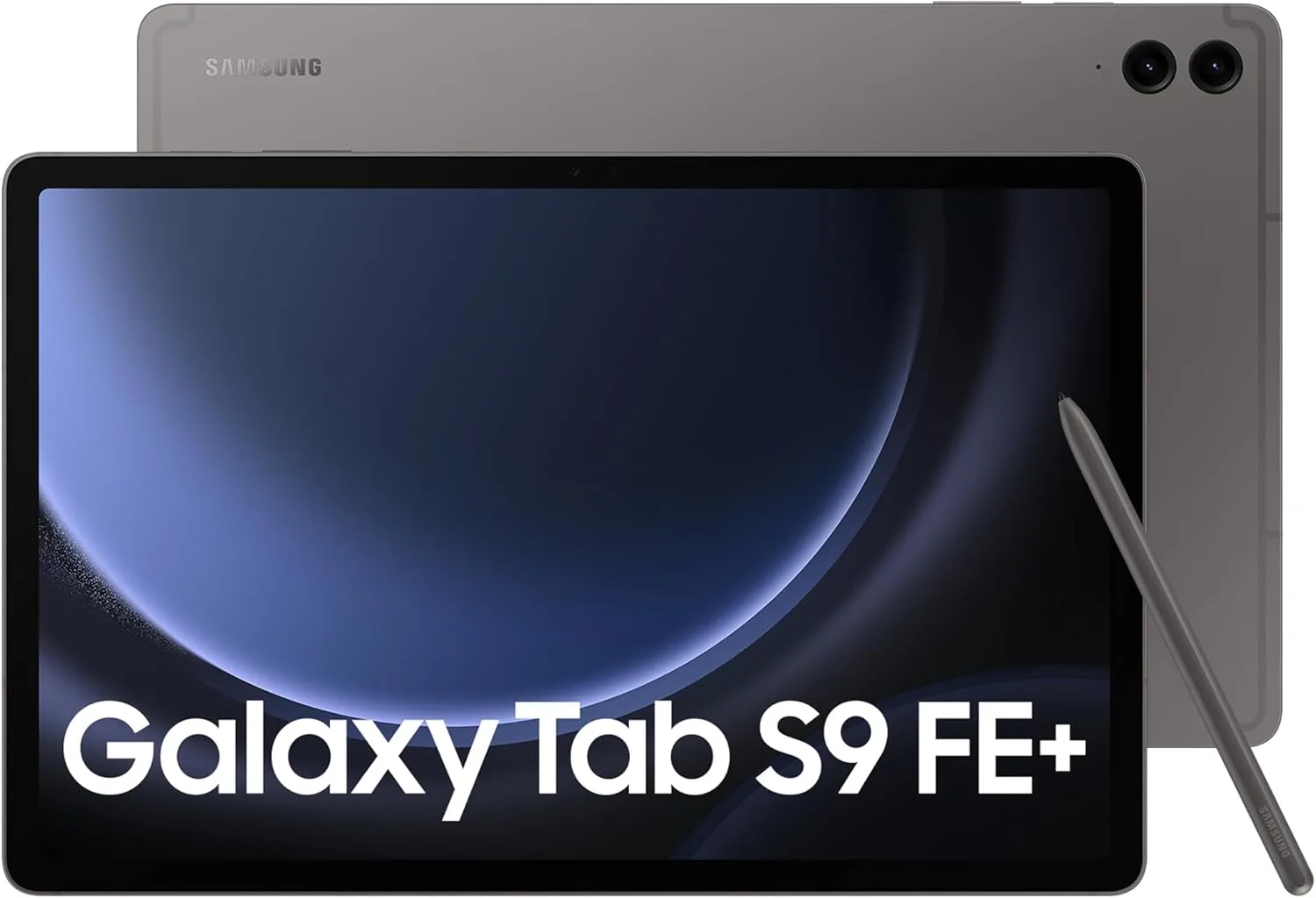
Now, if you’re looking to save some cash, you could consider the Galaxy Tab S9 FE+. You’d be getting many of the same great multitasking features for almost half the price! Just keep in mind that you’ll have a slightly less vibrant screen, a bit slower performance, and shorter battery life, plus no Galaxy AI. But for a mid-range Android tablet, it’s still our top pick.
And if you’re more of an Apple person, no worries! The iPad Pro is definitely your best bet for getting serious work done in that ecosystem.
So, let’s talk about the Samsung Galaxy Tab A9+. If you’re looking for a tablet that gives you a lot of bang for your buck, this one is a really solid choice!
It handles all your everyday stuff, like getting work done, without a hitch, thanks to some clever tweaks Samsung made to its software. Plus, it’s great for streaming all your favorite movies and shows, and it even runs more demanding games pretty well! Oh, and if you need to stay connected on the go, there’s even a 5G-compatible version available. How cool is that?
Now, a couple of things could be a little better, like the battery life and the base storage, which is 64GB. But honestly, those are minor points when you consider everything else this tablet offers. That’s why the Tab A9+ is another recommendation for best affordable Android tablet – it’s just that good for the price!
The Samsung Galaxy Tab S10 FE+ tablet isn’t going to completely change how you think about Android tablets, but it does make the experience a whole lot better where it really matters!
Even though it doesn’t have all the fancy AI features you’d find in Samsung’s super high-end tablets, you still get some amazing stuff.
We’re talking about a big, bright screen, long-lasting battery life, plenty of power for whatever you need to do, and comes with an S Pen stylus. If you’re already an Android fan, this tablet is a really attractive option.
So, if you’re looking for a tablet that perfectly balances great performance with a great price, the Galaxy Tab S10 FE+ is yet another tablet worth recommending.
If you’re anything like me and you love how Samsung tweaks Android, and you’ve got other Samsung gadgets you like to link up, then let me tell you about the Galaxy Tab S9 FE+. Seriously, this is probably the Android tablet you should grab!
Think of it this way: you get a lot of the same cool features as the super high-end Tab S9, but for way less cash. Now, it’s not quite as powerful as the regular Tab S9, but the Tab S9 FE+ still feels really well-made and has more than enough oomph for all your daily tasks. Sending emails, playing games, kicking back with video streams – it handles it all beautifully!
Full disclosure, like most Android tablets, it’s still not going to completely replace your laptop. But honestly, considering the price, that’s totally fine! Plus, Samsung’s DeX mode and all their extra multitasking software actually make it a better choice for getting things done than, say, the Pixel Tablet.
Oh, and if the Tab S9 FE+ feels a bit too big or pricey for you, don’t worry! We also highly recommend its slightly smaller and more affordable sibling, the Tab S9 FE.
Last Thoughts
Man! What a ride through the world of the best tablets (2025). It’s truly incredible to see how far these devices have come, offering everything from seamless entertainment to serious productivity. Whether you’re an Apple iPad fan, an Android enthusiast, or a Windows loyalist, there’s a tablet out there that’s perfectly suited to meet your needs and your budget this year.
Remember, the “best” tablet isn’t just about raw power or the highest price tag; it’s about finding the device that effortlessly integrates into your life and helps you achieve your goals, whether that’s crushing your work tasks, unleashing your creative spirit, or simply enjoying your favorite series or movies on the go. So, take your time, consider what truly matters to you, and get ready to experience the next level of portable computing.
That’s all from me. Make sure you leave a comment below, and share which of these best tablets of 2025 got your attention. And if you wanna find more, or wish to buy, then click on the redbuttons. Now, go out there and find you best tablet 😀
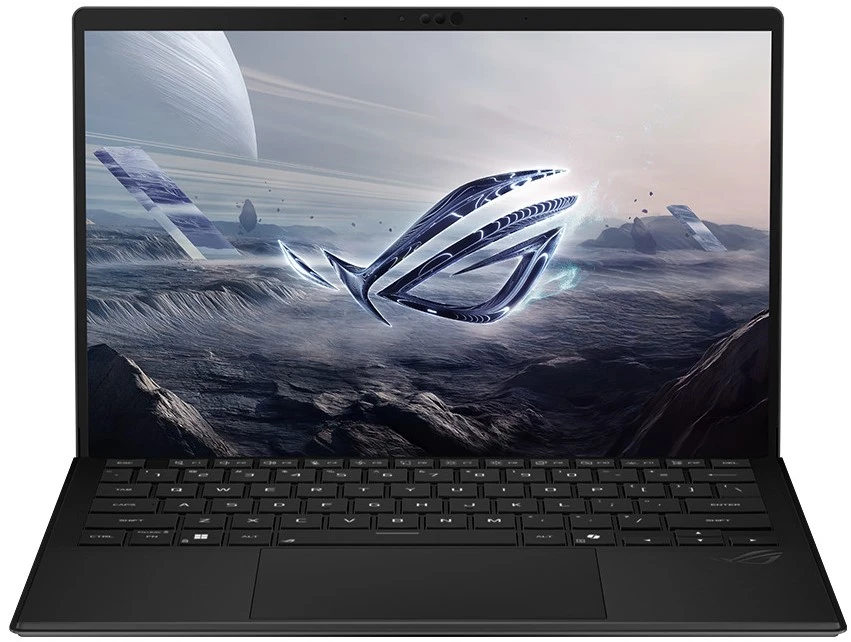
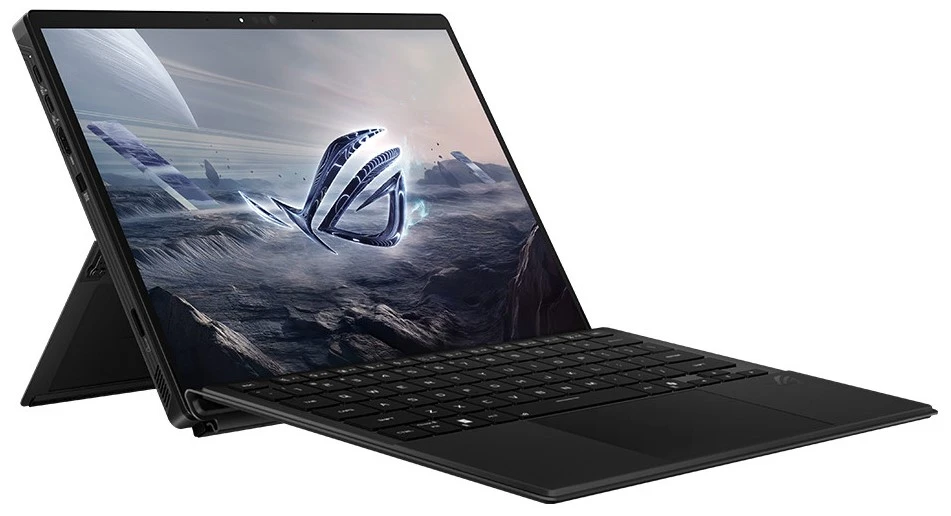
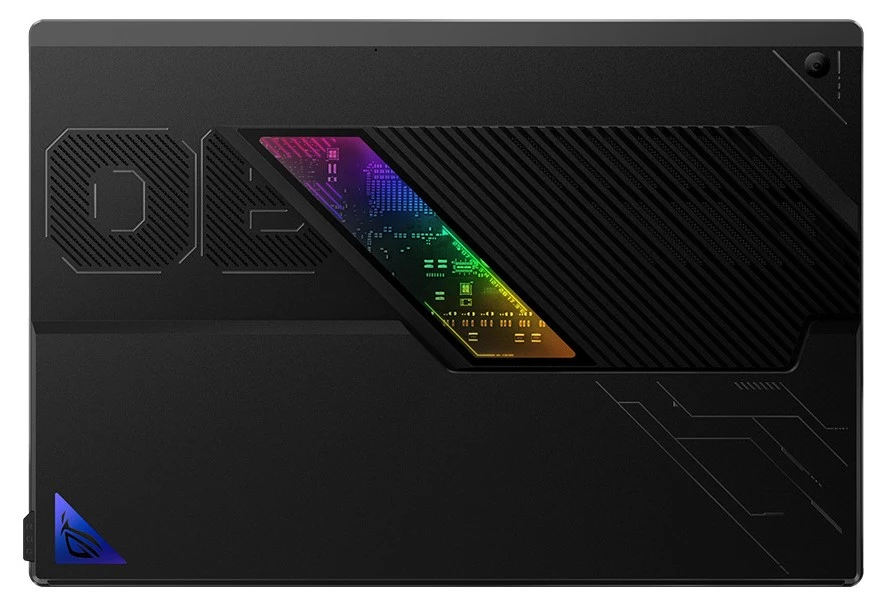
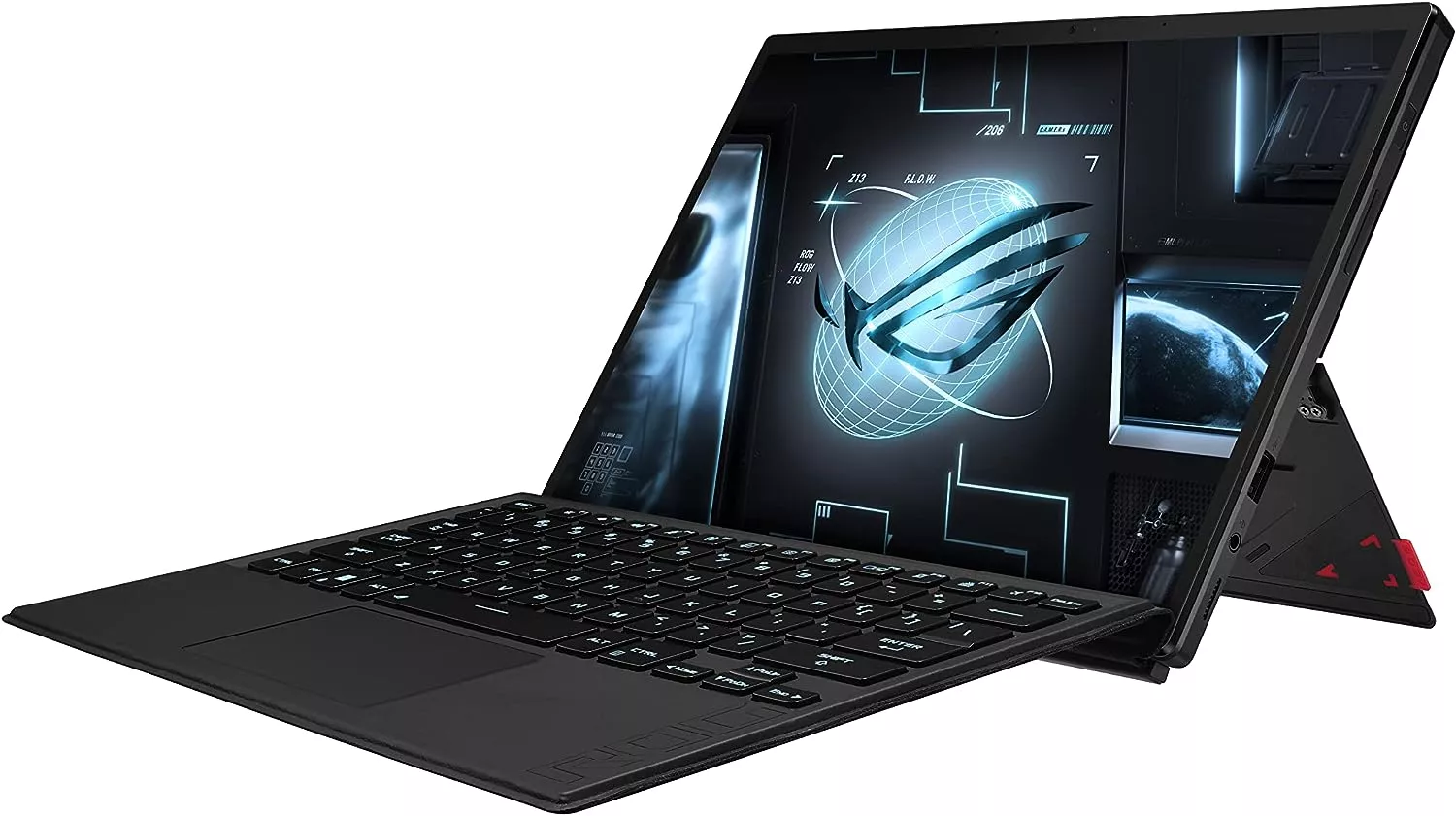
“While the gaming tablet comes at a steep price, the Asus ROG Flow Z13 comes with impressive performance, long battery life, and a unique design, making it a unique and versatile gaming device”
At first glance, I assumed this would be Asus’ attempt to a normal tablet. But when I saw the ROG logo, the powerful specs listed, and the overall performance, I was immediately blown away. I began to realize something: This is not just an ordinary tablet, it’s a gaming tablet.
The new Asus ROG Flow Z13 is the next 2-in-1 gaming laptop that will make you reconsider getting a normal gaming laptop. However, is it going to take over the gaming industry as we know it, or will it be another gaming device with the least sales. Let’s find out more with this Asus ROG Flow Z13 (2025) review.
Overview
Gamers don’t often encounter 2-in-1 gaming laptops, much less Windows-based, but the new Asus ROG Flow Z13 is more than a bit impressive in that regard. Its Ryzen AI Max processor from AMD, along with the Radeon GPU and high system memory, provides gaming performance equivalent to premium gaming laptop GPUs, along with longer battery life and portability.
Due to the high price, most gamers will most likely choose an ordinary gaming laptop, yet the ROG Flow Z13 gaming tablet is a demonstration of the advancements in integrated graphics that we can anticipate from them going forward.
Specs
Display: 13.4″ WQXGA IPS 180Hz (2560 x 1600)
CPU: AMD Ryzen™ AI MAX 390 12-Core
Graphics: AMD Radeon™ 8060S
Memory: 32GB LPDDR5X RAM
Storage: 1TB SSD
OS: Windows 11 Home 64-bit
Ports: HDMI 2.1 | USB Type-A | 2x USB Type-C | microSD | 3.5 mm Audio Jack
Other: includes backlit RGB keyboard | 13MP camera + 5MP camera | Smart Amp Technology, Dolby Atmos
(Image credit: Asus)
Reasons to Buy
The Flow Z13 provides exceptional performance all around thanks to its quick CPU and integrated graphics from the Radeon 8060S. It really works well with doing common every days tasks. Even swiping feels fluid, with fast-loading apps.
With a weight of 1.2 kg (tablet only) or 1.6 kg with the keyboard, the Flow Z13 is remarkably lightweight and portable to carry around. You really don’t feel it inside your bag.
Another great thing about the the Flow Z13 is that it may be used as a tablet for viewing content, a laptop for working, or a gaming device thanks to its detachable keyboard and built-in kickstand. It really is versatile, making it more useful than just a tablet.
The next feature is the battery life, which is impressive with Flow Z13. Other reviewers have noted surprisingly good battery life for a device packing such powerful components, especially for general use and video playback.
(Image credit: Asus)
Next is the touchscreen, which looks excellent overall. The 13.4-inch QHD+ (2560 x 1600) display comes with a 180Hz refresh rate, with superb sharpness, vibrant colors, and smooth responsiveness. It also supports Dolby Vision HDR and stylus input.
In terms of the build quality and design, the CNC-milled aluminum chassis feels robust and premium, contributing to the device’s overall solid feel. The detachable keyboard feels comfortable for typing with good key travel and tactile feedback. The touchpad is also reported to be large and responsive.
Despite the size of the Flow Z13 (2025), it offers a good array of input ports, including USB-C 4, USB 3.2 Gen 2 Type-A, HDMI 2.1, a microSD card reader (UHS-II), and a 3.5mm audio jack. With all these input ports, it’s amazing that its so lightweight.
Then lastly is the effective cooling system. The redesigned vapor chamber and Arc Flow fans effectively manage heat, preventing significant thermal throttling even under demanding tasks, although the fans can become audible.
Reasons Not to Buy
As much as the performance is spot-on for common daily tasks, gaming performance is another matter. Yes, the Flow Z13 has a powerful graphics processing unit, but it has its limits in terms of gaming performance compared to the more expensive units, especially with ray tracing.
For the best gaming experience, you would need to set the graphic settings to medium or low. With its excellent CPU speed and mediocre GPU performance, the Flow Z13 seems to be better off as a powerful tool for content creation rather than a mobile gaming device.
(Image credit: Asus)
Another reason to look the other way, is the price, of course. Yep. The Asus ROG Flow Z13 (2025) is not cheap, placing it in the premium segment of the market. So, if you’re a budget-conscious buyer, this one’s not in your radar.
The next issue is the weight. While the tablet is portable for a gaming device, it’s still quite thick and bulky, making one-handed use less comfortable than typical tablets.
No options to upgrade this tablet. The RAM (LPDDR5X) is anchored to the motherboard, meaning it cannot be upgraded after purchase. Other minor issues include: the audio speakers sound decent and the webcam delivers average picture quality.
Verdict
The Asus ROG Flow Z13 is a great 2-in-1 gaming tablet that works as both a gaming laptop and a tablet. It’s perfect for people who want a versatile computer with top performance for work and for gaming. It also gives us a peek into what future tablets might be like.
However, if you don’t need this kind of 2-in-1 design, you’re probably better off getting a regular laptop with a separate graphics card for gaming, and it will likely cost you less. But, if you’re okay with spending more for something that’s easy to carry and very flexible, the new Asus ROG Flow Z13 is an amazing product that sets a new benchmark for integrated graphics.
So let’s hear from you. What is your overall impression on the gaming tablet? Is it the gaming tablet of the future? If you have any comments or questions, you’re more than welcome to leave them here below. That’s all from me for now. Stay safe until next time 😀
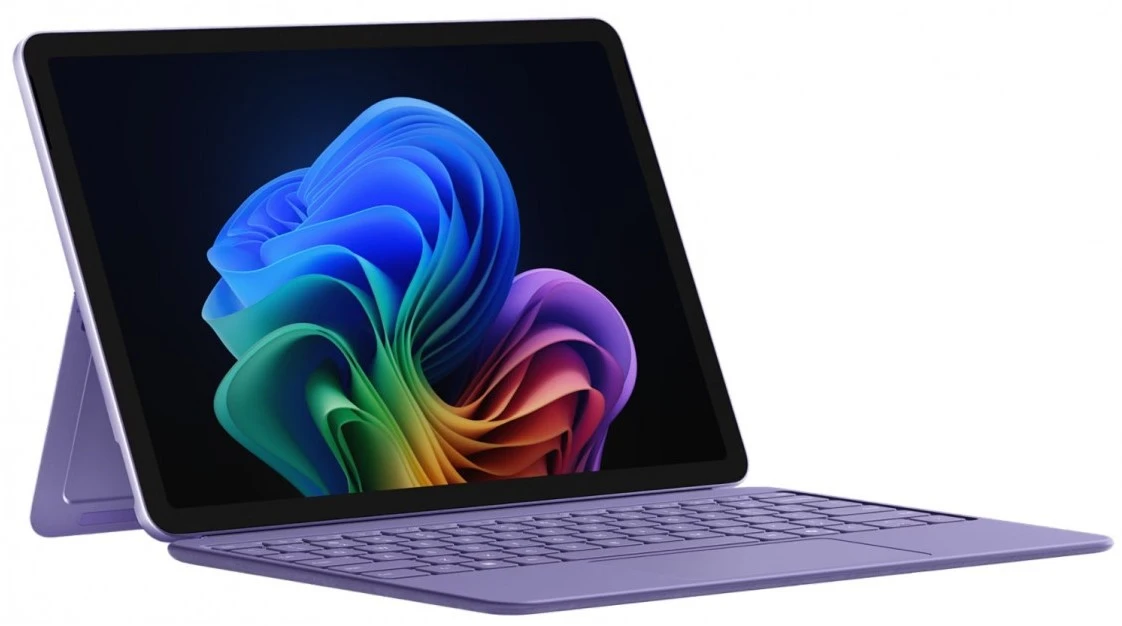
So, you’re curious about the Microsoft Surface Pro 12 (2025). Think of it as Microsoft’s latest attempt to give you the best of both worlds: in other words, a super portable tablet that can also act like an ultra-slim laptop. If that grabs your attention, then you’ve come to the right place. So let’s not waste any time. Let’s check out the review.
Overview
The Surface Pro 12 is a Windows tablet designed to be incredibly portable. It’s lightweight enough to fit in your luggage without making you feel like you’re carrying a brick, and it looks rather stylish.
Its entire Windows 11 operating system sets it apart from other tablets like the iPad and Android. This means that any of your familiar Windows apps, such as Microsoft Office, Photoshop, or any other software you need for business or education, may be utilized immediately on the tablet.
(Image credit: Microsoft)
That’s a big bonus for finishing important tasks. Now, you essentially have to purchase the “Surface Pro 12 Keyboard cover” in order to fully experience it. Keep in mind that it’s an additional expense as its sold separately, along with other accessories.
Additionally, Microsoft is promoting a number of new AI features alongside it. To be honest, it’s under developed but in time with future updates, the AI features will improve.
Overall, the Surface Pro 12 is an impressive mobile device. If you want a tablet that’s portable and powerful enough for every day tasks, unlike many others on the market, this tablet will do the job.
Specs
Display: 12-inches, touchscreen, LCD 90Hz (2196 x 1464)
The Surface Pro 12 tablet comes with a number of features that will give you a reason to buy. Firstly, the tablet runs Windows 11 and other Windows apps well, making it more flexible than other tablets such as iPads or Android tablets. Common tasks are a breeze, but it struggles with other demanding apps.
The next reason is that the Windows tablet looks good. It’s attractive and well designed. Another reason is that the Windows tablet is really portable and lightweight, as it weighs 686g. Lastly, the Surface Pro 12 comes at a good entry price, making it a good value option.
Reasons Not to Buy
To truly get the most out of the Windows tablet and use it like a proper computer, you’ll need to purchase the Surface Pro 12 Keyboard cover, which is sold separately. The extra cost of the accessory makes the tablet less of a “value” purchase than it initially appears.
Another reason why the Windows tablet is not that great, is that the tablet comes with AI features. Sadly, the AI features are not fully developed or they are not useful. Luckily, future updates will improve the running of AI.
(Image credit: Microsoft)
Verdict
The Microsoft Surface Pro 12 is a good Windows tablet that offers decent value for money. It looks good and well-designed. It’s portable, light in weight and easy to carry. It even lets you use like a normal laptop with Windows apps or software which gives it props compared to other tablets like iPads and Android tablets.
But to fully experience it, you must get the ‘Surface Pro 12-inch Keyboard’. Either than the performance issues, and the mediocre AI options (which may be improved upon future updates), it’s a decent Windows tablet overall for daily use and very useful for common everyday tasks. That’s why I recommend you consider it, see other options in the market, but don’t buy it straight away.
If this is your ideal tablet for then click HEREto find out more. But before you do that, leave a few of your comments here below. Thank you for reading my review. Take care until next time 🙂
Hi there. Let me humbly welcome you to the year, 2025. Today I’ve decided to do things a little differently this time around. With it being the first month of 2025, I’ve decided let’s do an overview of the best tablet processors that help make our mobile devices great. So if you’ve been curious about why the tablets feel so smooth as you navigate between menus, with awesome graphics, or you’re looking for the best tablet in the market right now, you’ve most certainly come to the right place. Without wasting any more time, here are the top 5 best tablet processors.
Apple A14 Bionic
The first of the five is the A14 Bionic processor from Apple, which made its debut as the power source for the 2020 iPad Air and the 2020 iPhone 12 series smartphones. The first 5nm processor was said to perform up to 50% faster than Qualcomm’s Snapdragon chip.
The 6-core processor, with the 4-core graphics processor, provided this significant performance improvement, increasing performance by 40% and 30%, respectively. A stated 80% improvement in machine learning speed was made possible by the A14 Bionic’s improved neural engine, which included 16 cores instead of the eight that Apple had introduced with the A12 Bionic.
With the release of the A14 Bionic in 2022, Apple upgraded the base iPad with a new 10.9-inch screen and the processing capabilities of the A14 Bionic.
The 10th-generation Apple iPad outperformed the Android tablets in performance alone thanks to the upgraded processor, which reportedly provided three times the performance of the seventh-generation iPad. And the A14 Bionic’s top-performing tablet was the fourth-generation iPad Air.
Overall, the Apple A14 Bionic chip ran a lot of Apple’s mobile devices, even the infamous Apple iPhone 12 series smartphones. Although it’s a dated processor, it’s still one of the best performers for iPads and iPhones of its era.
Here are the tablets powered by the Apple A14 Bionic processor:
Next is the A15 Bionic processor from Apple. With its 6-core processor and 5-core graphics processor, this chip made its debut in 2021 with Apple’s sixth-generation iPad mini and iPhone 13 series smartphones.
Given that the CPU and GPU are still among the top five quickest, despite being three years old, Apple’s A15 Bionic was said to be 50% faster than Qualcomm’s processor in performance.
However, the A15 Bionic was also a significant improvement for people who were already part of the Apple ecosystem. According to the firm, the new iPad mini, with the A15 Bionic processor, had a significant boost in CPU and graphics performance, respectively, than the previous iPad Mini.
When paired with the machine learning enhancements from Apple’s 16-core Neural Engine, which was unveiled with the A14 Bionic, the new iPad mini could process machine learning tasks twice as quickly. Although the A15 Bionic didn’t significantly outperform the A14 Bionic with raw performance, it’s still one of the best.
For the majority of their existence, Apple’s iPad Pros and smartphones essentially shared processors, included in improved model versions. When Apple unveiled the 3rd generation 11-inch iPad Pro and the 5th generation 12.9-inch iPad Pro in 2021, everything changed. These, which featured Apple’s M1 processor, which had made its debut in laptops like the Apple M1 MacBook Air a year earlier, reduced the performance difference between Apple’s premium tablets and laptops.
It should come as no surprise that this new processor provided significant performance improvements used in the previous generation of iPad Pros since the M1 was essentially an 8-core desktop and laptop processor.
With additions like a 16-core Neural Engine, an image signal processor (ISP), and high-speed RAM, Apple promised 50% greater processing performance and 40% quicker graphics performance.
The final product was a tablet that, in theory, could have taken the place of most laptops, but recent evaluations of the iPad Pro suggested that iPadOS prevented it from doing so.
Overall, when it comes to performance, the iPad Pros were undisputed. Despite their restrictive operating system, the M1 chip still excels even now.
Here are two tablets or iPads powered by the Apple M1 chip:
In 2022, Apple introduced the new iPad Pro, powered by the Apple M2 processor, despite holding an unchallenged dominance. With two significant improvements to try to persuade owners of M1 iPad Pros to upgrade, there were no changes to the size options, as they were similar to the previous generation, measuring 11 and 12.9 inches, and had essentially the same features.
Midway through 2022, the Apple M2 processor made its appearance with a far more powerful 10-core graphics processor and an improved 8-core CPU, replacing the M1’s seven or eight-core GPUs. The outcome was a remarkable 35% increase in graphics rendering and up to 15% higher CPU performance.
The M2-powered iPad Pros are now even more capable of machine learning tasks than they were previously, which also enabled the M2’s Neural Engine to execute 40% more operations than the M1.
The inclusion of Apple Pencil Hover was the largest improvement on the M2 iPad Pro, even with the improved performance. The Hover, which allowed the tablet to detect and recognize the stylus from up to 12 millimetres away from the screen, was a favourite feature among iPad users.
This feature allowed for both practical behaviours like brush and eraser previews in drawing apps and aesthetically pleasing UX details like app icons and text fields enlarging before you touch them.
With it being another great processor, the Apple M2 is the second on the list. Bringing overall faster performance and creativity options for artists, the M2-iPad Pro tablets are the most reliable.
Here are three tablets powered by the Apple M2 chip:
Our runner-up in the Android tablet processor side is the Qualcomm Snapdragon 8 Gen 2 processor. Despite not being the most recent release of Qualcomm’s flagship CPU, the Snapdragon 8 Gen 2 proudly leads the Android tablet market thanks to Samsung’s Galaxy Tab S9 tablets.
The Snapdragon 8 Gen 1’s widely reported heat problems prevented it from outperforming the Snapdragon 888 it replaced, therefore Qualcomm’s Snapdragon 8 processors didn’t get off to the best start.
Fortunately, Qualcomm resolved the issue with the Snapdragon 8+ Gen 1 before launching the Snapdragon 8 Gen 2 in 2022. Although Qualcomm’s primary focus was on the Snapdragon 8 Gen 2’s AI capabilities, the chip also promised significant performance and efficiency gains. The company claimed a 40% higher CPU power efficiency and 25% better GPU performance.
Upon testing, the Snapdragon 8 Gen 2 processing results were significantly better than those of its predecessor, particularly in the Samsung Galaxy Tab S9. Speaking of the Tab S9, it was ranked as the best tablet for students and rivals the iPad Pro thanks to its features.
Being the runner-up, it’s good to see that Android tablet users can appreciate powerful tablets that rival the iPads from Apple. Despite the tablets being priced less, the performance remains impressive even if it closely matches that of the most powerful processor.
Here are tablets that are including the Snapdragon 8 Gen 2:
Despite the introduction of the Apple M3 chip towards the end of 2023, Apple maintained its dominance of the market for a few years with the Apple M2.
The iPad Pro M2’s performance advantage over Android competitors was so great that Apple could have continued producing it without any problems for the next few years. Yet in mid-2024, Apple released the new iPad Pro with the newer Apple M4 processors, a significant upgrade over the previous iPad Pro.
A new Ultra Retina XDR display, a new thin body, and the power of Apple’s newest and finest CPU were all features of the iPad Pro, which was entirely enlarged to 11 and 13 inches.
With its 10-core CPU and 10-core GPU, the Apple M4 boasts a claimed 1.5x processing performance boost over the M2 iPad Pro while consuming half the power thanks to new hardware capabilities and ML accelerators.
Since the most basic iPad Pros only have a nine-core CPU, Apple restricts the M4’s full capabilities to a premium upgrade. Additionally, the iPadOS software continues to be a hindrance.
Overall, the Apple M4 chip takes the number 1 spot on the list, making it the fastest tablet processor of this year. Optimizing the amazing Apple iPad Pro, it’s evident the tablet is smoother and faster than ever before.
And there you have it, our top 5 best tablet processors. I hope this post will help you find your ideal tablet for 2025, and beyond. If you have any comments or queries, and you want to express yourself, please use the comments section here below. Well, that’s a wrap from me. Continue to explore this here platform. Who knows, you may end up finding more than you know. Take care until next time 😀
Apple’s iPad Pro reigns supreme in the tablet world, offering a powerful processor, stunning display, and a sleek design perfect for work, creativity, and entertainment. But that premium price tag might not fit everyone’s budget, or perhaps you’re looking for a specific feature the iPad Pro lacks. Fear not. A range of compelling alternatives offer fantastic functionality at a more accessible price point, or cater to specialized needs. If that interests you, let’s explores the best iPad Pro alternatives currently available, highlighting their strengths and guiding you towards the perfect tablet for your unique requirements.
Choosing the Best iPad Pro Alternative
Before diving into the world of iPad alternatives, take a moment to consider how you’ll be using this device. Are you a casual web browser and movie streamer, or a productivity powerhouse needing to run demanding applications? Knowing your needs will guide you towards the features that matter most. Here are some key criteria to consider once you’ve established your tablet’s purpose:
1 – Screen Size: Measured diagonally in inches, screen size dictates your workspace. Larger screens (think 14 inches) offer more room for creative work and movie marathons, but come at the cost of portability. Smaller screens (11-inches and below) offer less views but costs less and is weighs less.
2 – Screen Resolution: Higher resolution means sharper visuals and a more enjoyable content experience.
3 – Brightness & Color: Measured in nits, brightness determines how well you see the screen in various lighting conditions. Generally, 300 nits is acceptable, 400 nits is good, and anything above 500 nits is excellent. Additionally, you might see references to color gamuts (sRGB, DCI-P3, etc.). A higher percentage coverage translates to richer and more accurate colors.
4 – Stylus Compatibility: If you have artistic aspirations or crave a note-taking experience like the Apple Pencil offers, ensure the tablet supports an active stylus. As a side note, there are tablets that includes a stylus, and then there are those you buy separately.
Technically a 2-in-1 laptop, the ASUS Zenbook Flip is so lightweight and portable that it deserves a mention as an iPad contender. The ingenious hinge design allows the keyboard to flip completely back, transforming it into a tablet for tasks similar to an iPad. It even boasts a convenient “tent mode” perfect for video streaming.
Our review highlighted several impressive features. The QHD OLED touchscreen delivers stunning visuals with vibrant colors and deep blacks, while the 90Hz refresh rate ensures a smooth experience for drawing or creative work.
Now, a couple of things to consider: At 1.5kg, the Zenbook Flip isn’t the most featherweight option for carrying around. Additionally, the lack of a dedicated power button in tablet mode might be a minor inconvenience. For a deeper dive into this unique device, check out our full ASUS Zenbook 14x Flip review.
The OnePlus Pad boasts impressive features like a bright display, fast charging, and loud speakers. While the software is up-to-date and it integrates well with other OnePlus devices, the processing power lags behind top-of-the-line phones. For everyday use and entertainment, it excels, but demanding tasks might introduce some frustrating lag.
The OnePlus Pad offers great value, especially considering the limited competition in the Android tablet market. However, if raw performance is your top priority, you might want to look elsewhere.
The Samsung Galaxy Tab S9 Ultra boasts a massive 14.6-inch display, even surpassing the largest iPad Pro. Despite its size, it remains surprisingly slim and portable. It’s a powerful tablet with great performance, making it a strong contender for work tasks. The AMOLED display delivers incredibly rich visuals, perfect for movie marathons or creating digital art.
A major perk? The S Pen stylus comes included! Unlike the iPad Pro or Surface Pro, you won’t need to shell out extra for a separate pen. While the S Pen offers a smooth writing experience, it might not quite match the seamless integration of the Apple Pencil with the iPad Pro.
The Achilles’ heel? The Android operating system. While the Play Store offers a vast app selection, some creative professionals might miss out on specific iOS apps like Adobe’s suite. The size also comes with a trade-off – it’s a sizable tablet, requiring a bigger bag for carrying it around. However, the extra screen real estate can be a major advantage for multitasking.
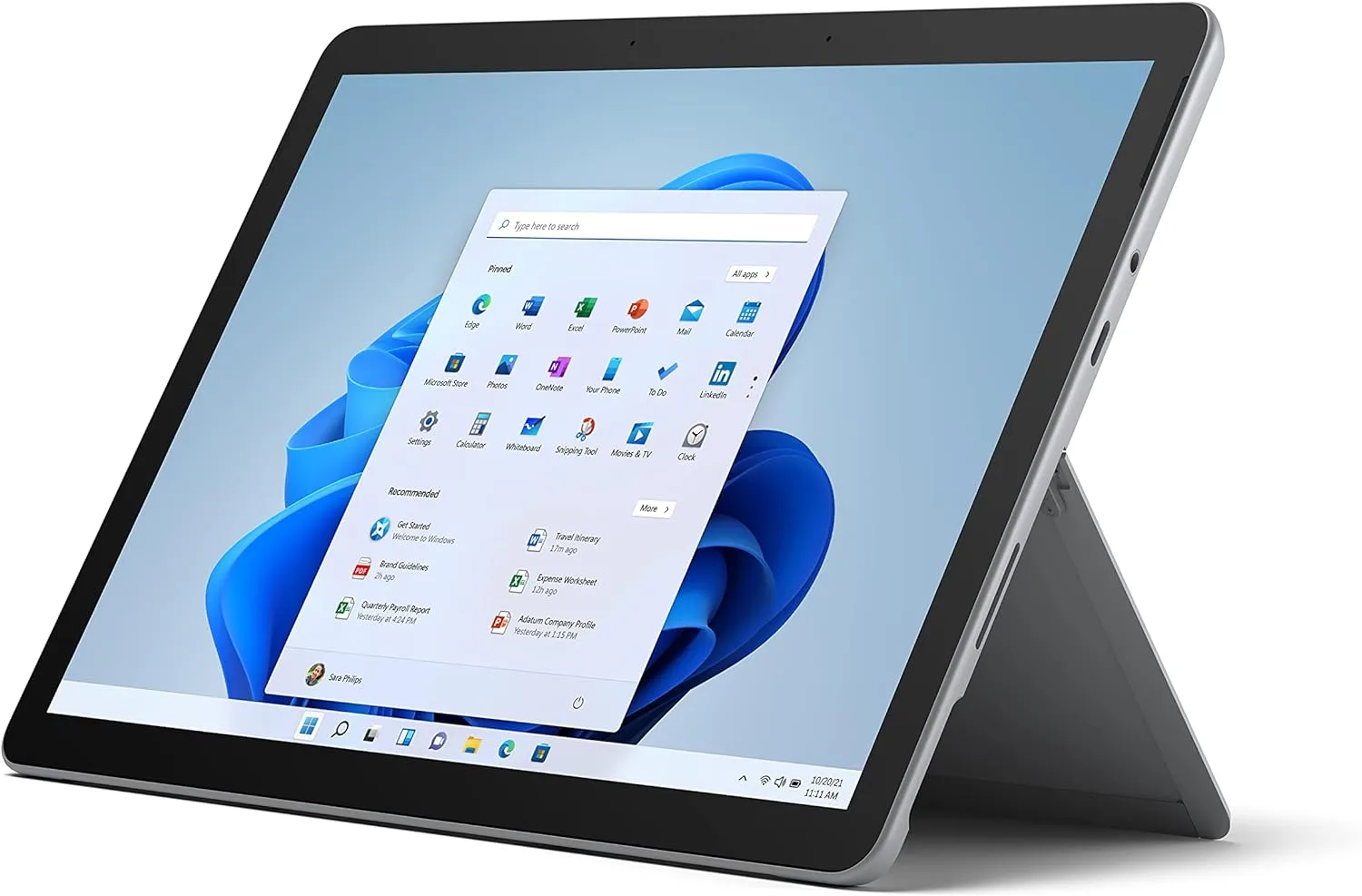
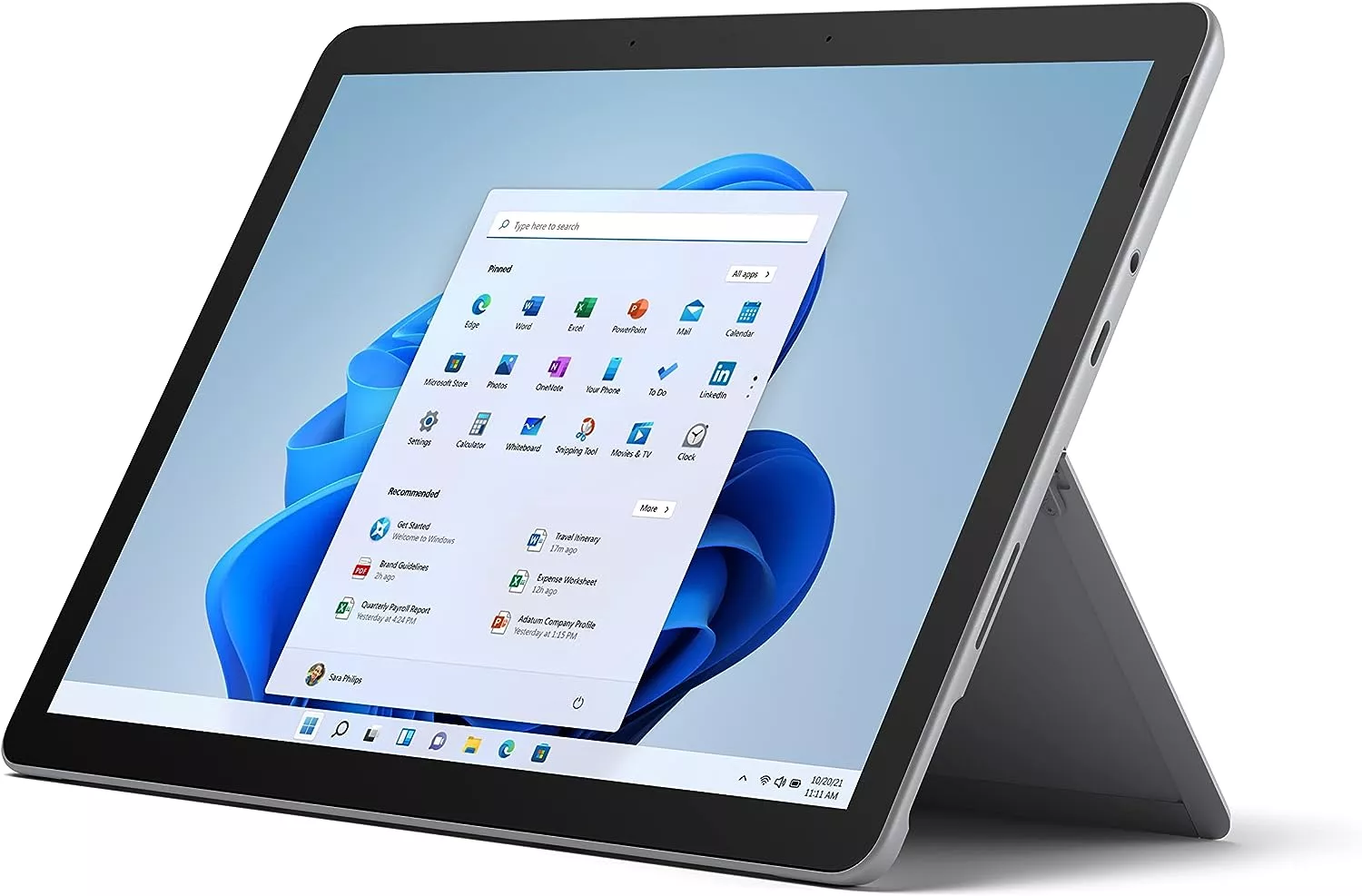
On a tight budget? Look no further than the Microsoft Surface Go 3, the most affordable option in their lineup. We were impressed by the 10.5-inch display’s brightness for its category, and the overall size struck a great balance – portable enough for a tote bag but solid enough to feel well-made.
While the performance isn’t top-of-the-line (think iPad entry-level, not Air or Pro), it handles everyday tasks like browsing, email, and media consumption just fine. Keep in mind, similar to the Surface Pro, the Surface Pen and Type Cover keyboard are additional purchases. To truly unlock the Go 3’s potential, we recommend getting both accessories.
For those seeking a Windows alternative to the iPad Pro, look no further than the Microsoft Surface Pro 9, especially the Intel i7 version (skip the SQ3 5G unless you absolutely need that connectivity). Our review highlights the Surface Pro 9’s premium, Apple-esque build quality, with a sturdy and well-designed kickstand that rivals the iPad Pro for drawing tasks.
The gamechanger? Windows 11. This OS allows you to run full-fledged desktop software, giving the Surface Pro 9 a significant edge in functionality. The power to back it up is there too. Our tests showed the i7 model with 16GB RAM handled most tasks with ease, including multitasking with multiple programs. While complex 4K video editing in Davinci Pro caused some stuttering (it’s a tablet, after all, with integrated graphics!), the performance is impressive.
The vibrant PixelSense display is a joy for watching movies and photo editing, and the Surface Slim Pen (sold separately) offers a smooth sketching experience. The 10MP camera even boasts a “Center Stage” like feature, keeping you in frame during video calls. And, the optional Type Cover keyboard transforms the Surface Pro 9 into a compact and powerful laptop replacement. Just be aware, like the pen, the keyboard is an additional purchase.
Verdict
So, there you have it! Our exploration of our top-notch best iPad Pro alternatives. Whether you prioritize affordability, crave a powerhouse processor for demanding tasks, or require a specific operating system, there’s a perfect tablet out there waiting to be discovered.
Ready to find your ideal iPad Pro alternative? Consider the factors most important to you – budget, desired features, and intended use. Research the options we’ve outlined, and don’t hesitate to explore further based on your specific needs. With a little exploration, you’ll be well on your way to finding the perfect tablet companion.
If you have any comments or you just want to leave us positive impressions, then leave your comments below. If any of the tablets leave you a little more interested then click on of the buttons above. That’s all for now. Stay safe until next time 😀
Artists, designers, and productivity enthusiasts rejoice! The highly anticipated Apple iPad Pro M4 is here, and it’s packed with upgrades that promise to revolutionize the way you work and play on a tablet. But can it truly replace your trusty laptop? In this in-depth Apple iPad Pro Tablet(M4) review, we’ll dive deep into the new features, performance, design, and everything else you need to know to decide if this is the ultimate mobile creative powerhouse. We’ll explore the M4 chip’s muscle, the stunning OLED display’s impact, and the software limitations that might hold it back from fully usurping the laptop throne. So, buckle up and get ready to see if the Apple iPad Pro M4 lives up to the hype!
Overview
The iPad Pro has long been Apple’s attempt to lure creative professionals away from laptops and onto tablets. This year’s model takes a bold step: the M4 chip inside it is actually more powerful than the current MacBook processor. This isn’t just a random upgrade – it’s Apple pushing the iPad Pro even closer to becoming a true laptop replacement.
But hold on a minute. While the 2024 iPad Pro is undeniably the best tablet I’ve ever used, it’s not quite ready to dethrone your laptop just yet. However, if you crave a powerful tablet specifically designed for creative work, the new iPad Pro stands alone. There’s simply no better option on the market.
The Apple iPad Pro Tablet is available now, starting with the entry model will get you an 11-inch model with 256GB of storage. The next one is the 13-inch model, which gets you an upgrade of either the 1TB or 2TB model, and that’ll change the specs from a 9-core M4 with 8GB of RAM to a 10-core M4 with 16GB of RAM. But, that upgrade will cost you an extra on both the 11-inch and 13-inch models.
Specs
Apple iPad Pro 11-inch
Display:
11-inches, Ultra Retina Tandem OLED, 120Hz, HDR10 (1668 x 2420 pixels)
CPU:
Apple M4 (9-core); Apple GPU – 256/512GB models / Apple M4 (10-core); Apple GPU – 1/2TB models
Main: 4K at 24/25/30/60fps, 1080p@25/30/60/120/240fps; ProRes (4K, 1080p), Cinematic mode (4K, 1080p); Selfie: 1080p at 25/30/60fps, gyro-EIS, HDR
Battery:
10290mAh
Other:
Wi-Fi connectivity; Stylus support, Bluetooth 5.3 integration, magnetic (Apple Pencil Pro, Apple Pencil 2); Scratch-resistant glass; USB Type-C (Thunderbolt 3), DisplayPort, magnetic connector; weighs 579g (Wi-Fi)/582g (5G)
Display
The iPad Pro’s display has always been impressive, but the 2024 model takes things to a whole new level. This year, Apple ditched the LCD panel and upgraded to a stunning OLED display. The difference is remarkable – resolution remains at 1668p, but peak brightness jumps to a whopping 1600 nits in HDR (and 1000 nits for standard content). It’s a night and day difference, making even mundane tasks like scrolling through social media a visual delight.
This display upgrade isn’t just about looks – it’s a game-changer for creative professionals. The superior color accuracy and brightness make photo and video editing a joy, further enhanced by the powerful M4 chip.
But even for casual users, the iPad Pro is a fantastic consumption device. Thanks to the vibrant display, reading comics, watching movies, or browsing the web becomes an immersive experience. It’s so good, that you might even ditch your usual TV setup for a while.
Here’s another technical perk: ProMotion technology. This fancy term means the display can adjust its refresh rate between 10Hz and 120Hz depending on what you’re doing. Fast-paced games or scrolling get buttery smooth visuals thanks to the 120Hz refresh rate.
There’s one minor annoyance, though: you can’t force the display to stay locked at 120Hz. While this might be to prevent screen tearing issues, it would be nice to have the option for those who prioritize a super smooth experience.
Design
Apple hasn’t skimped on aesthetics with the new Apple iPad Pro Tablet. It’s incredibly thin and light, boasting a stunning display – everything you’d expect from a premium device. However, the relentless pursuit of thinness might have come at a cost.
The super-slim chassis, now a mere 0.21 inches thick, is worryingly bendable. While a week of use didn’t result in any damage, the flex is concerning for long-term durability. Adding a case (which adds another $79 to the already hefty price tag) helps, but ideally, you shouldn’t have to choose between protection and sleek design.
The sound system is another missed opportunity. While decent for casual viewing, the four-speaker setup lacks bass, leaving you yearning for a richer audio experience. Sacrificing speaker quality for even thinner bezels seems like a questionable trade-off.
On the bright side, the iPad Pro is a magnet lover’s dream! Magnets for cases, sleep/wake functionality, and even attaching the new Apple Pencil Pro (which is admittedly great) are all welcome additions. However, if you’re not using magnetic accessories, these features feel like wasted space.
Thankfully, the USB-C port with Thunderbolt 4 support caters to professionals who rely on the iPad for work. The one glaring omission? The iPhone 15 Pro’s awesome new Action button, which replaces the silent switch. Having a dedicated button for quick access to notification settings seems like a no-brainer, and its absence on the iPad Pro is a head-scratcher.
So, the verdict? The new Apple iPad Pro Tablet is undeniably gorgeous, but the bendy chassis and underwhelming sound raise concerns. It’s a great device for specific needs, but some key features feel sacrificed in the name of thinness.
Performance
The new iPad Pro packs a serious punch with Apple’s latest M4 chip, making it technically more powerful than the current M3 in MacBooks (even though it’s in a tablet). This translates to smooth performance, especially for gaming.
Here’s the thing to consider: RAM makes a big difference. The base model with 8GB and 256GB/512GB storage might hold you back for professional tasks like photo and video editing. Upgrading to 1TB or 2TB storage bumps up the RAM to 16GB, offering a significant performance boost.
The good news? No matter which model you choose, you get the same powerful 10-core GPU. Gaming on the iPad Pro is a dream – even demanding new titles like Wuthering Waves run flawlessly. The M4 doesn’t even break a sweat, and the iPad Pro stays cool even after extended gaming sessions. This, combined with the gorgeous display, makes it arguably the most comfortable gaming tablet on the market right now.
Plus, if you have a stand and a controller, you can turn it into a mini-gaming console with Xbox Game Pass. For those who prioritize visuals over minor lag from game streaming, the stunning display of the Apple iPad Pro Tablet makes it the perfect platform.
Camera
The new iPad Pro boasts dual cameras, but their performance might leave you wanting more. Both the front-facing 12MP camera and the rear wide-lens camera (also 12MP) use specs that feel outdated for a 2024 device. The rear camera features a mediocre f/1.8 aperture and offers basic features like 5x digital zoom and image stabilization. However, image quality is underwhelming, making it unlikely to be your go-to camera. Compared to modern smartphones, the iPad Pro feels like a step back in time when it comes to capturing photos.
While the front-facing camera is essential for Face ID (which works flawlessly on this device), it disappoints in the selfie department. Even in good lighting, photos come out pixelated. Look, most people wouldn’t buy an iPad specifically for photography. But for a high-end tablet with a hefty price tag, it’s frustrating to have cameras that feel like they belong in a device from a decade ago.
Verdict
The new Apple iPad Pro Tablet remains the undisputed champion for artists and creative minds. The powerful M4 chip delivers unmatched processing muscle for tablets, making it a joy to use. However, the lack of key macOS features, like Finder, hinders its ability to truly replace a MacBook for demanding creative tasks like video editing.
Despite this shortcoming, the iPad Pro shines as an exceptional tablet. Artists will particularly love the seamless integration with the new Apple Pencil Pro. Plus, the stunning OLED display elevates any media you consume to a whole new level, making it a fantastic device for entertainment. The move to OLED was a clear win, and the M4 chip ensures the iPad Pro can handle even the most demanding future games.
In short, the iPad Pro excels as a creative powerhouse, but for those seeking a full-fledged MacBook alternative, it might not quite tick all the boxes.
Thinking about upgrading your tablet or diving into a creative powerhouse? Look no further than the new iPad Pro. Be sure to leave your comments down here below if you like the Apple iPad Pro M4 review. If you’re interested in finding out more, be sure to click on this HERE. That’s all from me. Take care. Stay safe until next time 😀
Xiaomi’s back in the tablet game, and this time they’re targeting budget-conscious buyers with a larger screen. After their successful budget tablet, the Redmi Pad, Xiaomi is launching the Redmi Pad Pro. Here’s why it might be the best budget option:
Firstly, the Redmi Pad Pro boasts a massive 12.1-inch display with a sharp QHD resolution, perfect for entertainment and productivity. Next, while not top-of-the-line, the upgraded hardware ensures smooth performance for everyday tasks. Thirdly, the tablet features a 10000mAh battery that promises extended use on a single charge. All of this is encased inside an aluminium frame, that gives the tablet a premium feel that belies its budget price tag.
image credit: Xiaomi
Unlike some of their recent devices, the Redmi Pad Pro comes with the latest Android 14 pre-installed, saving you from update hassles. Input ports, the Redmi Pad Pro includes a 3.5mm headphone jack and expandable storage via a MicroSD slot.
The Redmi Pad Pro, unveiled in China back in April 2024, is now available worldwide. As of May 20th, you can get your hands on this new tablet in most regions. Three model choices are depending on storage: entry model: 6GB RAM + 128GB storage; Mid-tier: 8GB RAM + 128GB storage; Top-range: 8GB RAM + 256GB storage.
Price-wise, it starts at £269 ($340) for the base model in the UK, increasing to £299 ($380) for the top-tier model. Unlike China, global markets don’t include the keyboard case and stylus in the box. However, in the UK, Xiaomi is offering a free case and a pair of Redmi Buds 5 earbuds with every purchase. The stylus and the Redmi Smart Keyboard case are sold separately.
Overall, the Redmi Pad Pro seems to be a compelling choice for those seeking a large, feature-packed tablet without breaking the bank. It offers excellent value for the price, making it a strong contender in the budget tablet market.
Specs
Display
12.1-inch, 2.5K IPS LCD, 120Hz, 1600 x 2560
Processor
Snapdragon 7s Gen 2 (4nm)
Memory
6GB or 8GB RAM
Storage
128GB or 256GB
Camera
8 MP (wide), 1080p at 30fps video
Selfie
8 MP (wide), 1080p at 30fps video
Battery
10,000mAh
OS
Android 14, HyperOS
Design
The Redmi Pad Pro has a unique look that sets it apart from its sibling, the Redmi Pad SE. While the SE borrows design cues from the Xiaomi 12 series, the Pro takes a bolder approach. The most striking aspect of the design is the oversized camera housing on the back. It’s reminiscent of the Asus Zenfone 10, with large rings encircling the single 8MP camera and flash. While some might find it comical due to the small camera components, it has the advantage of sitting flush with the body, preventing wobbling.
image credit: Xiaomi
The Redmi Pad Pro comes in three colours: Grey, Mint Green, and Ocean Blue. The green and blue have subtle pastel tones, keeping with the conservative design style of most tablets. Build quality is excellent – the aluminium chassis feels premium and comfortable to hold. Rounded edges and bevelled sides add to the comfortable feel, and while it’s a bit heavy at 571g, the weight is well-balanced for extended use.
The tablet skips the SIM card slot for cellular connectivity but offers a MicroSD slot for expandable storage up to 1.5TB. A welcome feature for many is the retention of the 3.5mm headphone jack, and the four speakers deliver great sound quality. Despite being a budget tablet, the Redmi Pad Pro’s design punches above its weight. It feels well-made and avoids the typical budget tablet look and feel.
Display
The Redmi Pad Pro boasts a large 12.1-inch IPS LCD, perfect for streaming your favourite shows and movies. Here’s a breakdown of its key features. The 2560 x 1600 resolution delivers crisp visuals, and the 120Hz refresh rate makes scrolling and navigating incredibly smooth. Dolby Vision support enhances your viewing experience, and Widevine L1 certification allows you to stream high-quality content from services like Netflix and YouTube.
image credit: Xiaomi
Xiaomi’s excellent Reading mode offers various colour adjustments for comfortable reading experiences, including a monochrome option for e-books. While not top-of-the-line hardware, the tablet can handle casual gaming. Just be aware that demanding titles might not run at peak performance. The maximum brightness of 500 nits is sufficient for most indoor and outdoor use. However, a slight bump in brightness wouldn’t hurt. The default Vivid mode offers stunning colours and good contrast, with the option to adjust settings to your preference.
While the display offers a lot to like, the bezels surrounding the screen are quite large. Xiaomi could have aimed for a sleeker look by minimizing them. The front-facing camera, located on the top bezel, gets the job done for video calls. Overall, the Redmi Pad Pro’s display delivers a great entertainment experience with its large size, smooth visuals, and support for high-quality content. While the bezels could be smaller, it’s a minor drawback in an otherwise impressive display, especially considering the tablet’s budget price tag.
Performance
The Redmi Pad Pro’s processor, the Snapdragon 7s Gen 2, might be its weak spot. While it can handle daily tasks like browsing and using apps, there can be occasional lag. This might not be a dealbreaker, but it’s something to consider if you prioritize smooth performance.
Here’s a quick rundown of the other specs. With storage and memory, both RAM options (6GB and 8GB) use slightly older LPDDR4X technology, and storage uses UFS 2.2 across all models. In terms of connectivity, Wi-Fi 6 and Bluetooth 5.2 are included, but there’s no NFC for contactless payments, no support for high-resolution audio codecs, and no water resistance rating.
Overall, the Redmi Pad Pro’s performance is adequate for everyday use, but keep in mind that it might not be ideal for power users who require top-tier performance or features like high-resolution audio.
Battery Life
The Redmi Pad Pro boasts a massive 10,000mAh battery, one of the largest in its price range. From initial use, it outlasts the previous Redmi Pad SE and other recent budget tablets I’ve tested by a significant margin. Another plus is the 33W fast charging support. While a full charge takes around two hours, it’s a noticeable improvement over the 18W charging found in most of Xiaomi’s other budget tablets.
Camera
Don’t expect amazing photos from the Redmi Pad Pro. The 8MP selfie or webcam camera and the 8MP rear camera are just average. The front camera is mainly suitable for video calls, while the rear camera can capture decent pictures in good lighting with its Night mode. But for the best photo quality, you’ll be better off sticking to your smartphone.
image credit: Xiaomi
Verdict
Xiaomi has made some key improvements to the Redmi Pad Pro, giving it a clear edge over the Redmi Pad SE. The larger 120Hz display, massive battery, and overall performance upgrade make it a more compelling choice. While it won’t compete with the top-tier iPad, the Redmi Pad Pro surpasses most budget tablets in user experience. It excels at everyday tasks, and the optional keyboard and stylus make it a productivity powerhouse on a budget.
There are a few drawbacks: the hardware might not be ideal for demanding games, and it lacks a secure authentication system like fingerprint unlock. However, these are minor quibbles considering the overall package.
So the question is: Should you buy this Redmi Pad Pro? If you want a budget tablet with a large screen, impressive battery life, and a fantastic keyboard case, then the Redmi Pad Pro is most definitely for you. If you don’t mind a tablet without biometrics or don’t mind waiting too long for updates, The Redmi Pad Pro is a top contender.
I’m impressed that you’ve reached this far with the Xiaomi Redmi Pad Pro Review. Be sure you leave or share your comments down here below. If you’re interested in this tablet, click HEREto learn more about it. That’s all from me. Stay safe until next time 😀
Looking for a tablet that won’t cost you an arm and a leg? You don’t have to settle for outdated tech! We have identified the most affordable tablets that can handle your daily needs. While high-end tablets come at a high price tag, these alternative options won’t leave you wanting. Sure, they might not have the most advanced and best features, but they’ll still excel at everyday tasks like web browsing, online shopping, email, and streaming videos.
So stop looking at the hefty price tag. Check out our picks for the most affordable tablets that can get the job done! They may require a few compromises on processing power or storage, but they’ll keep you connected and entertained without draining your wallet.
The Quick Budget Tablet Buying Guide
Buying a Budget Tablet? Here’s What You Need to Know. Looking for an affordable tablet is a great choice, especially if you don’t want to buy one with a heavy price tag.
But before you buy, keep in mind that cheaper tablets typically have lower-resolution displays, less storage, and slower processors compared to high-end models. With that in mind, here are 10 key factors to consider:
1. Operating System (OS)
Do you prefer Android or iPadOS? Make sure the tablet can run the latest OS version and receive future updates for several years.
2. Display
Consider the size and the type of display you want. Is it LCD or OLED? Screen resolution (pixels) affects detail and clarity. Higher resolution means sharper images.
3. Display Refresh Rate
Measured in Hertz (Hz), this number determines how smooth and fast-moving content (like videos) appear. Higher refresh rates offer smoother visuals.
4. Processor
The tablet’s brain. A faster processor translates to better performance.
5. Internal Storage
Choose a storage capacity (64GB, 128GB, etc.) that meets your needs for apps, data, and files. The bigger the number the more space.
6. MicroSD
Most Android tablets let you add a microSD card for more storage (sold separately). iPads don’t have this option.
7. Physical Size and Weight
Is it portable? How much does it weight? Is it comfortable to hold? Think about these factors and make sure it’s portable and comfortable to hold or carry around as you go.
8. What’s Included
Does it come with just a charger? Are there accessories included (case, stylus)? Consider additional accessories you might need, like a keyboard, stand, or headphones.
By considering these factors, you can choose the best budget tablet for your needs!
The Most Affordable Tablets to Buy Now
Amazon Fire HD 10
A Budget Tablet for Everyday Use
image credit: Amazon
Display: 10.1-inch touchscreen,1,920 x 1,200 pixels, LCD | Processor: Octa-core 2.0 GHz processor | Storage: 32GB or 64GB (microSD compatible) | Battery Life: Up to 13 hours | OS: Android | Weight: 433g | Port: USB Type-C
While Amazon offers Fire tablets specifically for kids, the Fire HD 10 brings affordable functionality to anyone. It tackles daily tasks with ease, but keep in mind the display, speed, and storage are on the lower end (especially for the price tag under $100).
This tablet runs a special version of Android and uses Amazon’s Appstore instead of the Google Play Store. Don’t worry, though, you’ll still find popular apps like streaming services and productivity tools pre-installed or readily available.
Fire tablets are all about integrating with Amazon’s ecosystem. Shop online, listen to audiobooks with Audible, read e-books on Kindle, or even play cloud-based games with Luna – all seamlessly. Plus, the Fire HD 10 boasts a 13-hour battery life, expandable storage via microSD card, and a front-facing camera for video calls.
Need a virtual assistant? The Fire HD 10 works with Alexa, letting you control your smart home devices with your voice.
This latest version is 25% faster than its predecessor, has a higher-resolution front camera (5MP vs 2MP), and is even slightly lighter. Looking to personalize your experience? A variety of accessories like styluses, keyboards, covers, and cases are available (sold separately).
Apple iPad (9th Gen)
Your Perfect Entry into the iPad World
image credit: Apple
Display: 10.2-inch touchscreen, 2,160 x 1,620 pixels, Retina | Processor: Apple A13 Bionic | Storage: 64GB or 256GB | Battery life: Up to 10 hours | OS: iOS 17 (or later) | Weight: 485g | Port: USB Type-C
Calling all iPhone and Mac users! The iPad (9th Generation) is the ideal tablet to dip your toes into the iPad world. It’s budget-friendly, runs the latest iPadOS software, and comes pre-loaded with all the same apps you know from your iPhone. Plus, you have access to over 1.8 million iPad-specific apps in the App Store.
This iPad offers storage options in 64GB or 256GB. While you can’t upgrade later, consider the 256GB version if your budget allows for future needs. Want to draw, write, or annotate documents on the screen? The optional Apple Pencil (1st Generation) is your perfect partner.
There’s also a keyboard option that doubles as a protective cover for easy portability. Just like other iPads, this one seamlessly integrates with Apple iCloud. This means all your apps, documents, files, and photos automatically sync across your iPhone, iPad, Apple Watch (if you have one), iMac, and MacBook.
Out of the box, the iPad (9th Generation) tackles everyday tasks, streams shows and movies, lets you listen to music, podcasts, and audiobooks, and keeps you entertained with games.
It also works with all of Apple’s services like Apple Music, AppleTV+, Apple Fitness+, Apple Arcade, and Apple News+. The front-facing camera makes video calling a breeze, especially with FaceTime.
Keep in mind: This is the most affordable and least powerful iPad currently available. If you need a tablet for a student or someone who requires more processing power, consider the iPad (10th Generation) or even the 2024 iPad Air or iPad Pro models.
Lenovo Tab P12
Android Power at a Fair Price
image credit: Lenovo
Display: 12.7-inch touchscreen, 2,944 x 1,840 pixels, LCD | Processor: MediaTek Dimensity 7050 | Storage: Up to 256GB (microSD compatible) | Battery Life: Up to 10 hours | OS: Android 13 | Weight: 617g | Port: USB Type-C
Sure, there are cheaper Android tablets out there, but the Lenovo Tab P12 punches above its weight in terms of value and features. Running the latest Android 13 and boasting a long-lasting 10-hour battery, this tablet is ready to take on your day.
The large 12.7-inch display makes it ideal for reading ebooks, streaming videos, editing photos, browsing the web, and managing emails. An included stylus lets you unleash your creativity by handwriting or drawing directly on the screen (with compatible apps).
As an Android tablet, you get the full suite of Google apps pre-installed, along with access to popular Google cloud services. Plus, the Google Play Store is your gateway to endless customization options. And the best part? Syncing data between your Android, Windows, or macOS devices is a breeze.
Microsoft Surface Go 2
Windows on the Go
image credit: Microsoft
Display: 10.5-inch touchscreen, 1,920 x 1,280 pixels, LCD | Processor: Intel Pentium Gold 4425Y 8th Gen Intel Core m3 | Storage: 64GB | Battery life: Up to 10 hours | OS: Windows 10 (upgradable for free to Windows 11) | Weight: 544g | Port: USB Type-C
Calling all Windows PC users! The Microsoft Surface Go 2 is your perfect on-the-go companion. This tablet features a 10.5-inch touchscreen and runs on an Intel processor, ensuring a familiar Windows experience.
Switching between your computer and the Surface Go 2 is a breeze, thanks to seamless Windows integration. Microsoft OneDrive automatically syncs your data, documents, files, photos, and even app content across all your devices.
Feeling creative? Grab an optional stylus and handwrite or draw directly on the screen in compatible apps. Annotate documents or PDFs in a snap with Microsoft Word or any PDF reader.
Need to crank out some emails or reports? The optional Signature Type Cover keyboard lets you type quickly and accurately, replacing the on-screen keyboard.
While not the most powerful Surface Go available, the Go 2 tackles everyday computing tasks with ease. It keeps you productive and connected within the familiar Windows ecosystem you already know and love.
Samsung Galaxy Tab S6 Lite
Powerful Android on a Budget
image credit: Samsung
Display: 10.4-inch touchscreen, 1,200 x 2,000 pixels, LCD | Processor: Snapdragon 720G | Storage: 64GB or 128GB (microSD compatible) | Battery Life: Up to 15 hours | OS: Android 12 | Weight: 467g | Port: USB Type-C
While the Samsung Galaxy Tab S9 Ultra boasts top-of-the-line specs, its $1,050 price tag isn’t for everyone. But fear not, budget-minded Android users! The Galaxy Tab S6 Lite offers a compelling alternative at a fraction of the cost – starting around $300 on Amazon.
This 2022 tablet packs a punch with a 10.4-inch touchscreen, runs Android 12, and delivers an impressive 15 hours of battery life. Plus, it’s endlessly customizable with apps from the Google Play Store and comes with a Samsung S Pen stylus for drawing or writing directly on the screen.
Despite offering a lower starting storage option (64GB), you can easily expand it anytime with a microSD card (up to 1TB). The Tab S6 Lite also boasts dual speakers, Bluetooth connectivity for wireless headphones, and a convenient 3.5mm headphone jack.
Lightweight and comfortable to hold, this tablet is perfect for reading e-books, browsing the web, or enjoying multimedia content.
For the average user, the Galaxy Tab S6 Lite delivers excellent value and powerful Android functionality without the high-end price tag. This makes it a fantastic option for those seeking a quality, budget-friendly Android tablet.
Are the Most Affordable Tablets Worth the Buy
Can the most affordable tablet handle your everyday tasks? Absolutely! These budget-friendly devices are perfect for browsing the web, online shopping, social media, streaming music and videos, video calls, casual games, reading e-books, and staying organized.
So, what’s the difference between a cheap and a fancy tablet? It all comes down to hardware. High-end models pack a faster processor, more storage, sharper displays, better cameras, and improved speakers.
But hey. Here’s the good news: As long as the tablet runs the same operating system (Android or iPadOS), it will have access to the same core features and apps as its more expensive counterparts. Think of it like having the same apps on a budget phone versus a high-end phone.
The apps are the same, but the experience may differ in terms of speed and smoothness. The key takeaway is that: A budget tablet can handle your everyday tasks. Just keep in mind you might be sacrificing some performance compared to pricier models.
Be sure to check out some great articles like the best tablets of 2023, and the best tablets for gaming. Be sure to leave a comment below just to express your opinion of this topic. Stay safe until next time 😀
The world of gaming is constantly evolving, and handheld devices are no exception. These powerful and portable machines allow you to take your favorite titles on the go, offering a convenient and immersive gaming experience.
Whether you’re looking for a way to relive retro classics or want to dominate the latest AAA releases, there’s a perfect handheld device out there for you. This guide will explore the best handheld gaming devices of 2024, helping you find the ideal companion for your mobile gaming adventures.
Benefits of Handheld Gaming Devices
Not sure if a handheld gaming device is what you looking for? Here are the best reasons why.
1 – Unmatched Portability
Handheld gaming devices are designed to be compact and lightweight, making them ideal for travel, commutes, or waiting rooms. You can squeeze in a quick gaming session anytime, anywhere.
2 – Versatility
Many handheld gaming devices offer a wide range of features beyond gaming. Listen to music, browse the web, or even stream movies on some models. They’re true entertainment hubs that fit in your pocket.
3 – Relive Retro Classics
Several handheld gaming devices specialize in emulating classic games from older consoles. This allows you to revisit your favorite childhood titles or discover gaming history’s gems.
4 – Connect with Friends
Many handheld gaming devices offer online multiplayer functionality, allowing you to team up or compete with friends on the go.
Costs of Handheld Gaming Devices
If you’re convinced, good. But here are a few things to look out for.
1 – Smaller Screens
Compared to TVs or monitors, handheld screens are naturally smaller. This can be a drawback for games that rely on intricate details or expansive worlds.
2 – Control Limitations
While some handhelds offer innovative control schemes, they may not replicate the full experience of traditional controllers. Fast-paced action games or complex genres might feel less intuitive on a handheld device.
3 – Battery Life
The processing power required for gaming can drain batteries quickly. Make sure to consider battery life when choosing a handheld device, especially if you plan on extended gaming sessions.
4 – Cost
These high-end handheld gaming devices can be quite expensive. Factor in the cost of games and accessories when making your purchasing decision.
Not everyone will crave the Razer Edge, but mobile gamers yearning for a console-style experience will find it mighty tempting.
This handheld packs a punch with the Qualcomm Snapdragon G3x Gen 1 processor and comes bundled with the Kishi controller, letting you ditch frustrating touchscreens and dive into the latest Android titles with familiar physical controls.
The Razer Edge reigns supreme as one of the best handheld gaming devices, and a big reason for that is Google Play access.
This means you should be able to play any game available on the Google Play Store, and Razer’s clever button mapping software helps bridge the gap between touch screen controls and physical buttons.
The best part? Play Store compatibility opens the door to emulators and streaming services, potentially letting you play games from a variety of platforms on this single device.
The PlayStation Portal might not be the strongest contender in the handheld arena, but it offers a comfortable and reliable way to play your PS5 games remotely.
While other devices can achieve similar remote play, Sony’s official solution currently reigns supreme. It’s unclear how long this lead will last, but for now, the Portal holds the crown.
It simply streams what’s on your PS5, so it’s not a new platform itself.
You can access your entire PS5 library through remote play, but forget about Sony’s cloud gaming service or entertainment apps like Netflix. If you need a handheld for those features, look elsewhere.
Forget just gaming phones, the Asus ROG Phone 8 is a full-fledged contender in the handheld gaming arena. It goes head-to-head with heavy hitters like the Nintendo Switch, Backbone One, PlayStation Portal, and even Asus’ own ROG Ally.
This phone packs a punch with top-notch performance, improved battery life, and a user-friendly design. Asus has also upgraded the cameras, making the ROG Phone 8 Pro more attractive to everyday phone users.
Packed with features specifically for gamers, this phone strives to be the most balanced ROG Phone yet, aiming to win over even casual phone buyers.
For those who prioritize long battery life, fantastic performance, and gaming extras over top-tier cameras, the ROG Phone 8 Pro might be the perfect bridge between a powerful gaming device and a premium smartphone.
The Steam Deck OLED muscles in as the new champion of handheld PC gaming.
While it builds upon the original Deck’s impressive foundation, the OLED HDR display, faster Wi-Fi 6, and improved cooling elevate the experience considerably. It’s another engineering marvel from Valve.
If you’re a casual Steam Deck owner, this upgrade might not be essential. However, for newcomers or those who rely heavily on their original Deck, the OLED is a must-have.
Valve has taken a great device and pushed it even further, setting a new bar for competitors to chase.
The Lenovo Legion Go throws its hat into the handheld PC gaming ring, aiming to dethrone the Steam Deck.
This Windows 11 powered machine boasts a massive 8.8-inch 144Hz display, a powerful AMD Ryzen processor, and detachable controllers – features that scream premium.
Lenovo’s pedigree in gaming laptops shines through in the Legion Go’s design and feel. However, the double-edged sword of Windows 11 presents a challenge.
While it offers vast customization options, it also sacrifices the user-friendly experience found on the Steam Deck.
Despite this quirk, the Legion Go’s feature set arguably surpasses the Asus ROG Ally, making it a compelling option for power users who prioritize customization over streamlined gaming.
The Nintendo Switch Lite offers a more compact and portable version of the beloved Switch experience.
At roughly two-thirds the size, it sacrifices some features for ultimate portability.
The good news? You still get access to Nintendo’s fantastic library of games, comfortable controls, and a vibrant screen.
Whether you crave adventures with Link and Mario or prefer action-packed titles like Doom, the Switch Lite delivers the same great games in a package that easily fits in your bag.
However, keep in mind the trade-offs. The smaller size means a smaller battery, translating to less playtime on the go.
Without detachable Joy-Cons, multiplayer fun requires additional controllers.
Save data transfer between the Lite and the standard Switch is also limited. So, choose wisely between portability and versatility!
The Asus ROG Ally falls short of dethroning the Steam Deck, but it currently holds the title of best Windows handheld. This 7-inch device boasts a smooth 120Hz display and a powerful AMD processor.
With official Xbox support and the ability to play any Windows PC game, the ROG Ally seemed destined to dominate the handheld market. However, specs don’t tell the whole story.
While the display delivers sharp visuals and the processor pushes games to 60fps and beyond, the gains over the Steam Deck might be minor. Additionally, to achieve this performance, you often have to sacrifice resolution by playing at 720p.
The biggest drawback lies in the software – the lack of a dedicated user interface like SteamOS. Asus’s Armoury Crate app organizes games, but it pales in comparison to the Steam Deck’s intuitive and functional operating system.
So, the ROG Ally offers impressive specs and Windows versatility, but the Steam Deck’s user experience keeps it on top for now.
The Nintendo Switch OLED dethrones the original Switch as the king of handheld gaming. The OLED screen is not only bigger but also boasts richer colors and brightness, making your favorite games truly shine.
An improved kickstand, better speakers, and an Ethernet port round out the package, making the Switch OLED the must-have handheld device in 2024.
However, if you already own the original Switch, the upgrades might not be significant enough to justify the jump to the OLED model.
Finding the Perfect Handheld Device for You
The best handheld gaming device ultimately depends on your individual needs and preferences. Consider the types of games you enjoy, your budget, and how important portability is to you.
With so many fantastic options available in 2024, you’re sure to find the perfect handheld companion to take your gaming to the next level. Ready to dive into the world of handheld gaming? Research the devices mentioned in this article or explore other options that pique your interest.
With a little investigation, you’ll be well on your way to enjoying incredible gaming experiences on the go! Leave a comment below, adding your experiences with handheld gaming devices. That’s all from us. Stay safe until next time 😀
In the ever-evolving world of technology, tablets have carved out a unique space between smartphones and laptops, offering a blend of portability and functionality. While the market may be dominated by iPads, good Android tablets in 2024 offer compelling options for users seeking an alternative experience. From budget-friendly choices to feature-packed powerhouses, this list explores some of the best Android tablets available, catering to various needs and budgets.
Display: 10.95-inch touchscreen, 2560 x 1600 pixels, LCD | Processor: Google Tensor G2 with Titan M2 security coprocessor | Storage: 128GB or 256GB | Operating System: Android | Weight: 493 g | Port: USB Type-C
Looking for a powerful and versatile Android tablet? The Google Pixel Tablet is our top pick for several reasons. Since Google designed it, it flawlessly integrates with the company’s Android OS, offering extensive customization options.
It accesses apps from the Google Play Store and seamlessly connects with all Google apps and cloud services. Out of the box, you’ll have familiar tools like Chrome, Gmail, Workspace apps, YouTube, and more for daily tasks.
What truly sets the Google Tablet apart is its unique charging speaker dock. When it’s docked, the tablet charges while transforming into a fully functional home hub with Google Assistant, offering features on par with ‘Google Nest Hub Max’.
Additionally, compatibility with any USI 2.0 stylus and Bluetooth keyboards makes it a productivity powerhouse for work. But it doesn’t stop there!
You can also use it for entertainment – streaming shows, movies, music, or audiobooks – or for gaming, reading eBooks, and browsing the web.
Overall, Google packed a ton of functionality into this full-featured Google Pixel Tablet, and at a price that’s roughly half what comparable tablets cost, it delivers exceptional value. With all these reasons, this is why we proclaim is as one of the top good Android tablets of 2024.
Display: 11.2-inch touchscreen, 2.5K, 2560 x 1600 pixels, OLED | Processor: MediaTek Kompanio 1300T | Storage: 128GB (expandable with microSD card) | Operating System: Android 12 (upgradable to Android 14) | Weight: 476 g | Port: USB Type-C
The Lenovo Tab P11 Pro Gen 2 might be budget-friendly, but it boasts impressive features that rival higher-priced options. It comes with a stunning visuals, thanks to its large, vibrant 11.2-inch OLED display with 2.5K resolution, that brings movies and other content to life.
Looking for storage? There’s ample storage here. With a base of 128GB of built-in storage (with expandable options via microSD card), you will have enough space for your files and apps.
There are camera sensors here too, to takes pictures and record videos . Yes. The Tab P11 Pro comes with an 8MP front camera for video calls, while the 13MP rear camera captures decent photos and videos.
The tablet comes with immense entertainment. From a stunning display to JBL-designed quad-speaker system with Dolby Atmos. It delivers rich, cinematic audio, even without headphones.
Pre-installed with Android 12 OS (and guaranteed upgrades up to Android 14), you can be confident your tablet stays updated, thanks to its smooth and speedy wireless connection.
The device works with the optional ‘Lenovo Precision Pen 3’ stylus for drawing, writing, and annotating directly on the screen. An optional keyboard is also available. Overall, the Lenovo Tab P11 Pro Gen 2 punches above its weight, offering high-end features at an affordable price.
Display: 10.4-inch touchscreen, 2000 x 1200 pixels, LCD | Processor: Qualcomm Snapdragon SM6115 | Storage: 32GB | Operating System: Android | Weight: 476 g | Port: USB Type-C
The Samsung Galaxy Tab A7 might not be the most stylish tablet, but with its features, it offers excellent value for the price. Here’s why. First, it comes with a sleek design, with a as a modern look, thin bezels and a larger screen. It also feels lighter and more durable than the plastic Fire HD 10.
Next, it offers some cool useful features like facial recognition for unlocking, a beloved 3.5mm headphone jack, and a microSD card slot for expandable storage.
While the screen isn’t the brightest and has some viewing angle issues compared to pricier Samsung tablets, it still delivers a decent cinematic experience with quad speakers and Dolby Atmos.
While not as powerful as high-end tablets, the Tab A7’s processor delivers decent performance, and can handle most games and everyday tasks. It might struggle with demanding software or multitasking, but overall, it outperforms many budget alternatives.
Ultimately, the Tab A7 tablet is a good option for anyone looking to save money without resorting to an Apple product. While the screen quality isn’t top-notch, the larger 10.4-inch display and budget-friendly price make it one of the best gaming options for entry-level Samsung users.
Display: 14.6-inch touchscreen, 2960 x 1848 pixels, Dynamic AMOLED 2x | Processor: Qualcomm Snapdragon 8 Gen 2 | Storage: 256GB, 512GB or 1TB | Operating System: Android 13 | Weight: 732 g | Port: USB Type-C
If you’re a power user who needs a powerful, feature-packed, and cutting-edge tablet, the Samsung Galaxy Tab S9 Ultra is for you. Here’s what makes it stand out. Firstly, it comes with top-notch performance. Its massive 14.6-inch display, powerful processor, and up to 1TB of storage tackle demanding tasks like video editing and high-end gaming with ease.
Next, it will entertain you, immensely. Yep. The vibrant display and quad-speakers equipped with Dolby Atmos, deliver stunning visuals and incredible sound for movies, games, and other multimedia.
The third thing that it includes the S Pen that lets you take notes, draw, and annotate directly onto the screen. For those who like taking pictures are videos, the S9 Ultra comes with great camera features. This includes dual 12MP front cameras and a dual 13MP and 8MP rear camera system that captures excellent photos and videos.
Next, the S9 Ultra runs the latest Android 13 OS, which is upgradable to Android 14, offering great functionality unmatched by other tablets. With its design features, this tablet is durable as it’s water and dust resistant, and comes with a durable aluminum build. Also, its thin, portable and easy to carry even though it weighs higher than normal tablets.
Lastly, it comes with Bluetooth and Wi-Fi 6E ensures the fastest possible wireless connection speeds, and integrates very well with other Samsung Galaxy devices.
In short, the Tab S9 Ultra is the current king of tablets, offering unmatched performance, features, and design for the most demanding users. Although it comes with a high price tag, this is by far the top tablet to get today and sits with our good Android tablets.
Display: 12.4-inch touchscreen, 2560 x 1600 pixels, LCD | Processor: Samsung Exynos 1380 (S5E8835) | Storage: 128GB or 256GB (expandable with microSD card) | Operating System: Android 13 | Weight: 656 g | Port: USB Type-C
Looking for a powerful and affordable tablet experience without going all-in on the top-of-the-line features? The Samsung Galaxy Tab S9 FE+ might be the perfect fit. Here’s why. While it sacrifices some processing power and display technology compared to the top range Tab S9 Ultra tablet, the FE+ comes at a significantly lower price.
Its performance is decent and capable of handling essential tasks with ease and boasts all-day battery life. This tablet is ideal for everyday users for productivity, organization, communication, and entertainment. The design is more compact and the small size makes it more comfortable and easier to hold.
It includes the S Pen that let’s you write, draw, annotate. Choose up to 256GB of storage and expand it further with a microSD card for expandable storage (up to 1TB). The design is very durable, as it includes with water and dust resistance.
Enjoy fast connectivity with Wi-Fi 6 and Bluetooth 5.3 connections. It also integrates smoothly with other Android devices like smartphones and smartwatches. It’s customizable and versatile, with Android 13 which allows access to millions of apps on the Google Play Store.
Overall, the Tab S9 FE+ offers a strong balance of affordability, performance, and features, making it a great choice for everyday users who don’t need the absolute top-of-the-line specs. It’s ideal for everyday users for productivity, organization, communication, and entertainment.
In the End
Whether you’re a productivity guru, a casual entertainment enthusiast, or someone seeking a versatile device for everyday tasks, there’s a good Android tablet out there waiting to be discovered. With diverse options offering a range of features, performance levels, and prices, you’re sure to find the perfect companion for your needs.
So what is your ideal tablet? Are you looking for a budget friendly one that has limited but essential features, or one with extra features? Leave your comments here about this post and any questions you may need answering. If you want to find out more on these tablets, click on the button under each image. Until next time 😀
While top gaming tablets offer the ultimate mobile gaming experience, their features come at a cost. These powerful mobile devices combine productivity and entertainment, but their specialized specs can make them pricey. However, many mainstream tablets are perfectly suited for casual and cloud-based games, making them a more budget-friendly option. As cloud gaming continues to evolve, these versatile tablets are becoming increasingly attractive for gamers.
Looking for the best on the market? We’ve compiled a list of top tablets for gaming across all price points, ensuring you find the perfect fit for your needs and budget. Whether you’re looking for an upgrade from your gaming phone or a more versatile option than a handheld console, there’s a powerful and affordable tablet waiting to be discovered. So, ditch the compromise and get ready to experience the best top tablets for gaming in 2024.
DISPLAY: 10.1-inches, 1920 x 1200 | CPU: Mediatek MT8183 Helio P60T | STORAGE: 32GB/64GB | OS: Fire OS | CAMERA: 5MP (wide) | WEBCAM: 720p | WEIGHT: 1.03 lbs (465g)
The Amazon Fire HD 10: the budget tablet without breaking the bank.
Looking for one of the top tablets for gaming that handles casual games, browsing, and streaming? Look no further than the Amazon Fire HD 10!
Don’t expect bells and whistles. The Fire HD 10 prioritizes affordability with a basic black design, thicker bezels, and a plastic build. But hey, that translates to a lower price tag!
The star of the show is the high-quality display that makes your games pop. Plus, the internal power handles lighter titles smoothly – impressive for the price. Speakers might be weak and the touchscreen isn’t top-notch, but for casual gaming, it gets the job done.
The Fire HD 10 excels at what it’s built for. Amazon’s own games run flawlessly, while app navigation might feel slightly clunky. Don’t expect it to power through demanding titles – it’s ideal for those who enjoy simpler games.
Overall, the Amazon Fire HD 10 is perfect for casual gamers who want to play Minecraft or LEGO Star Wars without spending a fortune. It won’t compete with high-end tablets, but it offers incredible value for the price.
DISPLAY: 10.9-inches Liquid Retina (2360 x 1640) | CPU: Apple M1 | STORAGE: 64GB/256GB | OS: iOS | CAMERA: 12MP (wide) rear, 12MP (wide) front | WEIGHT: 1.02 lbs (461g)
The iPad Air: The Sweet Spot for Budget-Conscious Gamers
The Apple iPad Air hits the gaming tablet sweet spot. It offers a balance of sleek design, powerful performance, and a reasonable price (for Apple). Think classic iPad with squared-off edges, a flat back, and a variety of colors for personalization. It feels light yet sturdy – even surviving a few accidental drops.
The 5th-gen Air boasts the impressive M1 chip and a gorgeous 10.9-inch Liquid Retina display, perfect for gaming, movies, and shows. The lack of a home button frees up valuable screen real estate.
Plus, it works with Apple’s keyboard and trackpad, offering similar functionality to the pricier iPad Pro at a fraction of the cost. That makes it ideal for gamers who want a powerful device without breaking the bank.
The M1 processor lets you play most modern games with adjusted settings. You can enjoy even the most demanding App Store titles. While the refresh rate isn’t as high as the Pro model, the price difference makes it a fair trade-off. The Air also shines with long battery life, a stunning display, and impressive speakers.
To end off, skip the older 2020 models and go for the 2022 iPad Air. It’s the best mid-range gaming tablet available. The M1 chip is worth the slight price increase compared to discounted older models.
The Asus ROG Flow Z13: The Ultimate Powerhouse (But Be Prepared to Pay)
The Asus ROG Flow Z13 breaks new ground as a hybrid between gaming laptop and tablet. It boasts the latest 12th gen Intel processors and an RTX 3050 Ti graphics card, making it a true PC powerhouse in a portable form.
Don’t expect a featherweight champion. The Flow Z13 packs hefty PC components, making it the heaviest on this list, but still surprisingly portable. One-handed use might be a challenge, but it’s a great travel companion. Plus, the subtle RGB lighting on the back adds a touch of gamer flair.
This is the only Windows 11 tablet here, opening a vast world of PC games and services. Switching between tablet and laptop mode is seamless thanks to a responsive magnetic keyboard and a sturdy kickstand.
While the RTX 3050 Ti might not be the absolute best, it delivers far superior performance than other multi-purpose tablets. The engineering is top-notch – our unit combined a powerful i9 processor, the latest graphics card, ample RAM, and a spacious SSD, resulting in smooth gameplay without overheating issues.
This translates to serious power, but be prepared for a hefty price tag. It’s a fantastic high-end gaming tablet, but for some, the cost might be better spent on a traditional laptop.
Overall, if you crave a portable PC-level gaming experience in a tablet form, the ROG Flow Z13 is the undisputed champion. However, the price might be a dealbreaker for many.
The New iPad Pro: Top-Tier Apple Gaming (But Not Just for Games)
Looking for the ultimate Apple gaming tablet? Look no further than the stunning new iPad Pro. Sleek, gorgeous, and unmistakably Apple with a premium build quality (just be careful without a case!). Choose from muted color options to match your style.
Boasting the powerful M2 chip, optional trackpad and keyboard, and a breathtaking Liquid Retina display with ProMotion technology, this is a top contender in the gaming tablet arena. It also features a dual-camera setup and LiDAR sensors for enhanced AR experiences, FaceID for secure unlocking, and Apple Pencil compatibility – making it a true tech powerhouse.
The M2 chip delivers a significant performance boost, leading to faster loading times, smoother gameplay, and improved battery life even with demanding games. The 120Hz refresh rate display keeps up with fast-paced games, ensuring super smooth visuals.
While not solely a gaming device, the new iPad Pro is an all-in-one productivity powerhouse offering the best gaming experience among Apple tablets. It’s an investment, but ideal if you need a versatile tablet for creative work, demanding tasks, and impressive gaming.
DISPLAY: 14.6-inches Super AMOLED (1920 x 1200) 120Hz | CPU: Snapdragon 8 Gen 1 | STORAGE: 128GB/256GB/512GB | OS: Android 12 | CAMERA: 13MP (wide)/6MP (ultrawide) rear | 12MP (wide) front | WEIGHT: 1.6 lbs (726g)
The Samsung Galaxy Tab S8 Ultra: Big Screen Android Gaming (But Not for Tiny Hands)
The Samsung Galaxy Tab S8 Ultra is the king of Android gaming tablets, but with a premium price tag to match. It’s gorgeous for browsing and watching videos on the go, but the large size makes one-handed use impractical. It feels lighter held horizontally thanks to better weight distribution.
This boasts the biggest display on our list (even bigger than the Asus ROG Flow!), perfect for immersive gaming. While not OLED, the screen still delivers impressive black levels and vibrant colors. Powerful speakers with Dolby Atmos add to the experience. It comes with the S Pen stylus (unlike Apple) and offers taskbar app switching for multitasking.
Games like Call of Duty Mobile run smoothly on max settings, but some more demanding titles might struggle. A mobile controller is highly recommended for serious gaming due to the large screen size. However, it excels at casual and puzzle games.
Ultimately, this is the ultimate choice for Android gamers who crave a massive 14.6-inch display for Fortnite or other on-the-go titles. It surpasses Apple’s Pro line in size and performance compared to other Samsung flagships, making it a great all-in-one device for gaming, streaming, and even some work.
To End Off
The world of mobile gaming is booming, and tablets are no longer just couch companions for watching videos. From casual puzzlers to action-packed adventures, there’s a top tablet for gaming out there waiting to be discovered, no matter your budget or preferred operating system.
Whether you crave the power and versatility of a high-end tablet like the Asus ROG Flow Z13 or the sleek design and powerful performance of the Apple iPad Pro, there’s a device that can take your mobile gaming experience to the next level.
Remember, the best tablet for you depends on your individual needs and preferences. Consider factors like budget, desired performance level, operating system preference, and even screen size before making your final choice.
With a little research, and this handy post, you’re sure to find the perfect gaming tablet to conquer your favorite mobile titles.
Don’t forget to leave any comments here below, and any questions you may have. We’ll make sure they get answered. So, what are you waiting for? Grab your new device, level up your skills, and get ready to dominate the competition!
We’ve reviewed the best tablets of 2023 after putting them through rigorous testing to determine which one is the best for your daily working activities, entertainment needs, and the price range. Even while it’s undeniably true that the iPads from Apple are dominating this product area, there are still plenty of options available for people who prefer Android tablets or even something altogether outside of both dominant ecosystems. So without wasting time, here are seven of our top recommended tablets you should be using in 2023 and beyond.
The fifth-generation iPad Air is a complete success, providing an excellent bridge between the base model iPad and the iPad Pro range, which represents yet another advancement in both performance and cost. Even though its asking price puts it in the same price range as other high-end tablets, we think the overall value is really good.
The M1 CPU, slim design, and the ability to combine it with accessories are all major benefits, especially for those who have been thinking about upgrading from their older tablet. The main drawbacks are the absence of Face ID and the unavailability of a 128GB variant, leaving you with a choice between the 64GB and 256GB models. There aren’t many more significant flaws with the most recent iPad Air.
The new design for the Apple iPad mini is a true accomplishment. Due to a modification in the form of the bezel, it is not only now lighter and smaller than its predecessor, but it also offers a larger display size. The iPad mini is once again a stylish, portable alternative that’s great for viewing movies, playing games, and reading or writing on the road. It is far more powerful than other tiny tablets.
All iPads have these features, of course, but the fact that you can do it all with one hand and then stow it away much more conveniently is a genuine benefit. Because the Smart Connector is reserved for larger models, it can’t exactly replace your laptop, but features like support for the Apple Pencil (2nd Generation) let it to remain a very flexible slate.
Therefore, the only real complaint we have is that it avoids several of Apple’s more expensive features, including Face ID, MagSafe charging, and ProMotion refresh rates. This is nonetheless a complete delight to use, despite those shortcomings and a somewhat hefty price tag. It’s so fantastic, in fact, that it owns its own niche in the tablet market.
It’s official. The first OnePlus tablet has arrived, and it’s spectacular. The OnePlus Pad is a treat for content consumption with a nice and quick 144Hz IPS display, a new 7:5 aspect ratio, and some excellent speakers to back it up.
Thanks to the MediaTek Dimensity 9000 processor inside, it is also pretty powerful. As a result, it can multitask effortlessly and handle some gaming, but not nearly as effectively as some of our best gaming phones.
The addition of the Stylo pencil turns the OnePlus Pad into an excellent tool for doodling if you have a little bit of a creative side. Additionally, you may easily start typing if you need to do some work by adding the keyboard case. It is one of the greatest Android tablets available right now because to its affordable price, amazing performance, long battery life, and superb accessories.
It’s usually a smart idea to start with Samsung’s basic model if you’re looking for a high-end Android tablet. The Tab S8 is still a viable option even if we haven’t had a chance to test the most recent entry-level model, the Tab S9.
With few notable improvements over the Tab S7 that was introduced back in 2020, we wouldn’t say it offers the best value for the money, but to its credit, it does genuinely check off a few boxes that other devices find difficult to complete. In particular, this is one of the few Android tablets with a design that can compete with the iPad and top-tier power.
Some people will prefer the newer Tab S9 over the Tab S8 since it has an AMOLED display, but the new display technology also raises the price. We will continue to recommend the regular Tab S8 as our top Android tablet until we have a chance to evaluate the Tab S9.
Between Amazon’s value-pick Fire 7 and the bigger Fire HD 10, the Fire HD 8 occupies a desirable space. While the Fire HD 8’s performance and features surpass those of the Fire 7’s, it also outlasts the Fire HD 10’s, making it a little more alluring option for those who want to take it on the road.
The Fire HD 8 has a strong position in the entertainment market, particularly for Prime subscribers, where the value for money is undeniable. The Fire HD 8 is a great option to keep your kids entertained, whether you’re a frequent traveler, searching for a portable tablet, or both. There isn’t much else available that compares at this pricing.
Apple unveiled a new iPad for 2022, as if its iPad lineup weren’t already diverse and sophisticated enough. The 10th generation iPad features the even bezel design originally seen in the iPad Pro and iPad Air, but – again – at a little lower price.
However, the price is still significantly more than the 9th generation model with bulky bezels that came before it. It nevertheless provides a fantastic overall experience while occupying this odd middle ground between the entry-level and iPad Air devices.
It boasts an excellent display, a long battery life, and a more contemporary style. It might use more storage at the lowest level, and we’d love to see support for the second-generation Apple Pencil, but other than that, it’s a powerful and competent iPad with a ton of features.
Samsung continued where its predecessor left off with the Tab S9 Ultra. The Ultra’s 14.6-inch display contributes to its continued excessive size. The built-in S Pen works well for taking notes and sketching on the AMOLED screen, which is also ideal for watching movies or your favorite television programs.
The Tab S9 Ultra’s waterproof design by Samsung is the most impressive—and maybe the least necessary. That implies that you may use it in the pool and even write on the screen while submerged. You know, if you’ve been waiting to use a tablet for that type of stuff.
To fully utilize the versatility that the Tab S9 Ultra brings to the market, you’ll want to purchase one of Samsung’s official keyboard cases. This case works with Samsung’s DeX platform, which transforms the tablet’s interface from an Android-first tablet into a laptop-like experience, complete with a desktop for placing shortcuts and files as well as apps that run in windows rather than taking up the full screen.
The Tab S9 Ultra is indeed huge and powerful, but it isn’t cheap, especially once you add a keyboard adapter to your basket.
My Verdict
All the best tablets of 2023 are impressive. They are easy to use, with good performance, long battery life, and are well-designed. However, the Apple iPad Air 2022 came out on top because it can give excellent, crystal clear performance without sacrificing the portable design that can also serve as a 2-in-1 laptop with the right keyboard accessories.
For Android users, the best one will have to be the OnePlus Pad. It comes with an excellent display with 144Hz refresh rate, good sound output, good battery life and impressive performance. So which of these seven best tablets of 2023 are you going for?
If you like this article, please leave your comments below, and if you have any questions you can also leave them below and we will try our best to answer it as quickly as possible.